Amtocephale
"Amtgai head"
- Lived
- 101 to 84 million years ago, Late Cretaceous
- Diet
- Herbivore
- Group
- Pachycephalosaurs, Pachycephalosauridae
- Found in
- Mongolia
- Named by
- Watabe et al. 2011
Where its fossils were found
The evidence
Today

90 million years ago
Habitat
River landscapes in the Baynshire Formation of Mongolia. Other dinosaurs from these rocks include Achillobator, Segnosaurus and Talarurus.
Field notes
About Amtocephale
What it was like
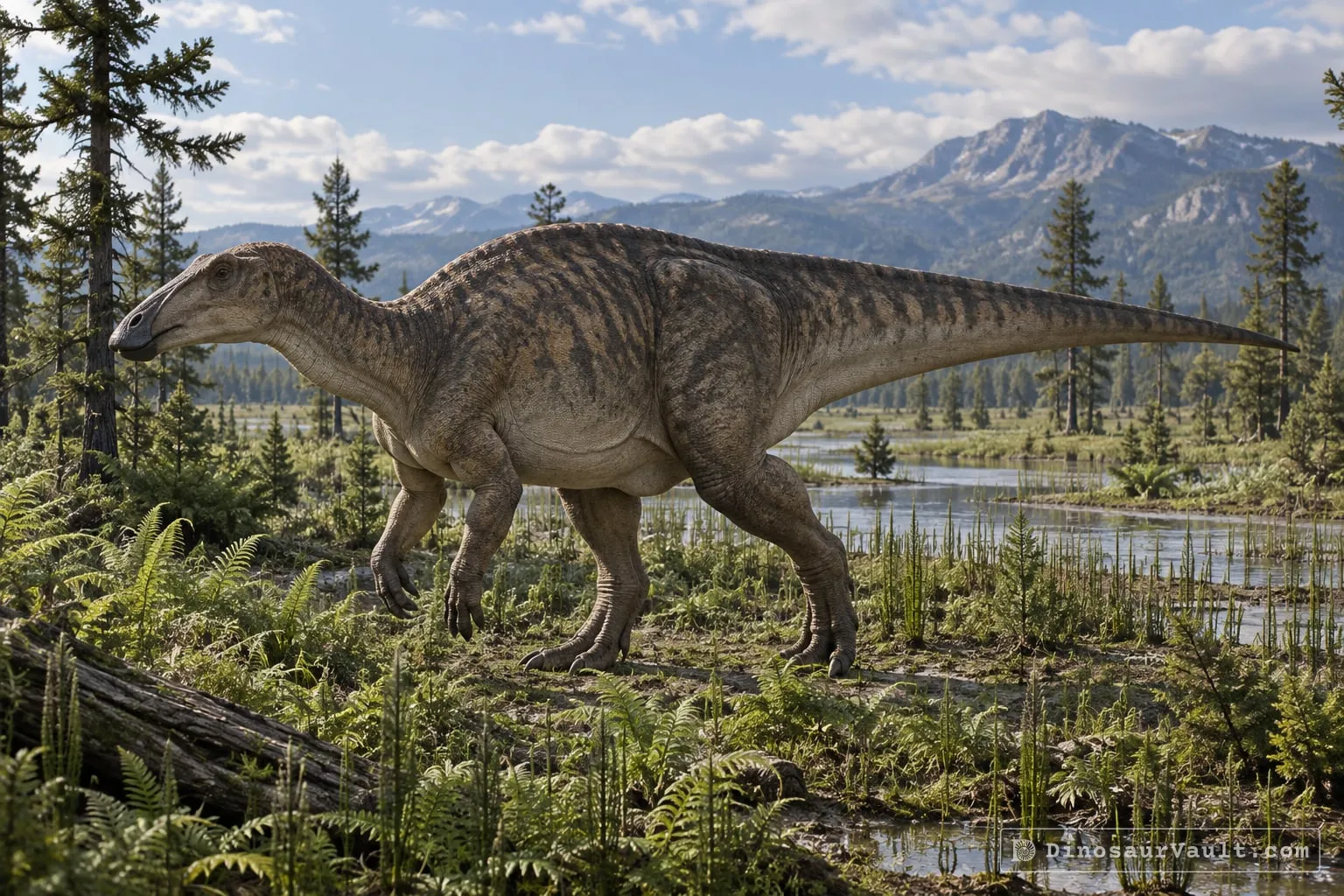
Amtocephale was a bone-headed dinosaur known from the dome of a skull. It is one of the oldest known bone-headed dinosaurs from Asia.
Its world
It lived in the Late Cretaceous in what is now Mongolia. Its fossil comes from the Baynshire Formation, where it shared the land with the raptor Achillobator, the long-clawed Segnosaurus and the armored Talarurus.
How it was found
Watabe and colleagues named it in 2011. It is named after the place where it was found.
Field gallery
More views of Amtocephale
Scenes reconstructed from the available fossil evidence.
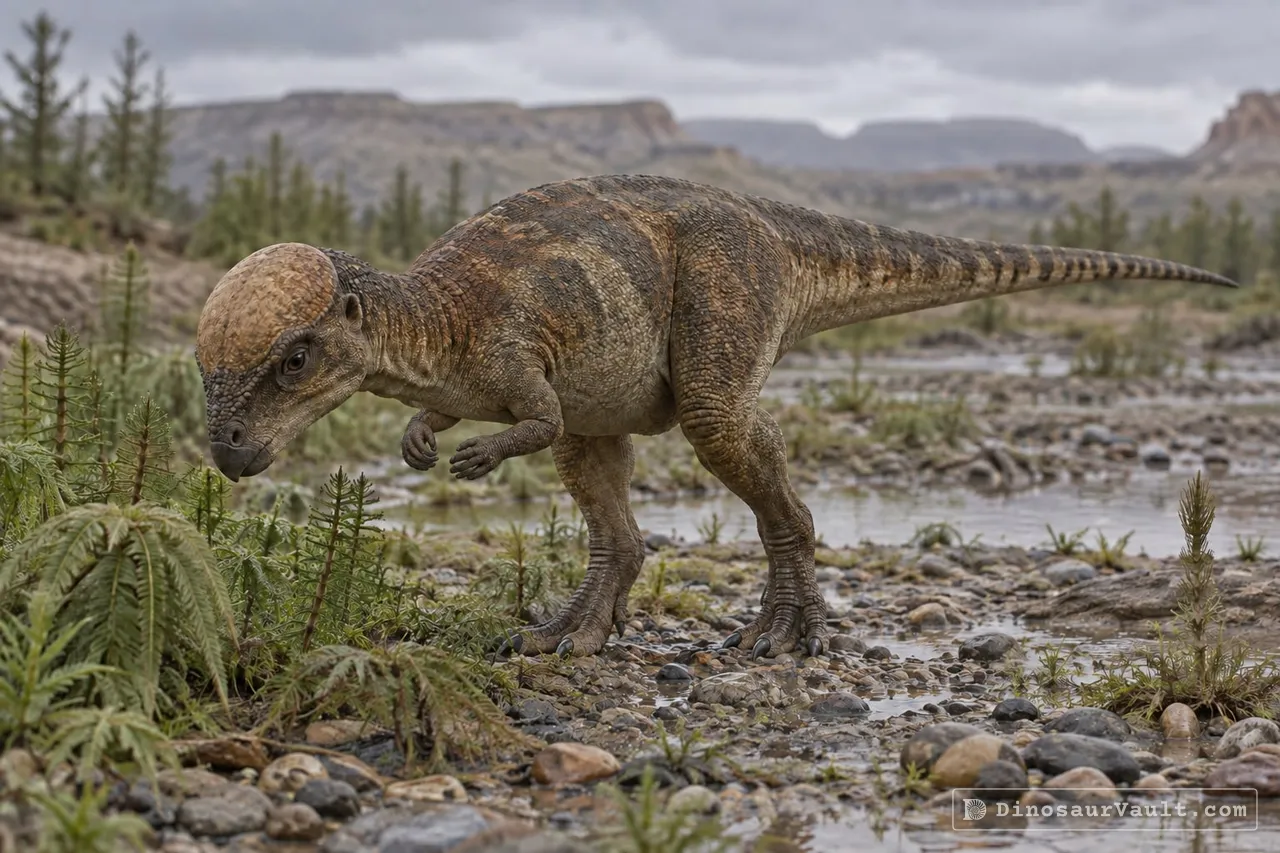
1 of 2
Lived alongside
Found in the same rock formations
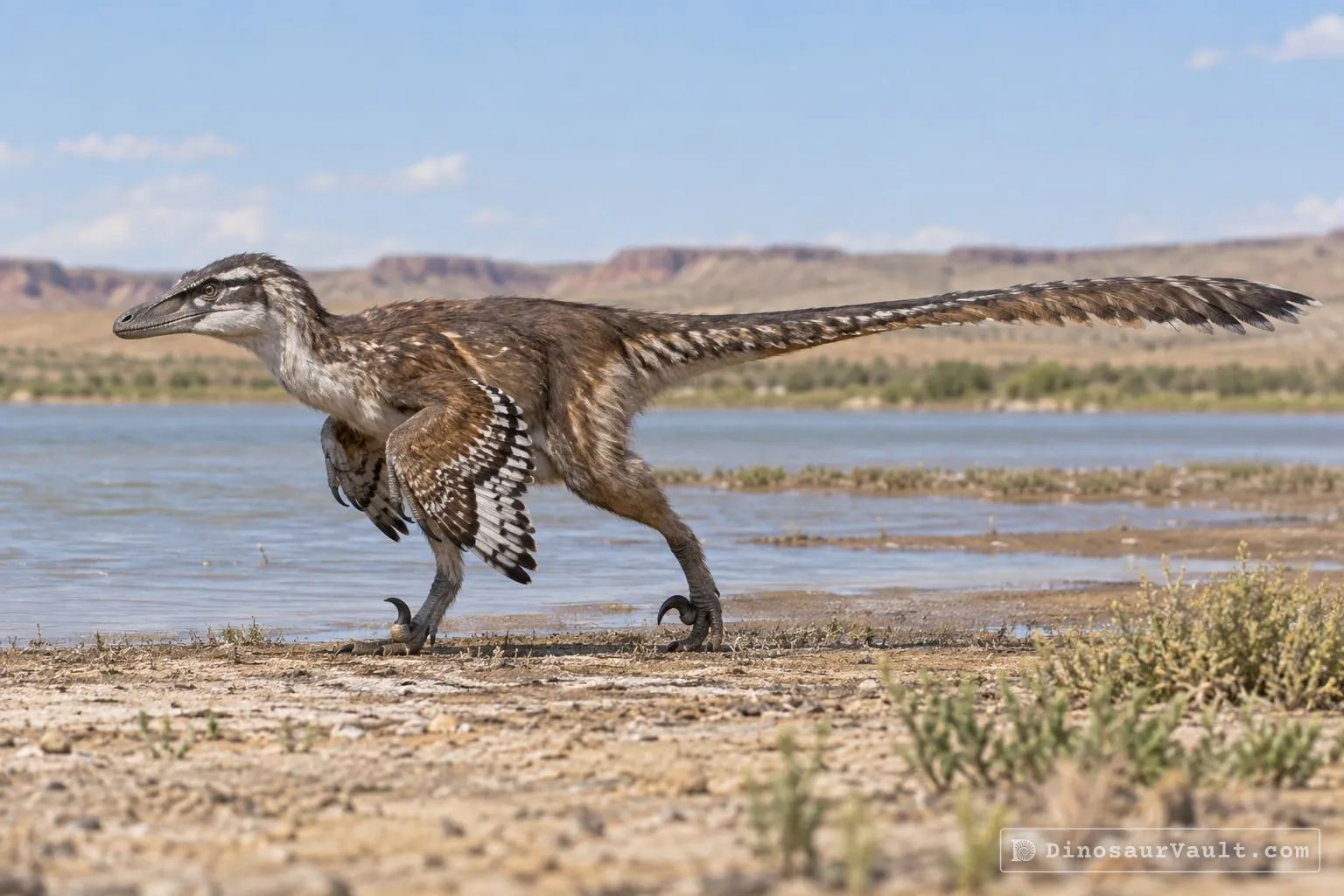
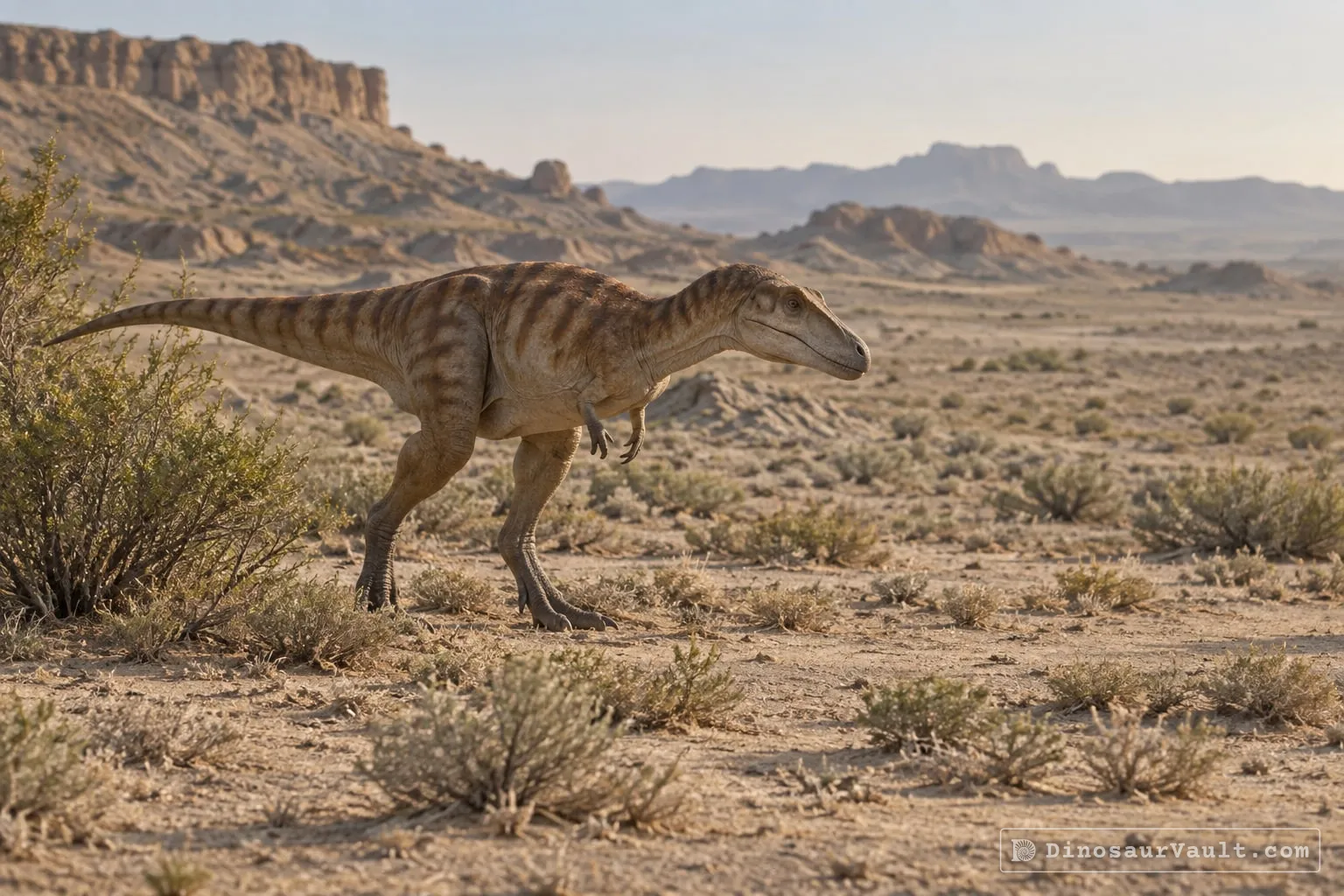
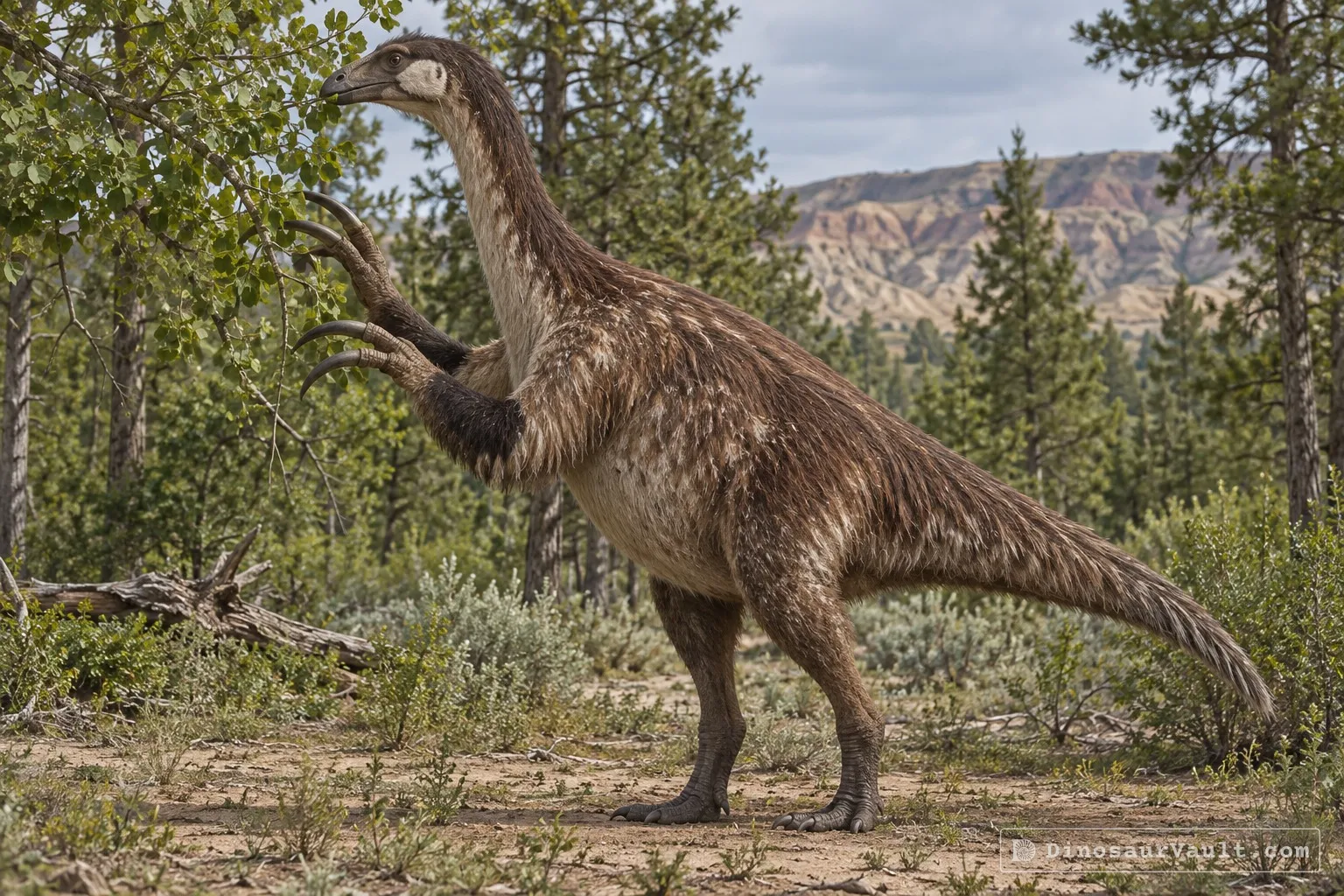
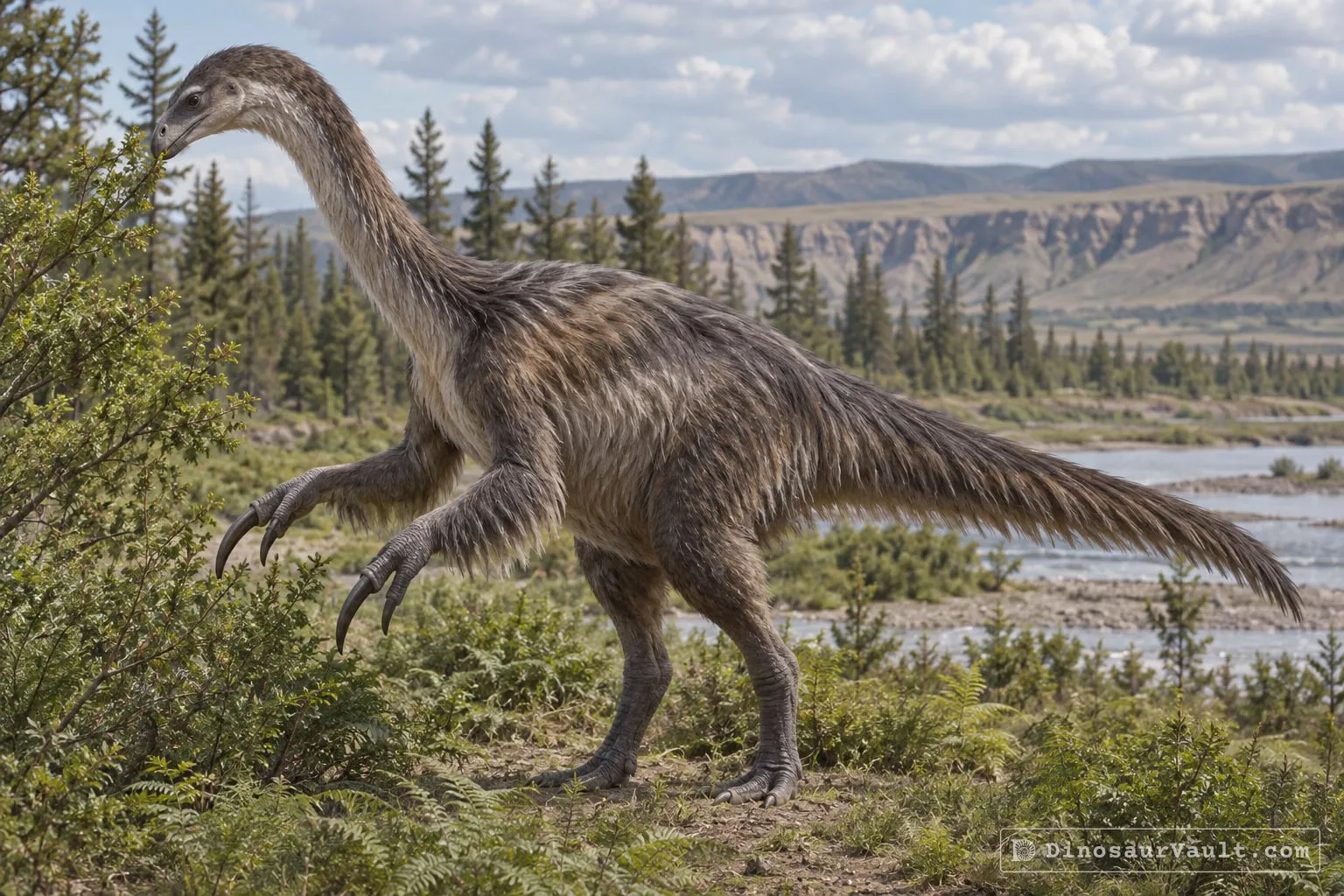
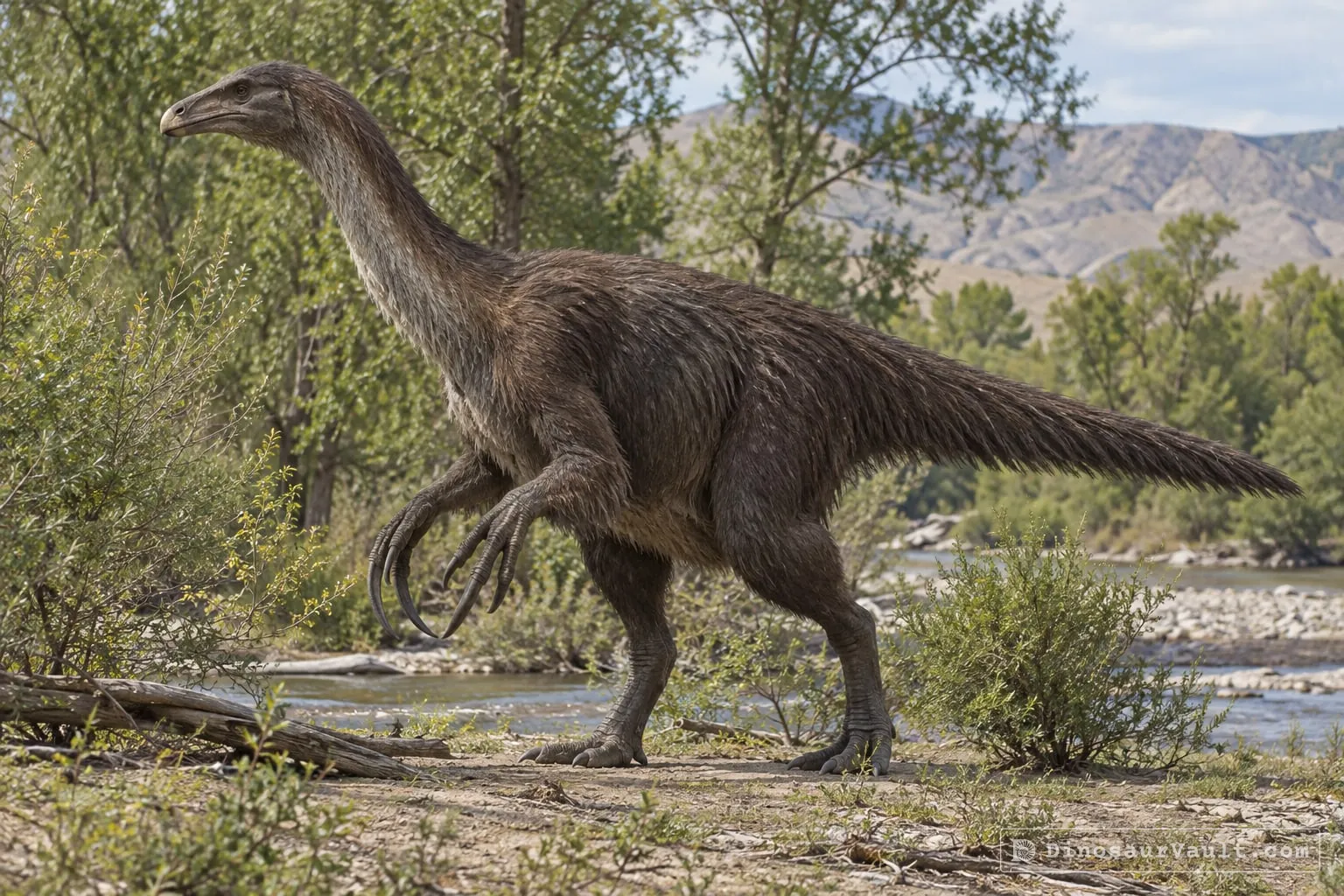
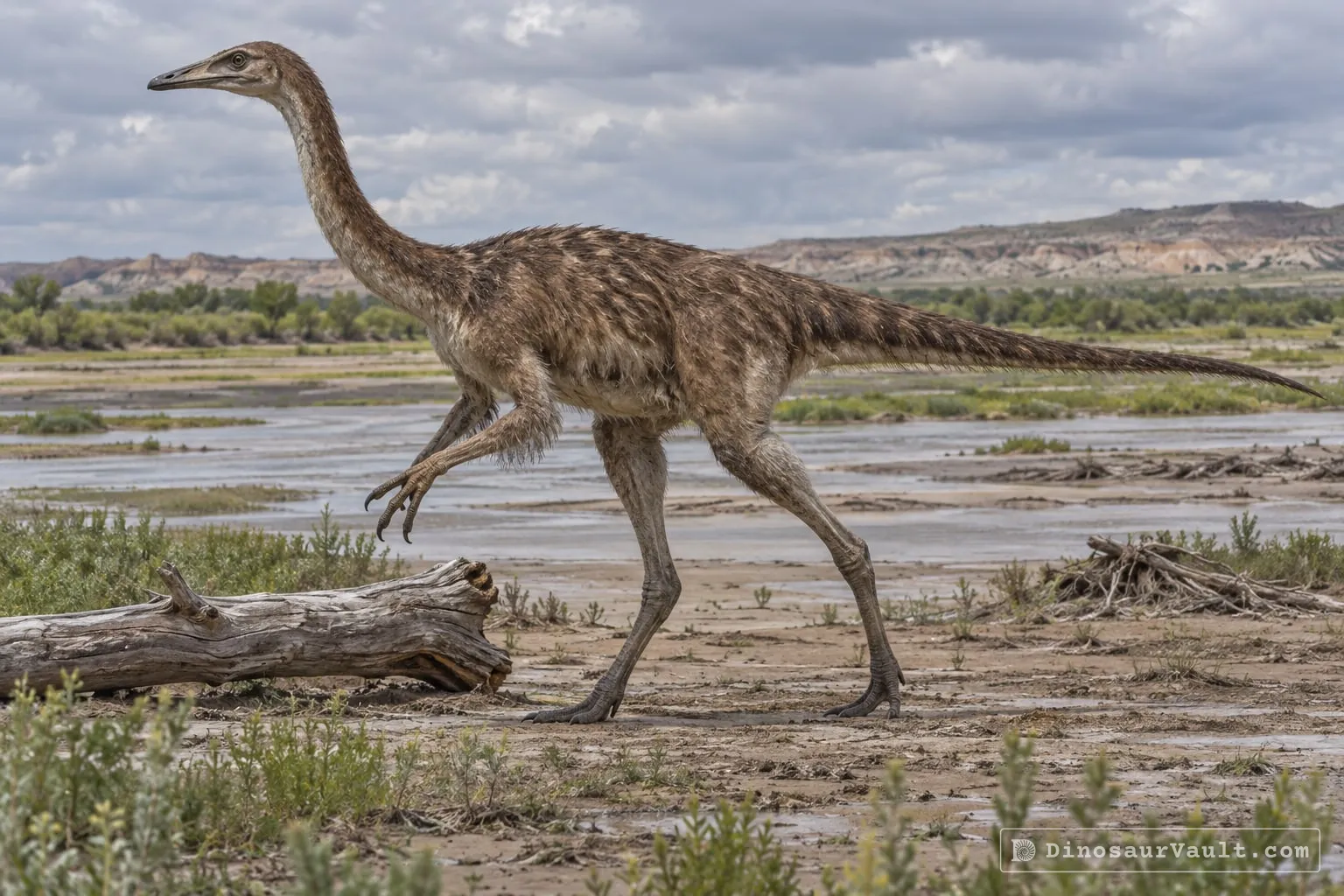
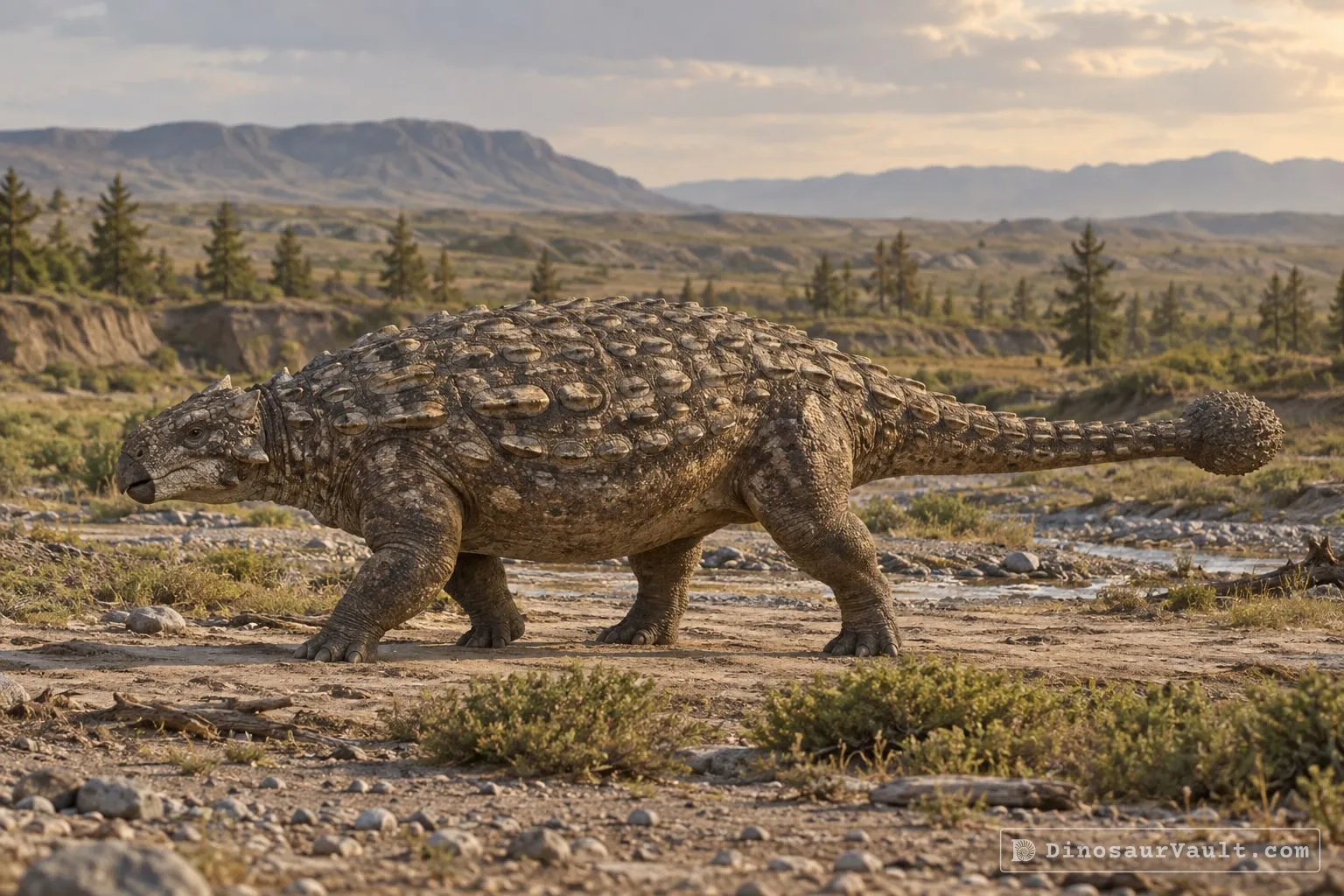


A rock formation can hold fossils laid down millions of years apart, so not every animal here met Amtocephale.
The evidence
The science behind Amtocephale
Which parts of the picture come from its own bones, and which come from its relatives.
From its own fossils
- A nearly complete dome preserves the thick bones of the skull roof.
- The dome is thick and arched, with a broad rear extension that bends sharply downward.
Borrowed from relatives
- Its missing face is compared with Prenocephale, and its limbs and tail with Goyocephale.
Still unknown
- The shape of its face, the ornament around its dome and the proportions of its body.
- How much the dome changed as it grew.
- Whether it used its head in fights.
Discovery timeline
- 2011Named itWatabe, Tsogtbaatar & Sullivan
- 2019Same rocksTsogtbaatar et al.
- 2020Fossil sitesKurumada et al.
Key papers
The research behind what we know of Amtocephale
Named it
Named Amtocephale from a skull dome and identified features that distinguish it from other bone-headed dinosaurs.
A new pachycephalosaurid from the Baynshire Formation (Cenomanian-late Santonian), Gobi Desert, Mongolia. Fossil Record 3. New Mexico Museum of Natural History and Science Bulletin 53: 489-497
No link available
Same rocks
Described Gobihadros from the same formation and documented fossil-bearing river deposits.
A new hadrosauroid (Dinosauria: Ornithopoda) from the Late Cretaceous Baynshire Formation of the Gobi Desert (Mongolia). PLOS ONE 14: e0208480
Read the paper : A new hadrosauroid (Dinosauria: Ornithopoda) from the Late Cretaceous Baynshire Formation of the Gobi Desert (Mongolia) (opens in a new tab)Fossil sites
Dated minerals in ancient soils to help establish the age of the dinosaur-bearing formation.
Calcite U–Pb age of the Cretaceous vertebrate‐bearing Bayn Shire Formation in the Eastern Gobi Desert of Mongolia: Usefulness of caliche for age determination. Terra Nova 32: 246-252
Read the paper : Calcite U–Pb age of the Cretaceous vertebrate‐bearing Bayn Shire Formation in the Eastern Gobi Desert of Mongolia: Usefulness of caliche for age determination (opens in a new tab)
Close relatives
Other members of Pachycephalosauridae


Sources: Wikidata