Outline: a typical ceratopsian
Yehuecauhceratops
"ancient horned face"
Type species Yehuecauhceratops mudei
- Lived
- 84 to 72 million years ago, Late Cretaceous
- Diet
- Herbivore
- Group
- Ceratopsians, Ceratopsidae
- Found in
- Mexico
- Named by
- Rivera-Sylva et al. 2017
Where its fossils were found
The evidence
Today
80 million years ago
Field notes
About Yehuecauhceratops
What it was like
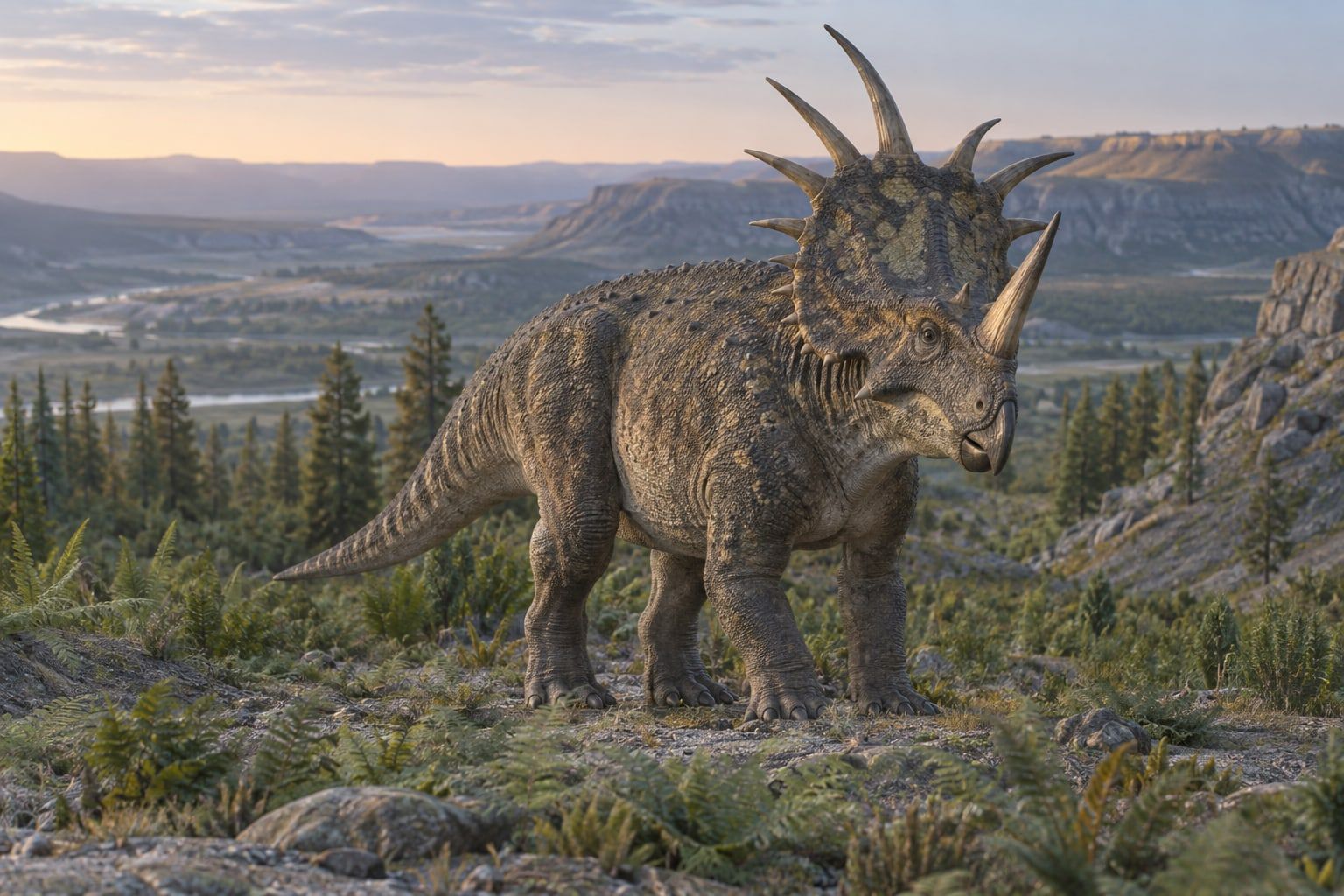
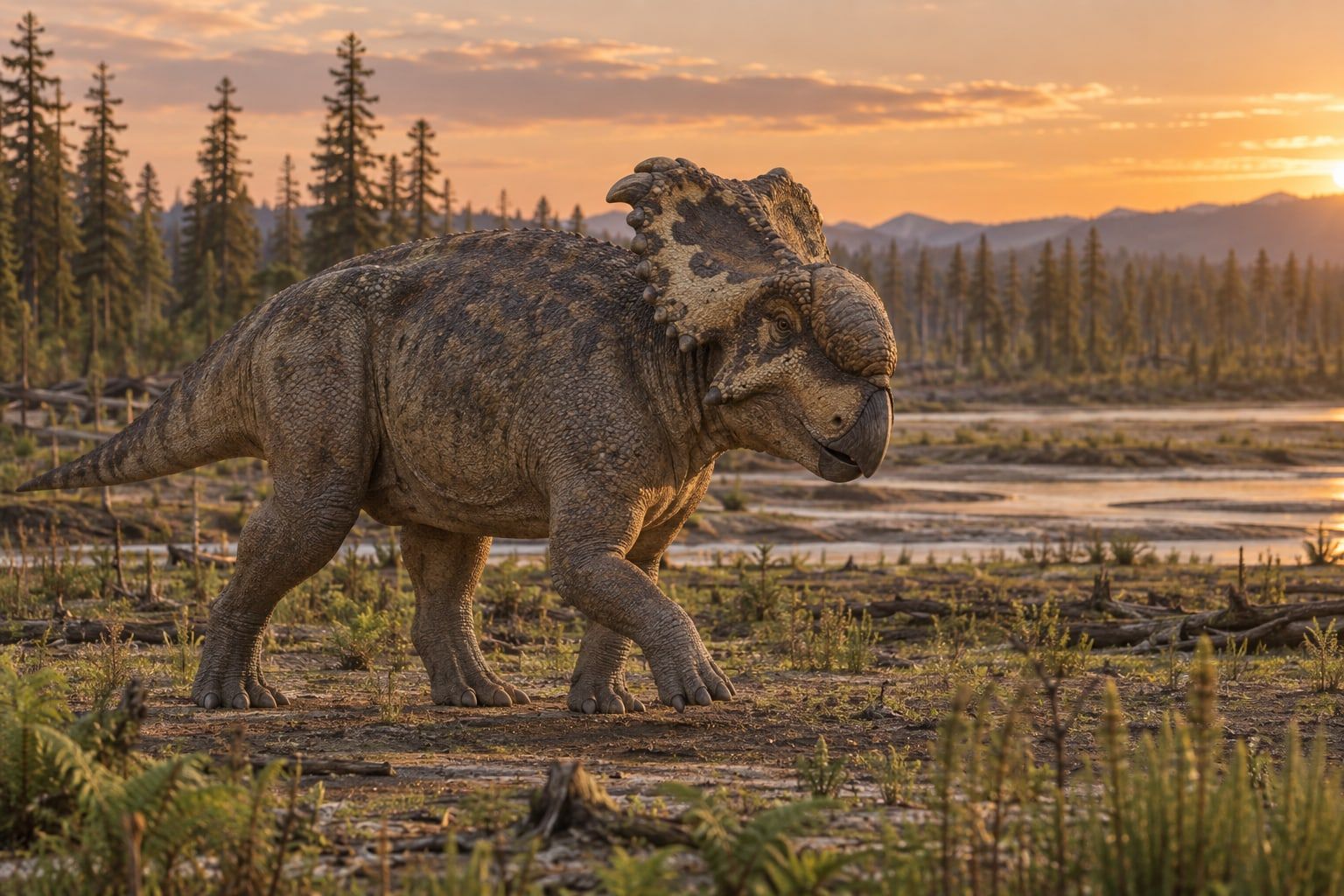
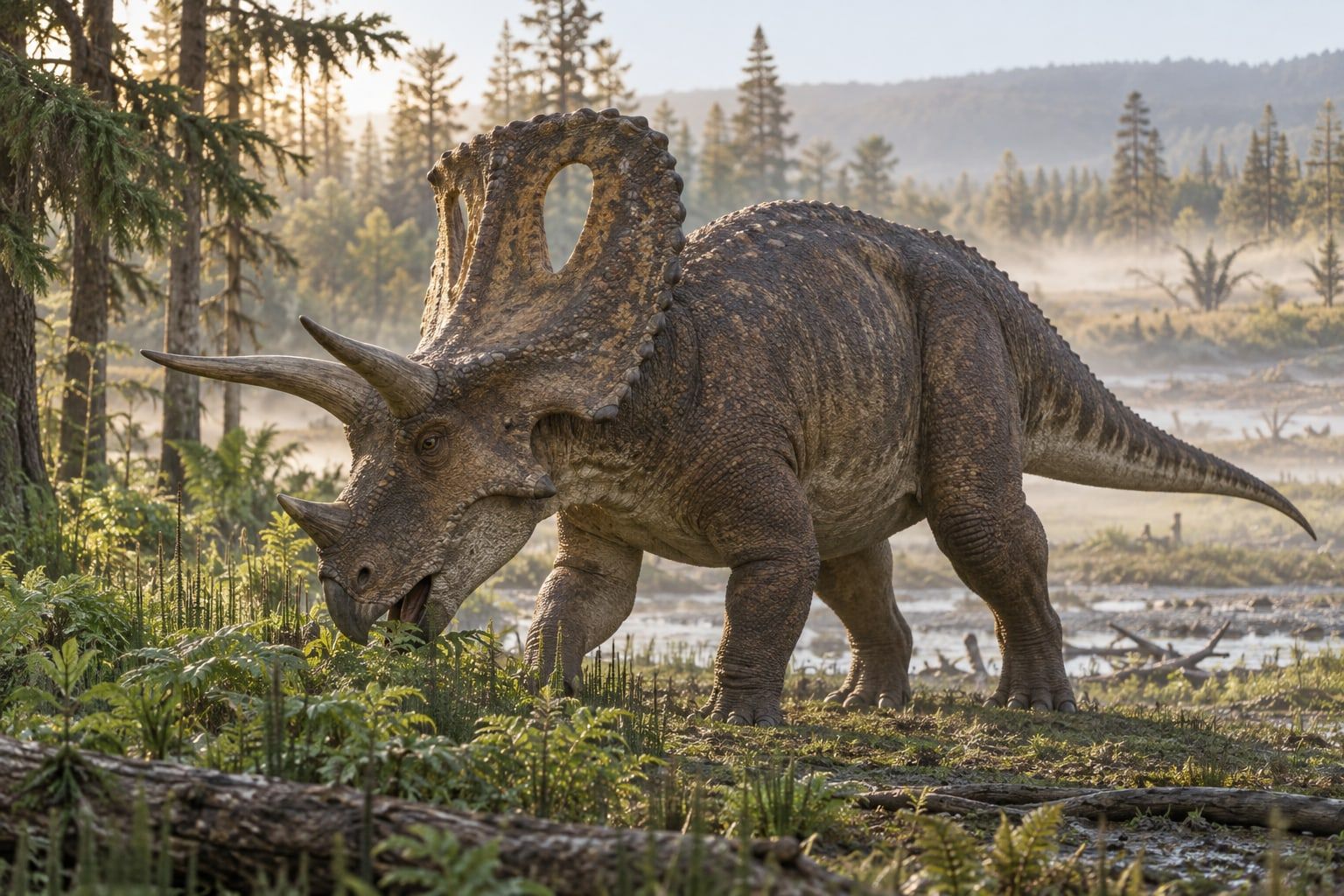
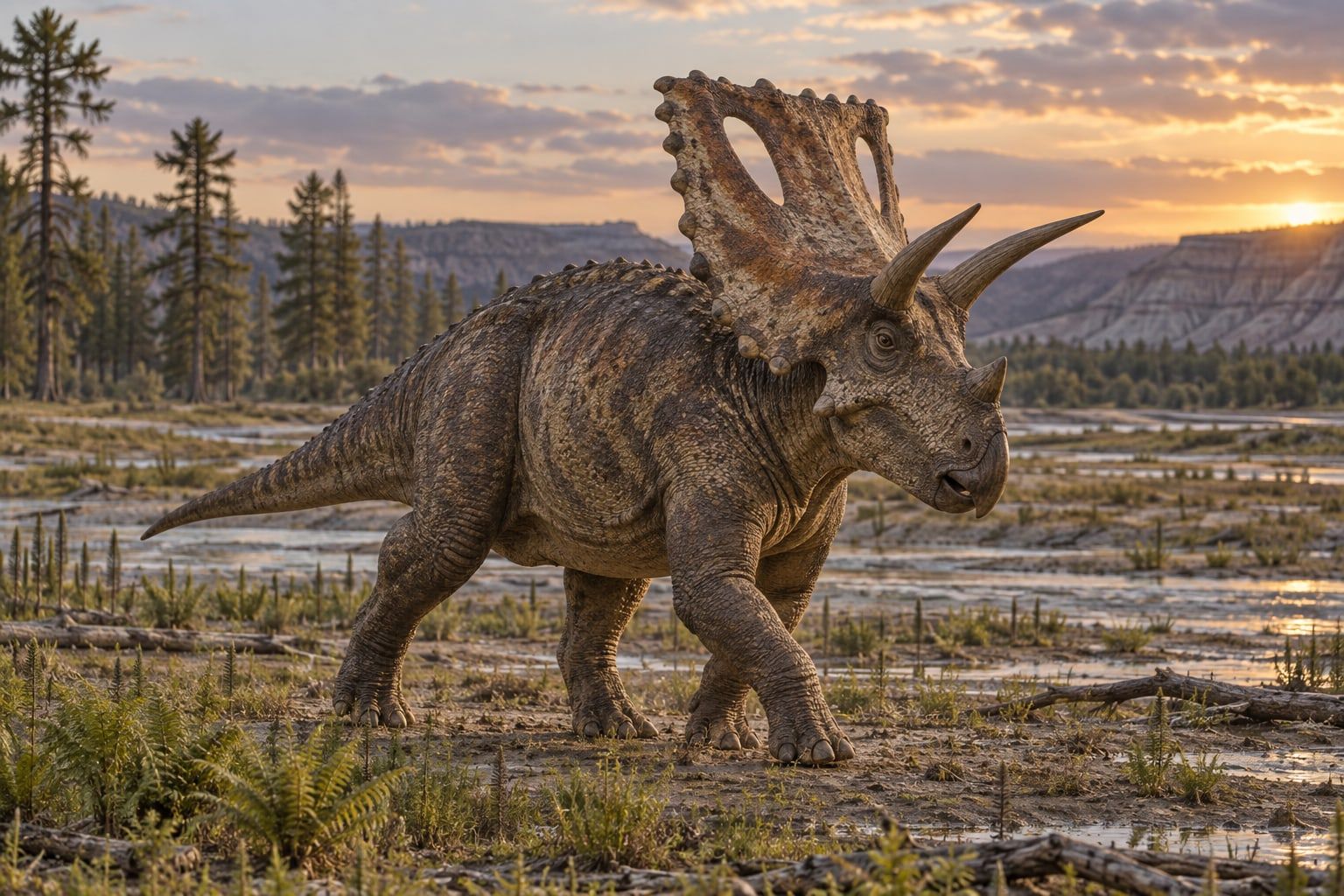
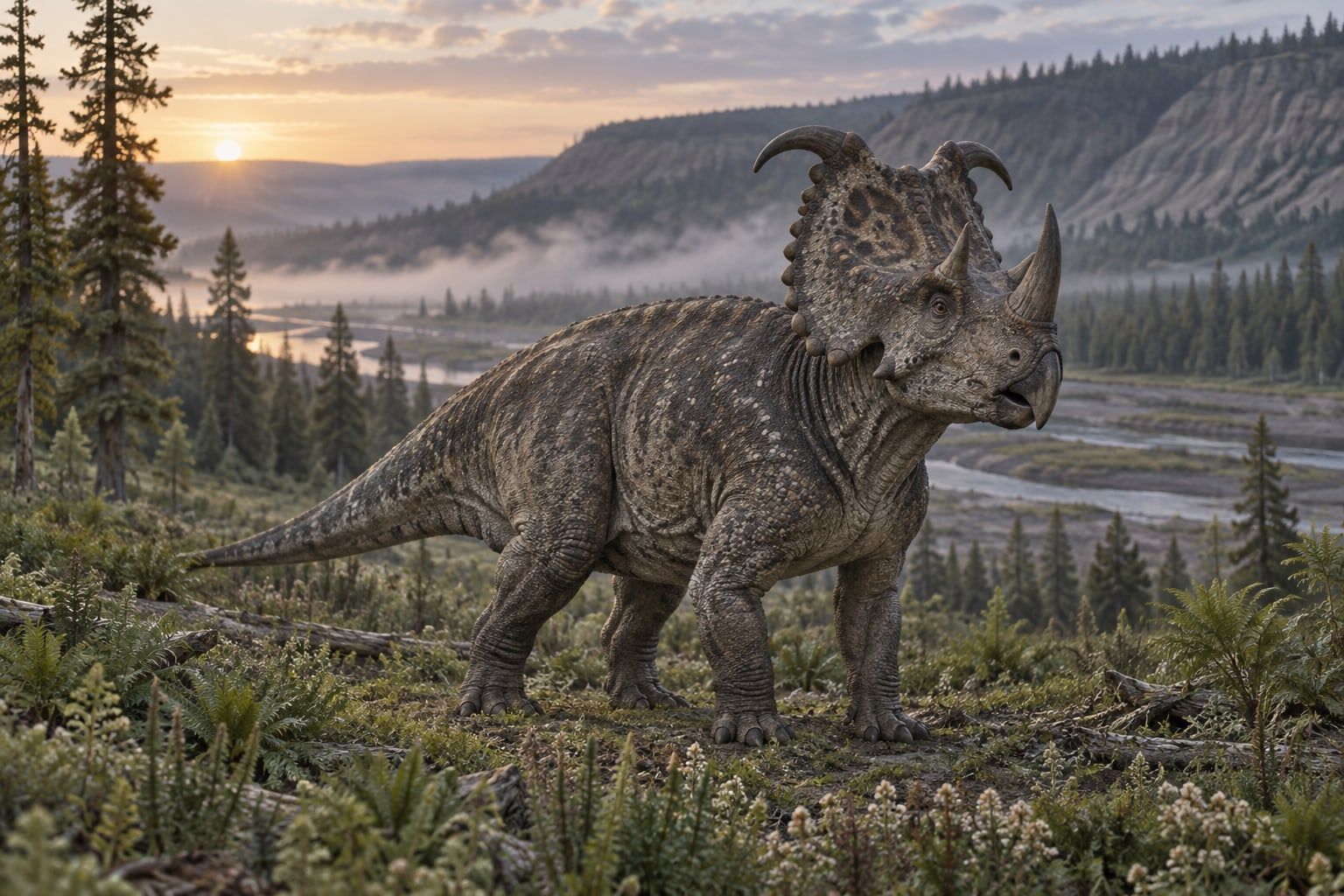
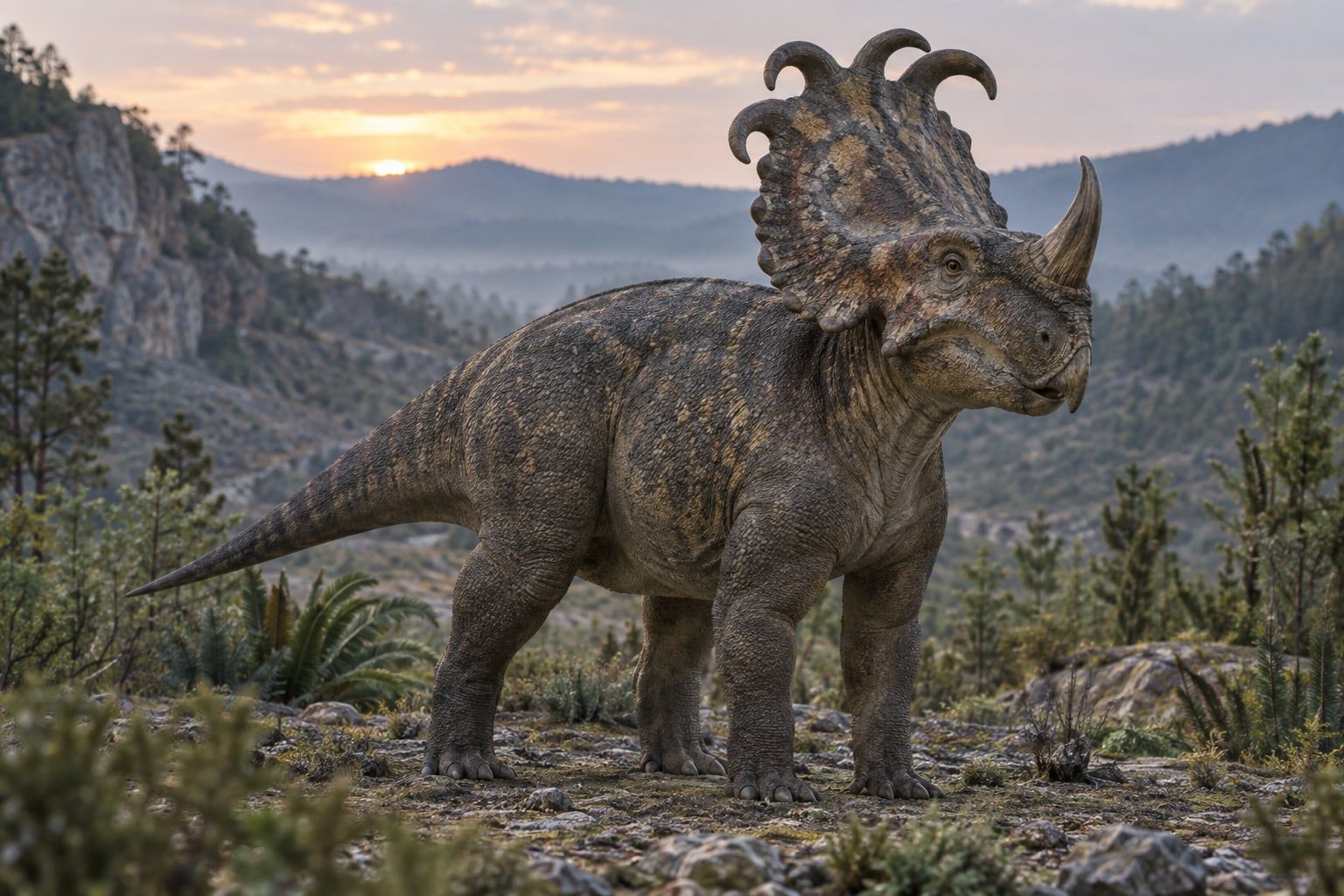
Yehuecauhceratops was a small horned plant eater from the centrosaurine group, relatives of Centrosaurus. It is known from parts of two skeletons, including pieces of the frill.
Its world
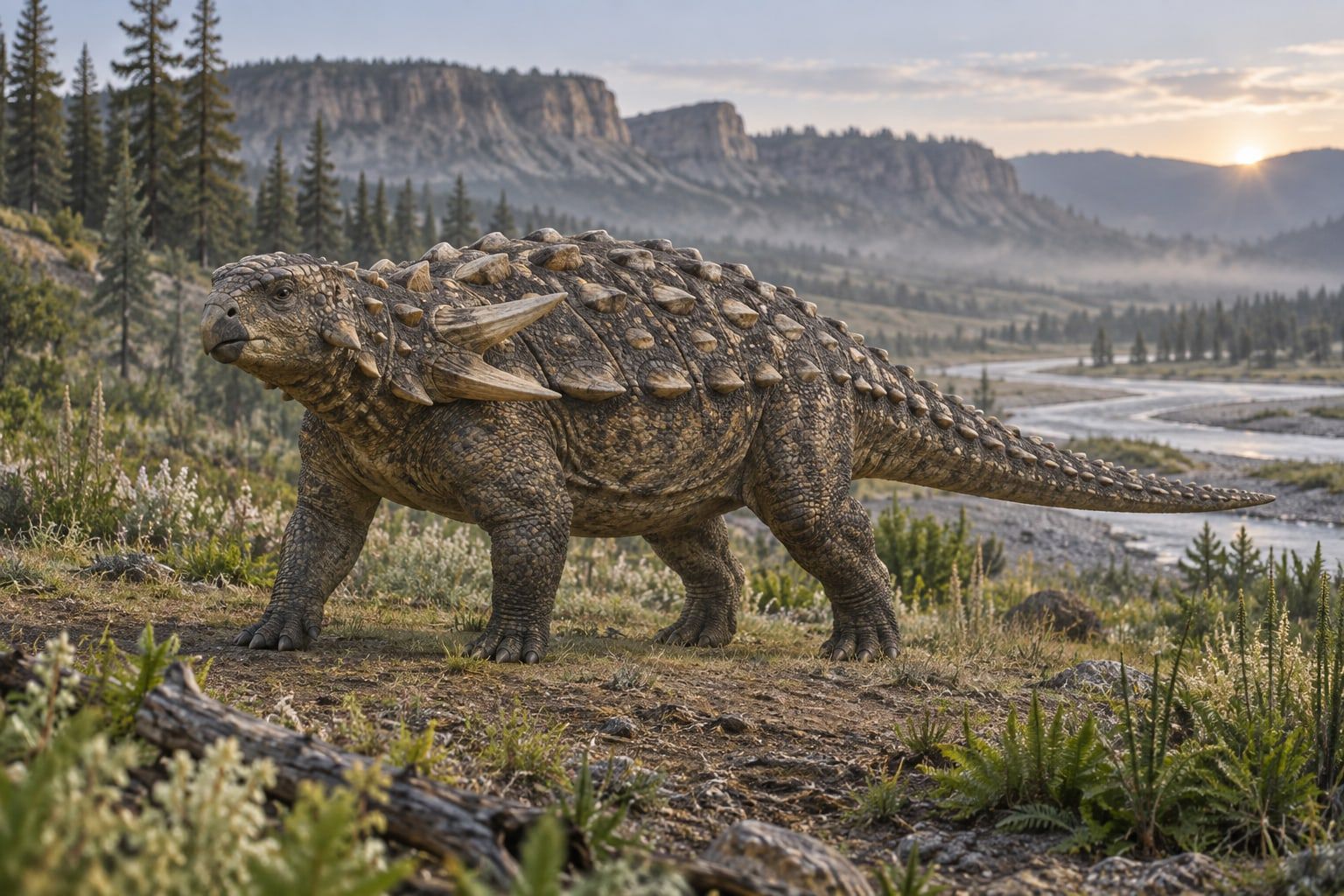
It lived in the Late Cretaceous in what is now Mexico. Its bones come from the Aguja Formation, a coastal land shared with the horned Agujaceratops and the duckbill Kritosaurus.
How it was found
Rivera-Sylva and colleagues named it in 2017. The type species is Yehuecauhceratops mudei. The first part of the name comes from an old language of Mexico.
Lived alongside
Found in the same rock formations
Close relatives
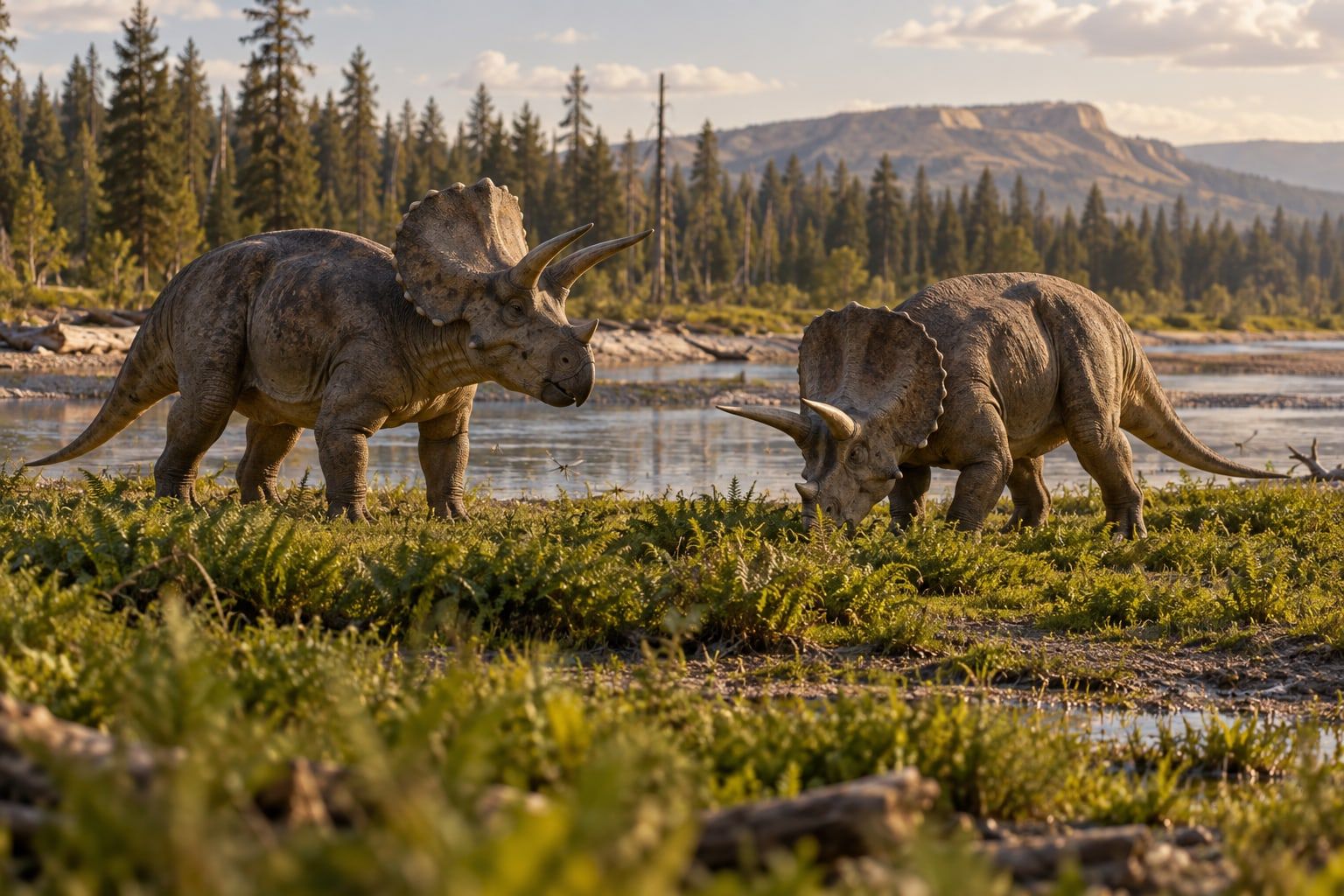
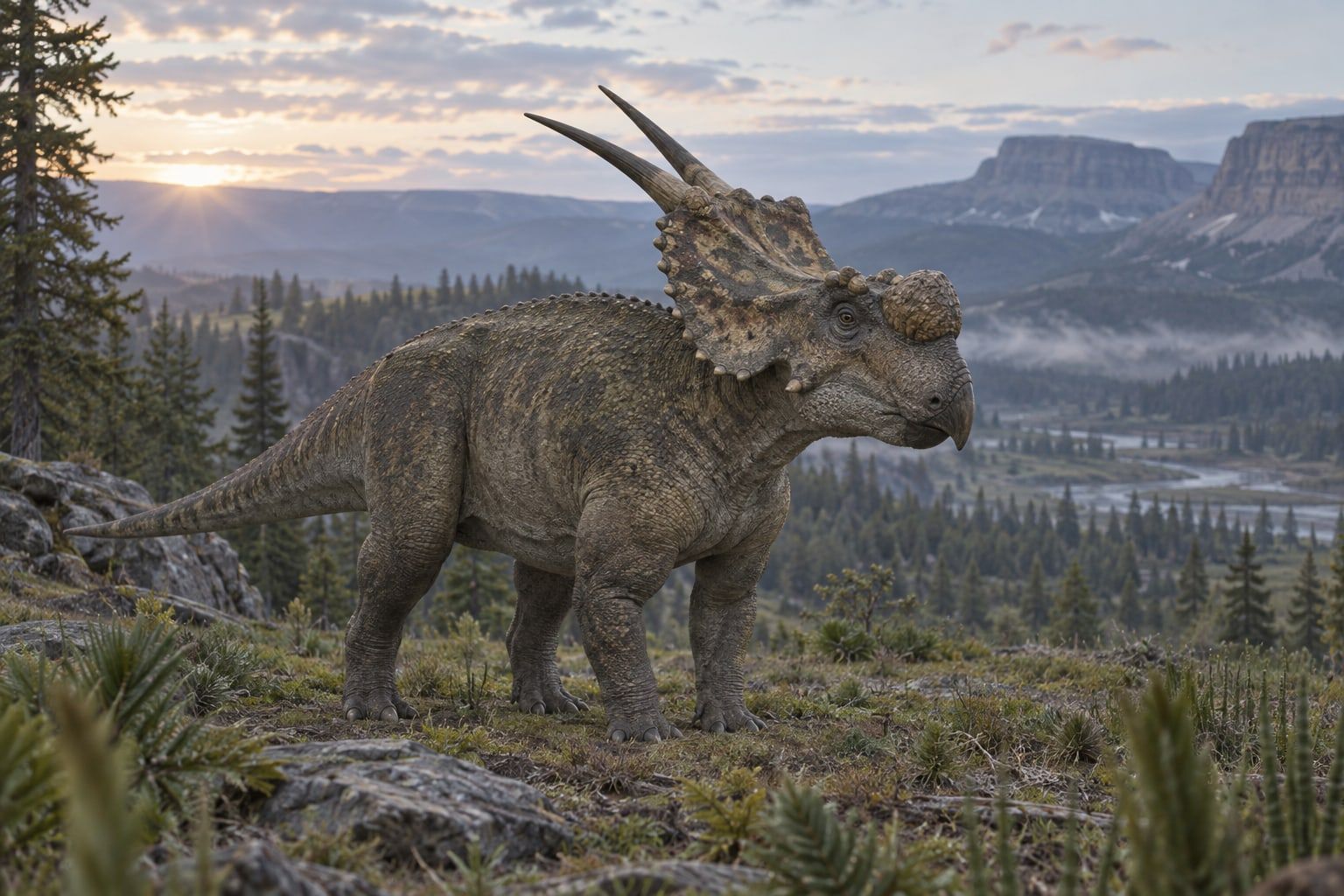
Other members of Ceratopsidae
Sources: WikidataNamed in: H. E. Rivera-Sylva, E. Frey, and W. Stinnesbeckc, J. R. Guzmán-Gutiérrez, A. H. González-González. 2017. Mexican ceratopsids: considerations on their diversity and biogeography. Journal of South American Earth Sciences 75:66-73