Lambeosaurus
LAM-bee-oh-SORE-us
"Lambe's lizard"
- Lived
- 84 to 72 million years ago, Late Cretaceous
- Diet
- Herbivore
- Length
- about 9 m (30 ft)
- Group
- Ornithopods, Hadrosauridae
- Found in
- Canada
- Named by
- Parks 1923
Size comparison
To scale
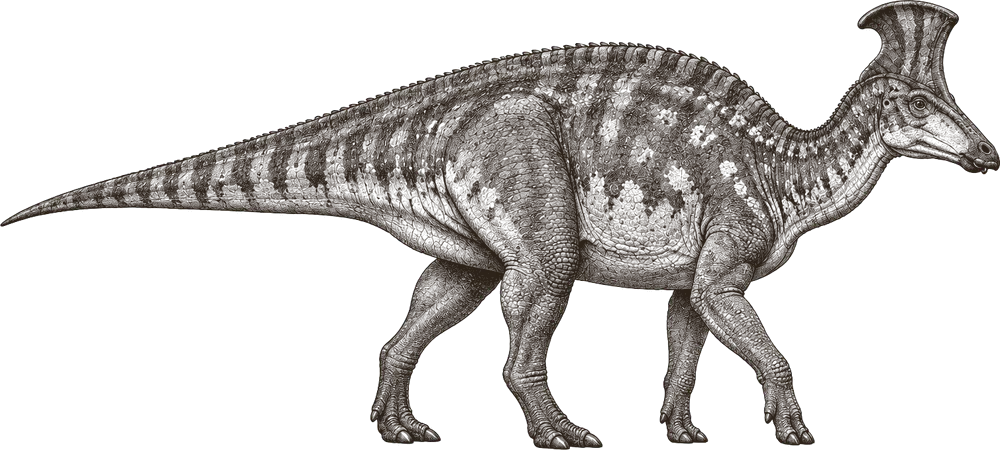


Scale in meters
Where its fossils were found
The evidence
Today

80 million years ago
Habitat
It lived on river floodplains in Alberta. Its neighbors included Corythosaurus, Chasmosaurus and Gorgosaurus.
Field notes
About Lambeosaurus
What it was like
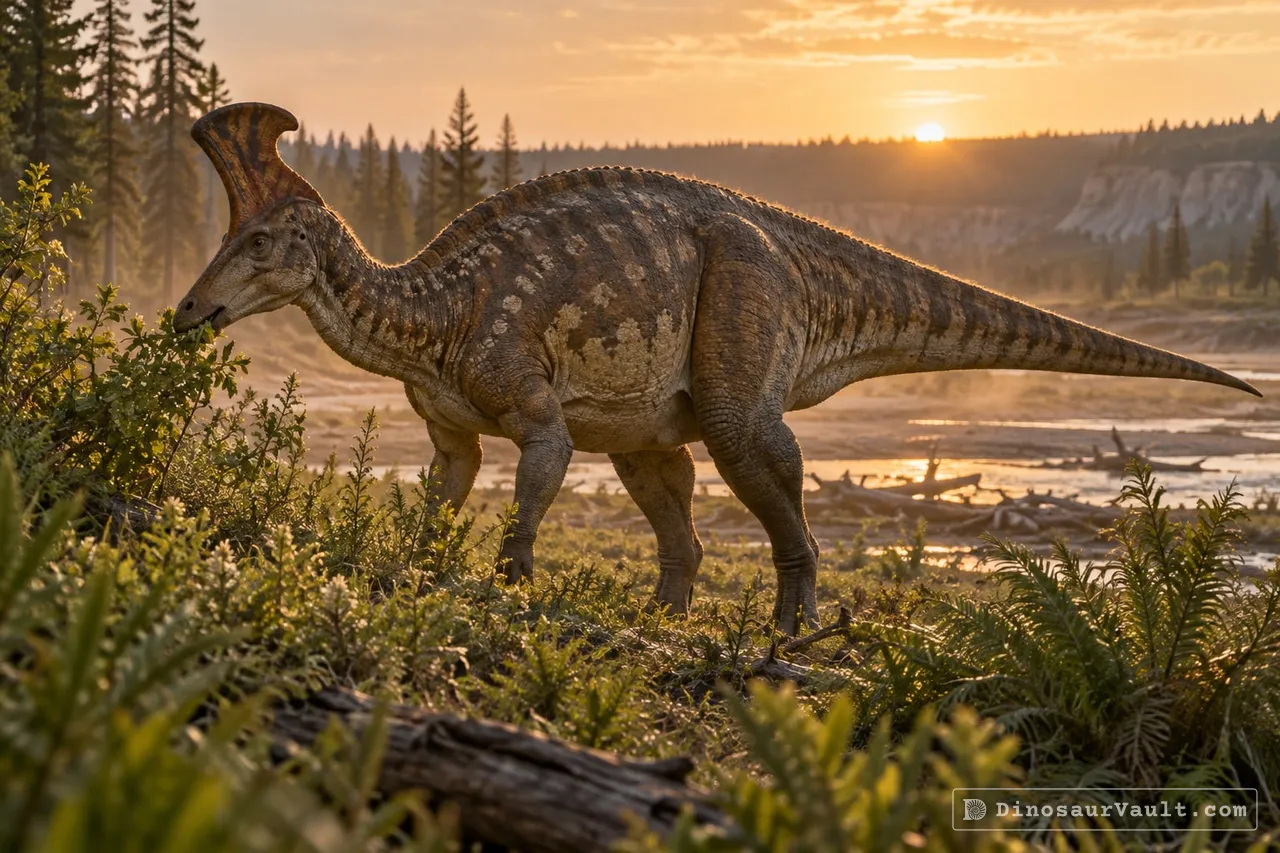
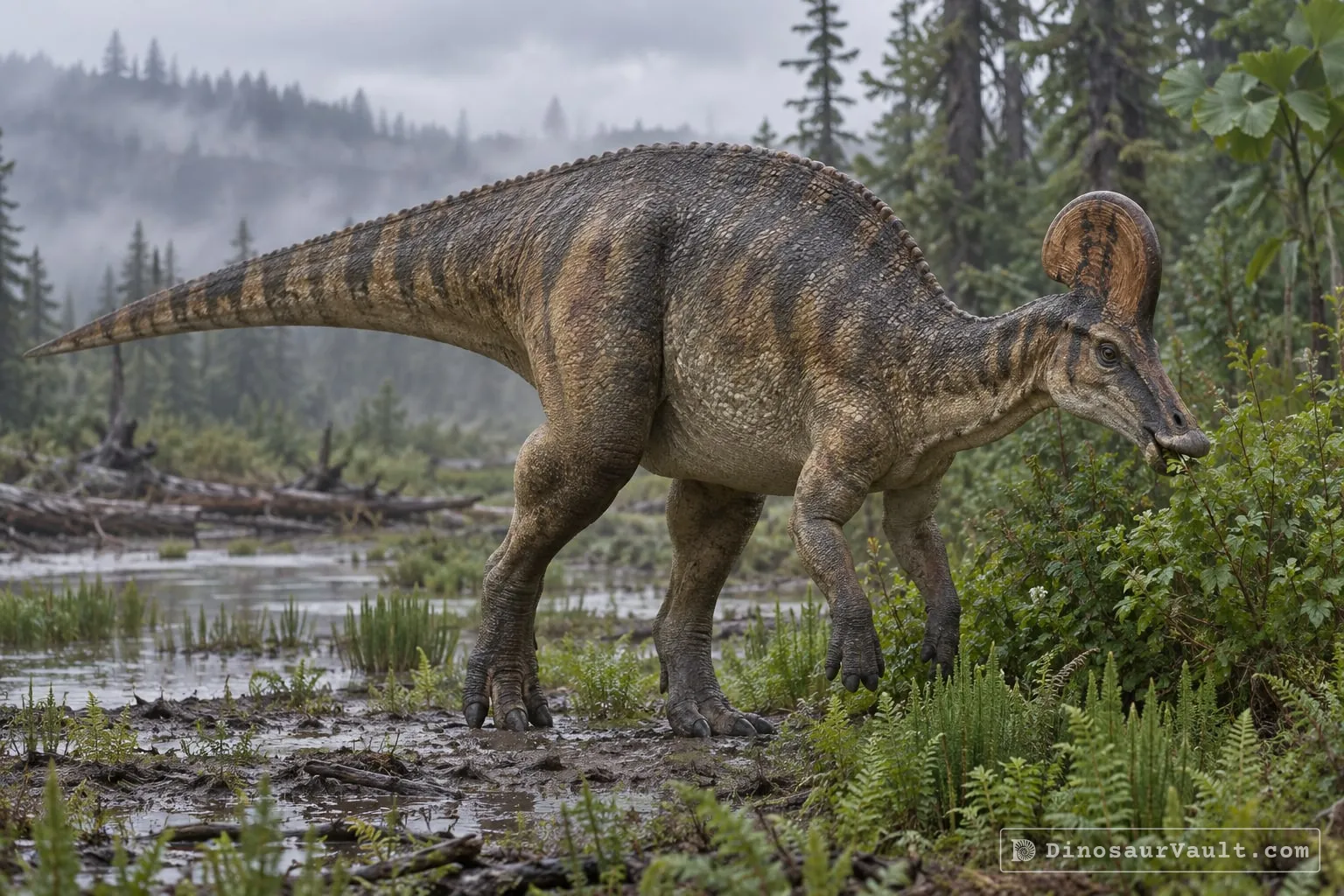
Lambeosaurus was a duck-billed dinosaur, a hadrosaur, that grew to about 9 meters (30 feet) long. Like its relatives, it had a broad, flat beak for cropping plants and rows of grinding teeth packed tightly along its jaws. Its most striking feature was a tall, hollow crest on its head, made from the same bones that form the nose. The crest likely helped Lambeosaurus make sounds, and may also have signaled age or species to other members of a herd.
Lambeosaurus could walk on two legs or drop onto four, and had a long, deep tail balanced by a stiff network of tendons.
Its world
Lambeosaurus lived in Alberta, Canada, from about 84 to 72 million years ago, during the Late Cretaceous. It shared its floodplain habitat with fellow hadrosaurs, including Corythosaurus, and with the horned Chasmosaurus and Centrosaurus. Predators such as Gorgosaurus and Daspletosaurus, along with smaller hunters like Troodon and Dromaeosaurus, would have posed a constant threat, while herds of hadrosaurs likely relied on numbers and alertness for safety.
How it was found
Parks named Lambeosaurus in 1923, based on fossils from the Dinosaur Park Formation of Alberta. Its bones have since turned up in about 19 separate fossil finds, making it one of the better known hadrosaurs from the region, alongside close relatives such as Corythosaurus and Parasaurolophus.
Field gallery
More views of Lambeosaurus
Scenes reconstructed from the available fossil evidence.
1 of 7
Lived alongside
Found in the same rock formations
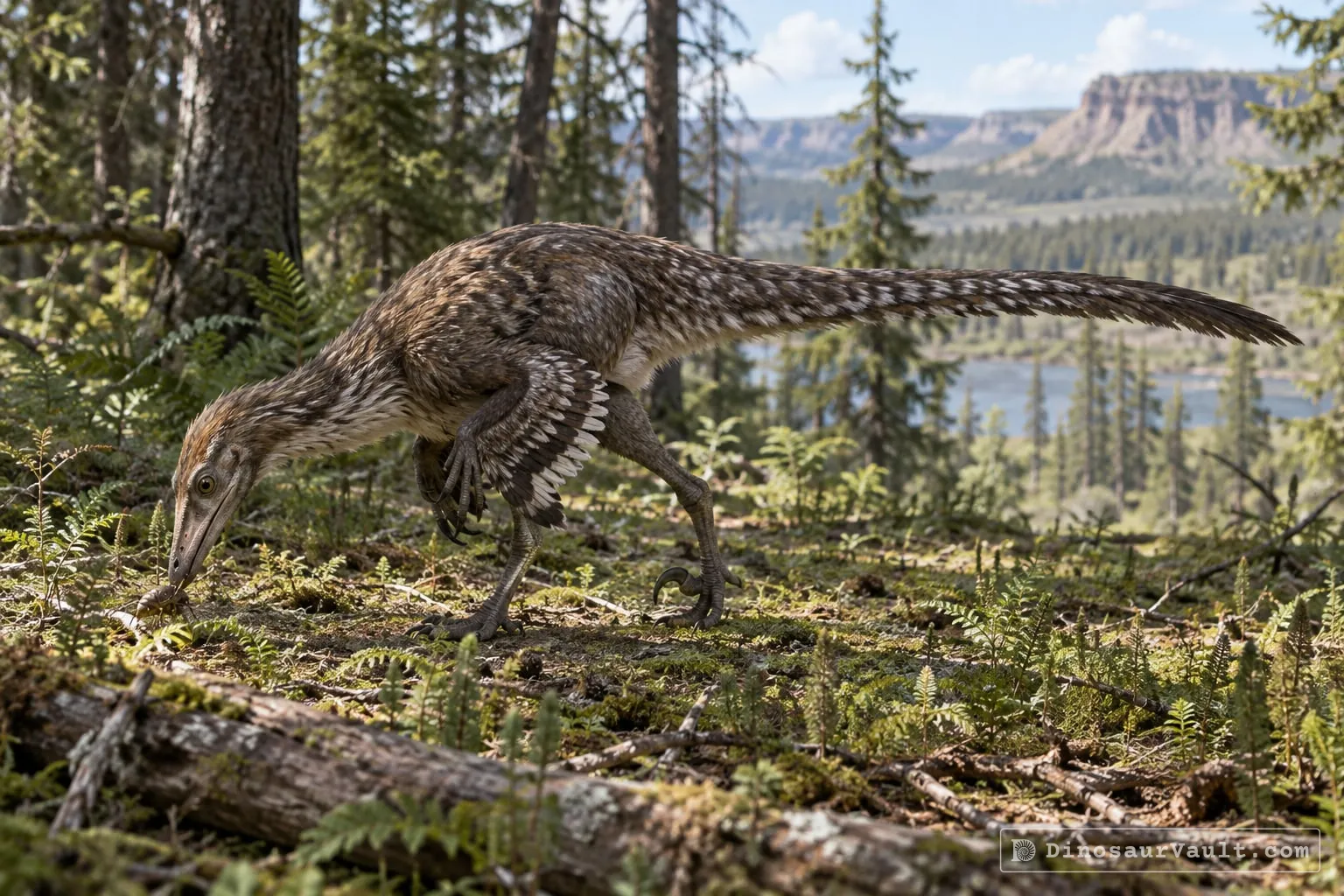
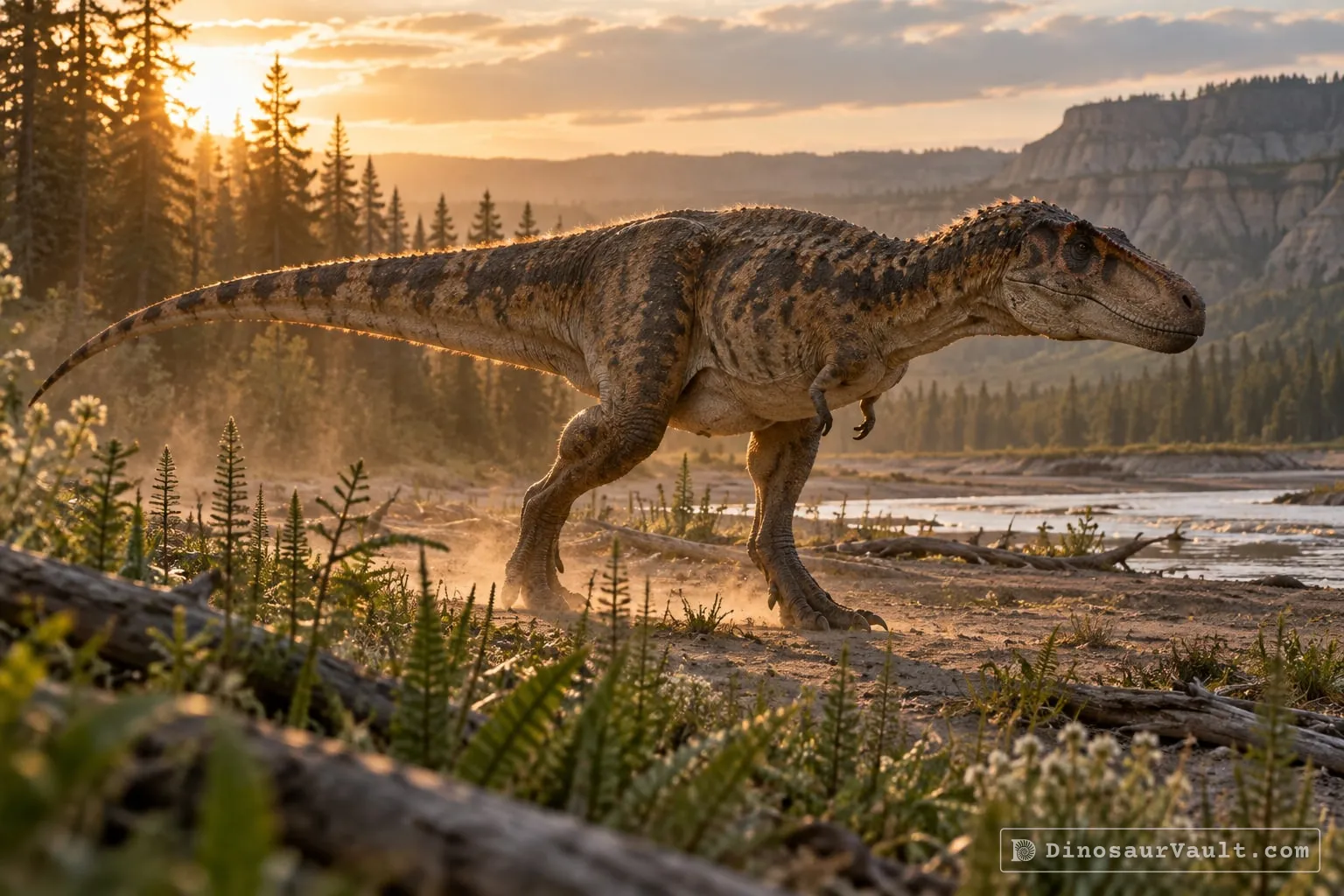
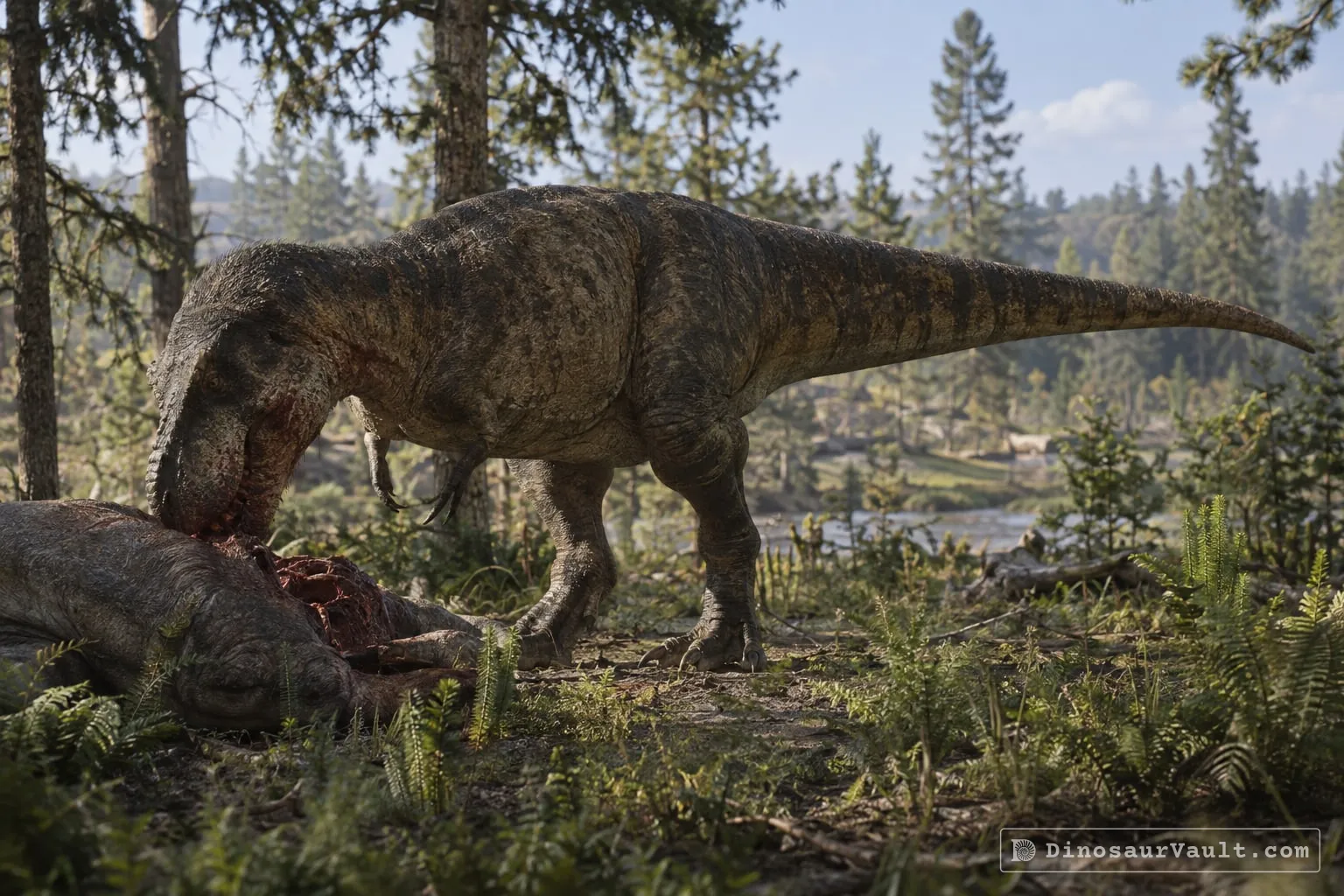
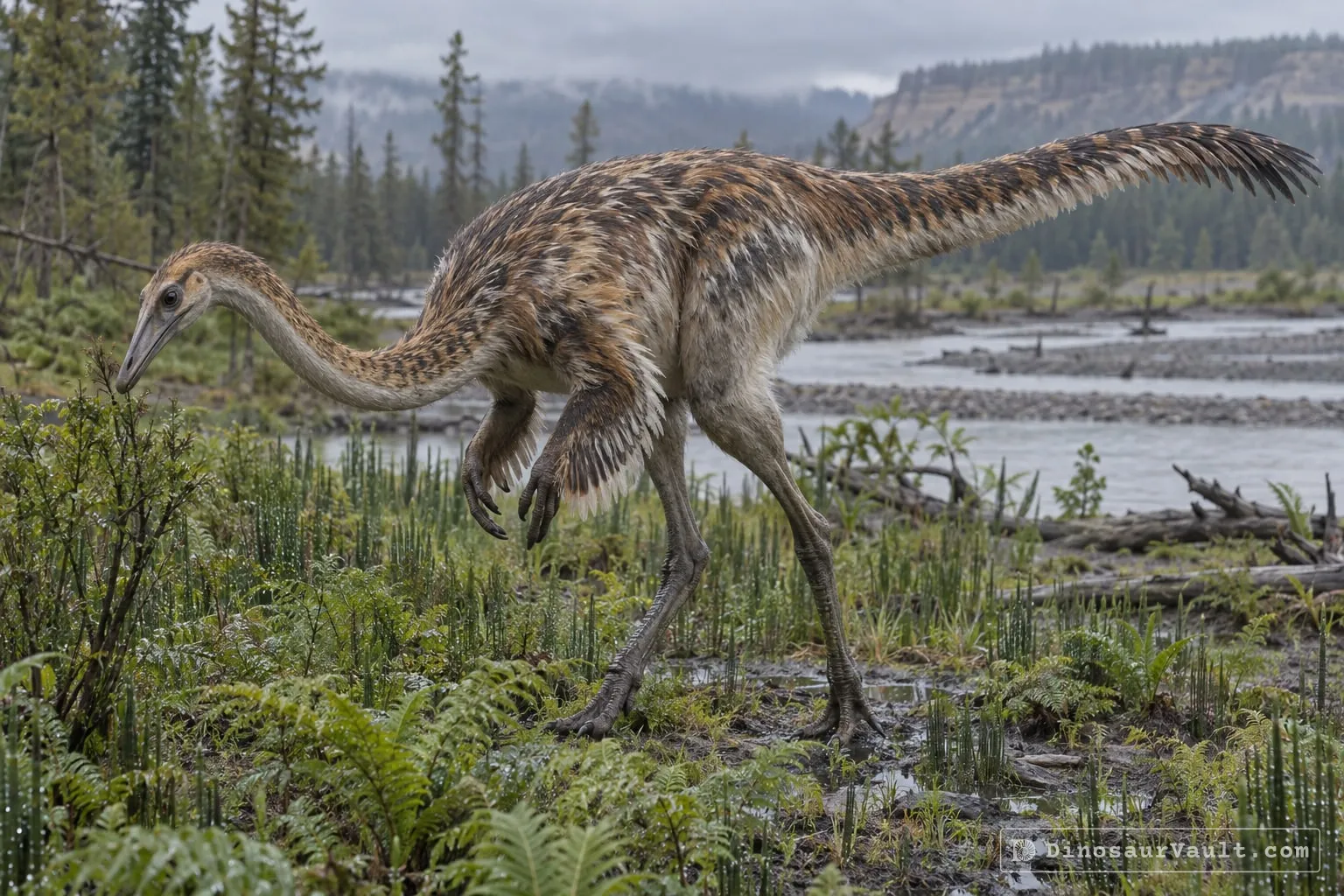
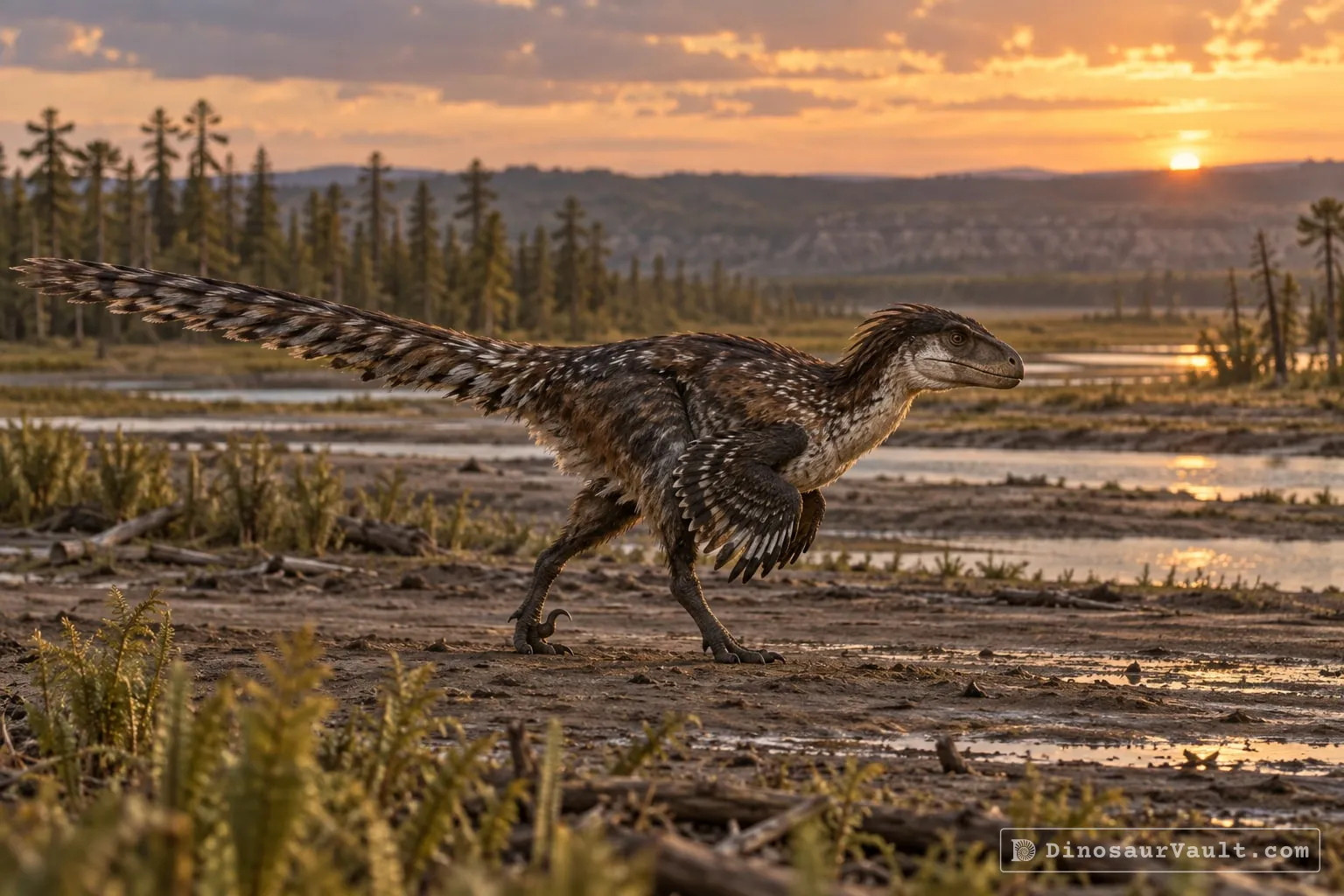
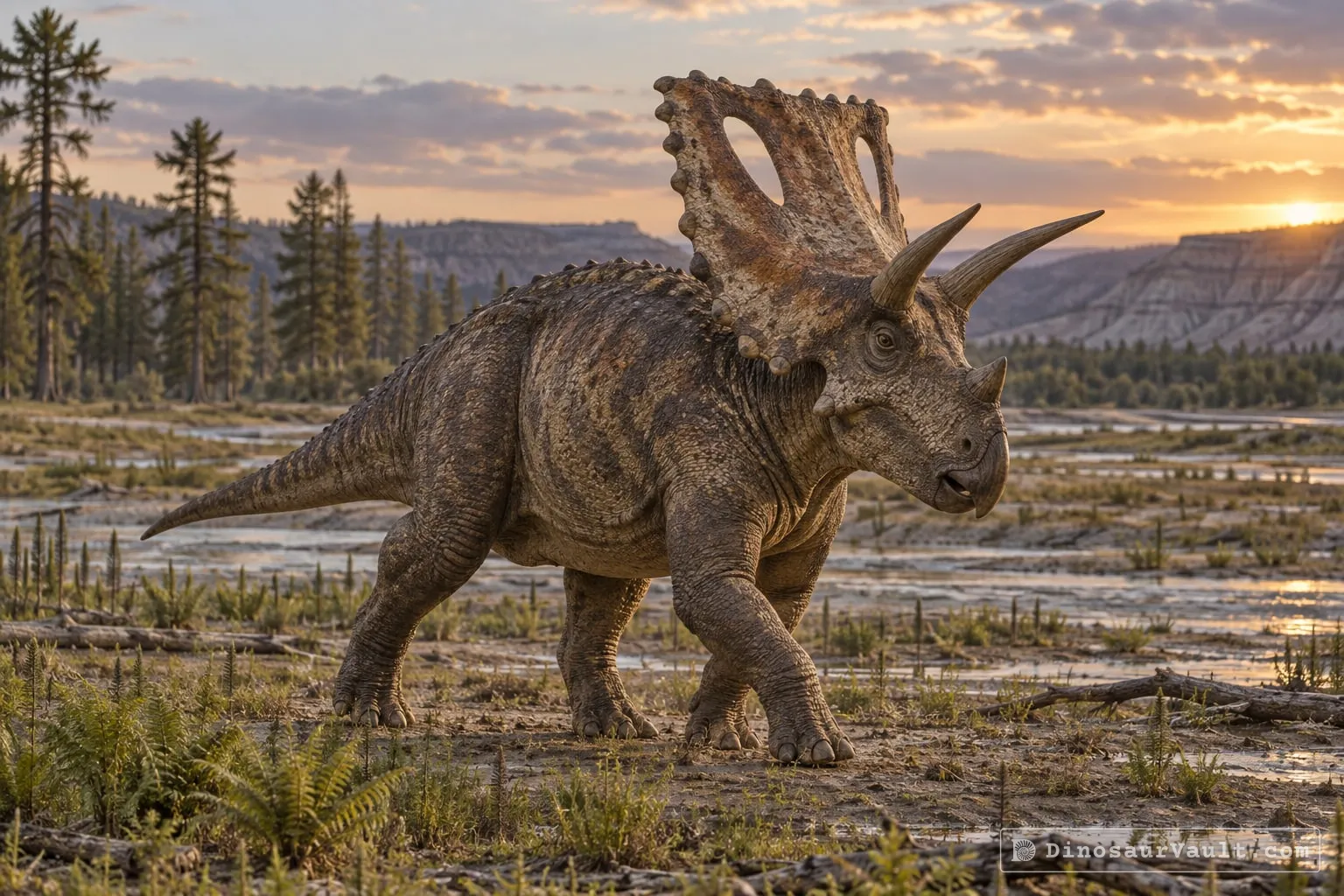
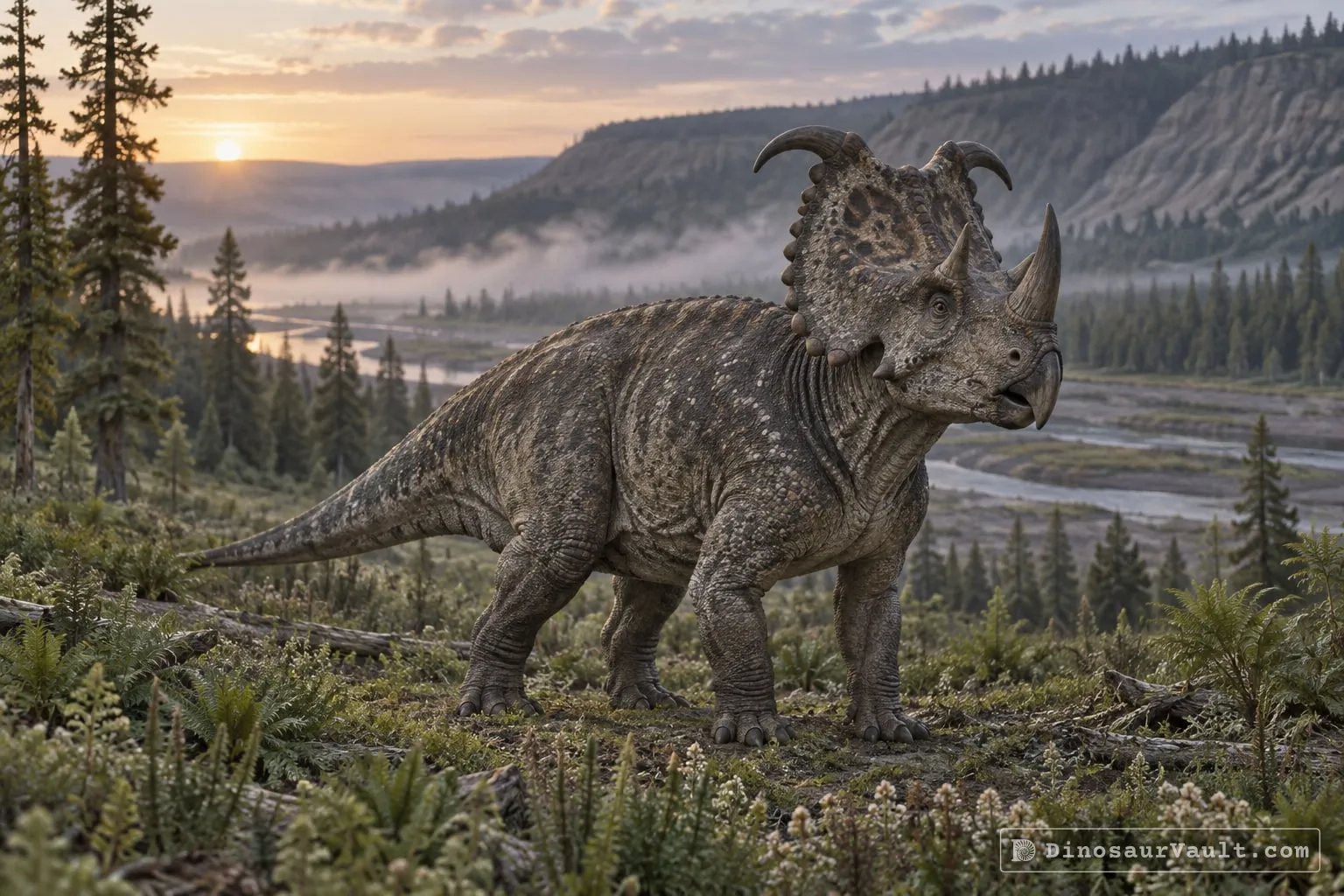


A rock formation can hold fossils laid down millions of years apart, so not every animal here met Lambeosaurus.
The evidence
The science behind Lambeosaurus
Which parts of the picture come from its own bones, and which come from its relatives.
From its own fossils
- Adult skulls of Lambeosaurus lambei have a forward-leaning, hollow crest with a solid spur pointing backward.
- Skeletons preserve a broad beak, strong limbs and a deep tail stiffened by bony tendons.
- Young skulls have lower, less developed crests than adults.
Borrowed from relatives
- Much of its body is known from its own skulls and skeletons.
- Comparisons with Corythosaurus and Hypacrosaurus suggest that the hollow crest helped amplify calls.
Still unknown
- Its color and the soft covering over its crest.
- The sound of its calls.
- Whether adults cared for their young.
Often drawn wrong
- The crest of Lambeosaurus lambei has a backward-pointing spur, rather than the rounded helmet of Corythosaurus.
- A young animal should have a lower crest than an adult.
Discovery timeline
- 1923Named itParks
- 1975Growing upDodson
- 2007Full descriptionEvans & Reisz
- 2009SkullEvans, Ridgely & Witmer
- 2023Fossil sitesEberth et al.
Key papers
The research behind what we know of Lambeosaurus
Named it
Established Lambeosaurus as a separate crested duck-billed dinosaur from Alberta.
Corythosaurus intermedius, a new species of trachodont dinosaur. University of Toronto Studies, Geology Series 15: 1-57
No link available
Growing up
Showed that crest shape changed during growth, helping identify small skulls once assigned to separate genera as young crested hadrosaurs.
Taxonomic Implications of Relative growth in Lambeosaurine Hadrosaurs. Systematic Biology 24: 37-54
Read the paper : Taxonomic Implications of Relative growth in Lambeosaurine Hadrosaurs (opens in a new tab)Full description
Confirmed that Lambeosaurus magnicristatus was a distinct species with a much larger crest than Lambeosaurus lambei.
Anatomy and Relationships ofLambeosaurus magnicristatus, a crested hadrosaurid dinosaur (Ornithischia) from the Dinosaur Park Formation, Alberta. Journal of Vertebrate Paleontology 27: 373-393
Read the paper : Anatomy and Relationships ofLambeosaurus magnicristatus, a crested hadrosaurid dinosaur (Ornithischia) from the Dinosaur Park Formation, Alberta (opens in a new tab)Skull
Scans of crested hadrosaur skulls supported a role for their crests in communication rather than an unusually strong sense of smell.
Endocranial Anatomy of Lambeosaurine Hadrosaurids (Dinosauria: Ornithischia): A Sensorineural Perspective on Cranial Crest Function. The Anatomical Record 292: 1315-1337
Read the paper : Endocranial Anatomy of Lambeosaurine Hadrosaurids (Dinosauria: Ornithischia): A Sensorineural Perspective on Cranial Crest Function (opens in a new tab)Fossil sites
Dated volcanic ash layers to refine the sequence of dinosaur habitats and species in the Dinosaur Park Formation.
Calibrating geologic strata, dinosaurs, and other fossils at Dinosaur Provincial Park (Alberta, Canada) using a new CA-ID-TIMS U–Pb geochronology. Canadian Journal of Earth Sciences 60: 1627-1646
Read the paper : Calibrating geologic strata, dinosaurs, and other fossils at Dinosaur Provincial Park (Alberta, Canada) using a new CA-ID-TIMS U–Pb geochronology (opens in a new tab)
Close relatives
Other members of Hadrosauridae


Sources: Wikidata