Hadrosaurus
HAD-ro-SORE-us
"bulky lizard"
- Lived
- 84 to 66 million years ago, Late Cretaceous
- Diet
- Herbivore
- Length
- about 9 m (30 ft)
- Group
- Ornithopods, Hadrosauridae
- Found in
- United States, Canada and Kazakhstan
- Named by
- Leidy 1858
Size comparison
To scale
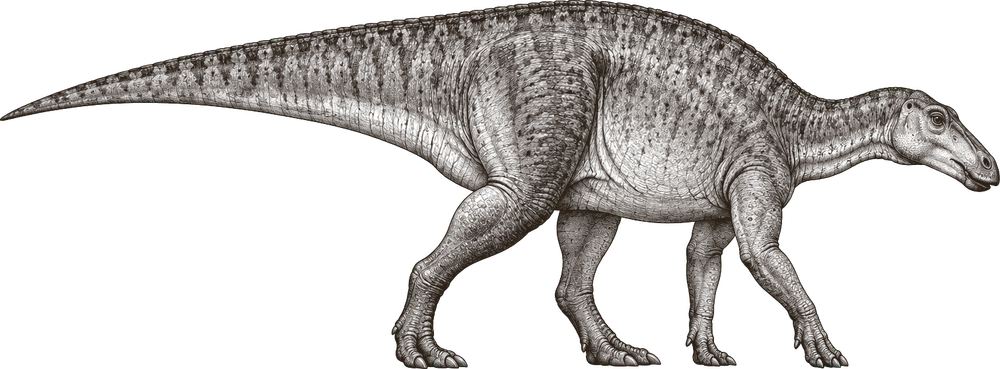


Scale in meters
Where its fossils were found
The evidence
Today

75 million years ago
Habitat
It probably lived on wooded coastal lowlands beside the waters where the Woodbury Formation accumulated. Conifer remains occur with its fossils. Across Late Cretaceous Appalachia, other dinosaurs included Appalachiosaurus and Lophorhothon.
Field notes
About Hadrosaurus
What it was like
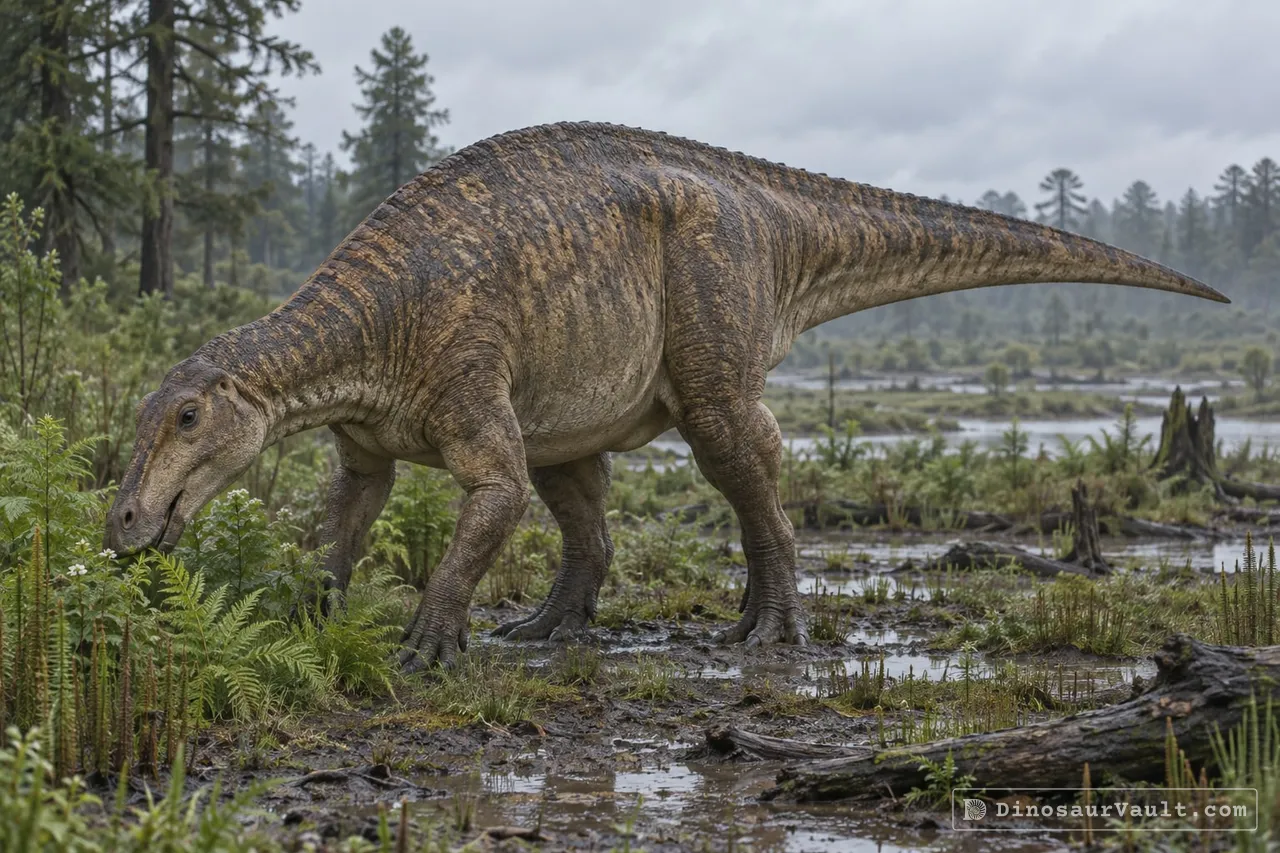
Hadrosaurus was a large plant eater with a long, horse-like snout and rows of tightly packed cheek teeth suited for grinding tough plants. It grew to about 9 meters (30 feet) long, with front legs shorter than its back legs, so it probably walked on two legs while foraging and could drop to four when moving slowly.
Its beak-tipped jaws cropped leaves and twigs, and the many rows of teeth behind the beak formed a self-sharpening grinding surface known as a dental battery, a feature typical of its family.
Its world
Hadrosaurus lived from about 84 to 66 million years ago, in the Late Cretaceous, with its best-known fossils coming from New Jersey, in the United States. Fossils assigned to the genus have also been reported from Alberta, in Canada, and as far away as Kazakhstan.
It shared its world with predators such as Troodon, Albertosaurus, Gorgosaurus, and Daspletosaurus, and with other plant eaters, including Saurolophus and the crested Corythosaurus.
How it was found
Leidy named Hadrosaurus in 1858, based on bones found in New Jersey. It was one of the first dinosaur skeletons found in North America complete enough to show what the animal looked like, and it helped show that some dinosaurs walked upright on two legs. Around six fossil finds of Hadrosaurus are known today, and its closest relatives, all members of the duck-billed hadrosaur family, include Edmontosaurus, Parasaurolophus, and the crested Lambeosaurus.
Field gallery
More views of Hadrosaurus
Scenes reconstructed from the available fossil evidence.
1 of 7
Lived alongside
Found in the same rock formations
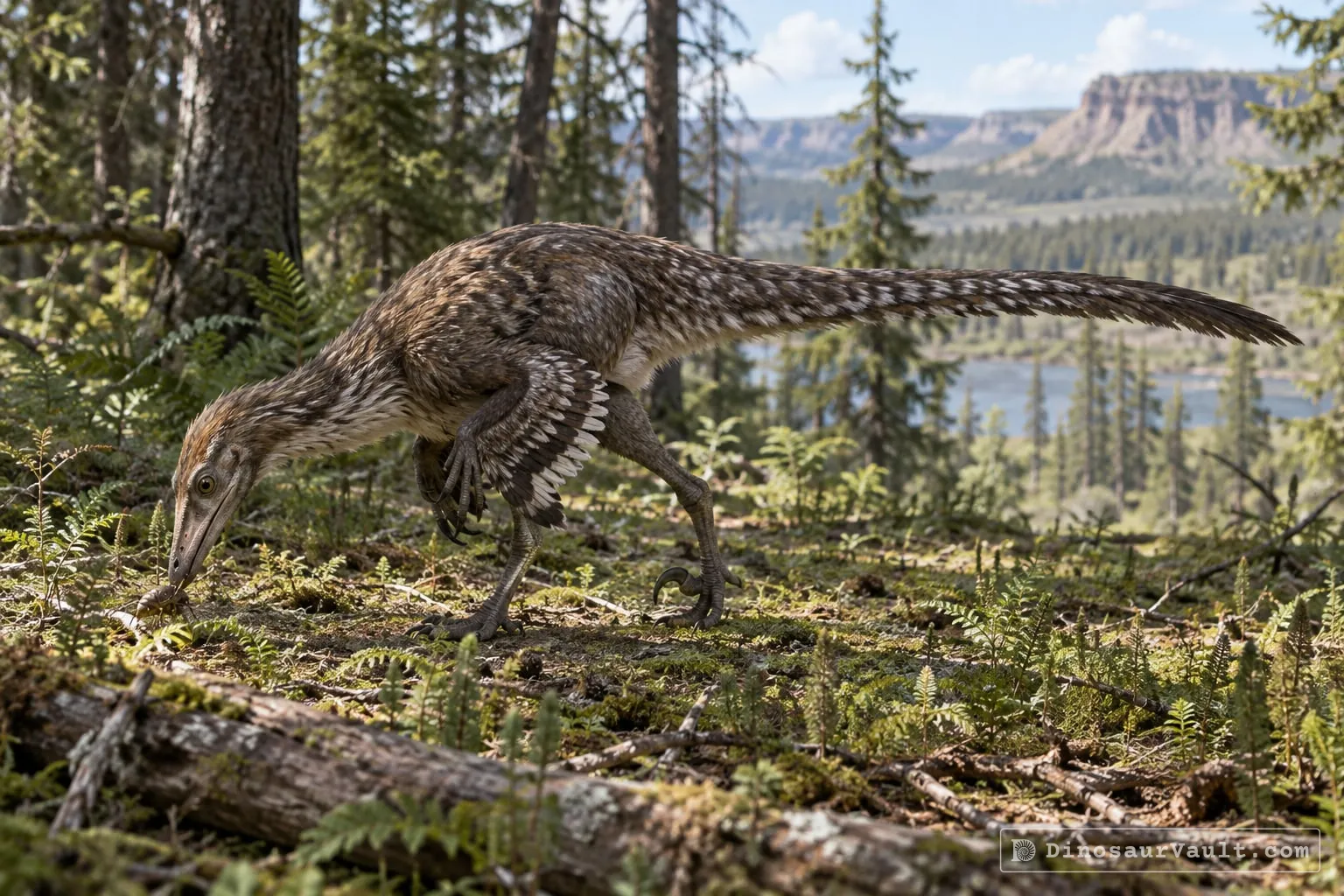
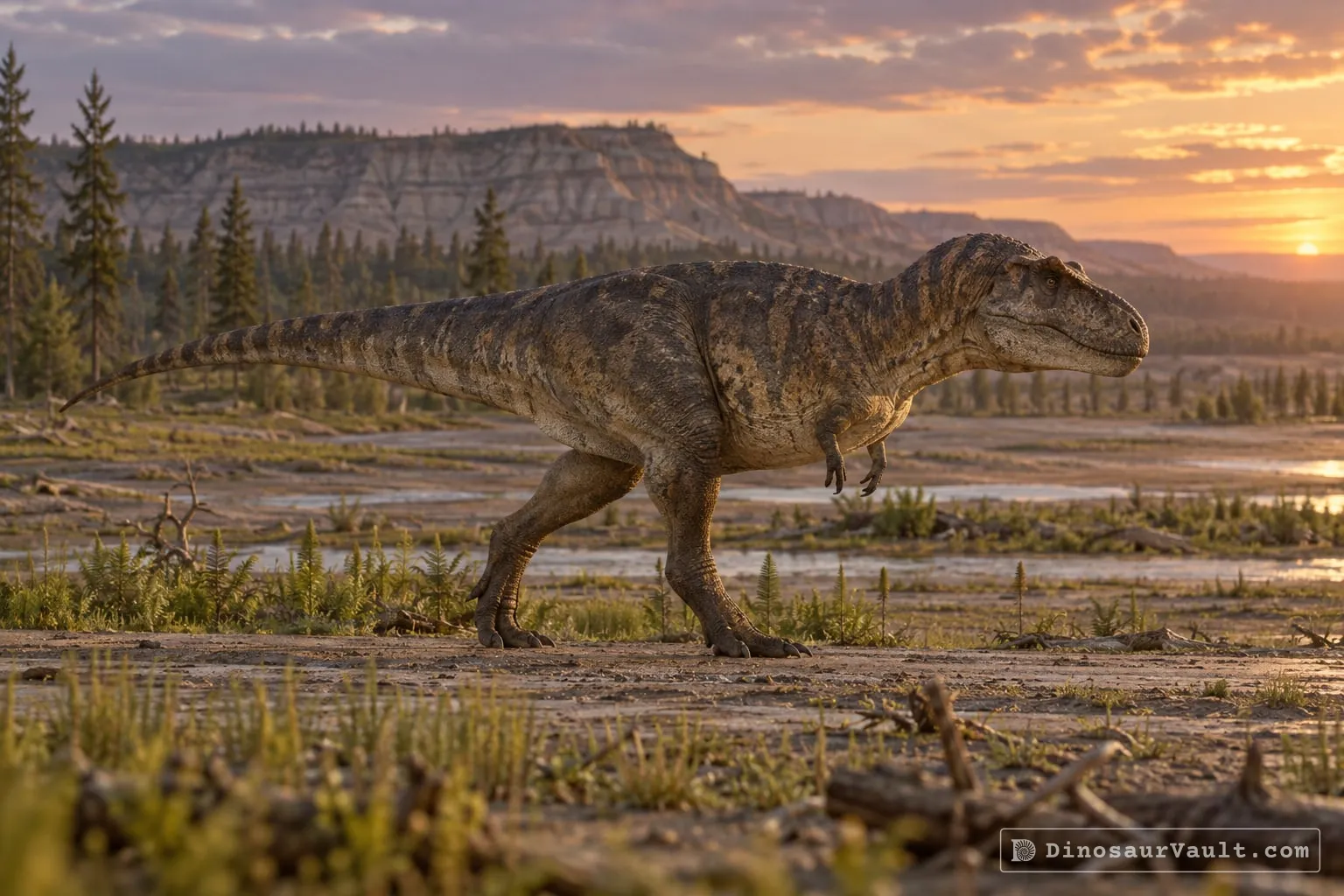
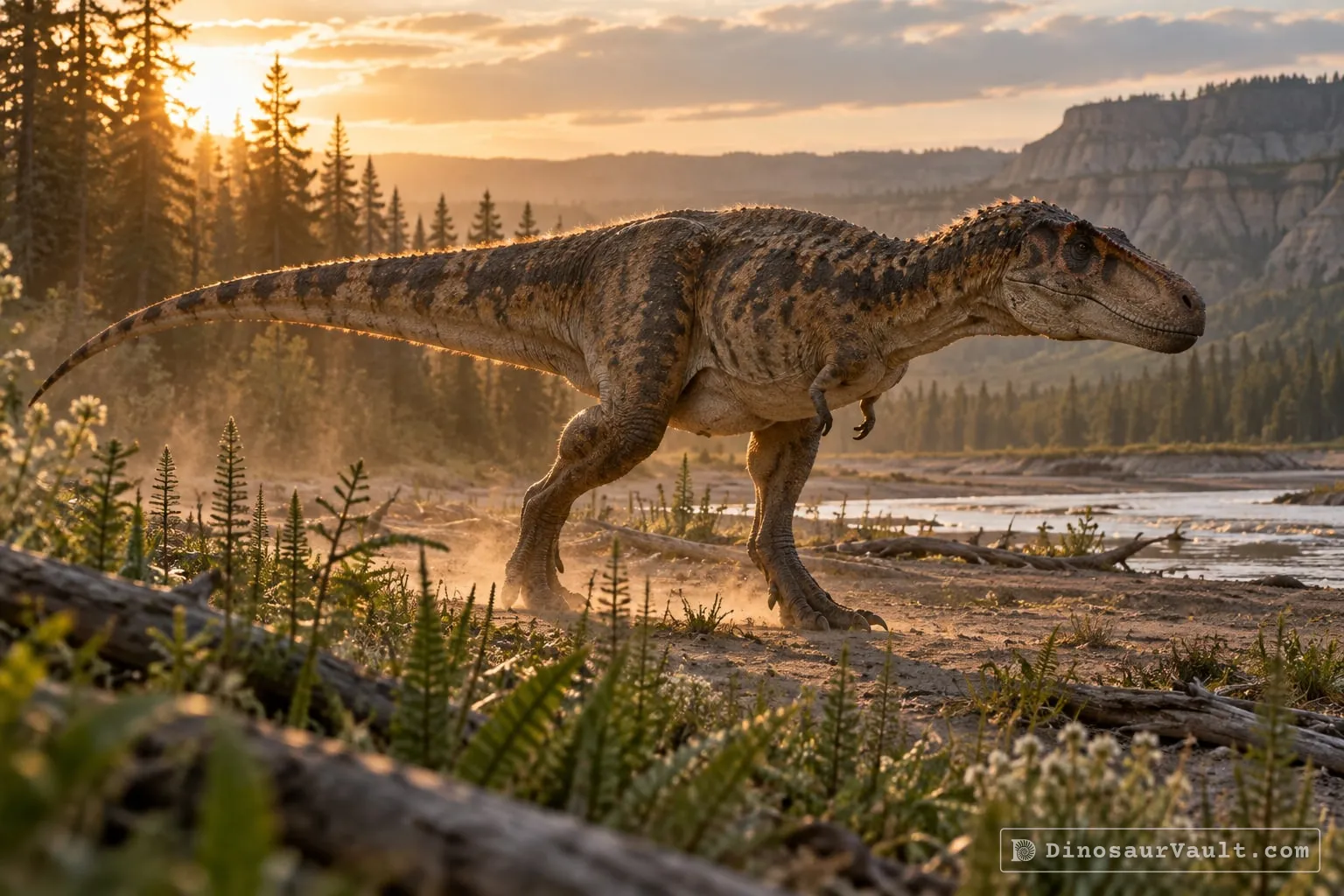
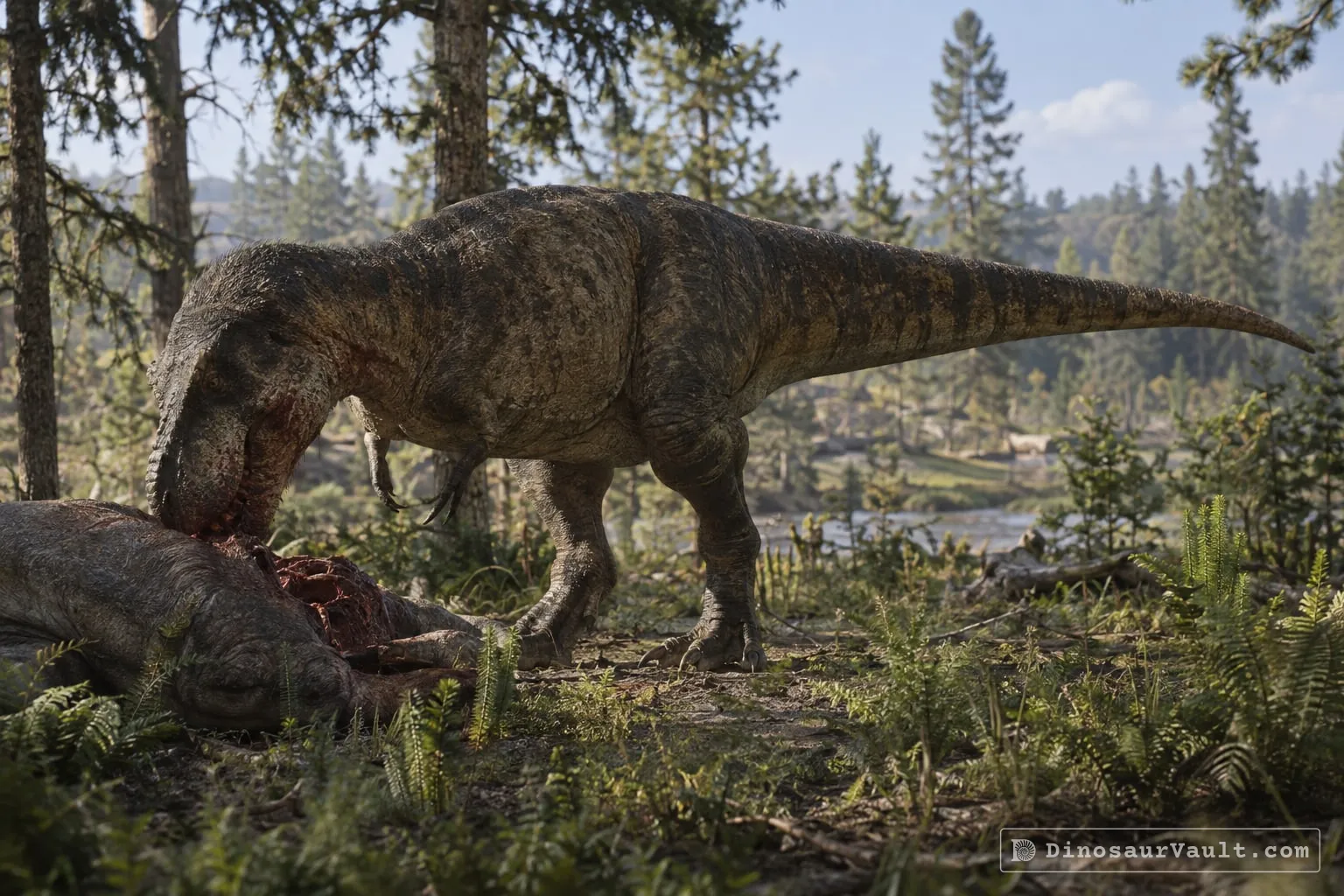
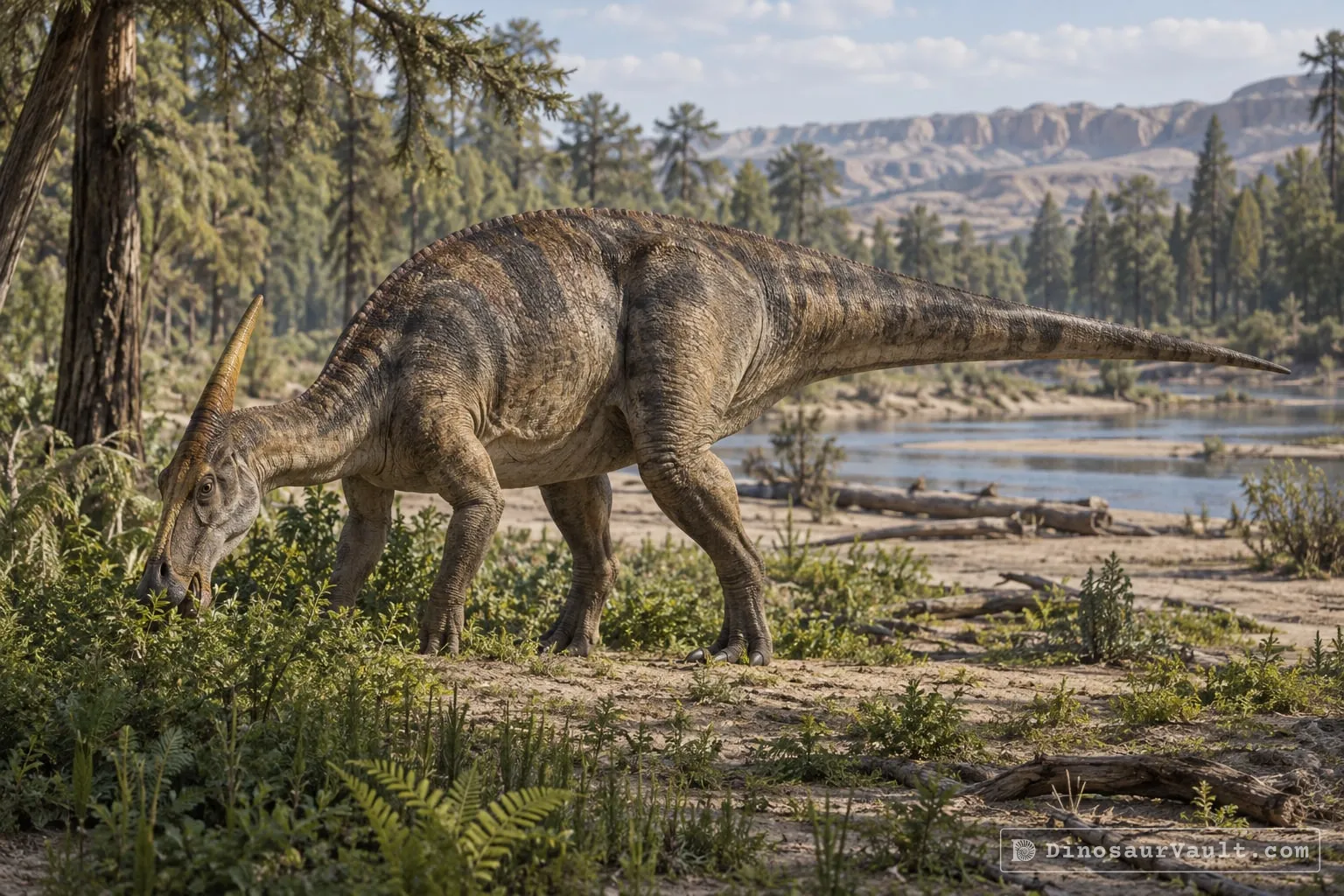
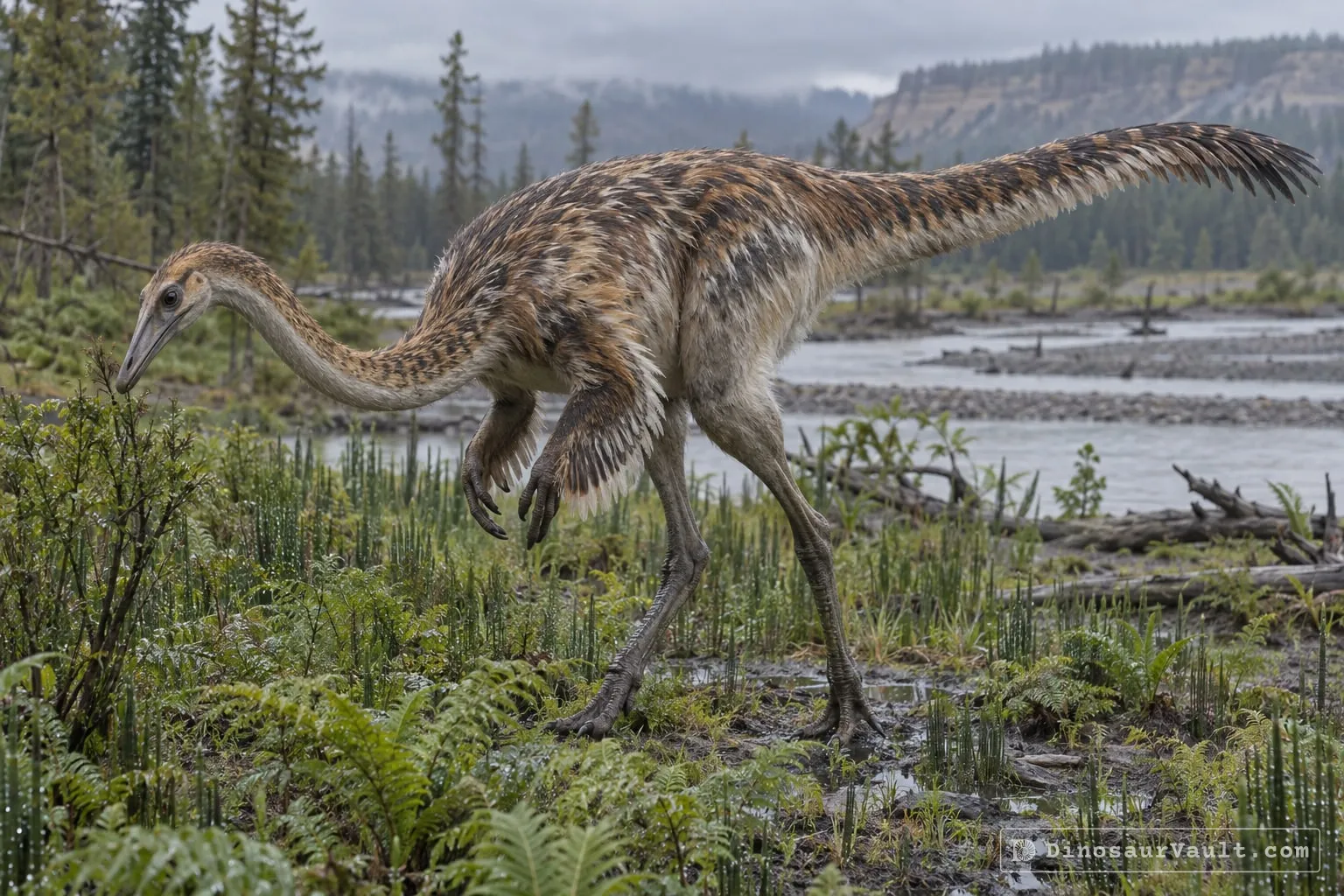
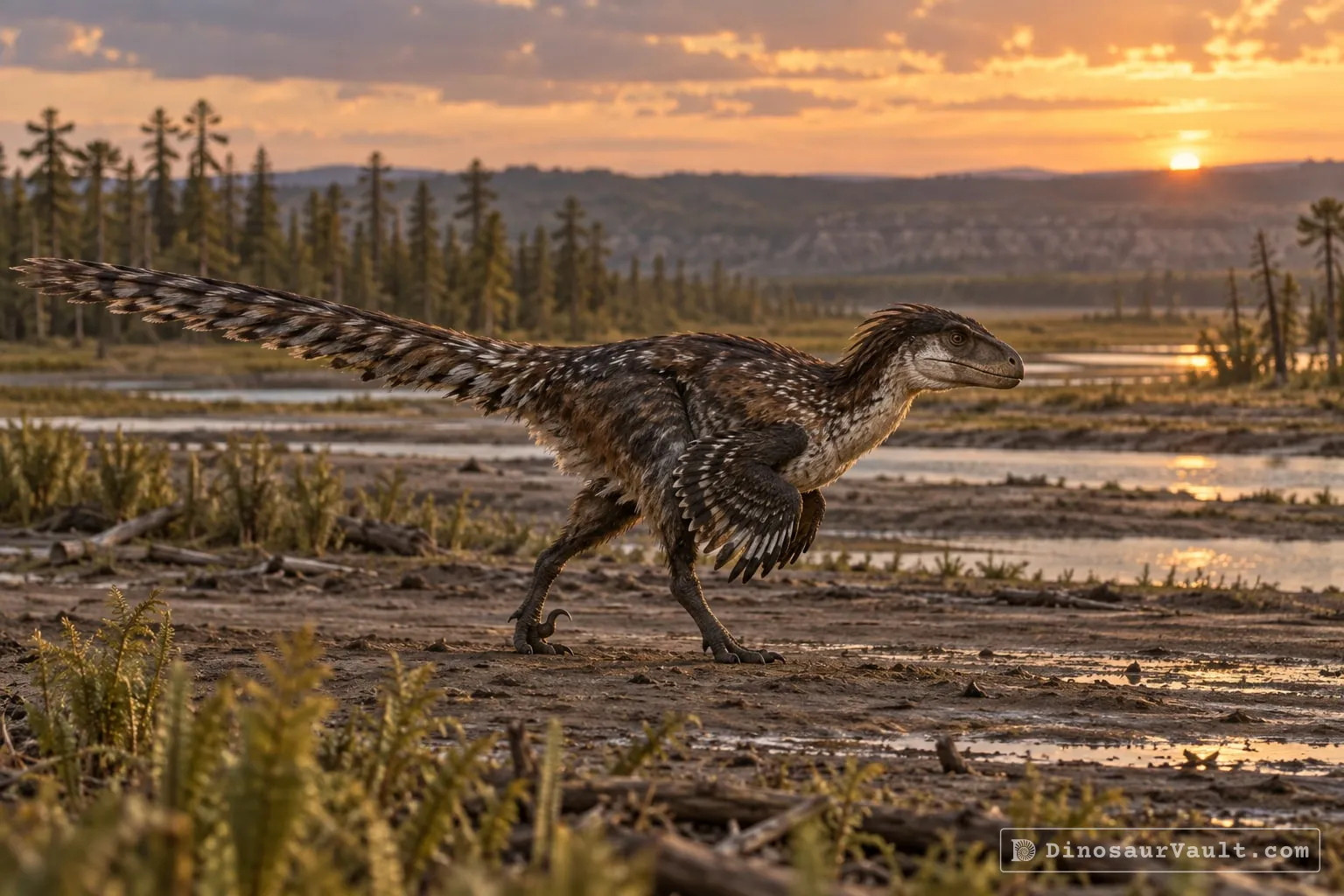
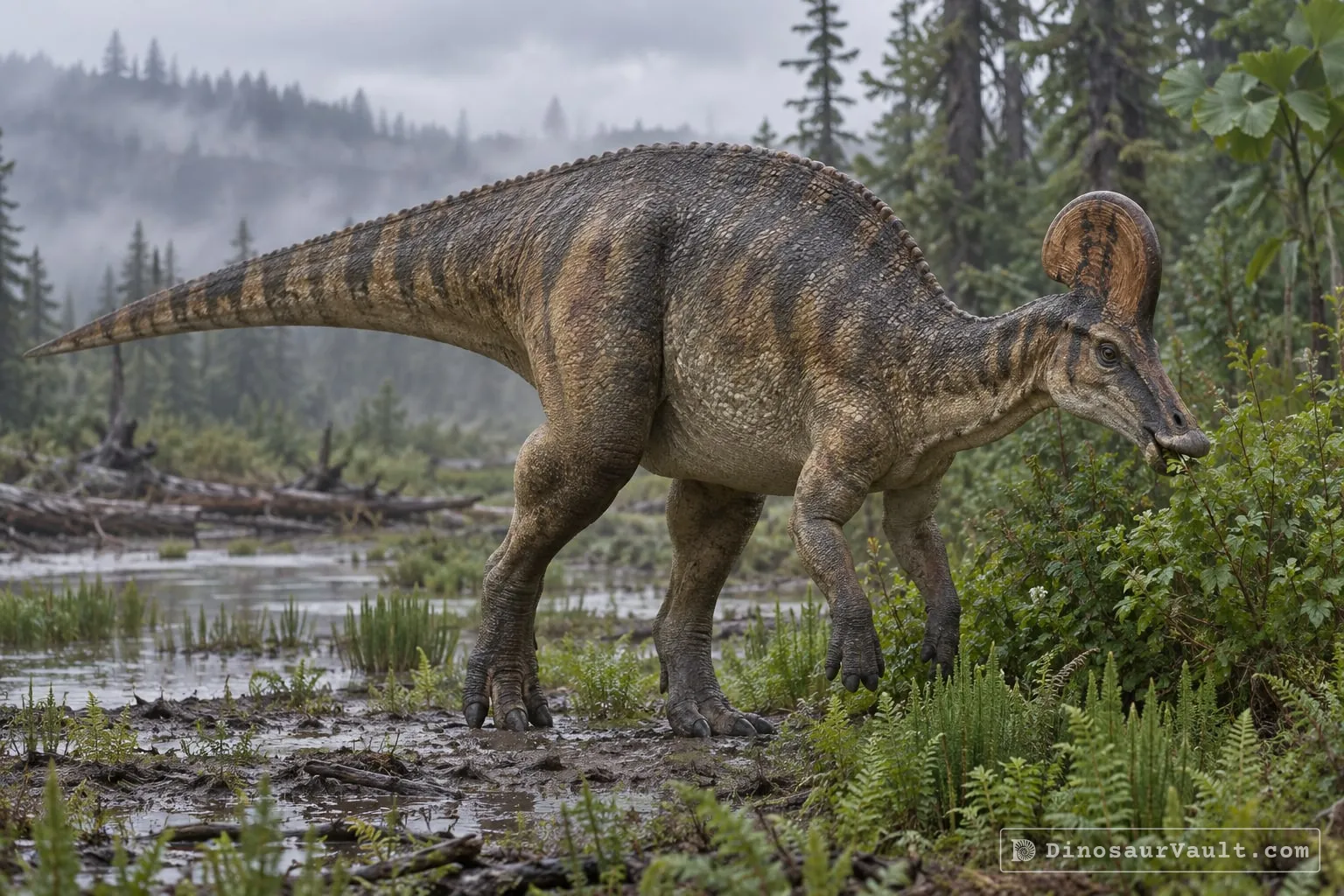


A rock formation can hold fossils laid down millions of years apart, so not every animal here met Hadrosaurus.
The evidence
The science behind Hadrosaurus
Which parts of the picture come from its own bones, and which come from its relatives.
From its own fossils
- The original partial skeleton preserves limb bones, parts of the hips, vertebrae and limited pieces of the jaws.
- Its hindlimbs were longer than its forelimbs, supporting a large body and a long balancing tail.
Borrowed from relatives
- The broad beak and much of the head are restored by comparison with better-known duck-billed dinosaurs such as Edmontosaurus.
- Scaly skin and compact weight-bearing forefeet follow other hadrosaurs, including Edmontosaurus.
Still unknown
- The complete shape of its skull and whether it had a crest.
- Its color and the arrangement of scales over its body.
- How it raised its young.
Often drawn wrong
- An elaborate hollow crest like that of Parasaurolophus has no support in its known bones.
- A thumb spike like that of Iguanodon has no support in its known bones.
Discovery timeline
- 1858Named itLeidy
- 2010Family treePRIETO-MÁRQUEZ
- 2011Full descriptionPRIETO-MÁRQUEZ
Key papers
The research behind what we know of Hadrosaurus
Named it
Named Hadrosaurus from a partial skeleton in New Jersey that helped reveal the body proportions of a large plant-eating dinosaur.
[On the bones of a huge herbivorous saurian near Haddonfield]. Proceedings of the Academy of Natural Sciences of Philadelphia 10: 215-218
No link available
Family tree
Compared bones across duck-billed dinosaurs to place Hadrosaurus on their family tree.
Global phylogeny of Hadrosauridae (Dinosauria: Ornithopoda) using parsimony and Bayesian methods. Zoological Journal of the Linnean Society 159: 435-502
Read the paper : Global phylogeny of Hadrosauridae (Dinosauria: Ornithopoda) using parsimony and Bayesian methods (opens in a new tab)Full description
Reexamined its bones and proposed features that distinguish Hadrosaurus from other duck-billed dinosaurs.
Revised diagnoses of Hadrosaurus foulkii Leidy, 1858 (the type genus and species of Hadrosauridae Cope, 1869) and Claosaurus agilis Marsh, 1872 (Dinosauria: Ornithopoda) from the Late Cretaceous of North America. Zootaxa 2765
Read the paper : Revised diagnoses of Hadrosaurus foulkii Leidy, 1858 (the type genus and species of Hadrosauridae Cope, 1869) and Claosaurus agilis Marsh, 1872 (Dinosauria: Ornithopoda) from the Late Cretaceous of North America (opens in a new tab)
Close relatives
Other members of Hadrosauridae


Sources: Wikidata