Outline: a typical ceratopsian
Unescoceratops
Type species Unescoceratops koppelhusae
- Lived
- 84 to 72 million years ago, Late Cretaceous
- Diet
- Herbivore
- Group
- Ceratopsians, Leptoceratopsidae
- Found in
- Canada
- Named by
- Ryan et al. 2012
Where its fossils were found
The evidence
Today
80 million years ago
Field notes
About Unescoceratops
What it was like
Unescoceratops was a small, early horned dinosaur from the leptoceratopsid family. It had a beak and a short frill but no real horns. It is known from a lower jaw.
Its world
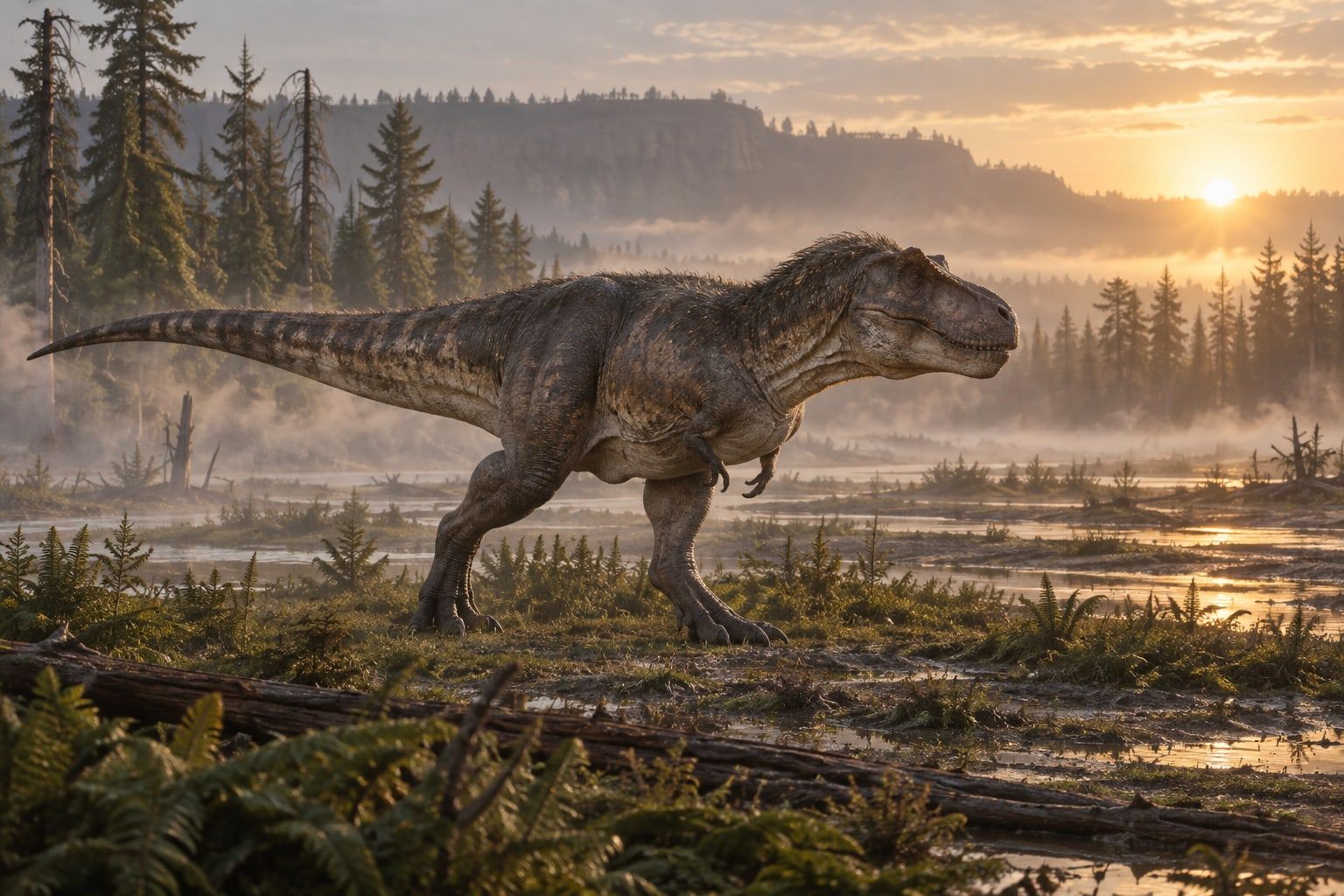
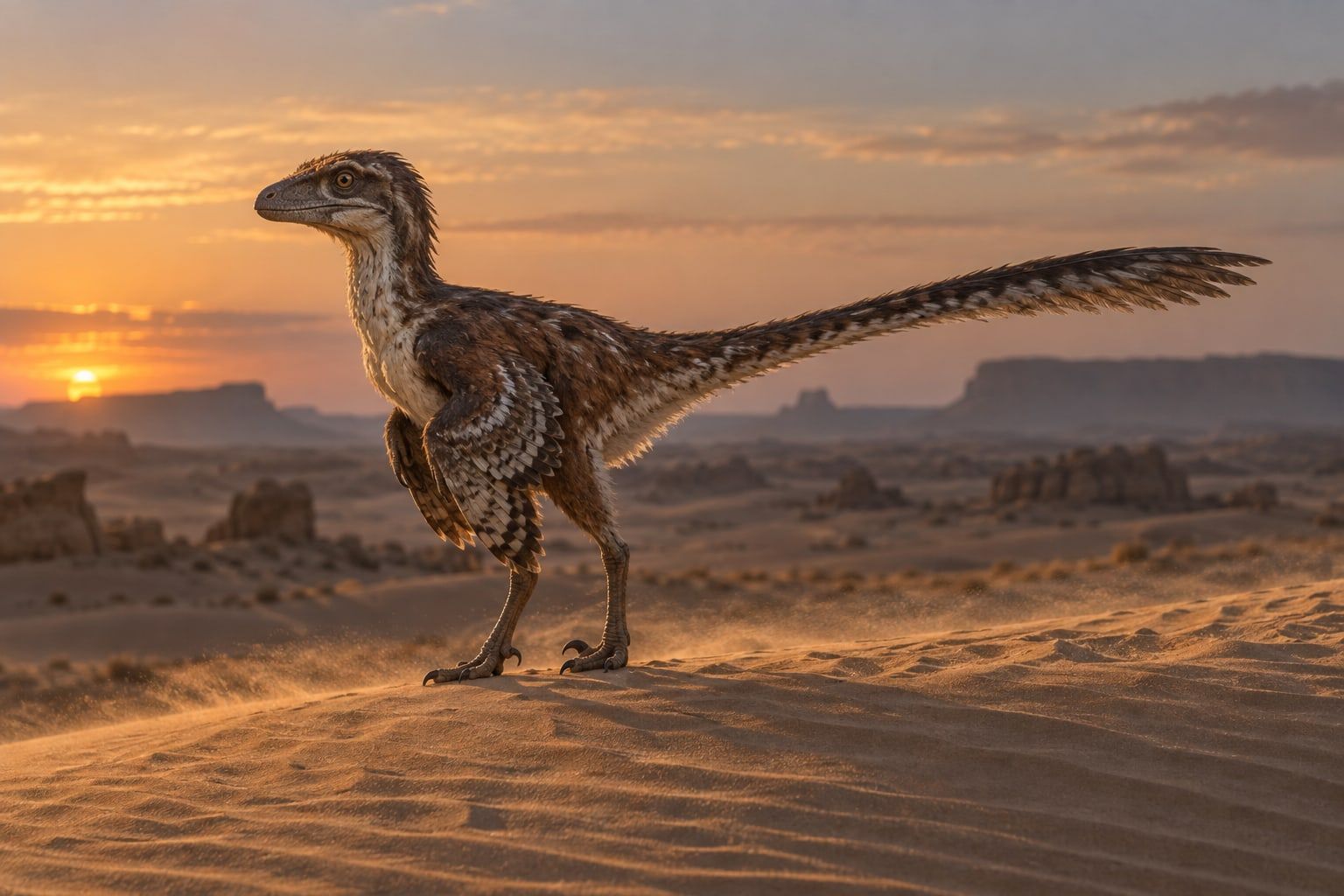
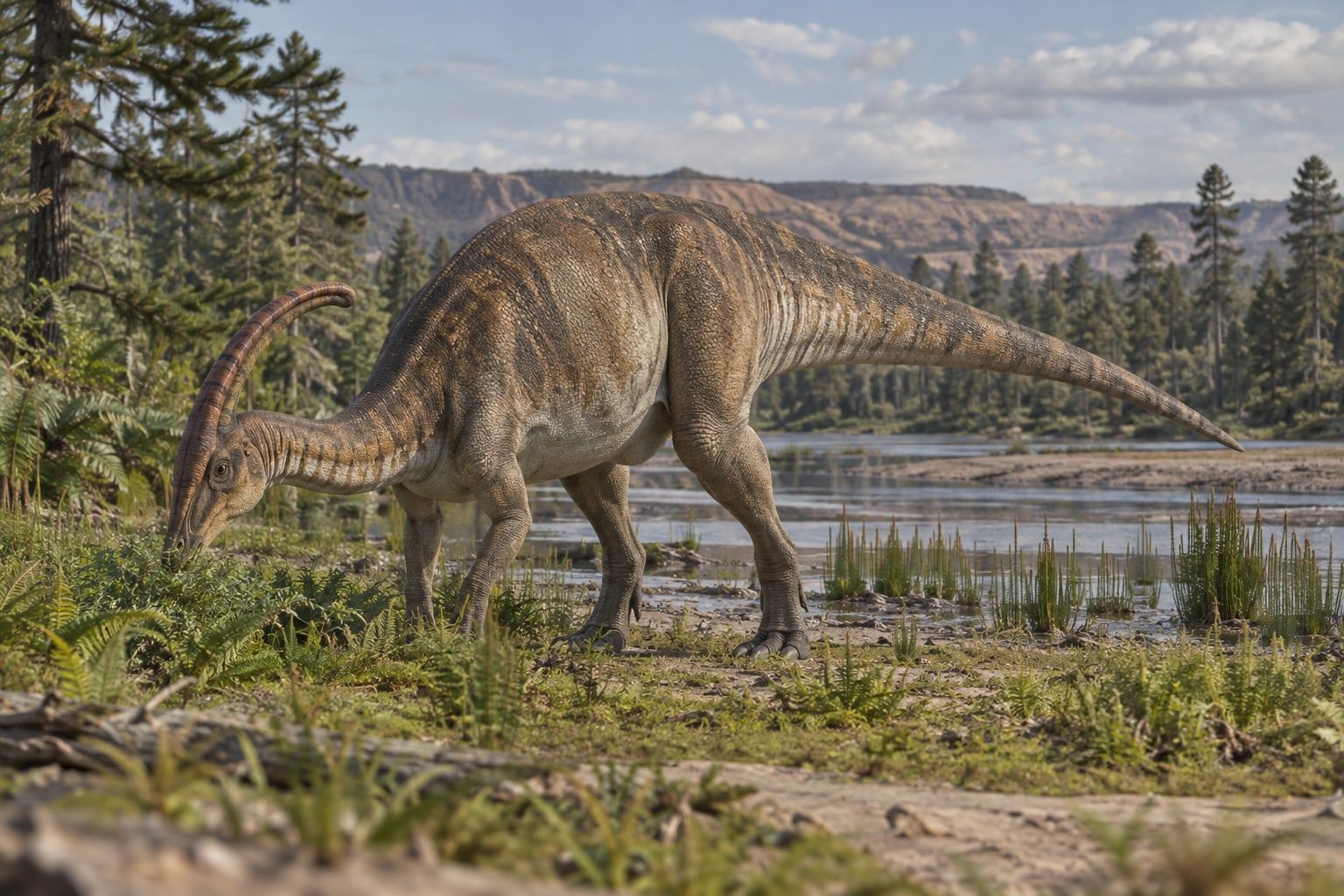
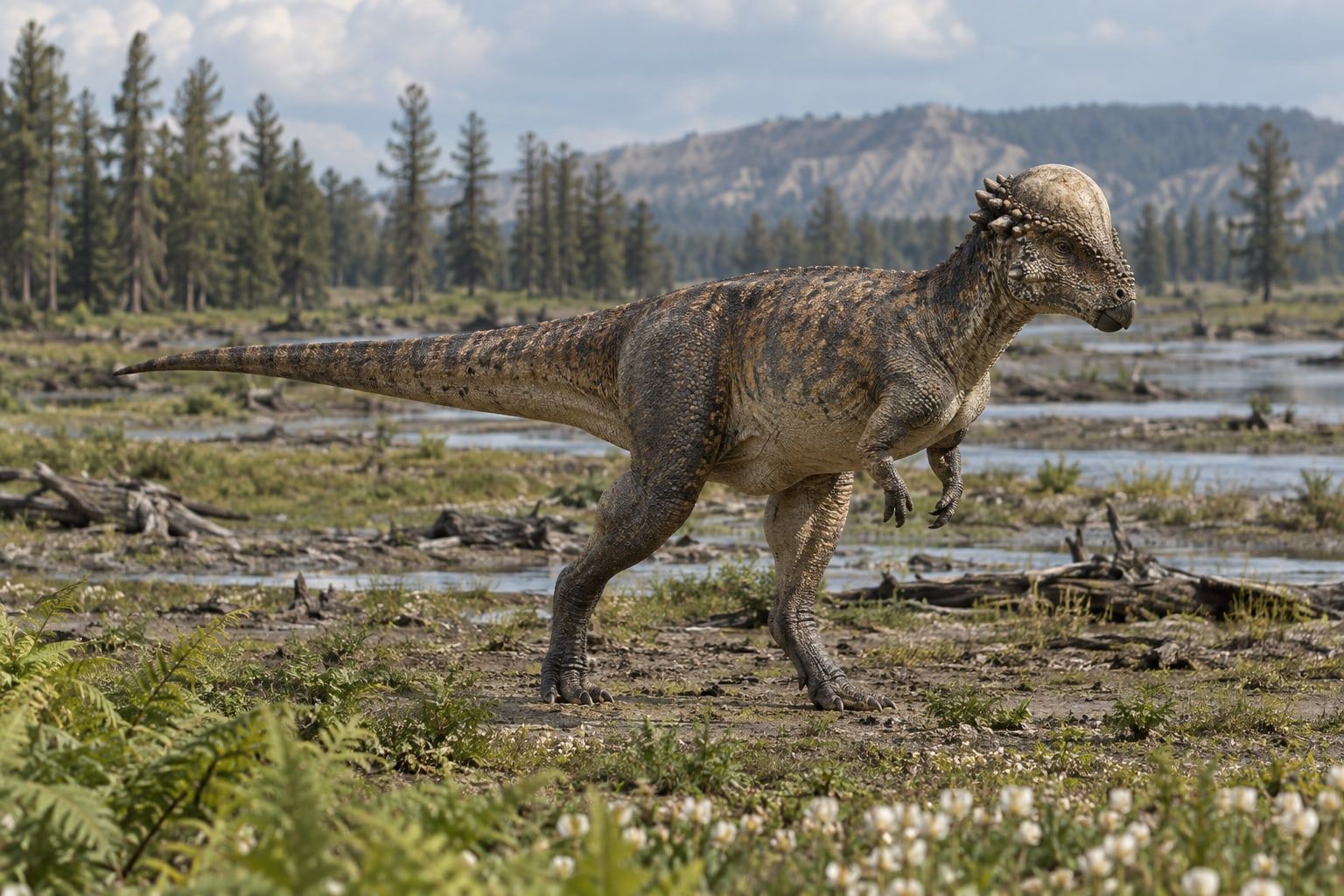
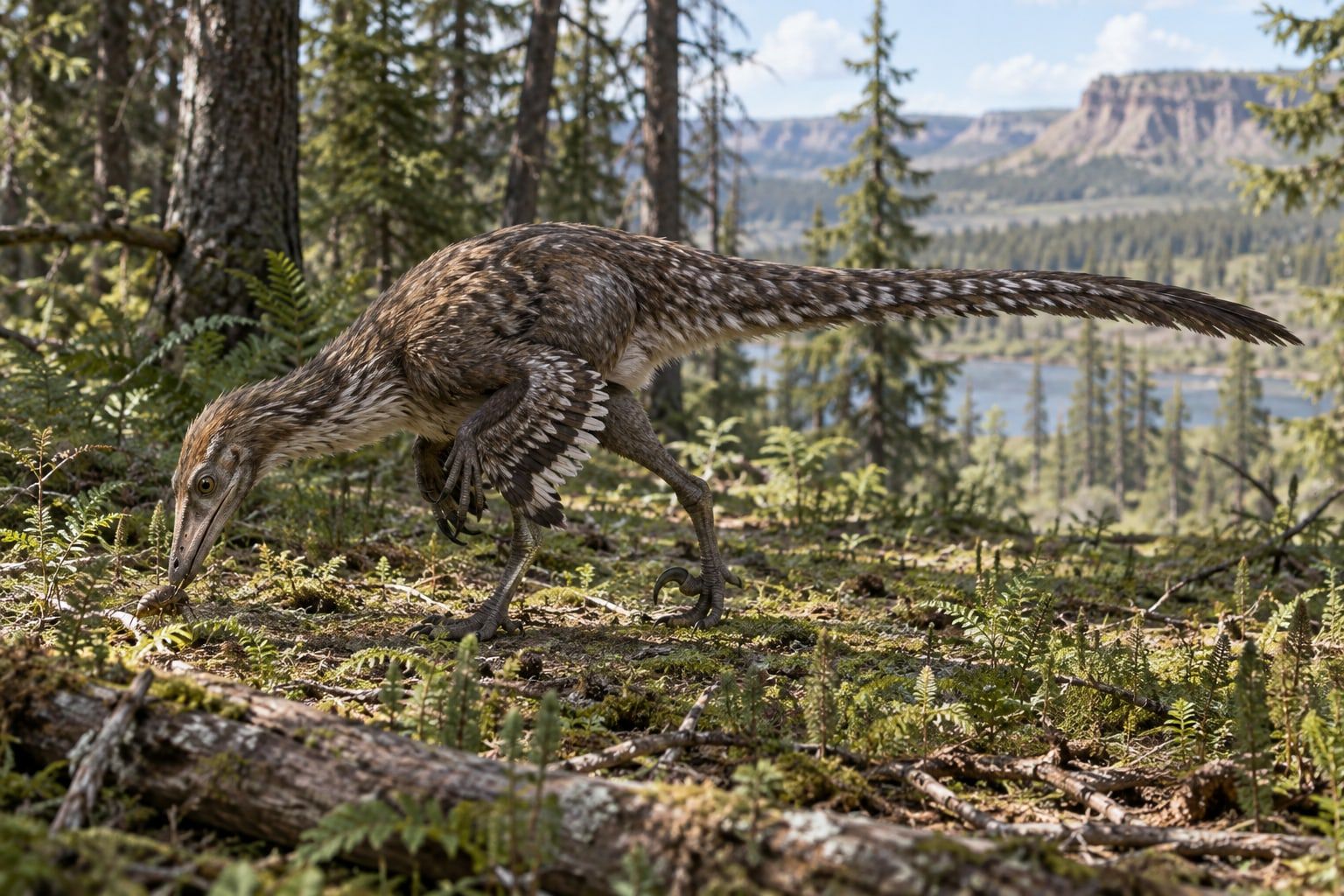
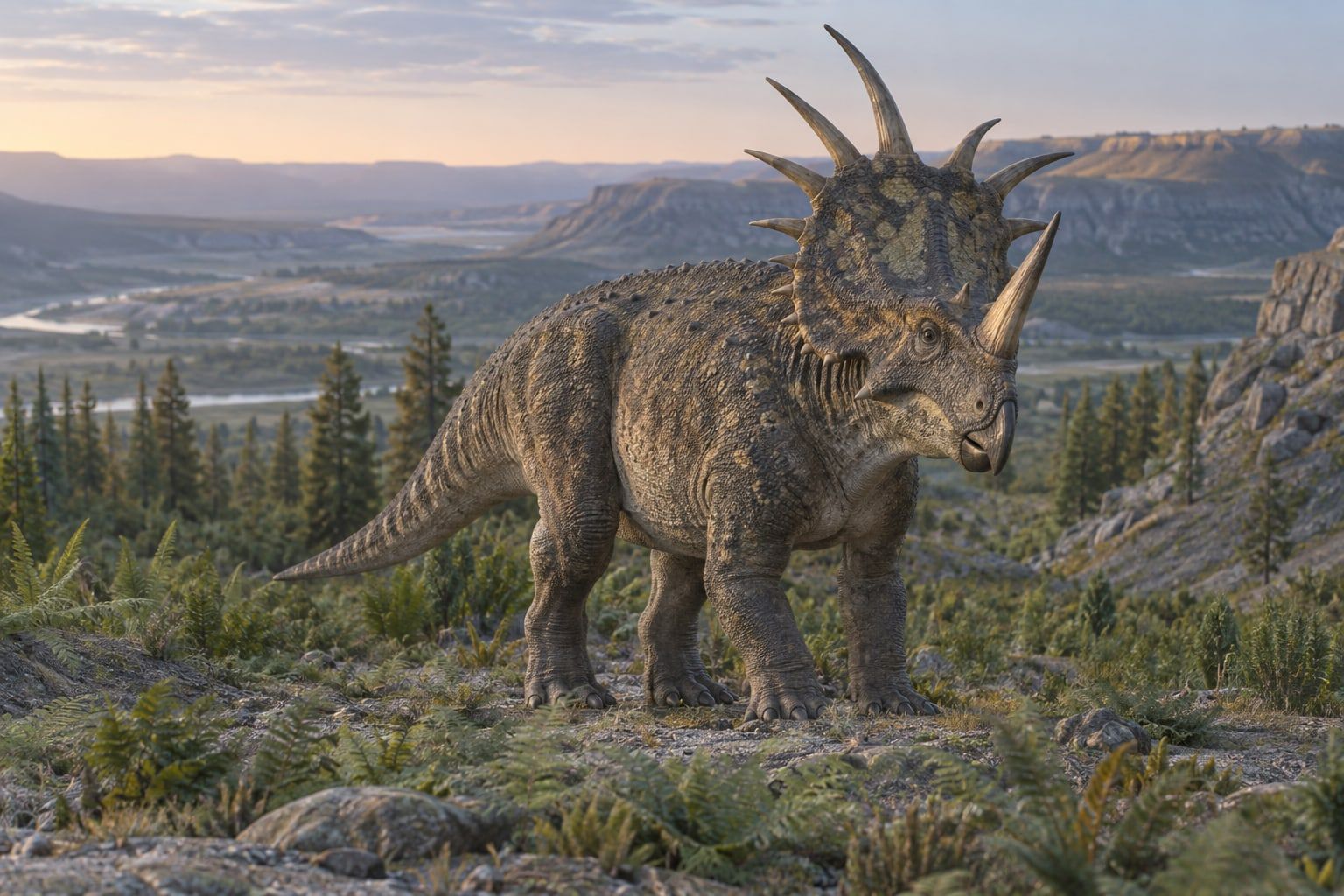
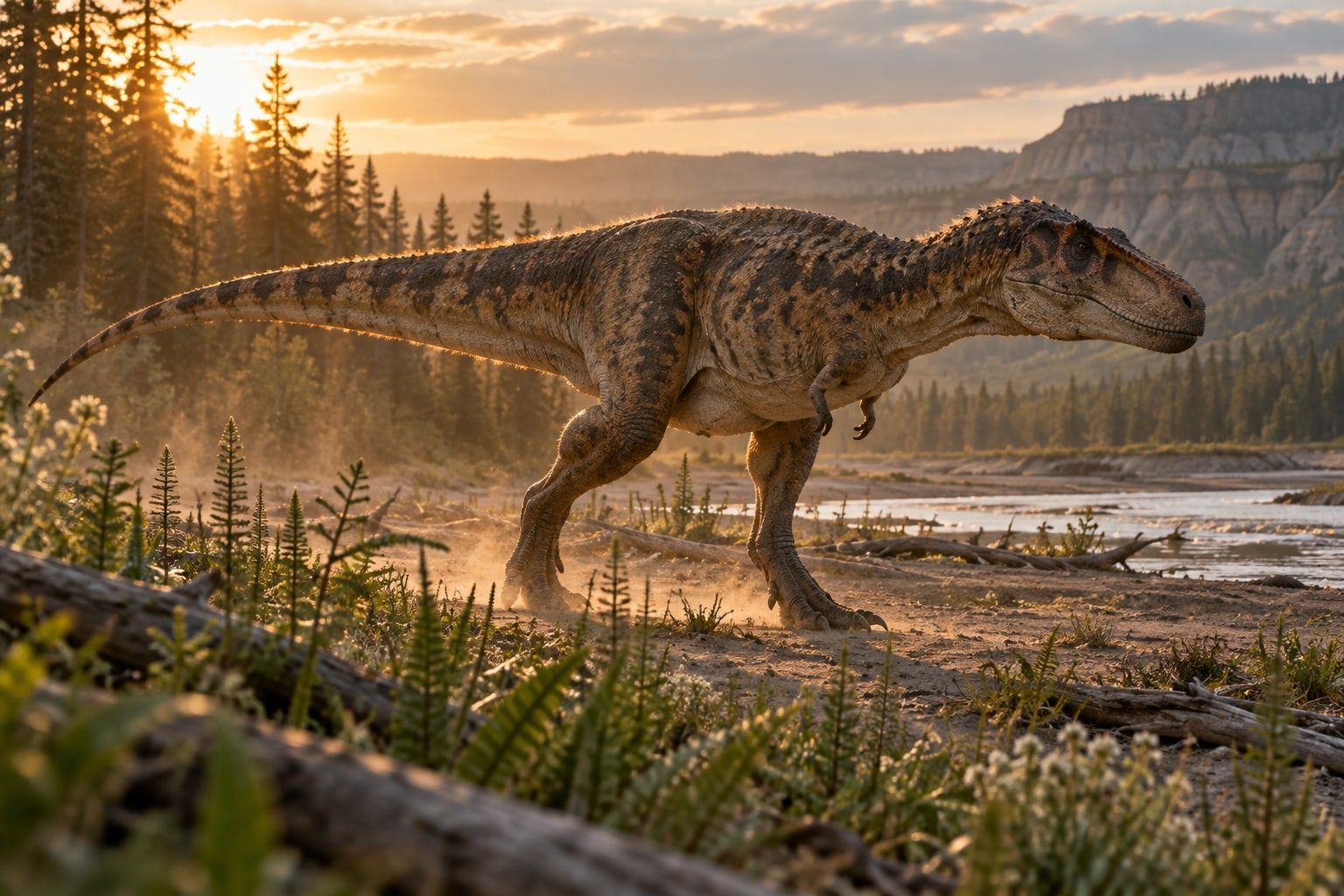
It lived in the Late Cretaceous in what is now Alberta, Canada. Its jaw comes from the Dinosaur Park Formation, where it shared the land with the tyrannosaur Gorgosaurus, the horned Styracosaurus and the small hunter Troodon.
How it was found
Ryan and colleagues named it in 2012. The type species is Unescoceratops koppelhusae. It is named after an international cultural agency that lists the park where it was found as a world heritage site.
Lived alongside
Found in the same rock formations
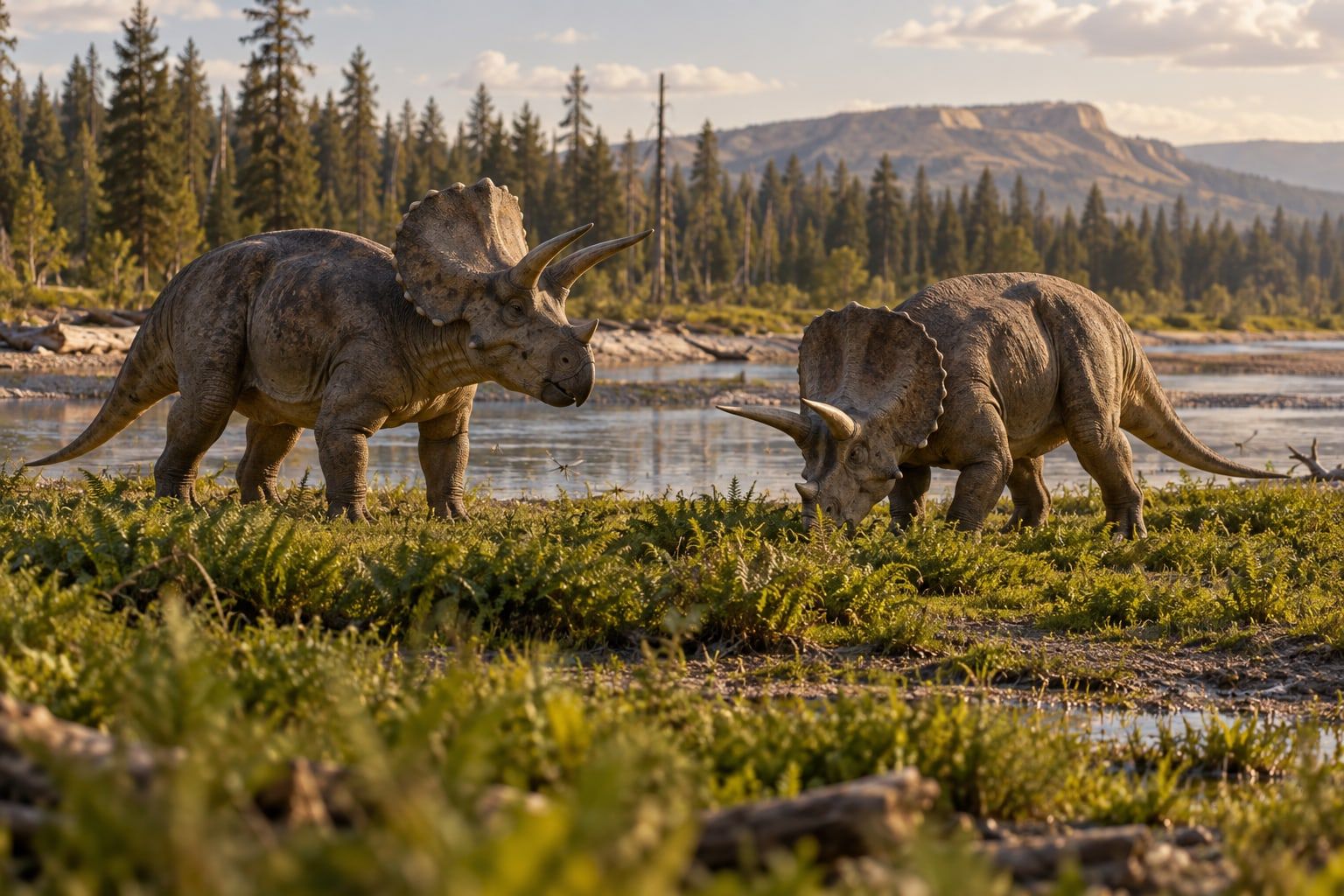
Close relatives
Other members of Leptoceratopsidae
Sources: WikidataNamed in: M. J. Ryan, D. C. Evans, and P. J. Currie, C. M. Brown, D. Brinkman. 2012. New leptoceratopsids from the Upper Cretaceous of Alberta, Canada. Cretaceous Research 35(1):69-80