Tuojiangosaurus
too-YANG-oh-SORE-us
"Tuo River lizard"
Type species Tuojiangosaurus multispinus
- Lived
- 162 to 155 million years ago, Late Jurassic
- Diet
- Herbivore
- Length
- about 7 m (23 ft)
- Group
- Stegosaurs, Stegosauridae
- Found in
- China
- Named by
- Dong et al. 1977
Size comparison
To scale

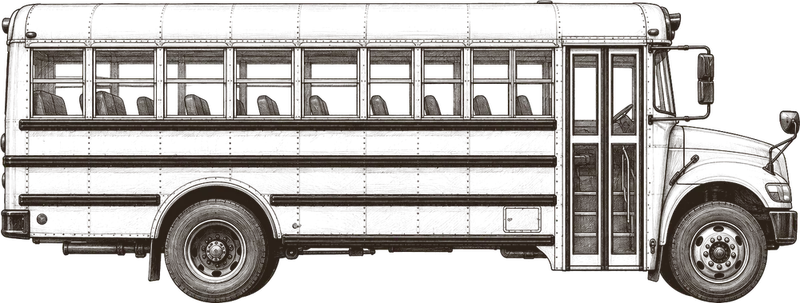
Scale in metersOutline: typical stegosaur shape
Where its fossils were found
The evidence
Today

160 million years ago
Habitat
Rivers crossed forested lowlands where sediment became the Shaximiao Formation. Other dinosaurs from these rocks include Mamenchisaurus, Yangchuanosaurus and Chungkingosaurus.
Field notes
About Tuojiangosaurus
What it was like
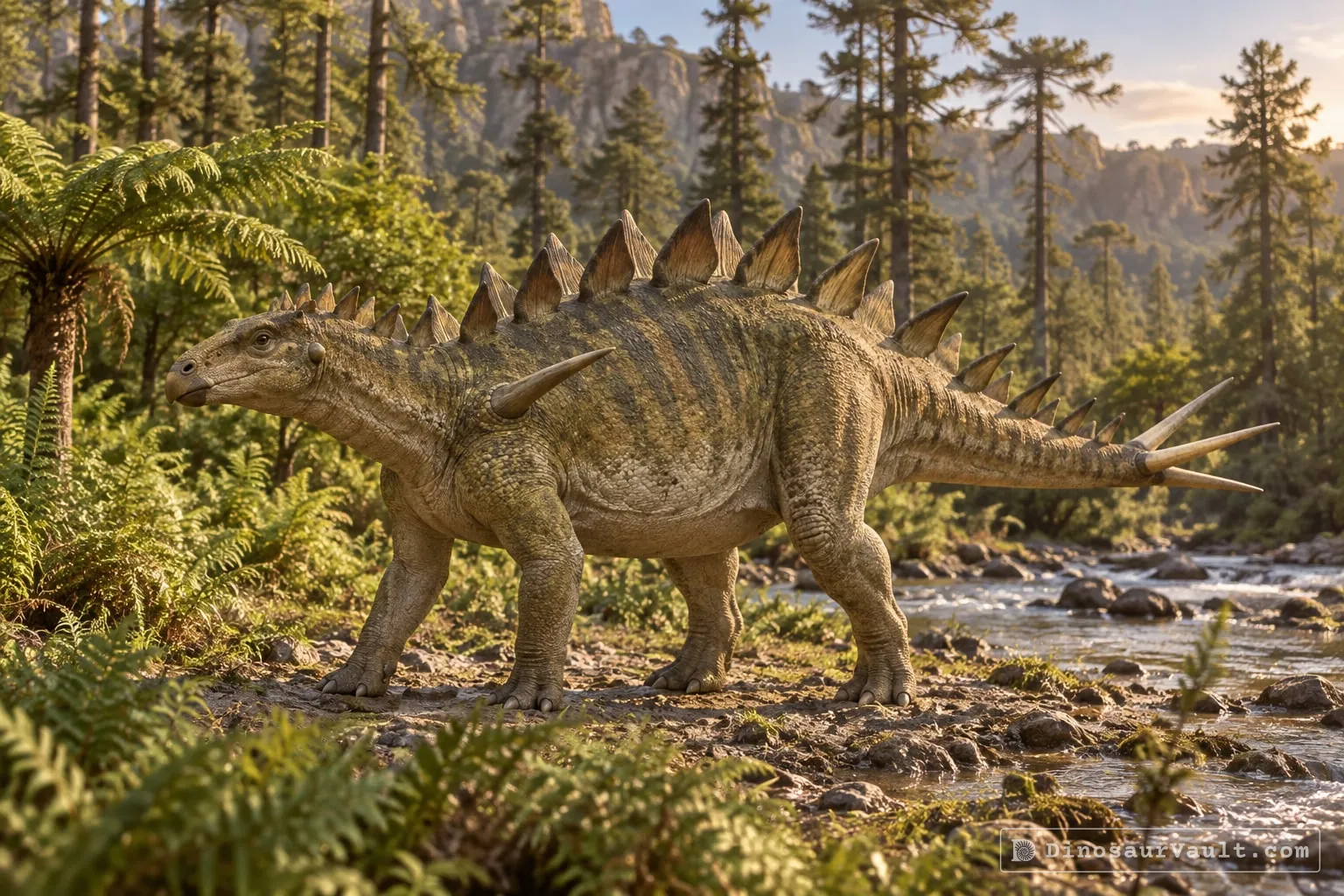
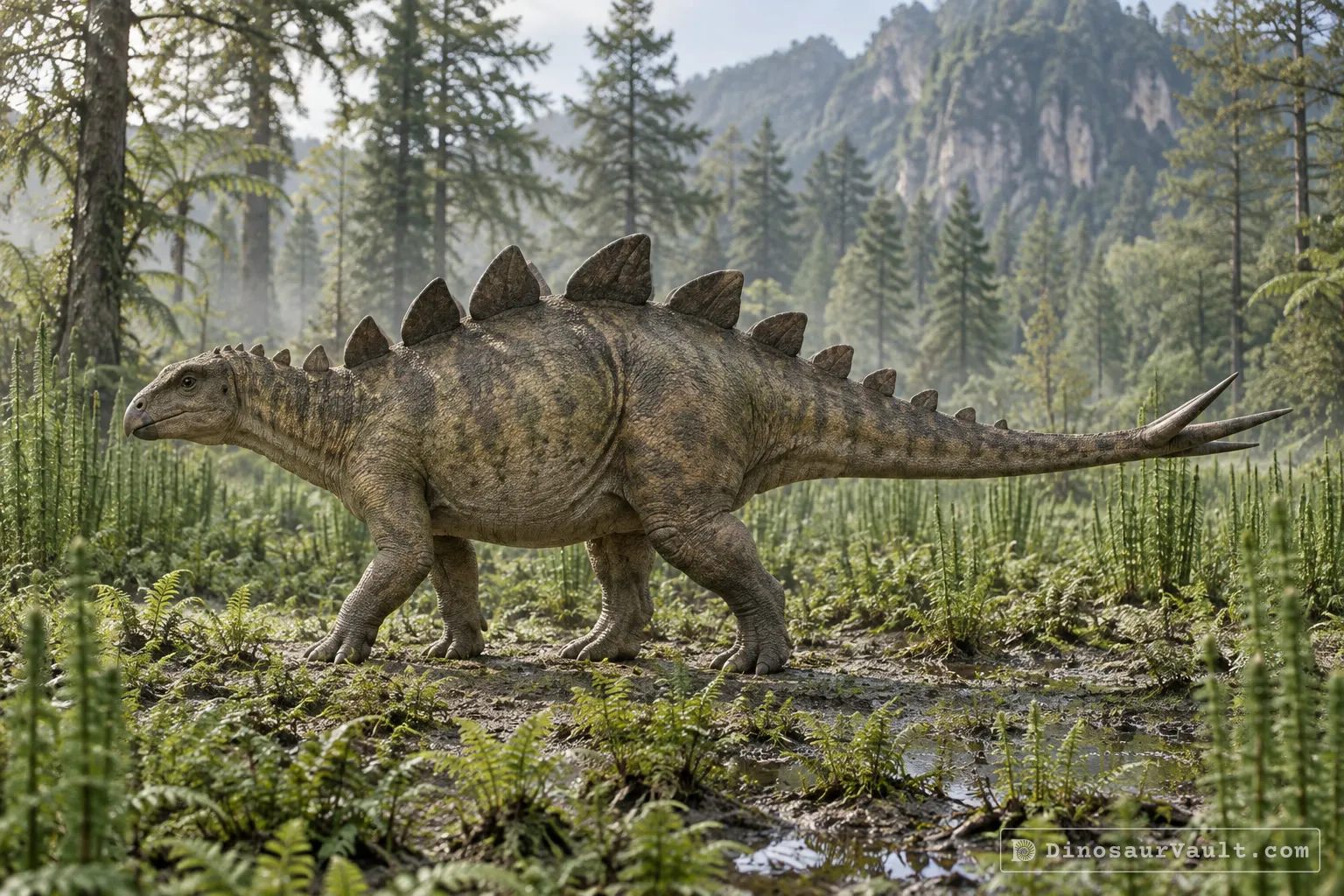
Tuojiangosaurus was a plated plant eater about 7 meters (23 feet) long, a close relative of Stegosaurus. It had two rows of pointed plates running down its neck, back and tail, and spikes at the end of its tail for defense. Its head was small and low, suited to feeding on plants near the ground.
Its world
It lived in the Jurassic in what is now China. Its bones come from the Shaximiao Formation, a land of rivers and forests shared with long-necked Mamenchisaurus and the big predator Yangchuanosaurus.
How it was found
Dong and colleagues named it in 1977. The type species is Tuojiangosaurus multispinus, meaning "many spines". It is known from one good partial skeleton, which made it the first well-known stegosaur from Asia.
Field gallery
More views of Tuojiangosaurus
Scenes reconstructed from the available fossil evidence.
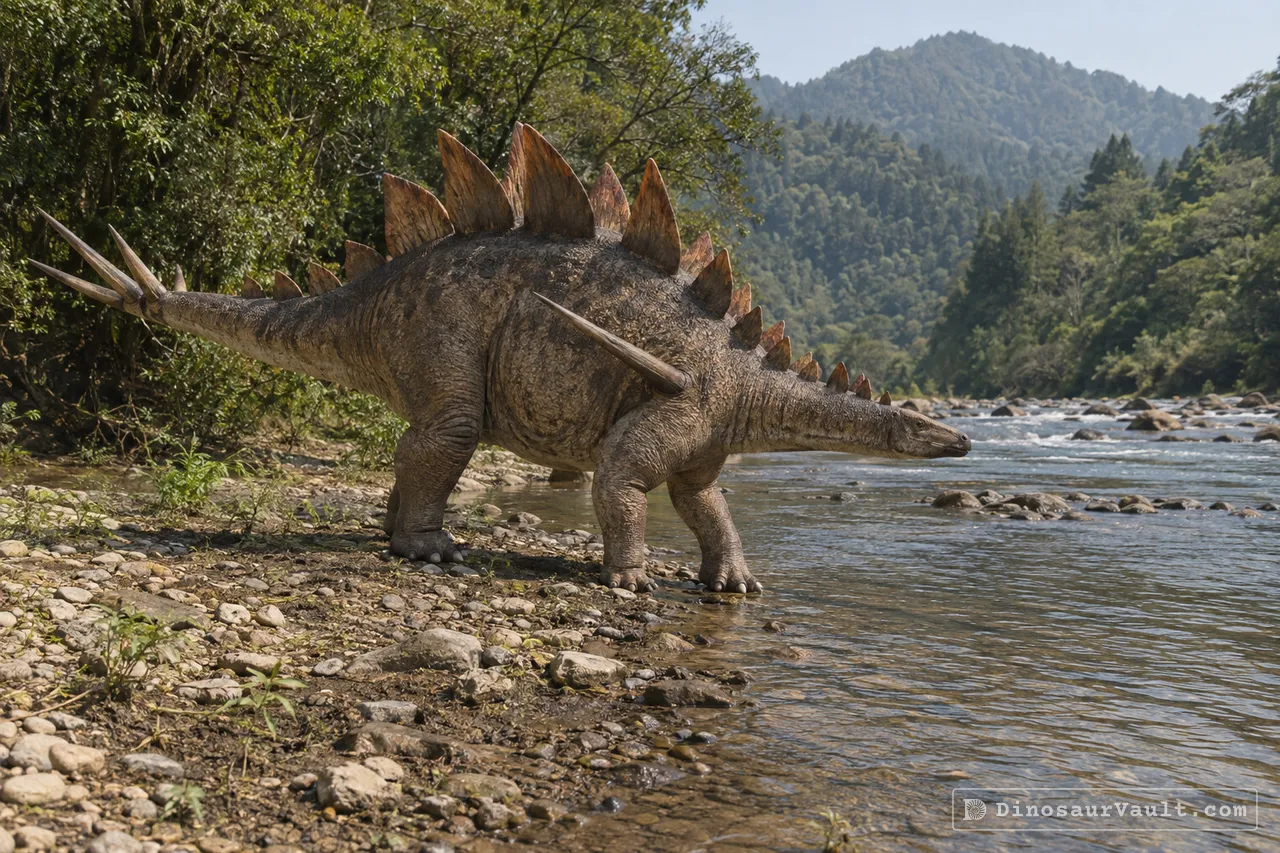
1 of 3
Lived alongside
Found in the same rock formations
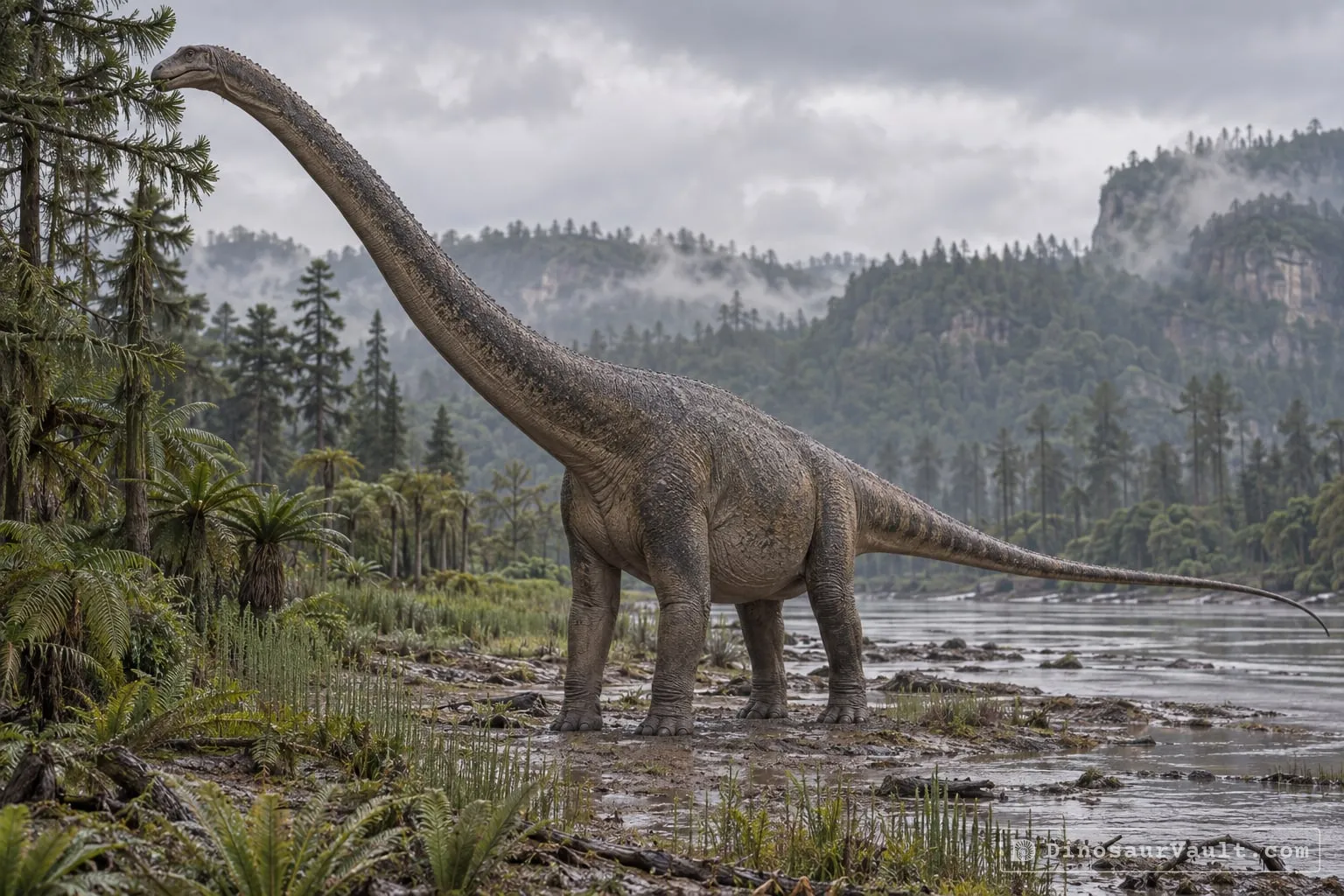
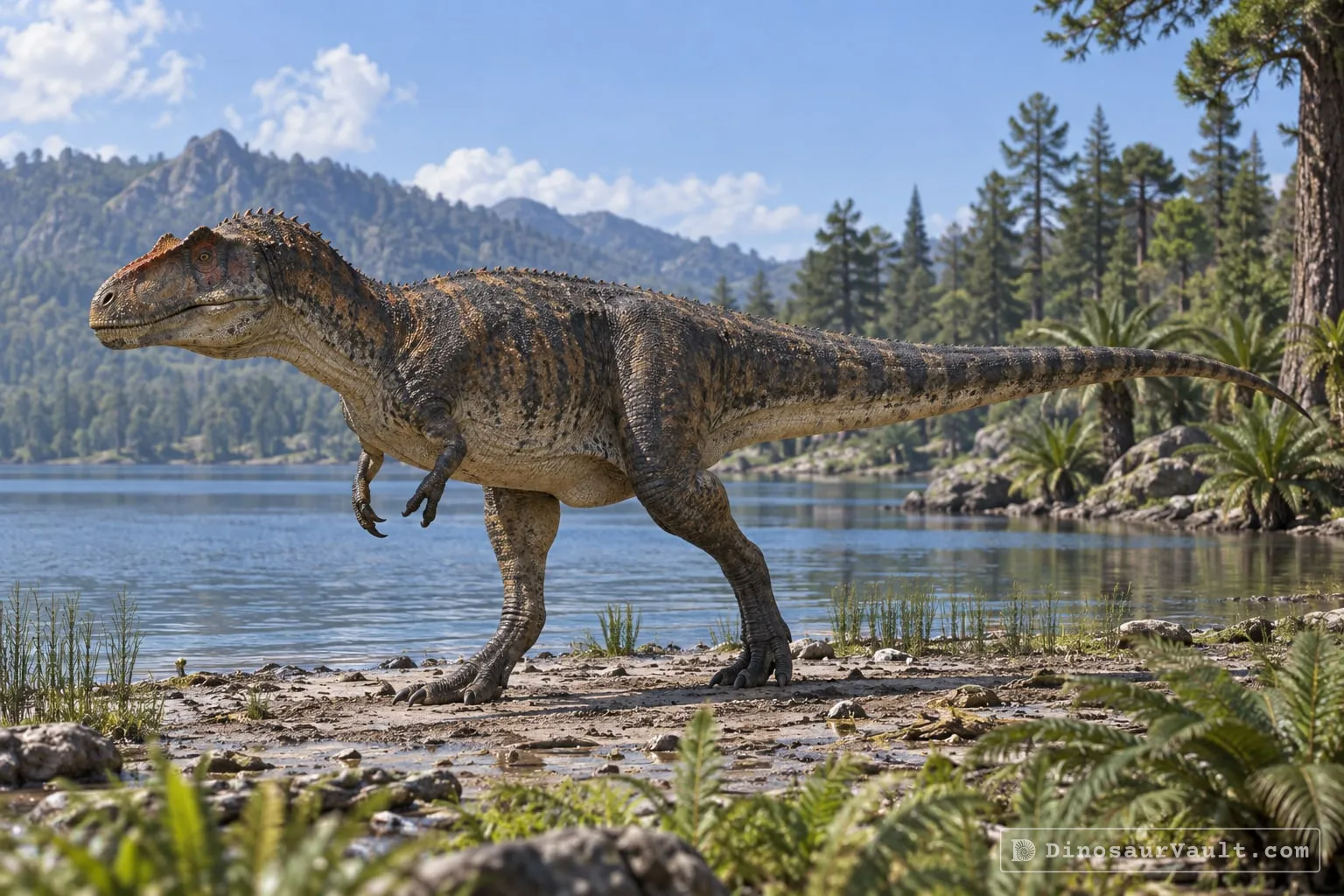
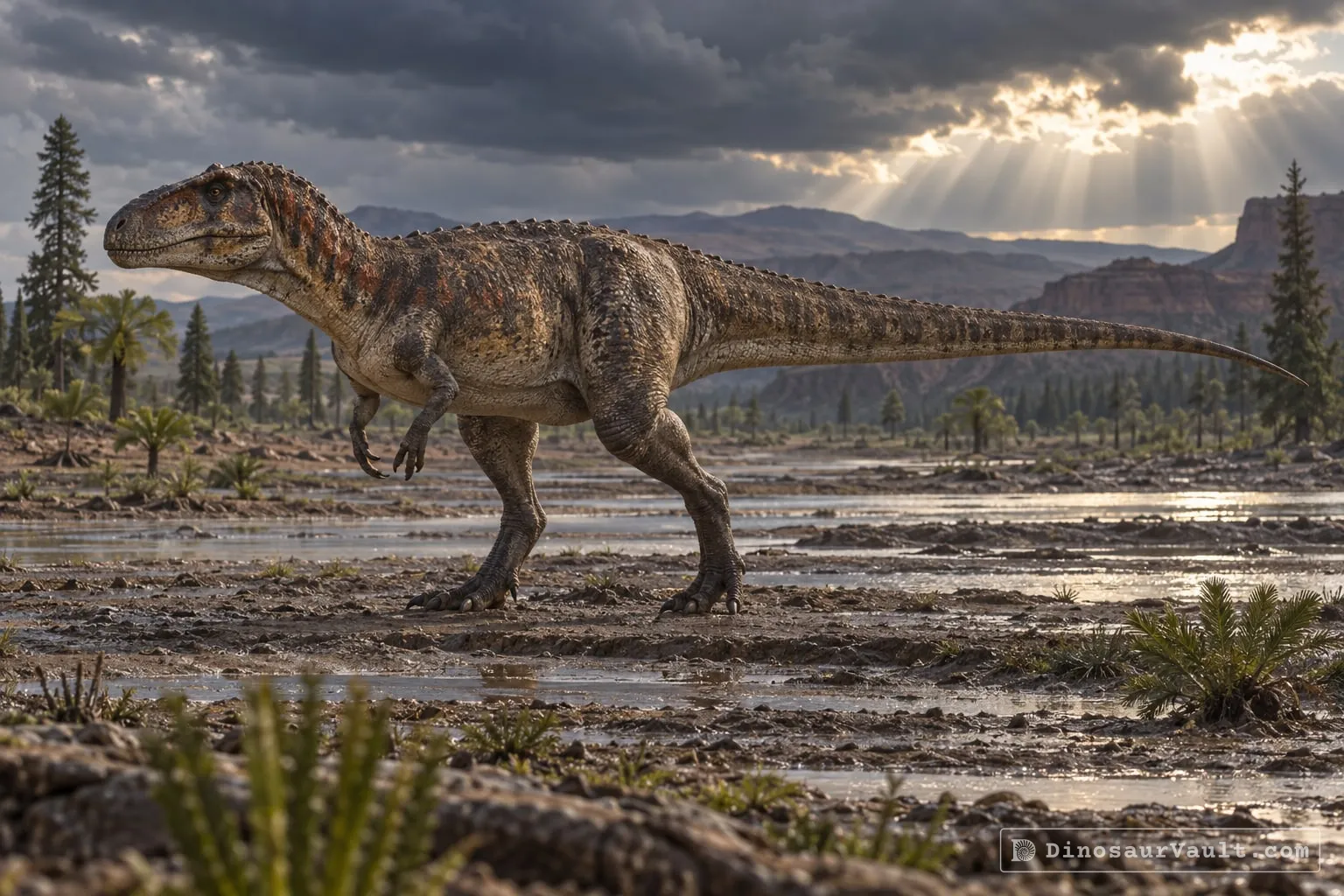
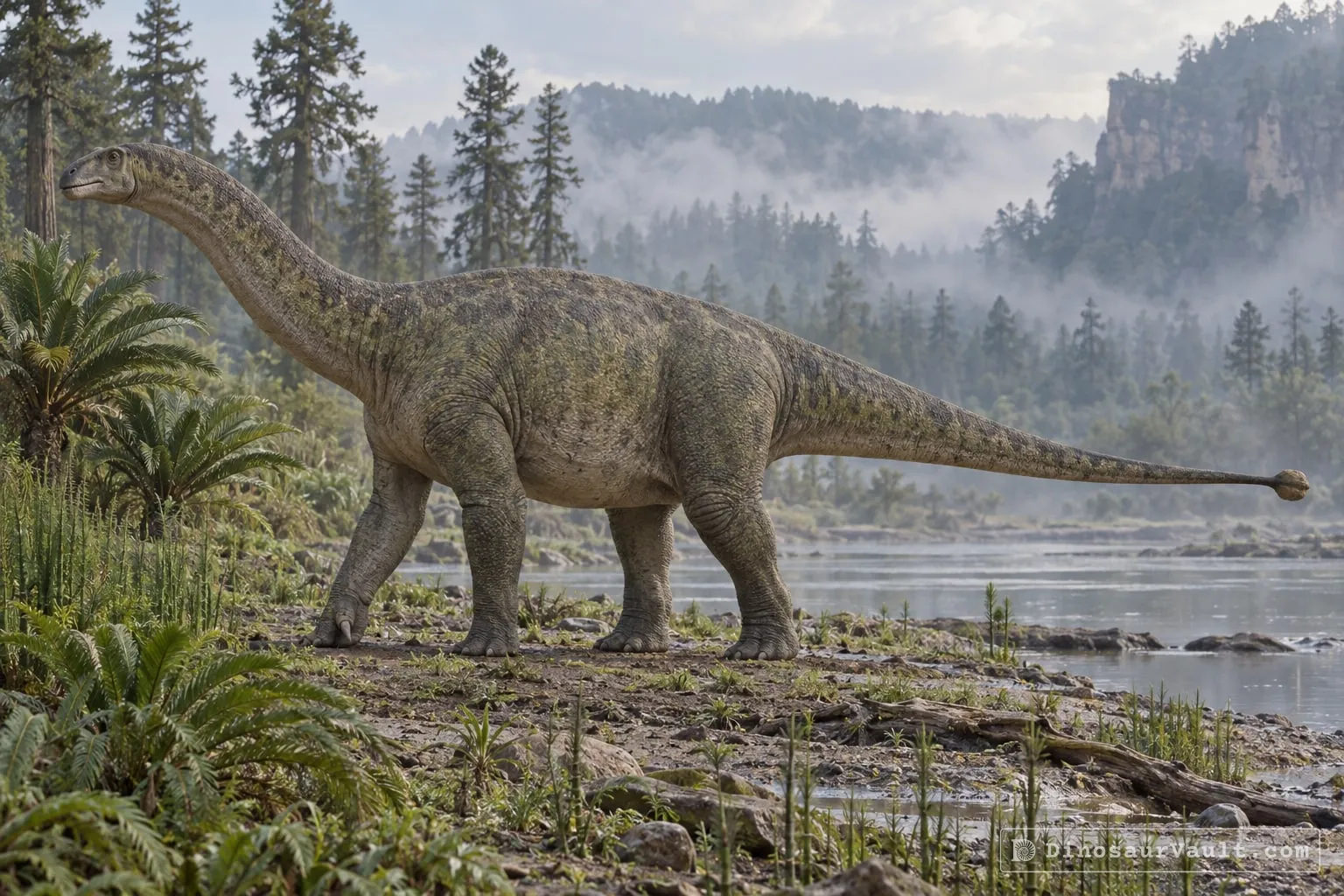
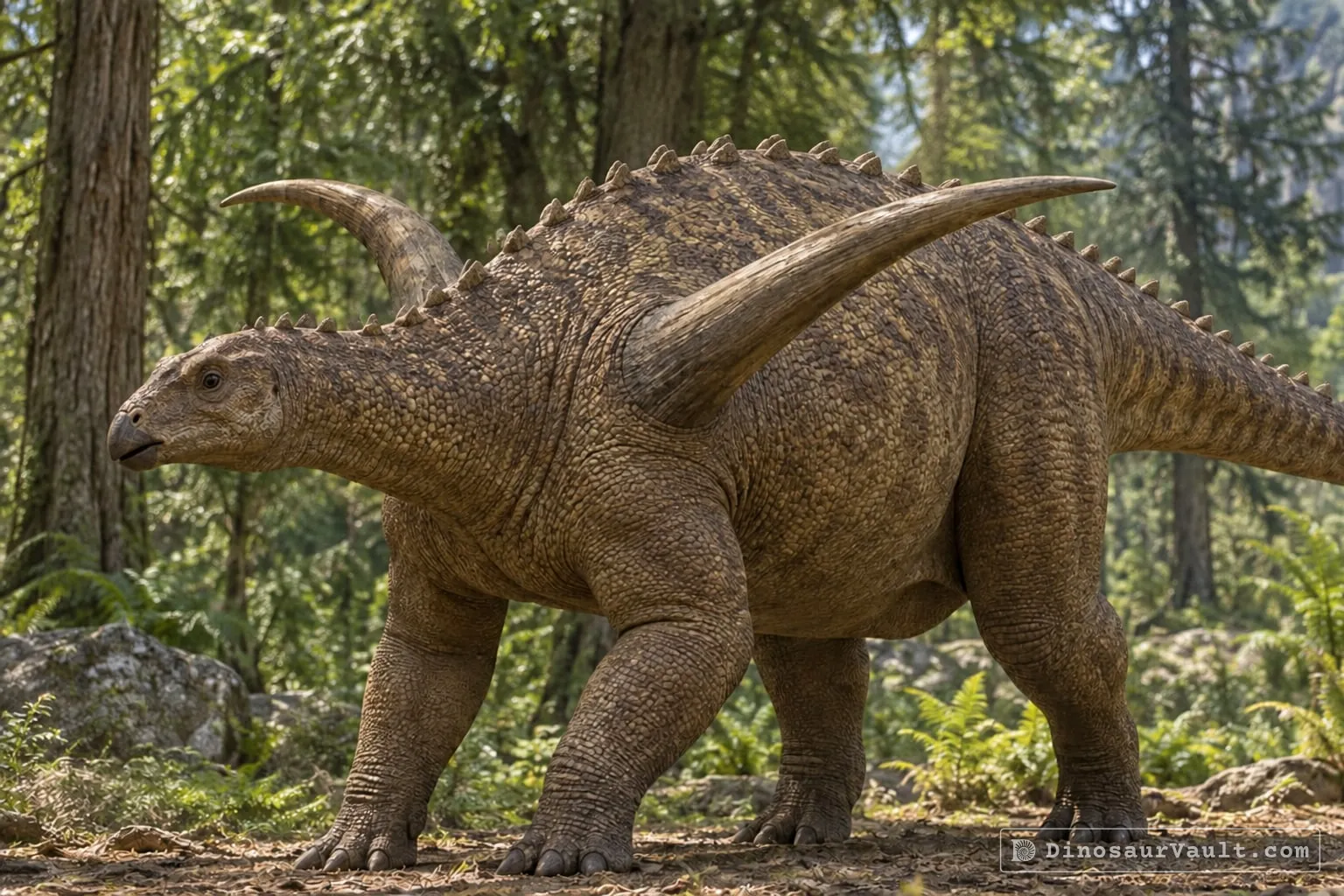
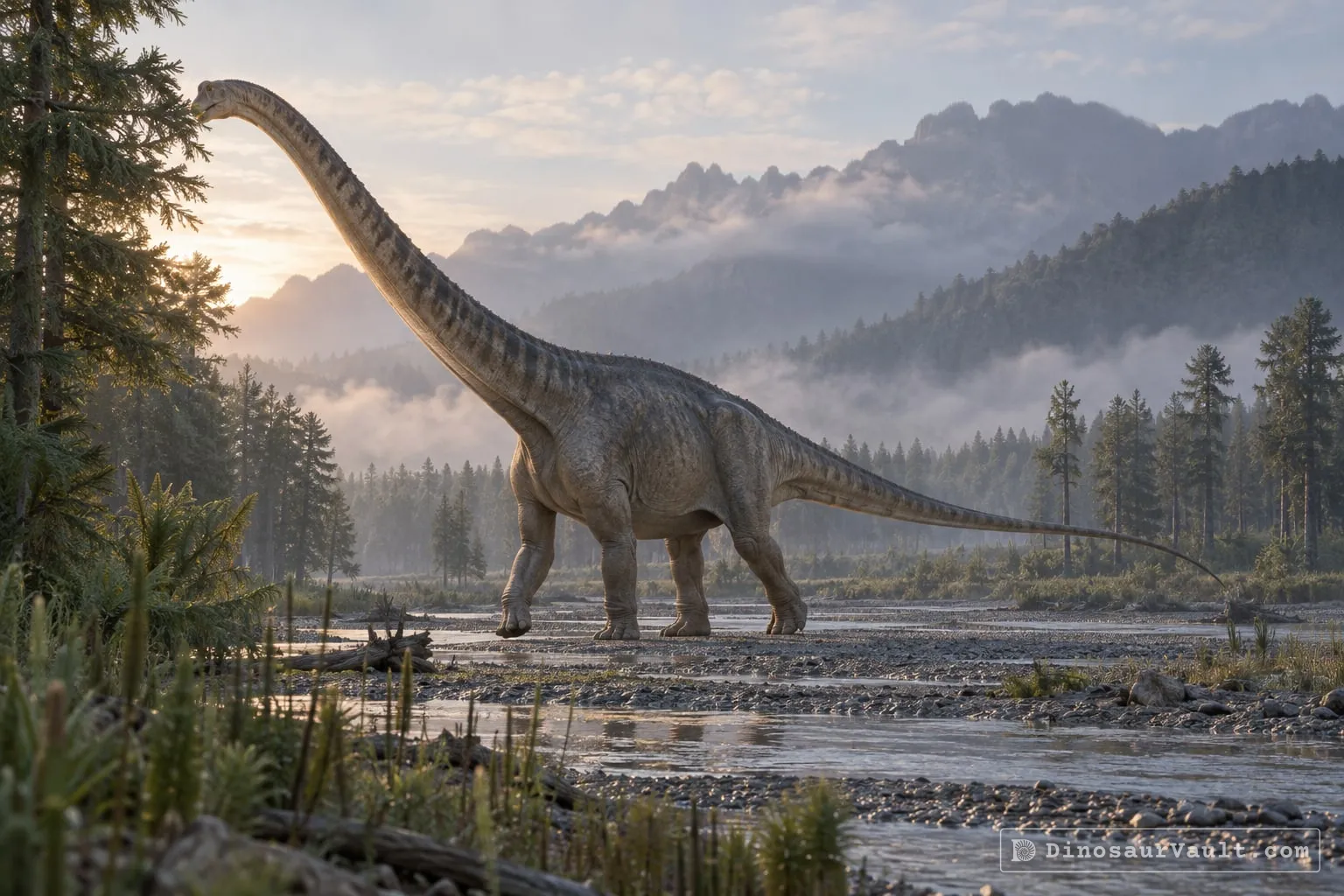


A rock formation can hold fossils laid down millions of years apart, so not every animal here met Tuojiangosaurus.
The evidence
The science behind Tuojiangosaurus
Which parts of the picture come from its own bones, and which come from its relatives.
From its own fossils
- A good partial skeleton preserves parts of the skull, backbone, hips and limbs, along with its bony armor.
- Its armor pieces include thin, rounded plates identified as neck plates, triangular back plates, thicker cone-shaped pieces from farther back, and tail spikes.
- The bones above its eyes are wider than they are long, a feature that helps distinguish it from other stegosaurs. Its lower jaw is slender and deepens toward the back.
Borrowed from relatives
- Missing parts of the neck, tail and limbs can be restored by comparison with Stegosaurus and other stegosaurs.
Still unknown
- The exact order of its plates and spikes. They were paired up by matching similar pieces, not found in place along the body.
- Its closest relative. One recent study pairs it with Paranthodon, but its position changes with the method used.
- Whether the plates mainly served for display, defense or controlling body temperature.
Discovery timeline
- 1977Named itDong et al.
- 2008Family treeMaidment et al.
- 2010Family treeMaidment
- 2025Family treeSánchez-Fenollosa & Cobos
Key papers
The research behind what we know of Tuojiangosaurus
Named it
Named a plated dinosaur from a partial skeleton found in China, with pointed armor and tail spikes.
On the stegosaurian remains from Zigong (Tzekung), Szechuan province. Vertebrata PalAsiatica 15: 307-312
No link available
Family tree
Compared stegosaur skeletons, identified features that distinguish Tuojiangosaurus and placed it close to Stegosaurus.
Systematics and phylogeny of Stegosauria (Dinosauria: Ornithischia). Journal of Systematic Palaeontology 6: 367-407
Read the paper : Systematics and phylogeny of Stegosauria (Dinosauria: Ornithischia) (opens in a new tab)Family tree
Reviewed stegosaur discoveries and tested their relationships using an updated comparison of their bones.
Stegosauria: a historical review of the body fossil record and phylogenetic relationships. Swiss Journal of Geosciences 103: 199-210
Read the paper : Stegosauria: a historical review of the body fossil record and phylogenetic relationships (opens in a new tab)Family tree
Described a rare stegosaur skull from Europe and built a new family tree that keeps Tuojiangosaurus as an early stegosaurid, possibly beside Paranthodon.
New insights into the phylogeny and skull evolution of stegosaurian dinosaurs: An extraordinary cranium from the European Late Jurassic (Dinosauria: Stegosauria). Vertebrate Zoology 75: 165-189
Read the paper : New insights into the phylogeny and skull evolution of stegosaurian dinosaurs: An extraordinary cranium from the European Late Jurassic (Dinosauria: Stegosauria) (opens in a new tab)
Close relatives
Other members of Stegosauridae


Sources: Wikidata