Yangchuanosaurus
- Lived
- 171 to 113 million years ago, Middle Jurassic to Early Cretaceous
- Diet
- Carnivore
- Length
- about 10 m (33 ft)
- Group
- Theropods, Metriacanthosauridae
- Found in
- China
- Named by
- Dong et al. 1978
Size comparison
To scale
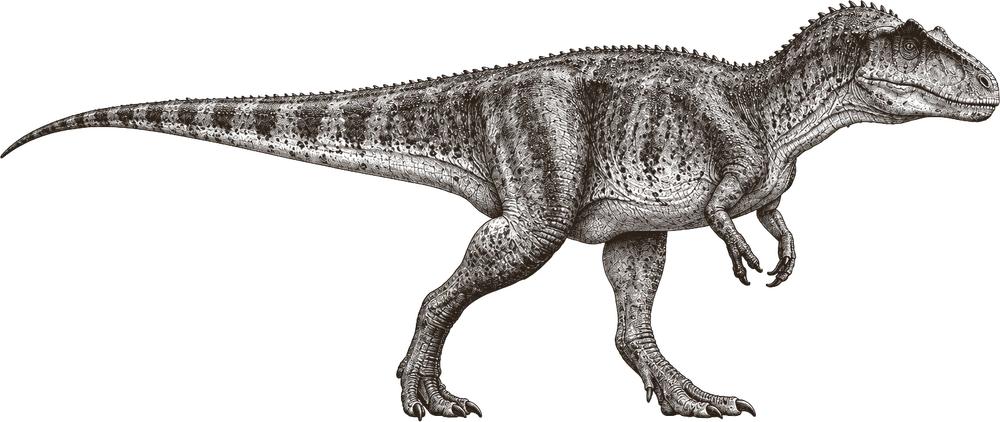


Scale in meters
Where its fossils were found
The evidence
Today

140 million years ago
Habitat
It lived on inland plains in China, where mud accumulated in the Shaximiao Formation. Regional neighbors included Mamenchisaurus, Tuojiangosaurus and Chungkingosaurus.
Field notes
About Yangchuanosaurus
What it was like
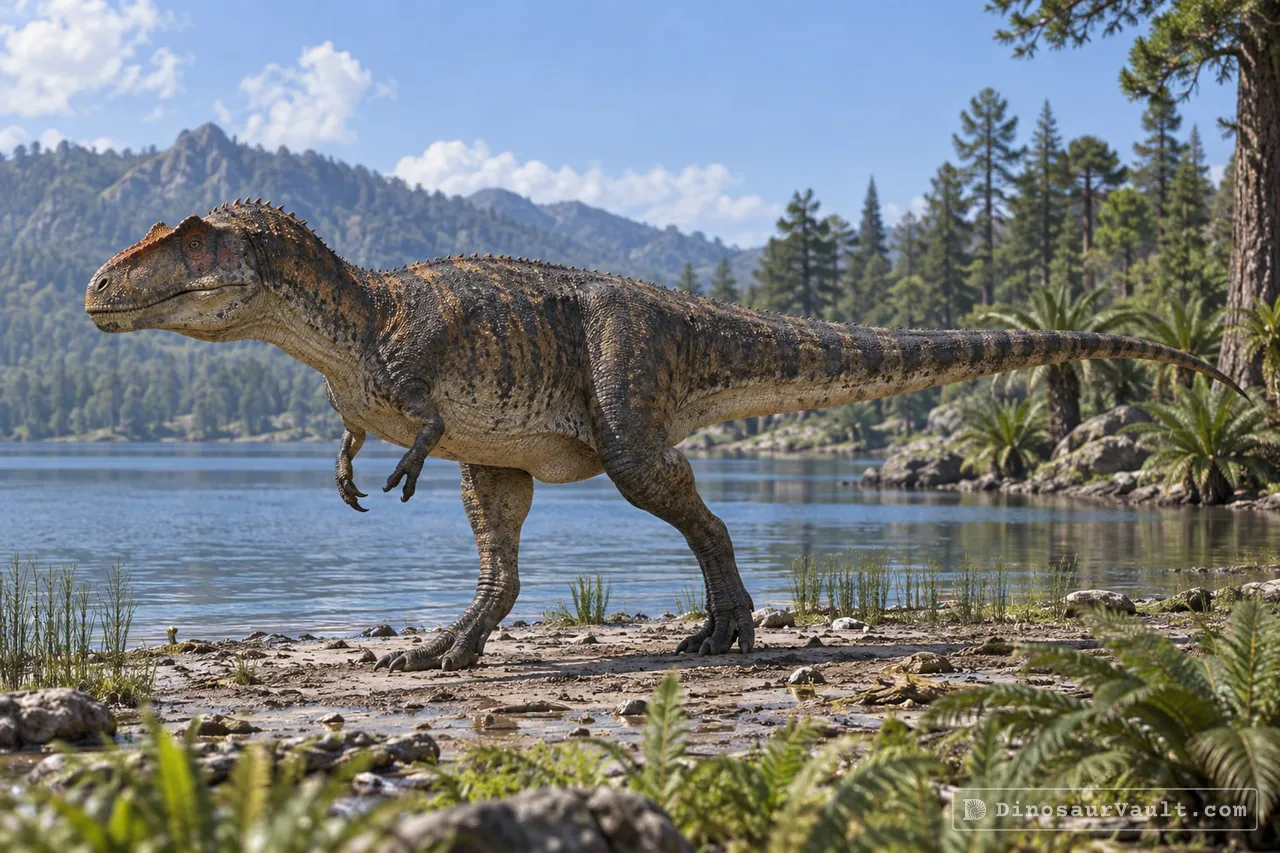
Yangchuanosaurus was a large, powerfully built predator with a deep skull and blade-shaped, serrated teeth suited to tackling big prey. It walked on two legs, balanced by a long, heavy tail, and was probably the top predator in its ecosystem, hunting large plant-eating dinosaurs that shared its world. Yangchuanosaurus grew to about 10 meters (33 feet) long, making it one of the largest theropods known from Jurassic China. Like its close relative Sinraptor, it belonged to the family Metriacanthosauridae, a group of large Jurassic predators related to Allosaurus.
Its world
Yangchuanosaurus lived from about 171 to 113 million years ago, spanning the Middle Jurassic into the Early Cretaceous, in what is now China. Its fossils come from the Shaximiao and Suining formations. It shared its world with huge, long-necked sauropods such as Mamenchisaurus and Omeisaurus, plated stegosaurs including Tuojiangosaurus and Chungkingosaurus, and the closely related predator Sinraptor.
How it was found
Dong and colleagues named Yangchuanosaurus in 1978. Four fossil finds are known today, making it one of the better-known large predators from this part of the Jurassic world. It is closely related to Sinraptor, another large Chinese theropod from a similar time and place.
Field gallery
More views of Yangchuanosaurus
Scenes reconstructed from the available fossil evidence.
1 of 7
Lived alongside
Found in the same rock formations
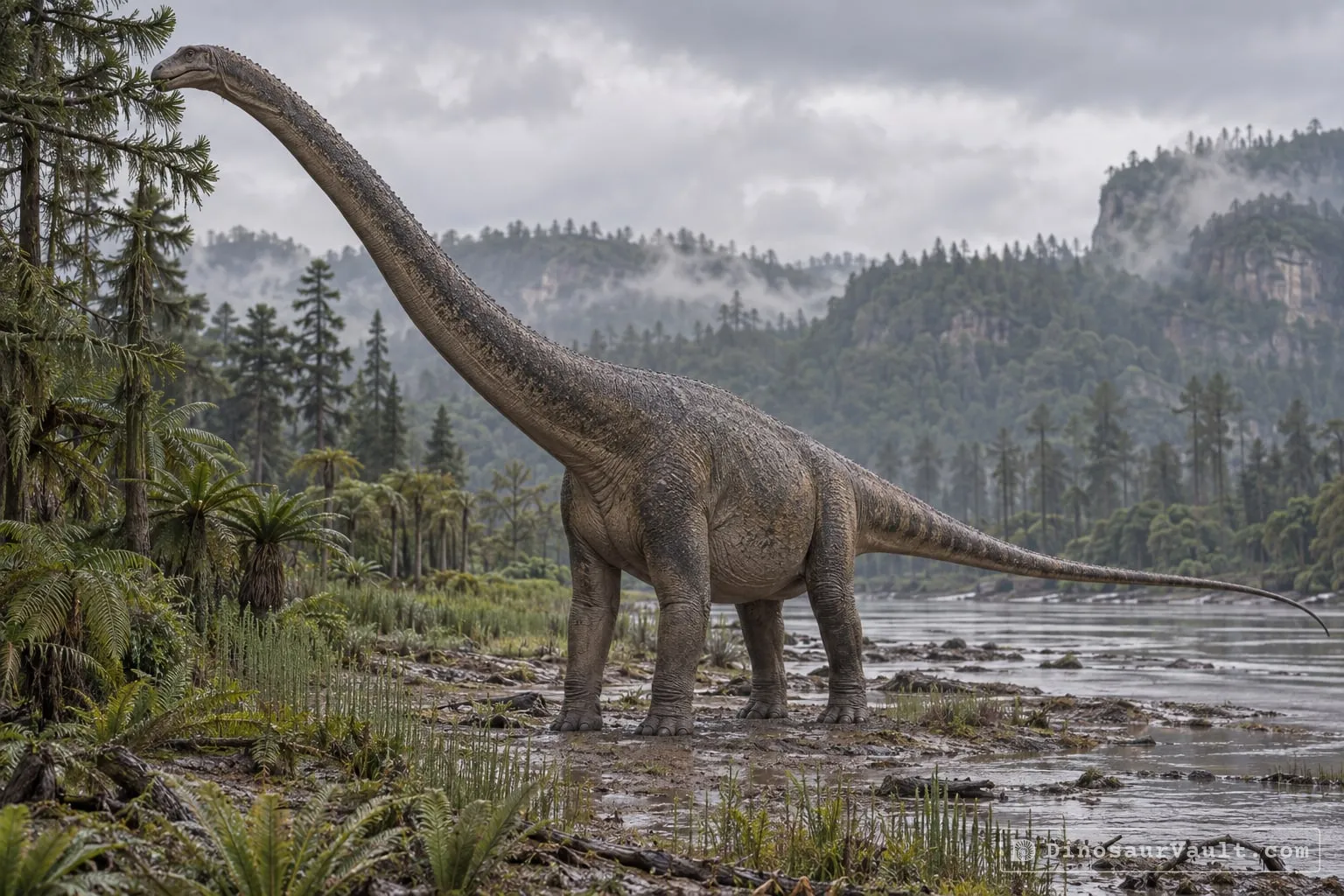
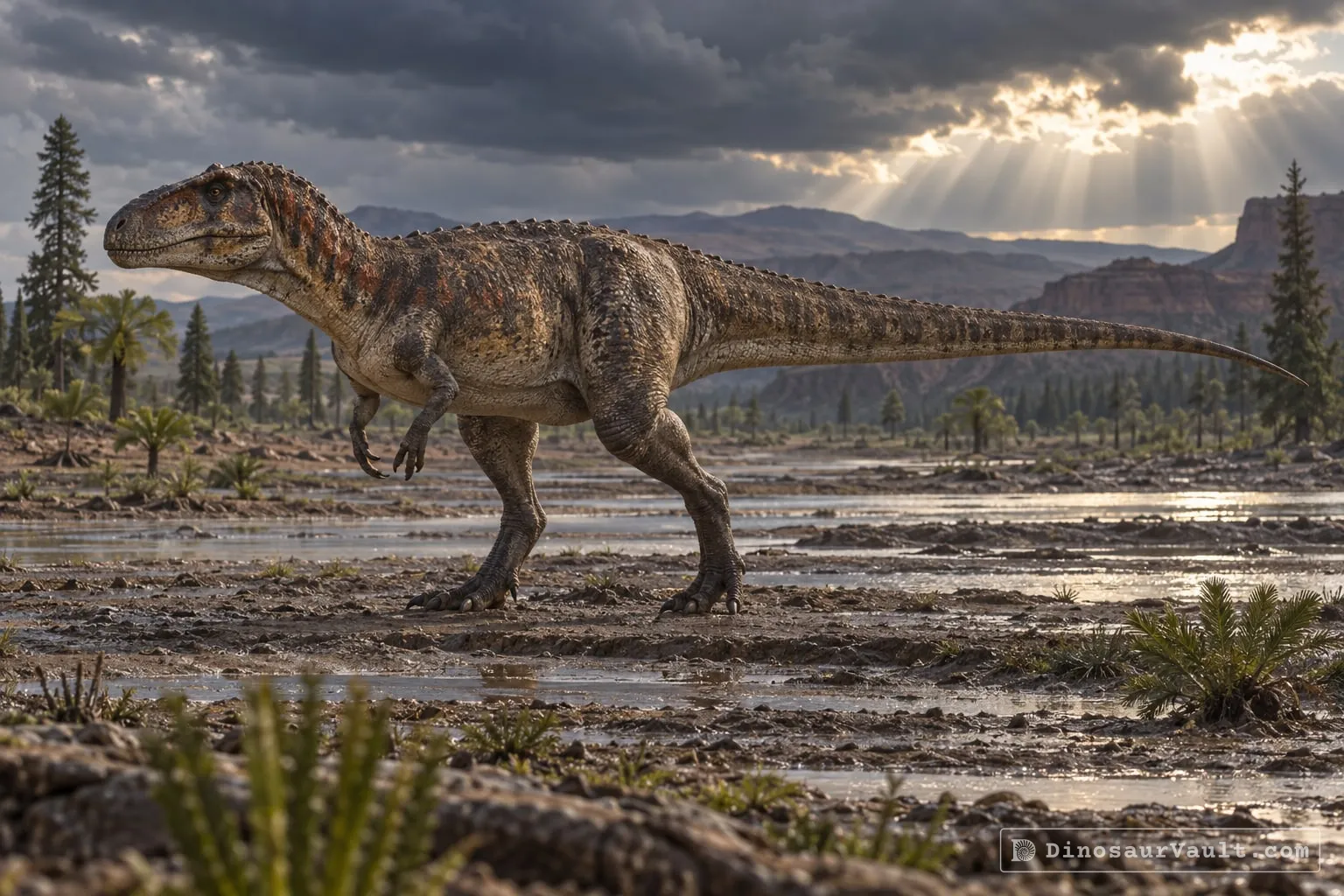
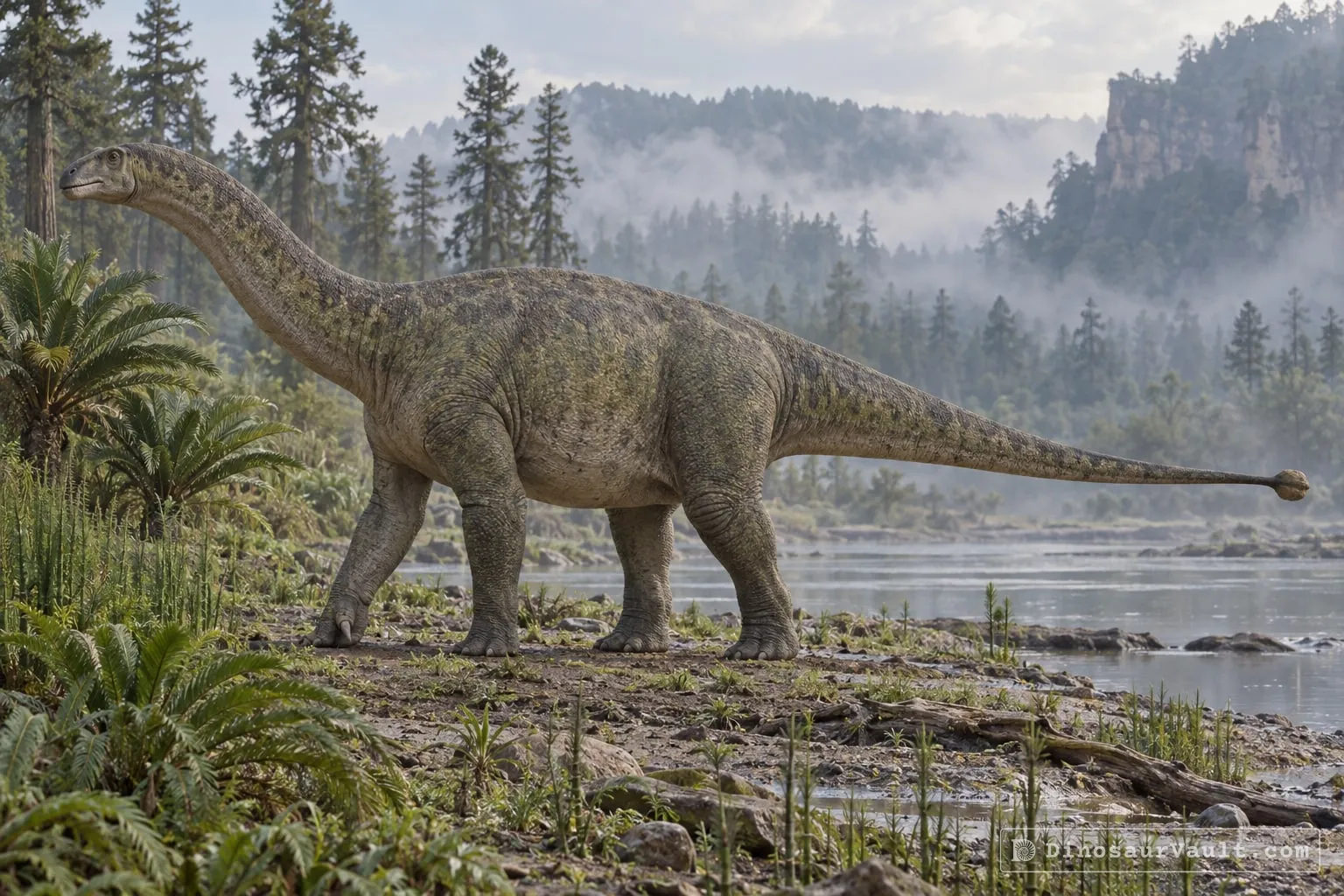
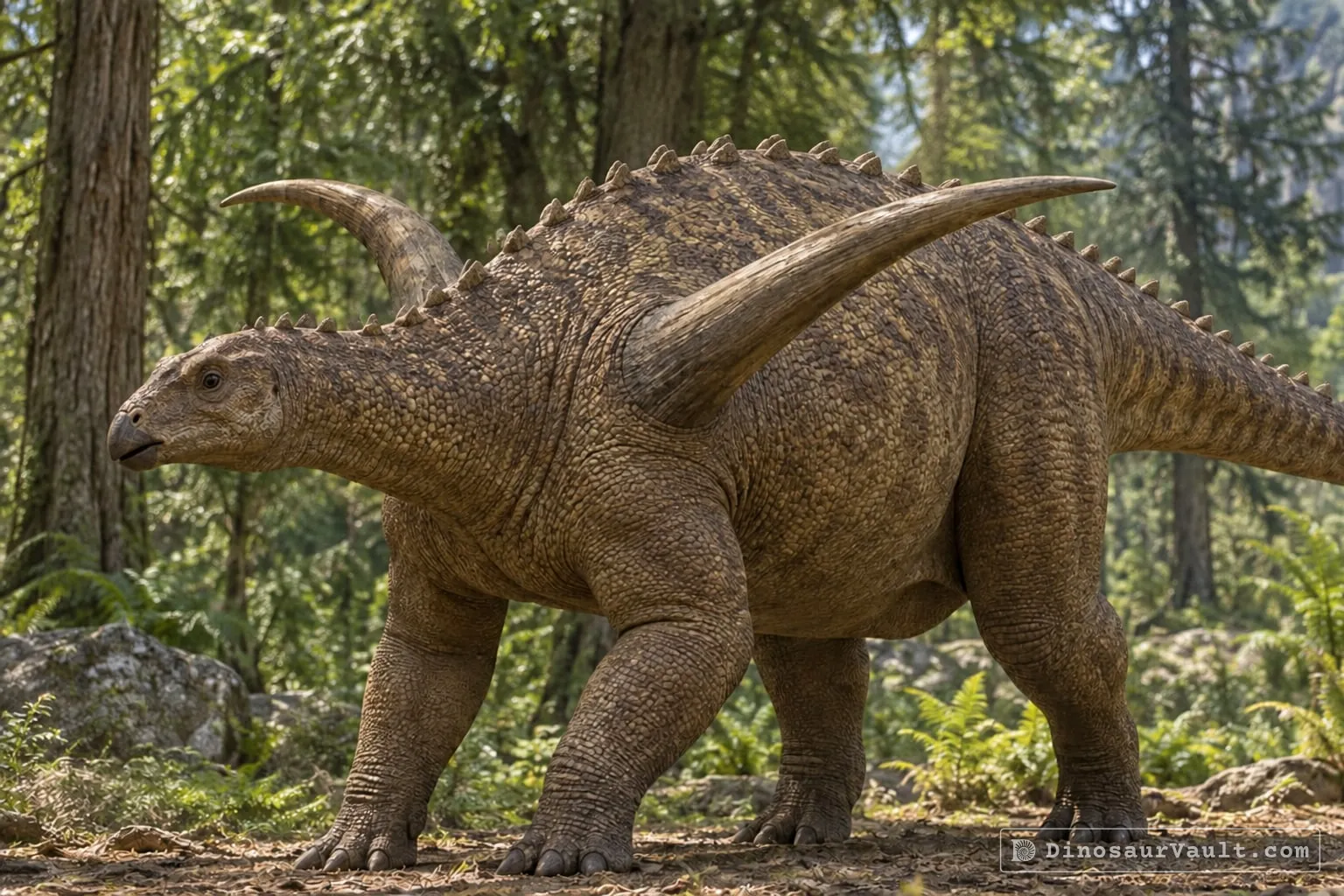
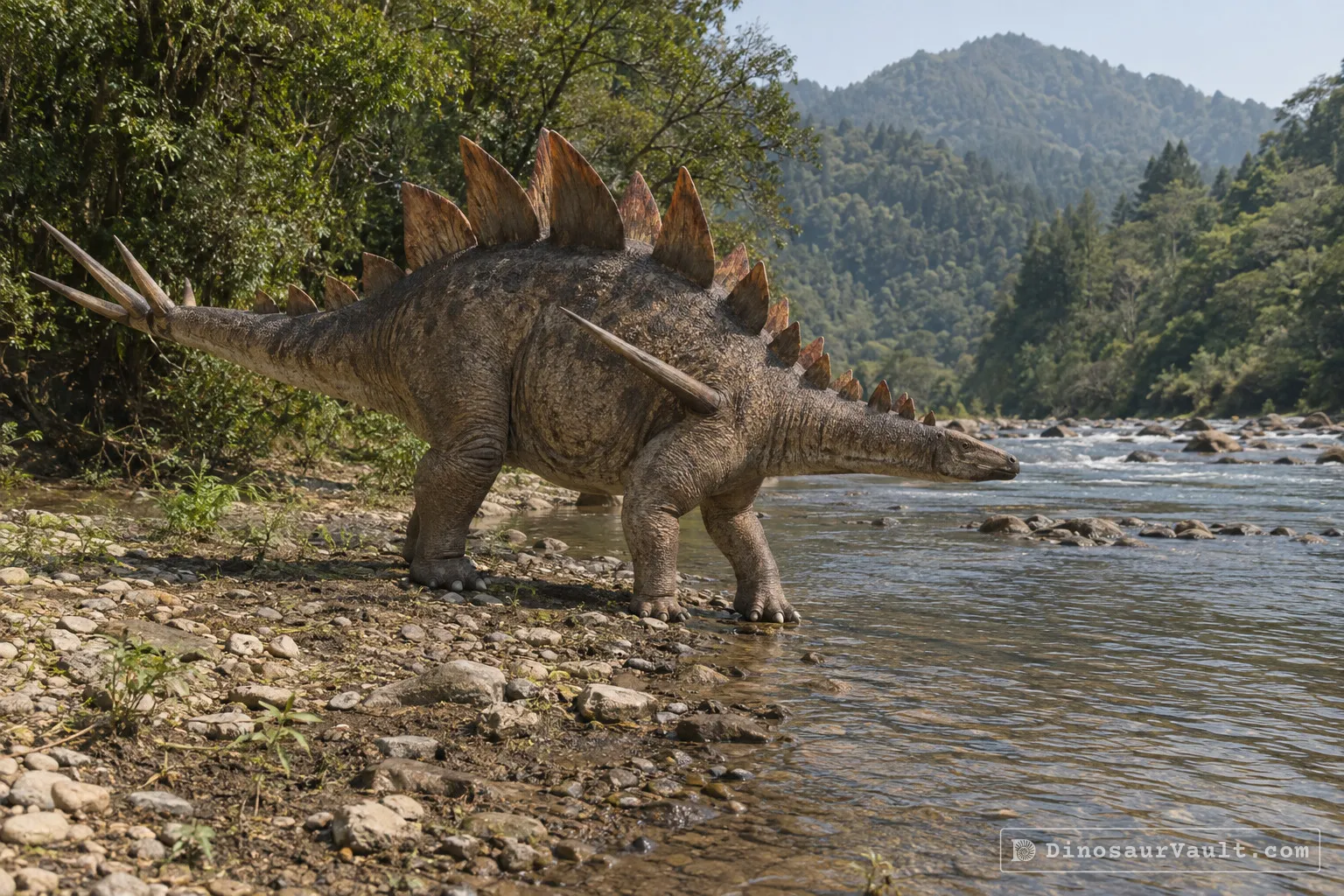
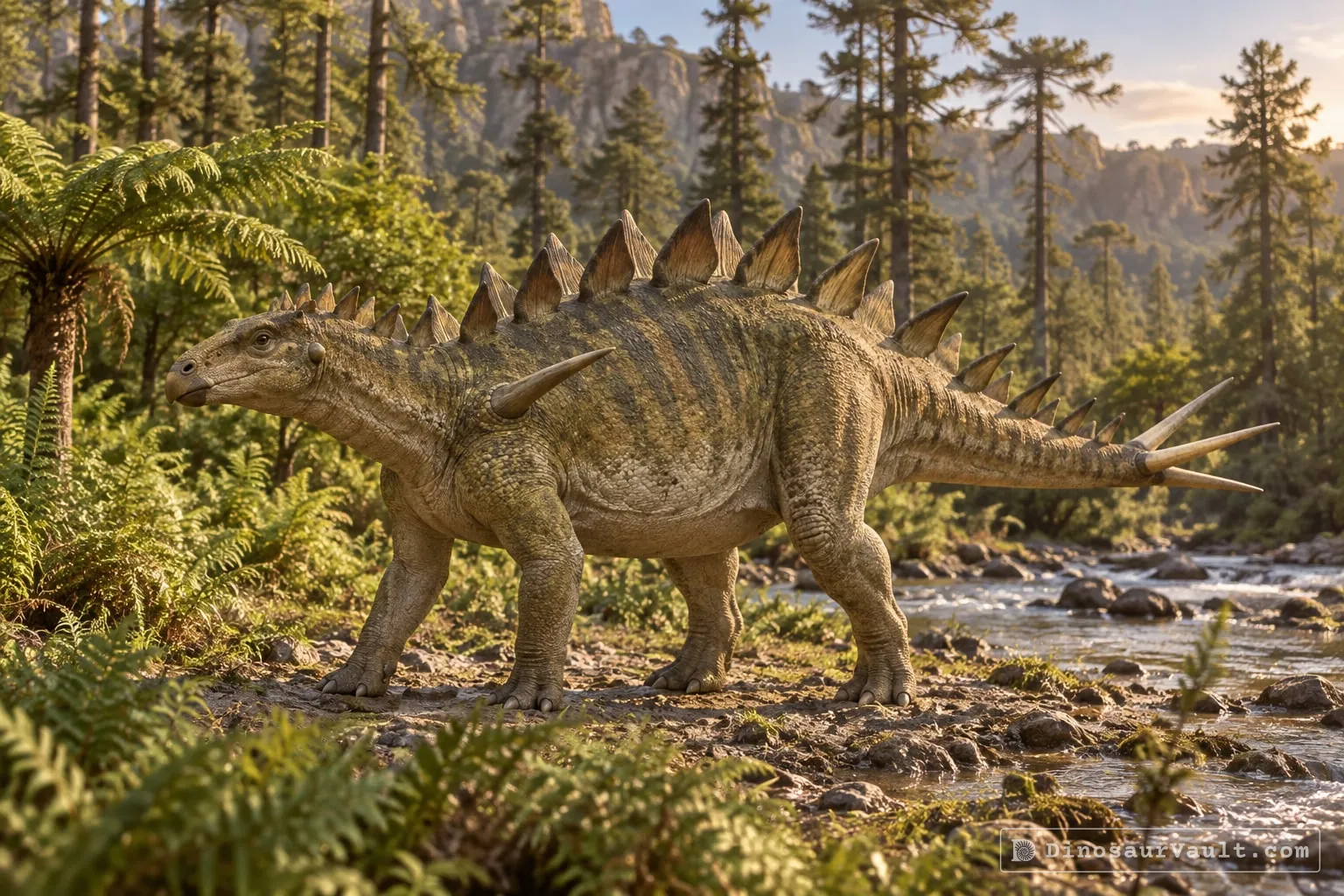
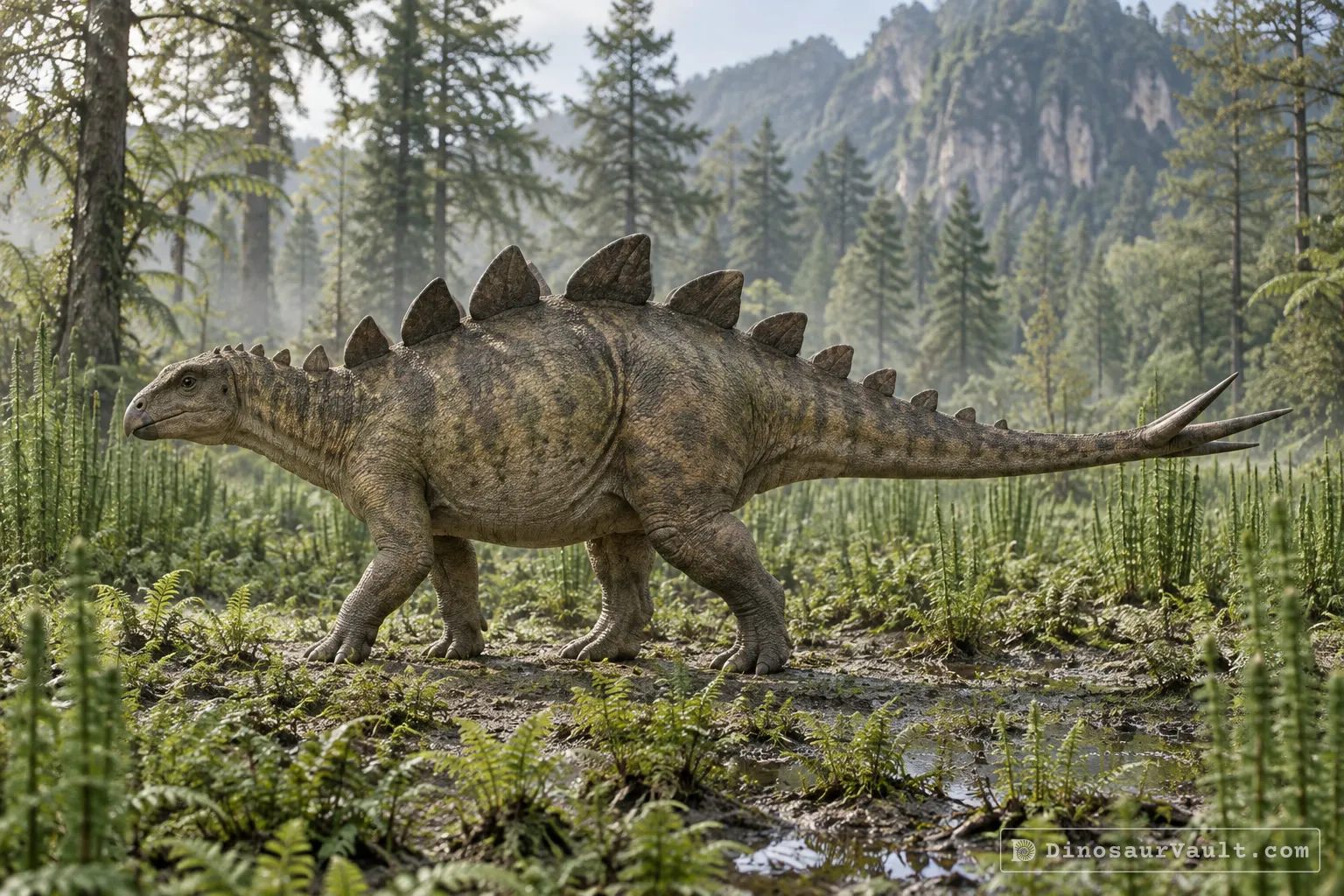
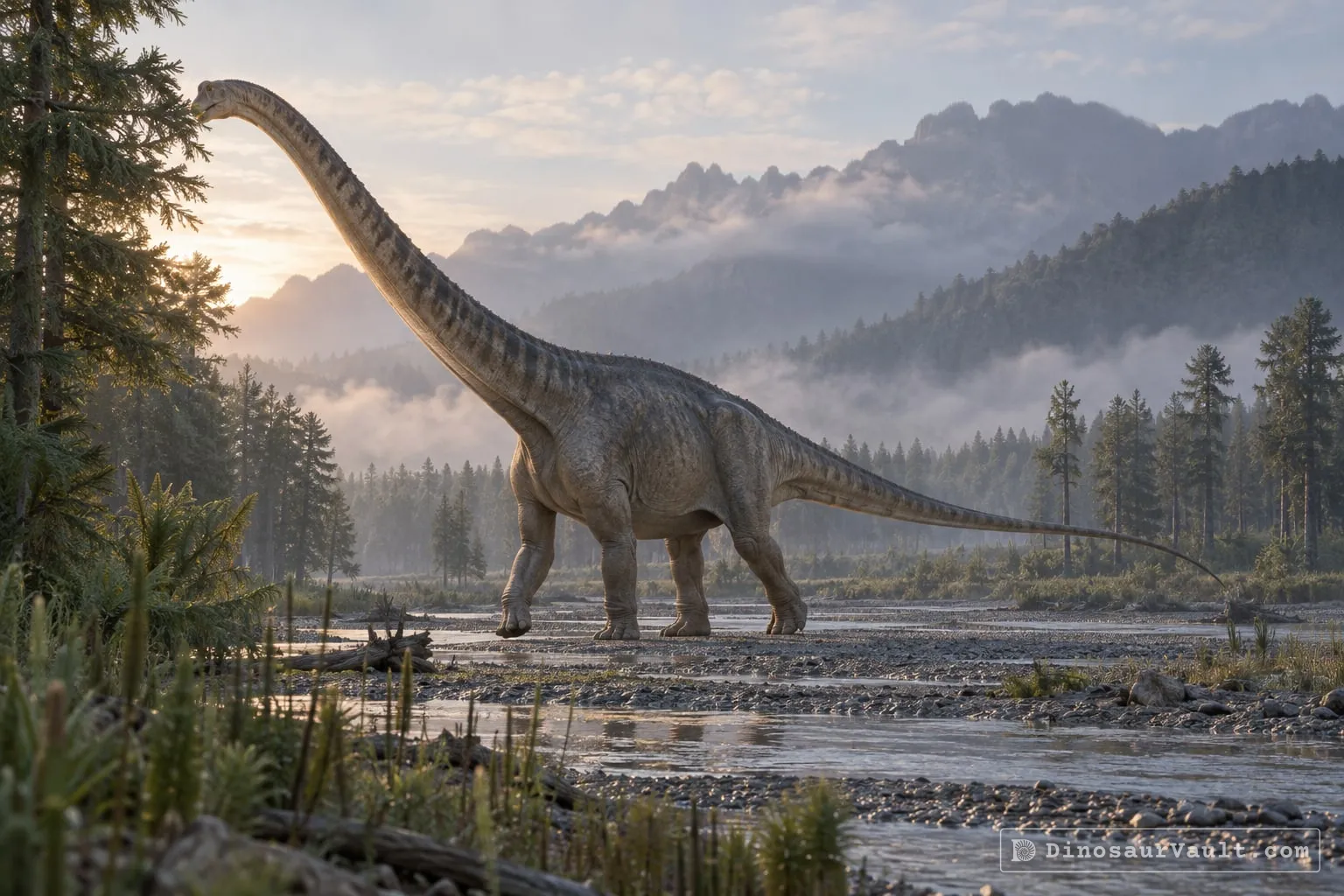


A rock formation can hold fossils laid down millions of years apart, so not every animal here met Yangchuanosaurus.
The evidence
The science behind Yangchuanosaurus
Which parts of the picture come from its own bones, and which come from its relatives.
From its own fossils
- Skulls and skeletons preserve a deep head with serrated teeth and a low, rough ridge along the snout.
- The limb bones show strong hind legs and shorter arms with clawed fingers.
Borrowed from relatives
- Most of its body shape comes from its own skulls and skeletons.
- Lips over the teeth follow comparisons with other large theropods, including Tyrannosaurus.
Still unknown
- Its skin covering and color.
- How it hunted large prey.
- Whether it cared for its young.
Often drawn wrong
- The snout had a modest ridge, rather than a tall blade-shaped crest.
- Its hands faced inward, rather than hanging with the palms turned toward the ground.
Discovery timeline
- 1978Named itDong et al.
- 2012Family treeCarrano, Benson & Sampson
- 2023SkinCullen et al.
Key papers
The research behind what we know of Yangchuanosaurus
Named it
Named a large predator from a skull and skeleton found in China, with a deep head and serrated teeth.
[A new carnosaur from Yongchuan County, Sichuan Province]. Ke Xue Tong Bao [Science Newsletter] 23: 302-304
No link available
Family tree
Placed Yangchuanosaurus near Sinraptor in the family tree and treated its larger named species as the same species.
The phylogeny of Tetanurae (Dinosauria: Theropoda). Journal of Systematic Palaeontology 10: 211-300
Read the paper : The phylogeny of Tetanurae (Dinosauria: Theropoda) (opens in a new tab)Skin
Comparisons of teeth and living reptiles support lips covering the teeth of theropods when their mouths were closed.
Theropod dinosaur facial reconstruction and the importance of soft tissues in paleobiology. Science 379: 1348-1352
Read the paper : Theropod dinosaur facial reconstruction and the importance of soft tissues in paleobiology (opens in a new tab)
Close relatives
Other members of Metriacanthosauridae


Sources: Wikidata