Chungkingosaurus
"Chongqing lizard"
Type species Chungkingosaurus jiangbeiensis
- Lived
- 168 to 162 million years ago, Middle Jurassic
- Diet
- Herbivore
- Length
- about 4 m (13 ft)
- Group
- Stegosaurs, Stegosauridae
- Found in
- China
- Named by
- Dong et al. 1983
Size comparison
To scale

Scale in metersOutline: typical stegosaur shape
Where its fossils were found
The evidence
Today

165 million years ago
Habitat
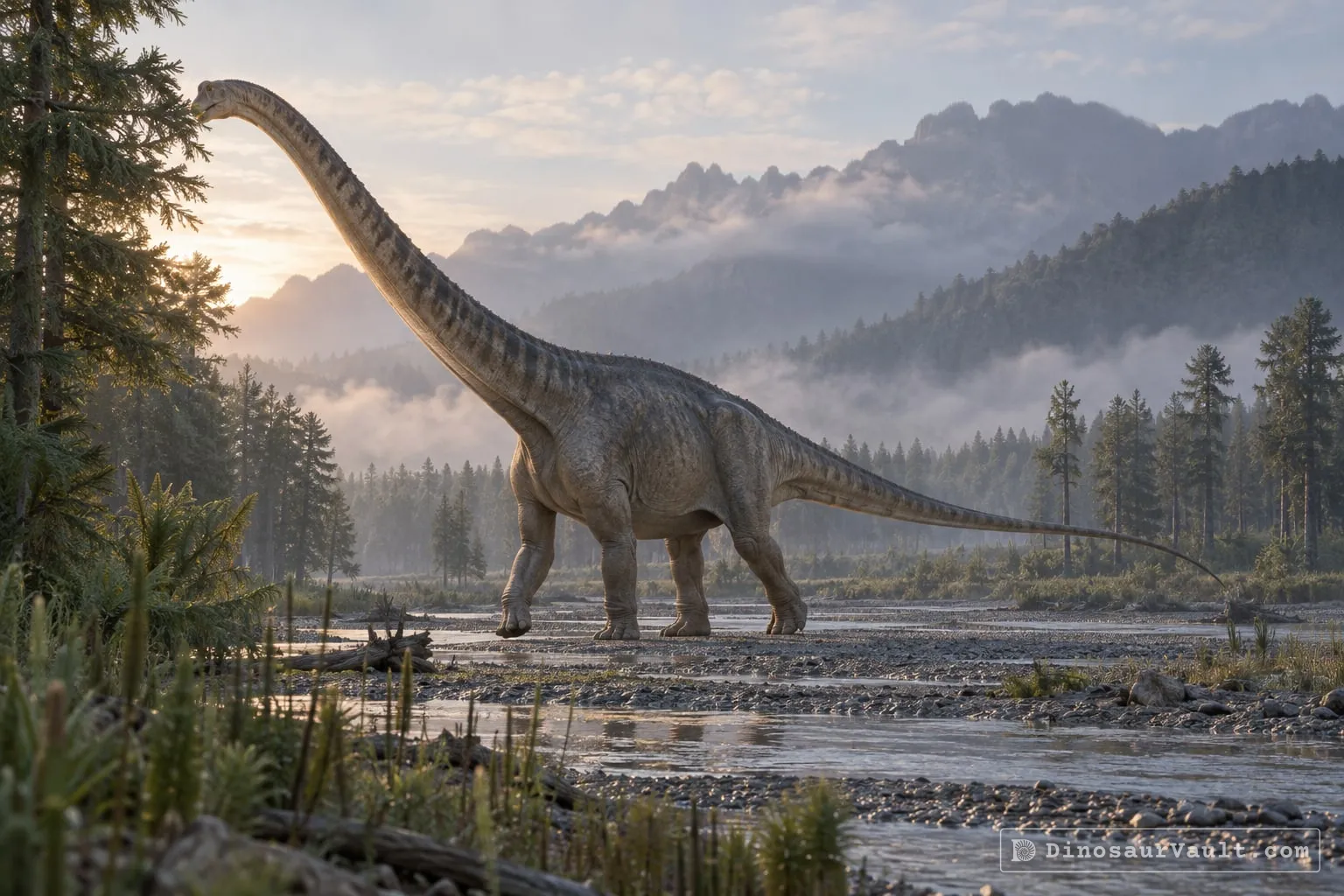
Rivers and shallow lakes crossed the landscape recorded in the Shaximiao Formation of China. Other dinosaurs from these rocks include Tuojiangosaurus, Mamenchisaurus and Yangchuanosaurus.
Field notes
About Chungkingosaurus
What it was like
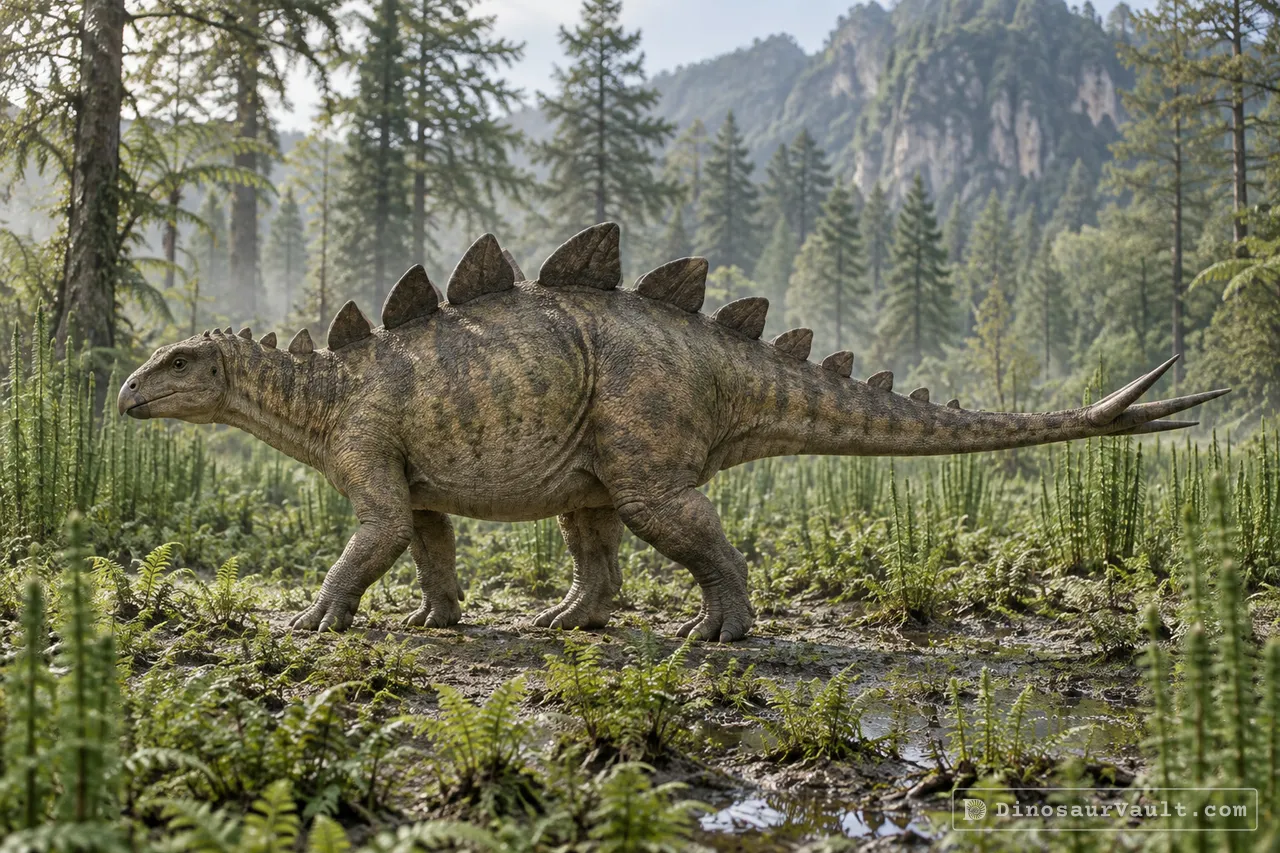
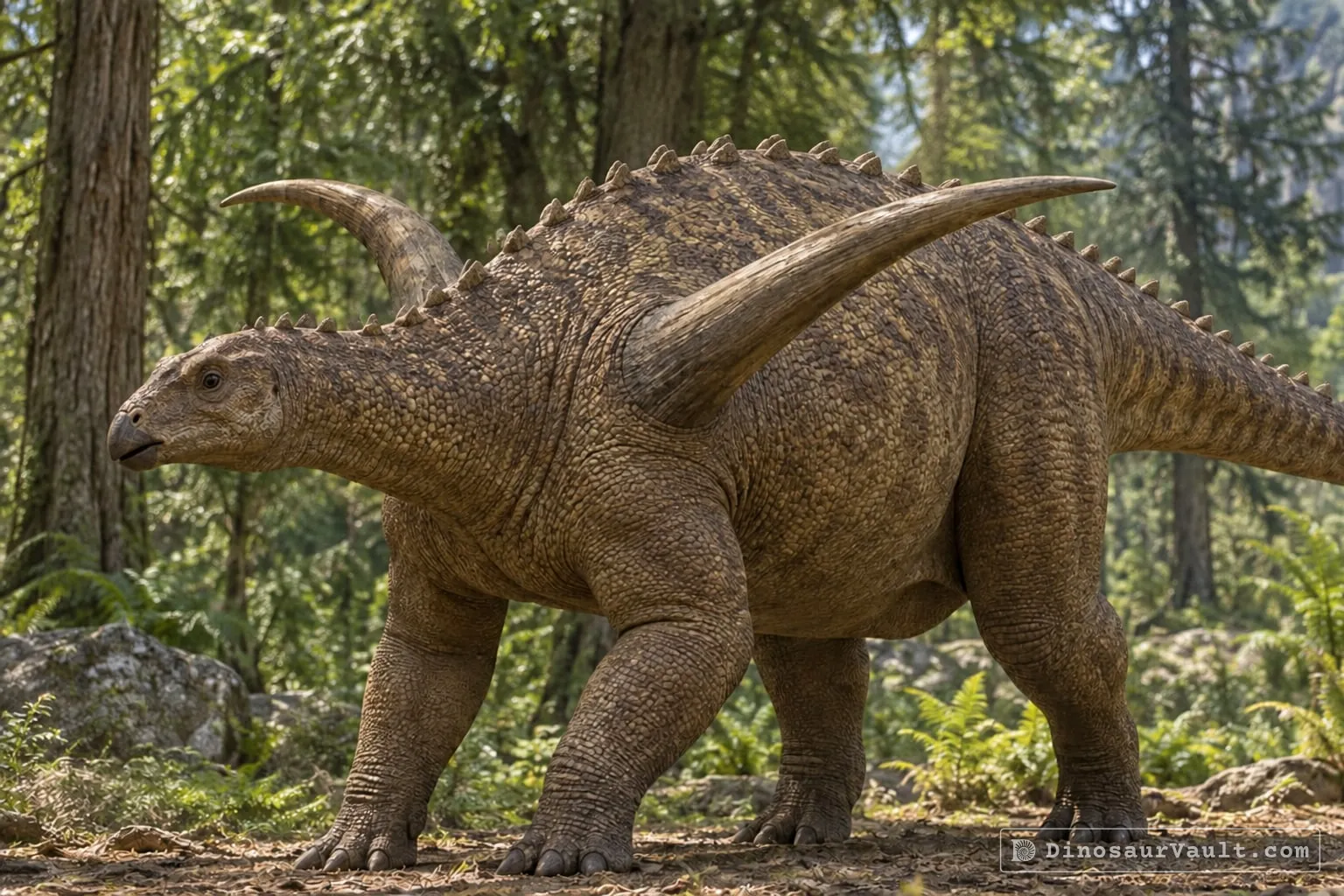
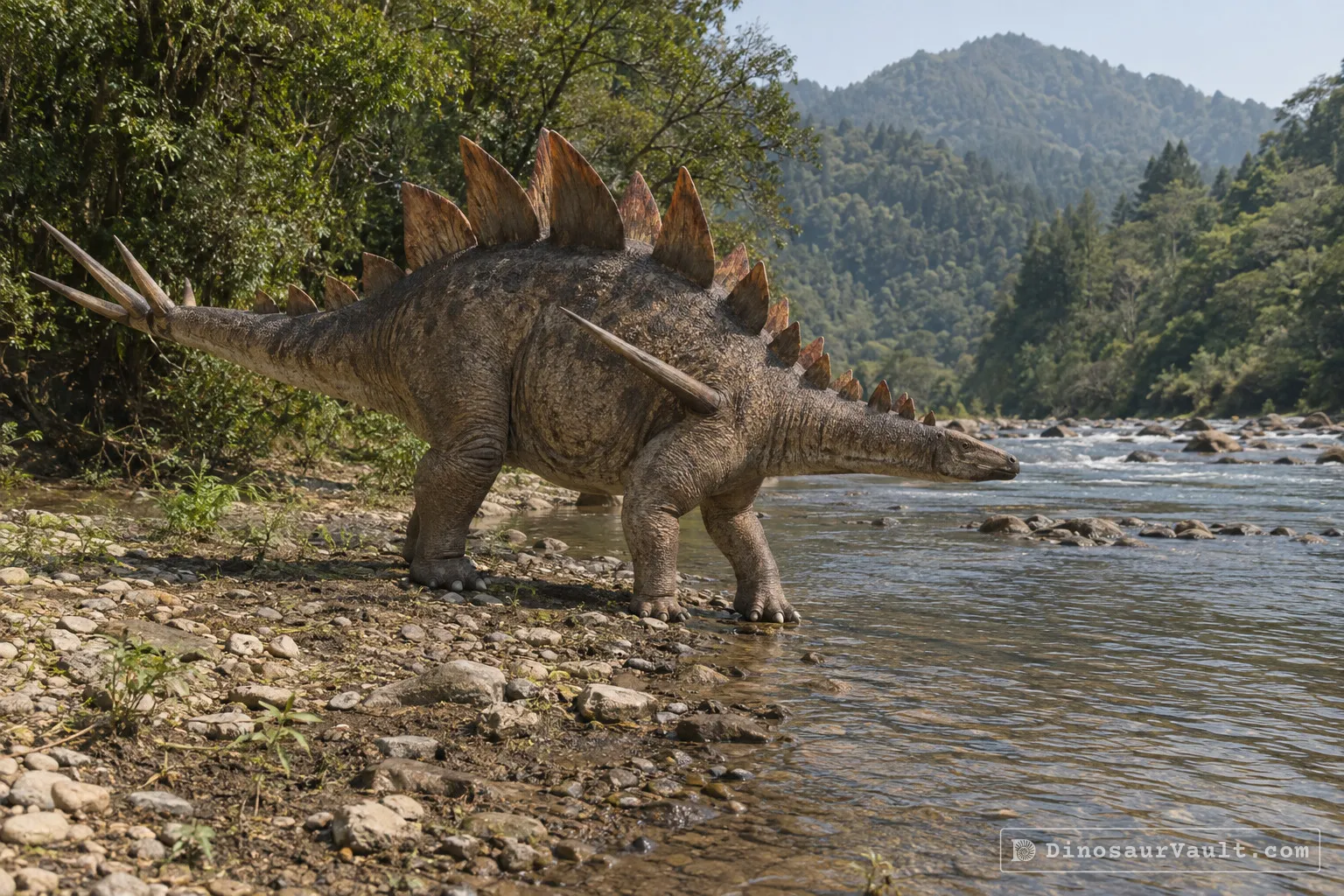
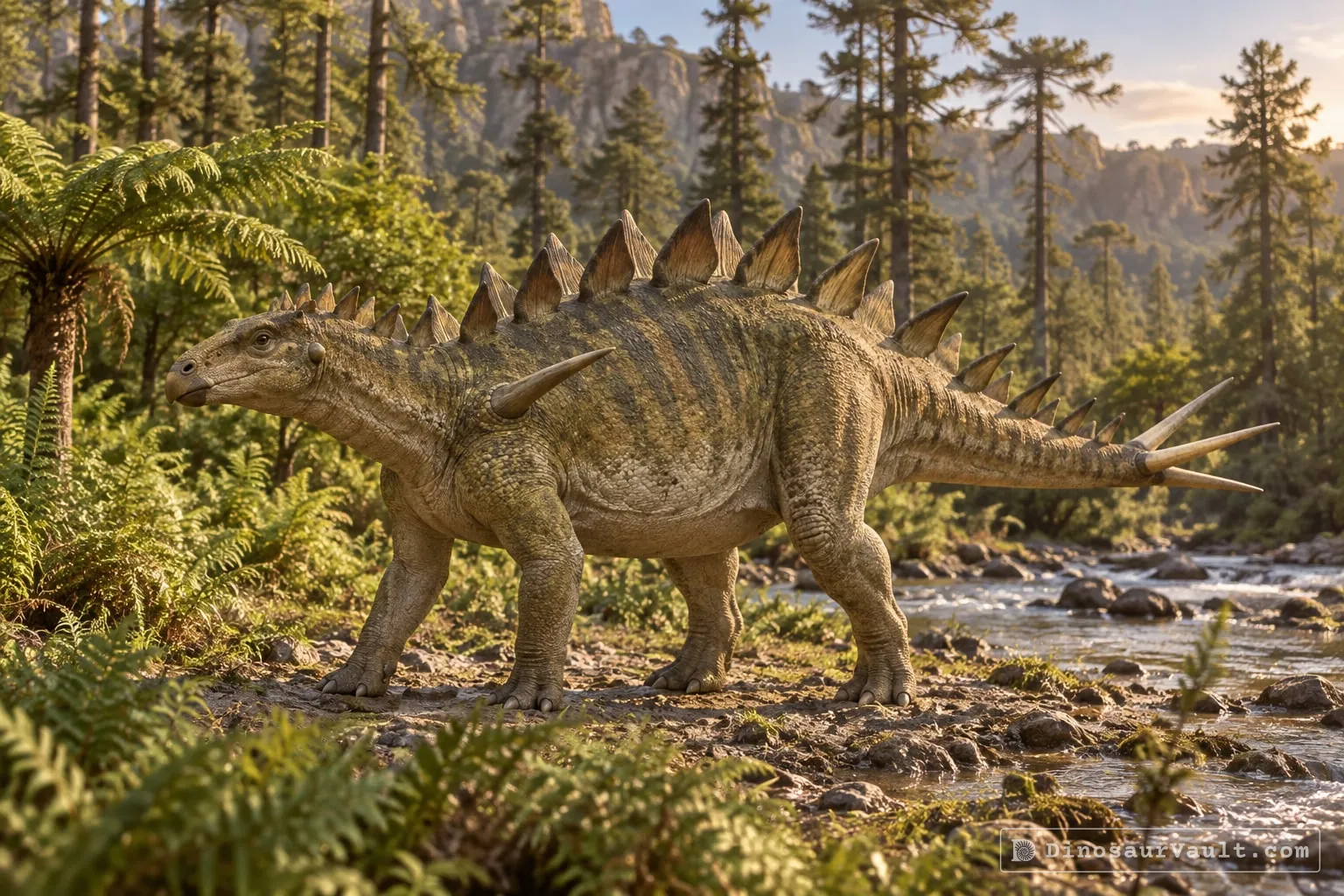
Chungkingosaurus was a small stegosaur, about 4 meters (13 feet) long. Like its relatives it had a double row of plates along its back and spikes on its tail.
Its world
It lived in the Middle Jurassic in what is now China. Its bones come from the Shaximiao Formation, a rich fossil site where it lived alongside the stegosaur Tuojiangosaurus, the long-necked Mamenchisaurus and Omeisaurus, and the hunter Yangchuanosaurus.
How it was found
Dong and colleagues named Chungkingosaurus in 1983. About four finds are known, all partial.
Field gallery
More views of Chungkingosaurus
Scenes reconstructed from the available fossil evidence.
Lived alongside
Found in the same rock formations
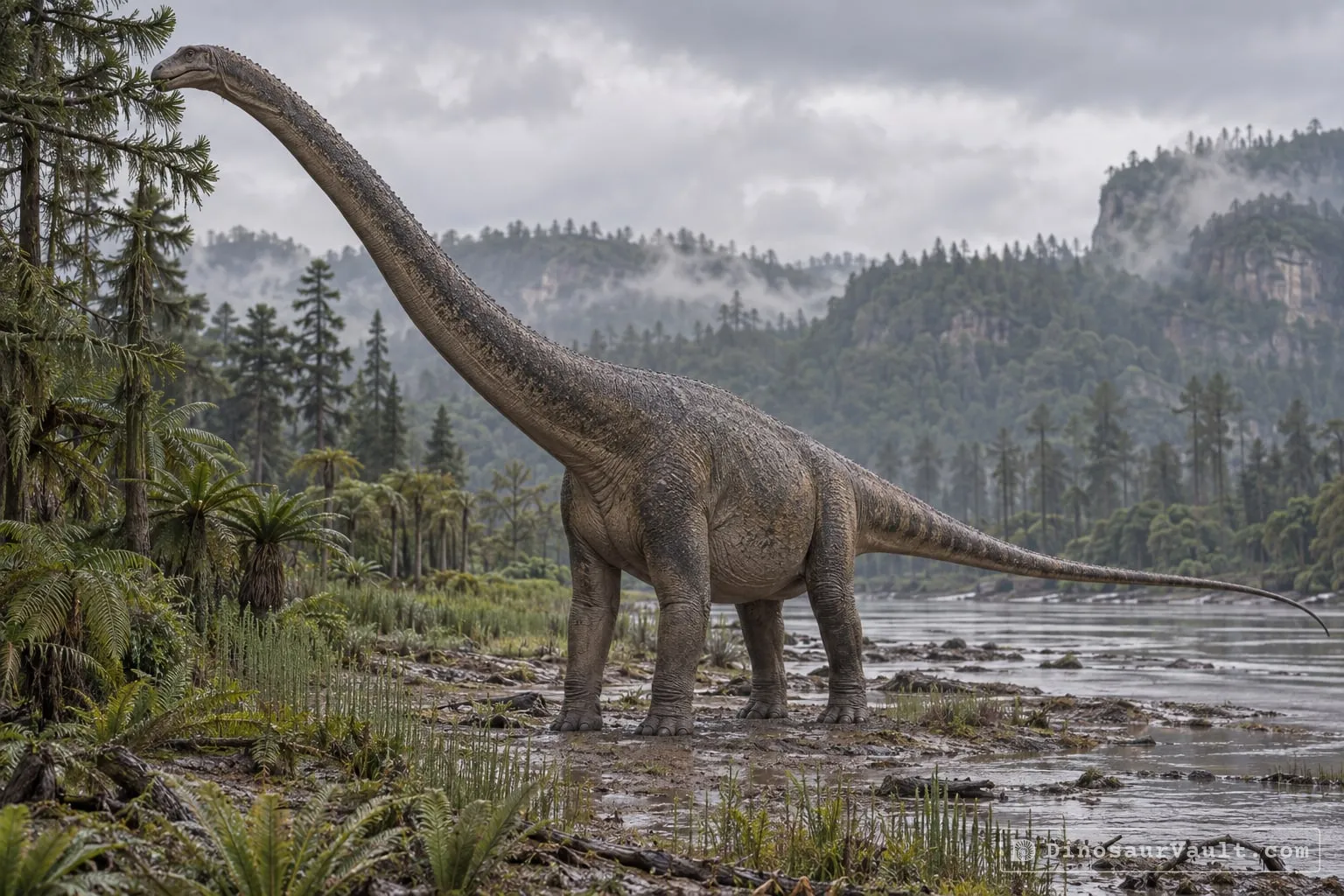
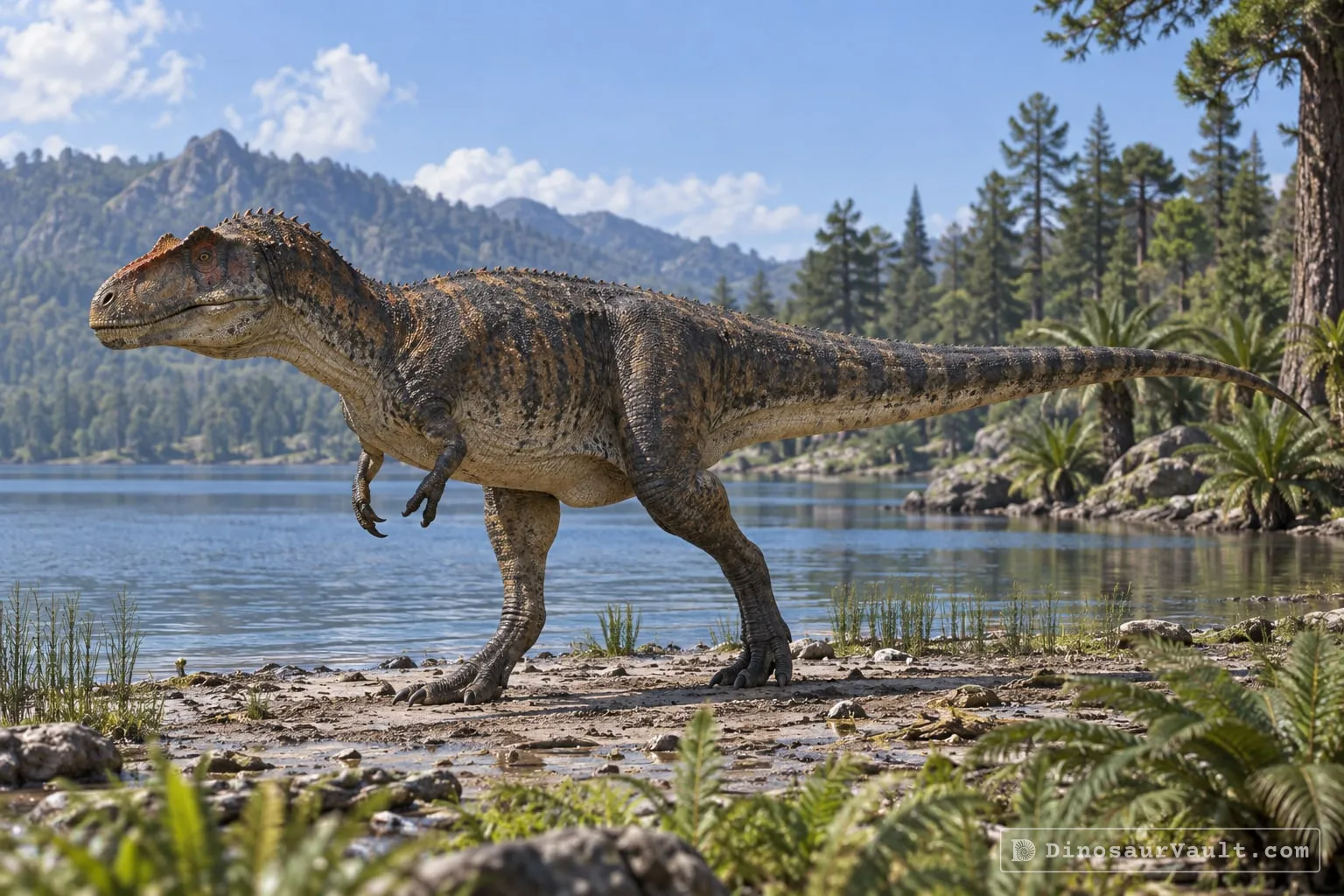
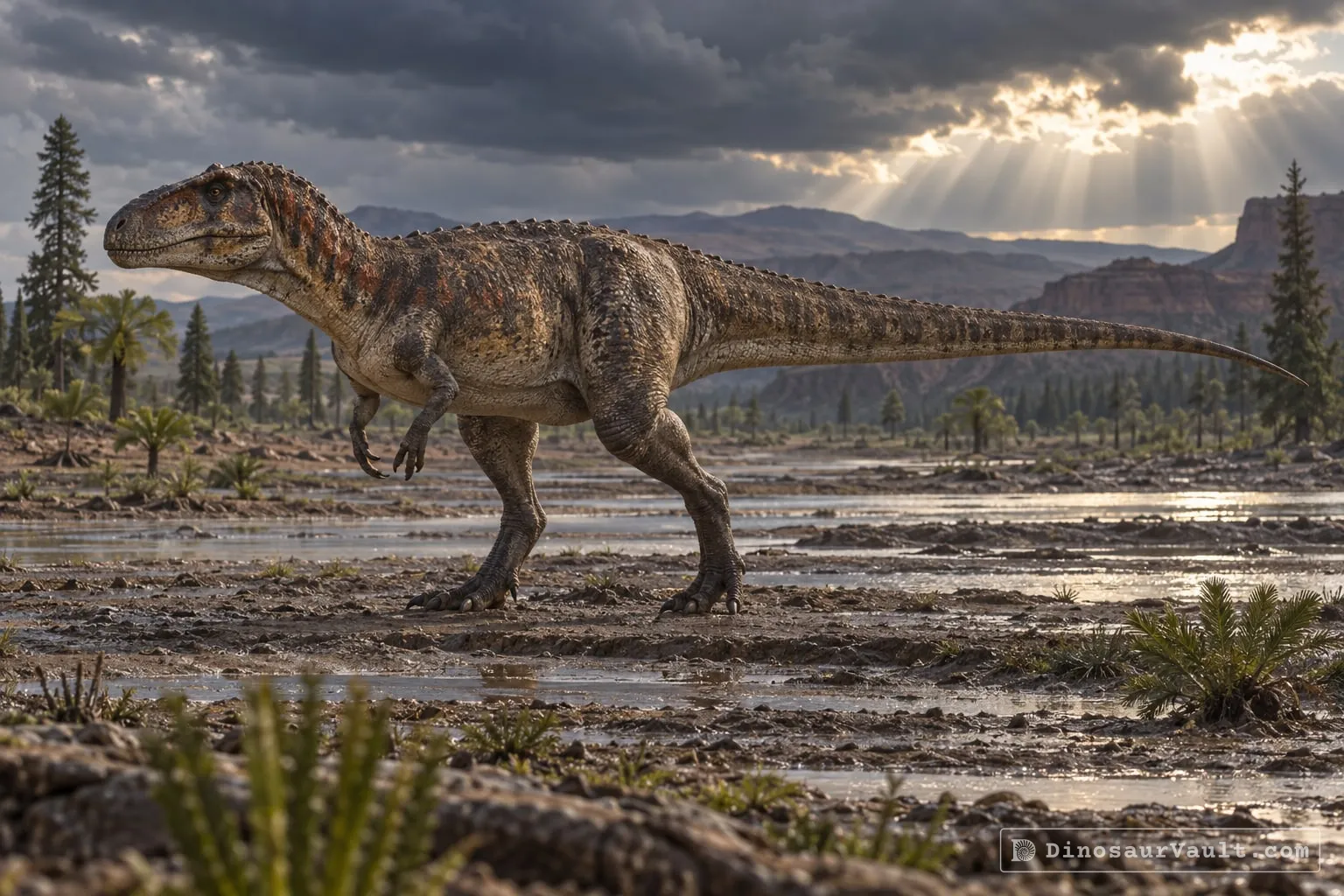
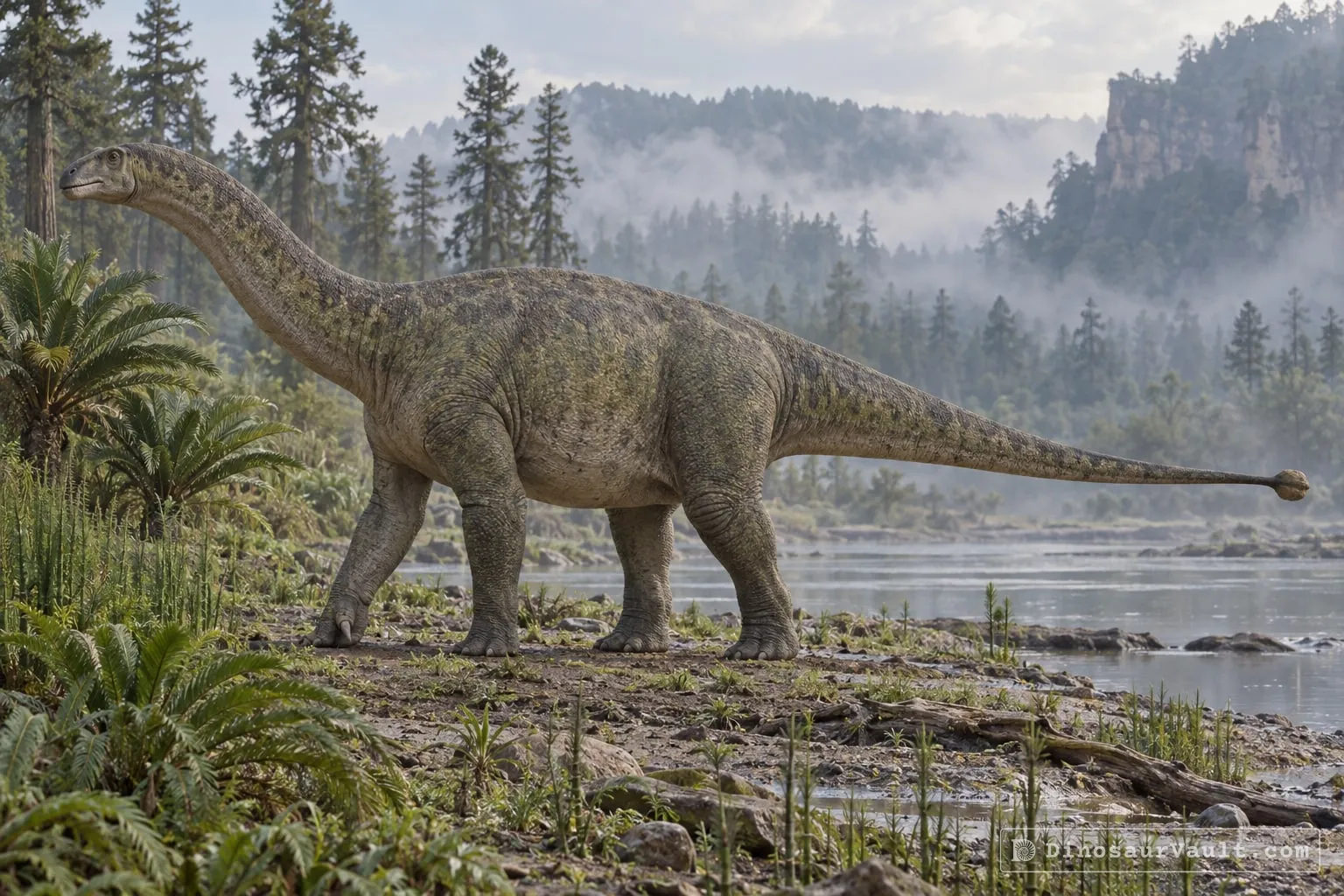


A rock formation can hold fossils laid down millions of years apart, so not every animal here met Chungkingosaurus.
The evidence
The science behind Chungkingosaurus
Which parts of the picture come from its own bones, and which come from its relatives.
From its own fossils
- The original partial skeleton includes the front of the skull, back and tail vertebrae, hips, limb bones and armor. The skull is compressed and weathered.
- The snout was relatively high, with a thick lower jaw and small, closely packed teeth.
- Its preserved back armor includes thick plates with narrow, pointed tops.
Borrowed from relatives
- Missing parts of the rear skull, neck, shoulders and limb joints are restored by comparison with Stegosaurus.
Still unknown
- The complete arrangement of its plates and tail spikes; a tail with paired spikes was provisionally assigned to a separate species of Chungkingosaurus.
- Its skin color.
- Its closest relative among the early stegosaurs.
Discovery timeline
- 1983Named itDong, Zhou & Zhang
- 2006Family treeMAIDMENT & WEI
- 2008Family treeMaidment et al.
- 2010Family treeMaidment
Key papers
The research behind what we know of Chungkingosaurus
Named it
Named a small stegosaur from a partial skeleton with a high snout, thick jaw and heavy pointed plates.
[Dinosaurs from the Jurassic of Sichuan]. Palaeontologica Sinica, New Series C, Whole Number 162: 1-136
No link available
Family tree
Reviewed Chinese stegosaur specimens and retained Chungkingosaurus as a distinct animal on the basis of diagnostic skeletal features.
A review of the Late Jurassic stegosaurs (Dinosauria, Stegosauria) from the People's Republic of China. Geological Magazine 143: 621-634
Read the paper : A review of the Late Jurassic stegosaurs (Dinosauria, Stegosauria) from the People's Republic of China (opens in a new tab)Family tree
Compared stegosaur skeletons in a family tree that included Chungkingosaurus.
Systematics and phylogeny of Stegosauria (Dinosauria: Ornithischia). Journal of Systematic Palaeontology 6: 367-407
Read the paper : Systematics and phylogeny of Stegosauria (Dinosauria: Ornithischia) (opens in a new tab)Family tree
A revised family tree separated Chungkingosaurus from Huayangosaurus, showing that their proposed close relationship had weak support.
Stegosauria: a historical review of the body fossil record and phylogenetic relationships. Swiss Journal of Geosciences 103: 199-210
Read the paper : Stegosauria: a historical review of the body fossil record and phylogenetic relationships (opens in a new tab)
Close relatives
Other members of Stegosauridae


Sources: Wikidata