Supersaurus
SOO-per-SORE-us
"super lizard"
- Lived
- 155 to 143 million years ago, Late Jurassic
- Diet
- Herbivore
- Length
- about 35 m (115 ft)
- Group
- Sauropods, Diplodocidae
- Found in
- United States
- Named by
- Jensen 1985
Size comparison
To scale
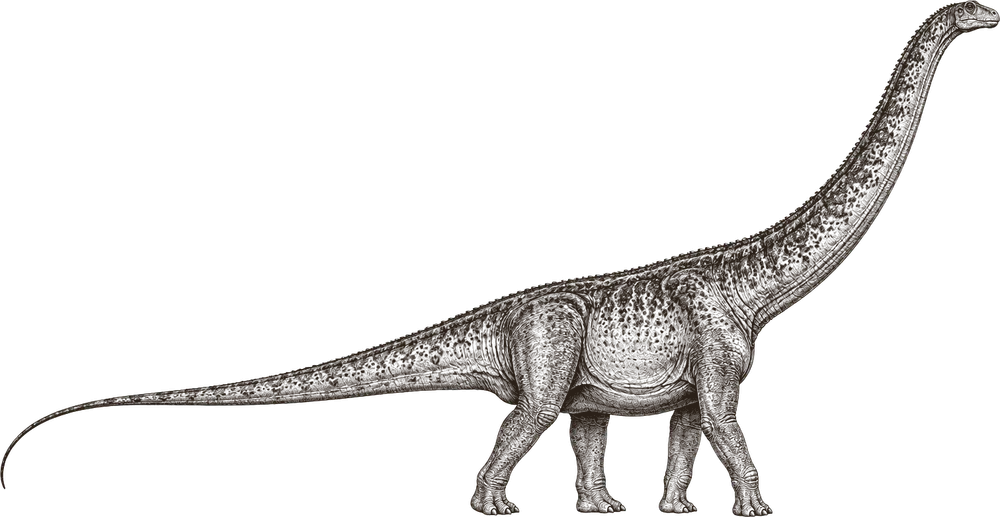


Scale in meters
Where its fossils were found
The evidence
Today

150 million years ago
Habitat
It probably lived on broad river plains with conifer woodland, low ferns and channels that dried seasonally. Stegosaurus, Camptosaurus and Dryosaurus lived in the Morrison Formation.
Field notes
About Supersaurus
What it was like
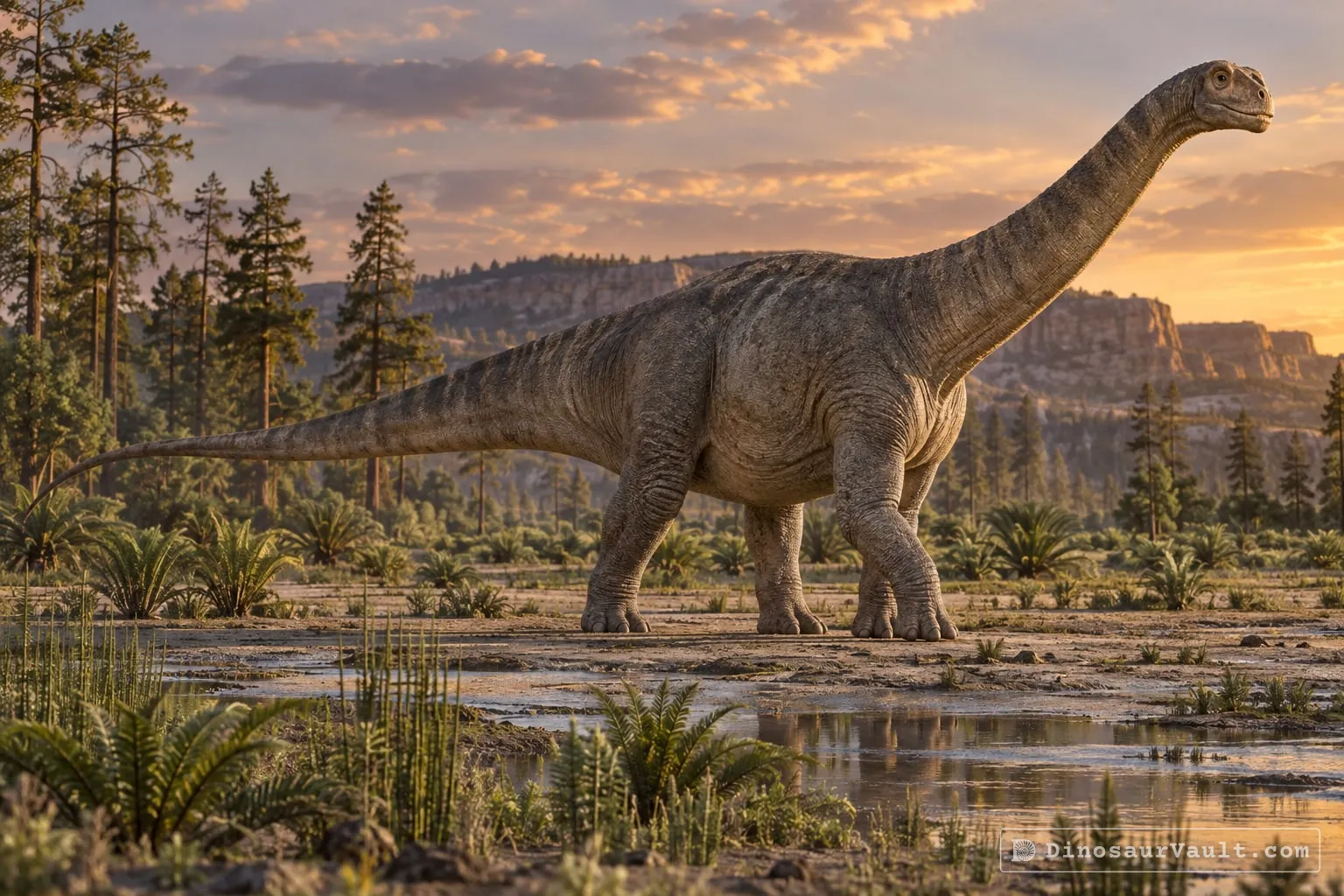
Supersaurus was an enormous, long-necked plant eater, among the longest dinosaurs ever found. Length estimates for the genus reach about 35 meters (115 feet), rivaling or exceeding its huge relatives Diplodocus and Barosaurus.
Its neck alone likely made up a large part of its total length, and like other diplodocids, it probably held its head low to browse on ferns and other plants close to the ground, though some researchers think it may have reared up on its back legs at times to reach higher.
Its world
Supersaurus lived from about 155 to 143 million years ago, spanning the Late Jurassic and Early Cretaceous, in what is now Colorado and Wyoming, in the United States. Its fossils come from the Morrison Formation.
It shared its world with the plated Stegosaurus, the predators Allosaurus and Ceratosaurus, and other giant sauropods, including Brachiosaurus, Brontosaurus, Diplodocus, and Apatosaurus.
How it was found
Jensen named Supersaurus in 1985. Around five fossil finds are known, and because sauropod skeletons are rarely found complete, size estimates for Supersaurus come from comparing its huge individual bones with those of better-known relatives such as Diplodocus and Barosaurus, rather than from a single full skeleton.
Field gallery
More views of Supersaurus
Scenes reconstructed from the available fossil evidence.
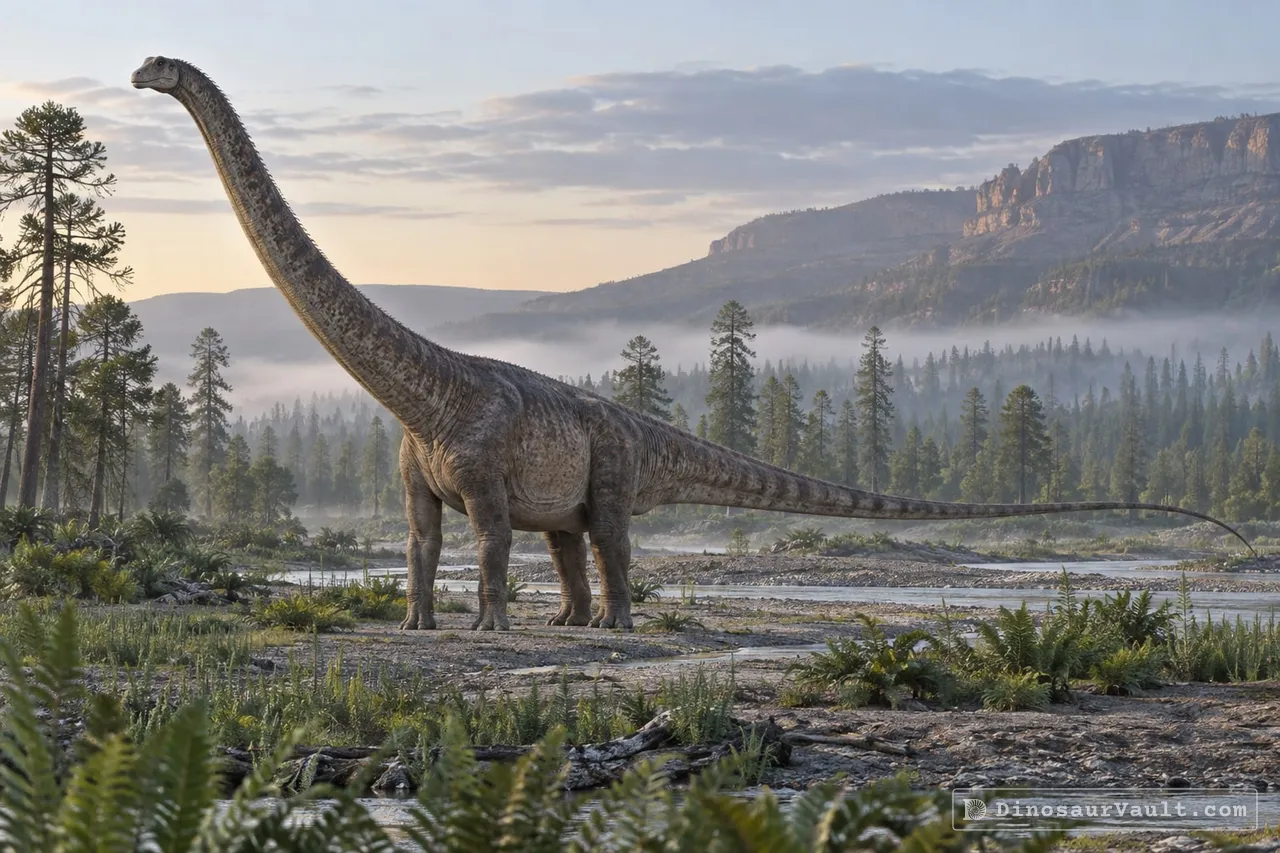
1 of 7
Lived alongside
Found in the same rock formations
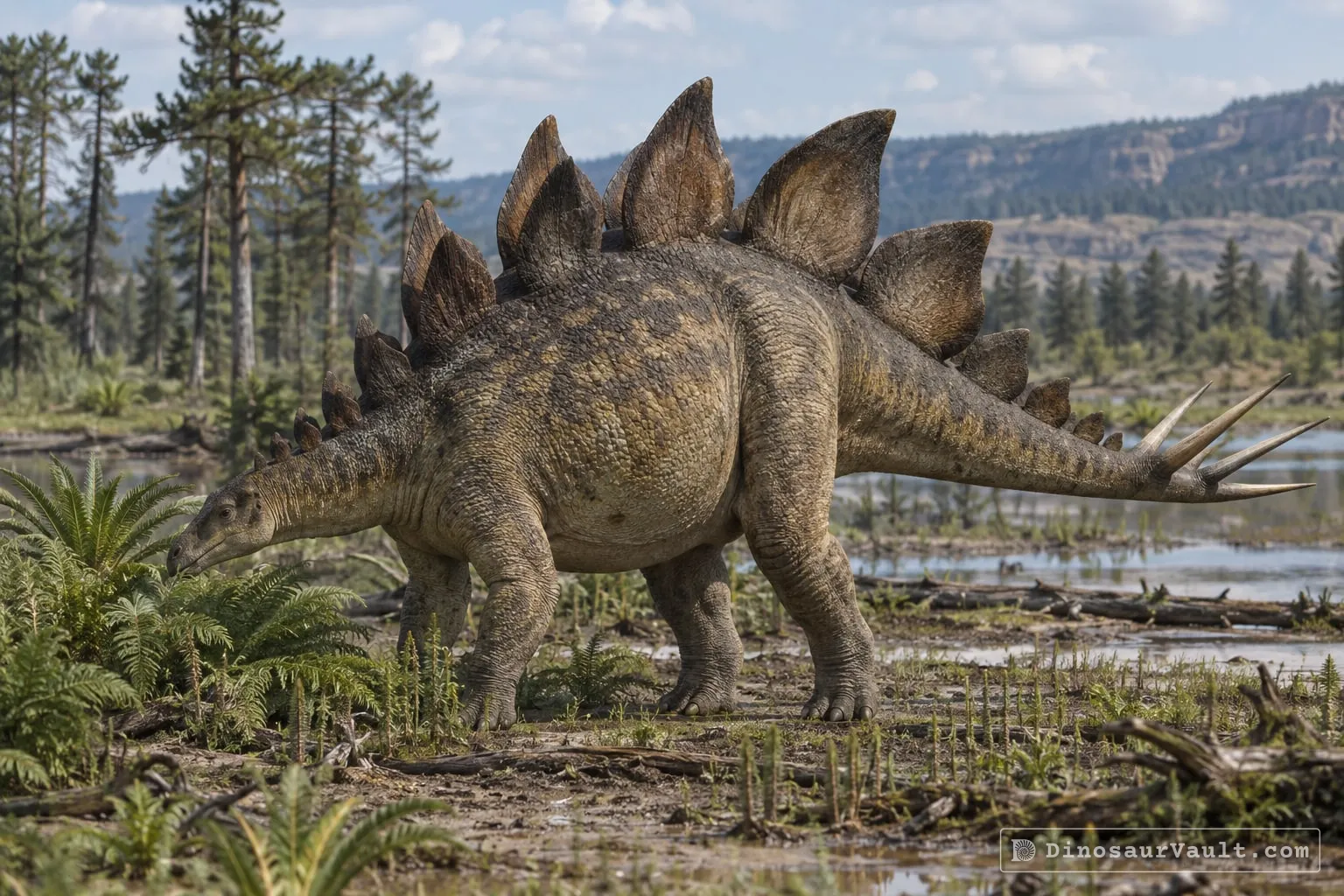
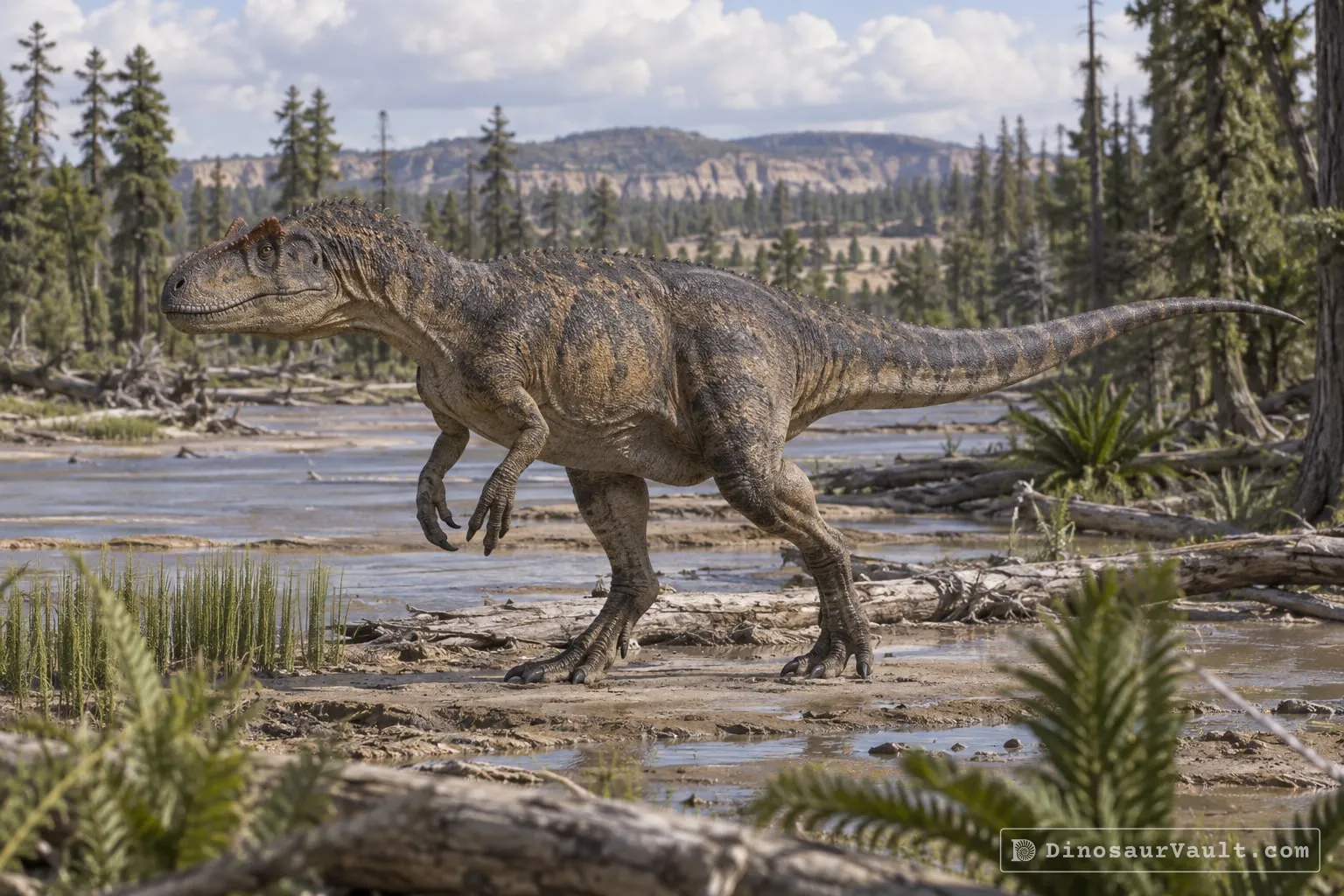
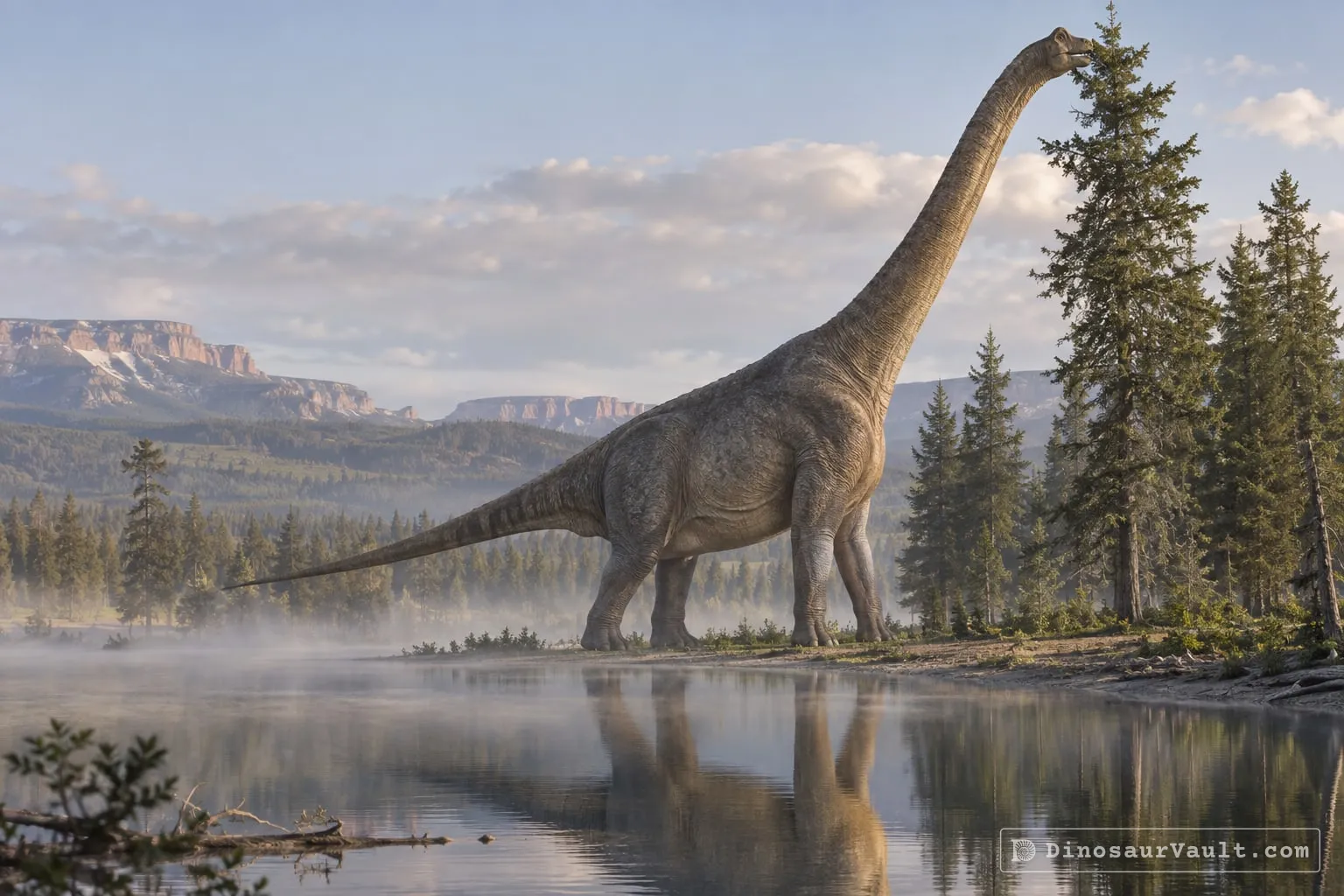
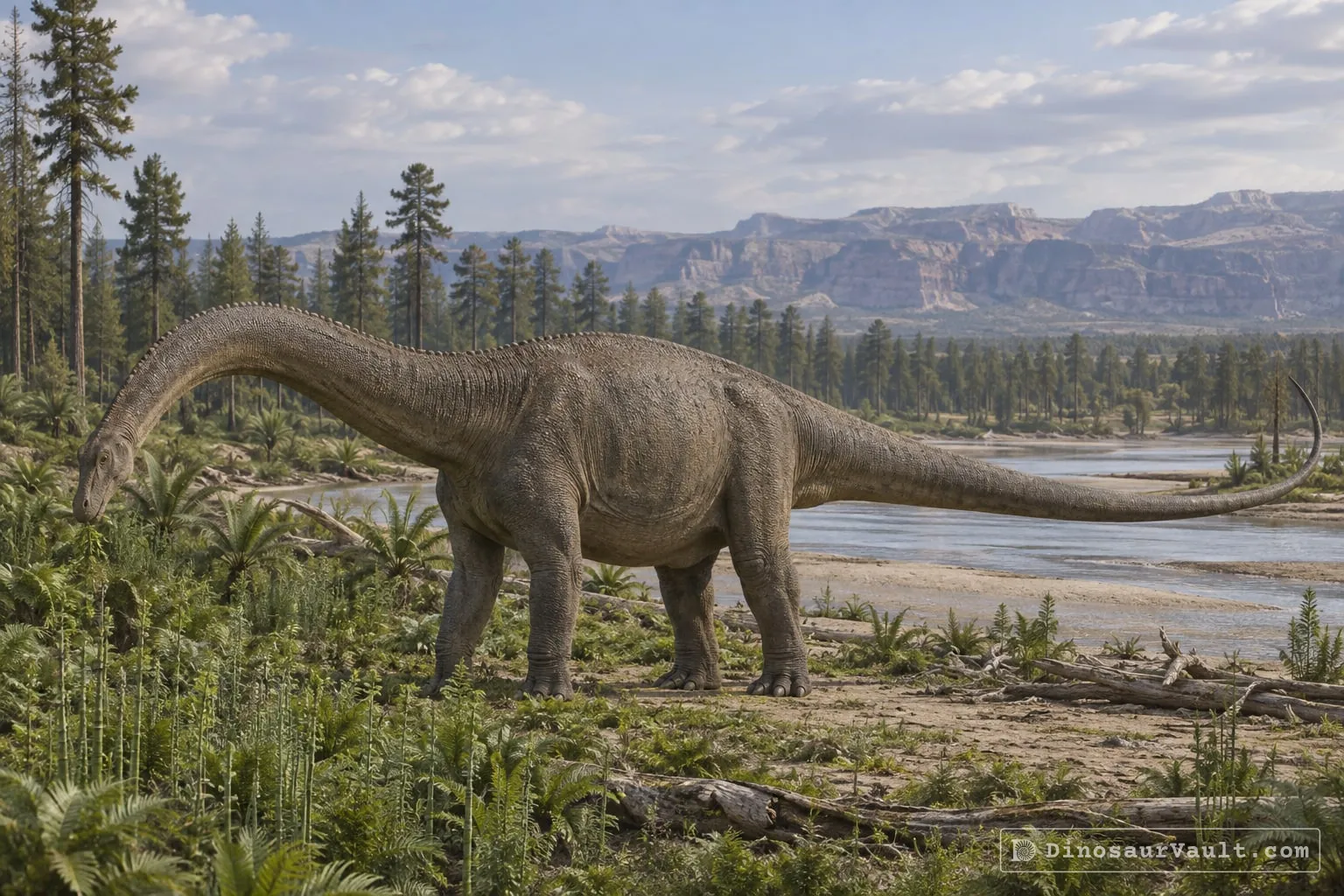
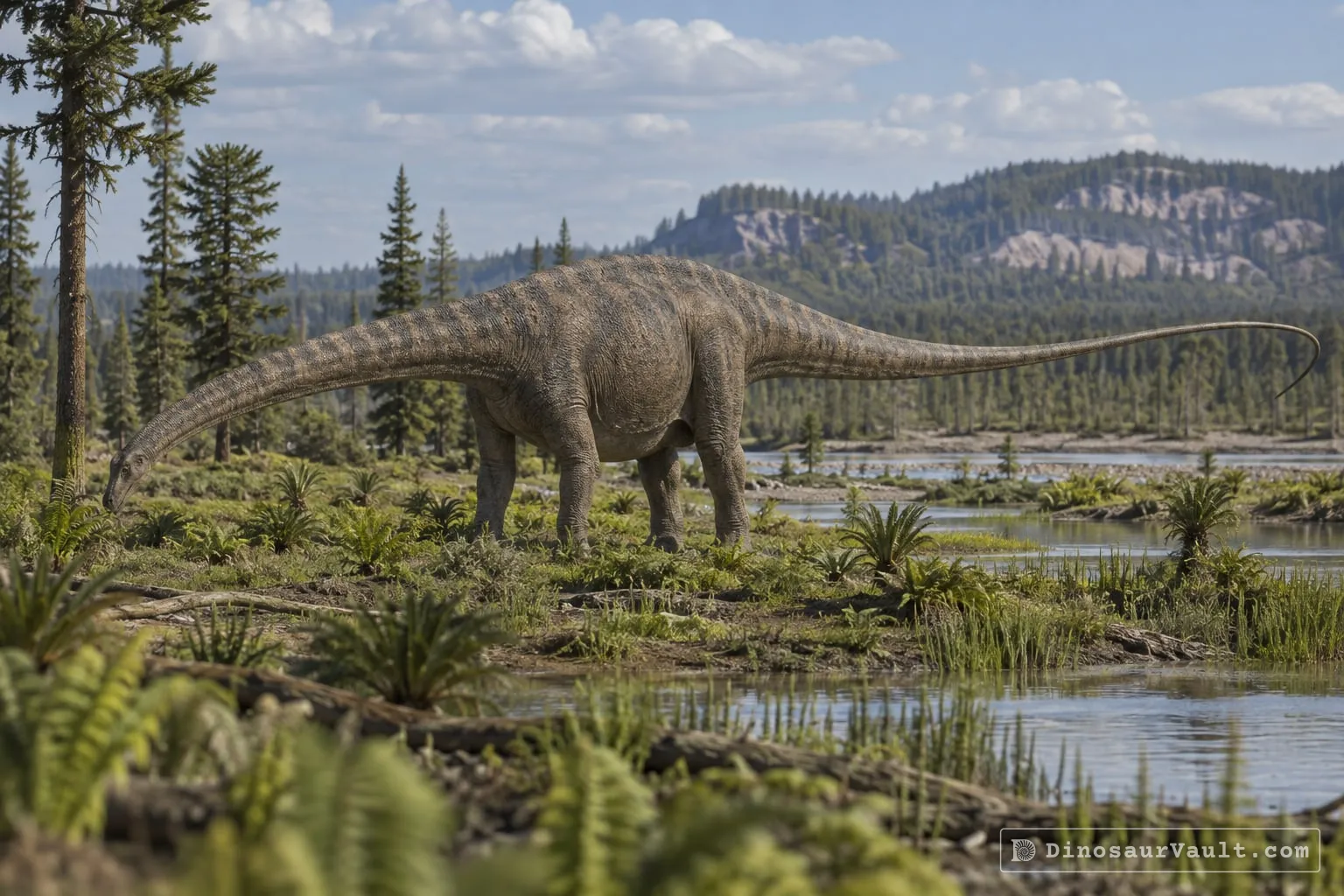
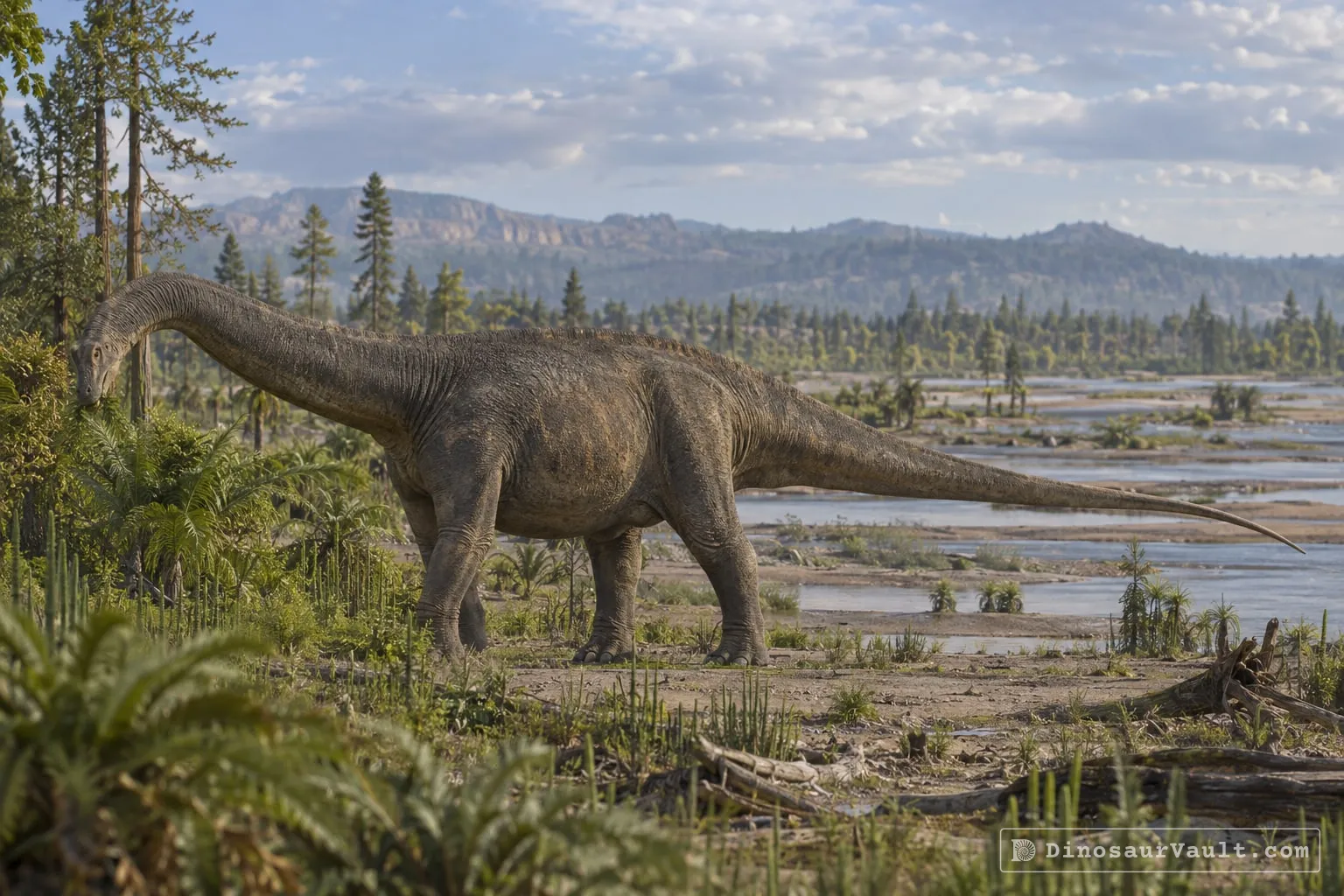
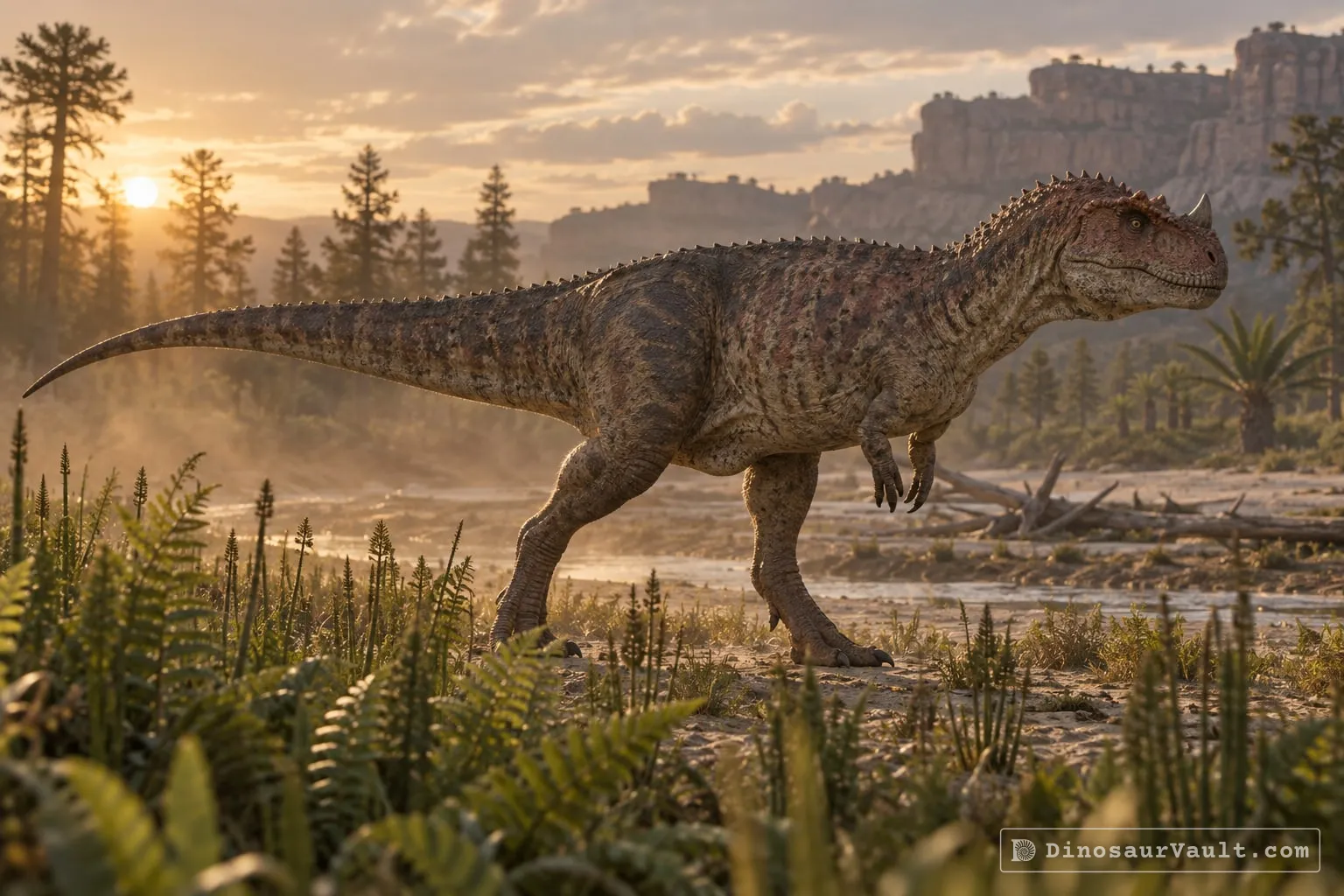


A rock formation can hold fossils laid down millions of years apart, so not every animal here met Supersaurus.
The evidence
The science behind Supersaurus
Which parts of the picture come from its own bones, and which come from its relatives.
From its own fossils
- Huge shoulder bones and vertebrae belong to an exceptionally long sauropod.
- A partial skeleton from Wyoming adds details of its neck, trunk and limbs.
Borrowed from relatives
- The missing skull and parts of the tail are restored using better-known diplodocids such as Diplodocus and Barosaurus.
- Skin and foot coverings are inferred from other sauropods.
Still unknown
- Its color and skin texture.
- Its exact maximum length.
- How it held its neck during different activities.
Often drawn wrong
- Its forefeet were compact upright supports, rather than splayed feet with rows of elephant-like nails.
- Its neck and tail were long, rather than the short proportions of an elephant.
Discovery timeline
- 1985Named itJensen
- 2013PostureTaylor & Wedel
- 2015Family treeTschopp, Mateus & Benson
Key papers
The research behind what we know of Supersaurus
Named it
Named Supersaurus from enormous sauropod bones found in Colorado.
Three new sauropod dinosaurs from the Upper Jurassic of Colorado. The Great Basin Naturalist 45: 697-709
No link available
Posture
Explained how small heads, elongated vertebrae and air spaces in the bones supported the long necks of sauropods, including Supersaurus.
Why sauropods had long necks; and why giraffes have short necks. PeerJ 1: e36
Read the paper : Why sauropods had long necks; and why giraffes have short necks (opens in a new tab)Family tree
Compared individual diplodocid skeletons and proposed that Dinheirosaurus from Portugal belonged to Supersaurus.
A specimen-level phylogenetic analysis and taxonomic revision of Diplodocidae (Dinosauria, Sauropoda). PeerJ 3: e857
Read the paper : A specimen-level phylogenetic analysis and taxonomic revision of Diplodocidae (Dinosauria, Sauropoda) (opens in a new tab)
Close relatives
Other members of Diplodocidae


Sources: Wikidata