Outline: a typical sauropod
Kaatedocus
"small beam"
Type species Kaatedocus siberi
- Lived
- 155 to 149 million years ago, Late Jurassic
- Diet
- Herbivore
- Group
- Sauropods, Dicraeosauridae
- Found in
- United States
- Named by
- Tschopp and Mateus 2013
Where its fossils were found
The evidence
Today

150 million years ago
Field notes
About Kaatedocus
What it was like
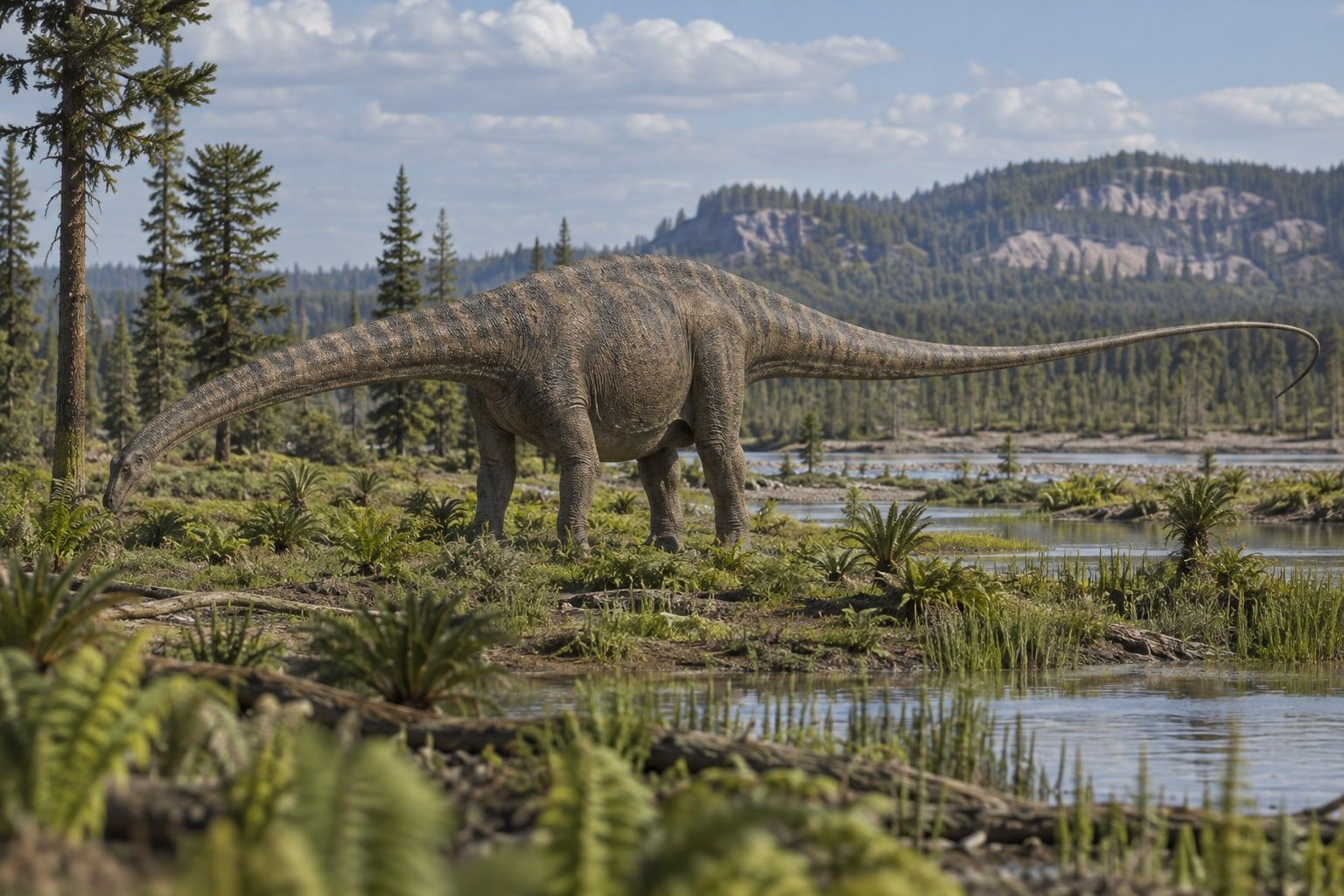
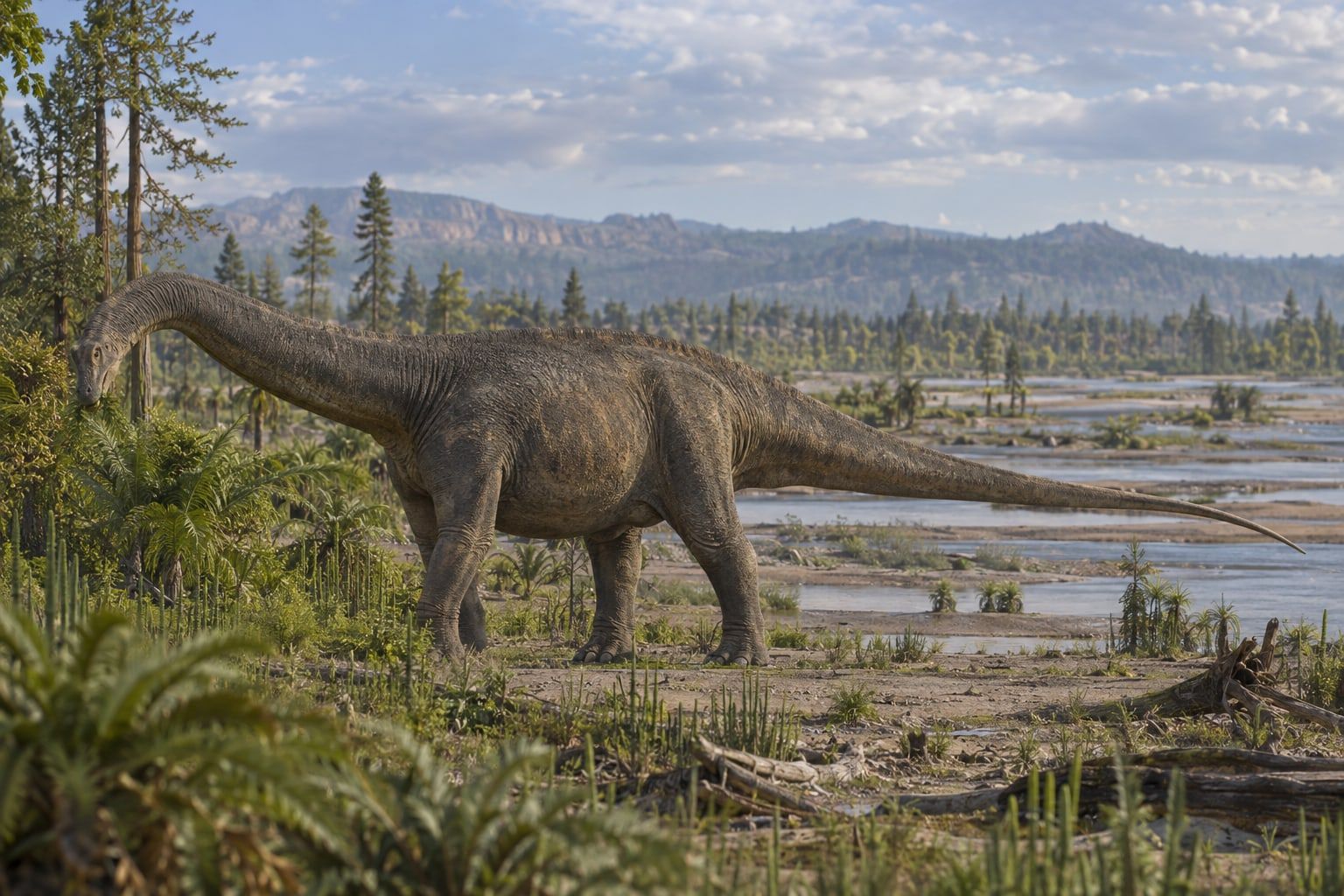
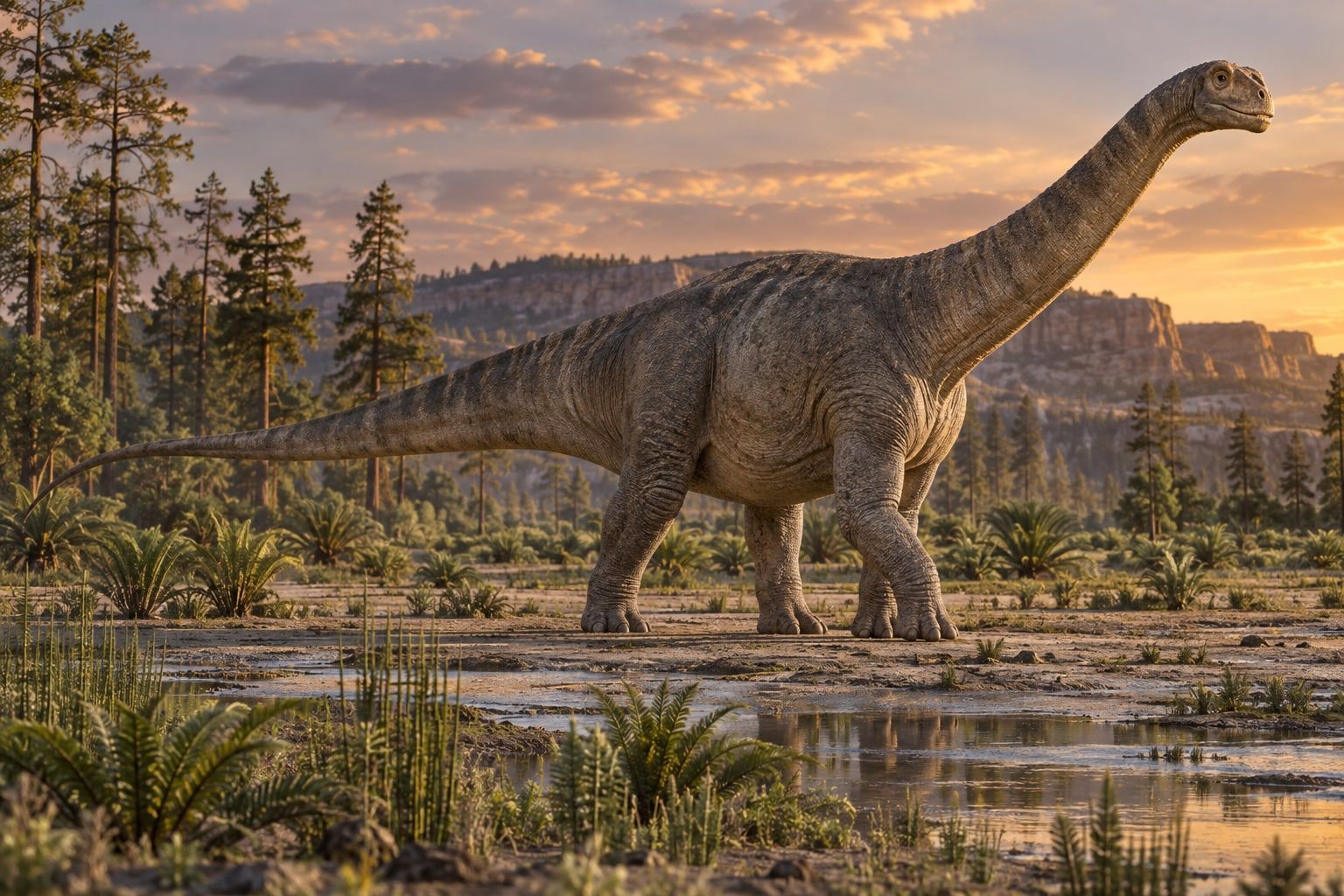
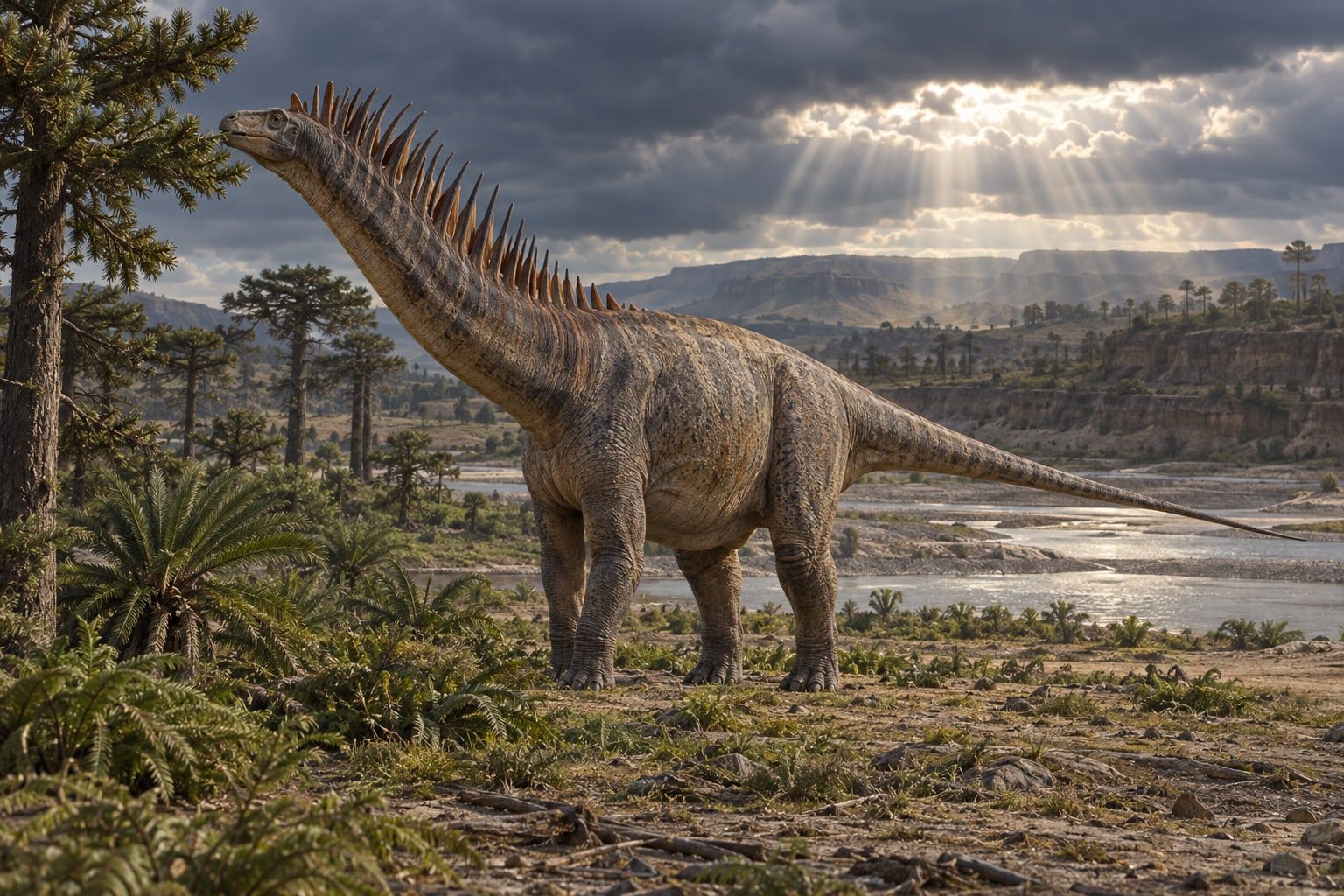
Kaatedocus was a long-necked sauropod, one of the whip-tailed diplodocoids and a relative of Diplodocus. It is known from a well-preserved skull and neck. Its peg-like teeth sat at the front of a long, low snout.
Its world
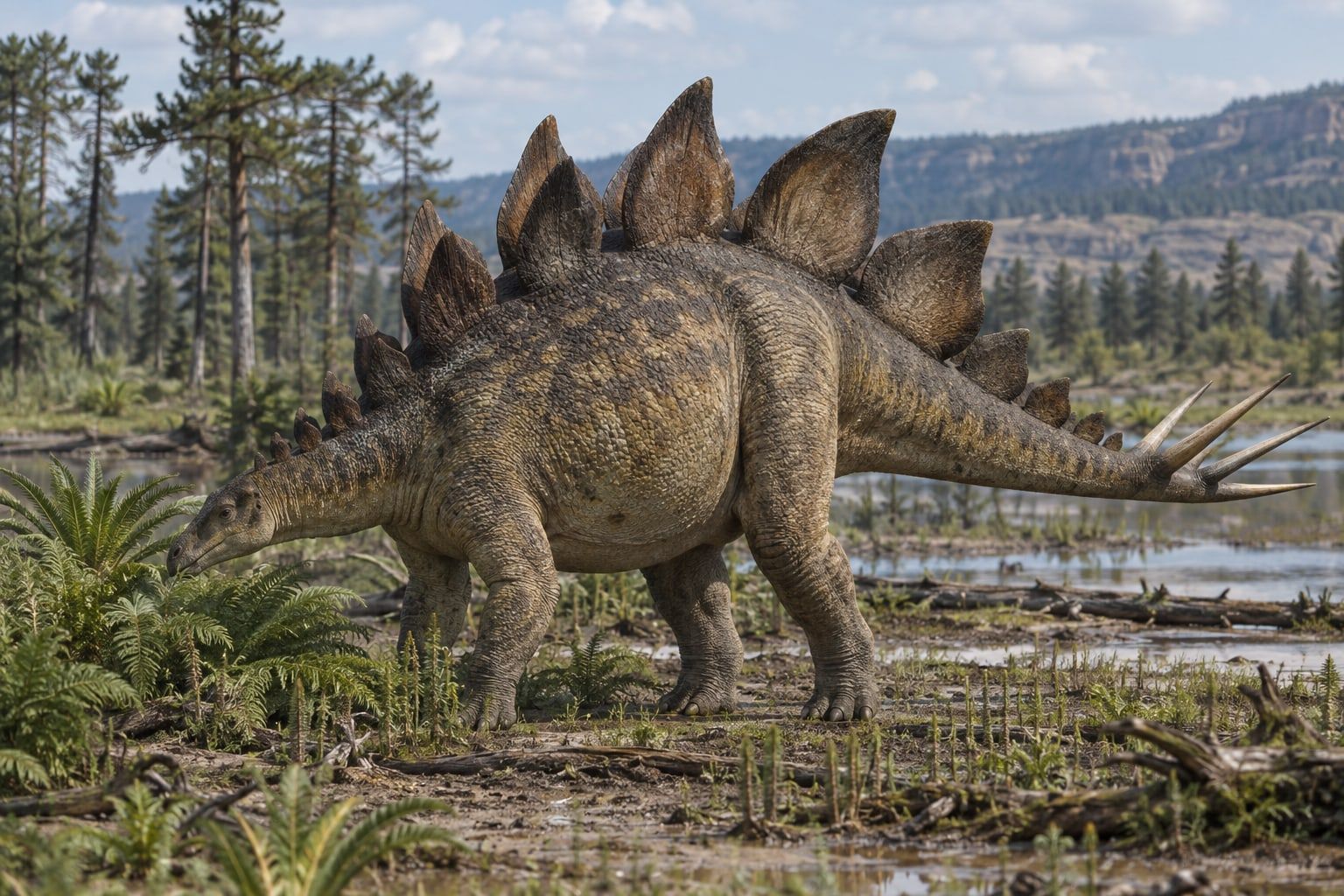
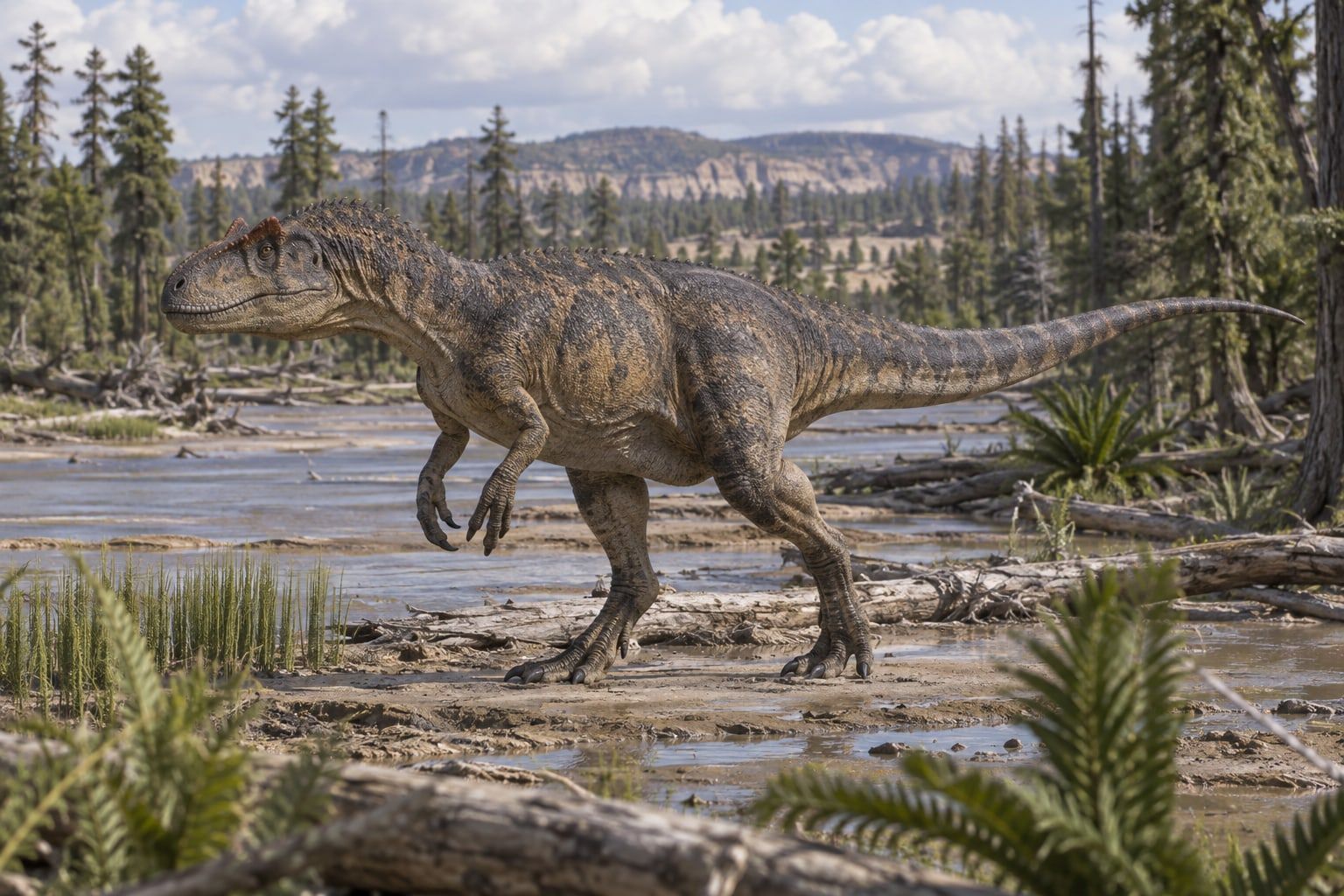
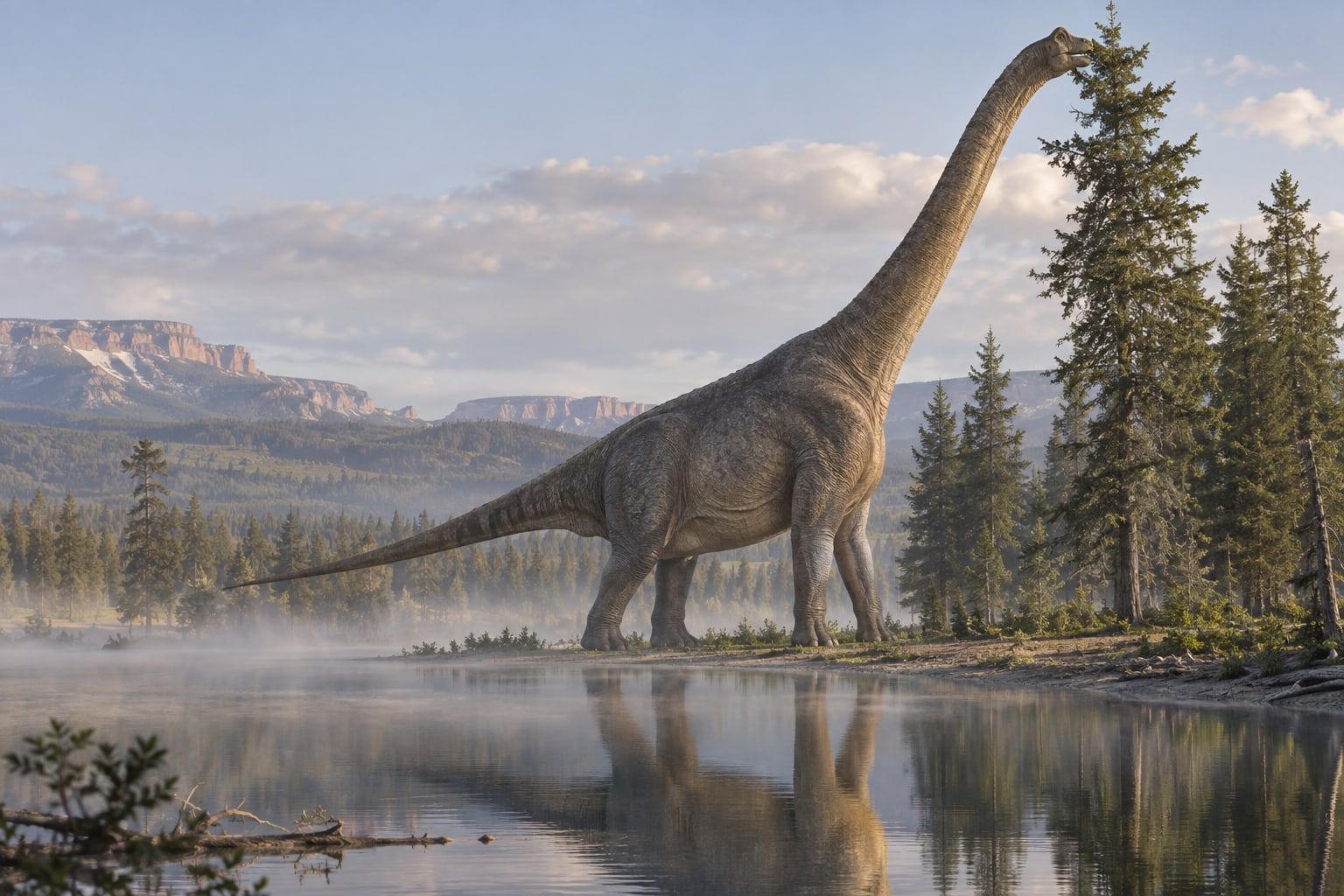
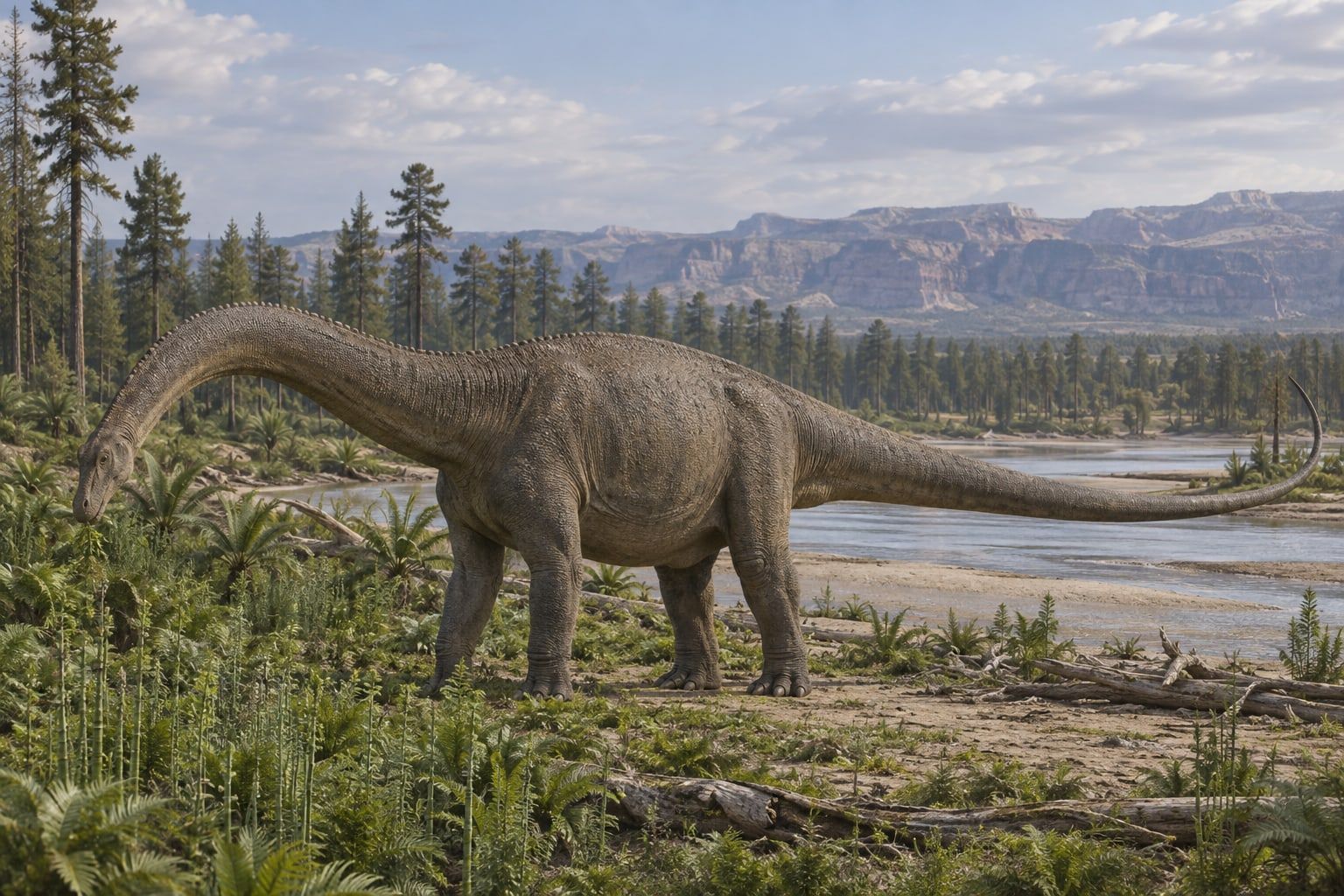
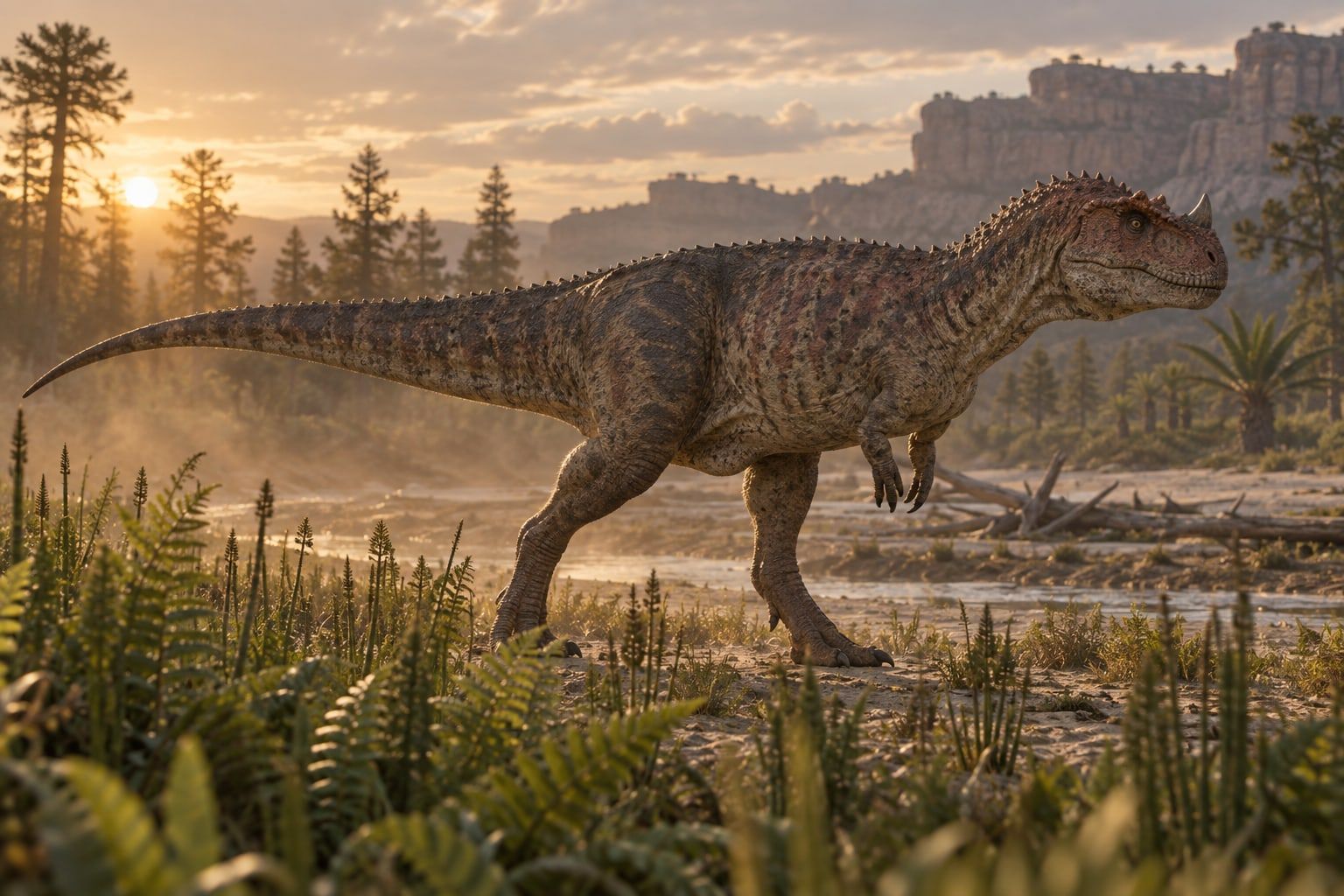
It lived in the Late Jurassic in what is now Wyoming. Its bones come from the Morrison Formation, where it shared the land with Allosaurus, Stegosaurus and many other sauropods.
How it was found
Tschopp and Mateus named it in 2013. The type species is Kaatedocus siberi. The first part of the name comes from the language of a native people of the region.
Lived alongside
Found in the same rock formations
Close relatives
Other members of Dicraeosauridae
Sources: WikidataNamed in: E. Tschopp and O. Mateus. 2013. The skull and neck of a new flagellicaudatan sauropod from the Morrison Formation and its implication for the evolution and ontogeny of diplodocid dinosaurs. Journal of Systematic Palaeontology 11(7):853-888