Ardetosaurus
Type species Ardetosaurus viator
- Lived
- 155 to 149 million years ago, Late Jurassic
- Diet
- Herbivore
- Group
- Sauropods, Diplodocidae
- Found in
- United States
- Named by
- van der Linden et al. 2024
Where its fossils were found
The evidence
Today

150 million years ago
Habitat
The Morrison Formation records river floodplains with conifers, ferns and horsetails. Diplodocus, Allosaurus and Stegosaurus inhabited the same region.
Field notes
About Ardetosaurus
What it was like
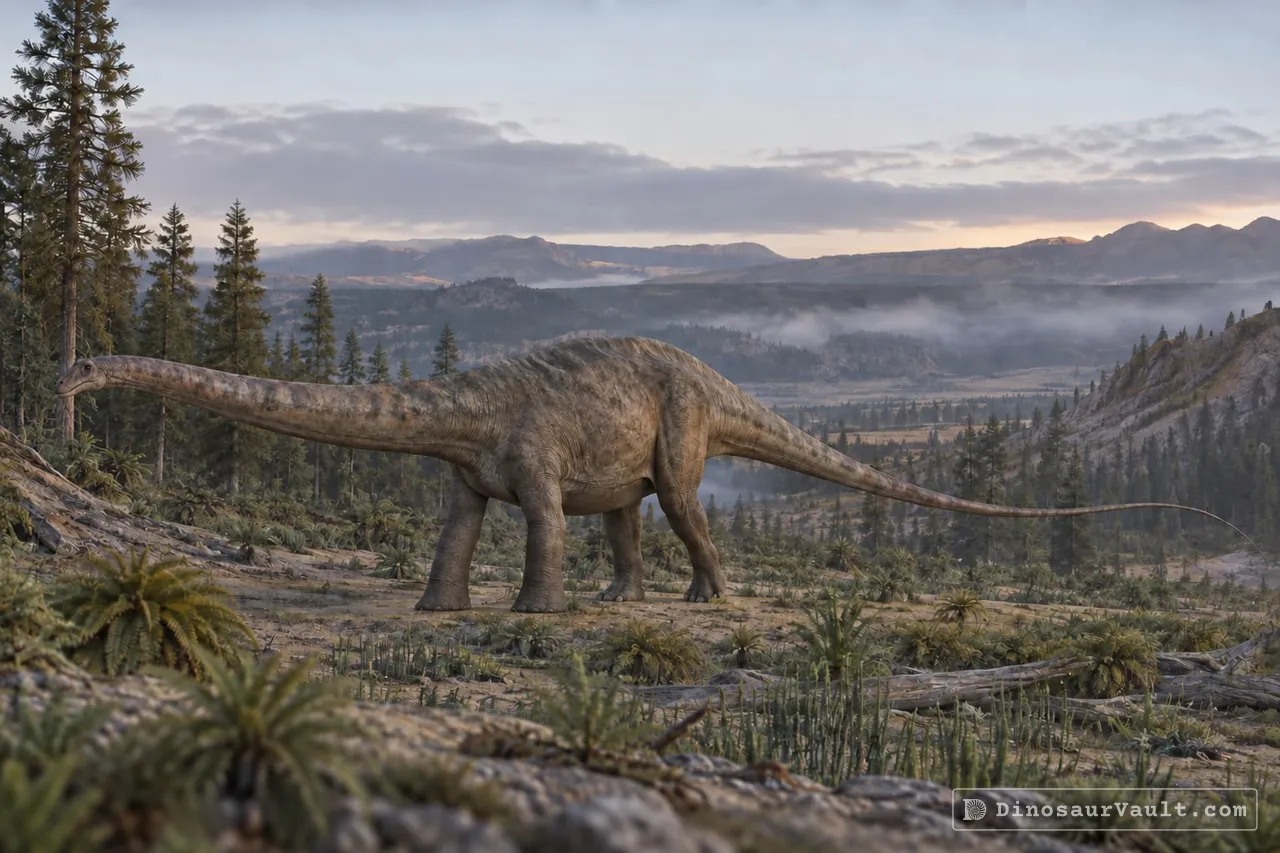
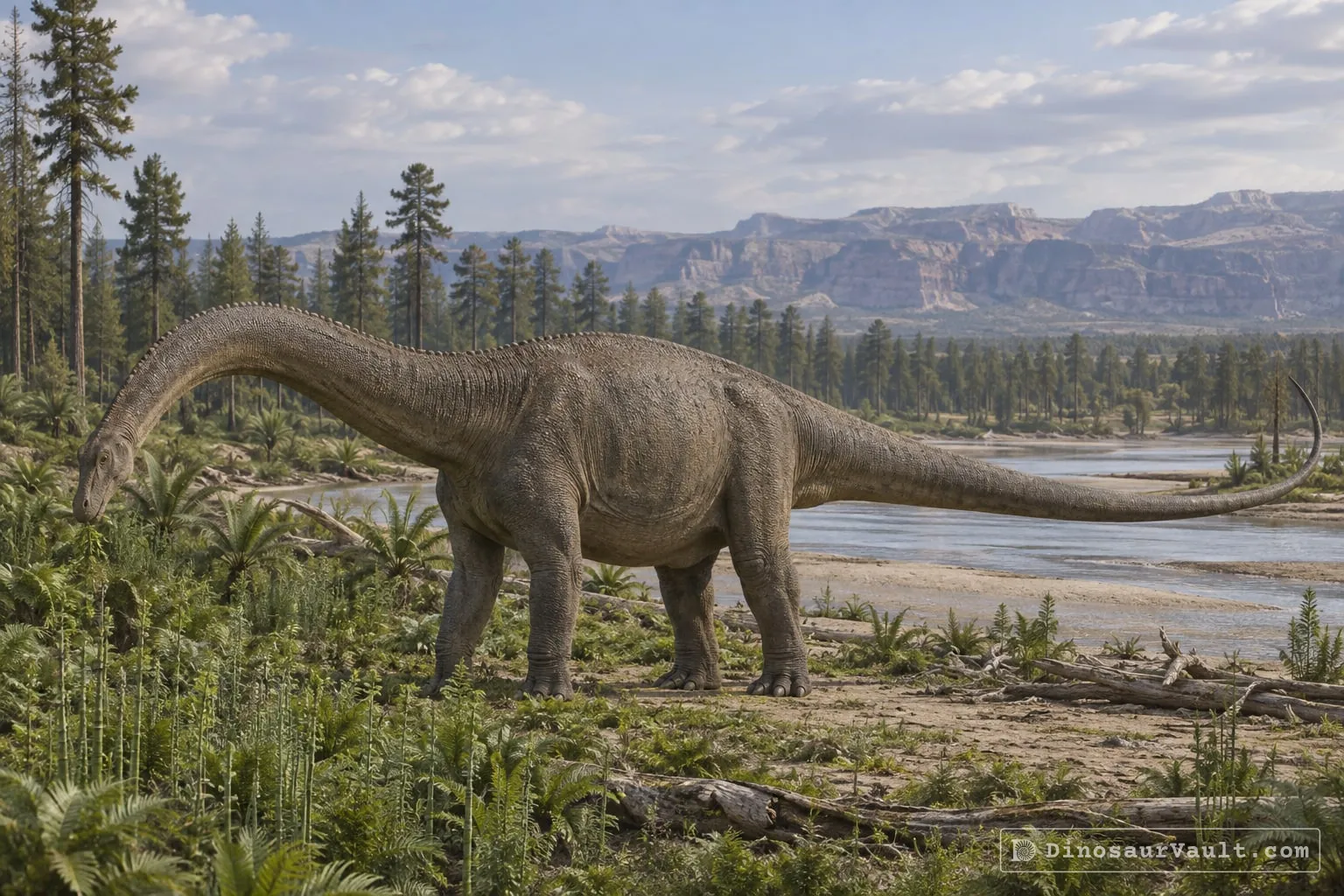
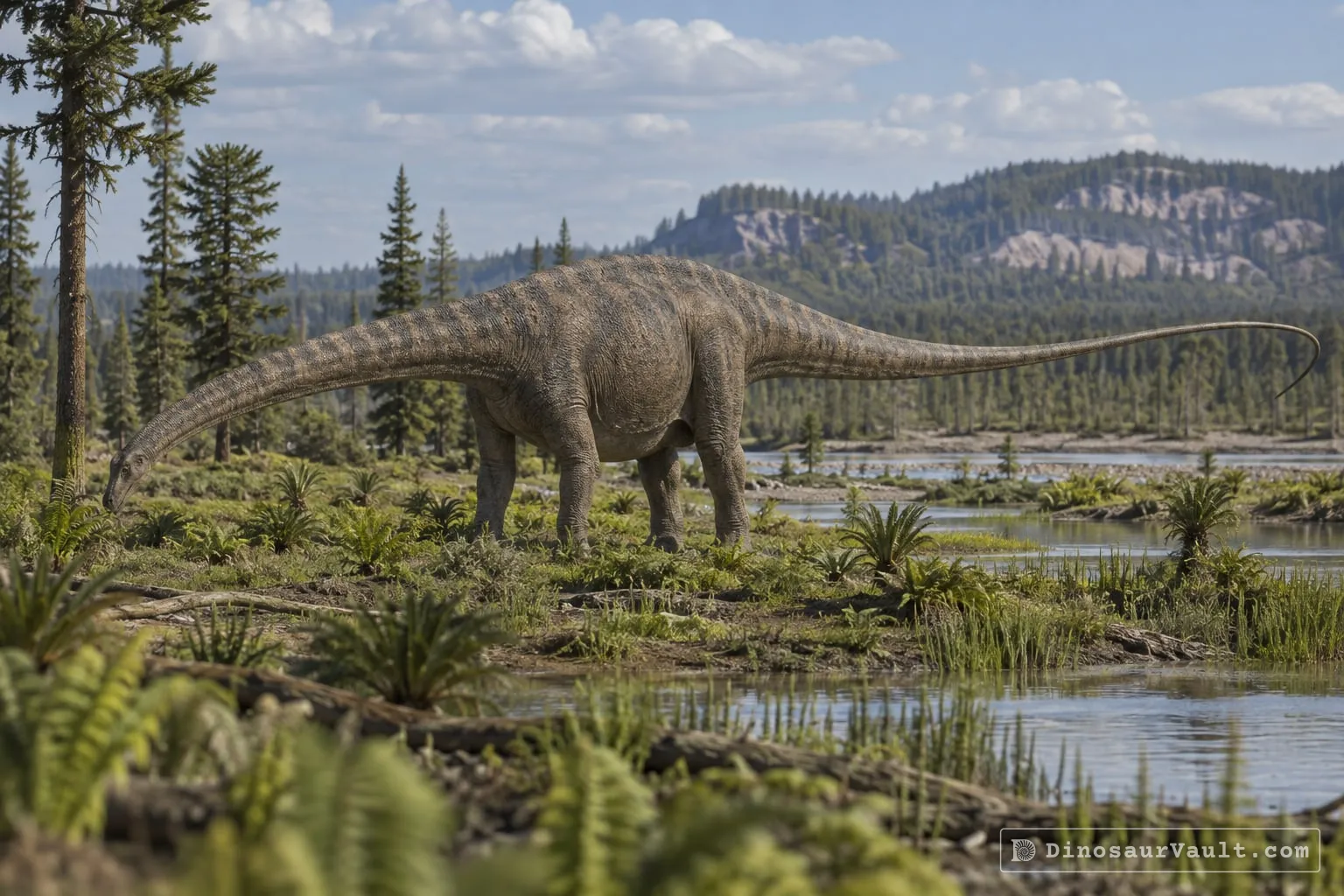
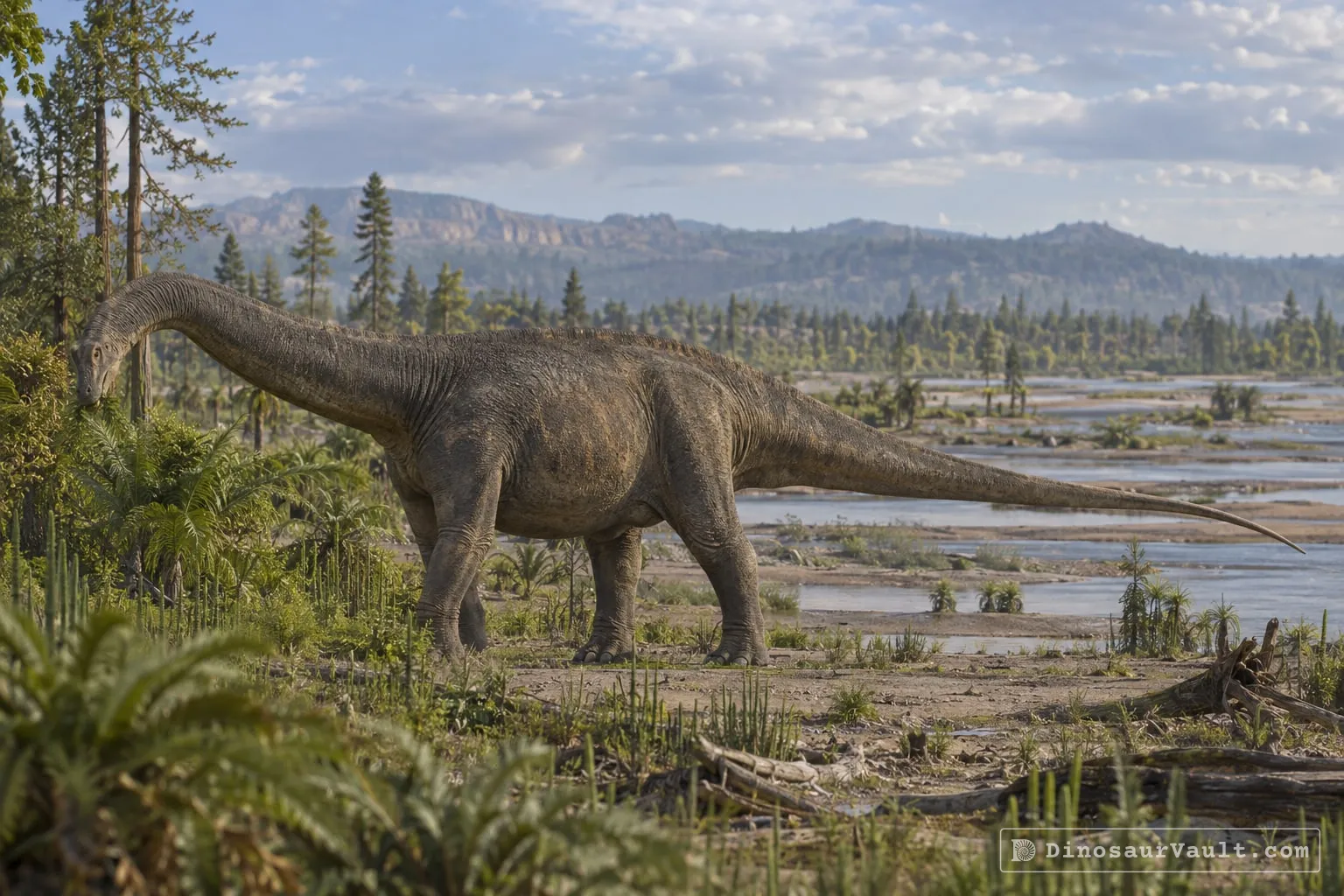
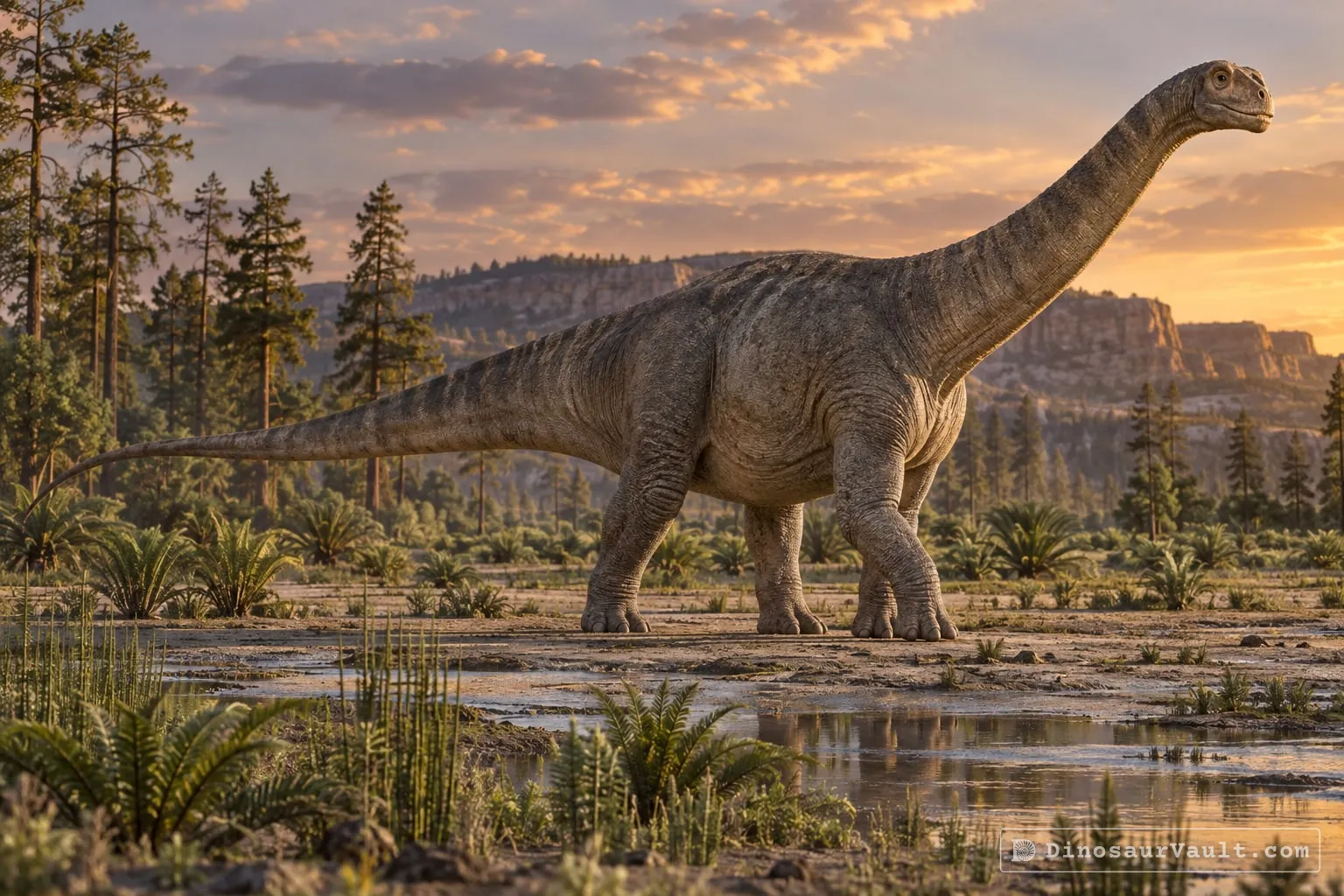
Ardetosaurus was a long-necked, whip-tailed sauropod from the same family as Diplodocus. It is known from a partial skeleton with bones of the neck, back, tail, hips and one leg.
Its world
It lived in the Late Jurassic in what is now Wyoming. Its bones come from the Morrison Formation, where it lived alongside Diplodocus, Allosaurus and Stegosaurus.
How it was found
Van der Linden and colleagues named it in 2024. The type species is Ardetosaurus viator. The skeleton was dug up decades earlier and spent years in private hands.
Field gallery
More views of Ardetosaurus
Scenes reconstructed from the available fossil evidence.
1 of 3
Lived alongside
Found in the same rock formations
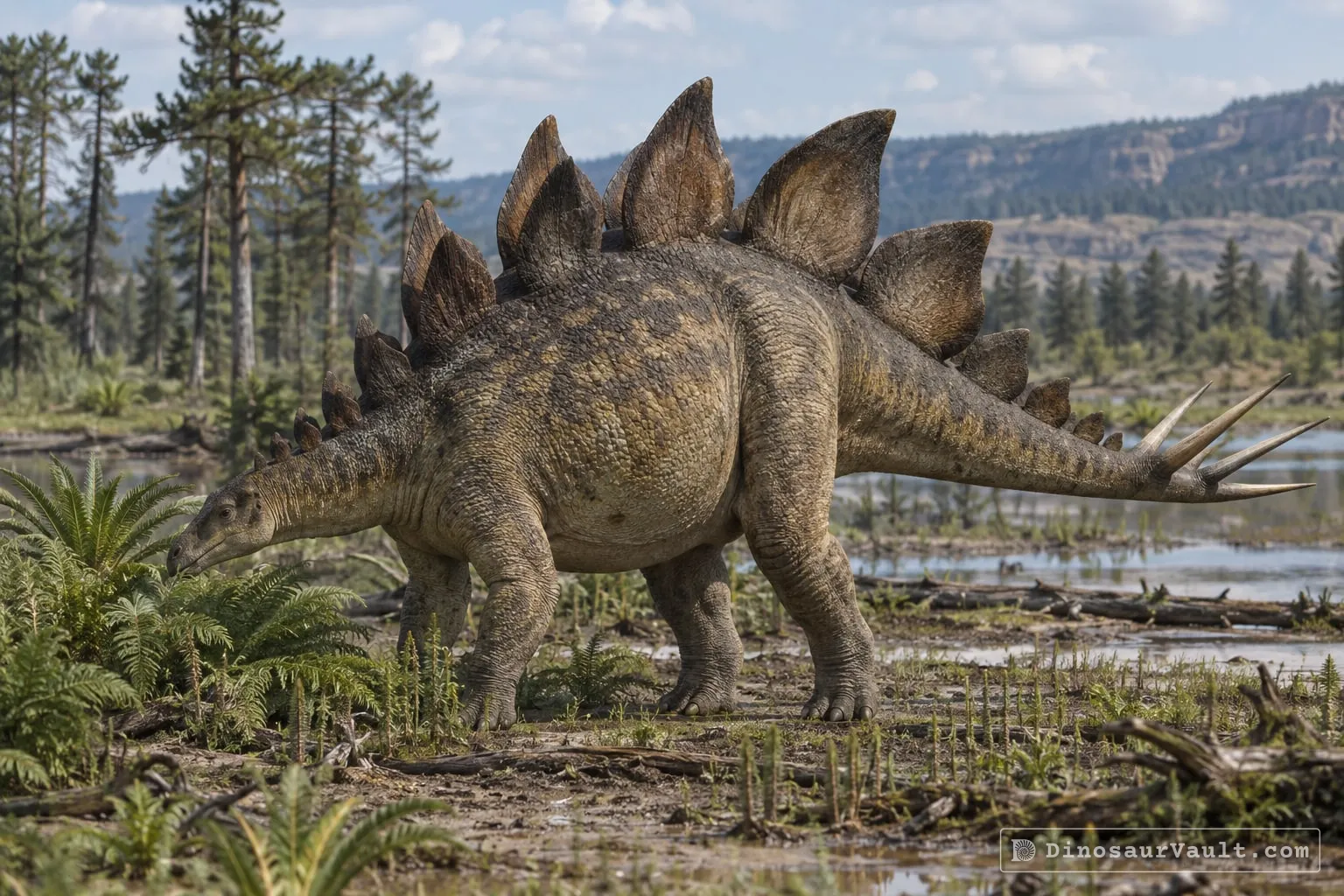
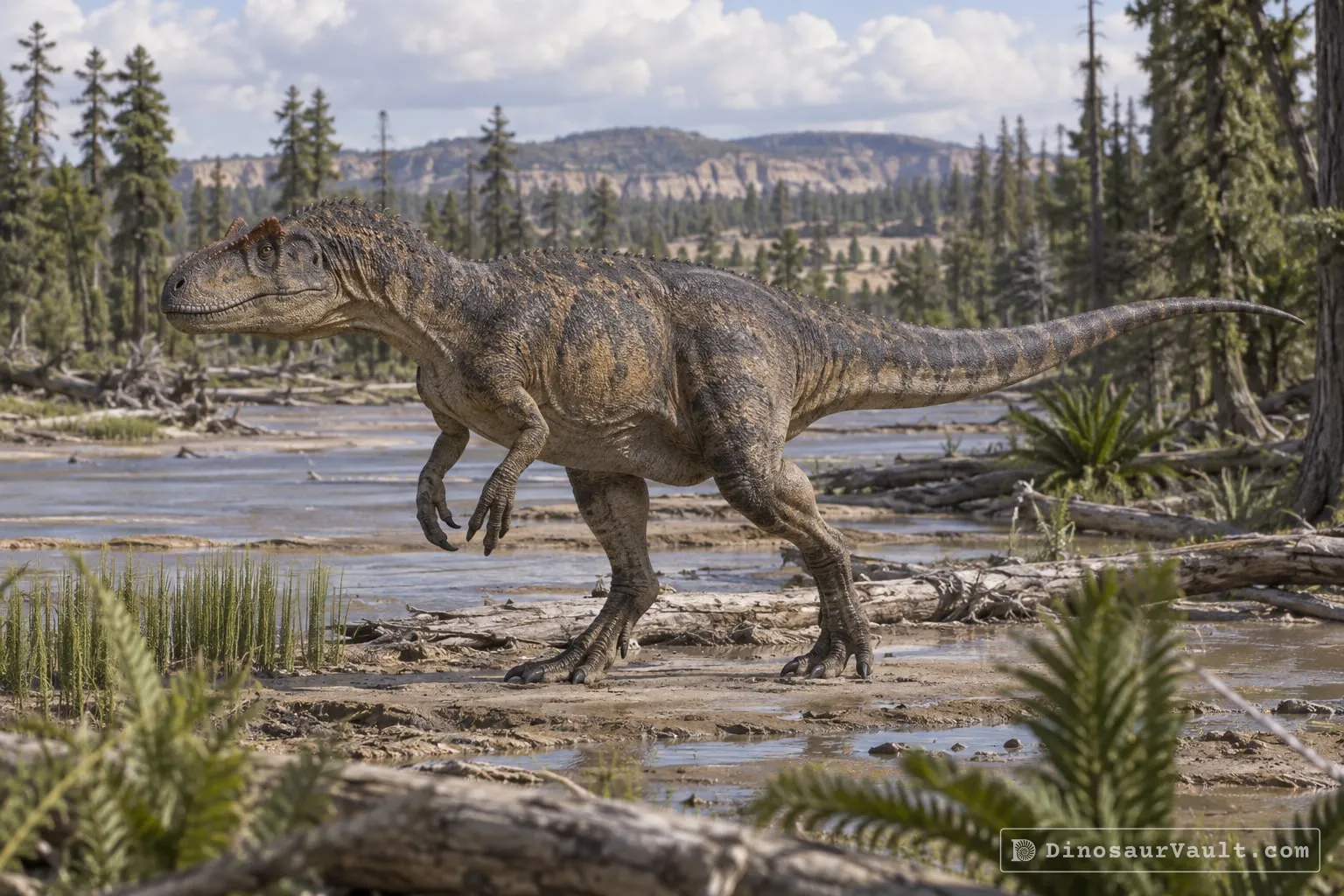
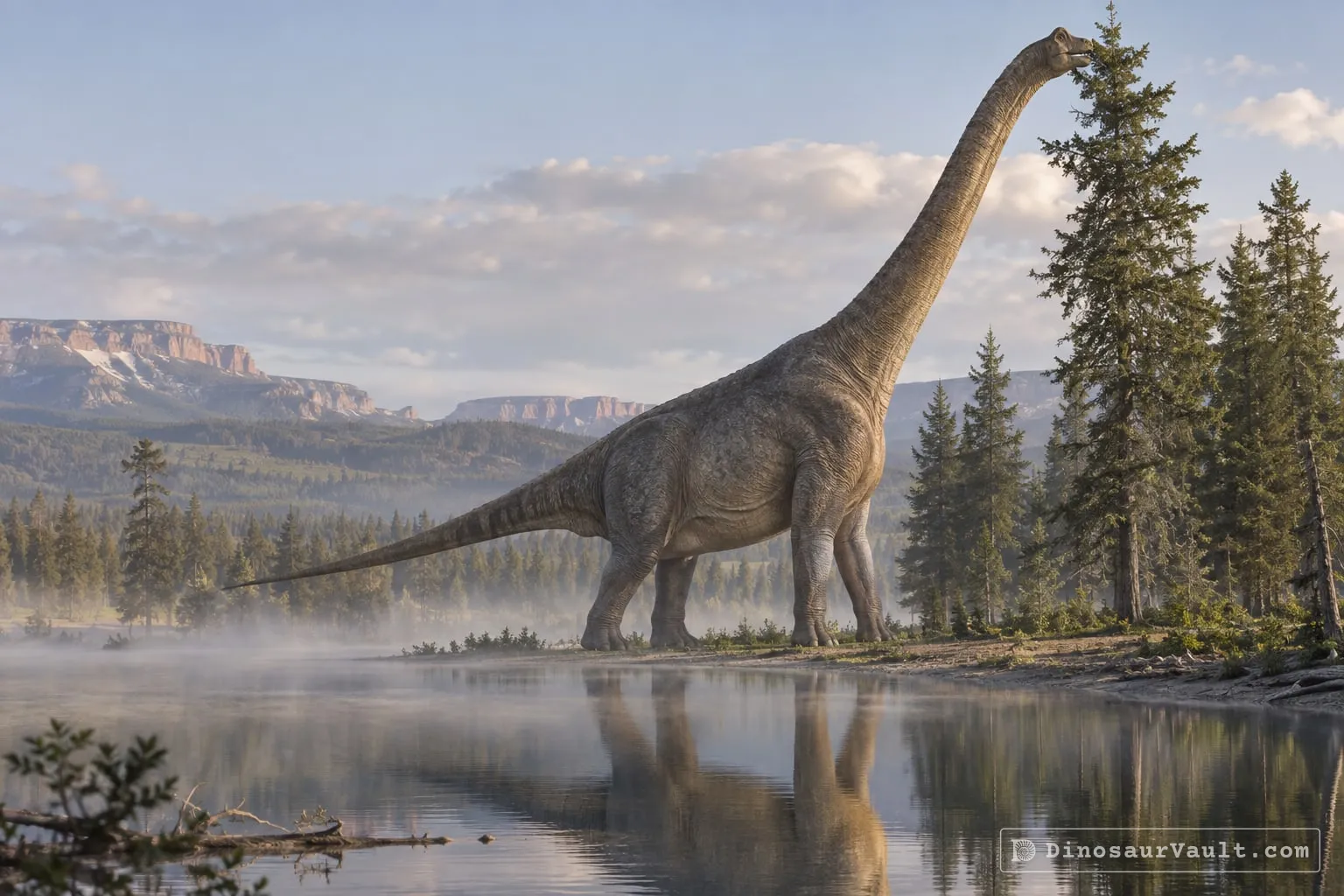
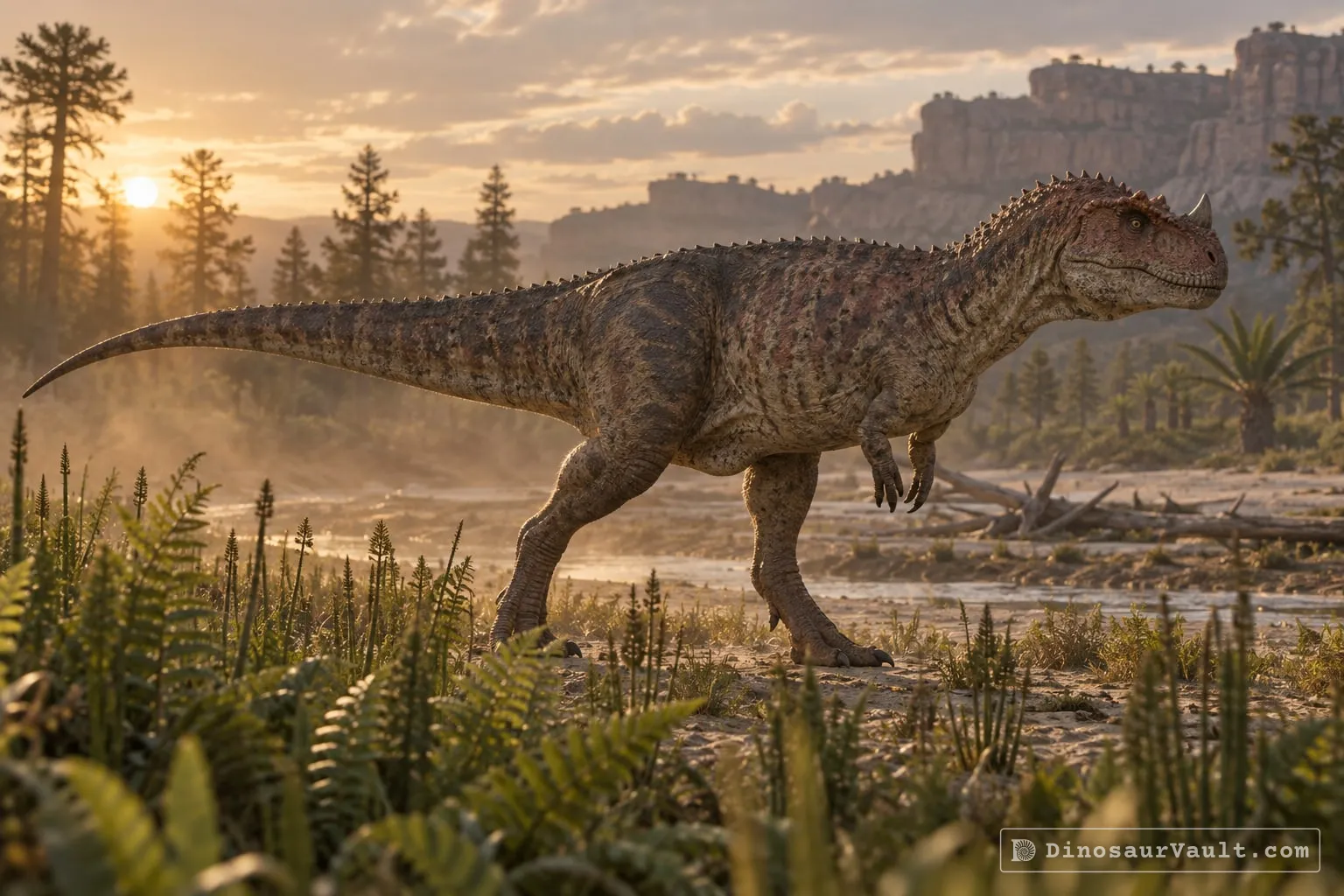


A rock formation can hold fossils laid down millions of years apart, so not every animal here met Ardetosaurus.
The evidence
The science behind Ardetosaurus
Which parts of the picture come from its own bones, and which come from its relatives.
From its own fossils
- A partial skeleton preserves bones of the neck, back, front of the tail, shoulder, hips and a hind leg.
- Distinctive ridges and hollows on its vertebrae separate it from other members of the Diplodocus family.
Borrowed from relatives
- The missing head, forelimbs and end of the tail are restored by comparison with Diplodocus and Galeamopus.
Still unknown
- The exact shape of its skull and the full length of its neck and tail.
- Its skin texture and color.
- How its body proportions changed as it grew.
Discovery timeline
- 2015Family treeTschopp, Mateus & Benson
- 2017Close relativeTschopp & Mateus
- 2024Named itvan der Linden et al.
Key papers
The research behind what we know of Ardetosaurus
Family tree
Compared individual skeletons throughout the Diplodocus family, separating Galeamopus and supporting Brontosaurus as a distinct genus.
A specimen-level phylogenetic analysis and taxonomic revision of Diplodocidae (Dinosauria, Sauropoda). PeerJ 3: e857
Read the paper : A specimen-level phylogenetic analysis and taxonomic revision of Diplodocidae (Dinosauria, Sauropoda) (opens in a new tab)Close relative
Described a well-preserved Galeamopus skeleton, providing comparisons for the neck and back of related sauropods.
Osteology of Galeamopus pabsti sp. nov. (Sauropoda: Diplodocidae), with implications for neurocentral closure timing, and the cervico-dorsal transition in diplodocids. PeerJ 5: e3179
Read the paper : Osteology of Galeamopus pabsti sp. nov. (Sauropoda: Diplodocidae), with implications for neurocentral closure timing, and the cervico-dorsal transition in diplodocids (opens in a new tab)Named it
Identified Ardetosaurus as a distinct member of the Diplodocus family from the unusual ridges and hollows of its backbone.
A new diplodocine sauropod from the Morrison Formation, Wyoming, USA. Palaeontologia Electronica
Read the paper : A new diplodocine sauropod from the Morrison Formation, Wyoming, USA (opens in a new tab)
Close relatives
Other members of Diplodocidae


Sources: Wikidata