Outline: a typical sauropod
Galeamopus
Type species Galeamopus hayi
- Lived
- 155 to 143 million years ago, Late Jurassic to Early Cretaceous
- Diet
- Herbivore
- Group
- Sauropods, Diplodocidae
- Found in
- United States
- Named by
- Tschopp et al. 2015
Where its fossils were found
The evidence
Today

150 million years ago
Field notes
About Galeamopus
What it was like
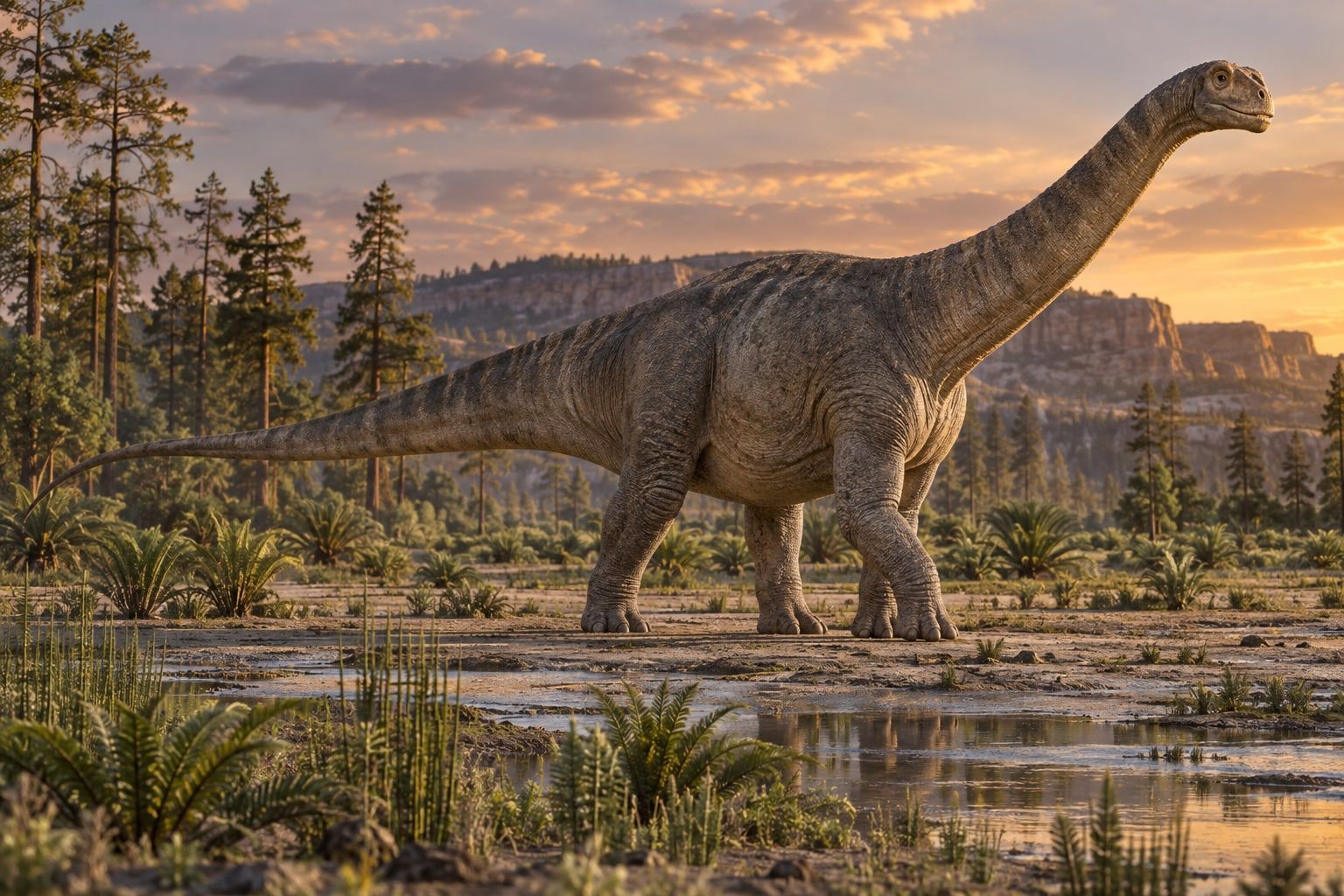
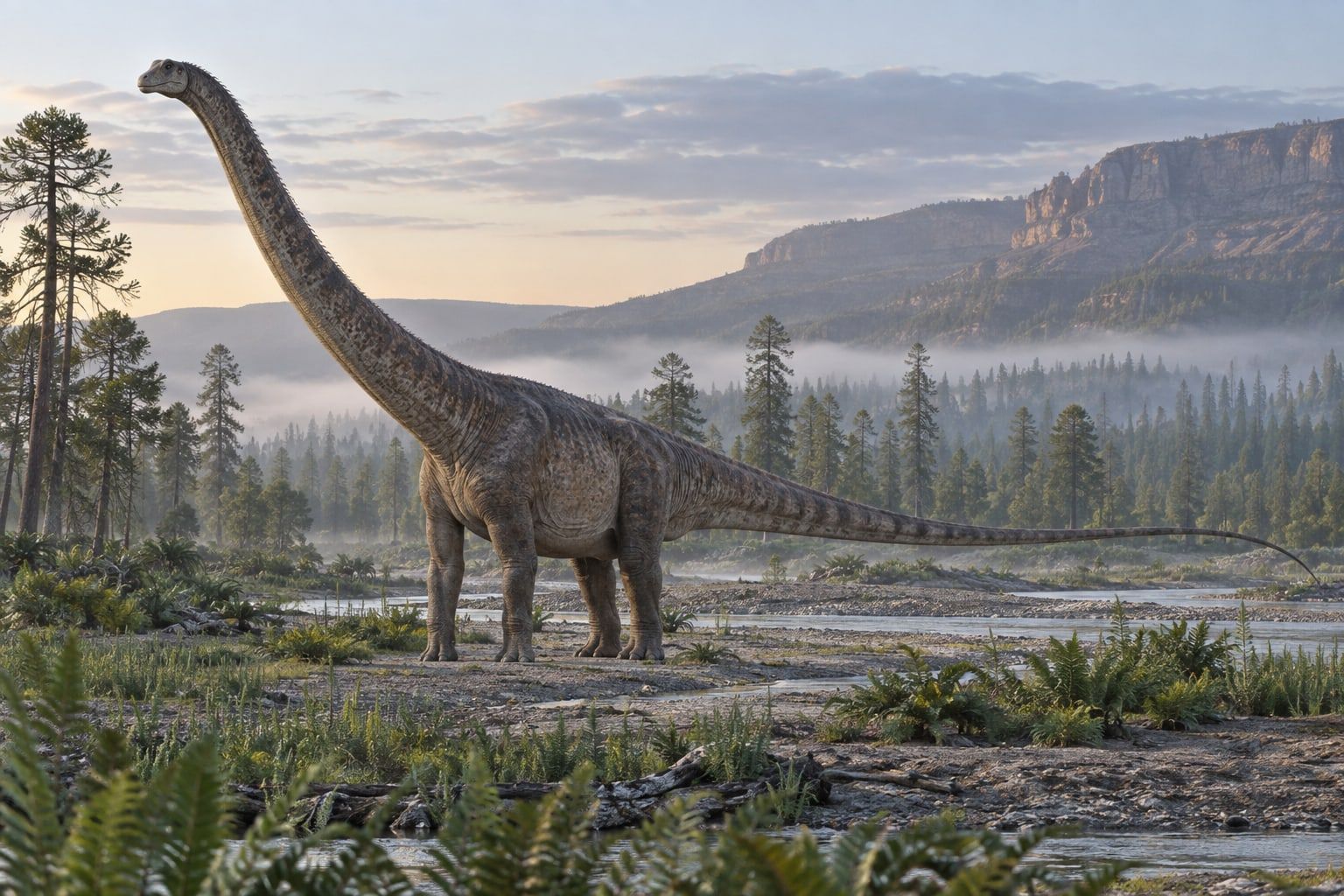
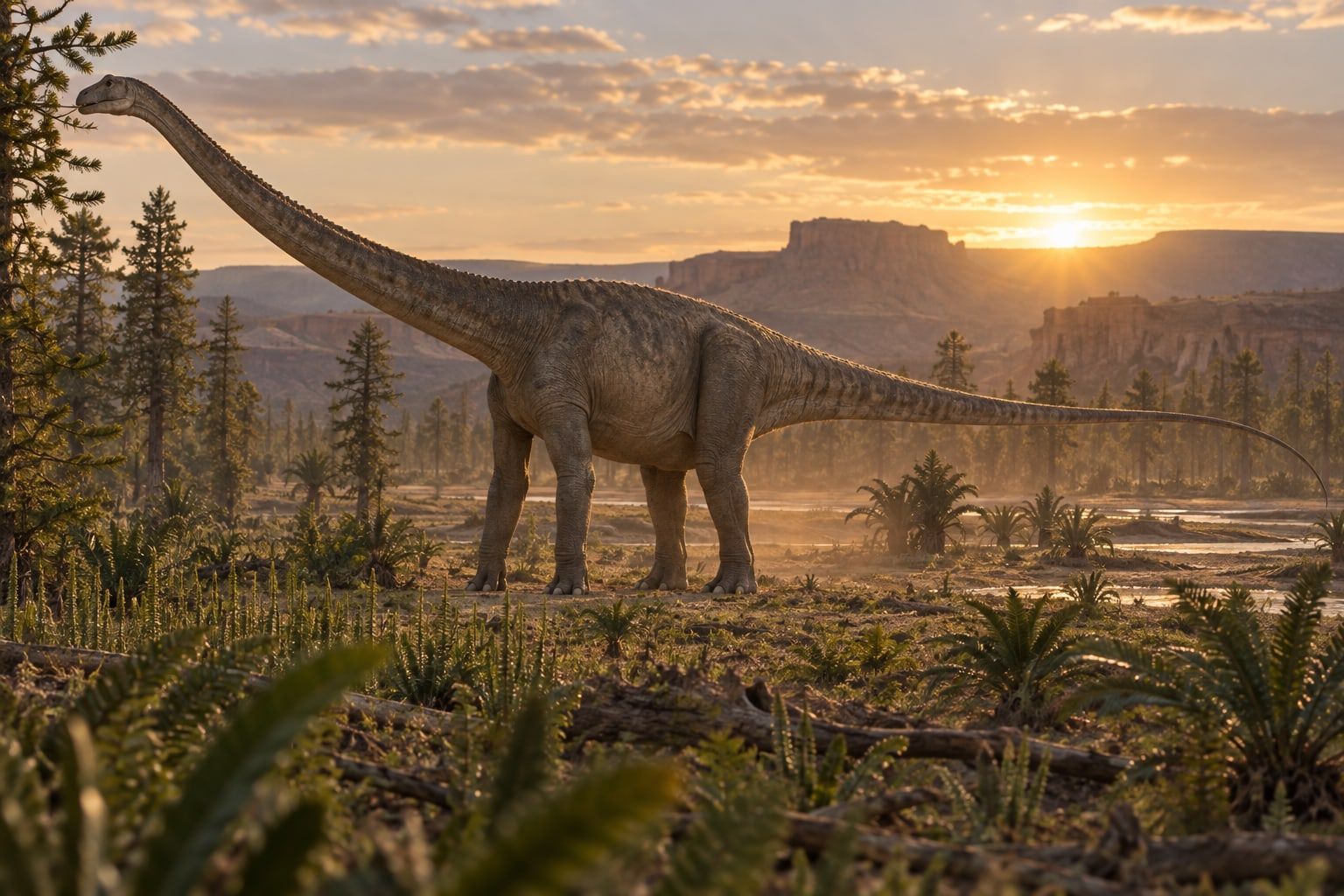
Galeamopus was a long-necked plant eater, a relative of Diplodocus, with a long whip-like tail. It is known from several skeletons, including a very well preserved skull.
Its world
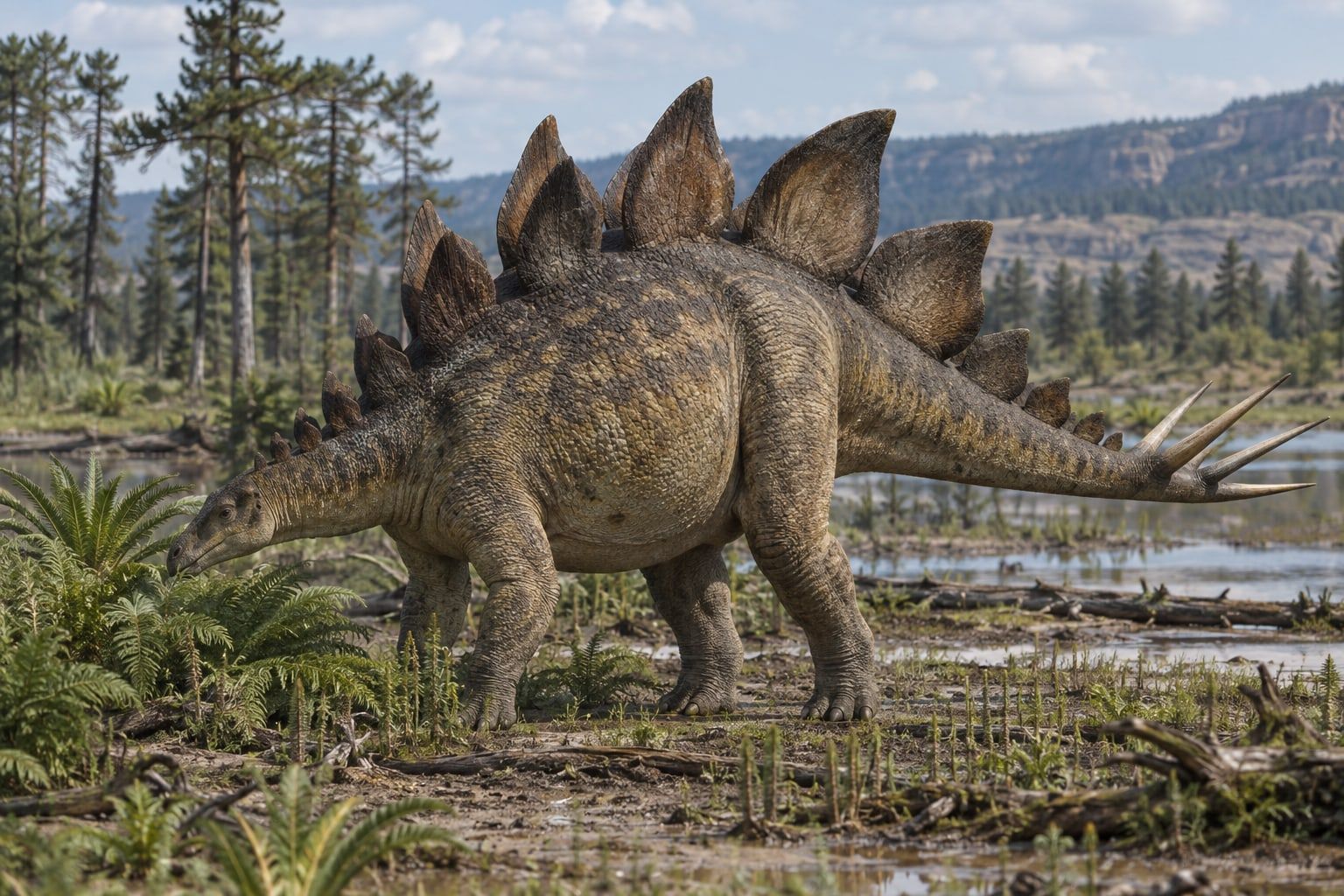
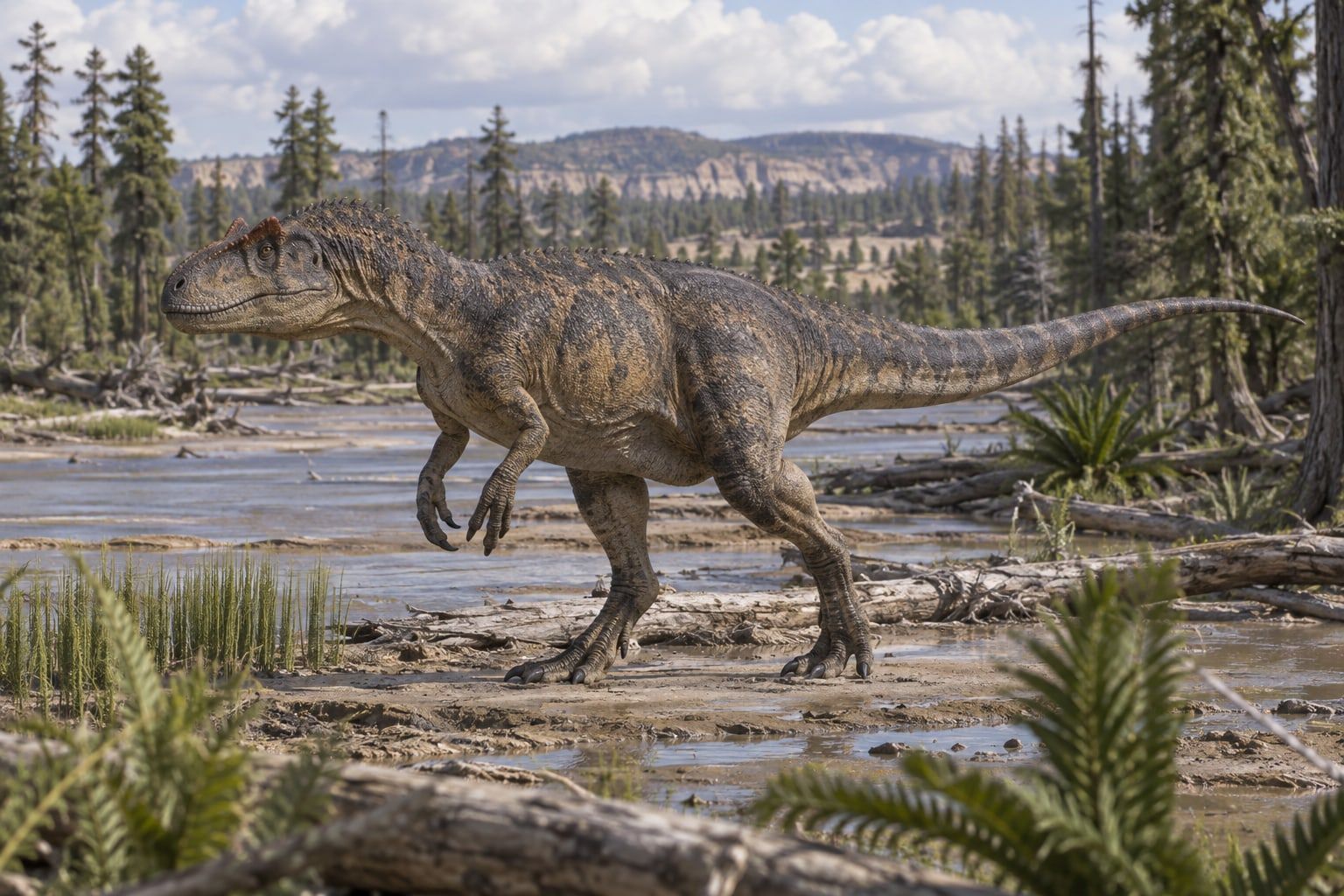
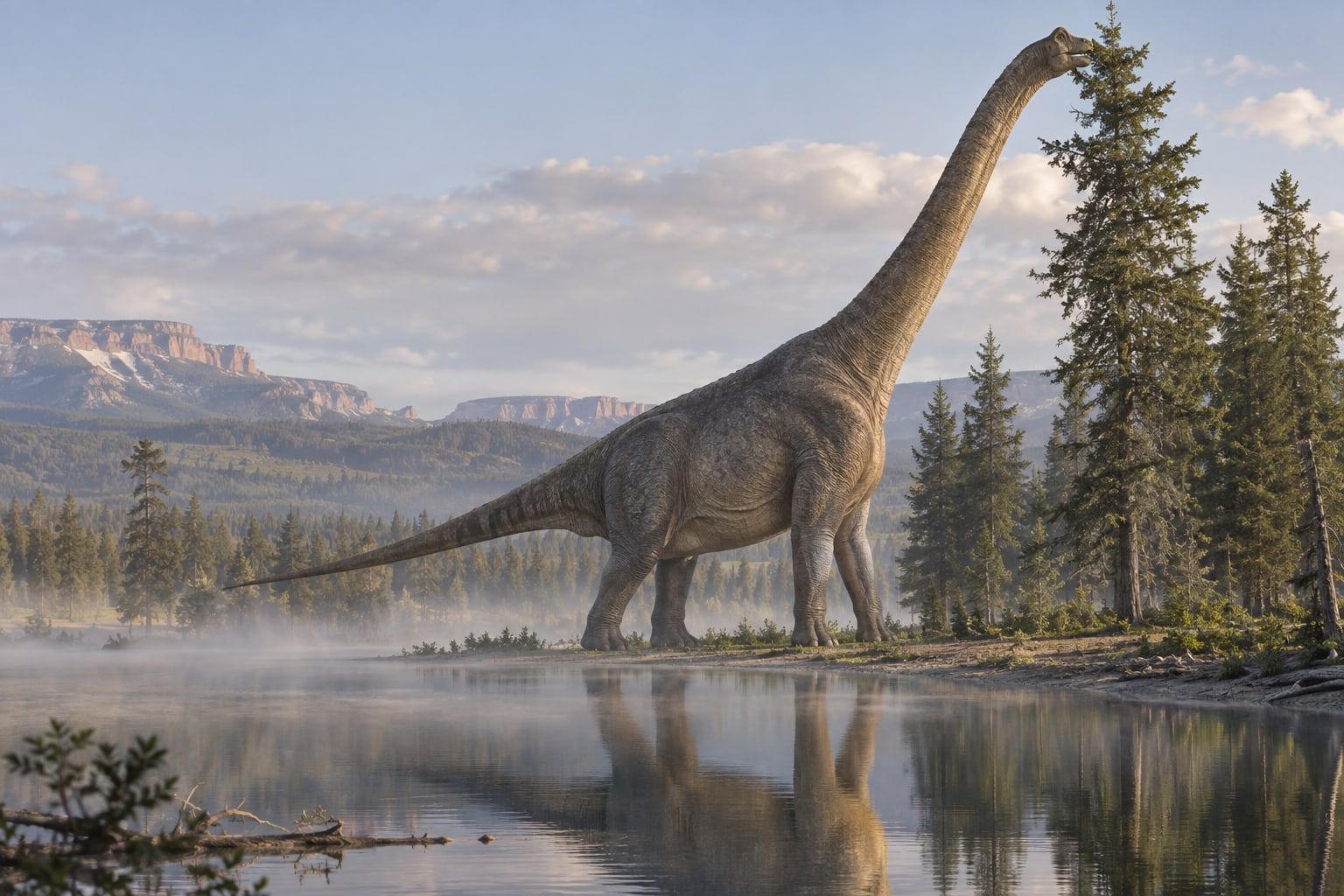
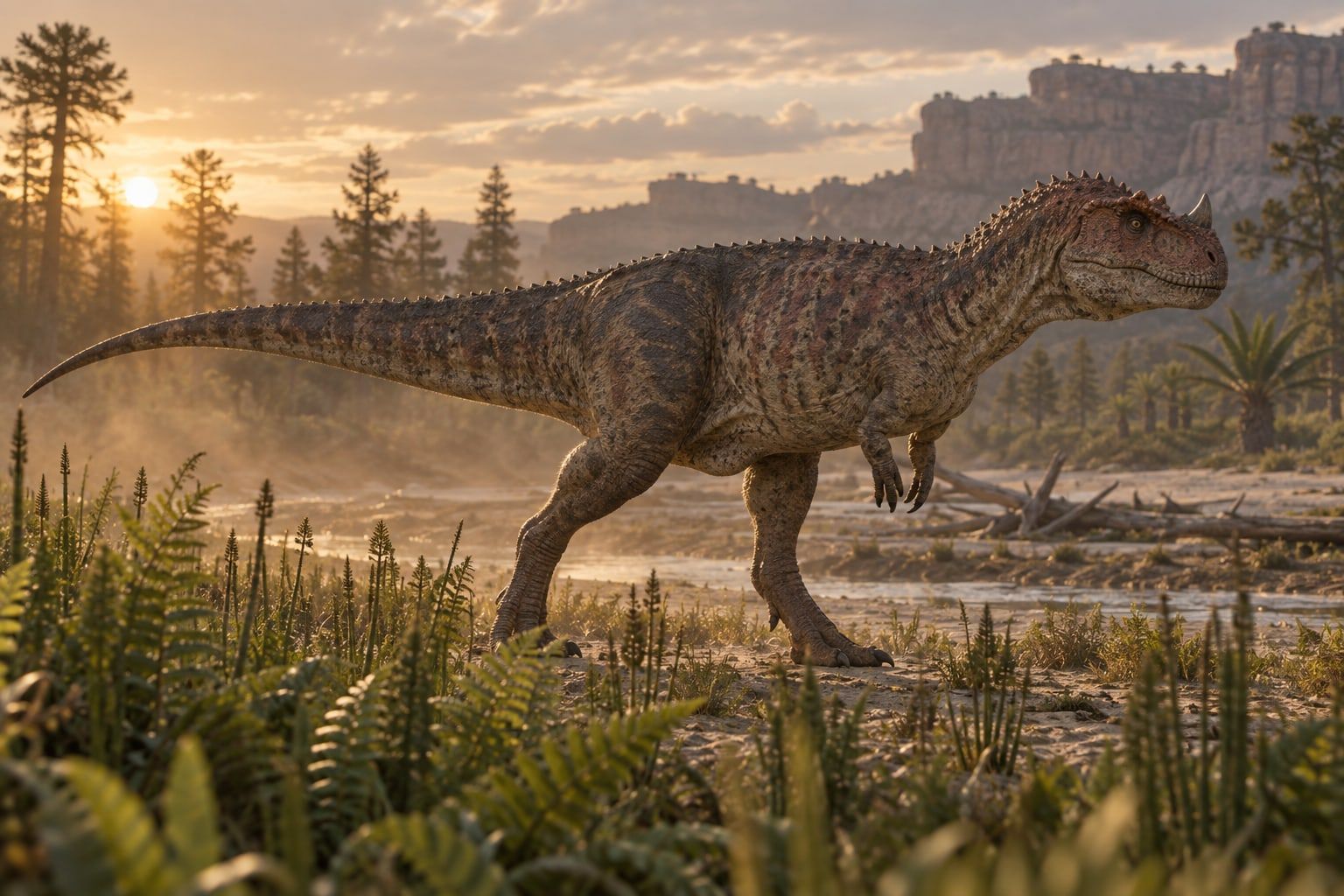
It lived in the Late Jurassic in what is now Wyoming and Colorado in the United States. Its bones come from the Morrison Formation, where it shared the land with Diplodocus, Brontosaurus, Stegosaurus and the hunter Allosaurus.
How it was found
Tschopp and colleagues named Galeamopus in 2015, for bones that had long been thought to belong to Diplodocus. Six finds are known.
Lived alongside
Found in the same rock formations
Close relatives
Other members of Diplodocidae
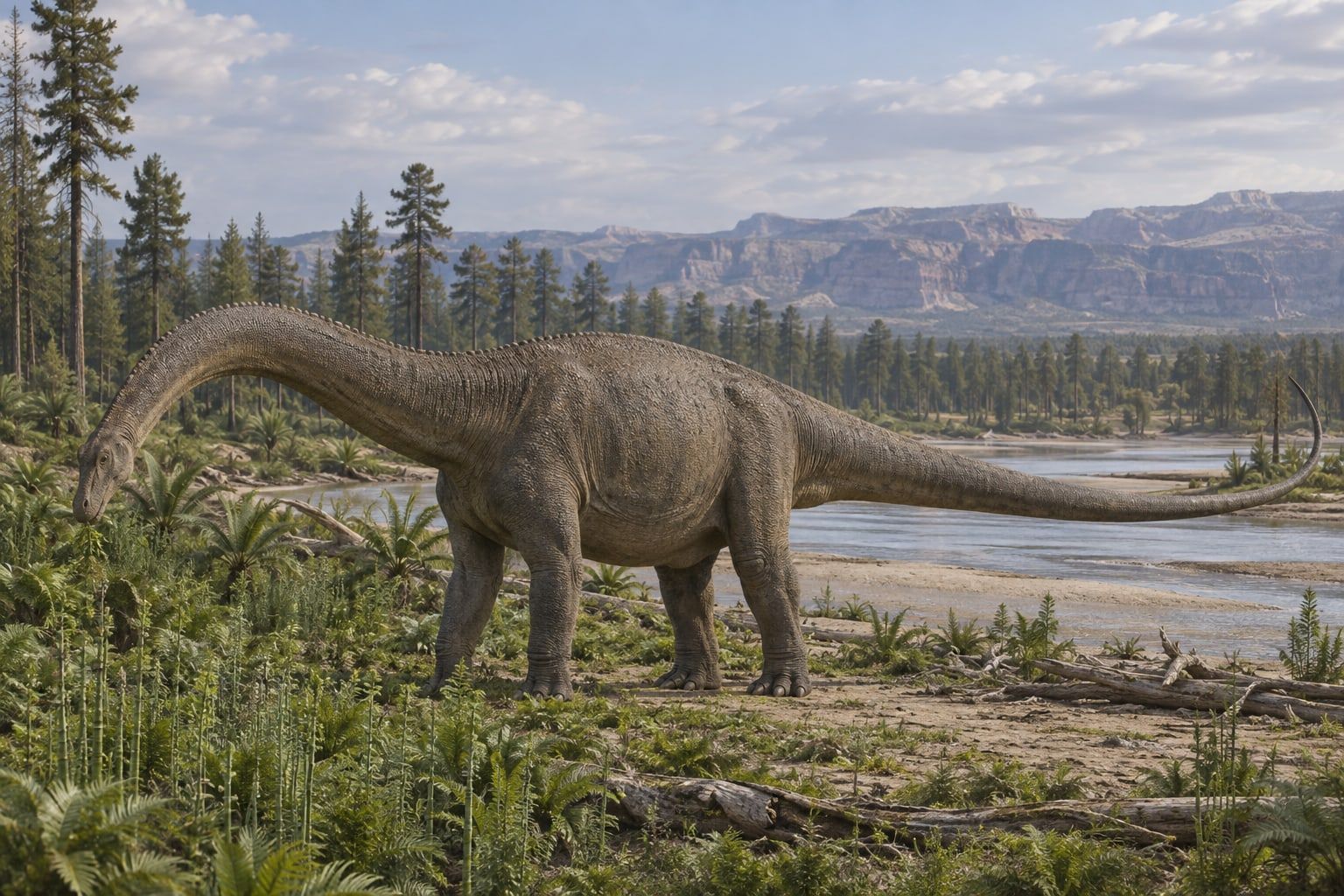
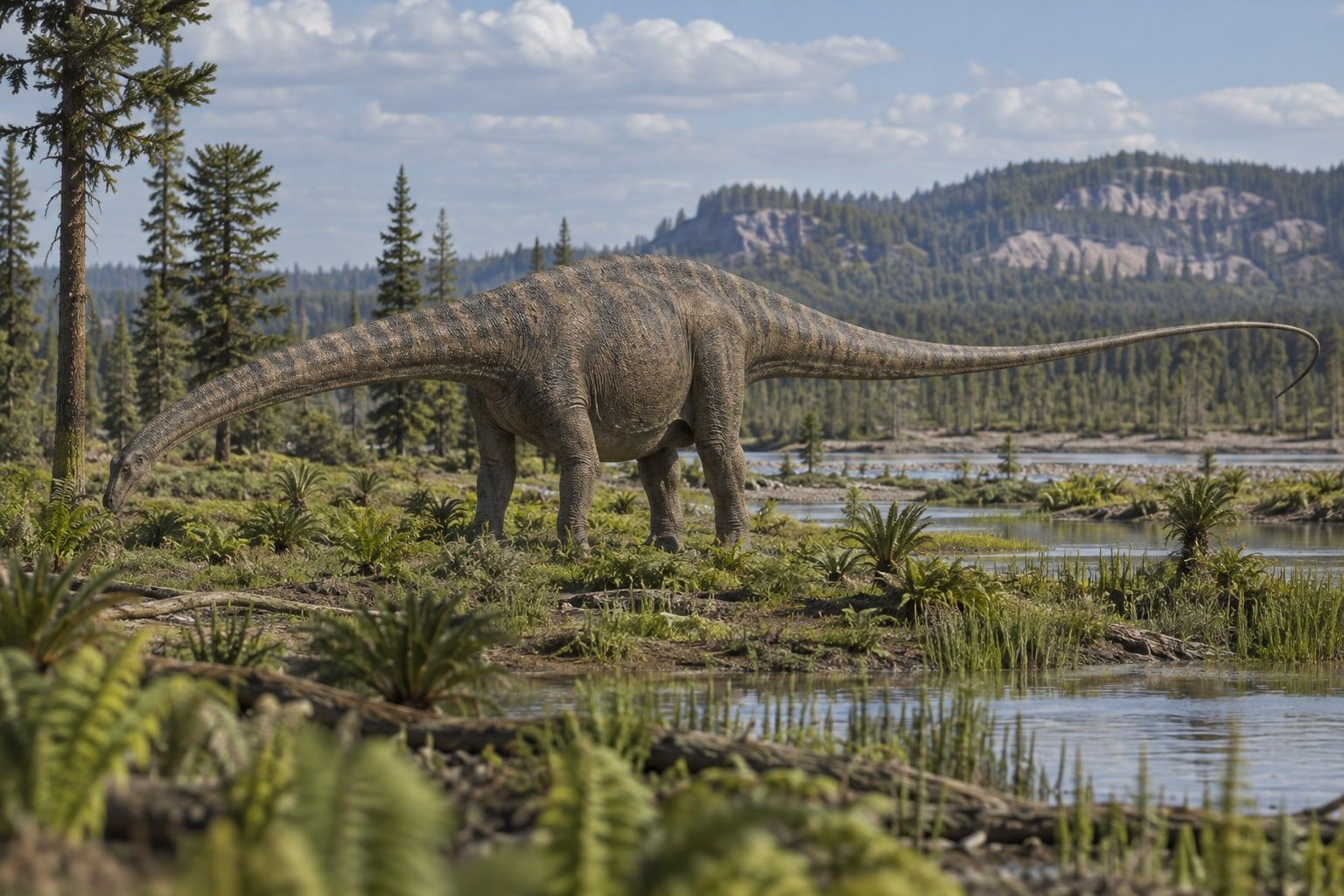
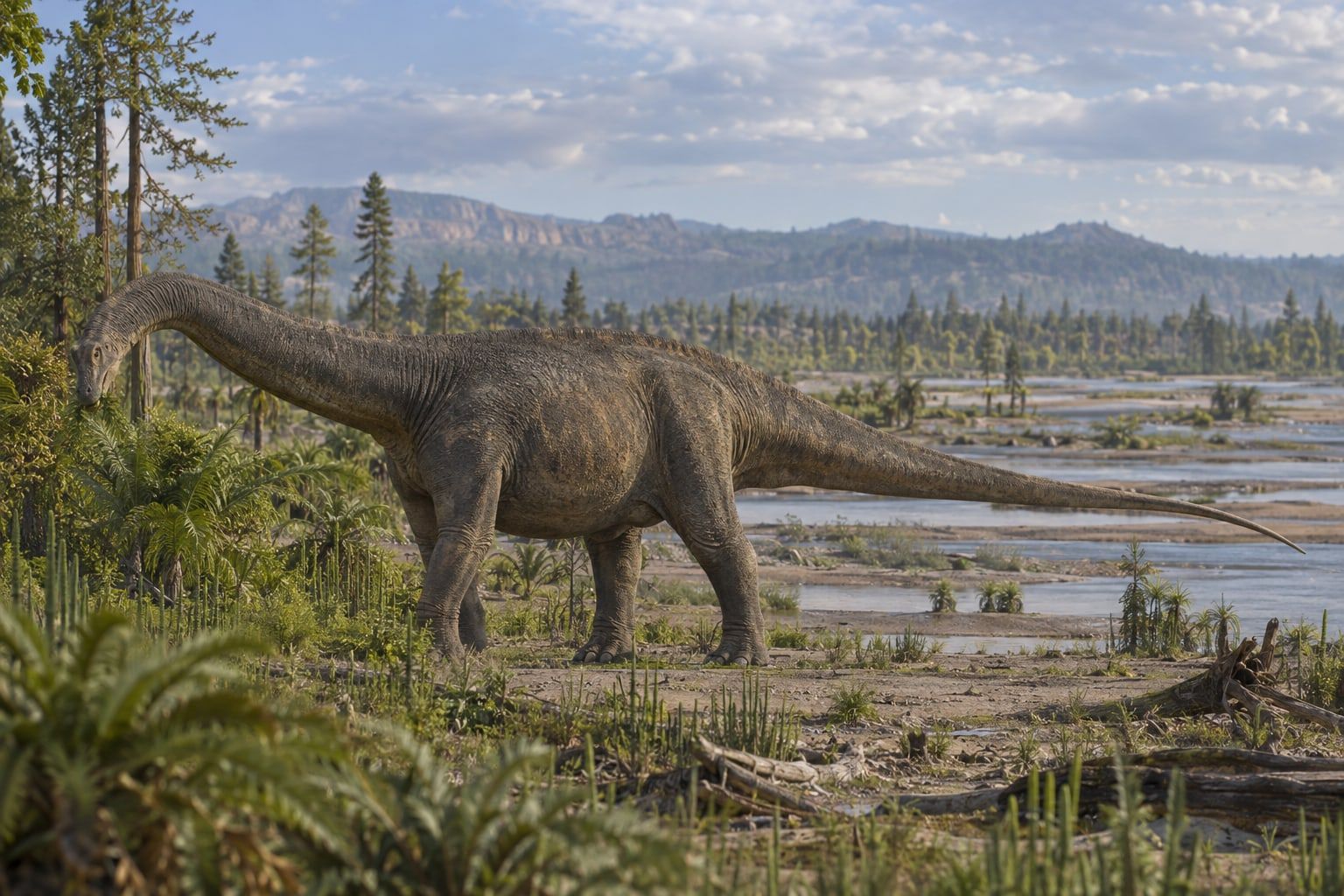
- TornieriaLate Jurassic to Early Cretaceous
- ArdetosaurusLate Jurassic
- LeinkupalEarly Cretaceous
Sources: WikidataNamed in: E. Tschopp, O. Mateus, and R. B. J. Benson. 2015. A specimen-level phylogenetic analysis and taxonomic revision of Diplodocidae (Dinosauria, Sauropoda). PeerJ 3:e857