Hesperornithoides
"western bird form"
Type species Hesperornithoides miessleri
- Lived
- 155 to 143 million years ago, Late Jurassic
- Diet
- Omnivore
- Group
- Theropods, Troodontidae
- Found in
- United States
- Named by
- Hartman et al. 2019
Where its fossils were found
The evidence
Today

150 million years ago
Habitat
It probably spent part of its life around wetlands and lake margins, where freshwater algae grew. Its Morrison Formation world also held Allosaurus, Stegosaurus and Diplodocus.
Field notes
About Hesperornithoides
What it was like
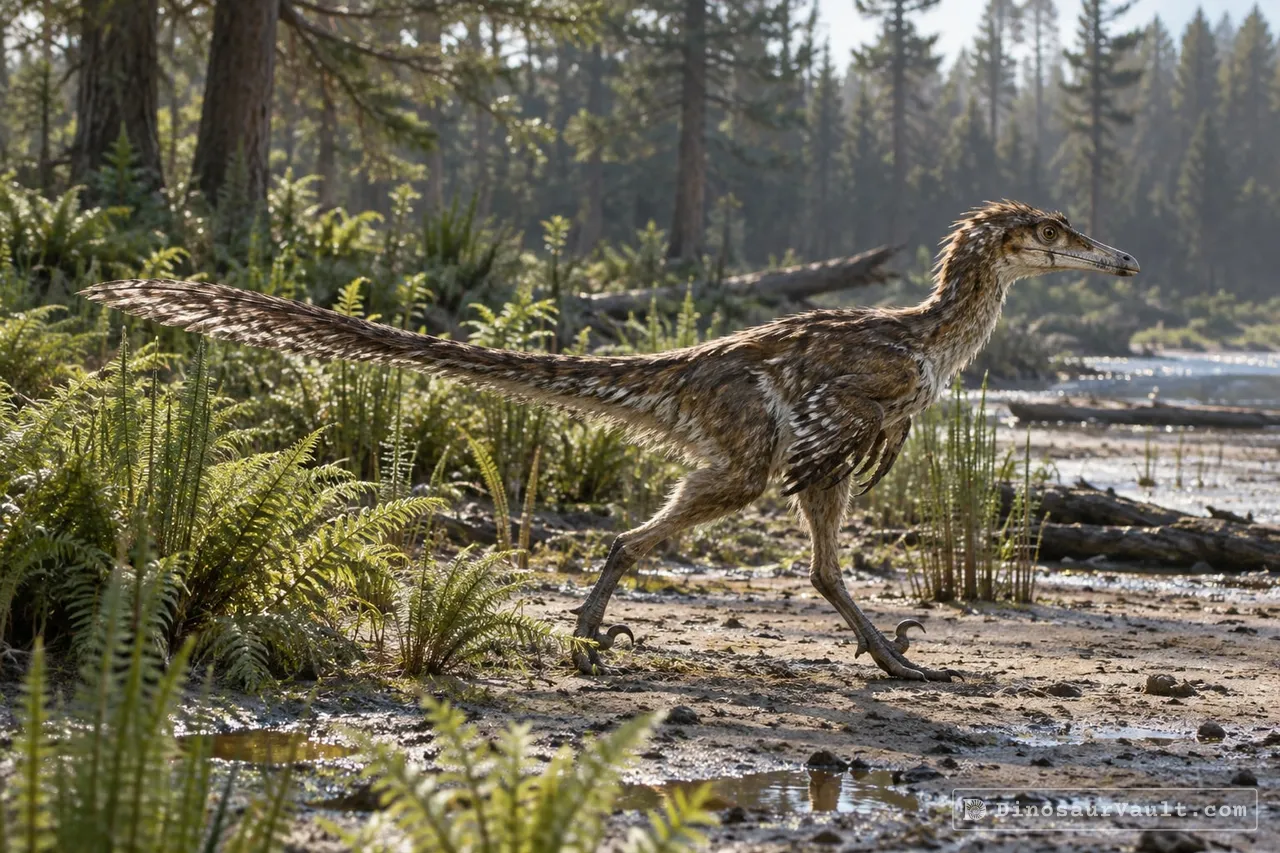
Hesperornithoides was a small feathered theropod from the troodontid family, a group of big-eyed, bird-like hunters. It is known from a partial skeleton. It had short arms for its group and probably lived on the ground.
Its world
It lived in the Late Jurassic in what is now Wyoming. Its bones come from the Morrison Formation, where it lived in the shadow of Allosaurus, Stegosaurus and giant sauropods such as Diplodocus.
How it was found
Hartman and colleagues named it in 2019. The type species is Hesperornithoides miessleri.
Field gallery
More views of Hesperornithoides
Scenes reconstructed from the available fossil evidence.
Lived alongside
Found in the same rock formations
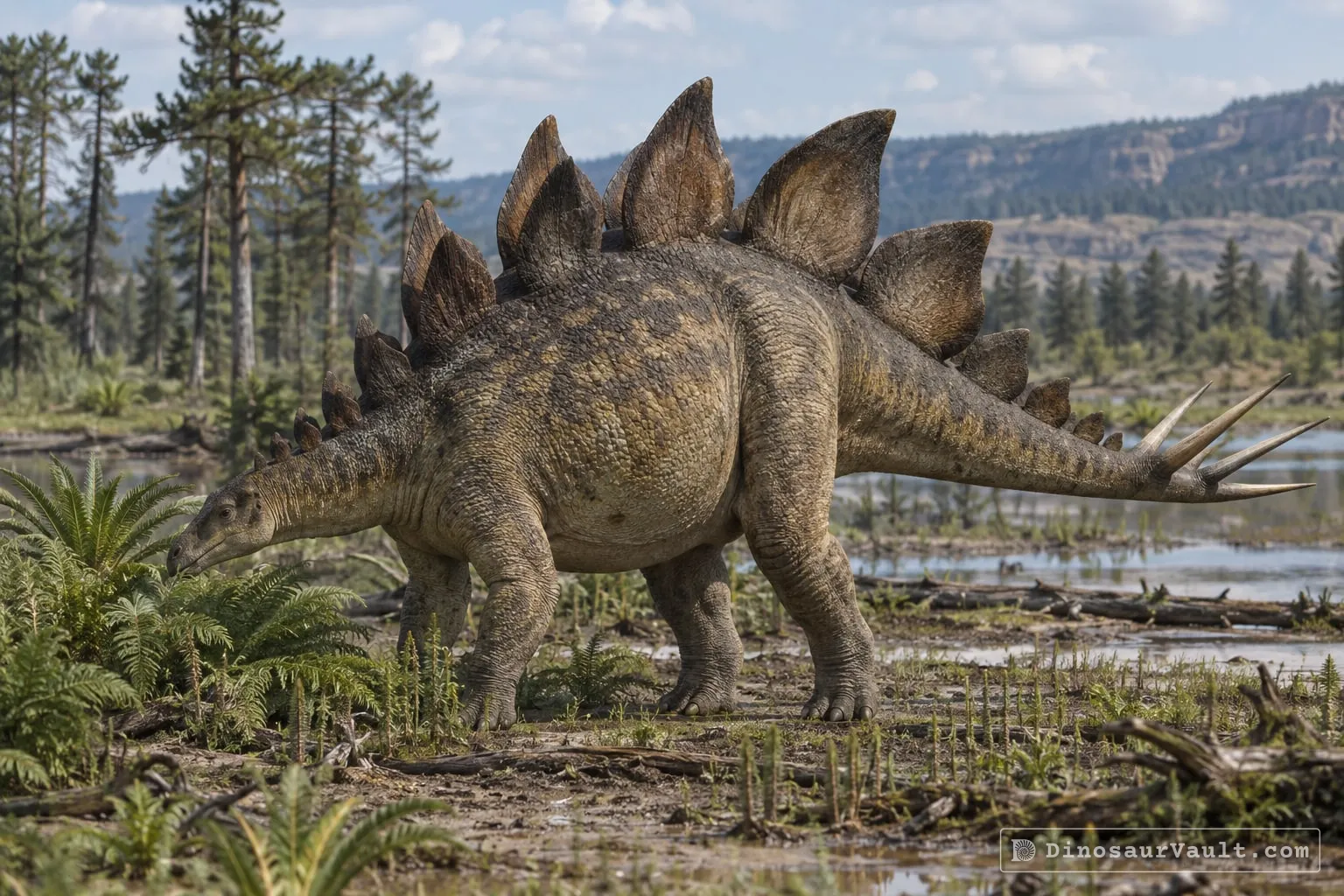
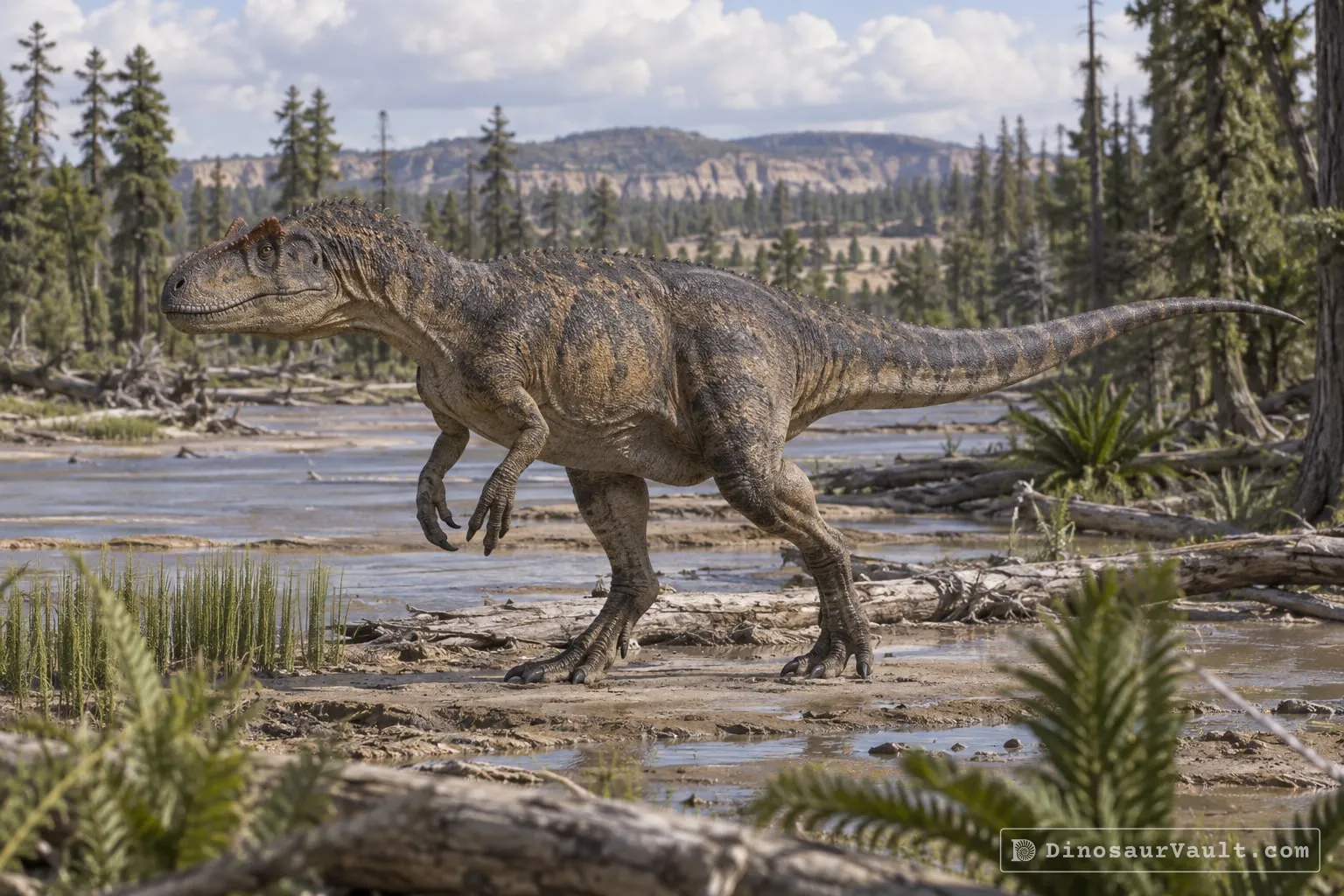
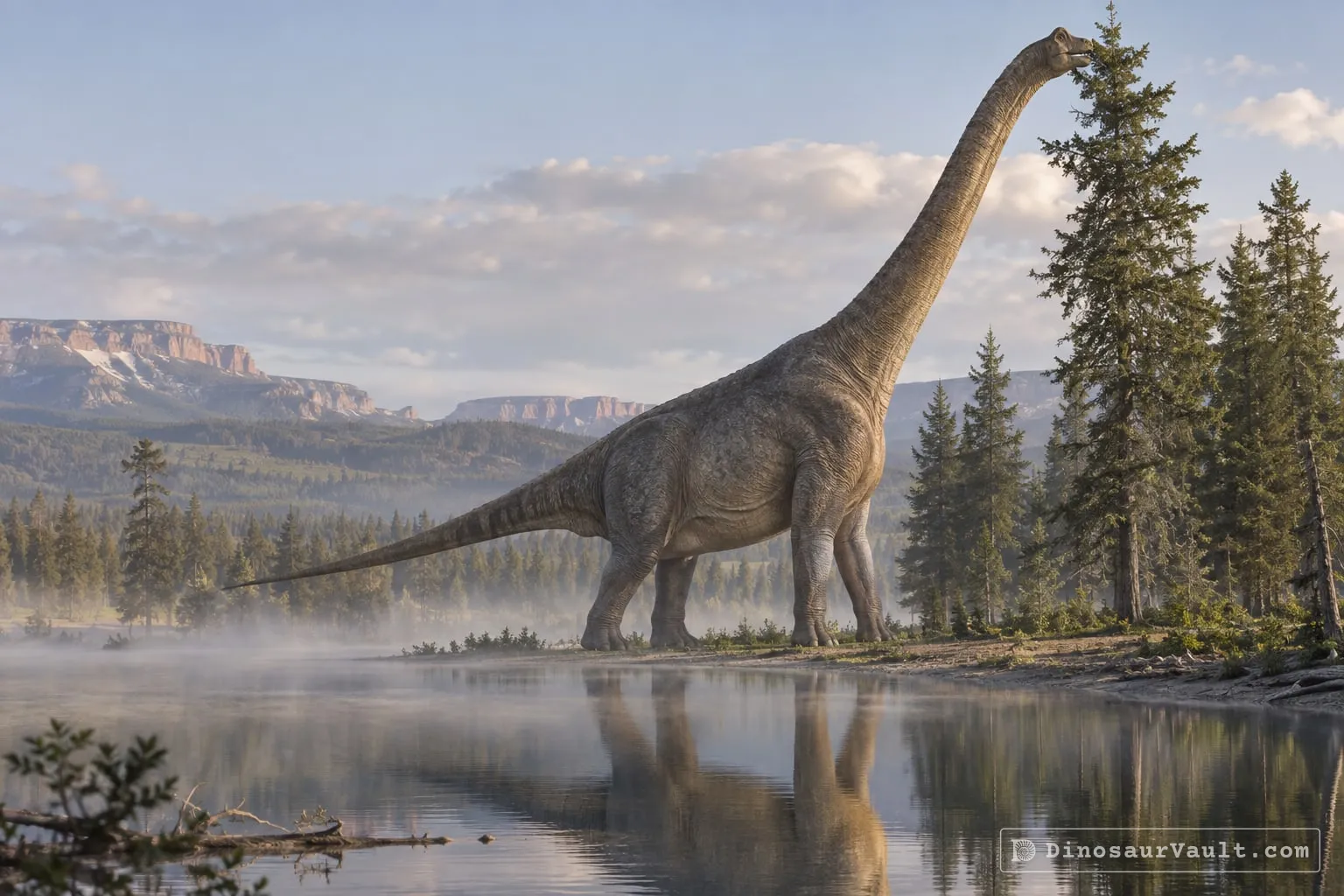
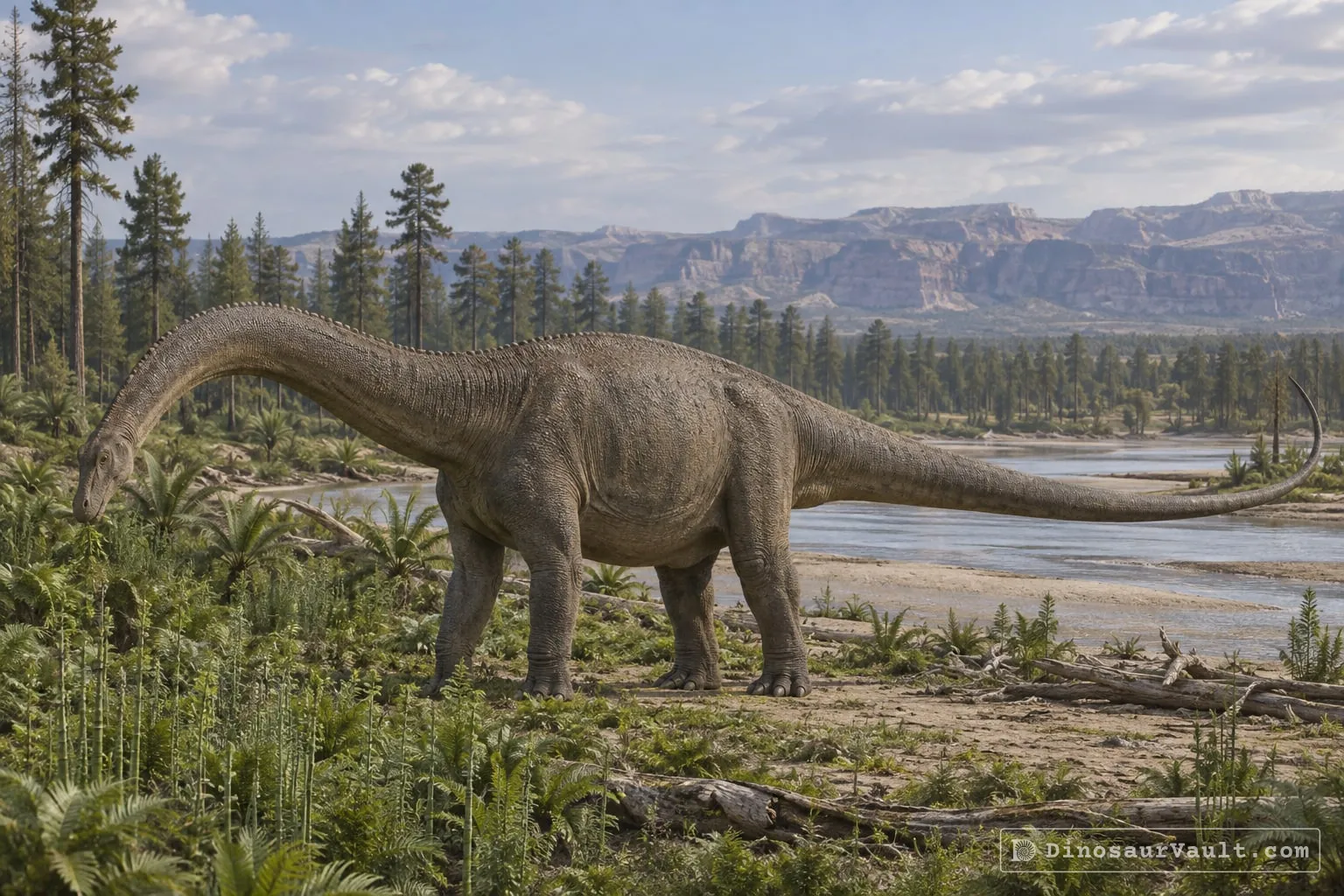
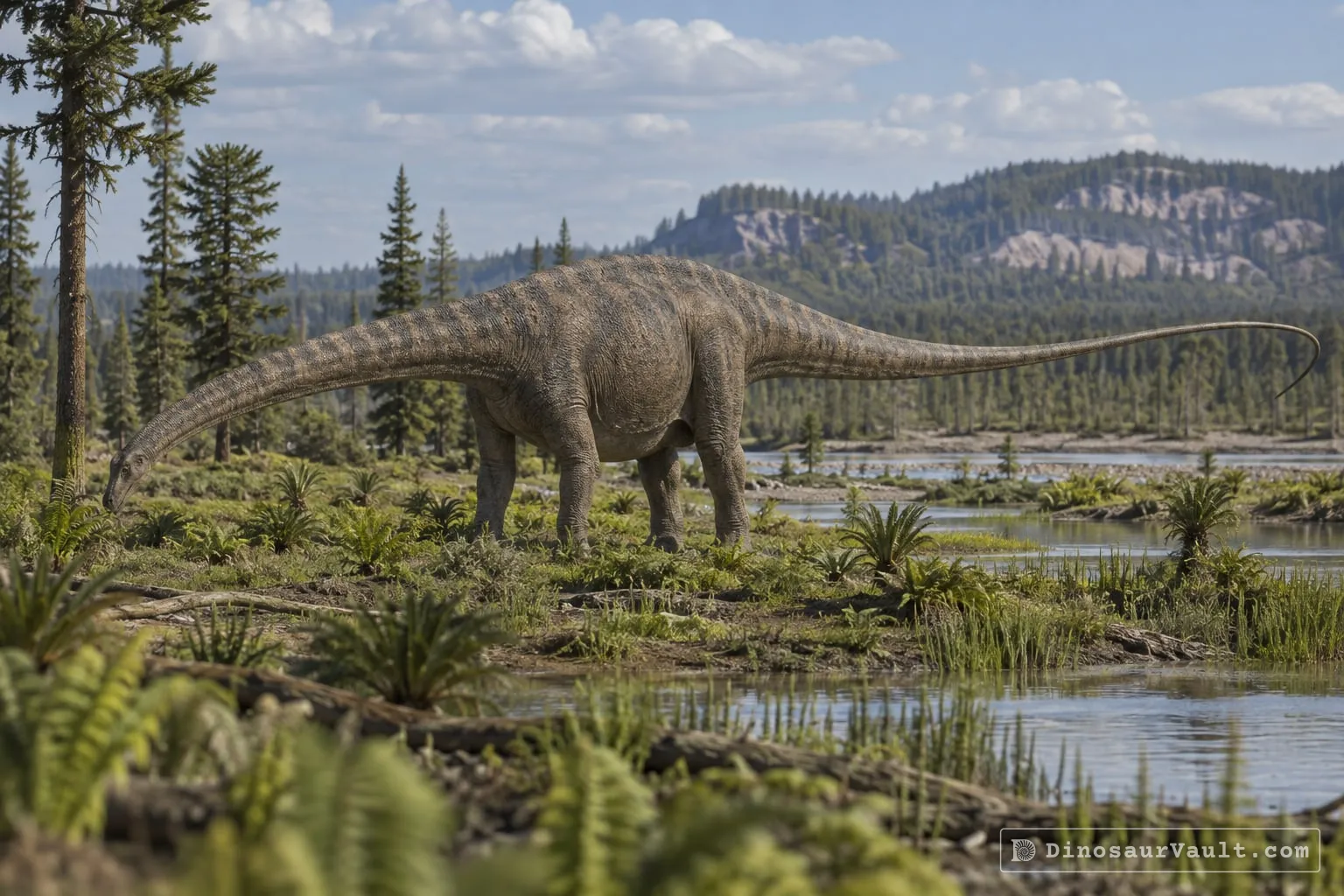
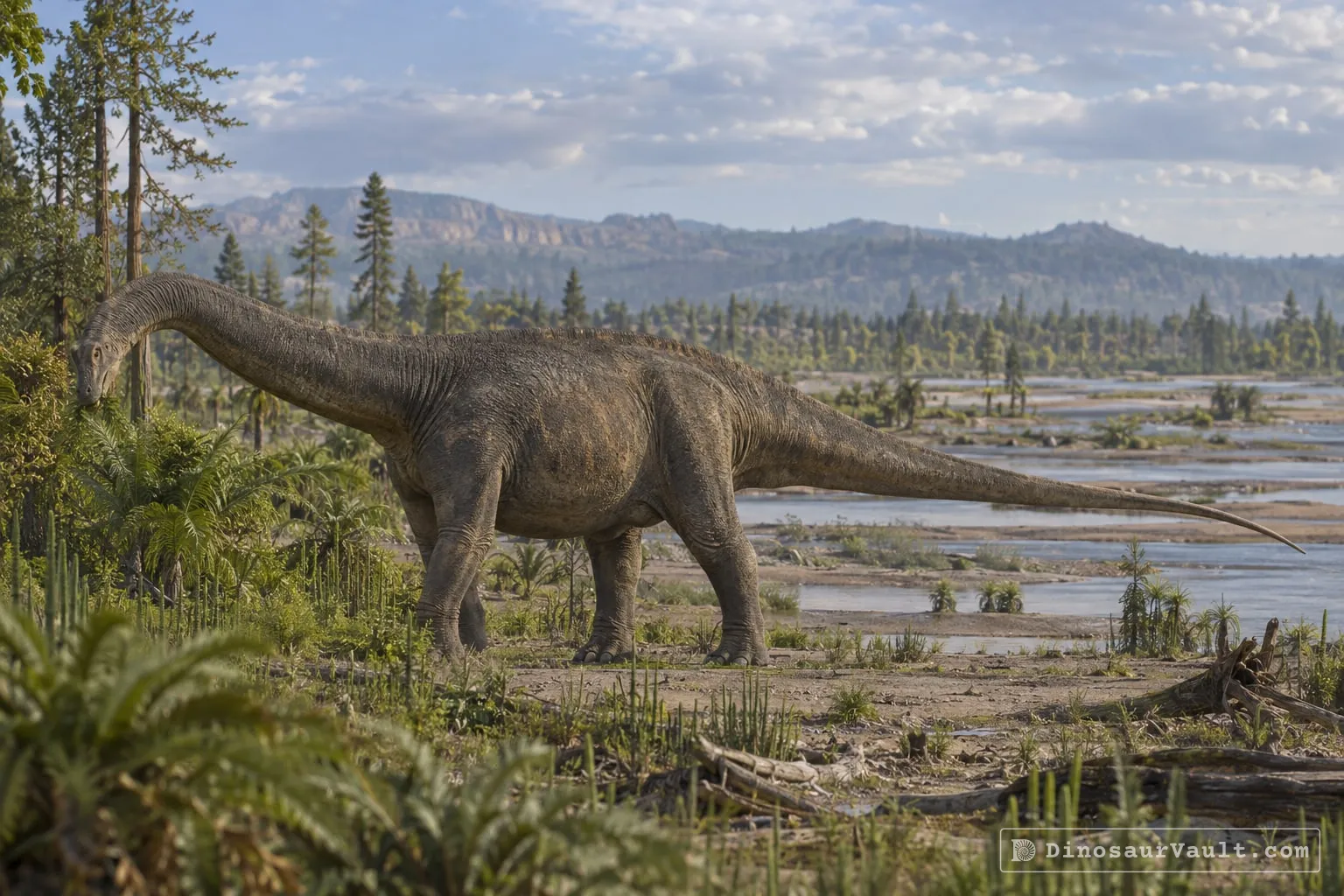
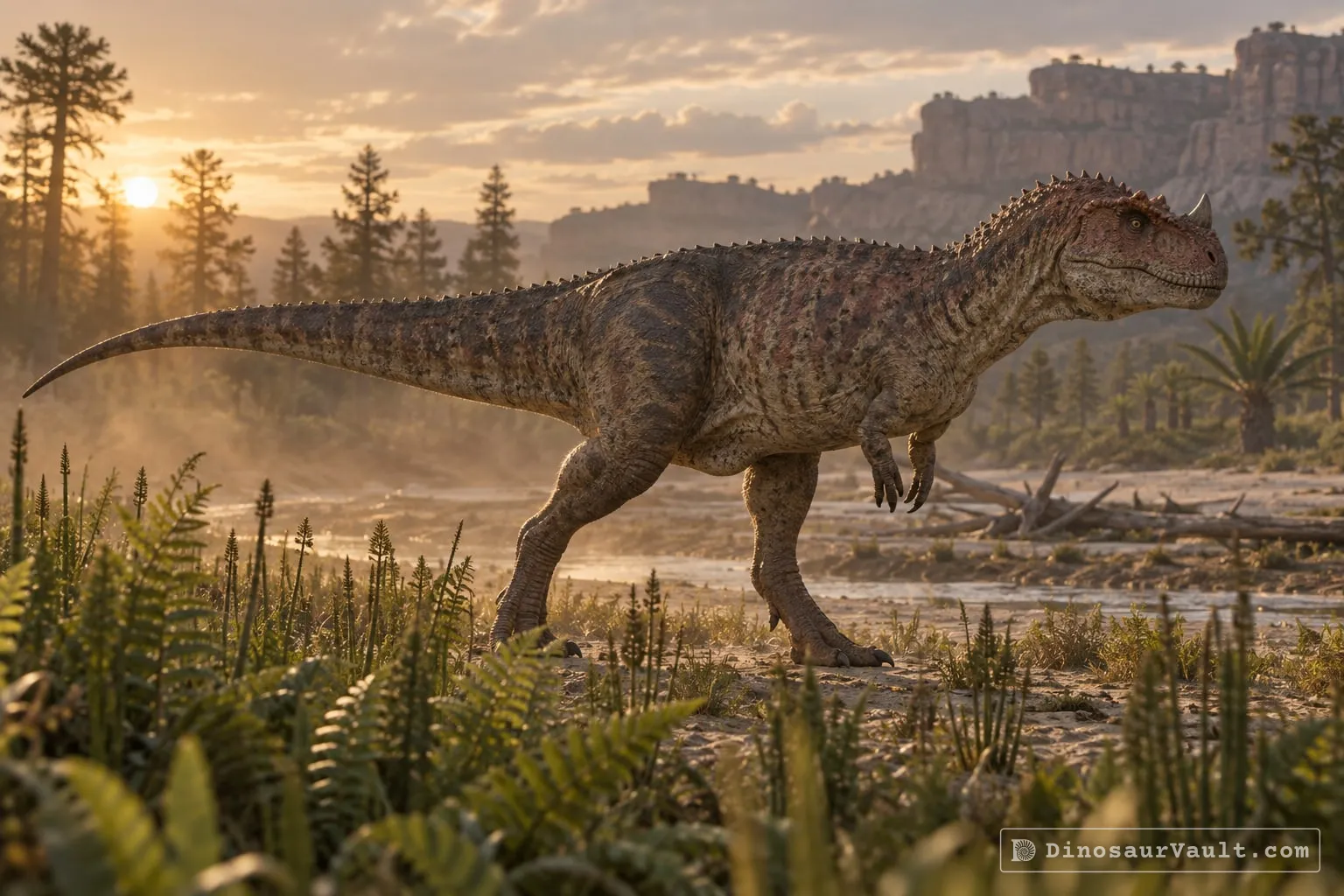
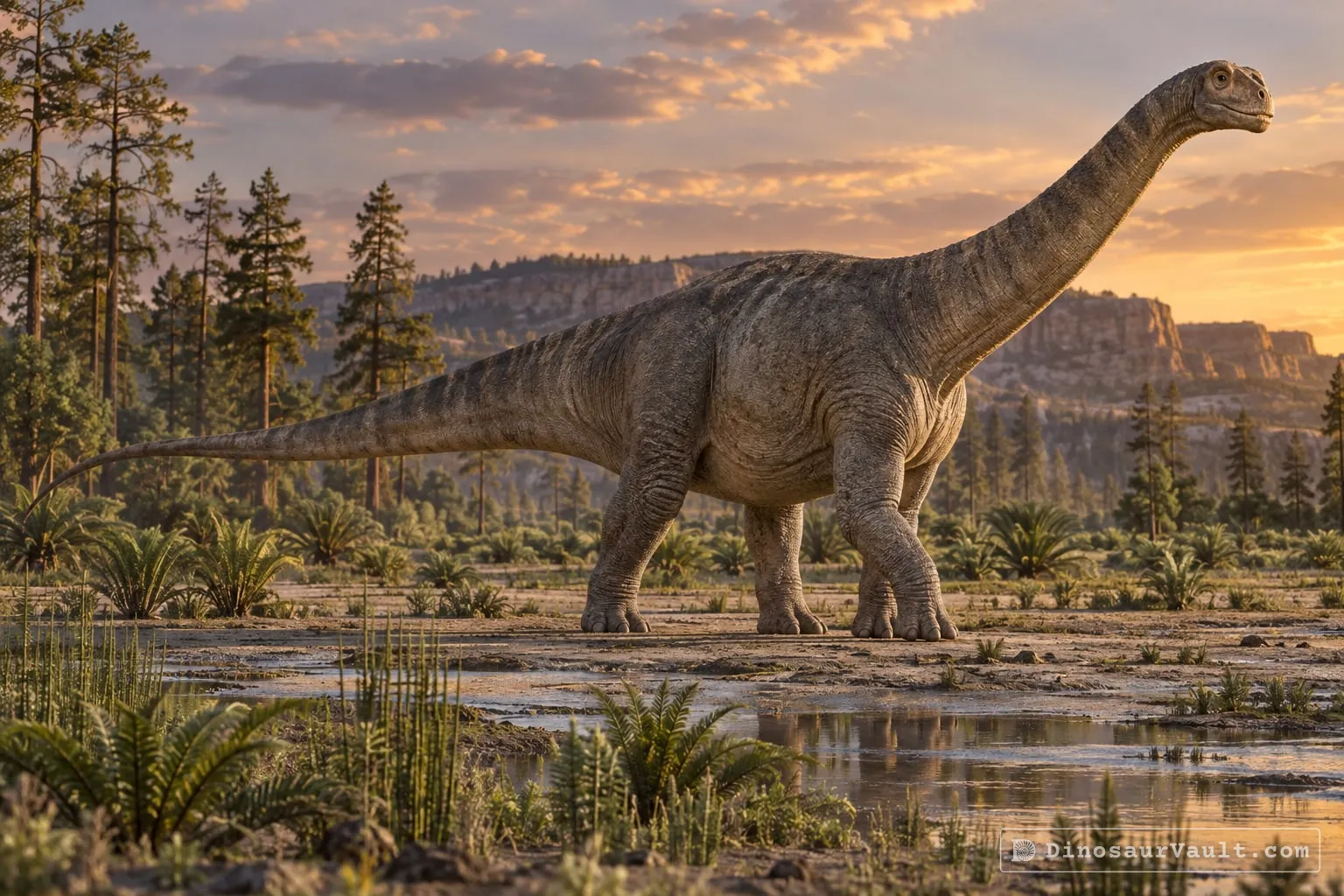


A rock formation can hold fossils laid down millions of years apart, so not every animal here met Hesperornithoides.
The evidence
The science behind Hesperornithoides
Which parts of the picture come from its own bones, and which come from its relatives.
From its own fossils
- The type skeleton preserves a partial skull, jaws, neck and tail bones, and parts of the arms and legs. Its snout tips were destroyed during collection.
- Its short arms and long legs point to a ground-dwelling animal that probably did not fly.
- Some claws may retain traces of their outer horny covering.
Borrowed from relatives
- Missing neck and rib regions are compared with Jianianhualong, and torso, hip and hand regions with Sinornithoides.
- Missing parts of its skull roof and snout are compared with Sinovenator.
Still unknown
- Its feather colors and the shape of its plumage.
- What it ate.
- Its closest relatives, nesting habits and care of its young.
Discovery timeline
- 2017Family treeXu et al.
- 2018SkullsYin, Pei & Zhou
- 2019Named itHartman et al.
Key papers
The research behind what we know of Hesperornithoides
Family tree
Described Jianianhualong with preserved feathers, including asymmetrical tail feathers.
Mosaic evolution in an asymmetrically feathered troodontid dinosaur with transitional features. Nature Communications 8
Read the paper : Mosaic evolution in an asymmetrically feathered troodontid dinosaur with transitional features (opens in a new tab)Skulls
Described Sinovenator skull and neck material from China, used to compare cheek and skull-roof bones of small troodontids.
Cranial morphology of Sinovenator changii (Theropoda: Troodontidae) on the new material from the Yixian Formation of western Liaoning, China. PeerJ 6: e4977
Read the paper : Cranial morphology of Sinovenator changii (Theropoda: Troodontidae) on the new material from the Yixian Formation of western Liaoning, China (opens in a new tab)Named it
Described a small troodontid from the Morrison Formation whose limb proportions show it lived on the ground.
A new paravian dinosaur from the Late Jurassic of North America supports a late acquisition of avian flight. PeerJ 7: e7247
Read the paper : A new paravian dinosaur from the Late Jurassic of North America supports a late acquisition of avian flight (opens in a new tab)
Close relatives
Other members of Troodontidae


Sources: Wikidata