Pectinodon
"comb tooth"
- Lived
- 72 to 66 million years ago, Late Cretaceous
- Diet
- Omnivore
- Group
- Theropods, Troodontidae
- Found in
- United States
- Named by
- Carpenter 1982
Where its fossils were found
The evidence
Today

70 million years ago
Habitat
River floodplains supported flowering plants, conifers and ferns. Tyrannosaurus, Triceratops and Edmontosaurus also lived in the Lance and Hell Creek landscapes.
Field notes
About Pectinodon
What it was like
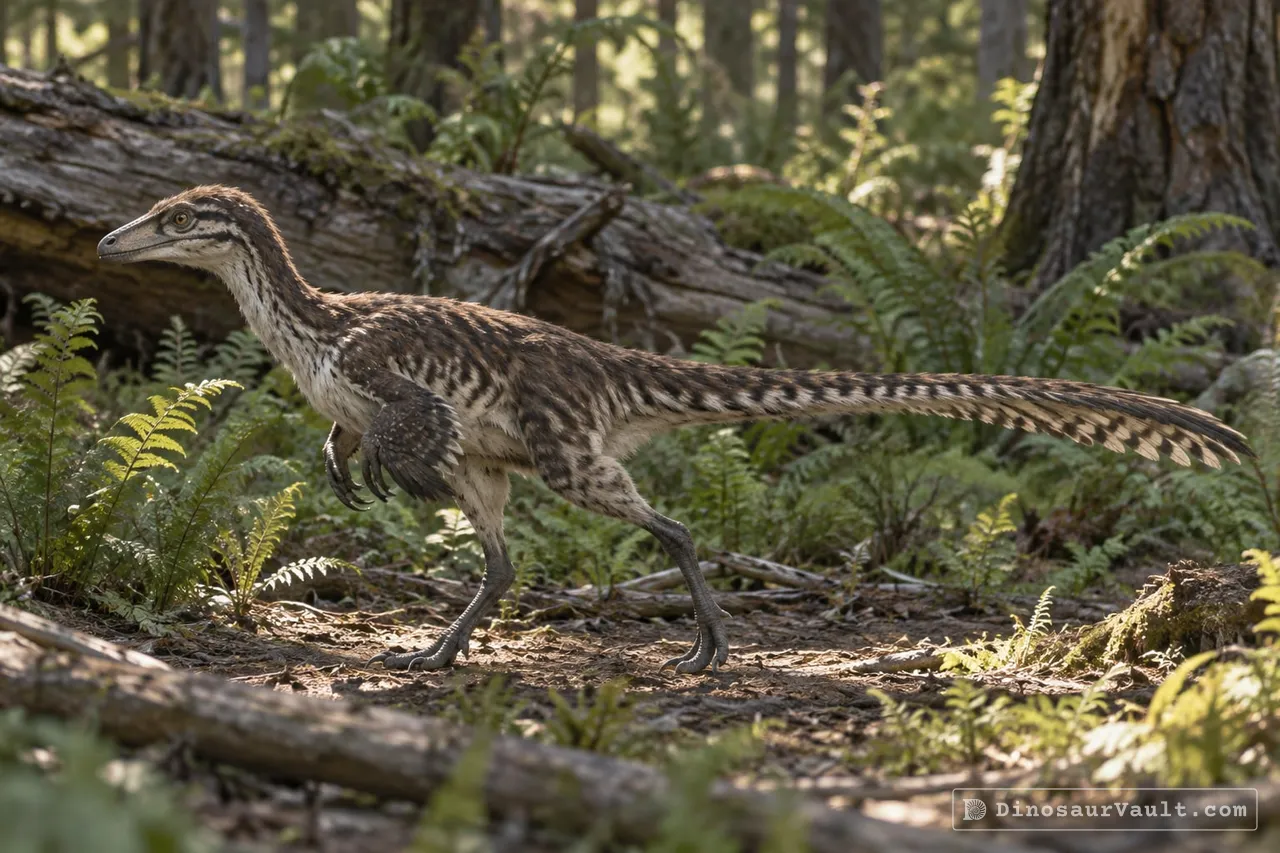
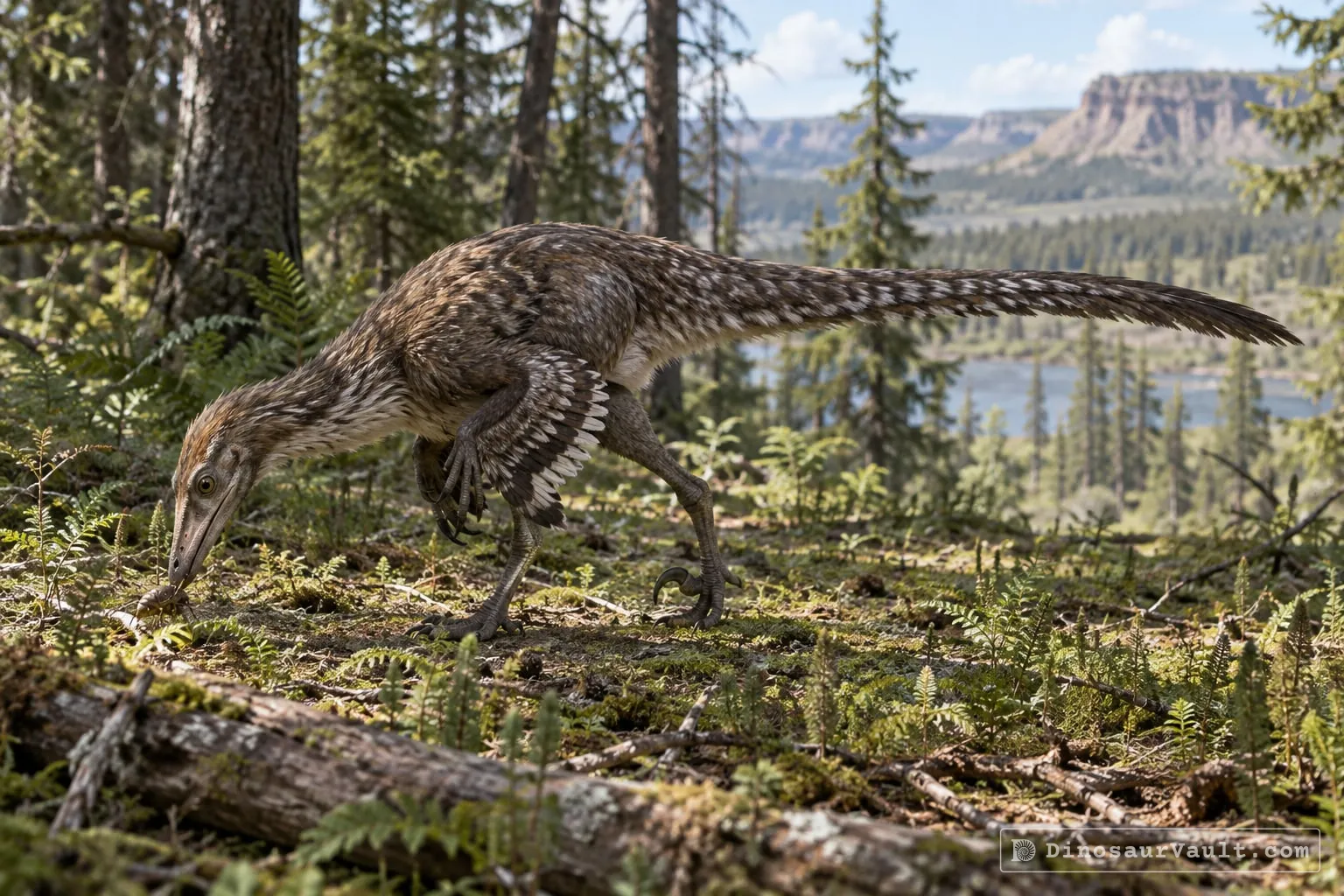
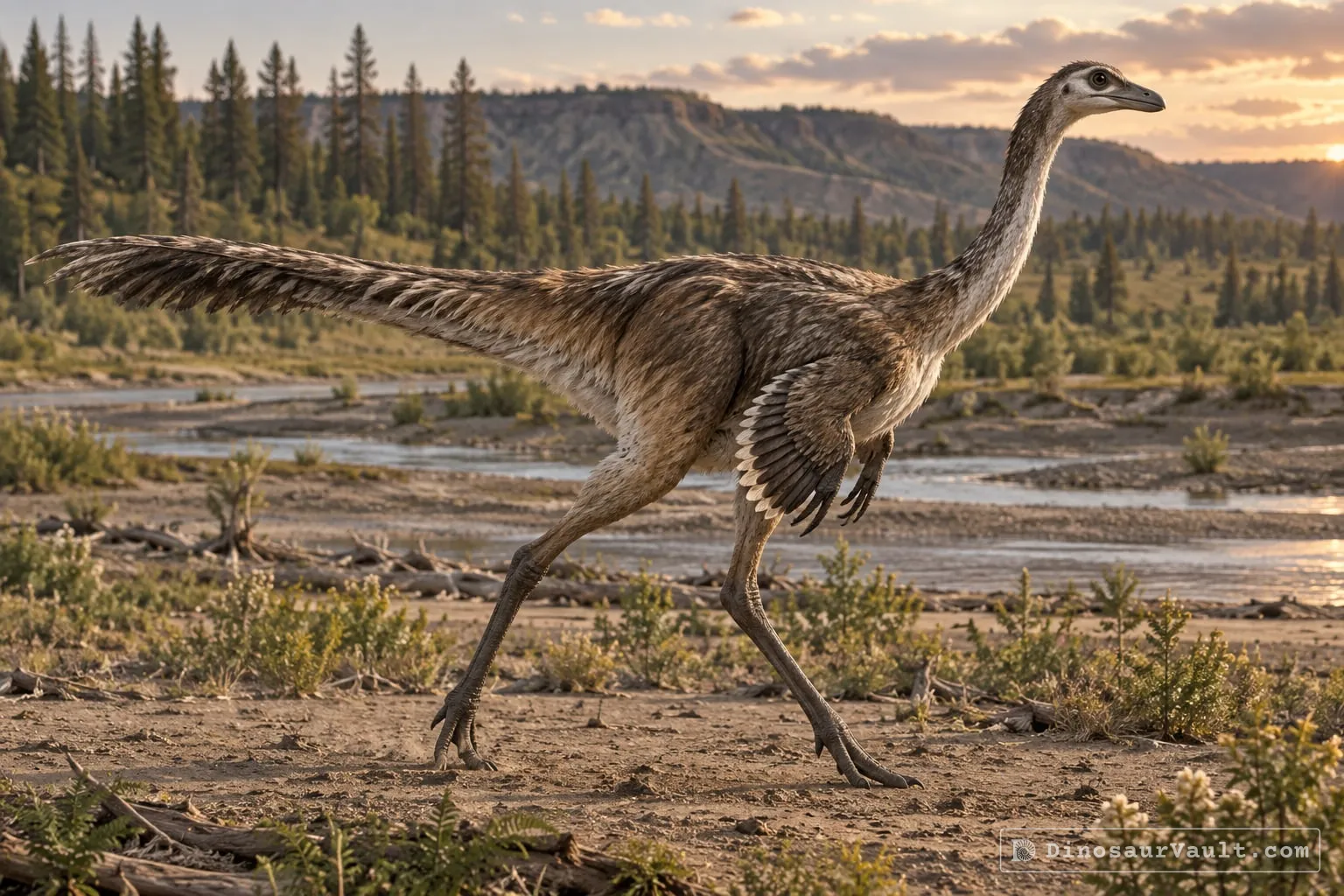
Pectinodon is known only from teeth. They belong to a troodontid, a small, feathered, big-eyed theropod. The teeth carry large, hooked bumps along their edges, like the teeth of a comb, which gave the genus its name. Some scientists think it is a species of Troodon.
Its world
It lived at the very end of the Late Cretaceous in what is now Wyoming and South Dakota. Its teeth come from the Lance and Hell Creek formations, where it lived alongside Tyrannosaurus, Triceratops and Edmontosaurus.
How it was found
Carpenter named Pectinodon in 1982.
Field gallery
More views of Pectinodon
Scenes reconstructed from the available fossil evidence.
Lived alongside
Found in the same rock formations
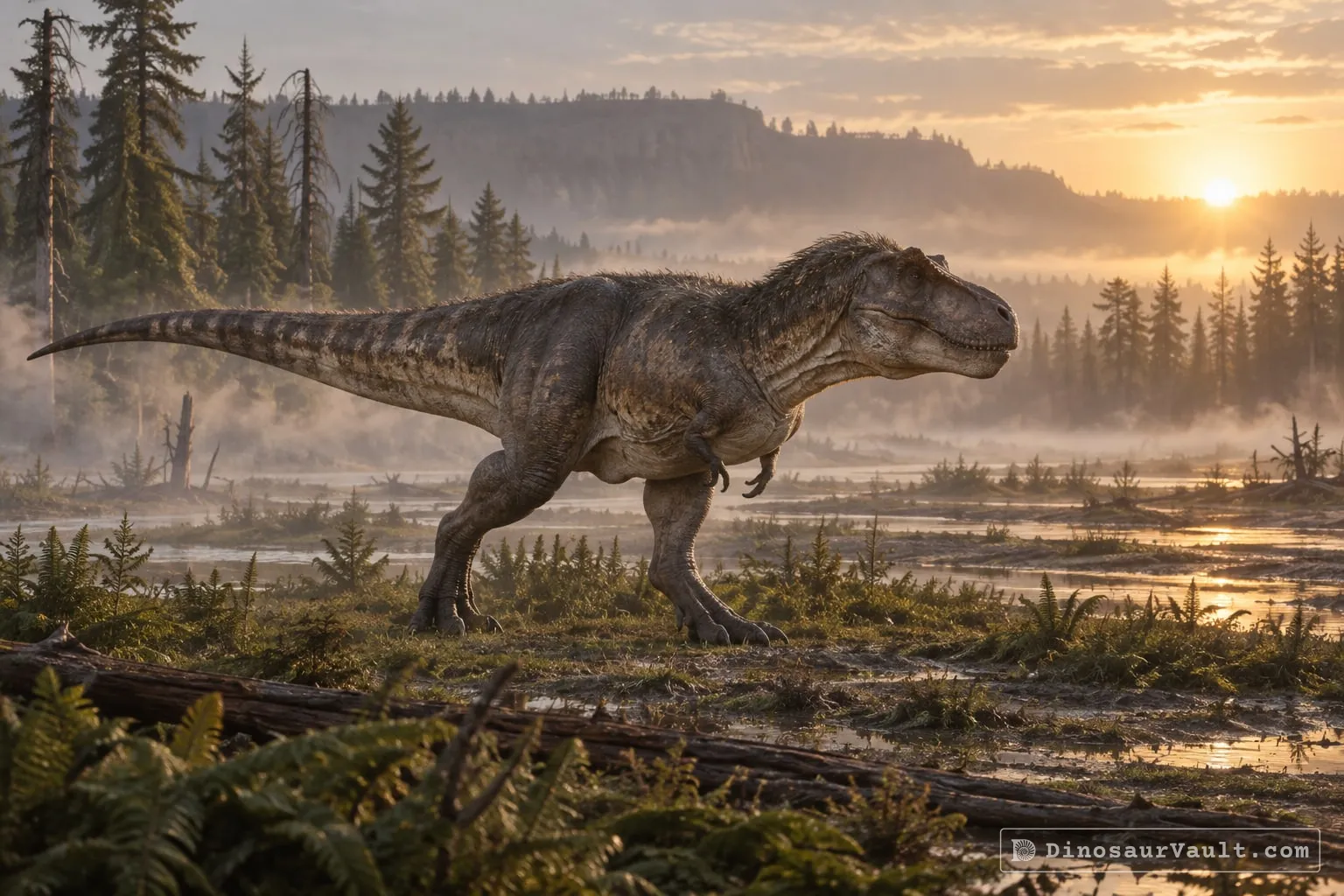
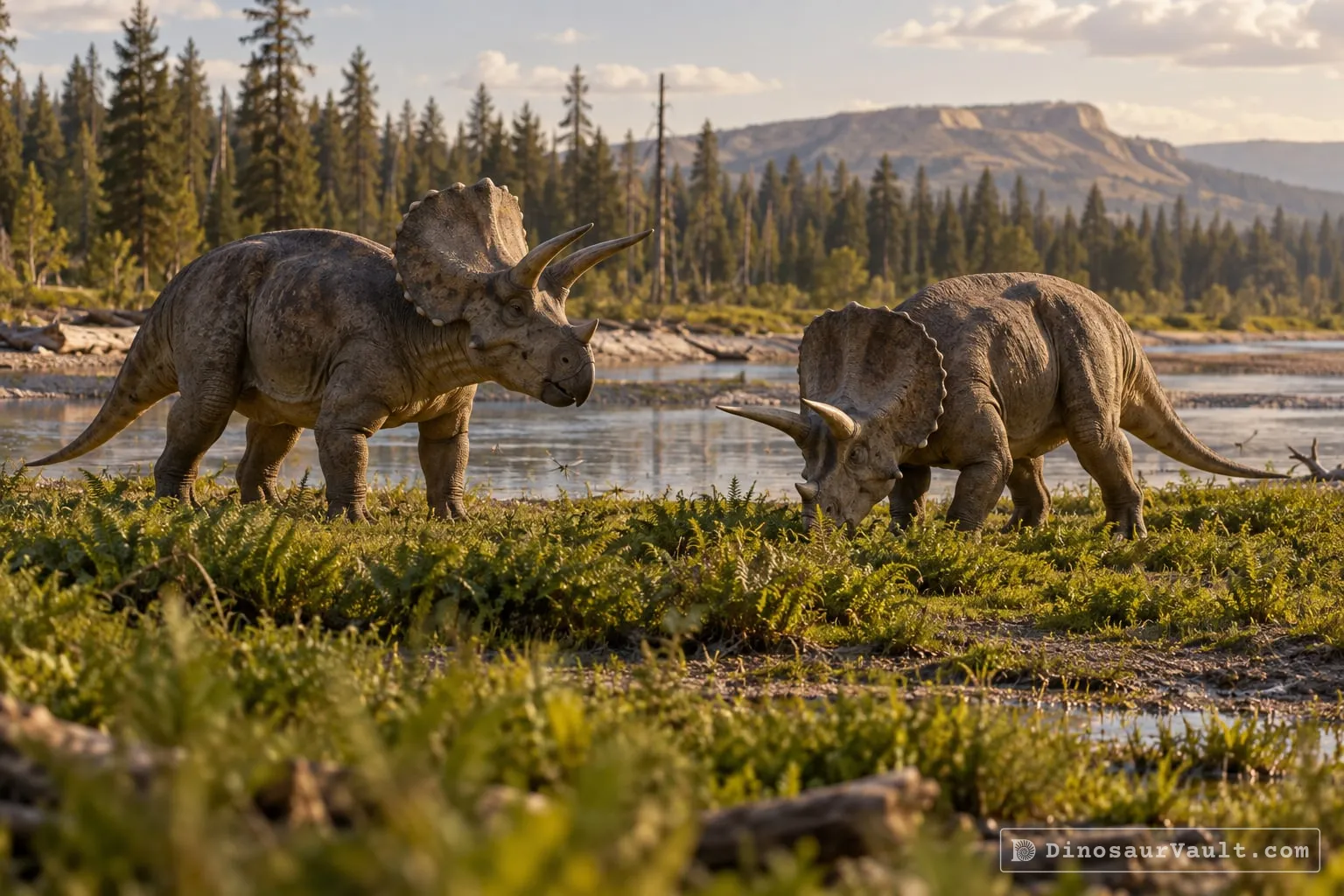
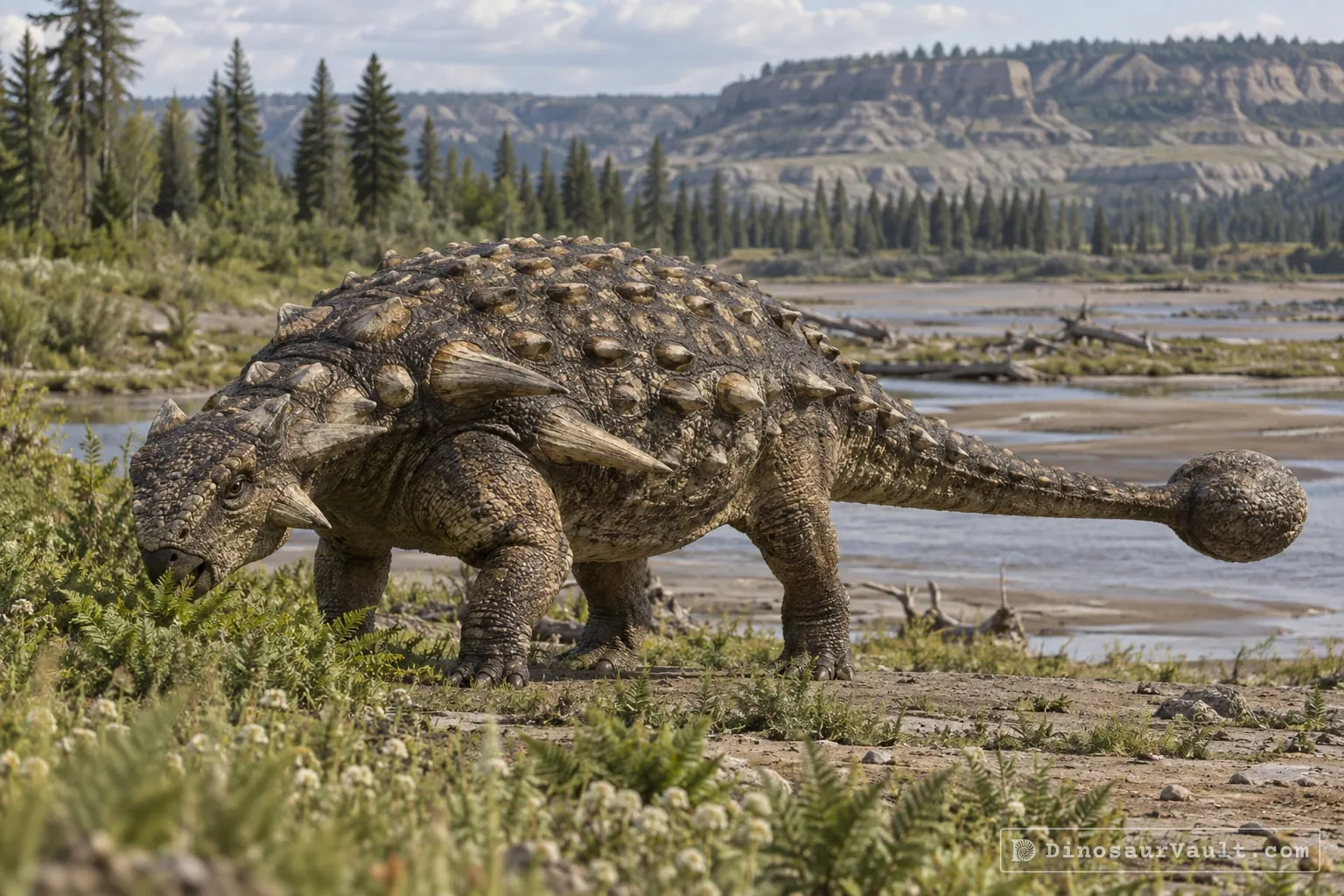
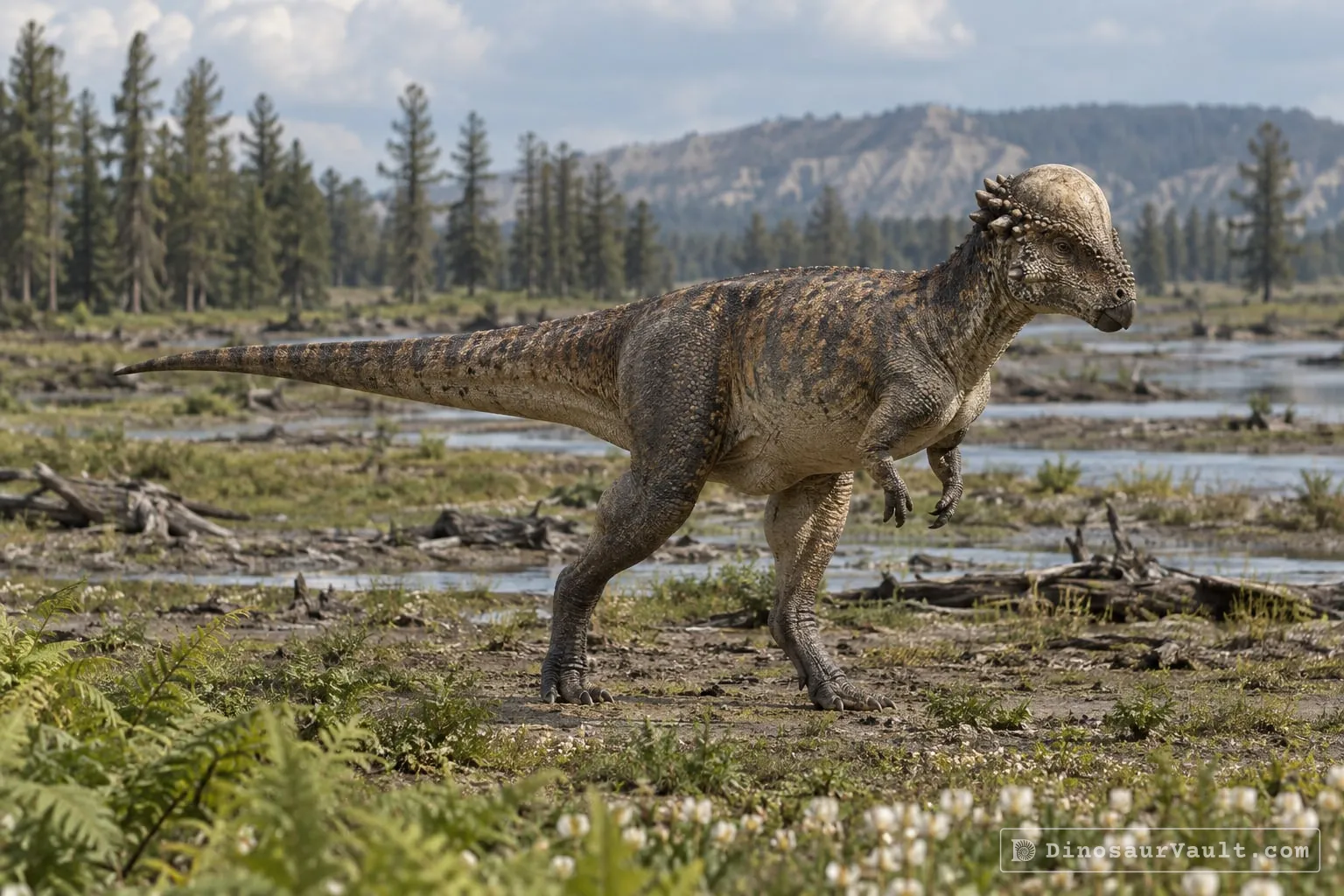
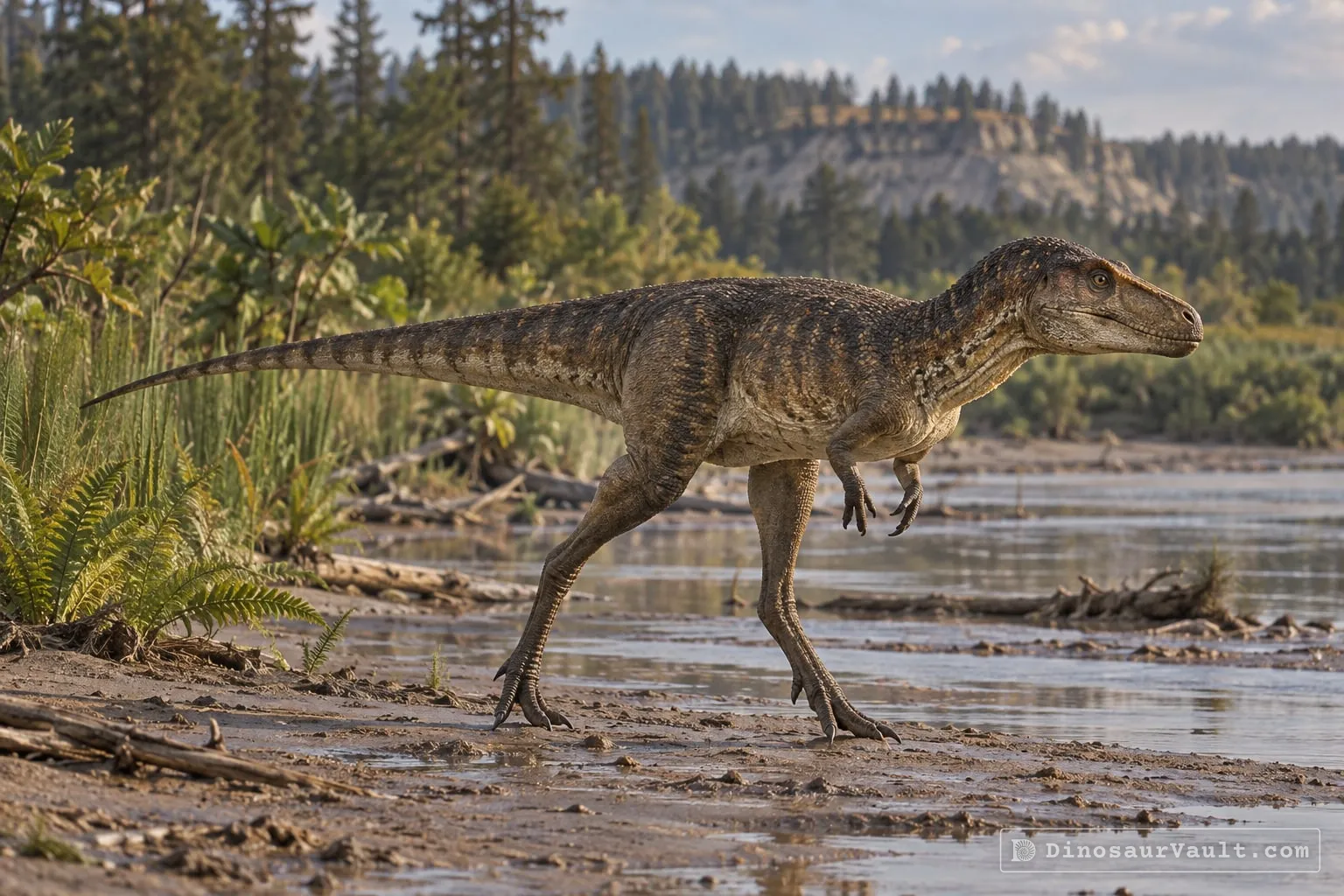
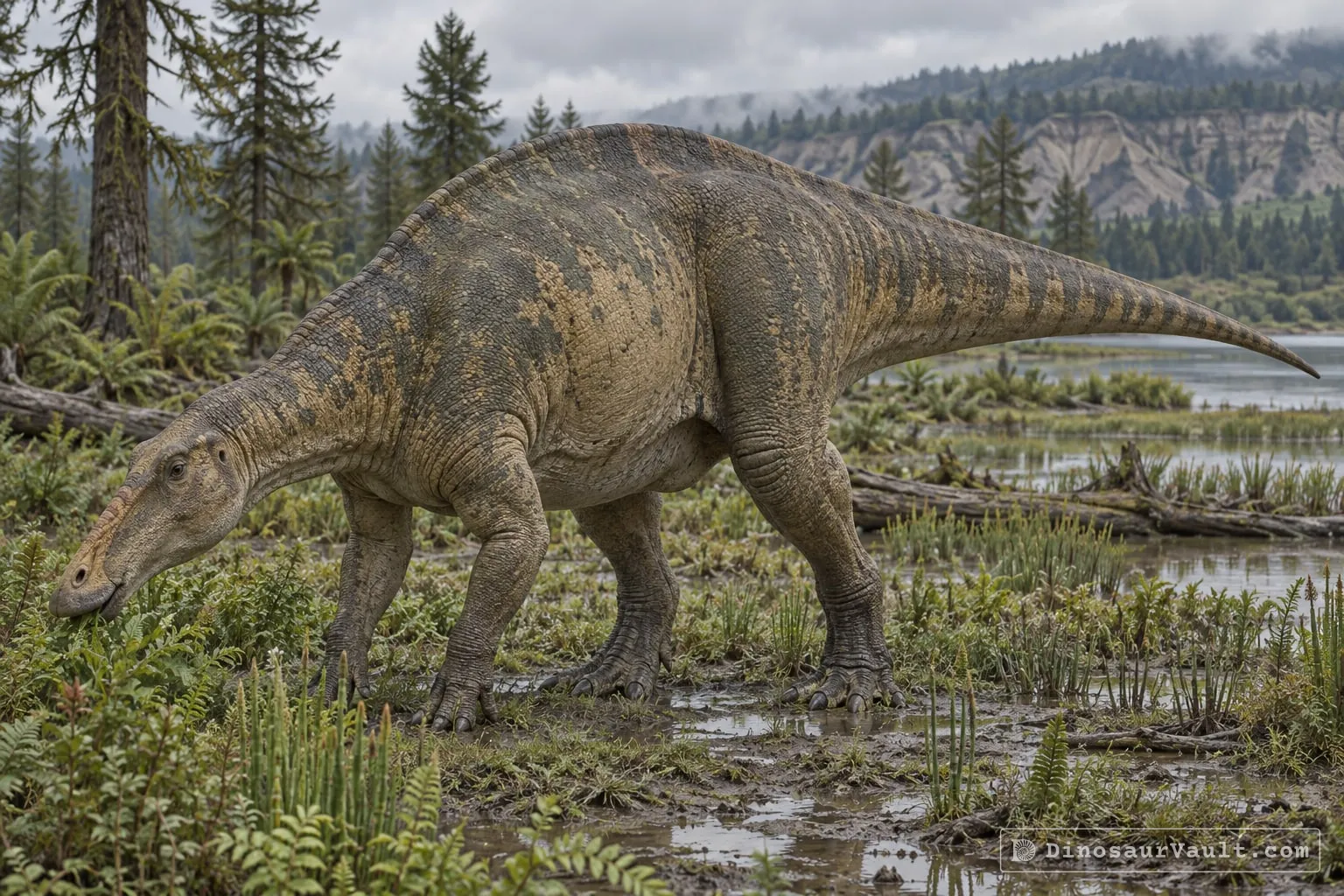


A rock formation can hold fossils laid down millions of years apart, so not every animal here met Pectinodon.
The evidence
The science behind Pectinodon
Which parts of the picture come from its own bones, and which come from its relatives.
From its own fossils
- Isolated teeth have flattened crowns with large, hooked serrations along the back edge.
- Tooth measurements distinguish the Lance and Hell Creek material from several older troodontid tooth samples.
Borrowed from relatives
- The legs and balancing tail are restored from better-known troodontids such as Talos and Stenonychosaurus.
Still unknown
- Its adult size and skull shape.
- The exact mix of foods it ate.
- Its feather covering and color.
Discovery timeline
- 1982Named itCarpenter
- 1987Family treeCurrie
- 2013Full descriptionLarson & Currie
Key papers
The research behind what we know of Pectinodon
Named it
Named Pectinodon from teeth with unusually large back-edge serrations and described smaller teeth as probable remains of babies.
Baby dinosaurs from the Late Cretaceous Lance and Hell Creek formations and a description of a new species of theropod. Contributions to Geology, University of Wyoming 20: 123-134
No link available
Family tree
Compared troodontid jaws and teeth and proposed grouping Pectinodon and Stenonychosaurus under Troodon.
Bird-like characteristics of the jaws and teeth of troodontid theropods (Dinosauria, Saurischia). Journal of Vertebrate Paleontology 7: 72-81
Read the paper : Bird-like characteristics of the jaws and teeth of troodontid theropods (Dinosauria, Saurischia) (opens in a new tab)Full description
Found that Pectinodon teeth from the Lance and Hell Creek formations formed a distinct group from several older troodontid samples.
Multivariate Analyses of Small Theropod Dinosaur Teeth and Implications for Paleoecological Turnover through Time. PLoS ONE 8: e54329
Read the paper : Multivariate Analyses of Small Theropod Dinosaur Teeth and Implications for Paleoecological Turnover through Time (opens in a new tab)
Close relatives
Other members of Troodontidae


Sources: Wikidata