Outline: a typical theropod
Latenivenatrix
"hiding huntress"
- Lived
- 84 to 72 million years ago, Late Cretaceous
- Diet
- Omnivore
- Group
- Theropods, Troodontidae
- Found in
- Canada
- Named by
- van der Reest and Currie 2017
Where its fossils were found
The evidence
Today
80 million years ago
Field notes
About Latenivenatrix
What it was like
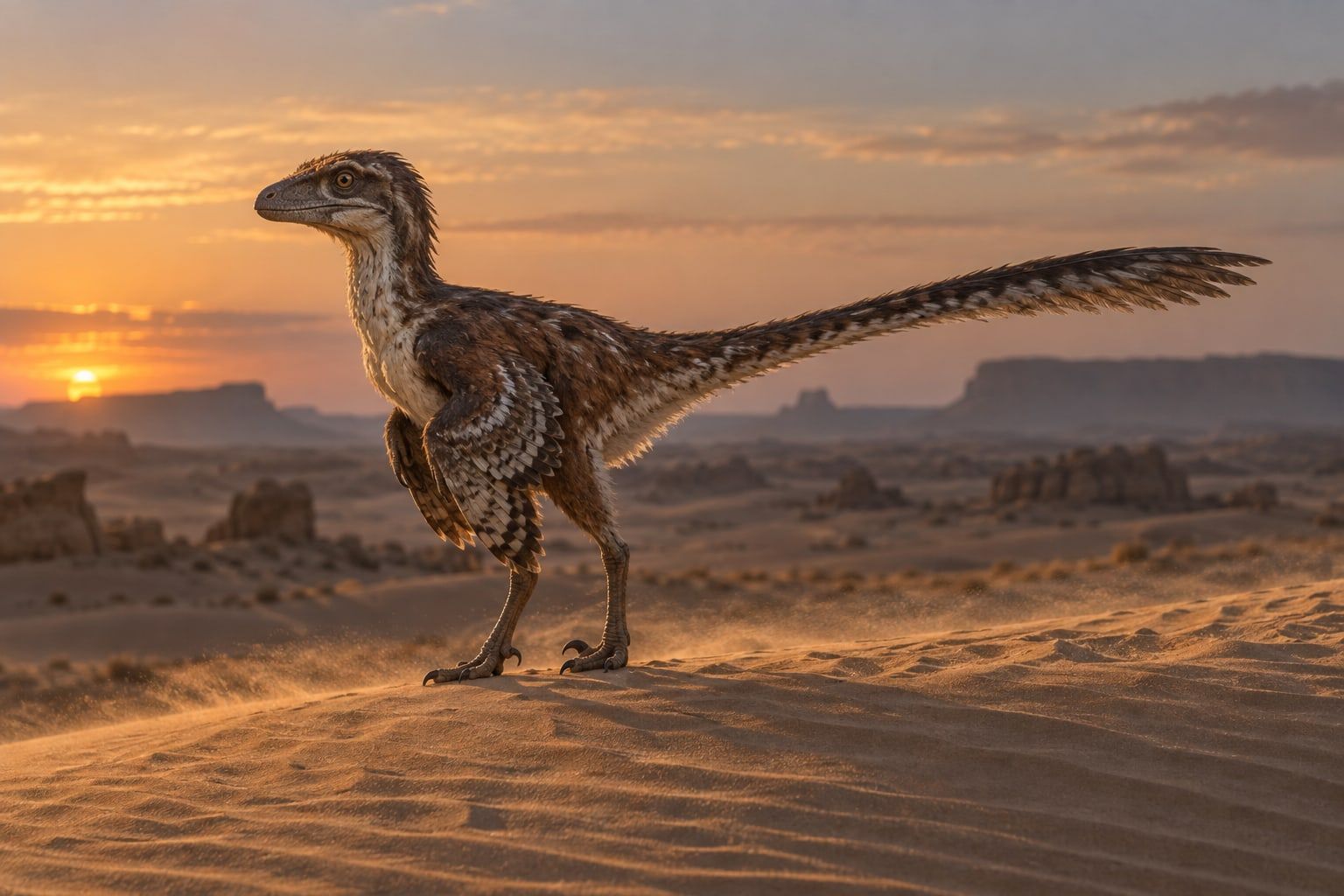
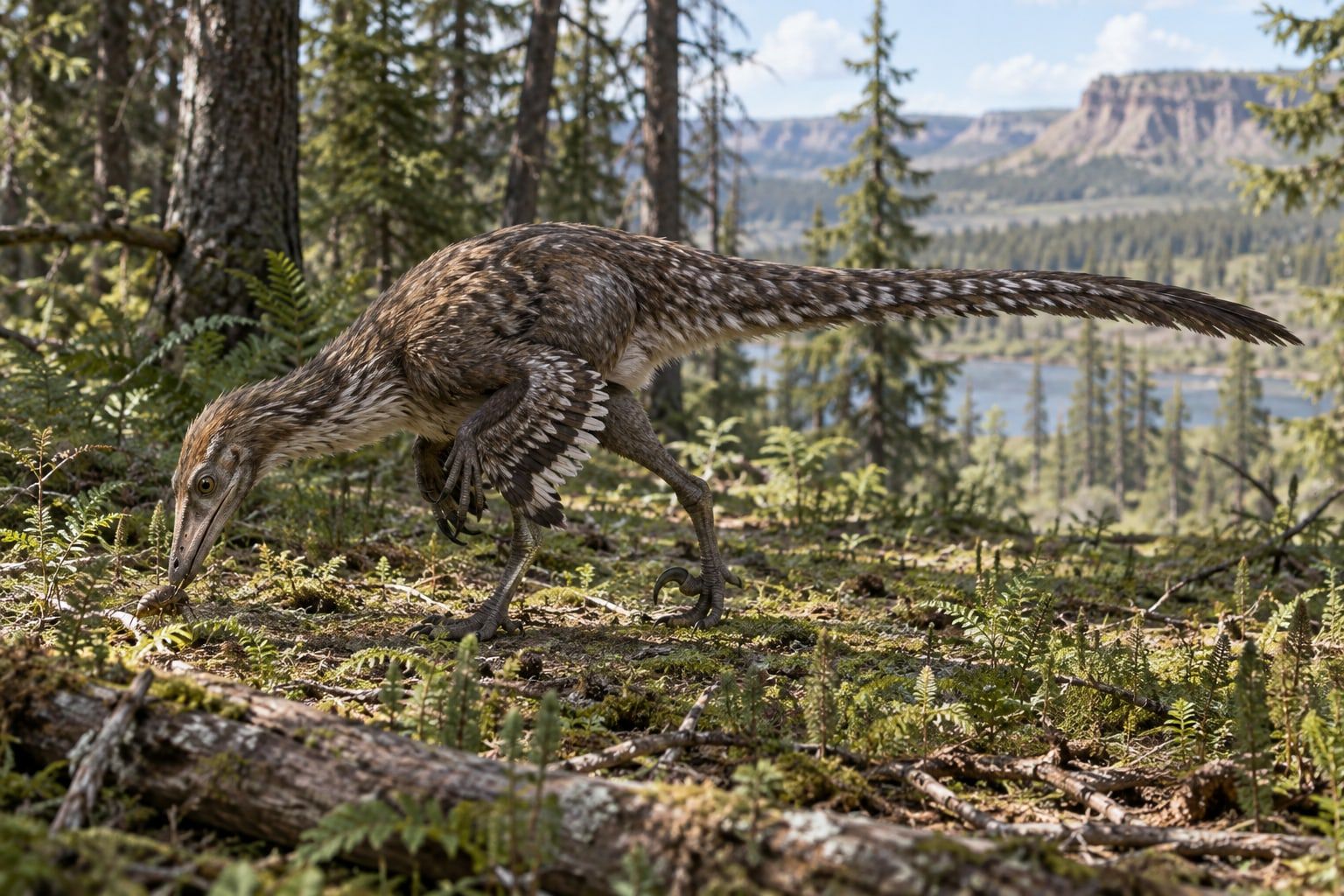
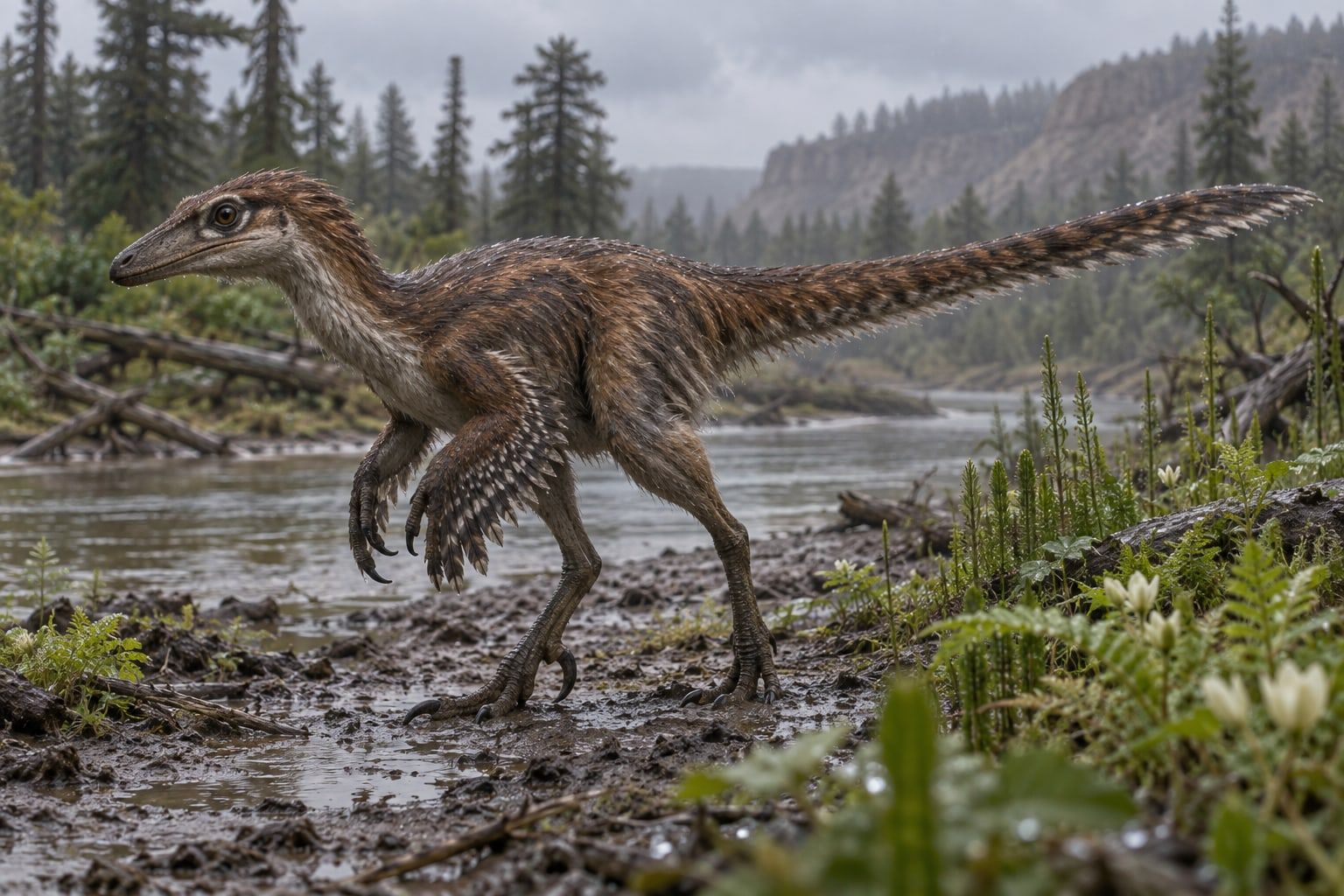
Latenivenatrix was a troodontid, a lightly built, feathered theropod with large eyes, long legs and a big brain for its size. It was one of the largest troodontids known and may have been an omnivore, eating small animals as well as plants.
Its world
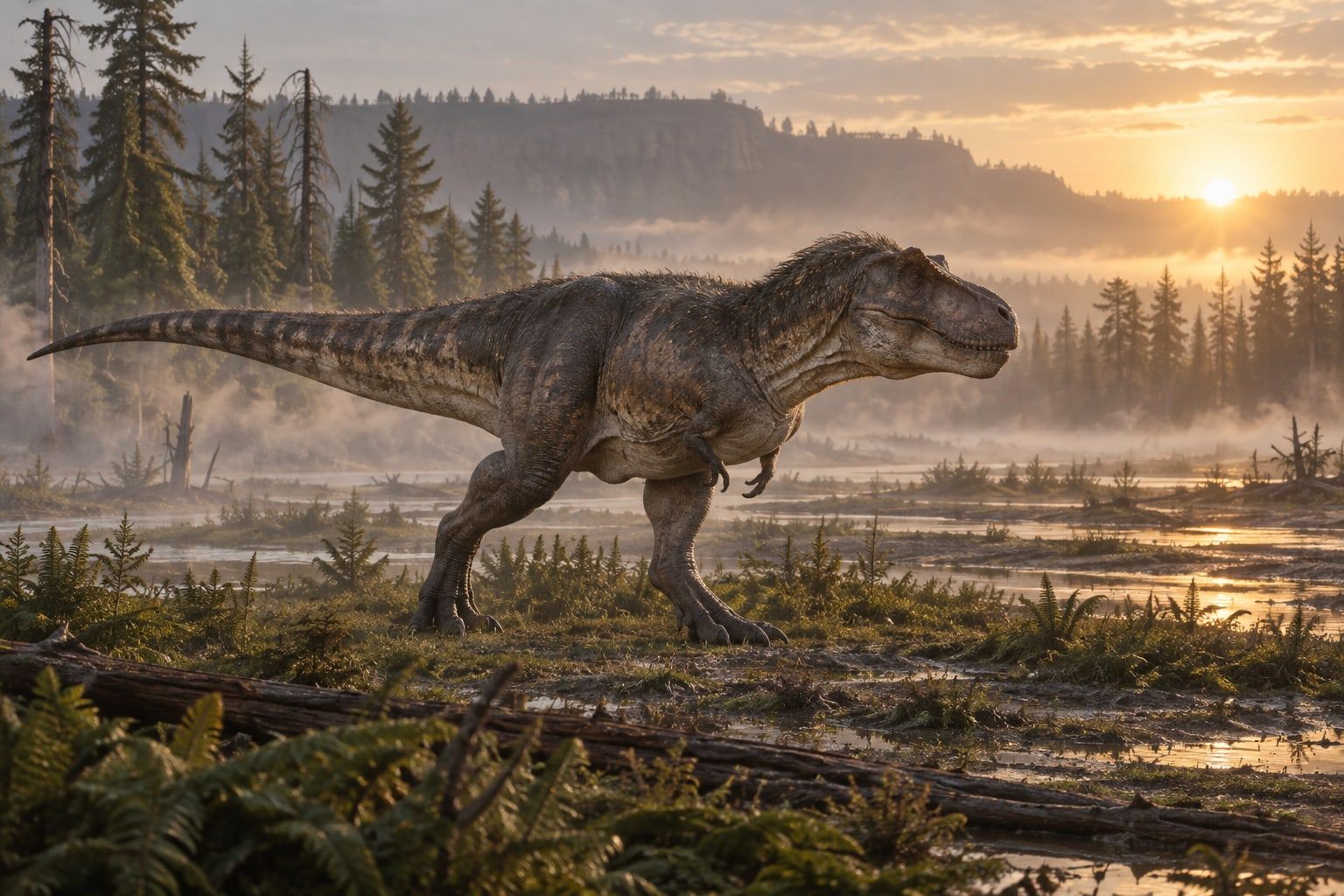
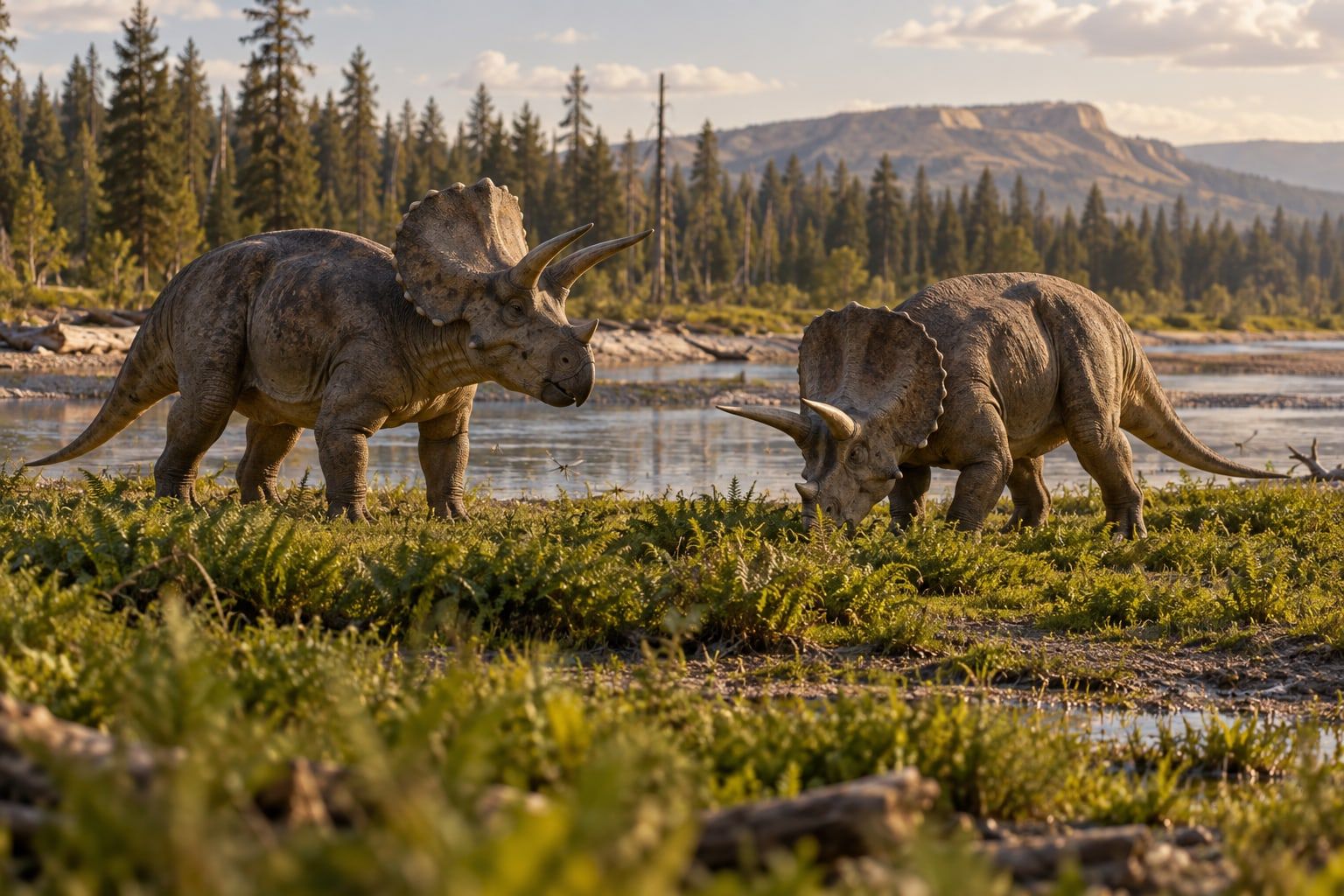
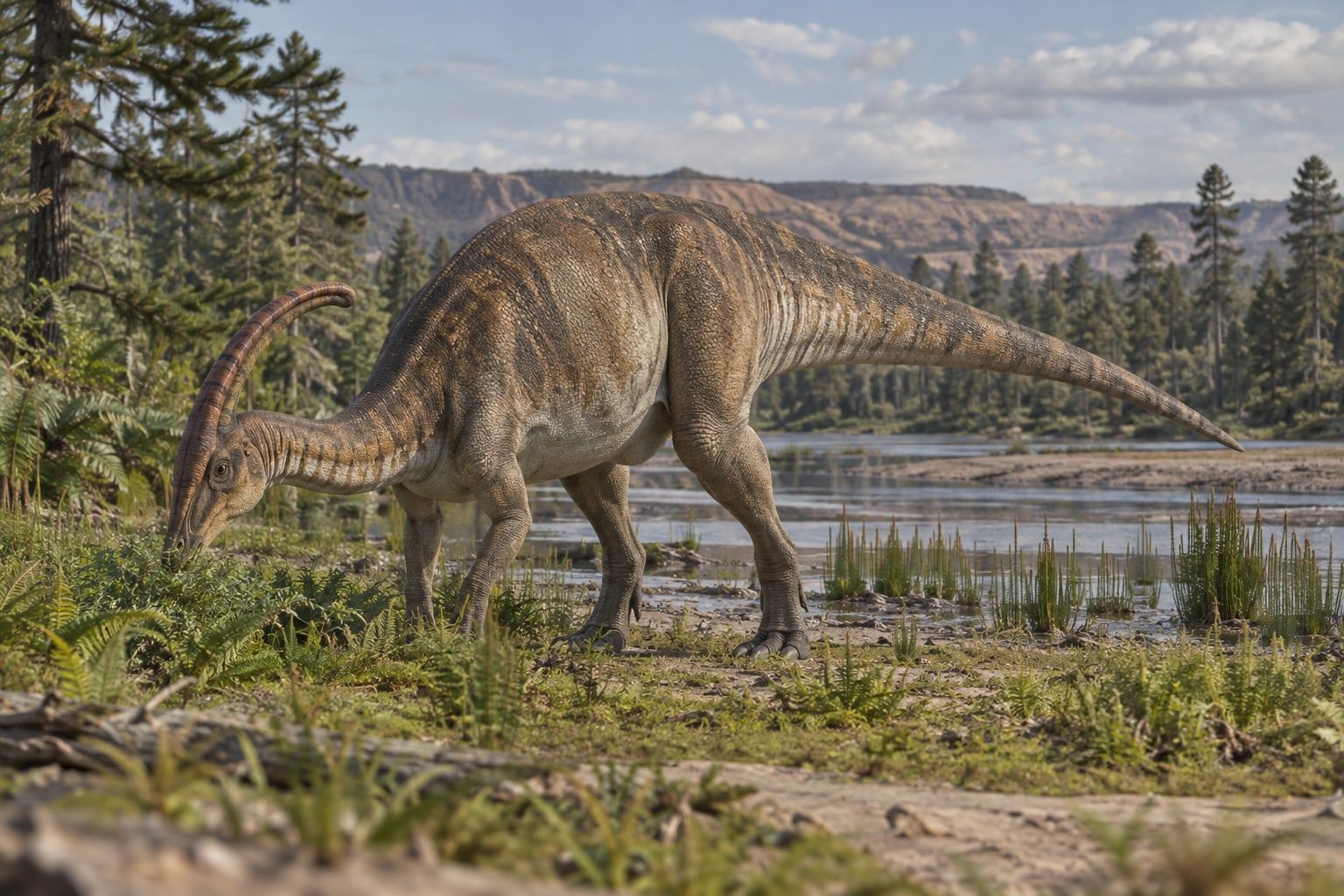
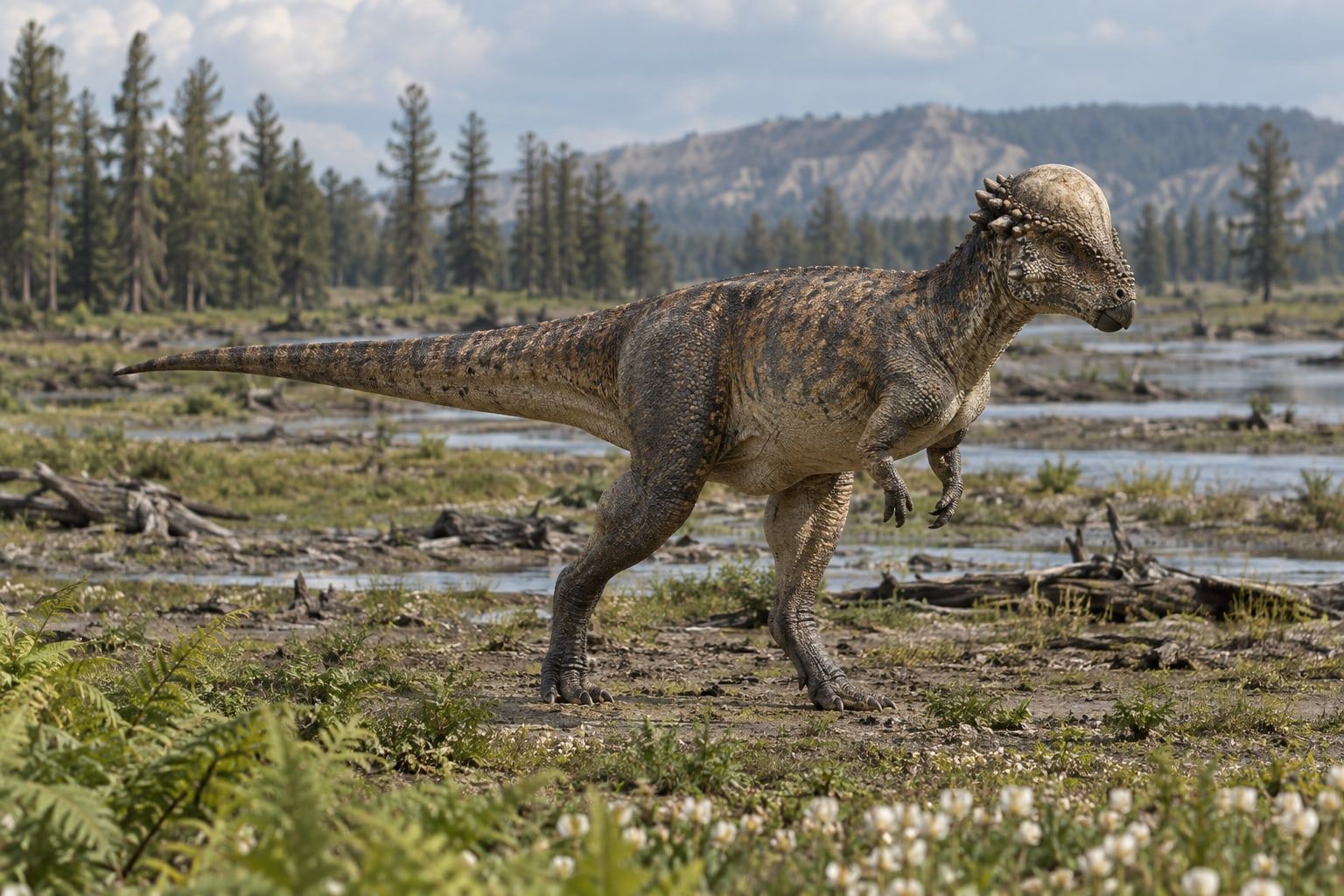
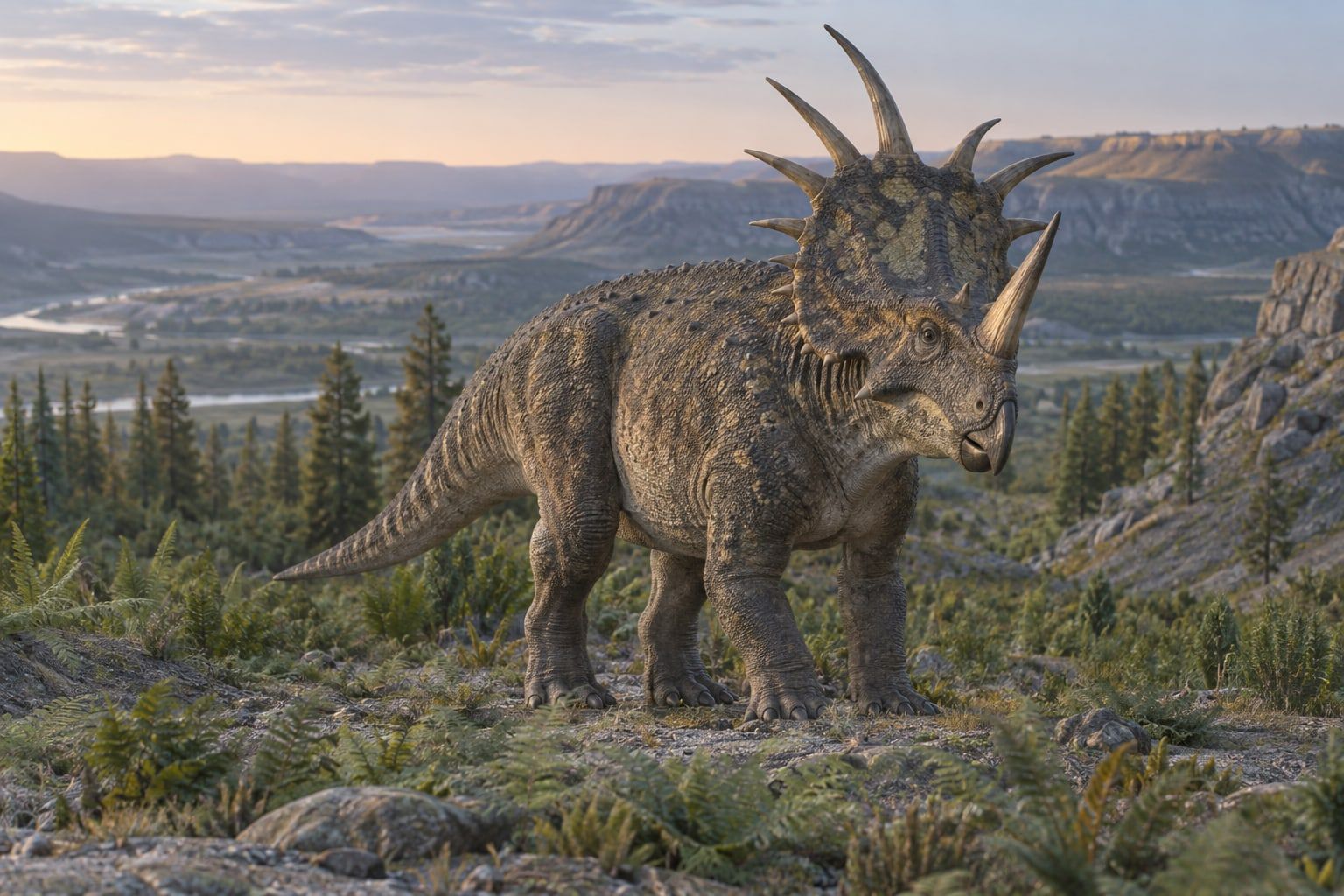
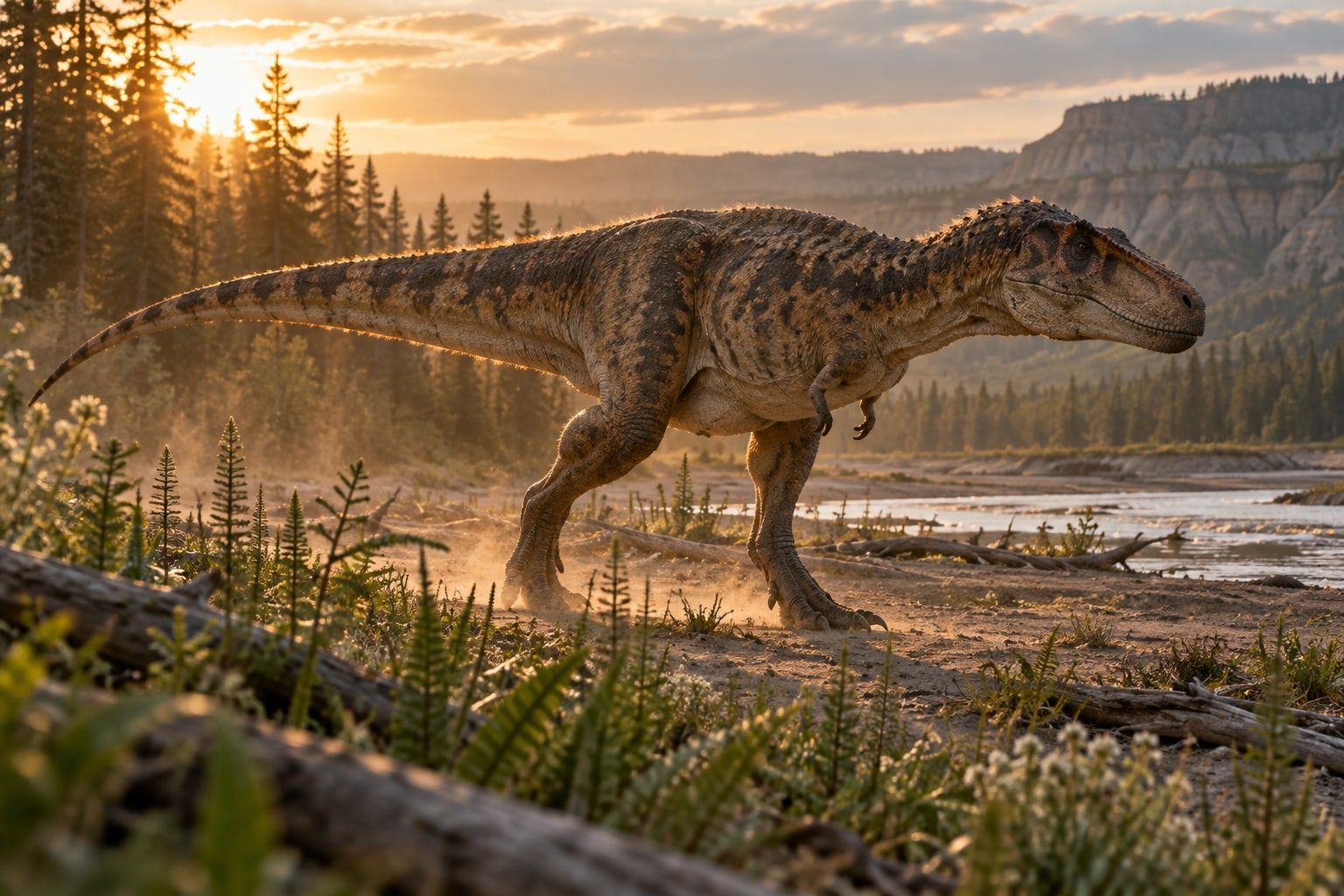
It lived in the Late Cretaceous, in what is now Alberta, Canada. Its bones come from the Dinosaur Park Formation, a rich rock layer shared with the tyrannosaur Gorgosaurus, the horned Styracosaurus and the crested duckbill Parasaurolophus.
How it was found
Van der Reest and Currie named Latenivenatrix in 2017, from bones that had long been placed in Troodon. Some scientists think it is the same animal as Stenonychosaurus, so its status is still debated.
Lived alongside
Found in the same rock formations
Close relatives
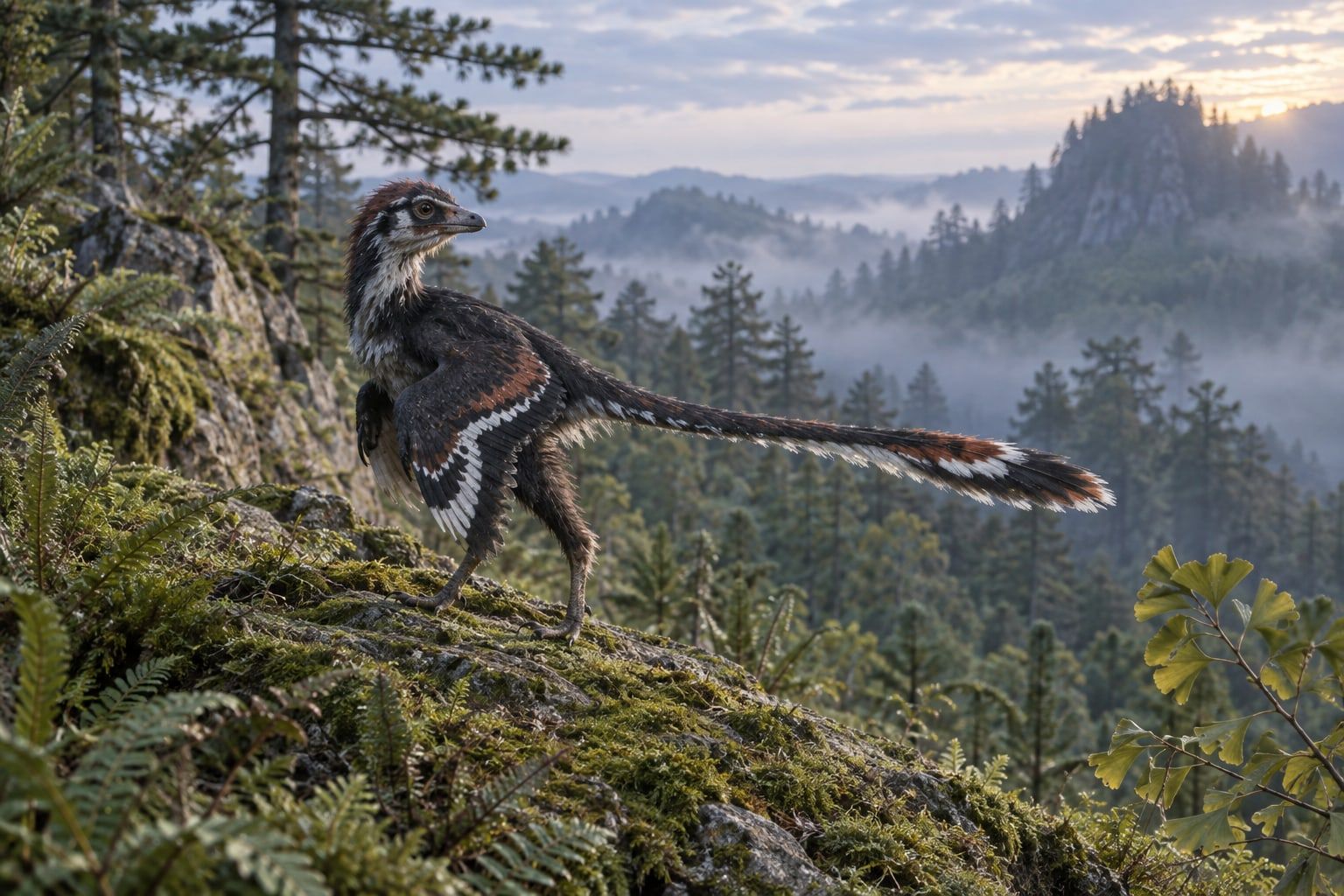
Other members of Troodontidae
Sources: WikidataNamed in: A. J. van der Reest and P. J. Currie. 2017. Troodontids (Theropoda) from the Dinosaur Park Formation, Alberta, with a description of a unique new taxon: implications for deinonychosaur diversity in North America . Canadian Journal of Earth Sciences 54:919-935