Sirindhorna
- Lived
- 121 to 113 million years ago, Early Cretaceous
- Diet
- Herbivore
- Group
- Ornithopods
- Found in
- Thailand
- Named by
- Shibata et al. 2015
Where its fossils were found
The evidence
Today

115 million years ago
Habitat
Meandering rivers crossed a landscape with a dry climate in the Khok Kruat Formation. Its neighbors included Siamraptor, Psittacosaurus and Siamodon.
Field notes
About Sirindhorna
What it was like
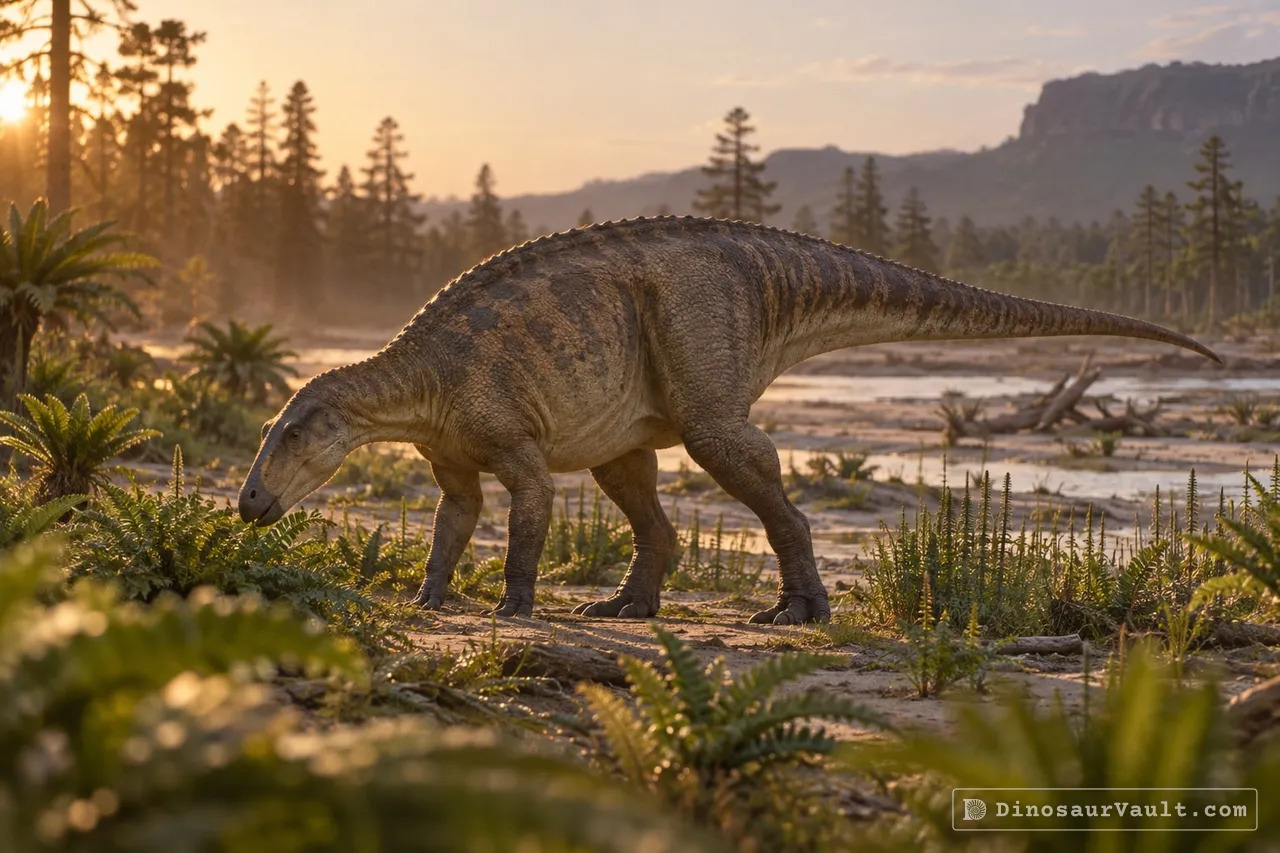
Sirindhorna was a plant eater, an early relative of the duck-billed dinosaurs. It is known from a well-preserved braincase and other skull bones.
Its world
It lived about 121 to 113 million years ago, in the Early Cretaceous, in what is now Thailand. Its bones come from the Khok Kruat Formation, where it shared the land with the predator Siamraptor and the small horned Psittacosaurus.
How it was found
Shibata and colleagues named it in 2015. The name honors a princess of Thailand.
Field gallery
More views of Sirindhorna
Scenes reconstructed from the available fossil evidence.
Lived alongside
Found in the same rock formations
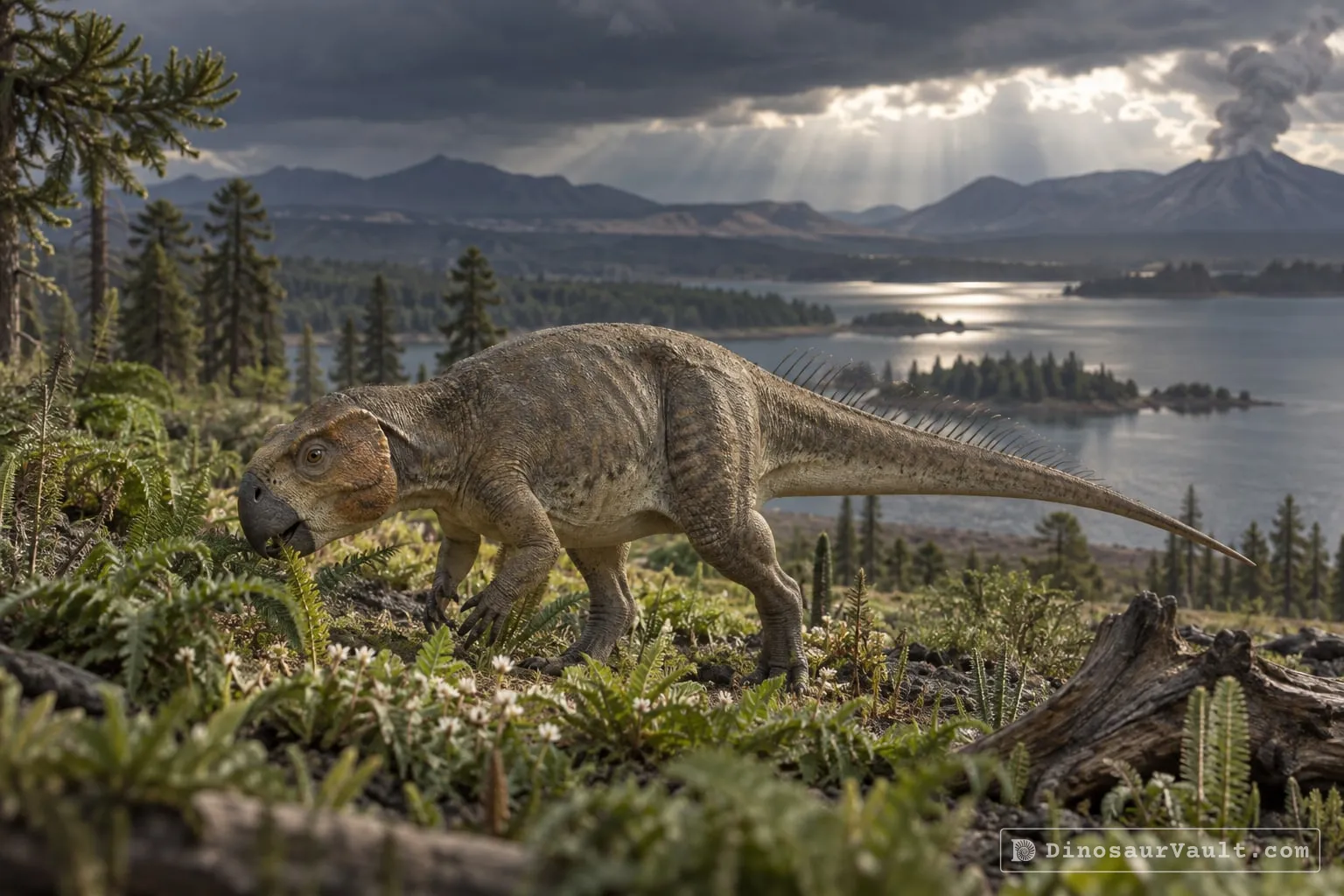
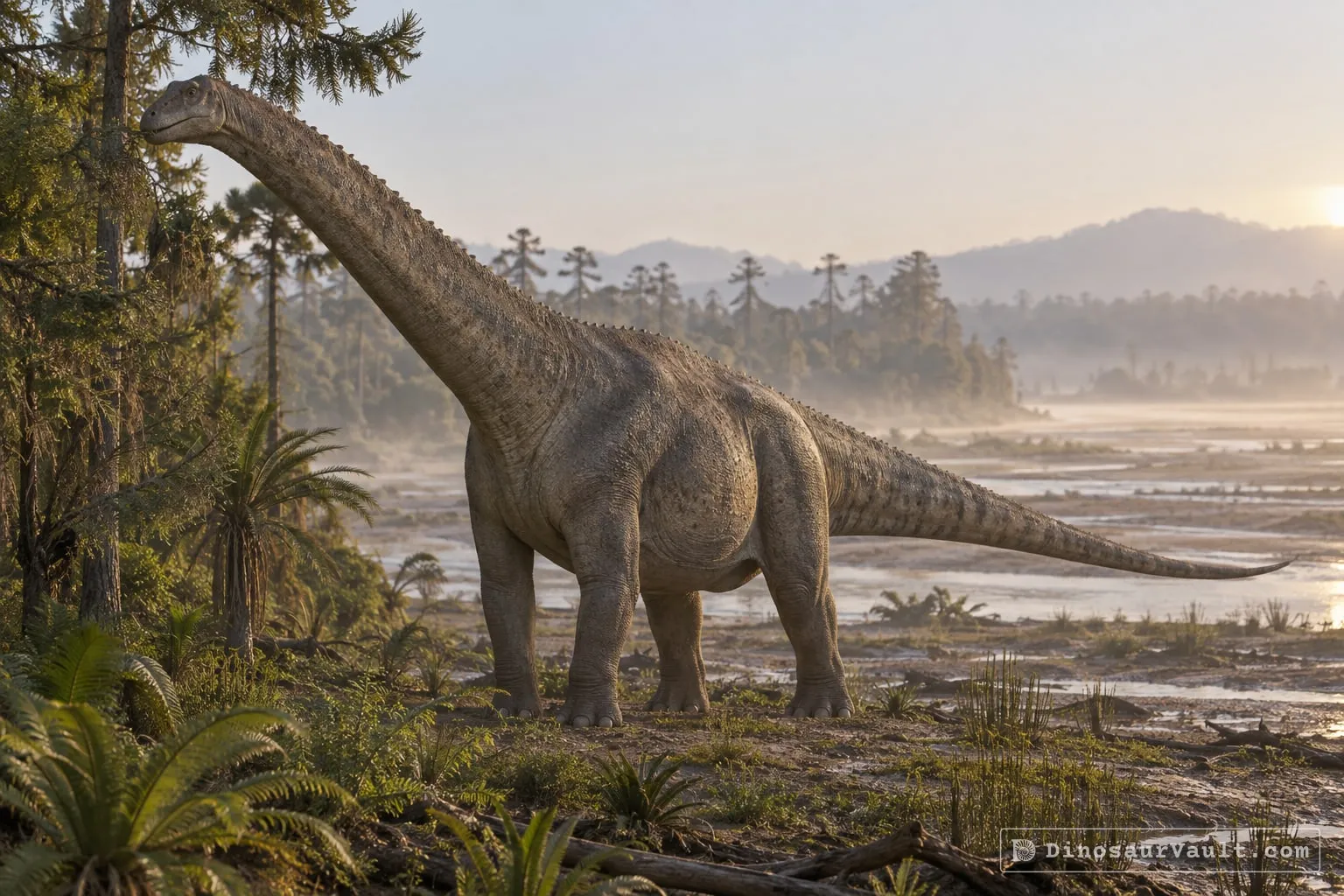
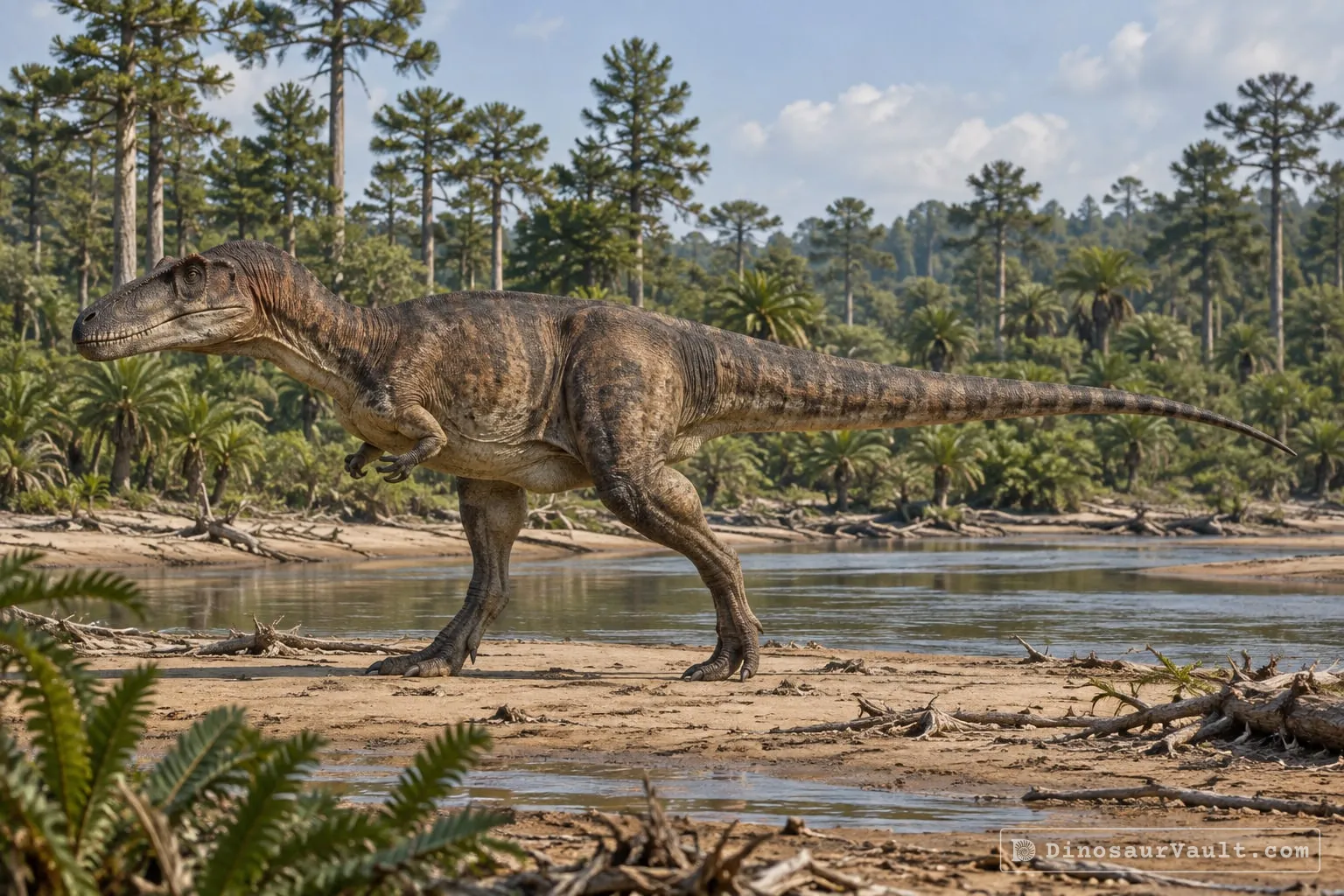
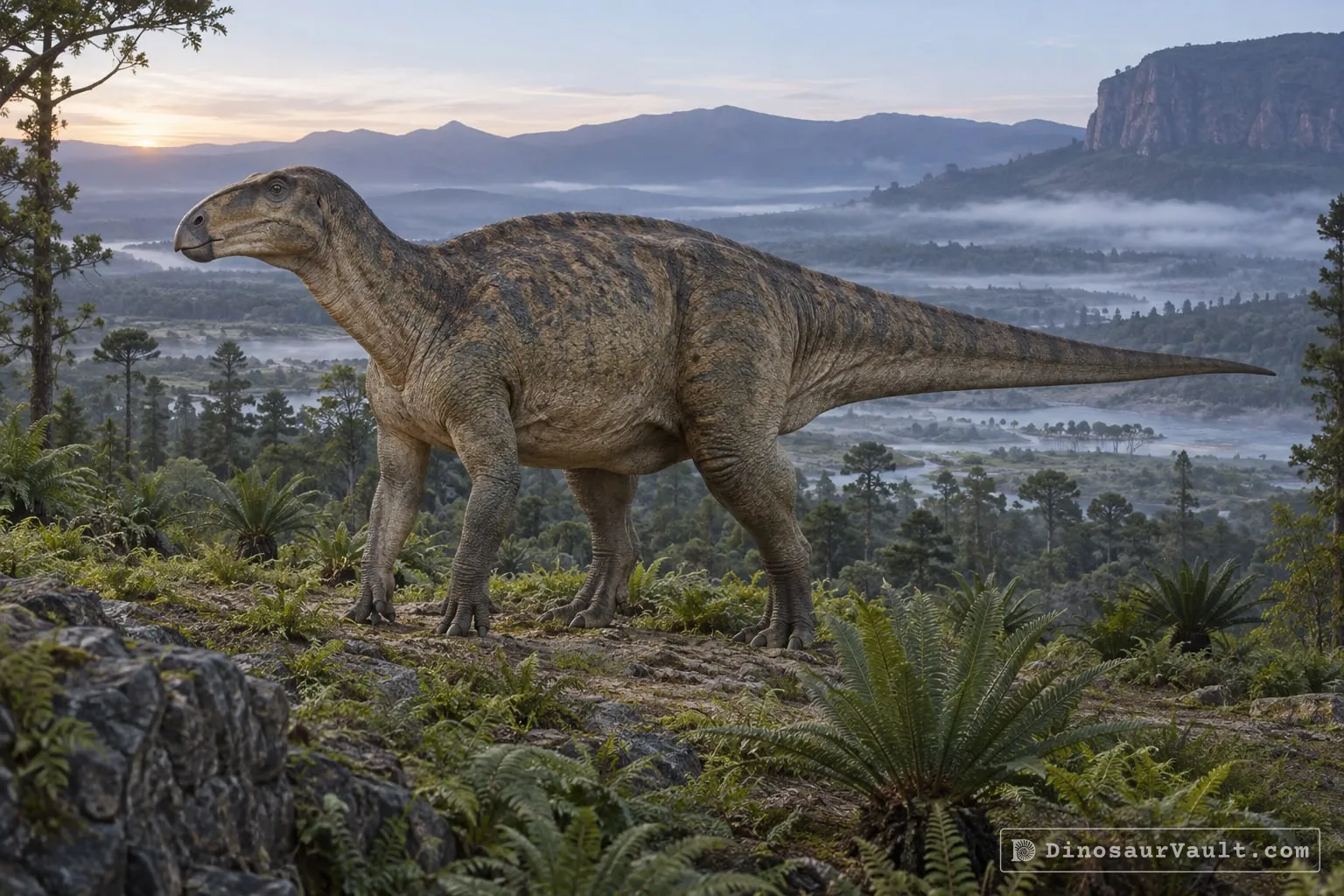
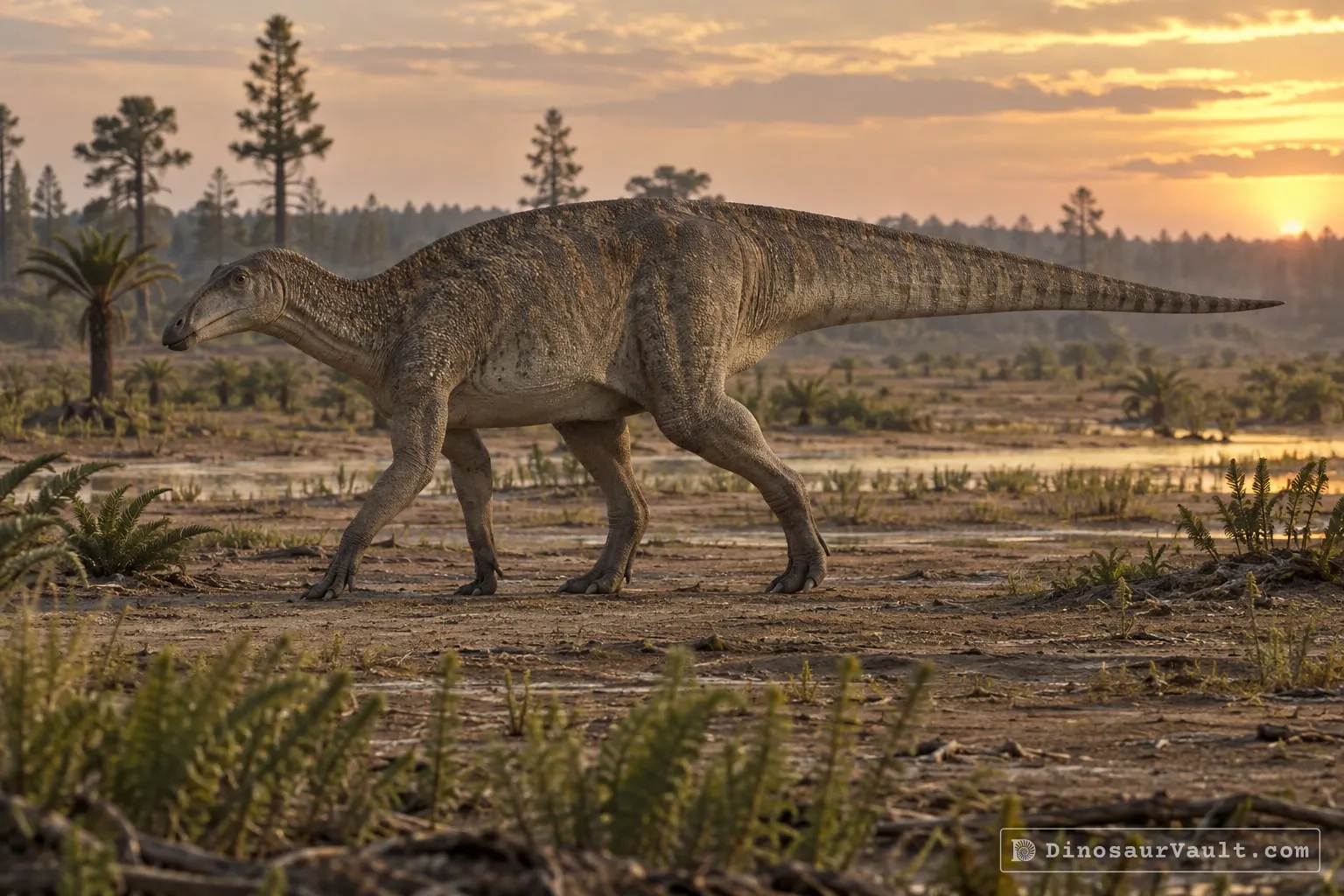


A rock formation can hold fossils laid down millions of years apart, so not every animal here met Sirindhorna.
The evidence
The science behind Sirindhorna
Which parts of the picture come from its own bones, and which come from its relatives.
From its own fossils
- The type specimen preserves the back of the skull; other braincases, cheek bones, jaw bones and teeth were referred to Sirindhorna from several individuals.
- Lower jaws referred to Sirindhorna carried leaf-shaped tooth crowns with ridges.
- A long bony ridge ran along the top of the parietal bone in the type specimen's skull roof.
Borrowed from relatives
- Iguanodon provides a comparison for missing parts of the front of the skull and neck.
Still unknown
- Its full body proportions, the missing front of the skull roof and its closest relatives.
- Its skin texture and color.
- How its skull changed as it grew.
Discovery timeline
- 2011Same rocksBuffetaut & Suteethorn
- 2015Named itShibata et al.
- 2019Same rocksChokchaloemwong et al.
Key papers
The research behind what we know of Sirindhorna
Same rocks
Named Siamodon from an upper jaw, documenting another plant eater in the same formation as Sirindhorna.
A new iguanodontian dinosaur from the Khok Kruat Formation (Early Cretaceous, Aptian) of northeastern Thailand. Annales de Paléontologie 97: 51-62
Read the paper : A new iguanodontian dinosaur from the Khok Kruat Formation (Early Cretaceous, Aptian) of northeastern Thailand (opens in a new tab)Named it
Described skull bones and teeth of an early duck-bill relative and distinguished it from other plant eaters in the same formation.
A New Basal Hadrosauroid Dinosaur from the Lower Cretaceous Khok Kruat Formation in Nakhon Ratchasima Province, Northeastern Thailand. PLOS ONE 10: e0145904
Read the paper : A New Basal Hadrosauroid Dinosaur from the Lower Cretaceous Khok Kruat Formation in Nakhon Ratchasima Province, Northeastern Thailand (opens in a new tab)Same rocks
Described Siamraptor, a large predator from the same formation as Sirindhorna, with many air-filled spaces in its bones.
A new carcharodontosaurian theropod (Dinosauria: Saurischia) from the Lower Cretaceous of Thailand. PLOS ONE 14: e0222489
Read the paper : A new carcharodontosaurian theropod (Dinosauria: Saurischia) from the Lower Cretaceous of Thailand (opens in a new tab)
Close relatives
Other members of Hadrosauroidea


Sources: Wikidata