Siamodon
"Siam tooth"
- Lived
- 121 to 113 million years ago, Early Cretaceous
- Diet
- Herbivore
- Group
- Ornithopods
- Found in
- Thailand
- Named by
- Buffetaut and Suteethorn 2011
Where its fossils were found
The evidence
Today

115 million years ago
Habitat
Winding rivers crossed a dry landscape in what is now Thailand. The Khok Kruat Formation also contains Sirindhorna, Ratchasimasaurus and the predator Siamraptor.
Field notes
About Siamodon
What it was like
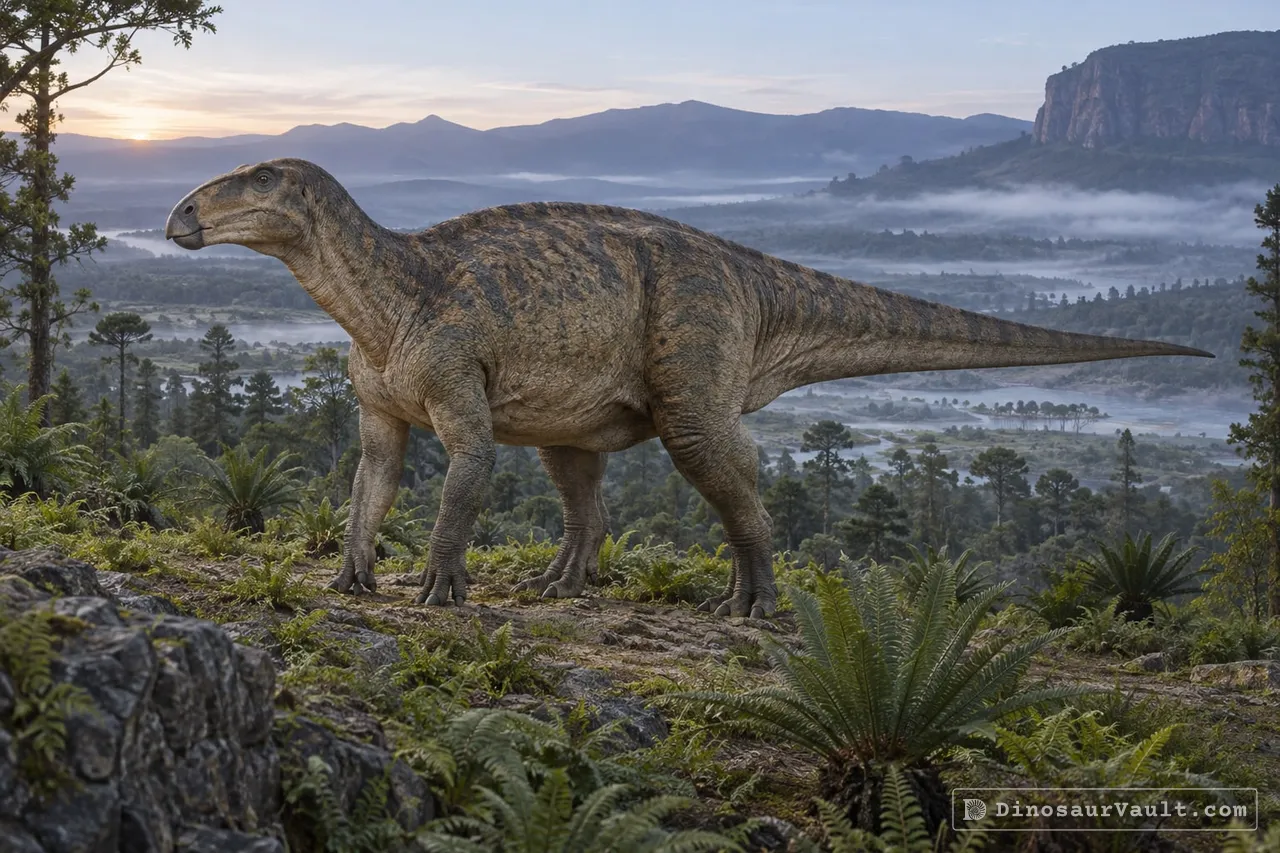
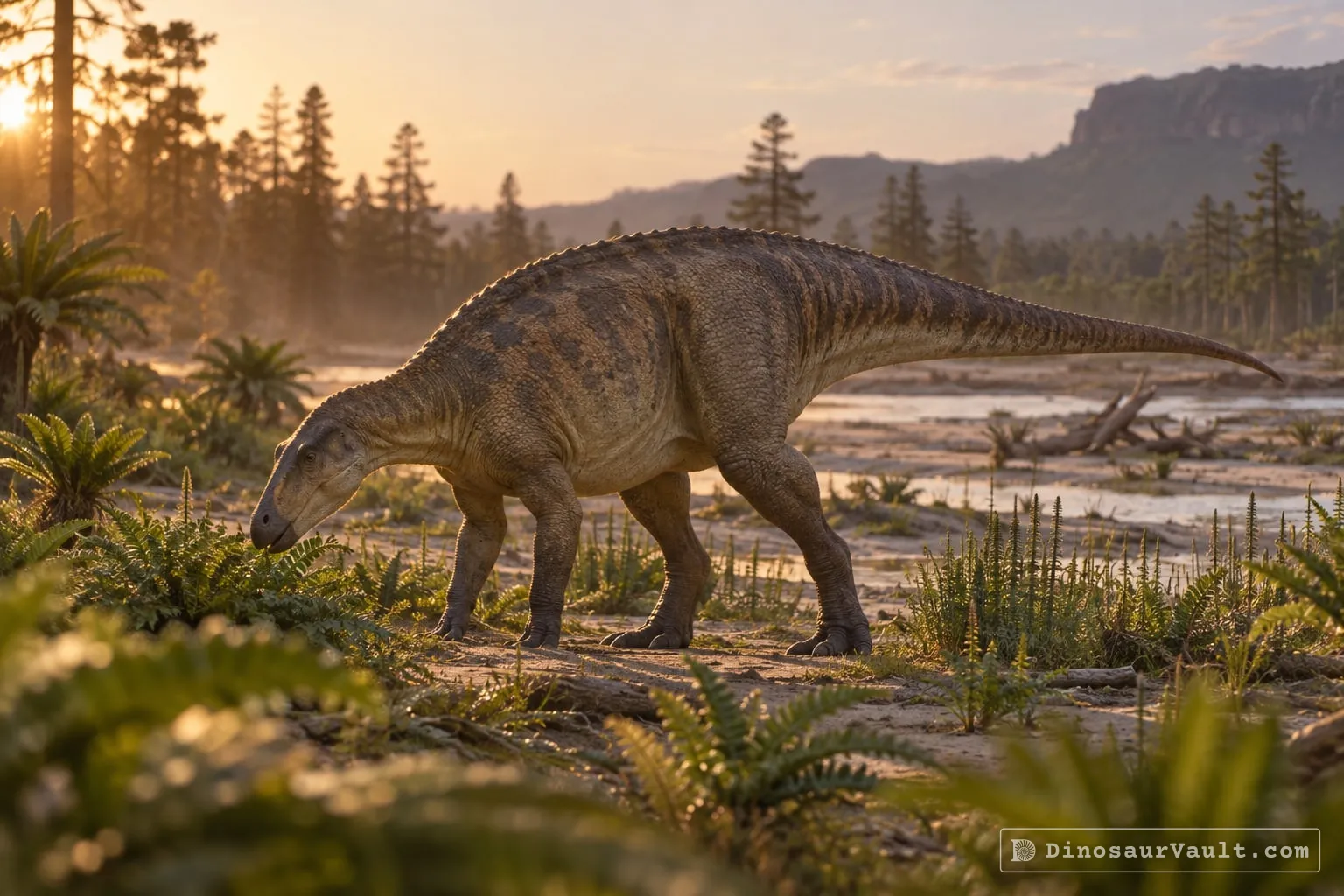
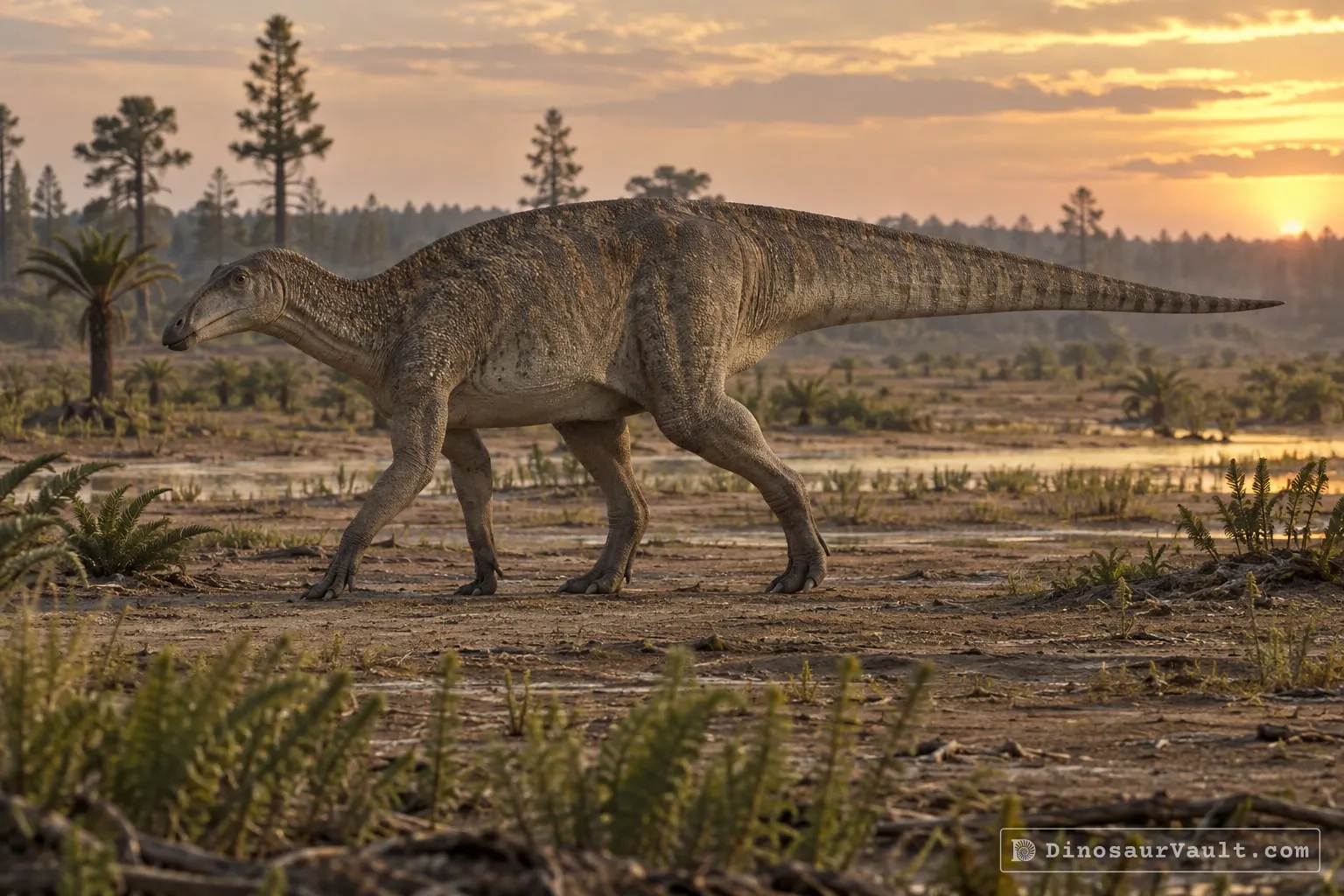
Siamodon was a plant eater related to Iguanodon, known from an upper jaw bone and a braincase.
Its world
It lived in the Early Cretaceous in what is now Thailand. Its bones come from the Khok Kruat Formation, where it shared the land with the predator Siamraptor, the plant eaters Sirindhorna and Ratchasimasaurus and the small horned Psittacosaurus.
How it was found
Buffetaut and Suteethorn named it in 2011.
Field gallery
More views of Siamodon
Scenes reconstructed from the available fossil evidence.
Lived alongside
Found in the same rock formations
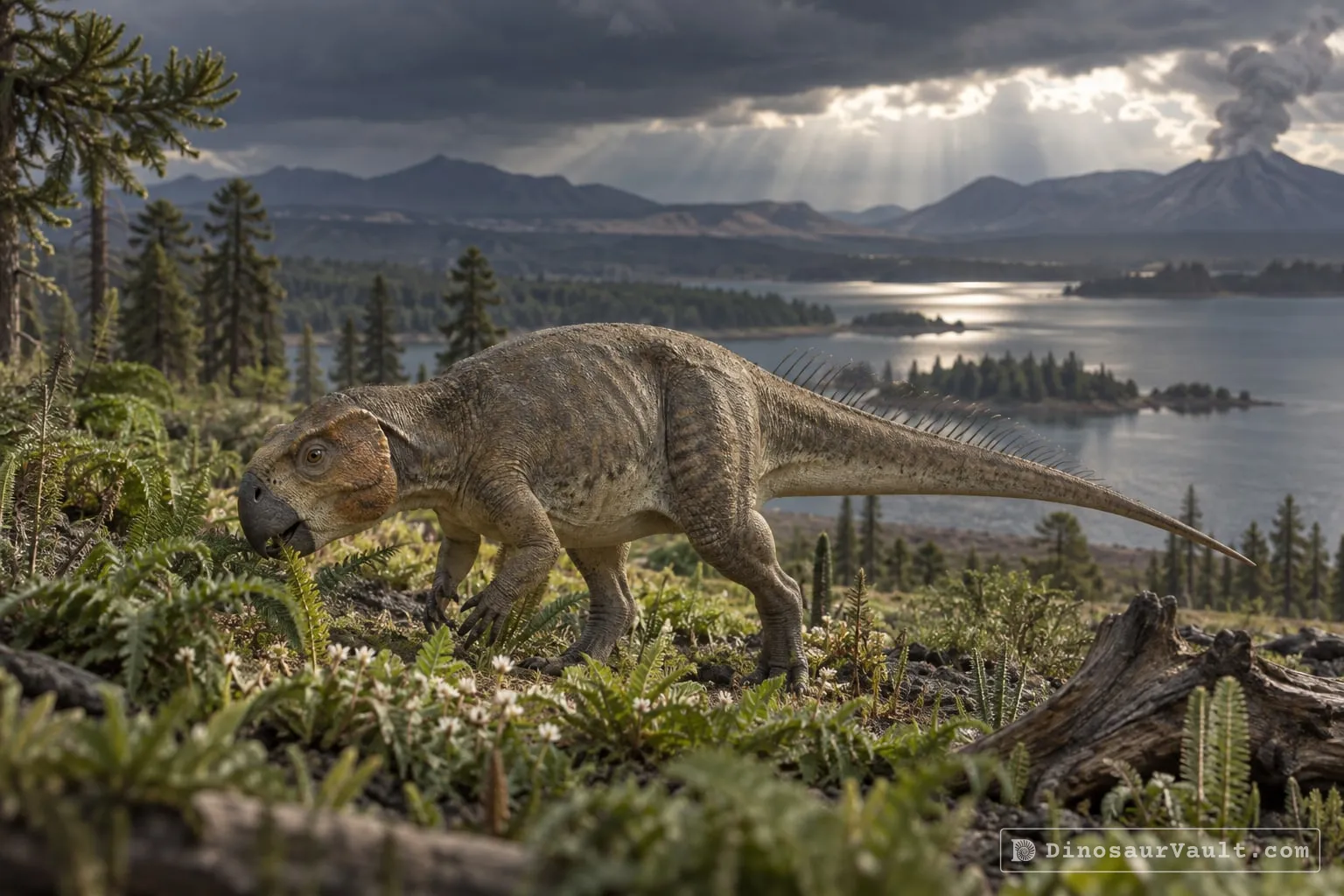
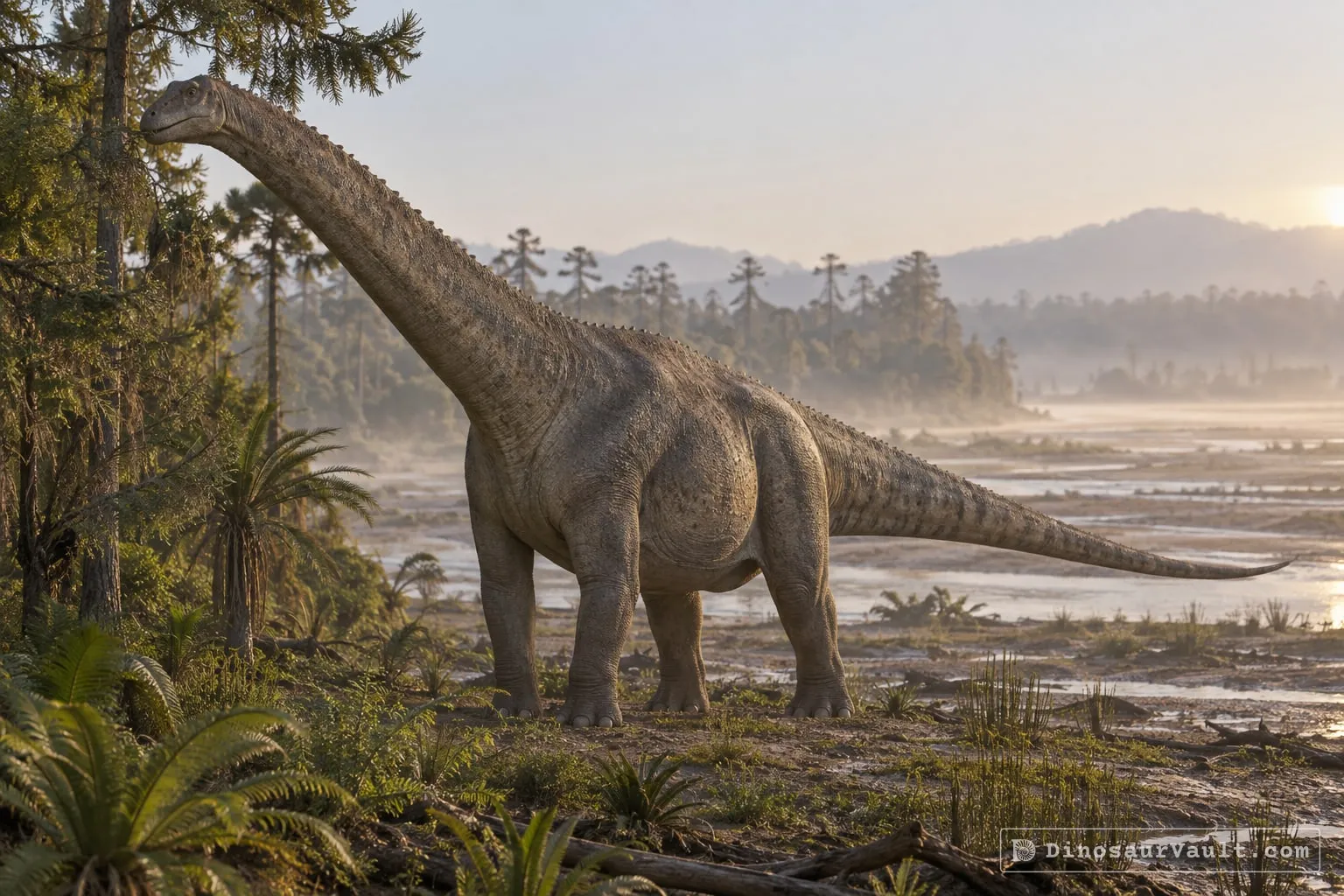
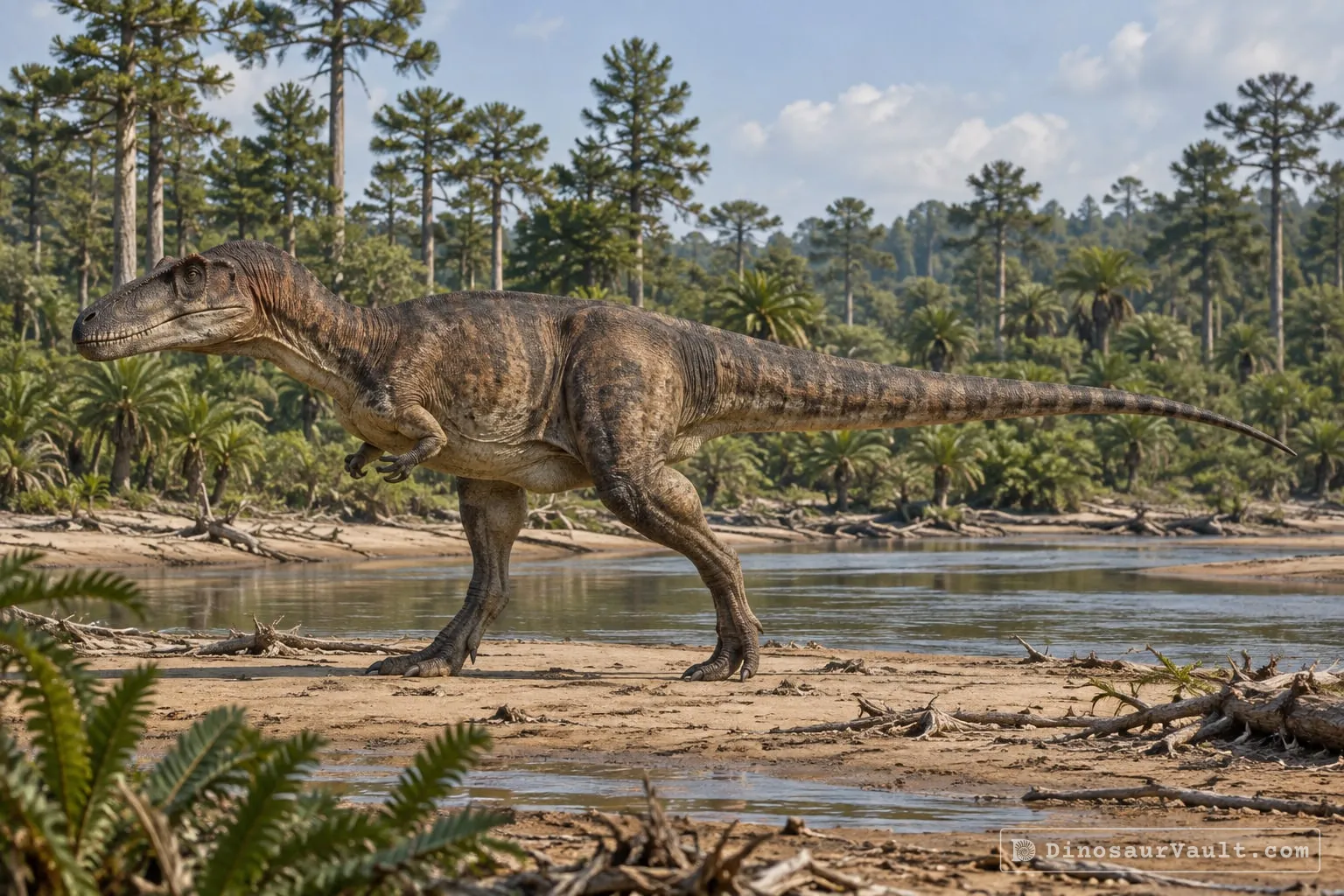


A rock formation can hold fossils laid down millions of years apart, so not every animal here met Siamodon.
The evidence
The science behind Siamodon
Which parts of the picture come from its own bones, and which come from its relatives.
From its own fossils
- A well-preserved upper jaw bone holds the teeth used to identify Siamodon.
- An isolated tooth and a braincase were also assigned to it.
- Its upper jaw has a triangular outline that differs from Sirindhorna's lower, longer jaw.
Borrowed from relatives
- The limbs, trunk and tail are restored by comparison with better-known iguanodontians such as Iguanodon.
Still unknown
- The shape and proportions of its body.
- Its skin covering and color.
- Exactly which plants it ate.
Discovery timeline
- 2011Named itBuffetaut & Suteethorn
- 2015Close relativeShibata et al.
- 2019Same rocksChokchaloemwong et al.
Key papers
The research behind what we know of Siamodon
Named it
Named Siamodon from an upper jaw and assigned an isolated tooth and a braincase to the same animal.
A new iguanodontian dinosaur from the Khok Kruat Formation (Early Cretaceous, Aptian) of northeastern Thailand. Annales de Paléontologie 97: 51-62
Read the paper : A new iguanodontian dinosaur from the Khok Kruat Formation (Early Cretaceous, Aptian) of northeastern Thailand (opens in a new tab)Close relative
Described Sirindhorna and showed that its jaw bones differ from those of Siamodon and Ratchasimasaurus.
A New Basal Hadrosauroid Dinosaur from the Lower Cretaceous Khok Kruat Formation in Nakhon Ratchasima Province, Northeastern Thailand. PLOS ONE 10: e0145904
Read the paper : A New Basal Hadrosauroid Dinosaur from the Lower Cretaceous Khok Kruat Formation in Nakhon Ratchasima Province, Northeastern Thailand (opens in a new tab)Same rocks
Described Siamraptor, a large predator from the same formation as Siamodon, with many air spaces inside its bones.
A new carcharodontosaurian theropod (Dinosauria: Saurischia) from the Lower Cretaceous of Thailand. PLOS ONE 14: e0222489
Read the paper : A new carcharodontosaurian theropod (Dinosauria: Saurischia) from the Lower Cretaceous of Thailand (opens in a new tab)
Close relatives
Other members of Hadrosauriformes


Sources: Wikidata