Siamraptor
"Siam thief"
- Lived
- 121 to 113 million years ago, Early Cretaceous
- Diet
- Carnivore
- Group
- Theropods
- Found in
- Thailand
- Named by
- Chokchaloemwong et al. 2019
Where its fossils were found
The evidence
Today

115 million years ago
Habitat
Winding rivers crossed a floodplain in what is now Thailand. Other dinosaurs from the Khok Kruat Formation include Psittacosaurus, Sirindhorna and Ratchasimasaurus.
Field notes
About Siamraptor
What it was like
Siamraptor was a large two-legged predator, an early member of the carcharodontosaur line, the "shark-toothed" hunters. It is known from bones of the skull, backbone, hips and legs.
Its world
It lived about 121 to 113 million years ago, in the Early Cretaceous, in what is now Thailand. Its bones come from the Khok Kruat Formation, where it lived alongside the small horned Psittacosaurus and the plant eaters Sirindhorna and Ratchasimasaurus.
How it was found
Chokchaloemwong and colleagues named it in 2019. It was the first named predator of its kind from that part of Asia.
Field gallery
More views of Siamraptor
Scenes reconstructed from the available fossil evidence.
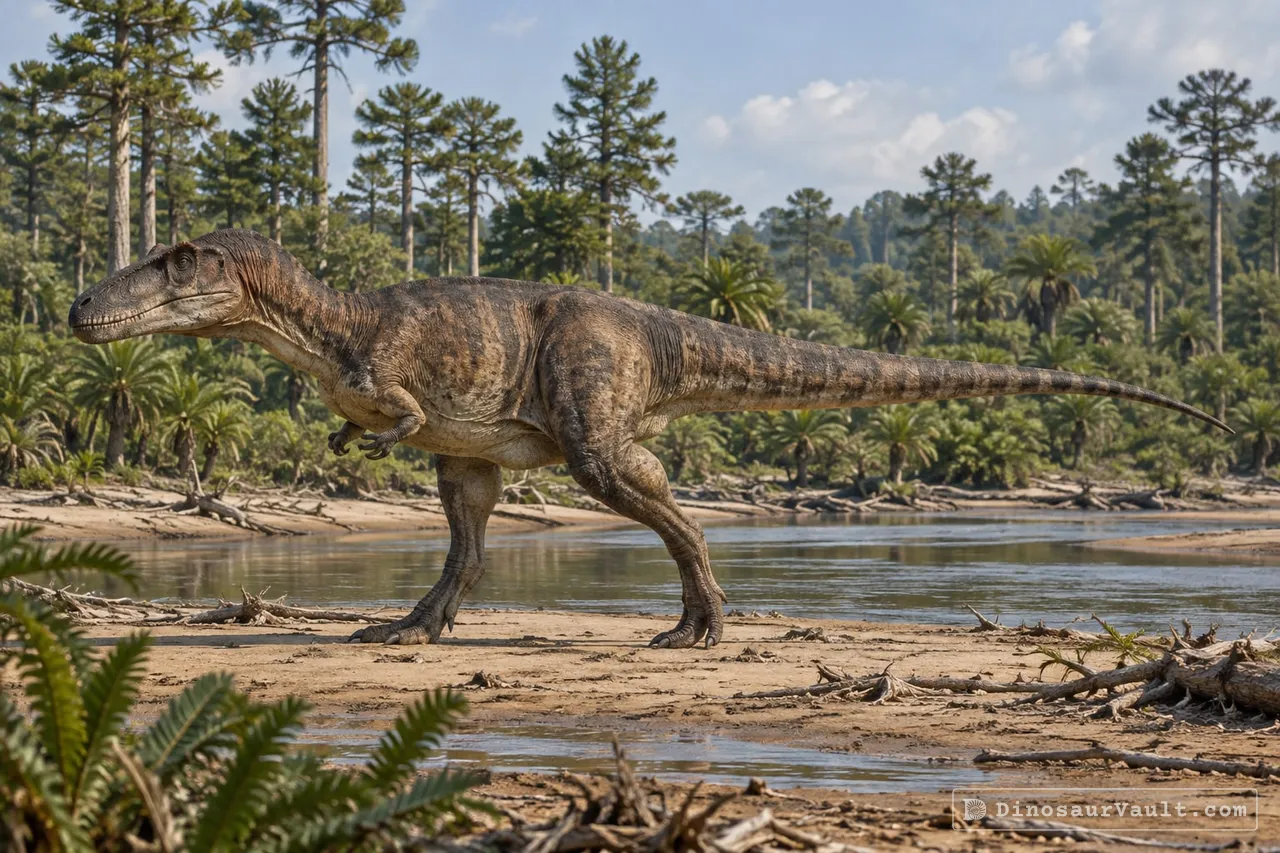
1 of 2
Lived alongside
Found in the same rock formations
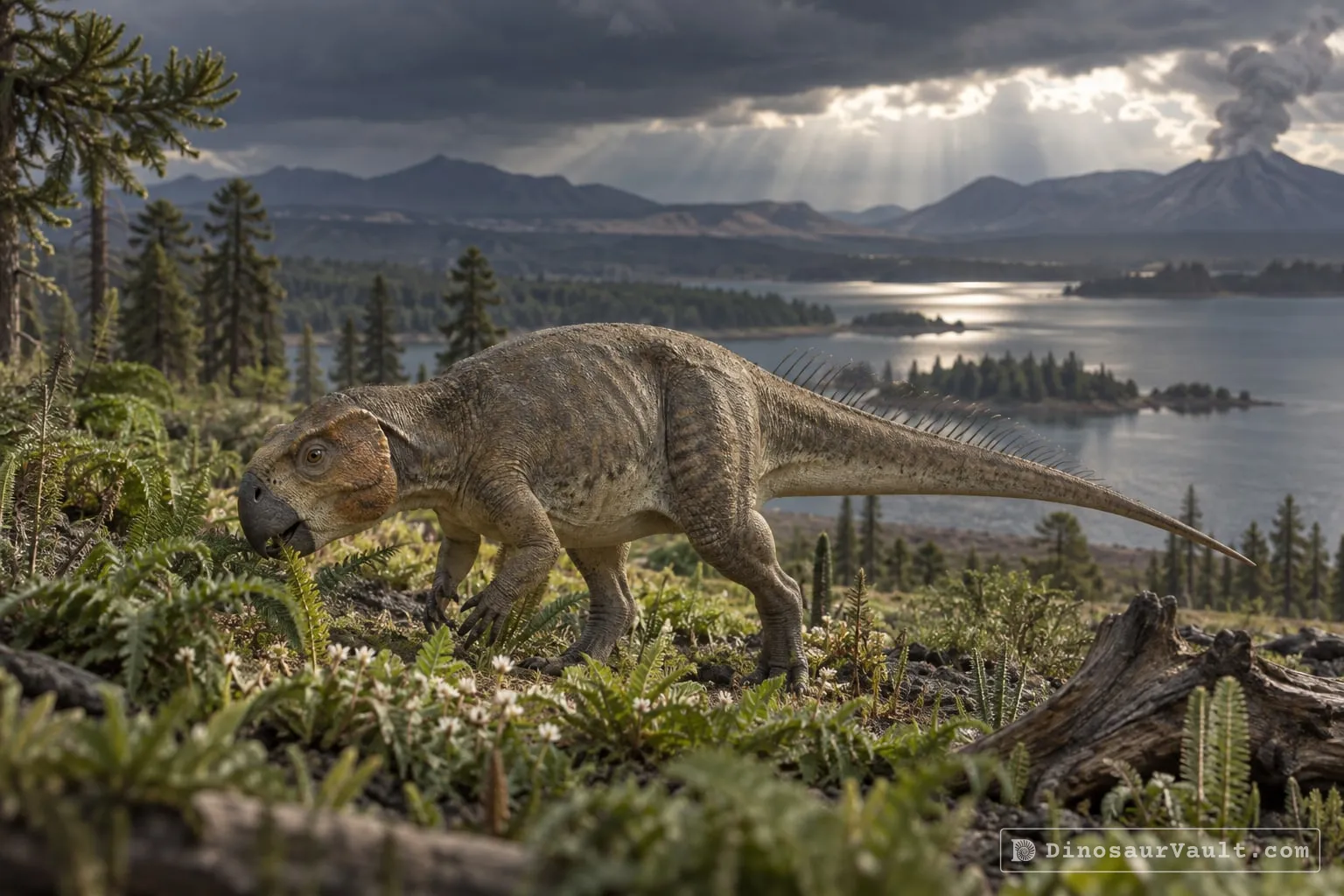
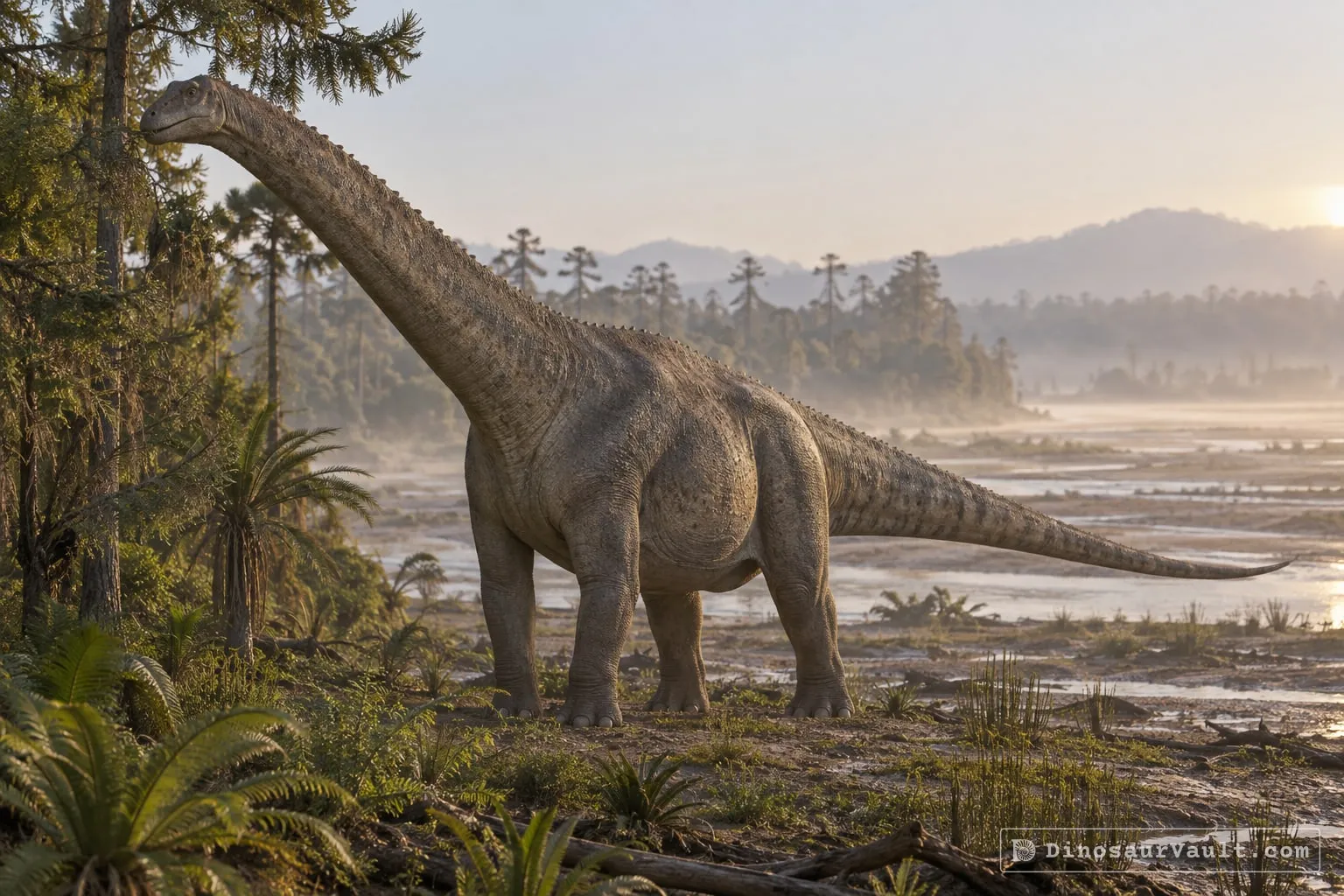
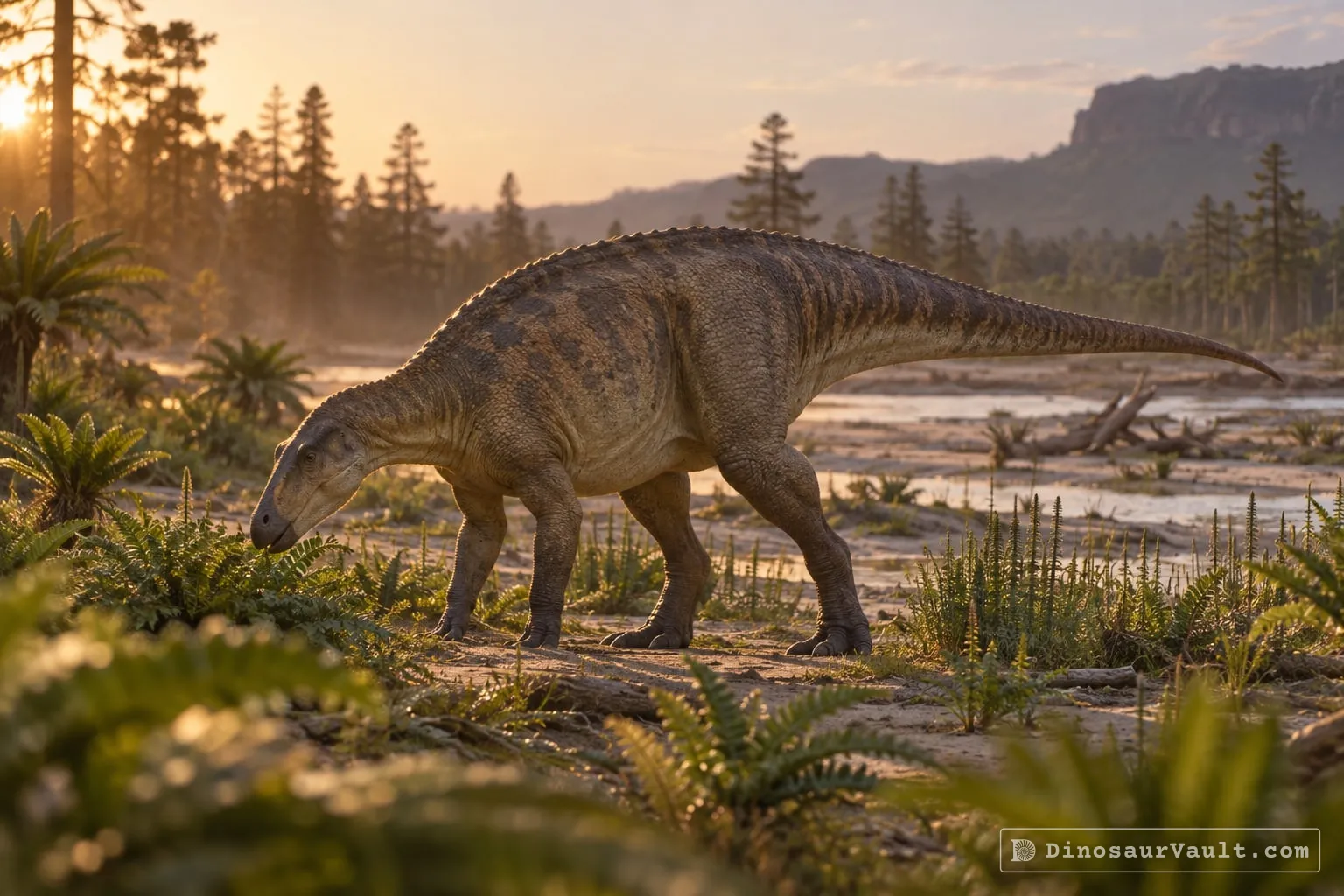
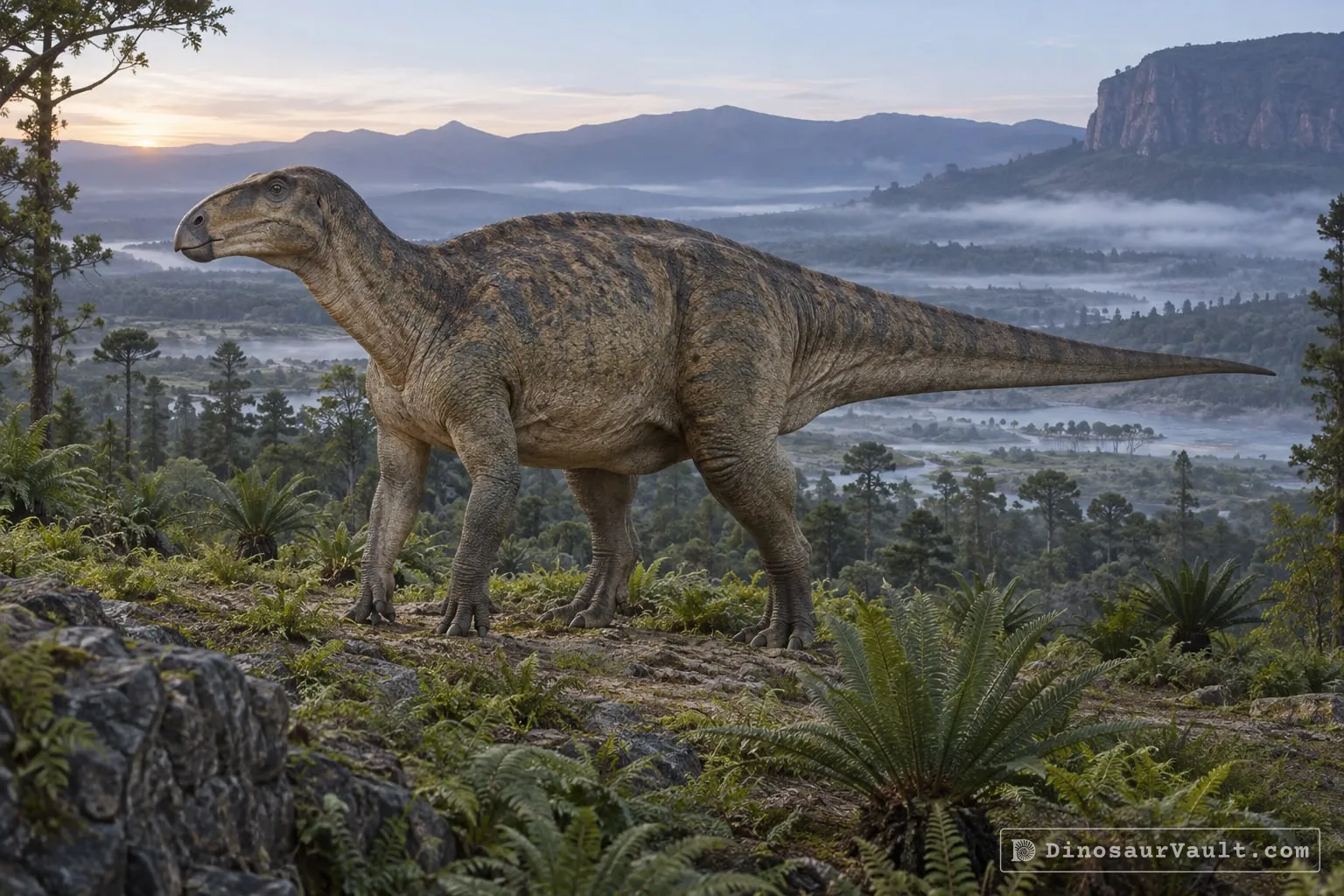
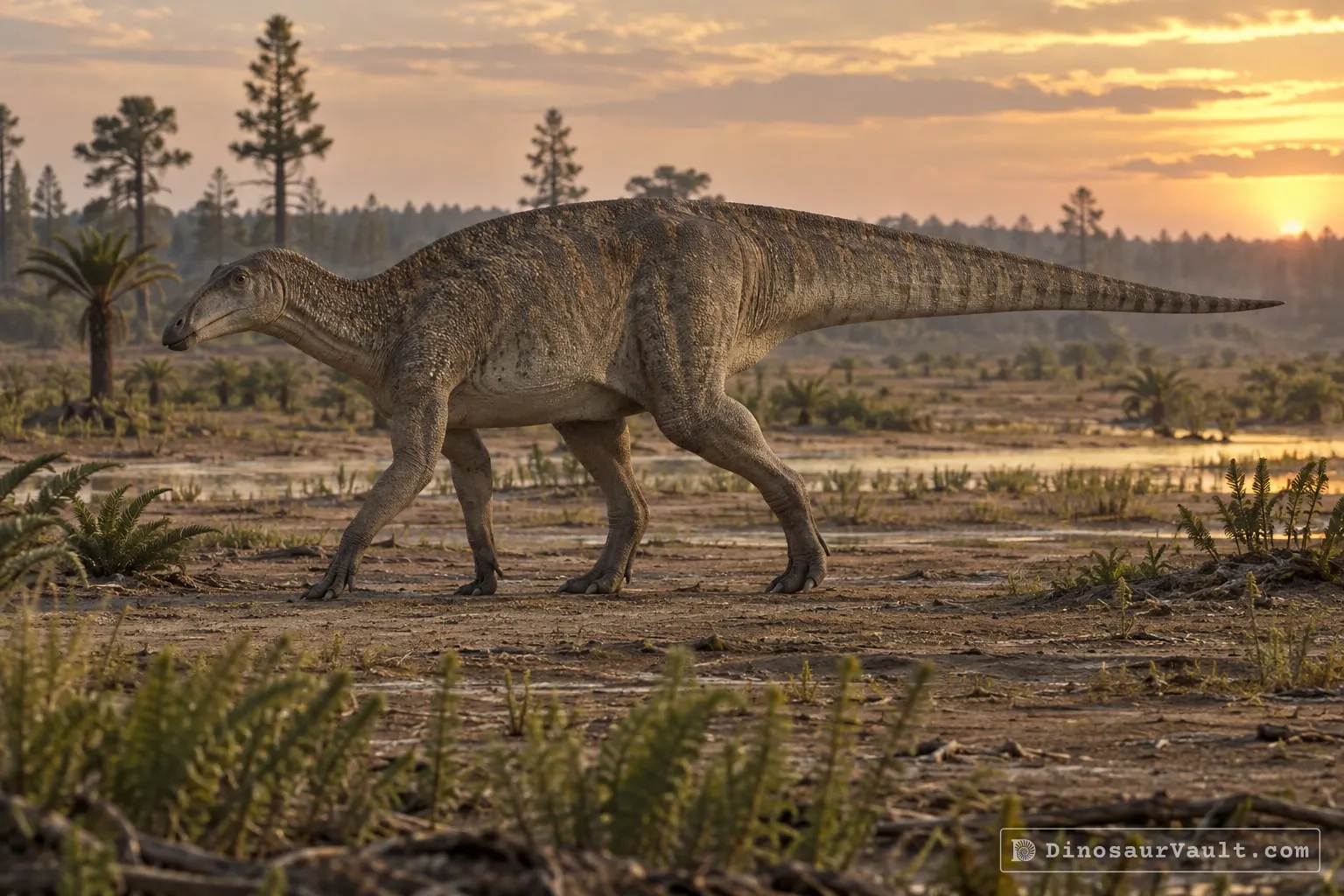


A rock formation can hold fossils laid down millions of years apart, so not every animal here met Siamraptor.
The evidence
The science behind Siamraptor
Which parts of the picture come from its own bones, and which come from its relatives.
From its own fossils
- Separate bones from several animals preserve parts of the upper jaws, cheeks, rear lower jaws, backbone and limbs.
- The cheek bone is deep beneath the eye, and the front edge of the upper snout is nearly vertical.
- A hand claw is thin, low and only gently curved.
Borrowed from relatives
- Acrocanthosaurus guides the missing front of the lower jaw.
- Its torso, arms and feet are filled in by comparison with Acrocanthosaurus, while the known Siamraptor claw sets a gentler curve.
Still unknown
- The shape of the front of its lower jaw.
- Whether the additional braincase and skull roof bones provisionally assigned to it really belong to Siamraptor.
- Its complete body proportions and skin covering.
Often drawn wrong
- Its known hand claw should not be given an exaggerated hook.
- The tall back ridge of Acrocanthosaurus should not be copied onto Siamraptor.
Discovery timeline
- 2011Close relativeEddy & Clarke
- 2019Named itChokchaloemwong et al.
- 2026New findHattori et al.
Key papers
The research behind what we know of Siamraptor
Close relative
Described the skull and lower jaw of Acrocanthosaurus, providing a comparison for the missing front of Siamraptor's lower jaw.
New Information on the Cranial Anatomy of Acrocanthosaurus atokensis and Its Implications for the Phylogeny of Allosauroidea (Dinosauria: Theropoda). PLoS ONE 6: e17932
Read the paper : New Information on the Cranial Anatomy of Acrocanthosaurus atokensis and Its Implications for the Phylogeny of Allosauroidea (Dinosauria: Theropoda) (opens in a new tab)Named it
Named Siamraptor from jaw and body bones and placed it near the base of the carcharodontosaur line.
A new carcharodontosaurian theropod (Dinosauria: Saurischia) from the Lower Cretaceous of Thailand. PLOS ONE 14: e0222489
Read the paper : A new carcharodontosaurian theropod (Dinosauria: Saurischia) from the Lower Cretaceous of Thailand (opens in a new tab)New find
Described partial braincase and skull roof bones provisionally assigned to Siamraptor, adding details of its internal skull anatomy.
Braincase of Siamraptor suwati and insights into the cranial anatomy of Carcharodontosauria. PLOS One 21: e0345155
Read the paper : Braincase of Siamraptor suwati and insights into the cranial anatomy of Carcharodontosauria (opens in a new tab)
Close relatives
Other members of Carcharodontosauria


Sources: Wikidata