Sinusonasus
"curved nose"
- Lived
- 126 to 120 million years ago, Early Cretaceous
- Diet
- Omnivore
- Group
- Theropods, Troodontidae
- Found in
- China
- Named by
- Xu and Wang 2004
Where its fossils were found
The evidence
Today

125 million years ago
Habitat
It lived in the Early Cretaceous landscape of northeastern China. Sinosauropteryx, Sinornithosaurus and Beipiaosaurus also lived in the Yixian Formation.
Field notes
About Sinusonasus
What it was like
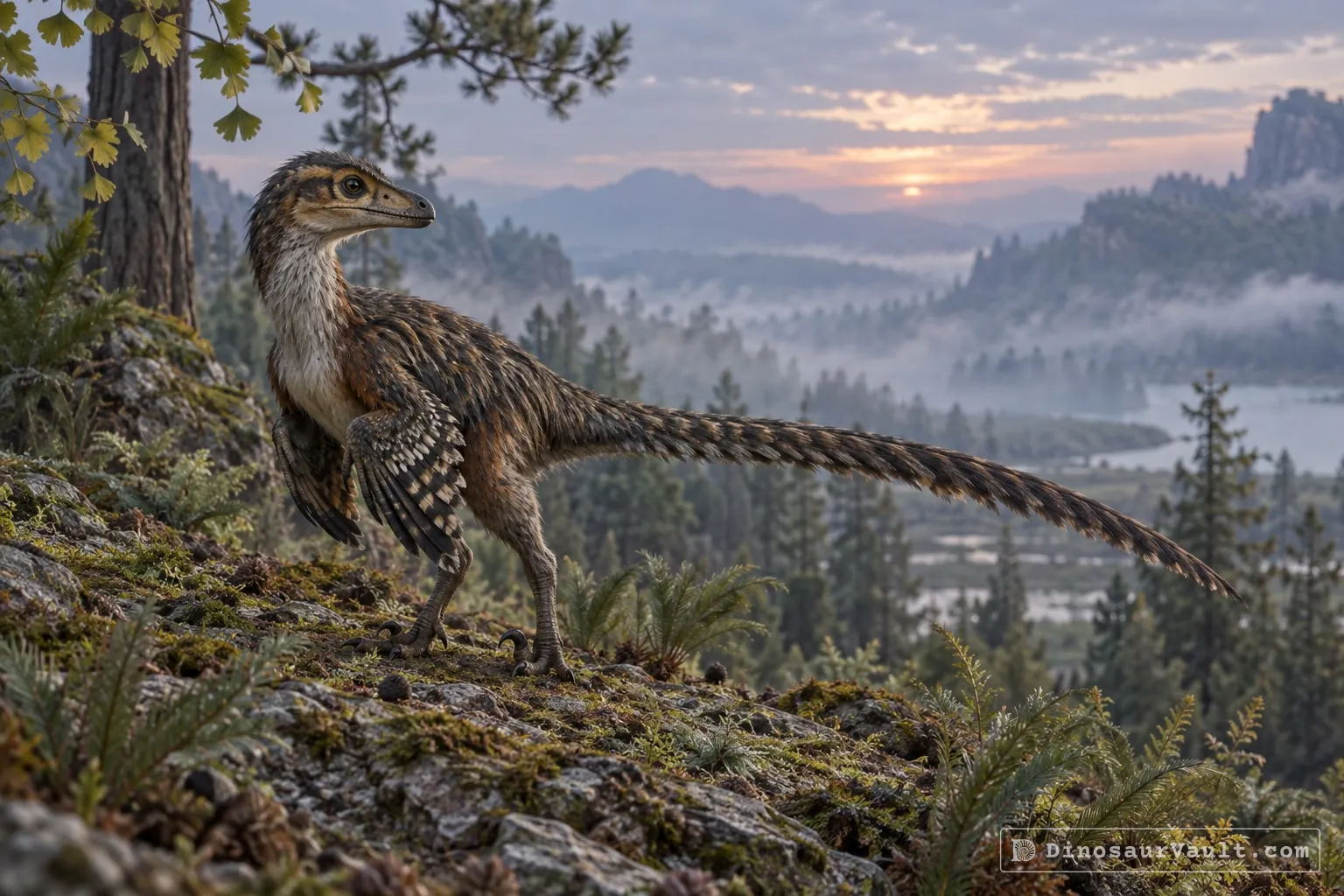
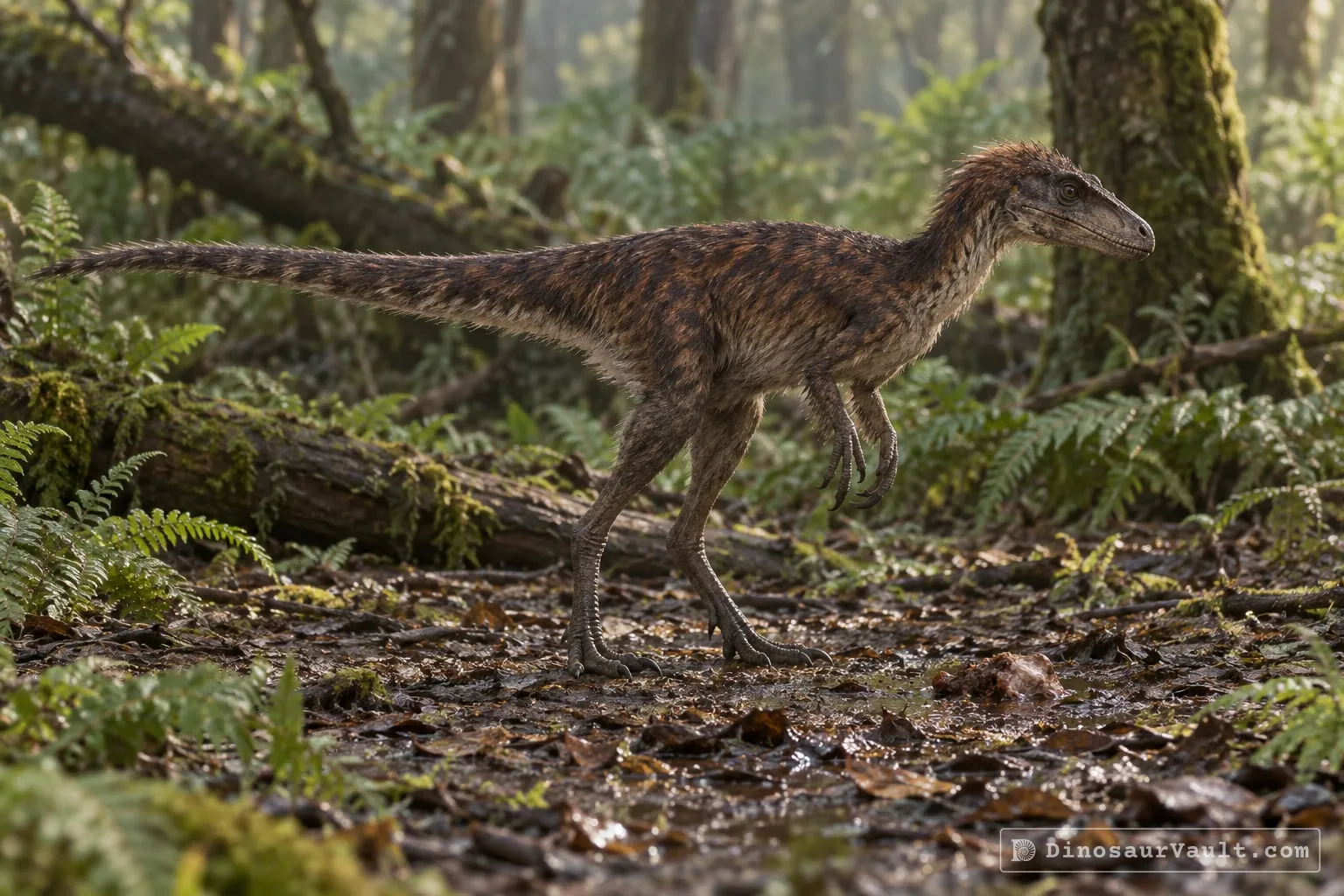
Sinusonasus was a small troodontid, known from a partial skeleton. It probably had feathers like its relatives, though none are preserved with its skeleton. It had a wavy, curved bone along its snout and large teeth for a troodontid.
Its world
It lived in the Early Cretaceous in what is now northeastern China. Its bones come from the Yixian Formation, where it shared the land with Sinosauropteryx, Sinornithosaurus and Beipiaosaurus.
How it was found
Xu and Wang named Sinusonasus in 2004, from a single find.
Field gallery
More views of Sinusonasus
Scenes reconstructed from the available fossil evidence.
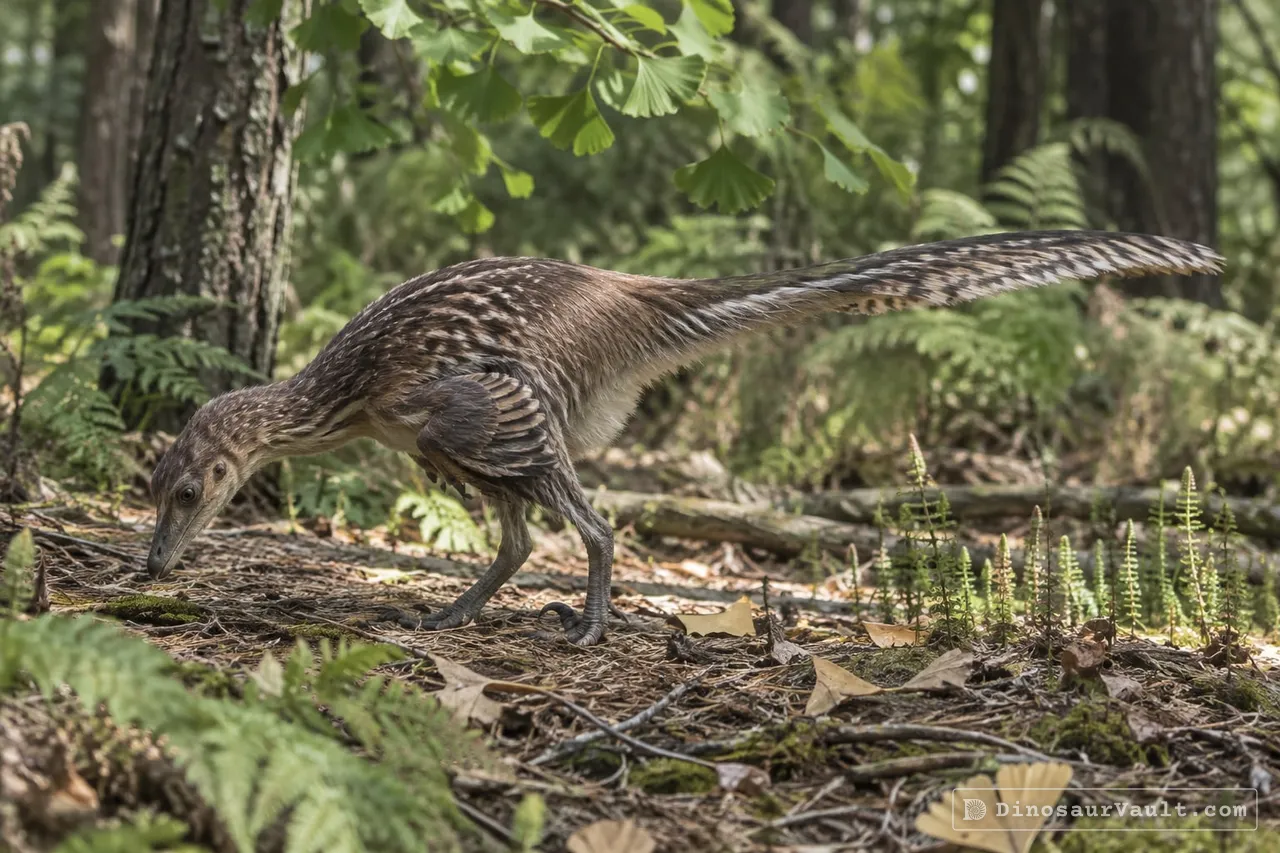
1 of 3
Lived alongside
Found in the same rock formations
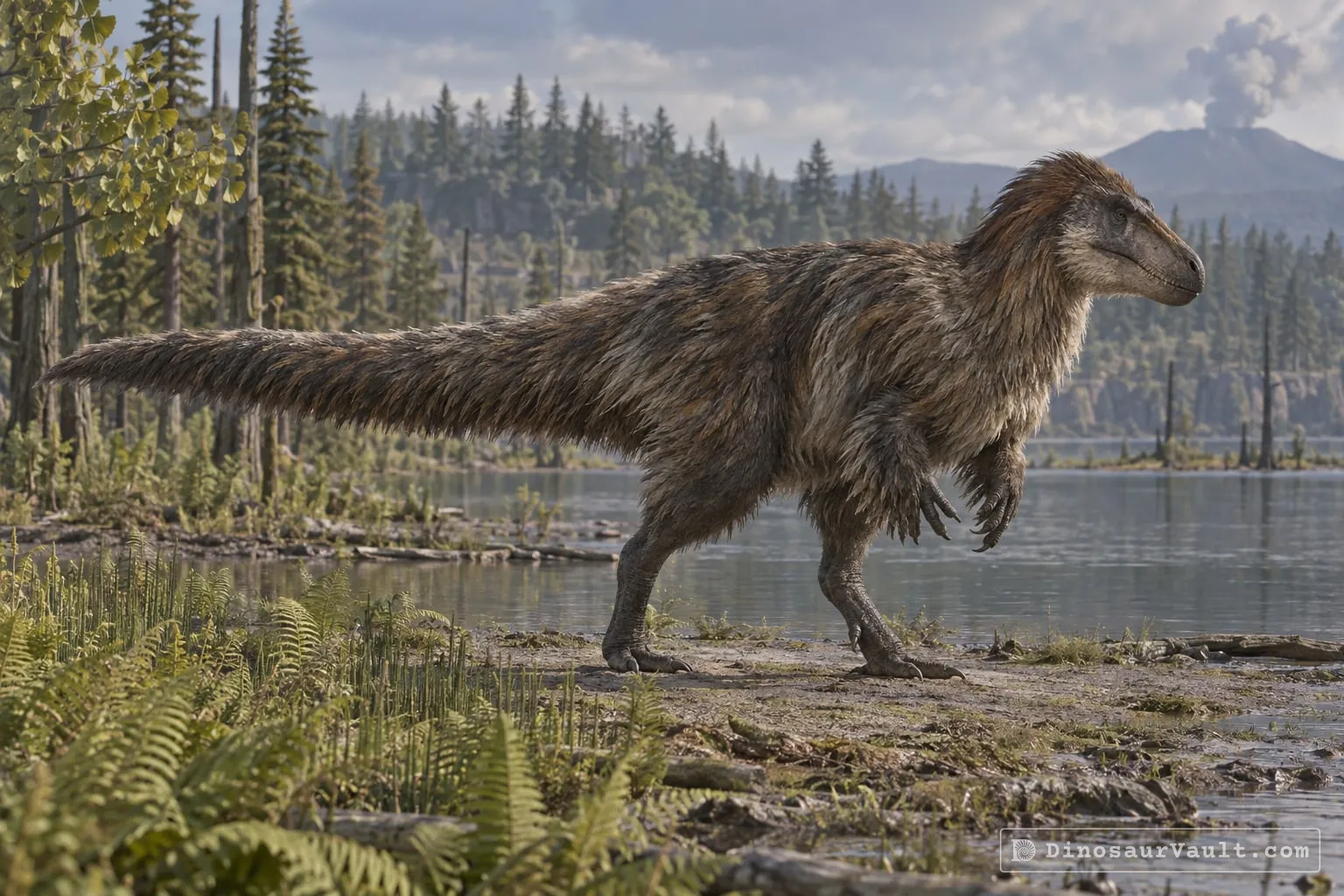
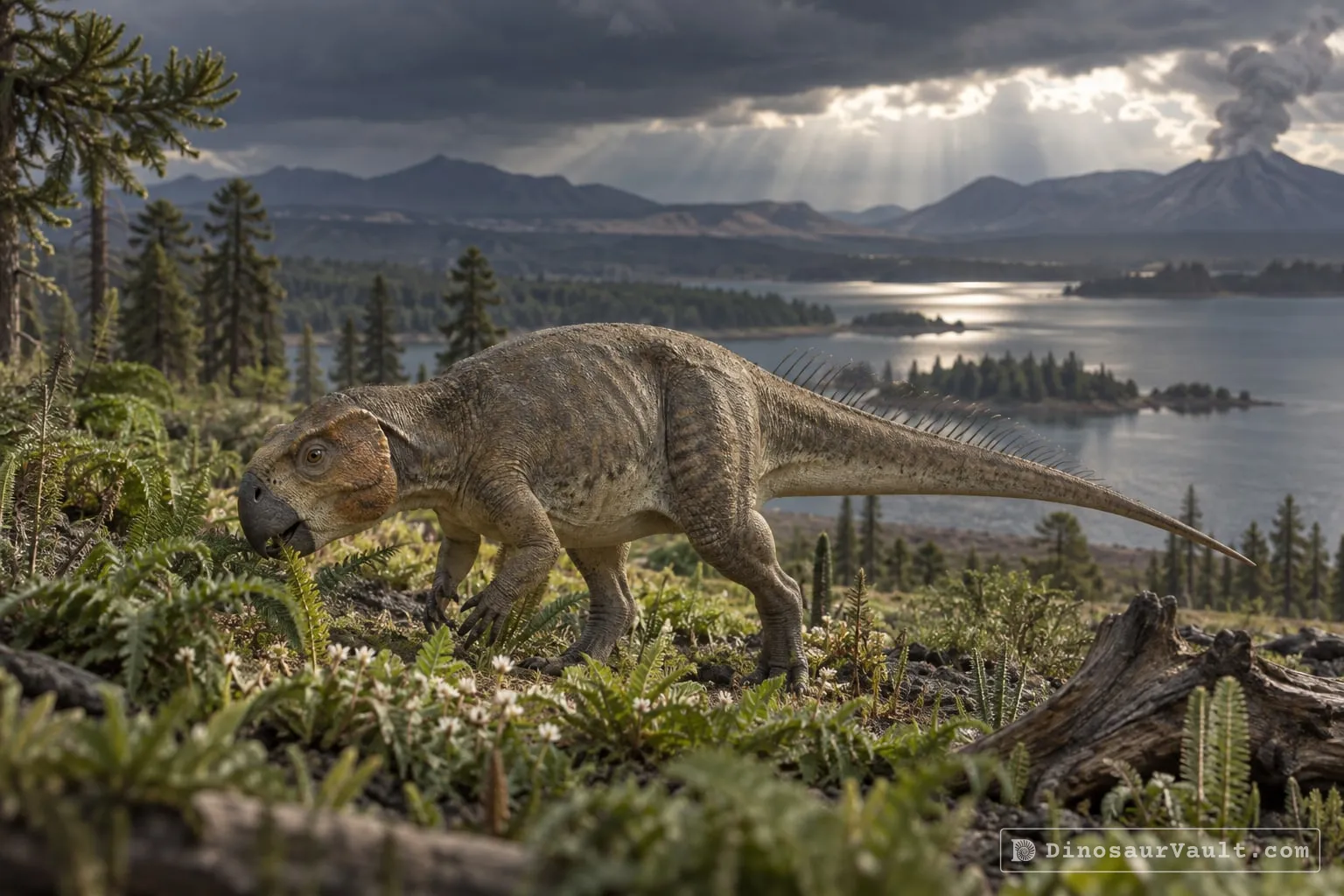
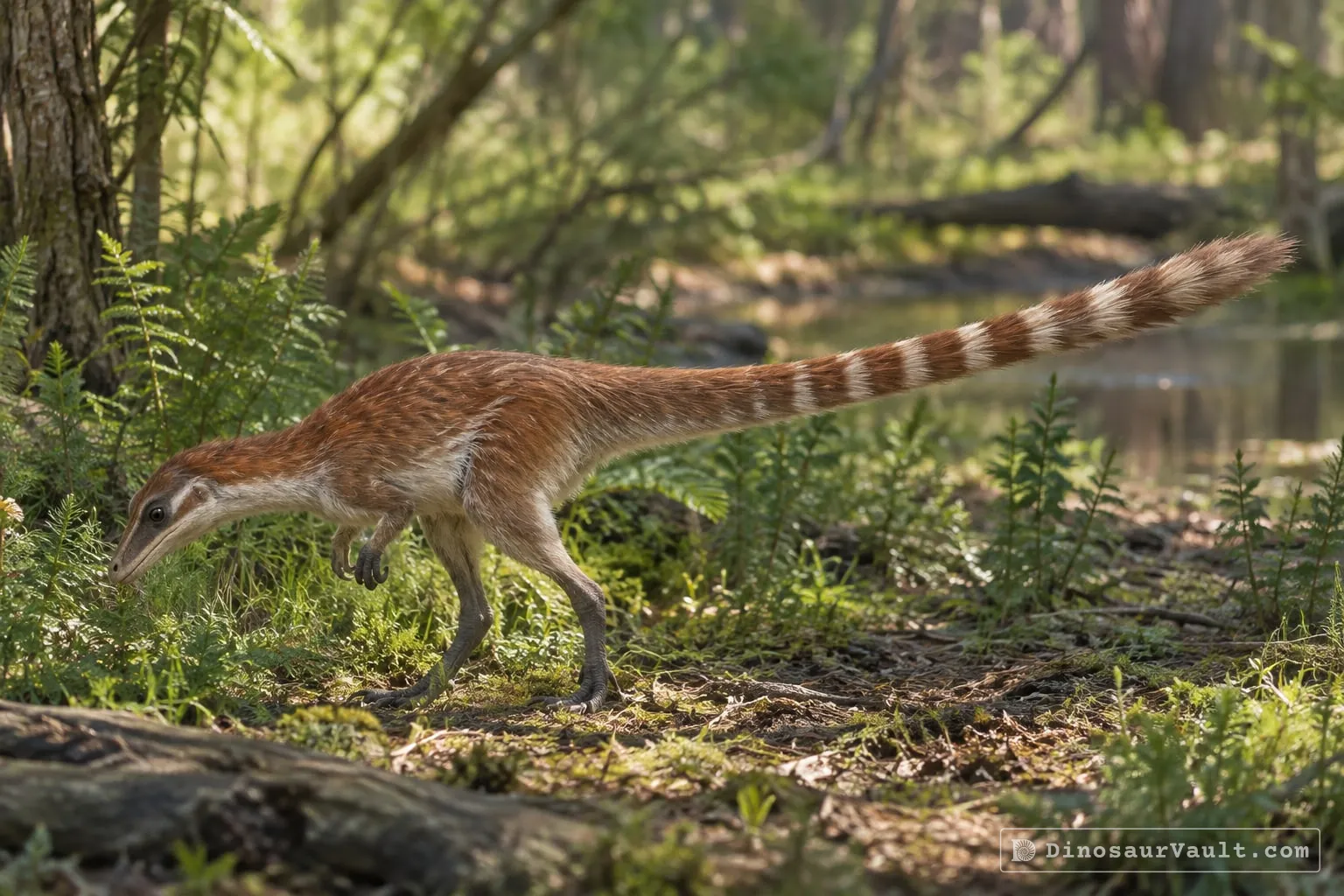
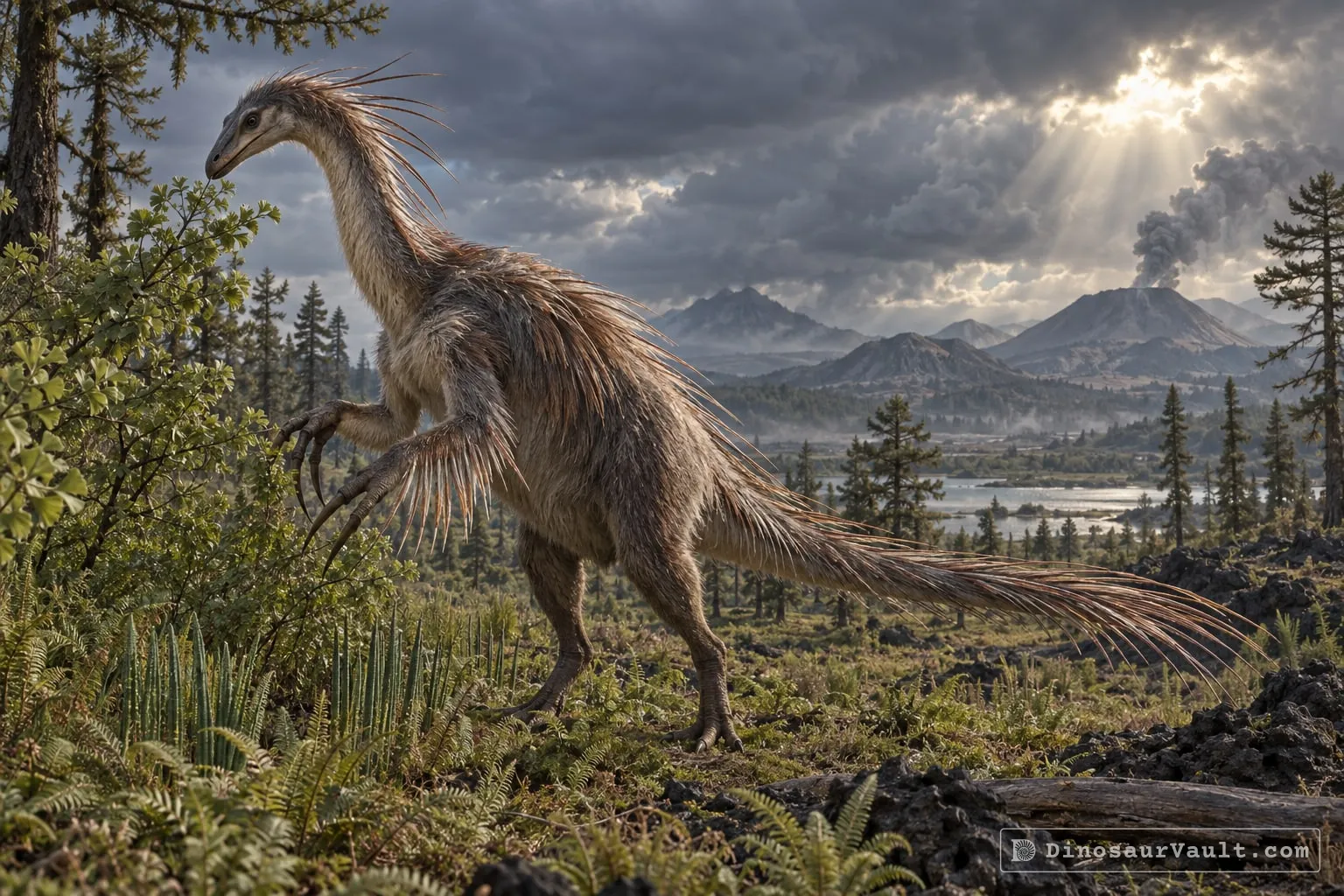
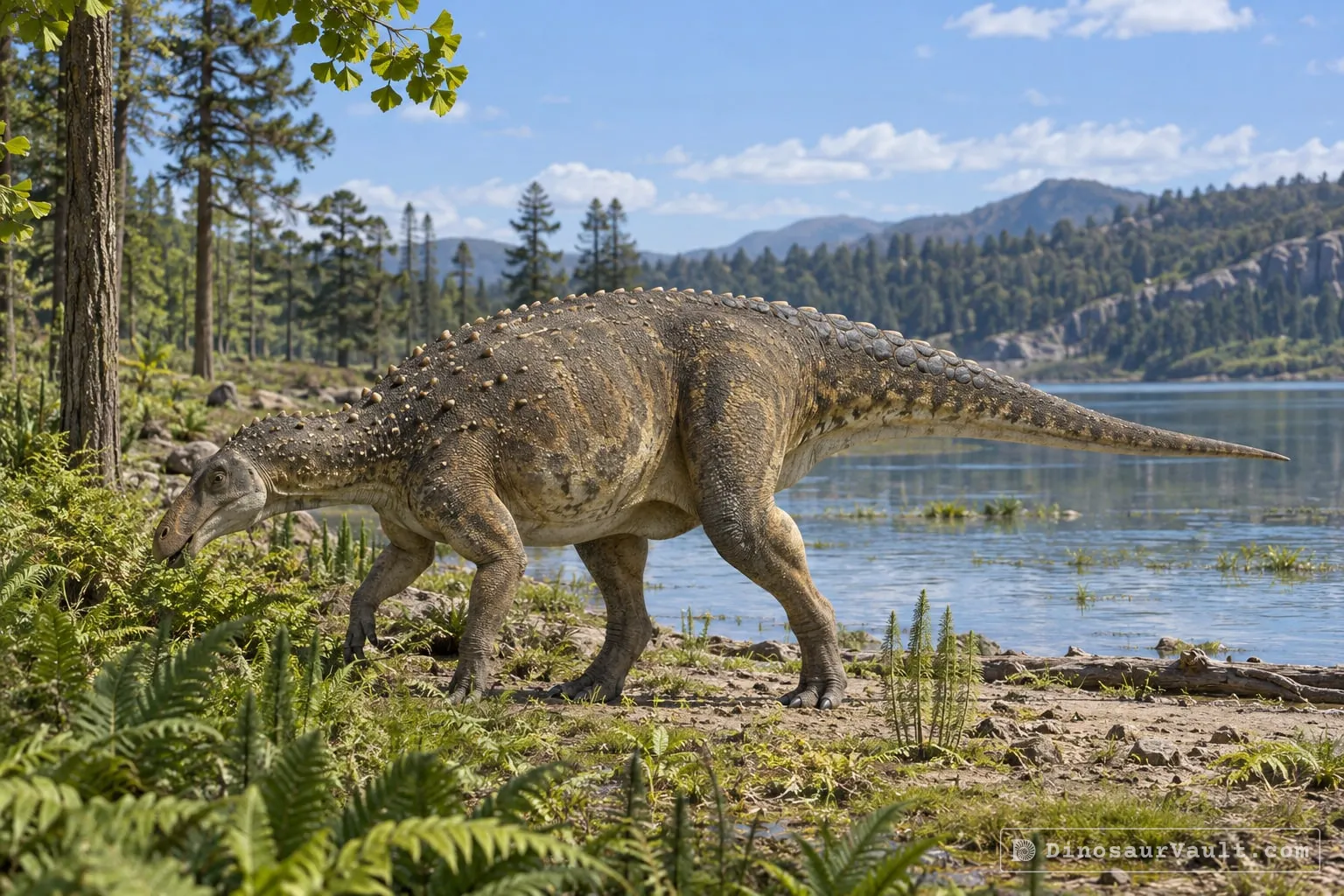


A rock formation can hold fossils laid down millions of years apart, so not every animal here met Sinusonasus.
The evidence
The science behind Sinusonasus
Which parts of the picture come from its own bones, and which come from its relatives.
From its own fossils
- A partial skeleton preserves skull and jaw bones, the tail, hips and hind legs.
- The bone along the top of its snout has a wavy profile, the front of its upper jaw is deep, the lower edge of its lower jaw bows downward, and its teeth are relatively large.
- Flat bones beneath the tail join into a long band.
Borrowed from relatives
- The back of the skull and the neck are restored by comparison with Sinovenator, from the same rocks.
- The chest, shoulders, arms and feathers follow the feathered troodontid Jianianhualong.
Still unknown
- Its neck, back, shoulders and arms, which are missing from the known skeleton.
- Its exact place among troodontids, which one study left unresolved.
- Its feather colors and pattern, and how its appearance changed as it grew.
Discovery timeline
- 2002Close relativeXu et al.
- 2004Named itXu & Wang
- 2017Close relativeXu et al.
- 2018Close relativeYin, Pei & Zhou
Key papers
The research behind what we know of Sinusonasus
Close relative
Described Sinovenator, an early troodontid that helps place Sinusonasus within the family of bird-like theropods.
A basal troodontid from the Early Cretaceous of China. Nature 415: 780-784
Read the paper : A basal troodontid from the Early Cretaceous of China (opens in a new tab)Named it
Named a small troodontid with a wavy snout bone, large teeth and a band of flat bones beneath its tail.
A new troodontid (Theropoda: Troodontidae) from the Lower Cretaceous Yixian Formation of western Liaoning, China. Acta Geologica Sinica 78: 22-26
No link available
Close relative
Described Jianianhualong with feathers on its body, limbs and tail, supporting feathered restorations of troodontids such as Sinusonasus.
Mosaic evolution in an asymmetrically feathered troodontid dinosaur with transitional features. Nature Communications 8
Read the paper : Mosaic evolution in an asymmetrically feathered troodontid dinosaur with transitional features (opens in a new tab)Close relative
Described new Sinovenator skull material from the same formation in detail, including the bones around the eye, the skull roof and the front of the neck.
Cranial morphology of Sinovenator changii (Theropoda: Troodontidae) on the new material from the Yixian Formation of western Liaoning, China. PeerJ 6: e4977
Read the paper : Cranial morphology of Sinovenator changii (Theropoda: Troodontidae) on the new material from the Yixian Formation of western Liaoning, China (opens in a new tab)
Close relatives
Other members of Troodontidae


Sources: Wikidata