Sinovenator
"Chinese hunter"
- Lived
- 126 to 120 million years ago, Early Cretaceous
- Diet
- Omnivore
- Length
- about 1 m (3 ft)
- Group
- Theropods, Troodontidae
- Found in
- China
- Named by
- Xu et al. 2002
Size comparison
To scale

Scale in metersOutline: typical theropod shape
Where its fossils were found
The evidence
Today

125 million years ago
Habitat
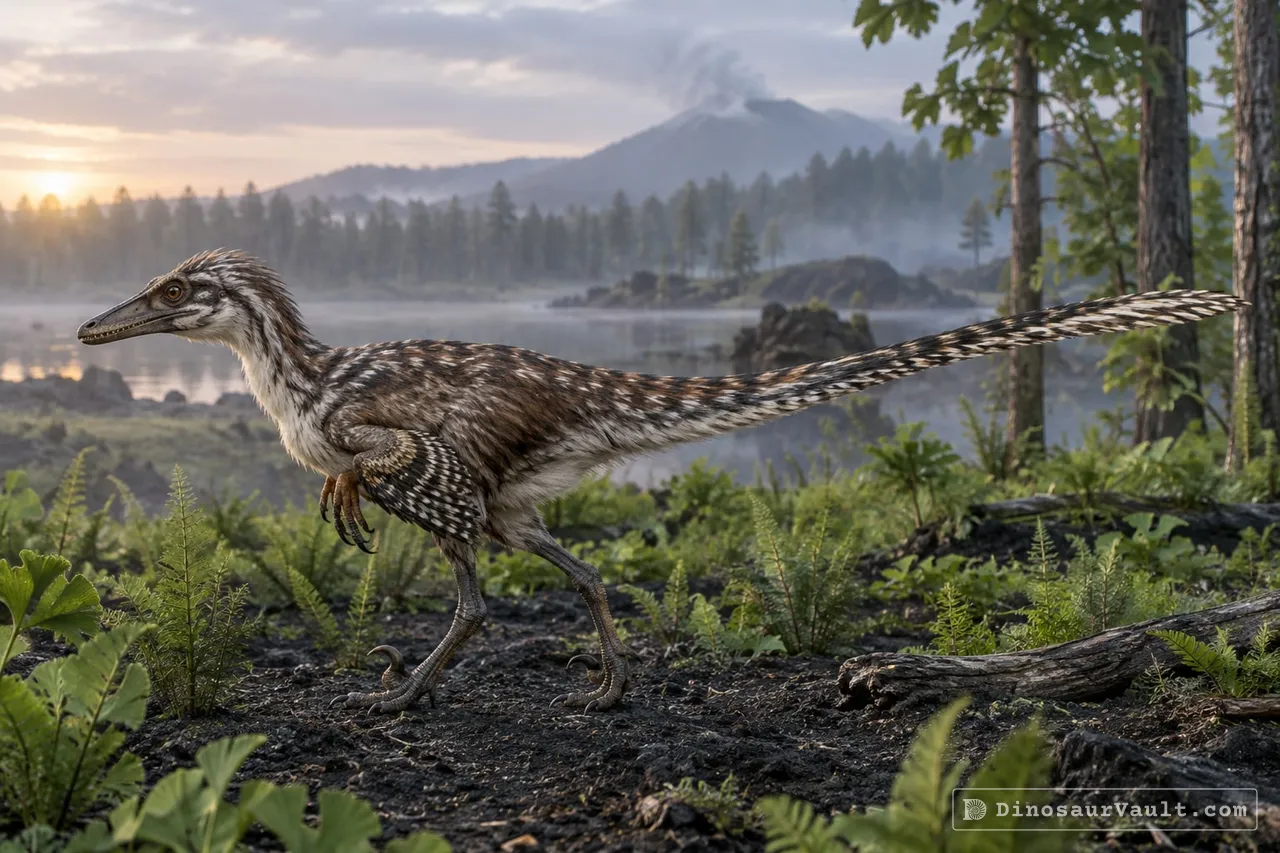
It lived in a region of lakes and active volcanoes preserved in the Yixian Formation of China. Neighbors included Psittacosaurus, Sinosauropteryx and Sinornithosaurus.
Field notes
About Sinovenator
What it was like
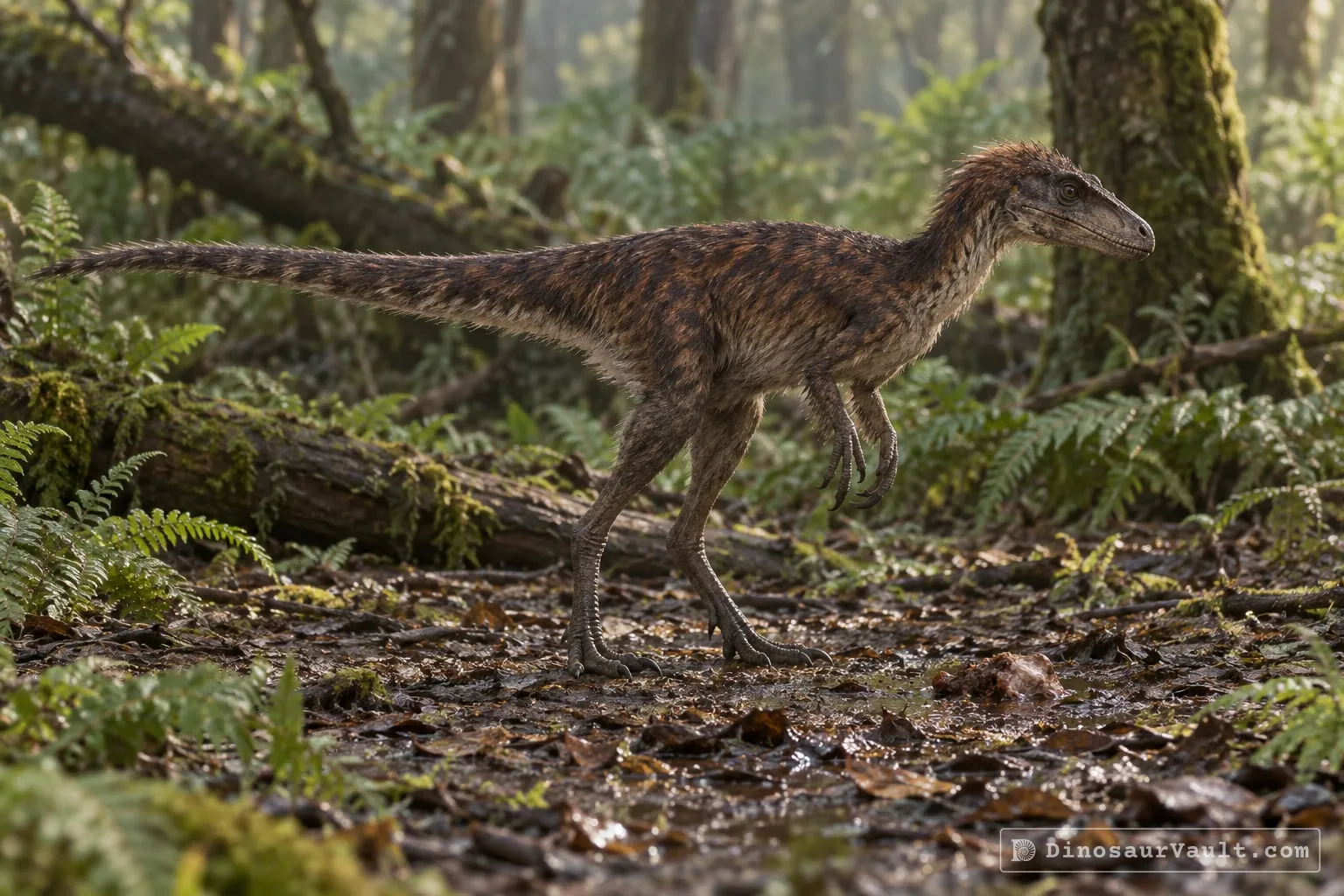
Sinovenator was a small feathered hunter about 1 meter (3 feet) long, one of the oldest members of the troodontids. It had features of both troodontids and raptors, which shows how close these two groups were at the start.
Its world
It lived about 126 to 120 million years ago, in the Early Cretaceous, in what is now northeastern China. Its bones come from the Yixian Formation, where it shared the land with the feathered Sinosauropteryx, Sinornithosaurus and Beipiaosaurus, and the beaked Psittacosaurus.
How it was found
Xu and colleagues named Sinovenator in 2002. Four finds are known.
Field gallery
More views of Sinovenator
Scenes reconstructed from the available fossil evidence.
1 of 3
Lived alongside
Found in the same rock formations
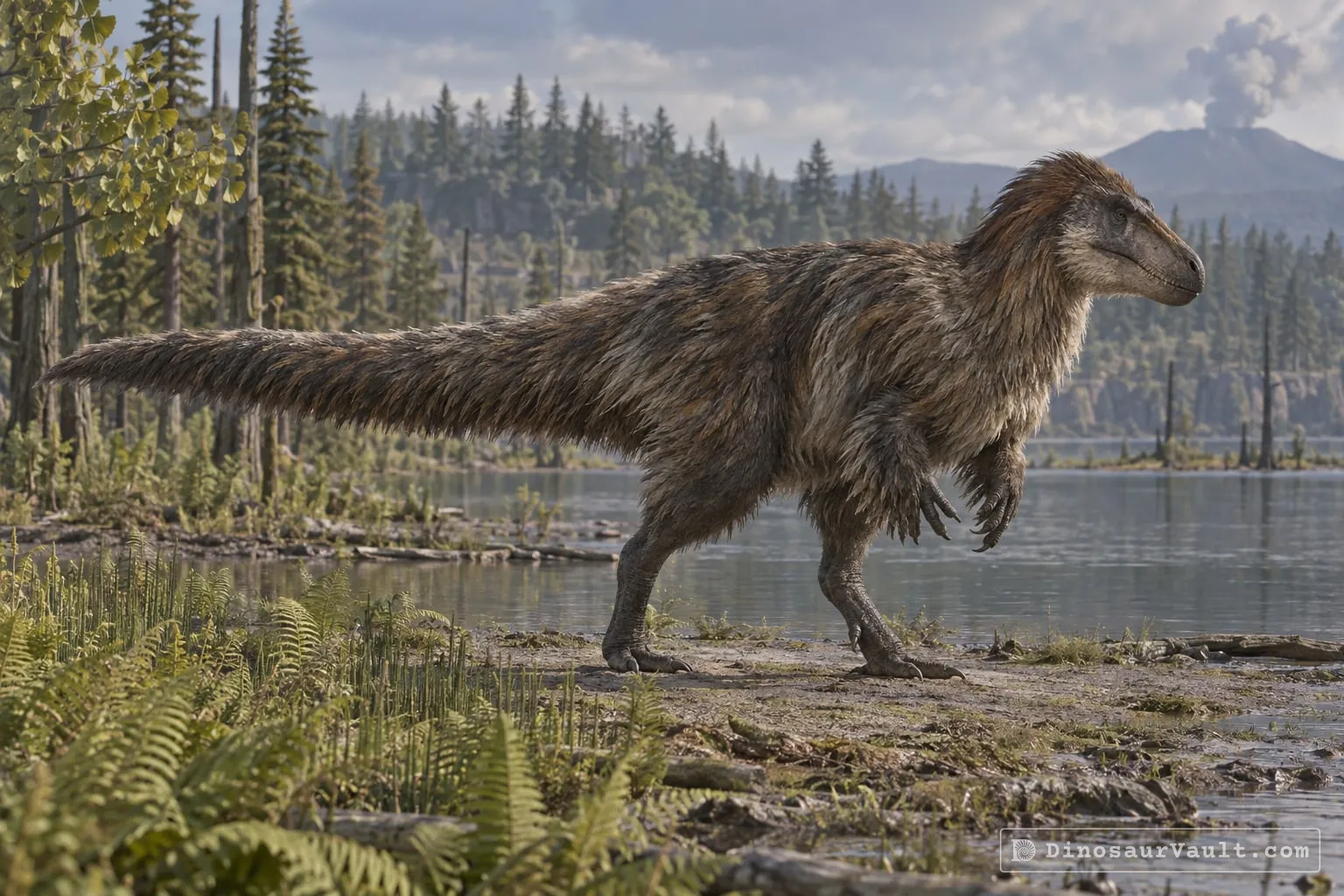
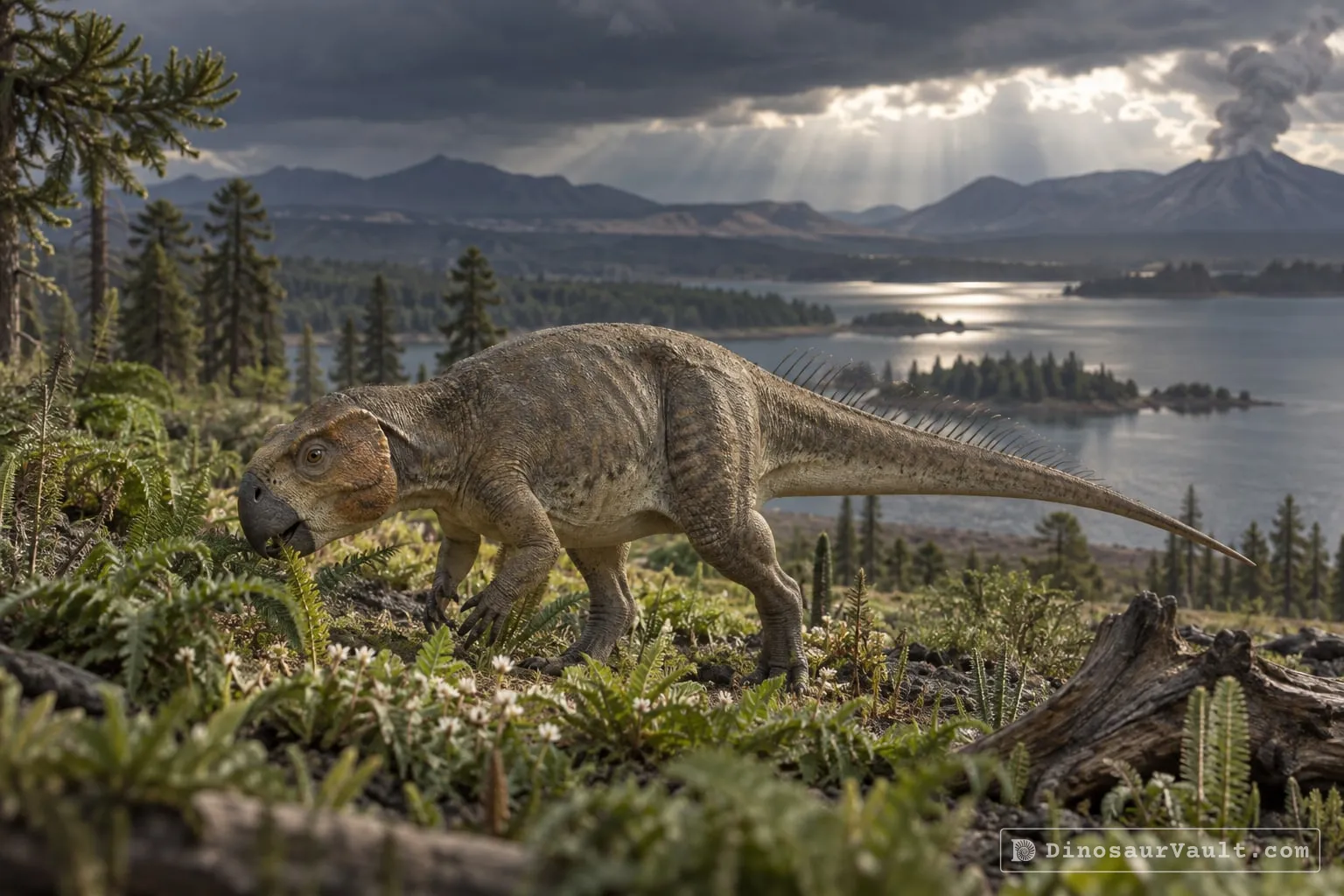
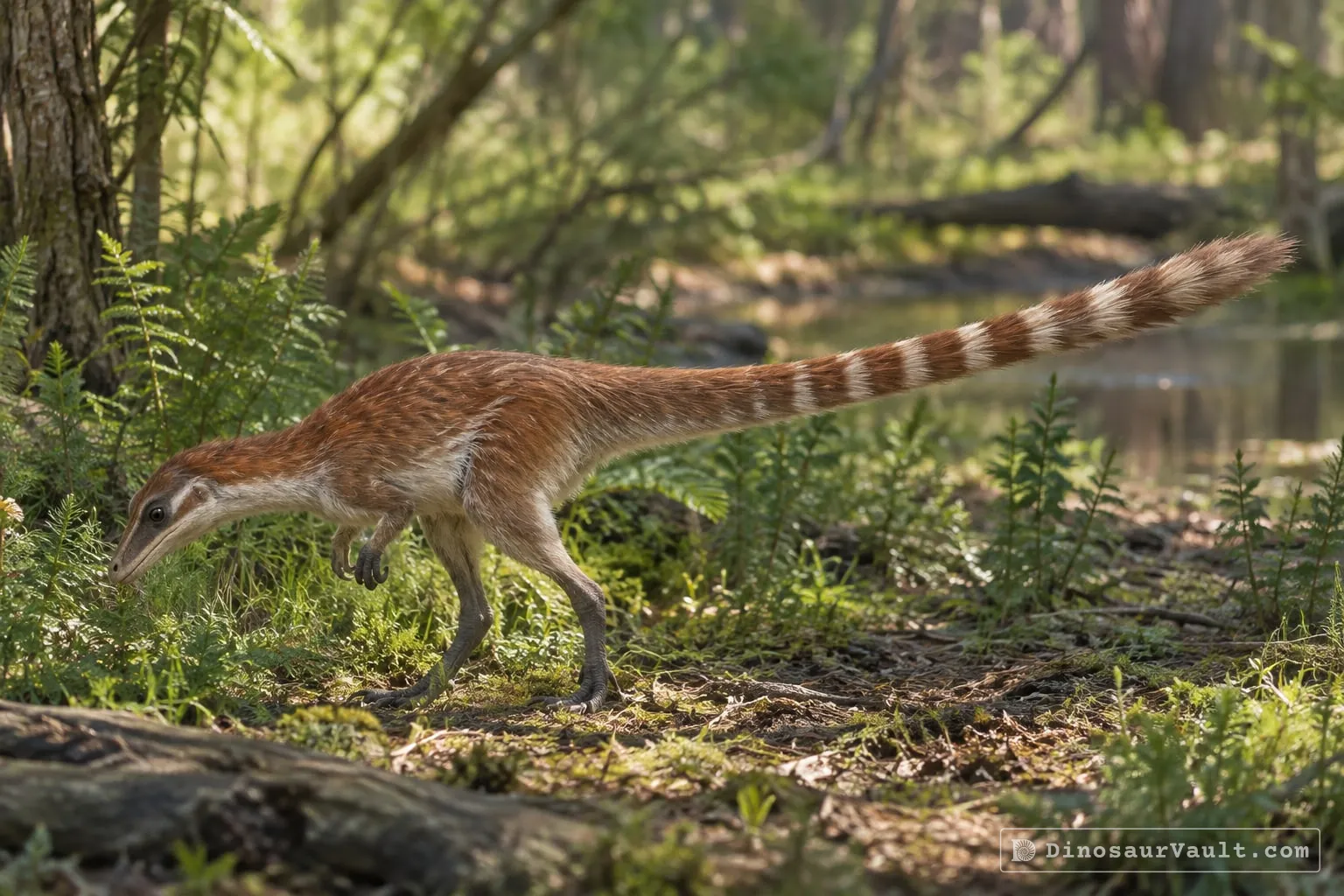
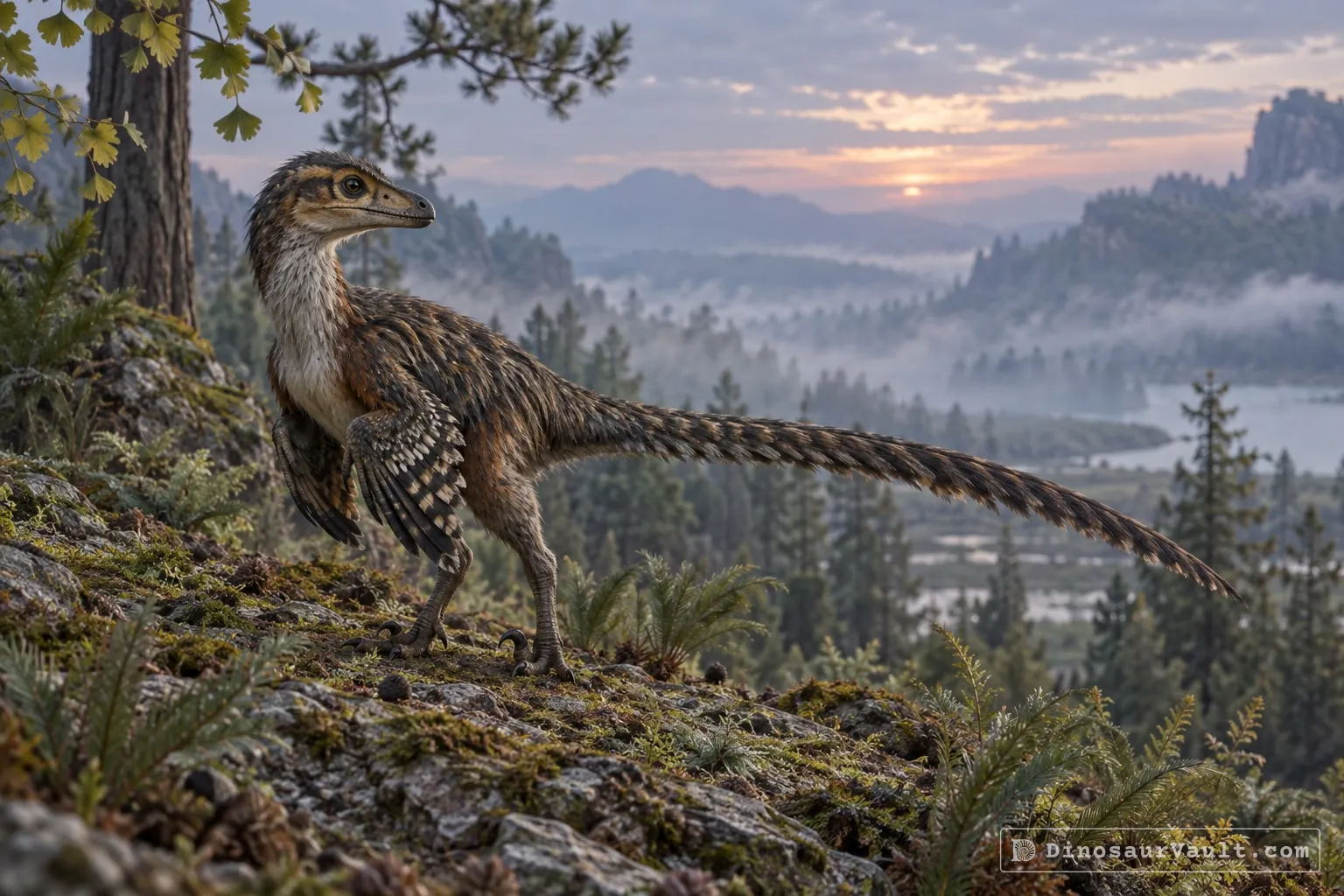
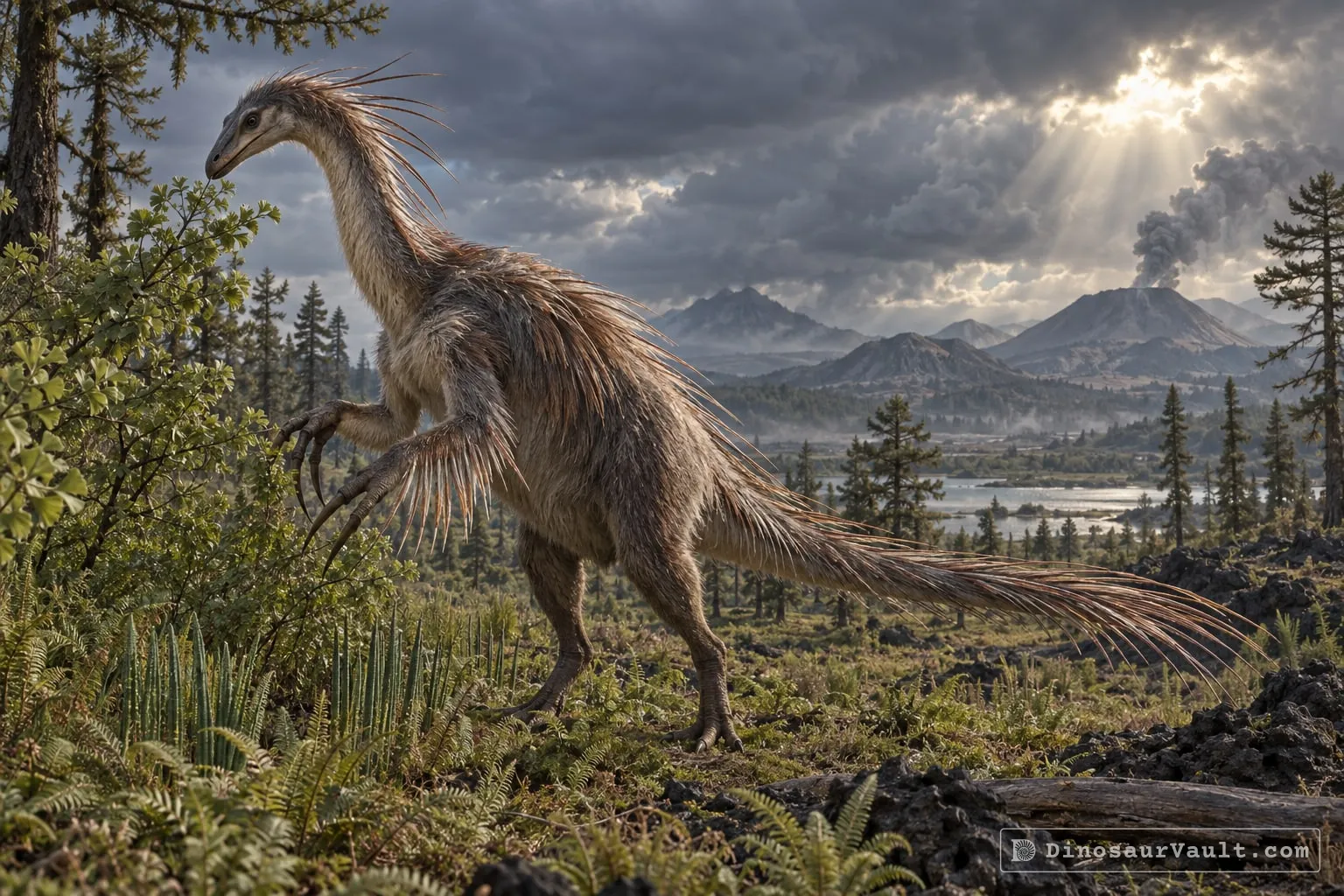
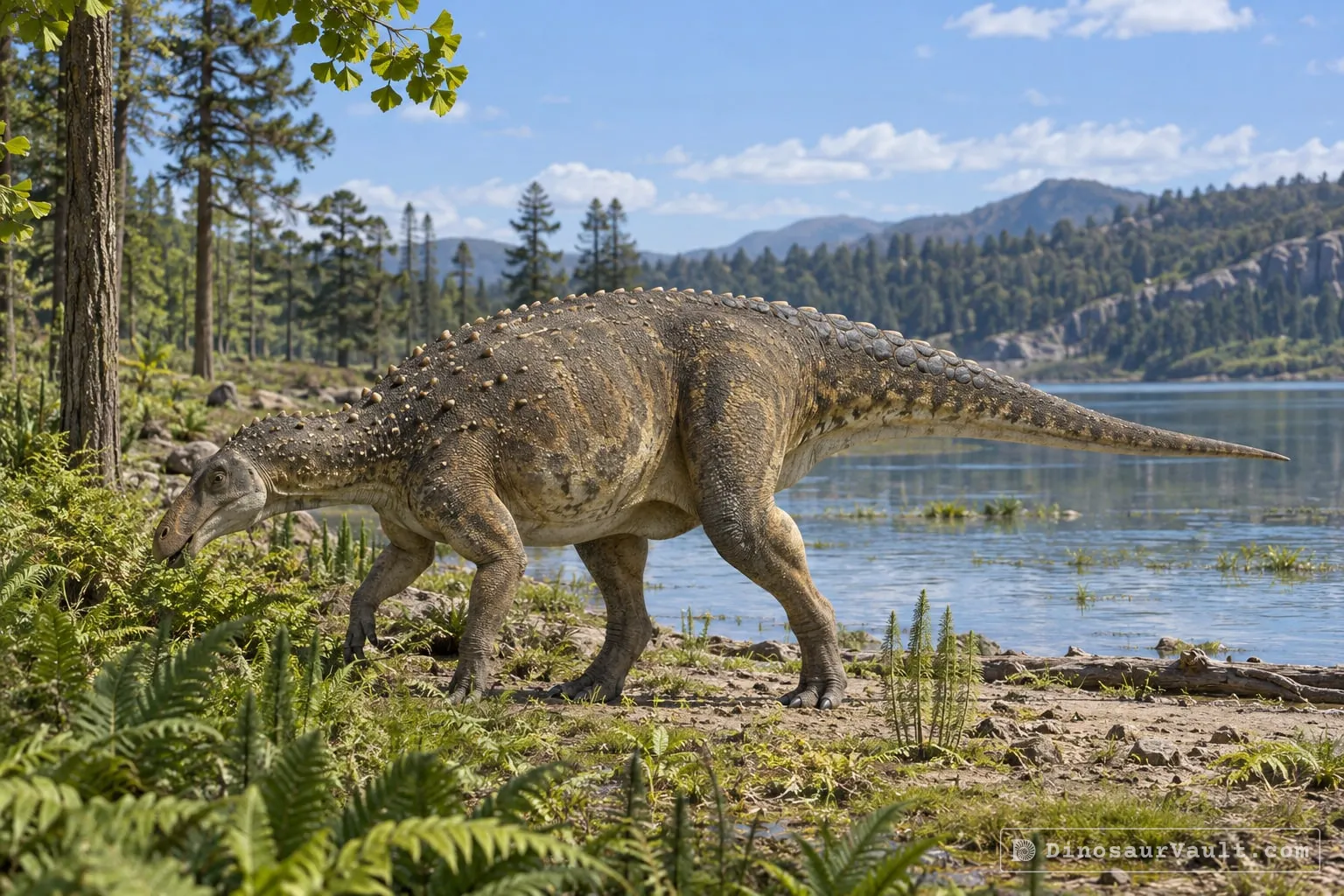
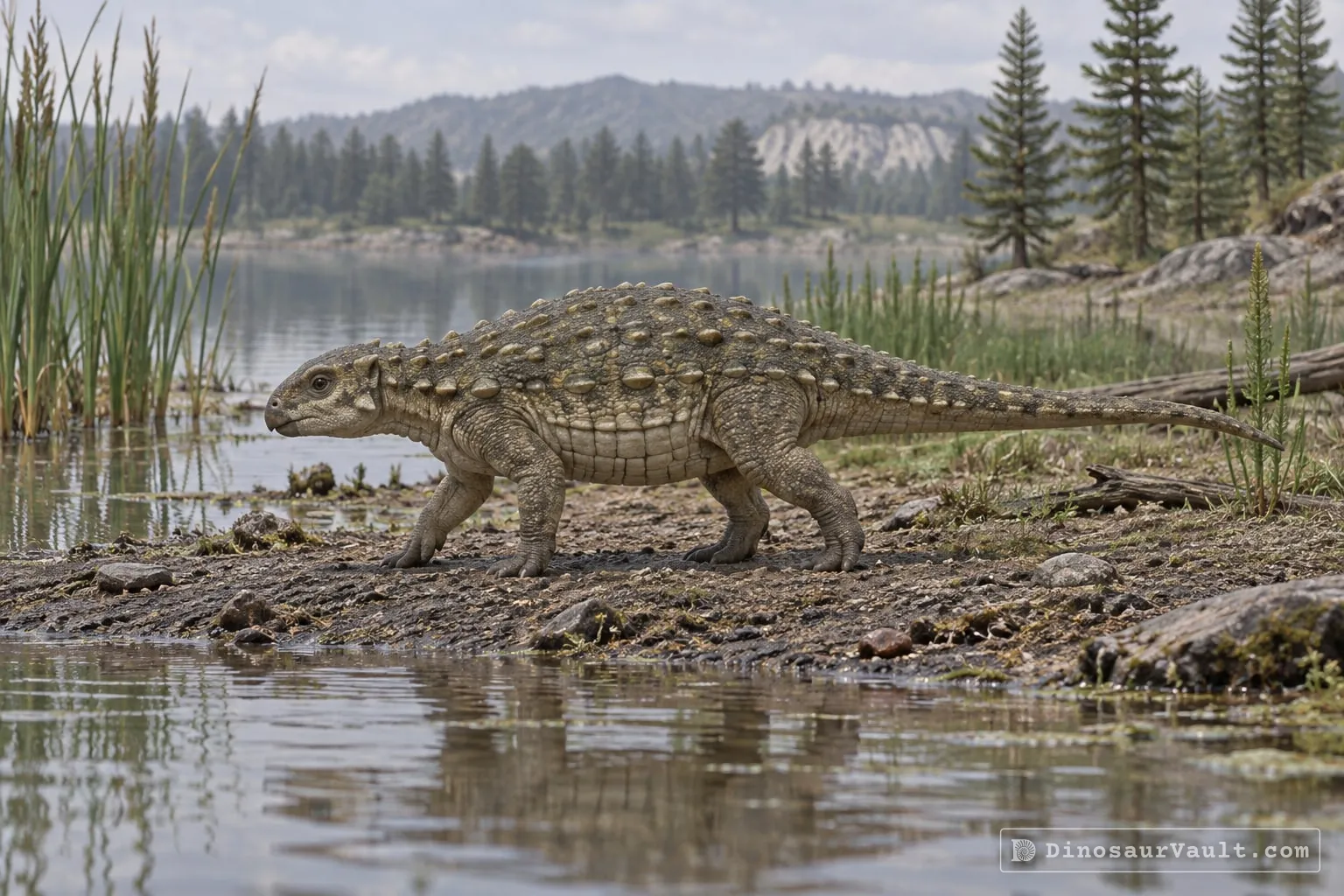


A rock formation can hold fossils laid down millions of years apart, so not every animal here met Sinovenator.
The evidence
The science behind Sinovenator
Which parts of the picture come from its own bones, and which come from its relatives.
From its own fossils
- Partial skeletons and skulls show a small troodontid with features shared by raptors and early birds.
- A later skull preserves much of the head and a connected stretch of neck vertebrae.
- The shape of its brain cavity resembles that of an early bird.
Borrowed from relatives
- A feather covering is inferred from feathered troodontids such as Jianianhualong.
Still unknown
- Its feather colors and the shape of its plumage.
- Which foods made up most of its diet.
- How its body changed as it grew.
Discovery timeline
- 2002Named itXu et al.
- 2017Close relativeXu et al.
- 2018SkullYin, Pei & Zhou
- 2024SkullYu et al.
Key papers
The research behind what we know of Sinovenator
Named it
Named an early troodontid with skeletal features shared by raptors and early birds, helping explain their close relationship.
A basal troodontid from the Early Cretaceous of China. Nature 415: 780-784
Read the paper : A basal troodontid from the Early Cretaceous of China (opens in a new tab)Close relative
Described Jianianhualong with preserved feathers, including asymmetrical tail feathers, supporting feathered restorations of other troodontids.
Mosaic evolution in an asymmetrically feathered troodontid dinosaur with transitional features. Nature Communications 8
Read the paper : Mosaic evolution in an asymmetrically feathered troodontid dinosaur with transitional features (opens in a new tab)Skull
Described a new skull and neck, revealing previously hidden details of the braincase and jaw joints.
Cranial morphology of Sinovenator changii (Theropoda: Troodontidae) on the new material from the Yixian Formation of western Liaoning, China. PeerJ 6: e4977
Read the paper : Cranial morphology of Sinovenator changii (Theropoda: Troodontidae) on the new material from the Yixian Formation of western Liaoning, China (opens in a new tab)Skull
Reconstructed the brain cavity and found its overall shape most closely resembled an early bird among the fossil animals compared.
Avialan-like brain morphology in Sinovenator (Troodontidae, Theropoda). Communications Biology 7
Read the paper : Avialan-like brain morphology in Sinovenator (Troodontidae, Theropoda) (opens in a new tab)
Close relatives
Other members of Troodontidae


Sources: Wikidata