Shenzhousaurus
Type species Shenzhousaurus orientalis
- Lived
- 126 to 120 million years ago, Early Cretaceous
- Diet
- Omnivore
- Group
- Theropods
- Found in
- China
- Named by
- Ji et al. 2003
Where its fossils were found
The evidence
Today

125 million years ago
Habitat
Rivers, lakes and forests in the Yixian Formation of China. Psittacosaurus, Sinosauropteryx and Yutyrannus lived in the same region.
Field notes
About Shenzhousaurus
What it was like
Shenzhousaurus was an early ornithomimosaur, a lightly built theropod with long legs. It had a toothless beak at the front of its jaws and only a few small teeth further back.
Its world
It lived in the Early Cretaceous, in what is now China. It comes from the Yixian Formation, a land of lakes and forests shared with Yutyrannus, Sinosauropteryx and Psittacosaurus.
How it was found
Ji and colleagues named Shenzhousaurus in 2003. The type species is Shenzhousaurus orientalis.
Field gallery
More views of Shenzhousaurus
Scenes reconstructed from the available fossil evidence.
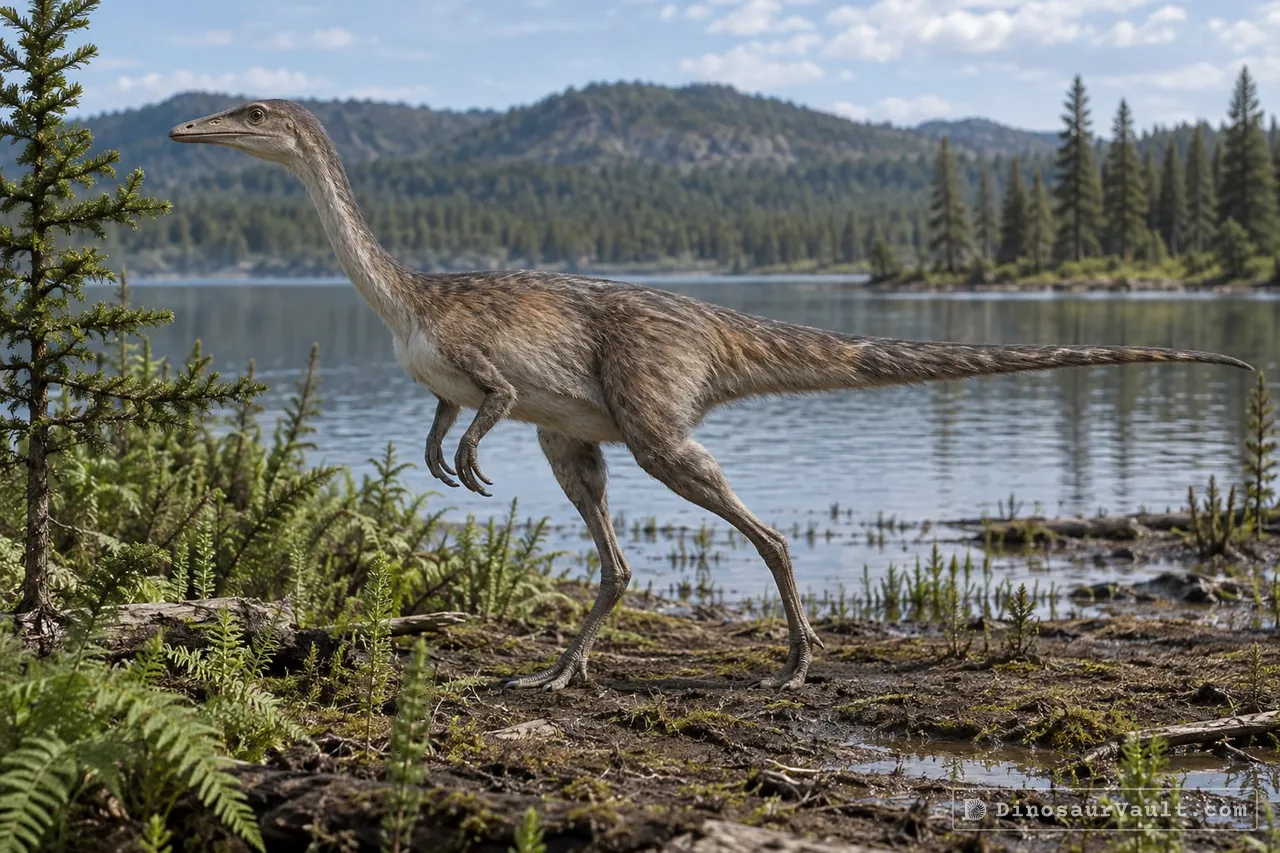
1 of 3
Lived alongside
Found in the same rock formations
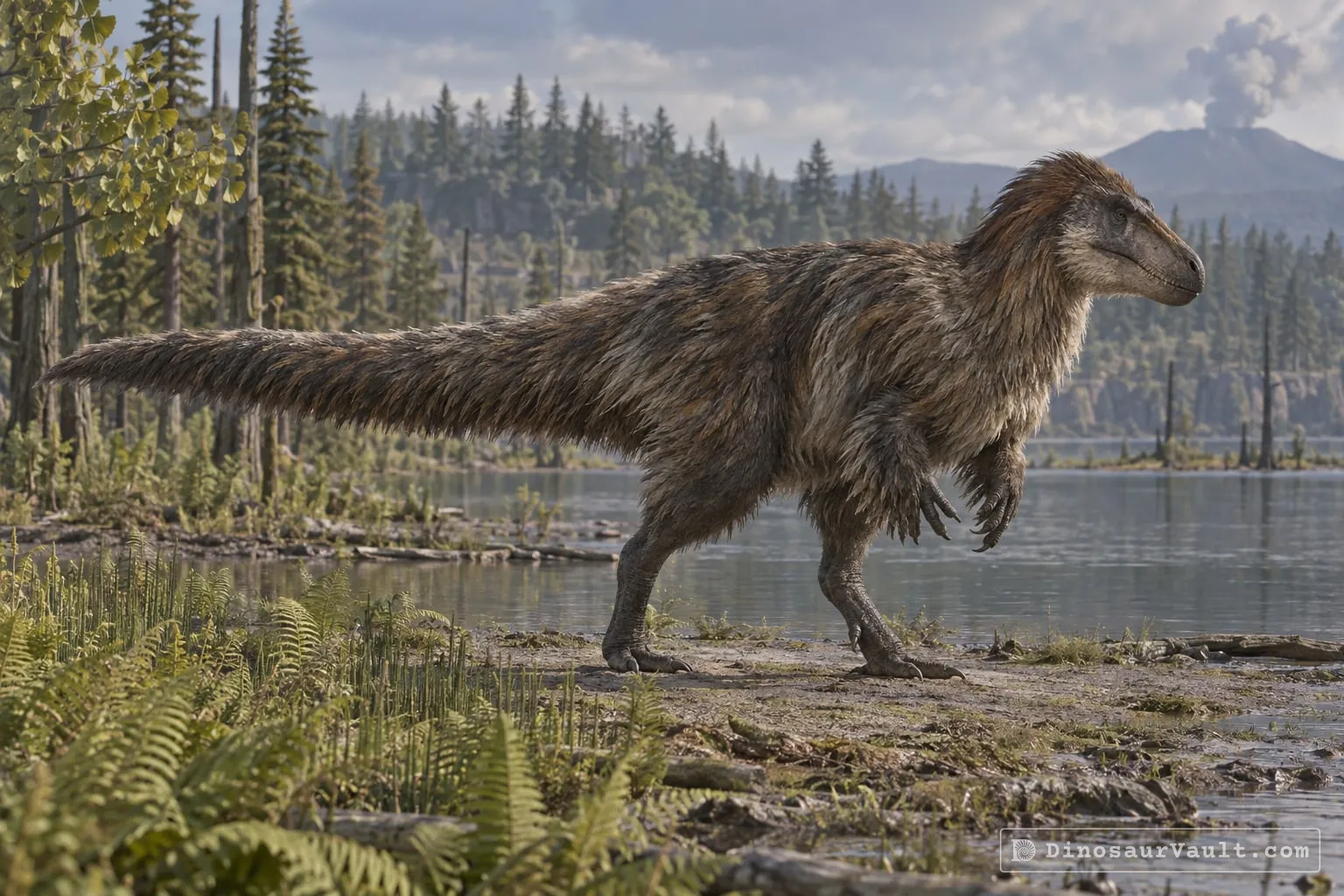
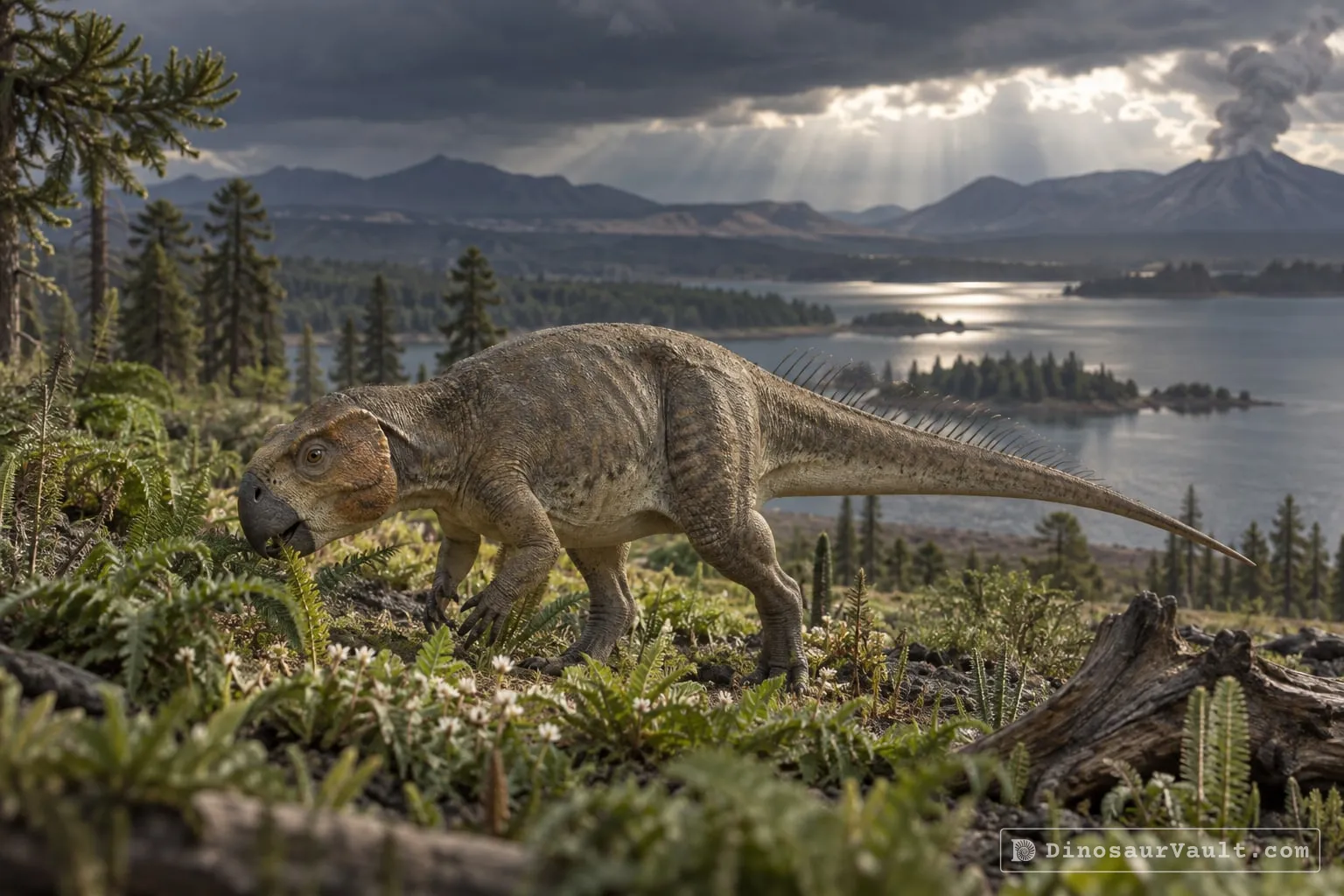
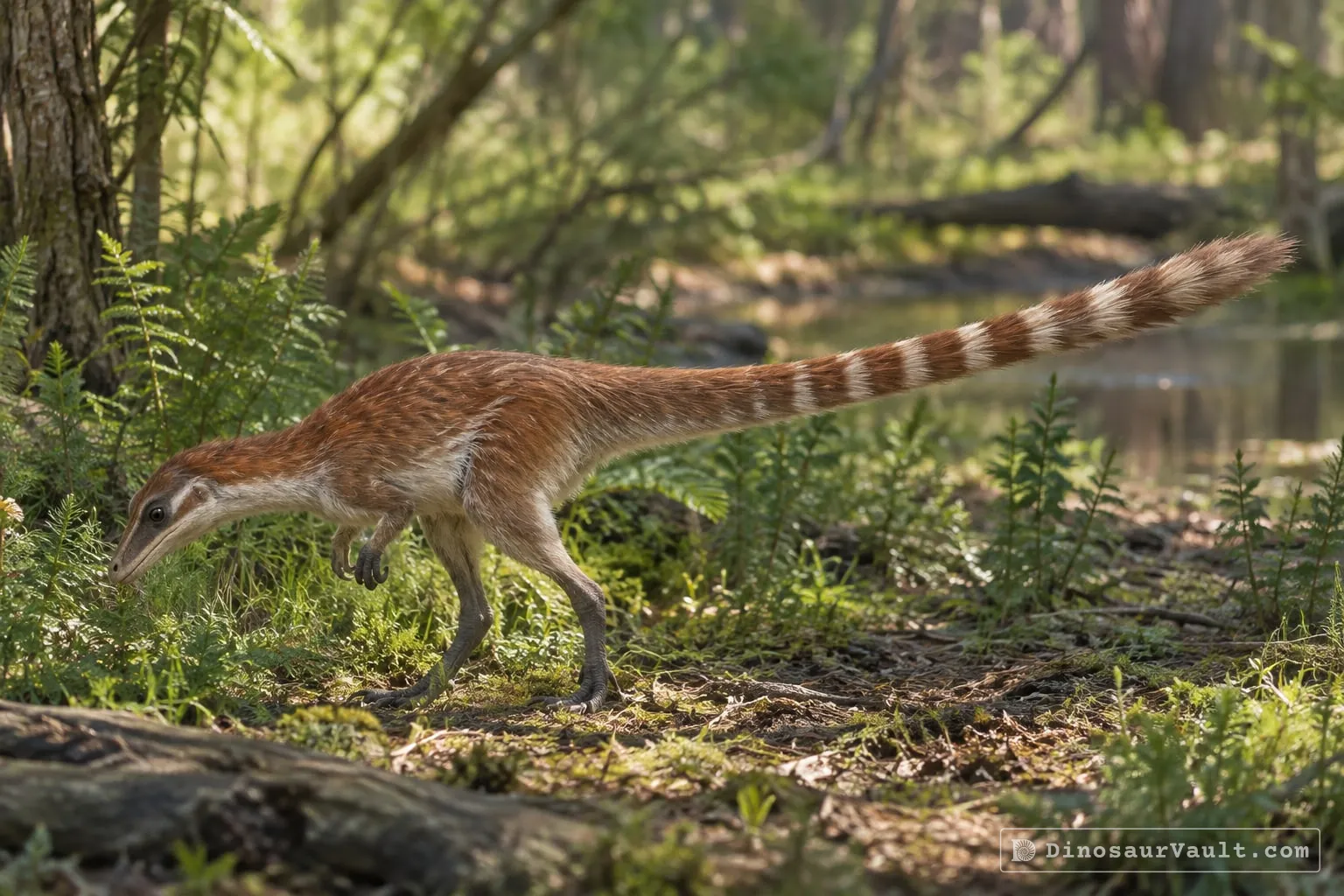
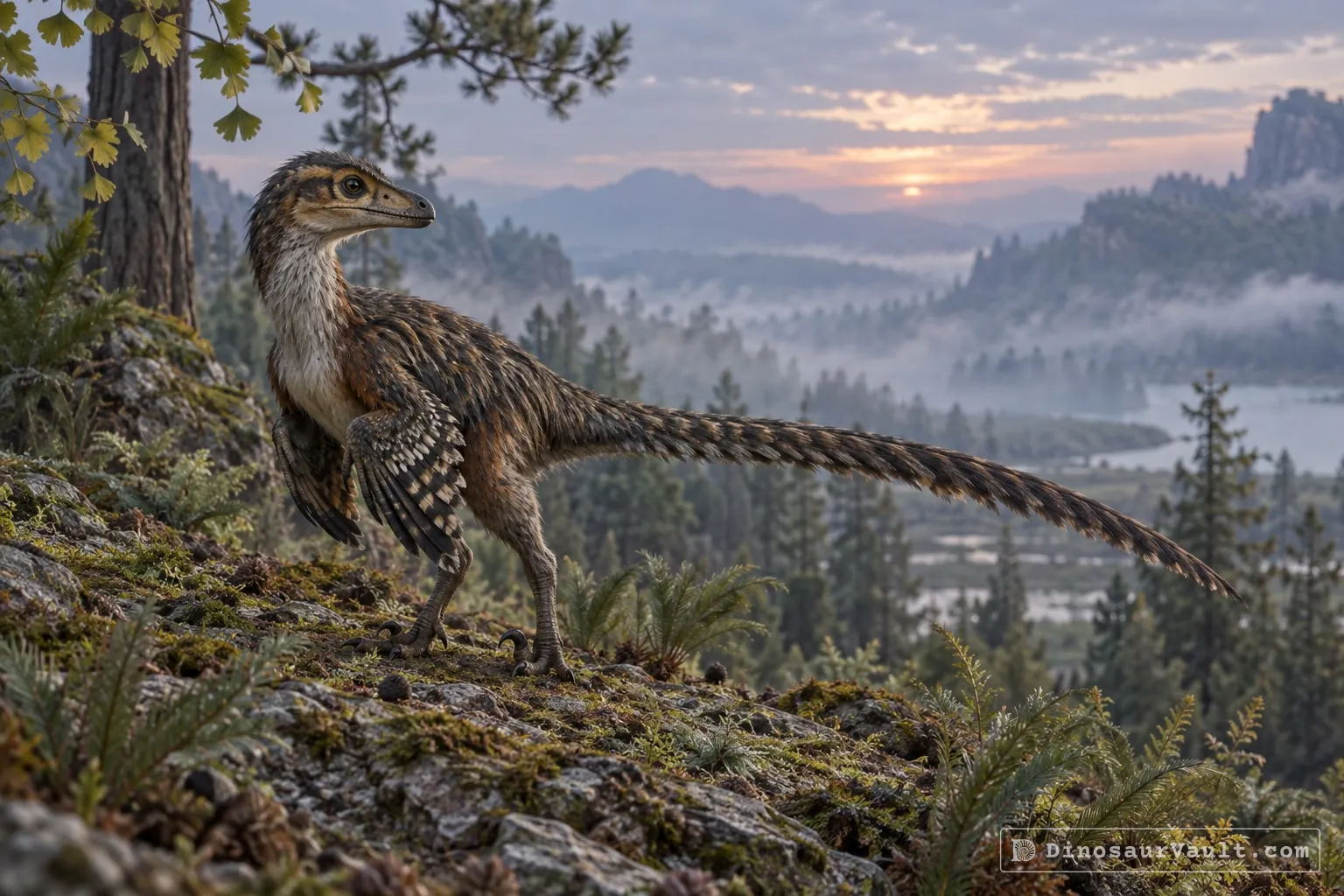
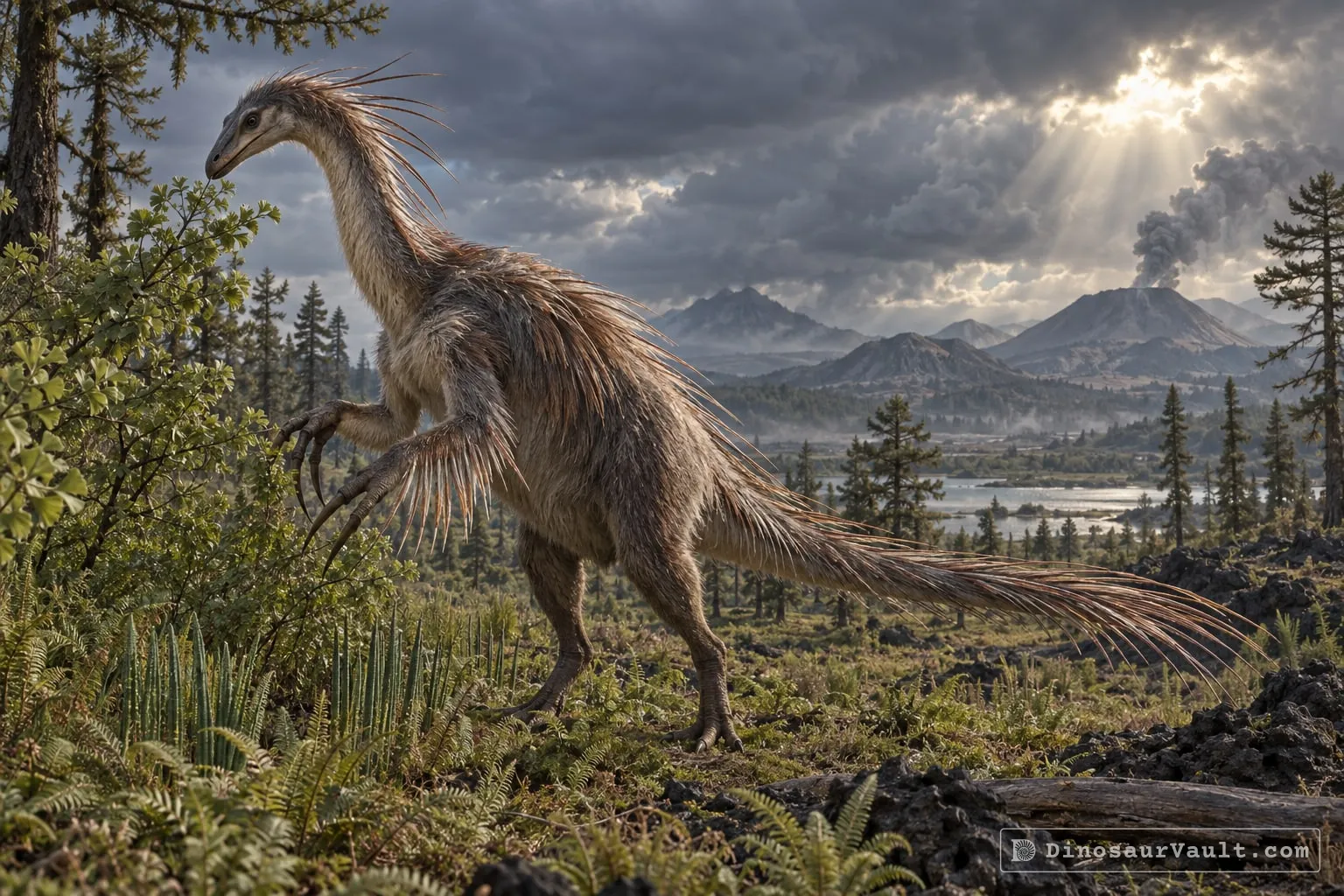
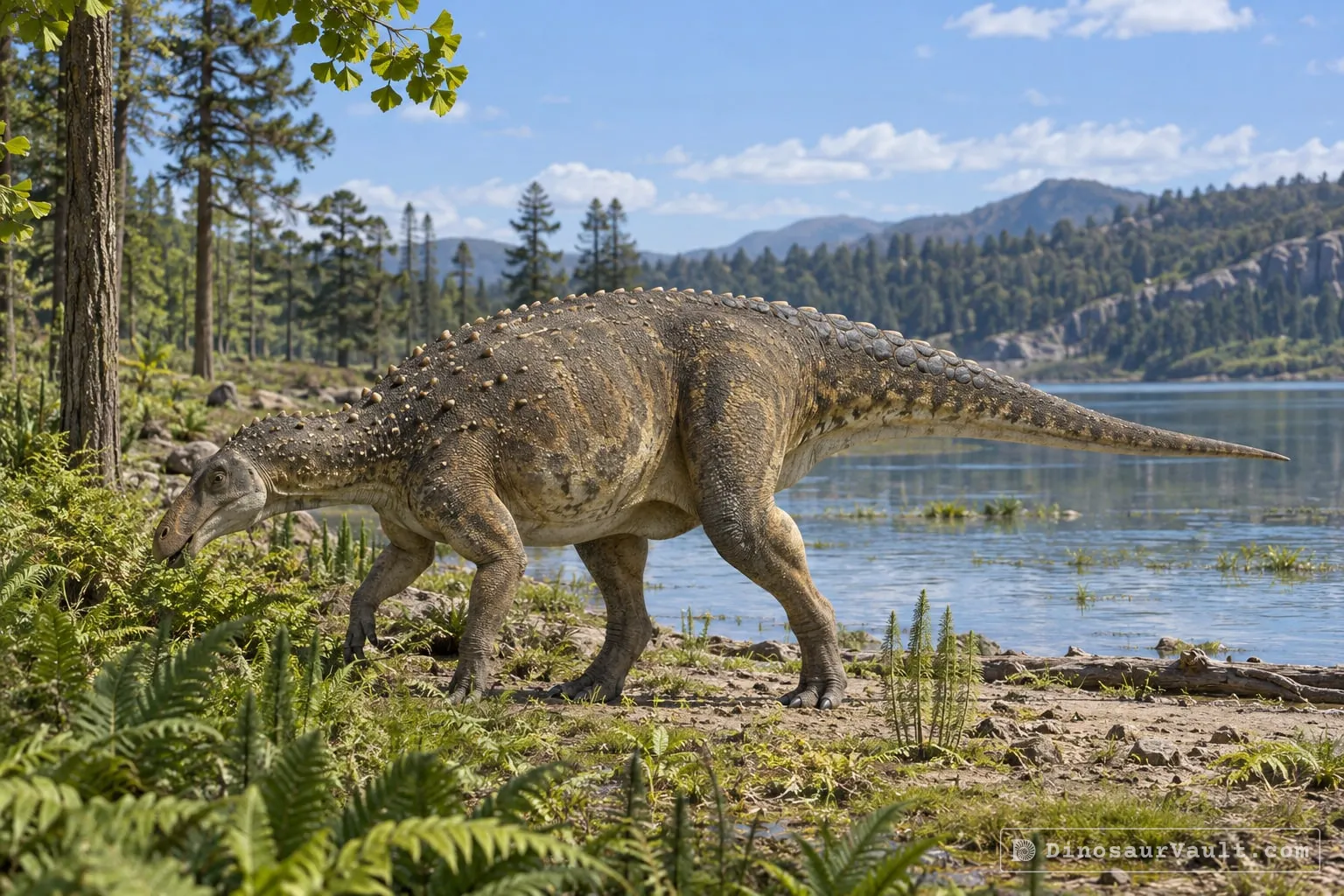
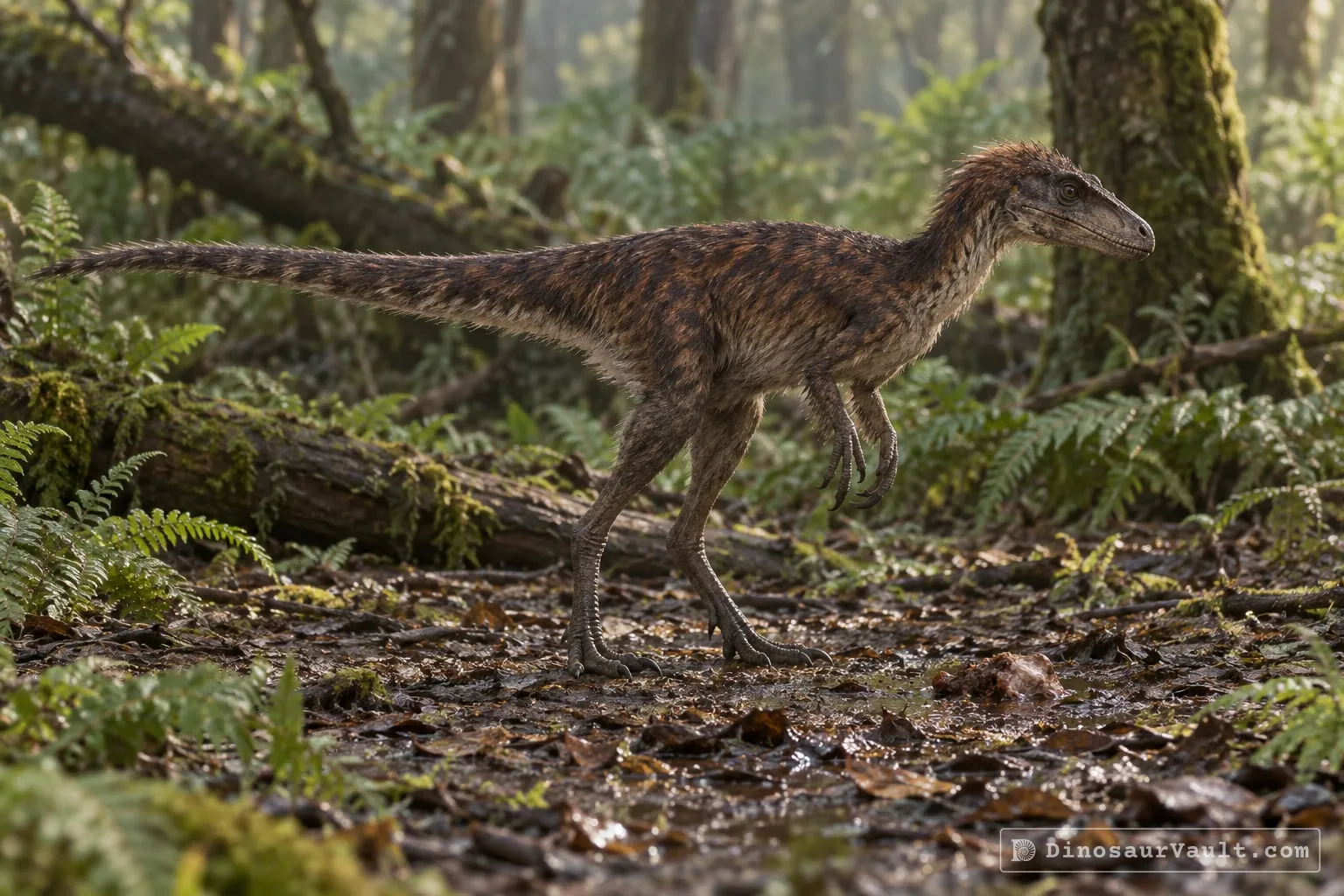
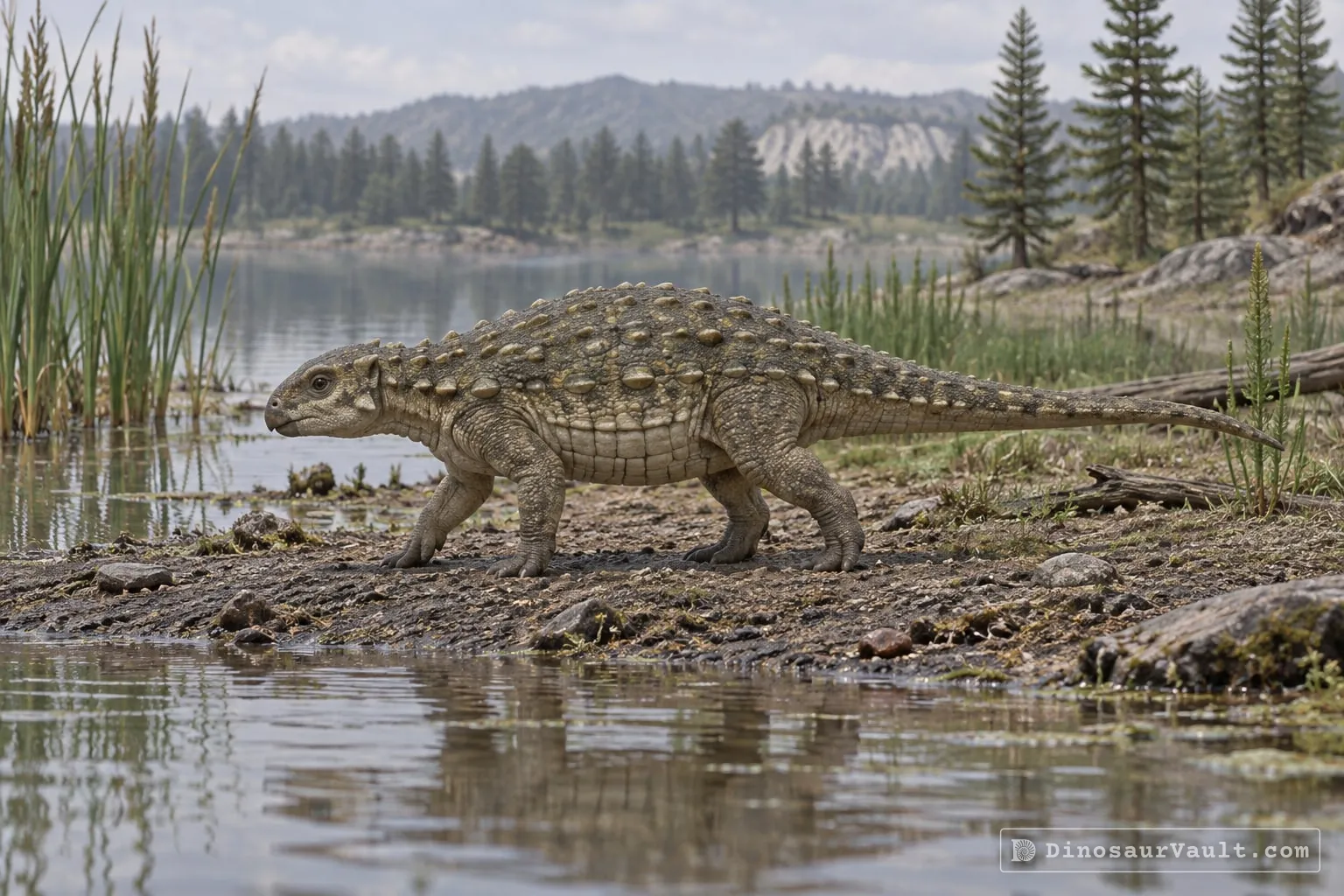


A rock formation can hold fossils laid down millions of years apart, so not every animal here met Shenzhousaurus.
The evidence
The science behind Shenzhousaurus
Which parts of the picture come from its own bones, and which come from its relatives.
From its own fossils
- A partial skeleton with a crushed skull, backbone, hips, thigh bones and part of a hand.
- Pebbles inside the chest region are interpreted as swallowed stomach stones.
- The hand had a shorter inner finger than those of later ostrich dinosaurs.
Borrowed from relatives
- Pelecanimimus and other early ostrich dinosaurs help restore the missing limbs and tail.
- Feathers in Ornithomimus suggest that Shenzhousaurus may also have had a feathery body covering.
Still unknown
- The extent and shape of its feathers.
- Its color.
- Exactly what it ate and how its diet changed as it grew.
Discovery timeline
- 2003Named itJI et al.
- 2009Family treeMakovicky et al.
- 2012Close relativeZelenitsky et al.
Key papers
The research behind what we know of Shenzhousaurus
Named it
Described Shenzhousaurus from a partial skeleton with stomach stones and placed it near the base of the ostrich dinosaur family tree.
An Early Ostrich Dinosaur and Implications for Ornithomimosaur Phylogeny. American Museum Novitates 3420: 1
Read the paper : An Early Ostrich Dinosaur and Implications for Ornithomimosaur Phylogeny (opens in a new tab)Family tree
Named Beishanlong and placed it farther along the ostrich dinosaur family tree than Shenzhousaurus and Pelecanimimus.
A giant ornithomimosaur from the Early Cretaceous of China. Proceedings of the Royal Society B: Biological Sciences 277: 191-198
Read the paper : A giant ornithomimosaur from the Early Cretaceous of China (opens in a new tab)Close relative
Found a filamentous feather covering in Ornithomimus, supporting feathered restorations of related ostrich dinosaurs.
Feathered Non-Avian Dinosaurs from North America Provide Insight into Wing Origins. Science 338: 510-514
Read the paper : Feathered Non-Avian Dinosaurs from North America Provide Insight into Wing Origins (opens in a new tab)
Close relatives
Other members of Ornithomimosauria


Sources: Wikidata