Hexing
Type species Hexing qingyi
- Lived
- 126 to 120 million years ago, Early Cretaceous
- Diet
- Omnivore
- Group
- Theropods
- Found in
- China
- Named by
- Jin et al. 2012
Where its fossils were found
The evidence
Today

125 million years ago
Habitat
The Yixian Formation records a landscape of freshwater lakes, forests and nearby volcanoes. Its dinosaurs included Yutyrannus, Psittacosaurus and Sinosauropteryx.
Field notes
About Hexing
What it was like
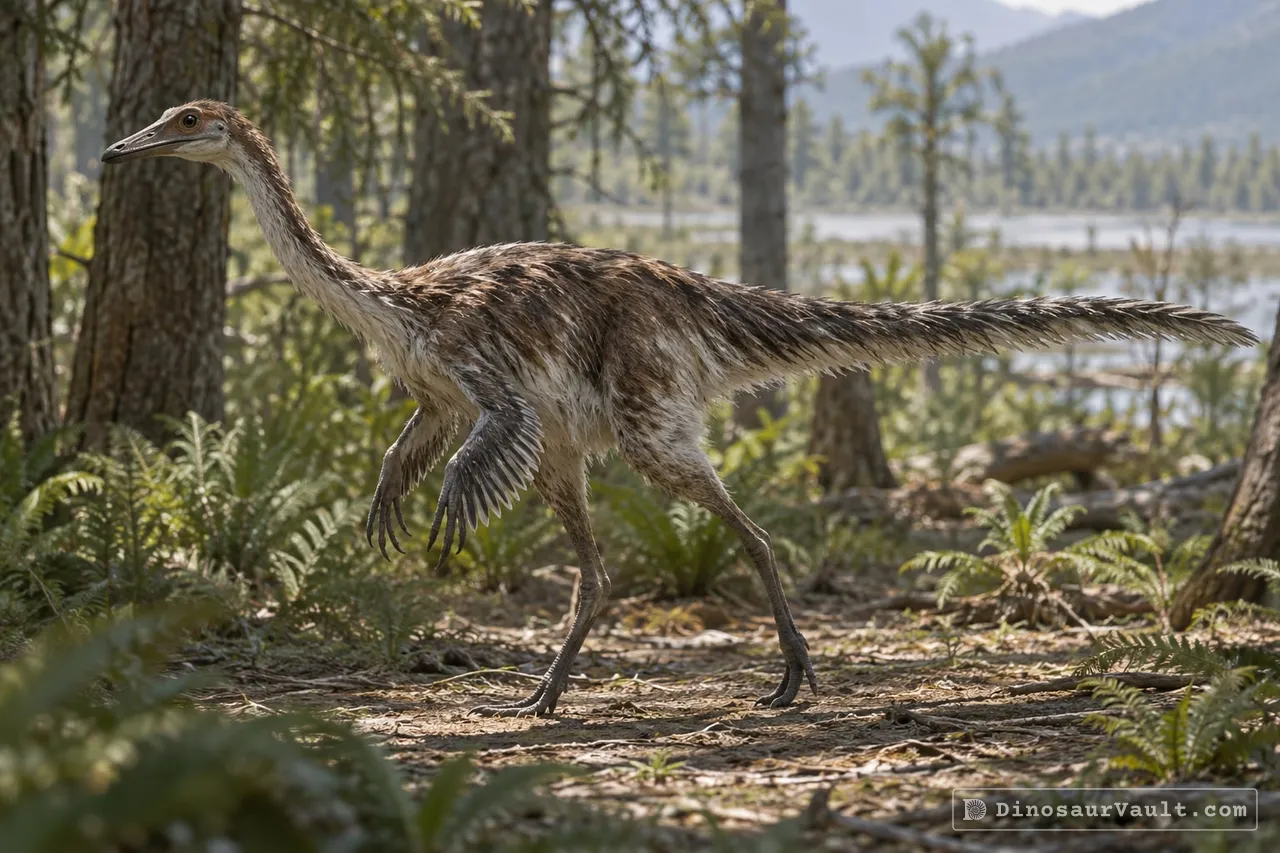
Hexing was a small, early ornithomimosaur, a lightly built theropod with long legs. It had only a few teeth, at the front of its jaws.
Its world
It lived in the Early Cretaceous, in what is now China. It comes from the Yixian Formation, where it shared the land with the feathered tyrannosaur Yutyrannus and the small predators Sinosauropteryx and Sinornithosaurus.
How it was found
Jin and colleagues named Hexing in 2012. The type species is Hexing qingyi.
Field gallery
More views of Hexing
Scenes reconstructed from the available fossil evidence.
1 of 3
Lived alongside
Found in the same rock formations
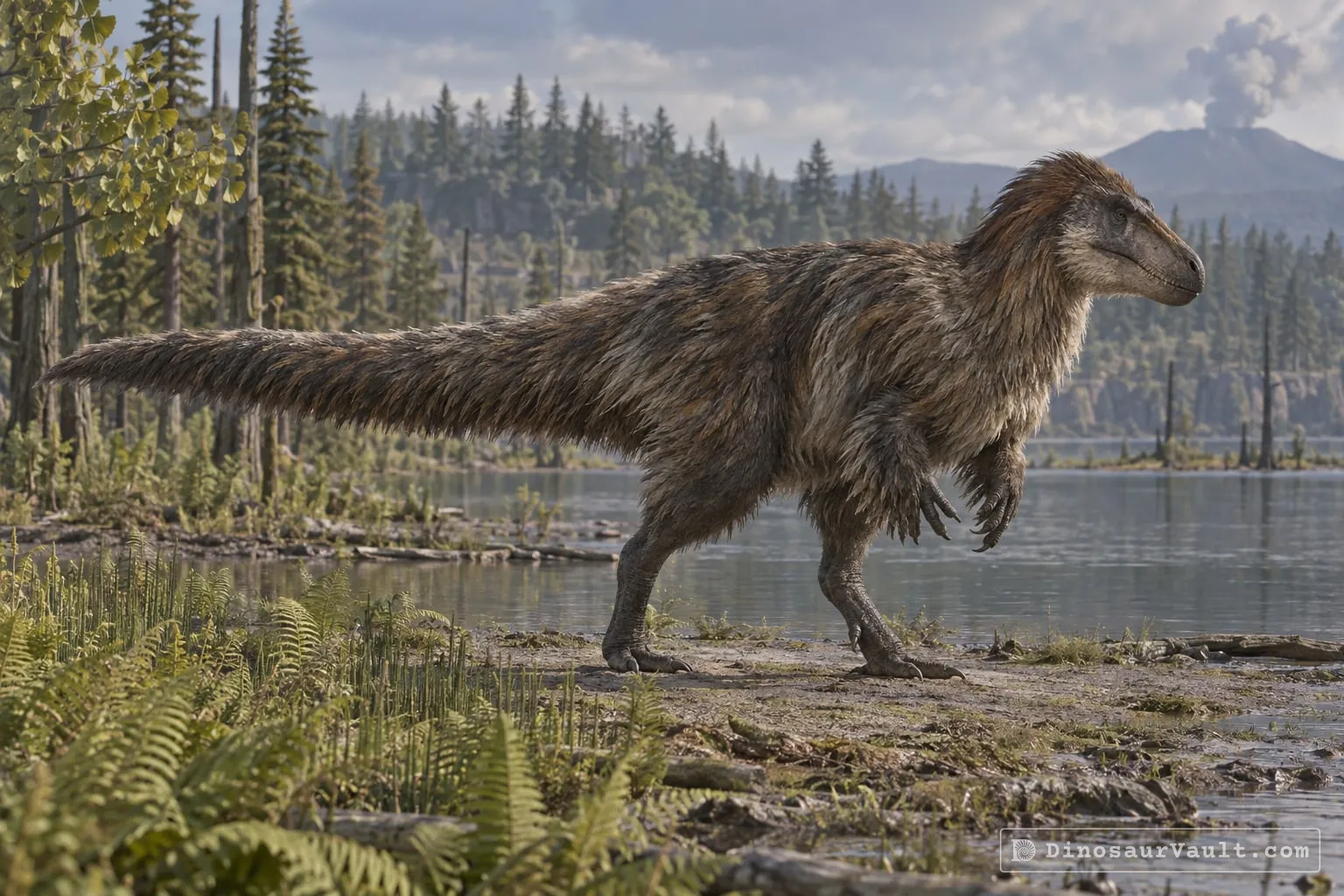
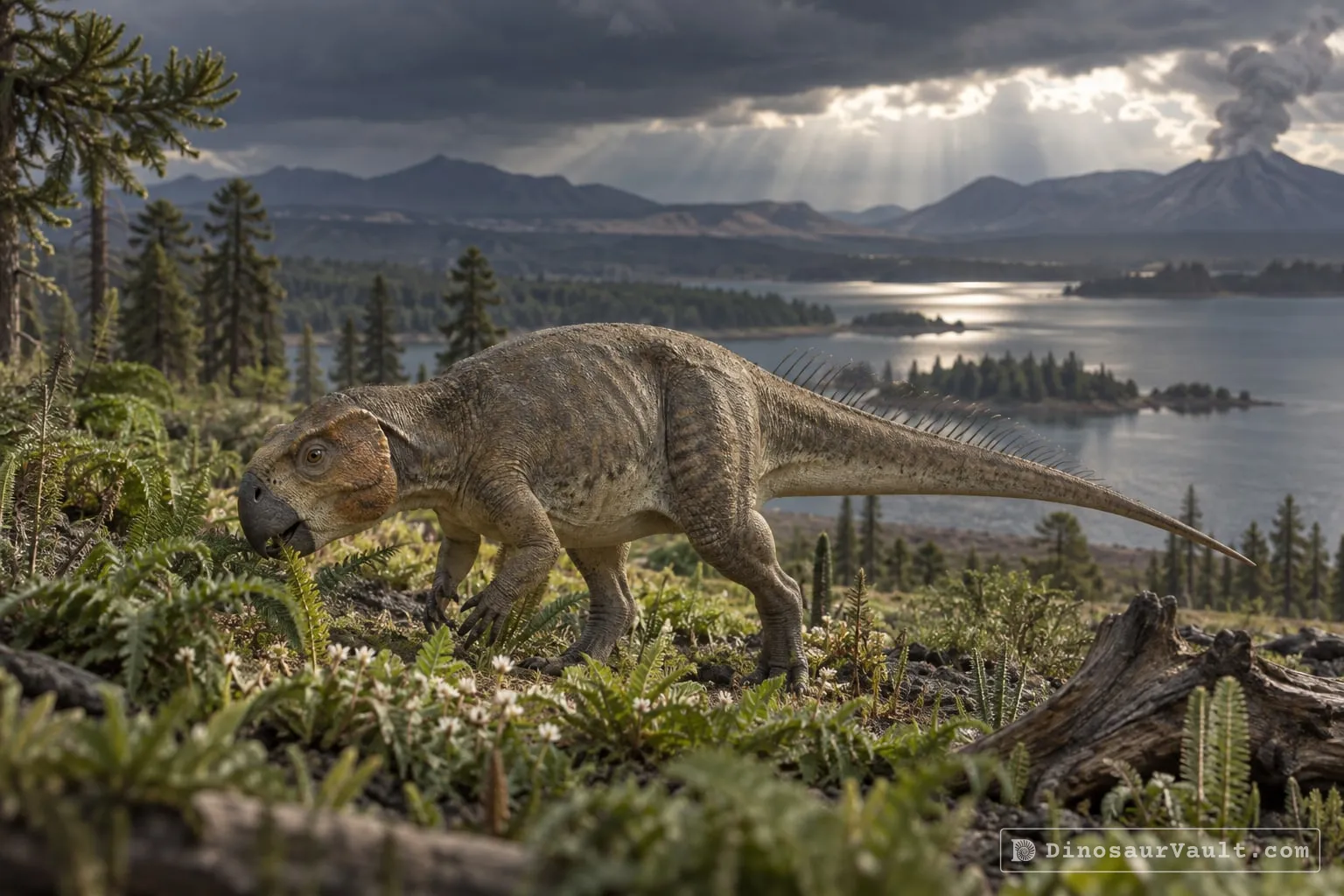
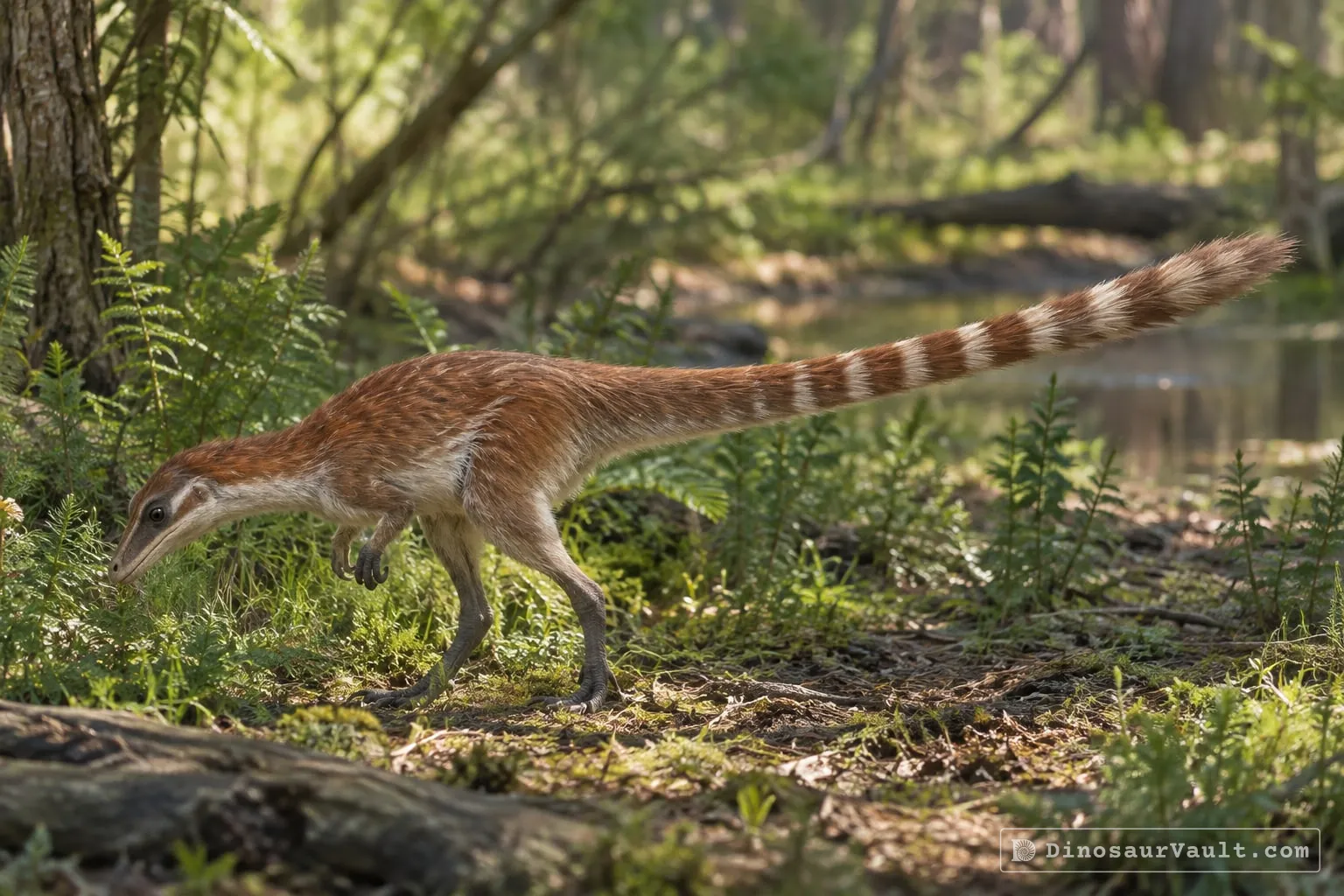
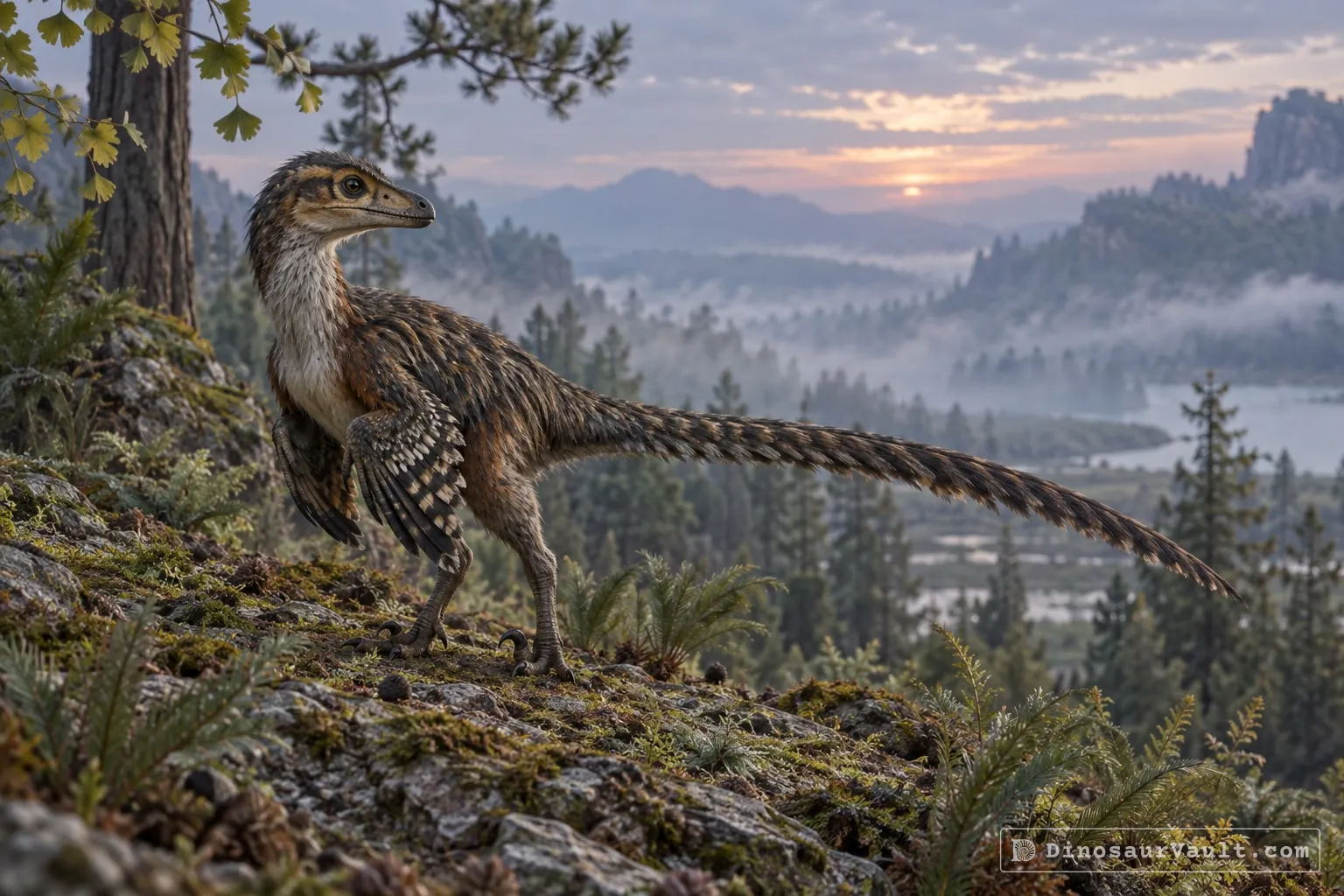
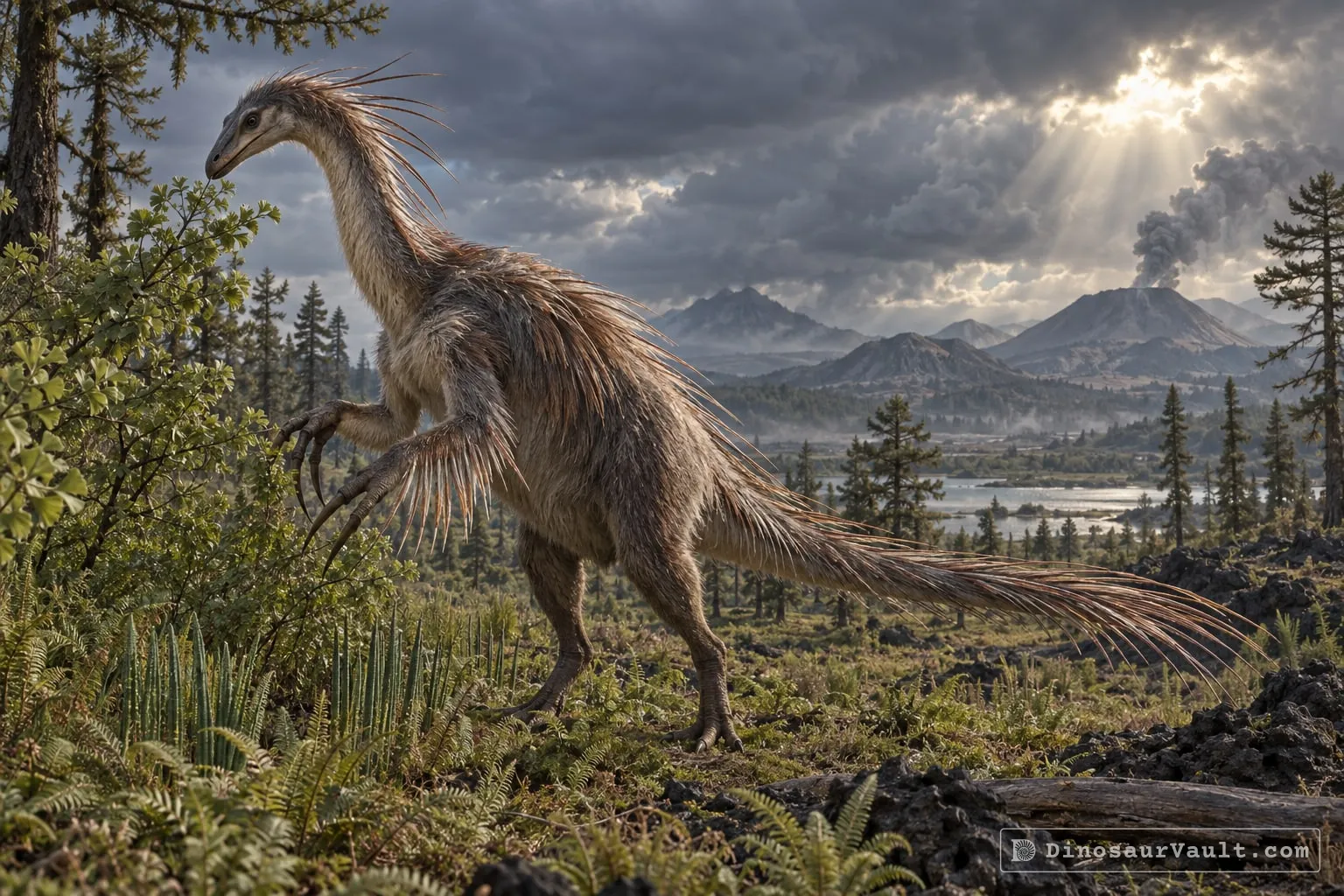
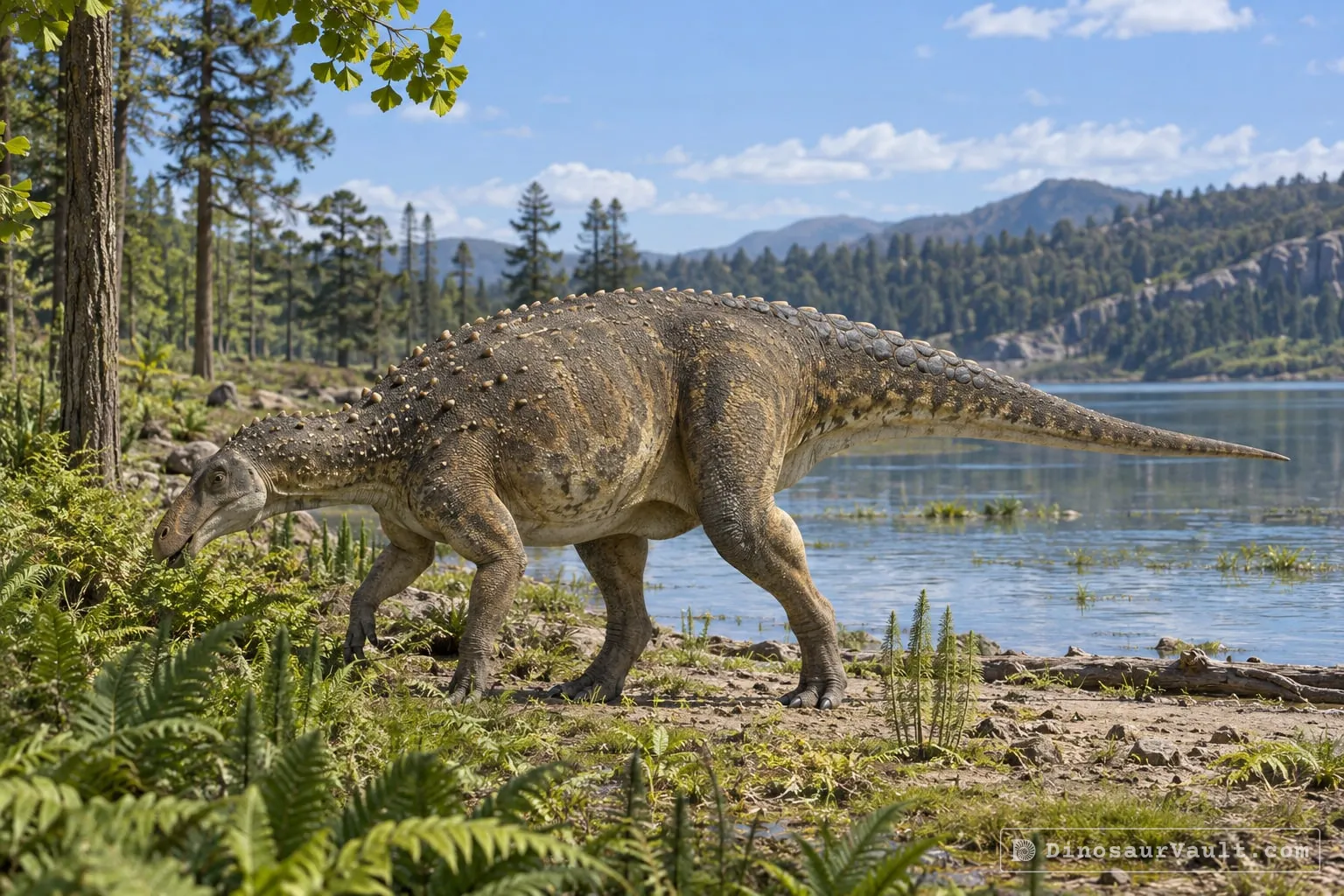
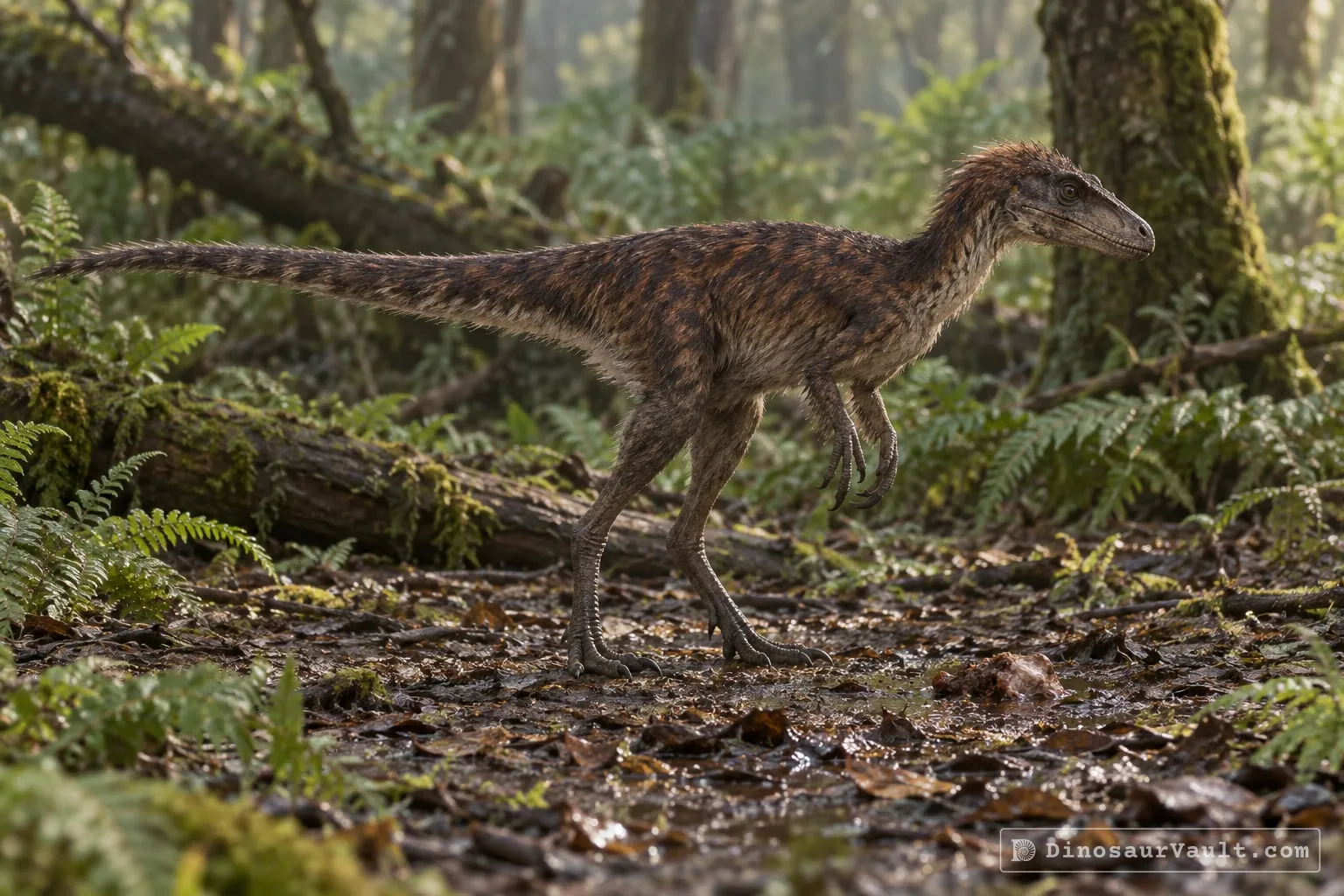
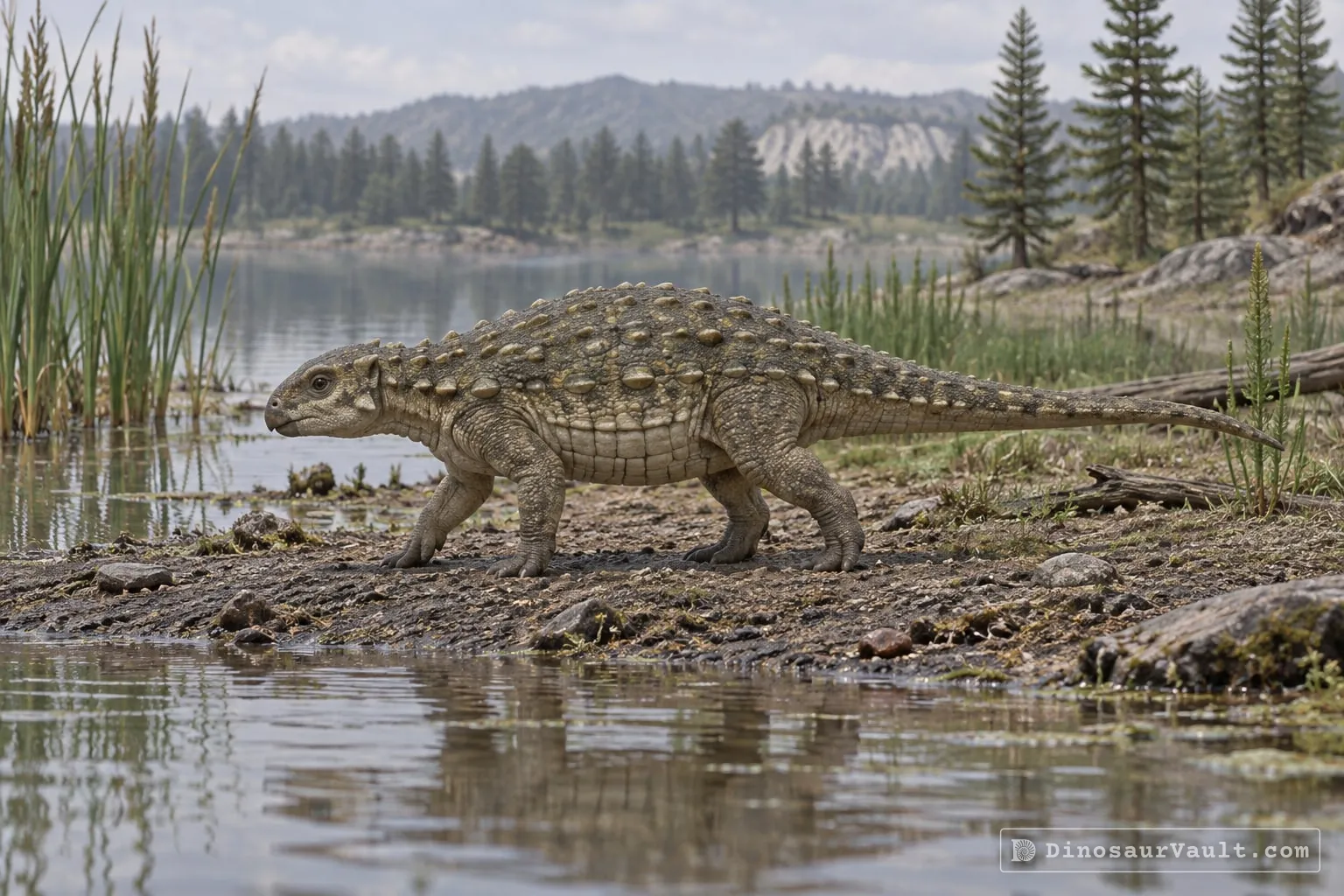


A rock formation can hold fossils laid down millions of years apart, so not every animal here met Hexing.
The evidence
The science behind Hexing
Which parts of the picture come from its own bones, and which come from its relatives.
From its own fossils
- A partial skeleton preserves the skull, some neck vertebrae and much of the limbs.
- Small, cone-shaped teeth survive at the front of the lower jaw.
- The hands are long, and the lower legs are much longer than the thigh bones.
Borrowed from relatives
- Shenzhousaurus and other early ornithomimosaurs help restore the missing backbone and tail.
- Feathers in Ornithomimus suggest that Hexing probably had a feather covering too.
Still unknown
- Its feather colors and exact covering.
- Its complete body length.
- Which foods made up its diet.
Discovery timeline
- 2012Named itJin, Chen & Godefroit
- 2012Close relativeZelenitsky et al.
- 2017Family treeBrownstein
Key papers
The research behind what we know of Hexing
Named it
Described a small, toothed ornithomimosaur with long hands and lower legs, placing it among early members of the group.
A new basal ornithomimosaur (Dinosauria: Theropoda) from the Early Cretaceous Yixian Formation, northeast China. Bernissart Dinosaurs and Early Cretaceous Terrestrial Ecosystems.
No link available
Close relative
Found feathers in Ornithomimus, providing a comparison for the likely covering of other ornithomimosaurs, including Hexing.
Feathered Non-Avian Dinosaurs from North America Provide Insight into Wing Origins. Science 338: 510-514
Read the paper : Feathered Non-Avian Dinosaurs from North America Provide Insight into Wing Origins (opens in a new tab)Family tree
Compared early ornithomimosaurs, including Hexing, and traced the group's spread across continents during the Early Cretaceous.
Description of Arundel Clay ornithomimosaur material and a reinterpretation of Nedcolbertia justinhofmanni as an “Ostrich Dinosaur”: biogeographic implications. PeerJ 5: e3110
Read the paper : Description of Arundel Clay ornithomimosaur material and a reinterpretation of Nedcolbertia justinhofmanni as an “Ostrich Dinosaur”: biogeographic implications (opens in a new tab)
Close relatives
Other members of Ornithomimosauria


Sources: Wikidata