Sektensaurus
"island lizard"
- Lived
- 84 to 66 million years ago, Late Cretaceous
- Diet
- Herbivore
- Group
- Ornithopods
- Found in
- Argentina
- Named by
- Ibiricu et al. 2019
Where its fossils were found
The evidence
Today

75 million years ago
Habitat
Meandering rivers crossed well-drained floodplains in what is now Argentina. Other dinosaurs recorded from the same formation include Joaquinraptor, Aeolosaurus and Secernosaurus.
Field notes
About Sektensaurus
What it was like
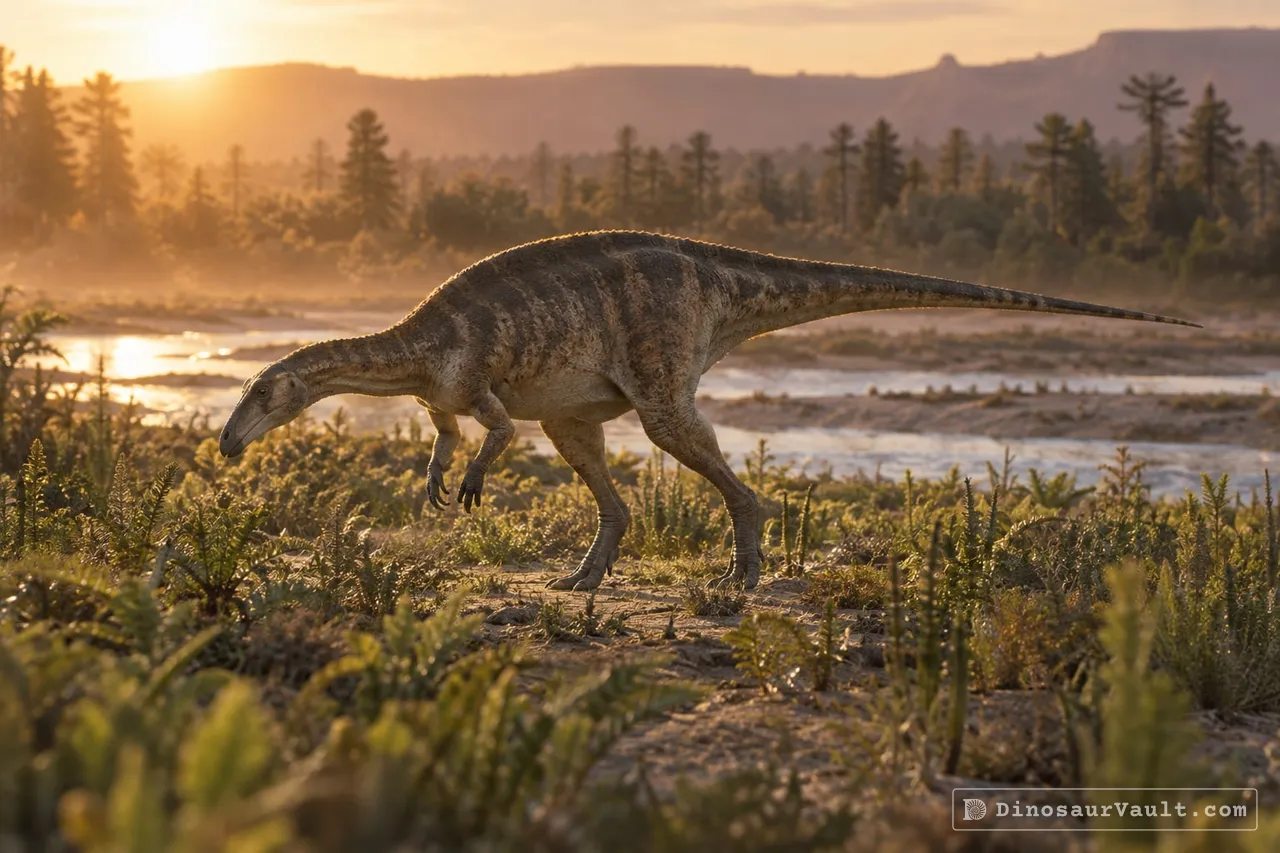
Sektensaurus was a plant eater that walked on two legs, probably an elasmarian ornithopod. It is known from part of the back, hips and legs.
Its world
It lived in the Late Cretaceous, in what is now Argentina. It comes from the Lago Colhué Huapi Formation, where it shared the land with the megaraptor Joaquinraptor, the titanosaur Aeolosaurus and the duckbill Secernosaurus.
How it was found
Ibiricu and colleagues named Sektensaurus in 2019.
Field gallery
More views of Sektensaurus
Scenes reconstructed from the available fossil evidence.
1 of 3
Lived alongside
Found in the same rock formations
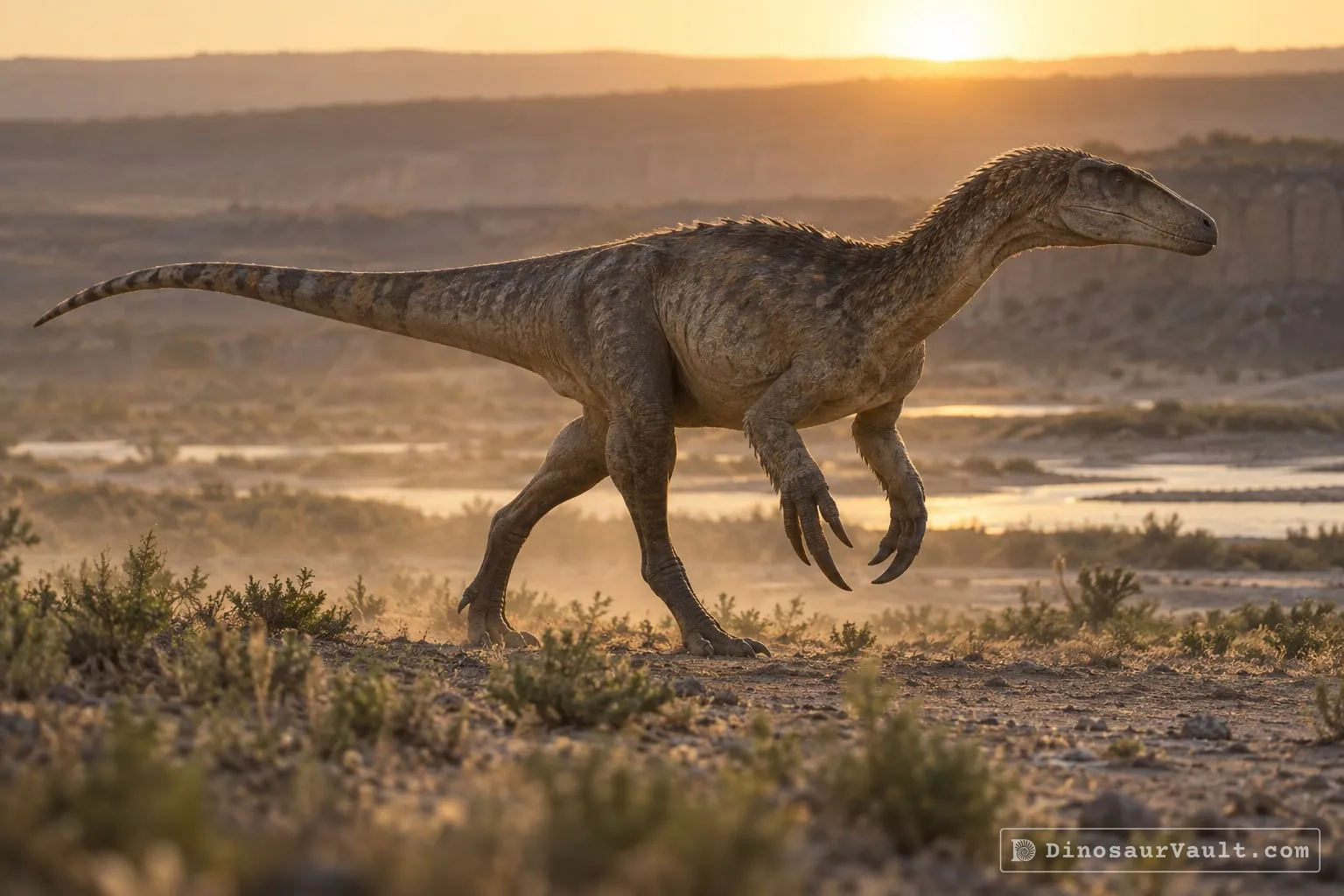
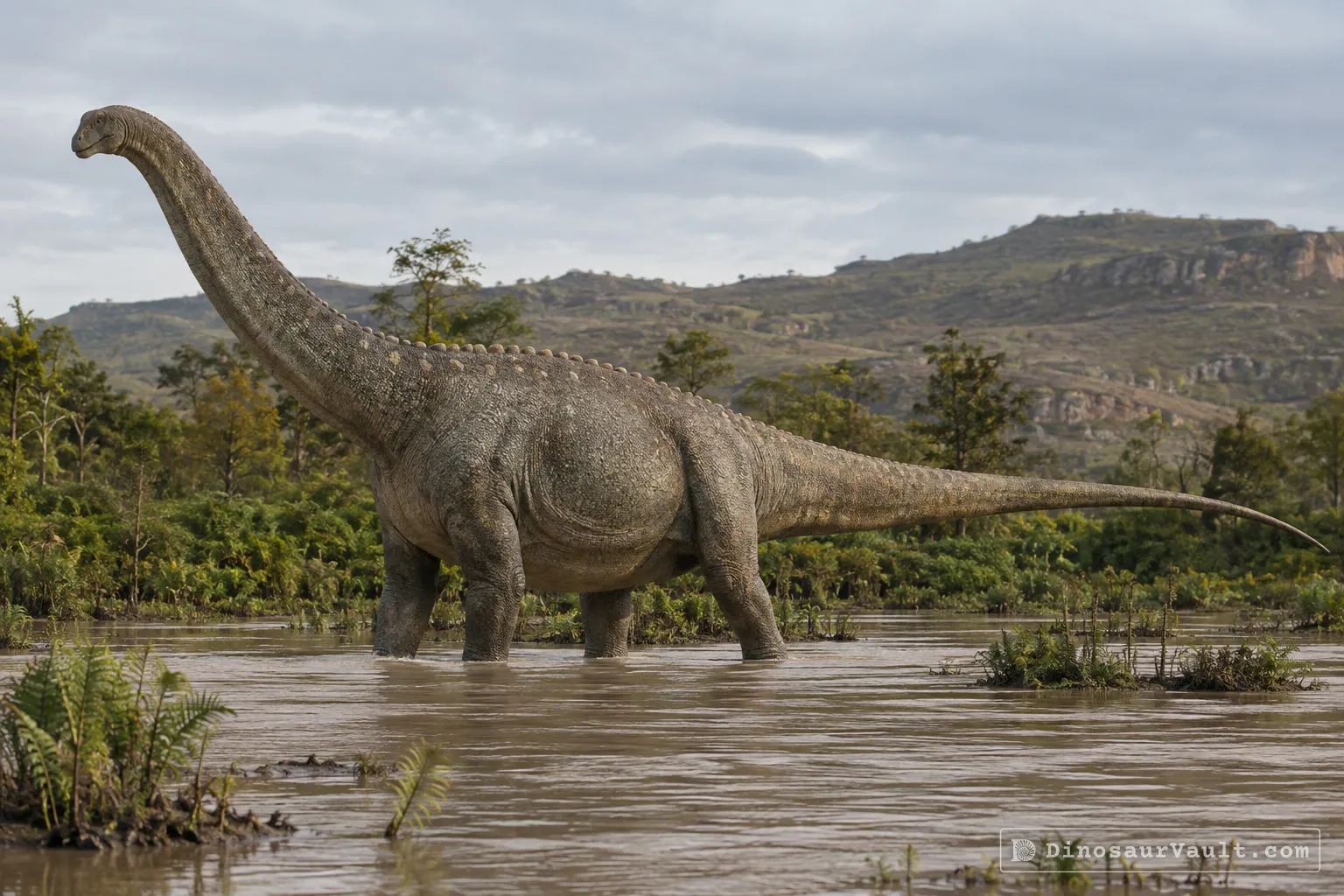
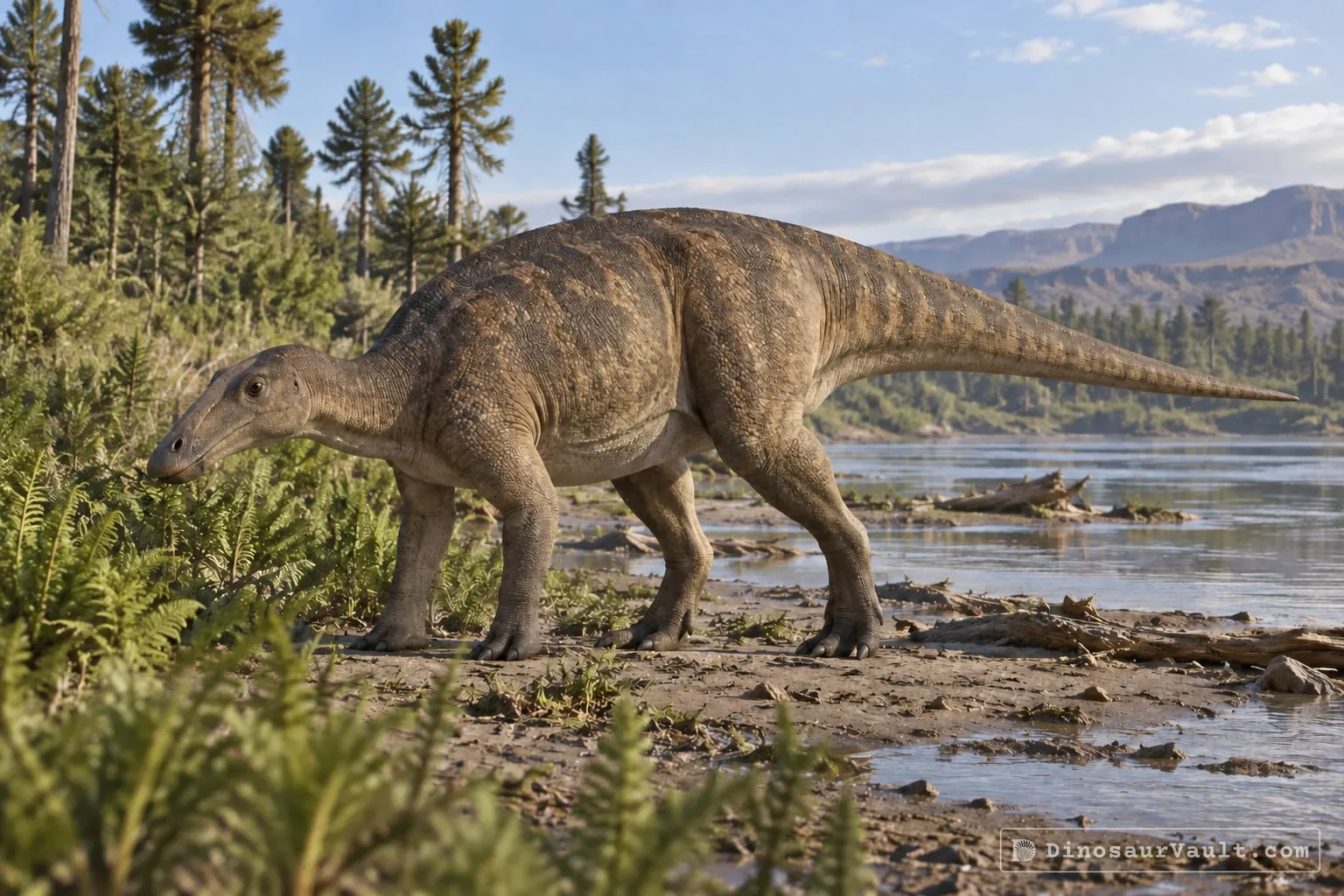
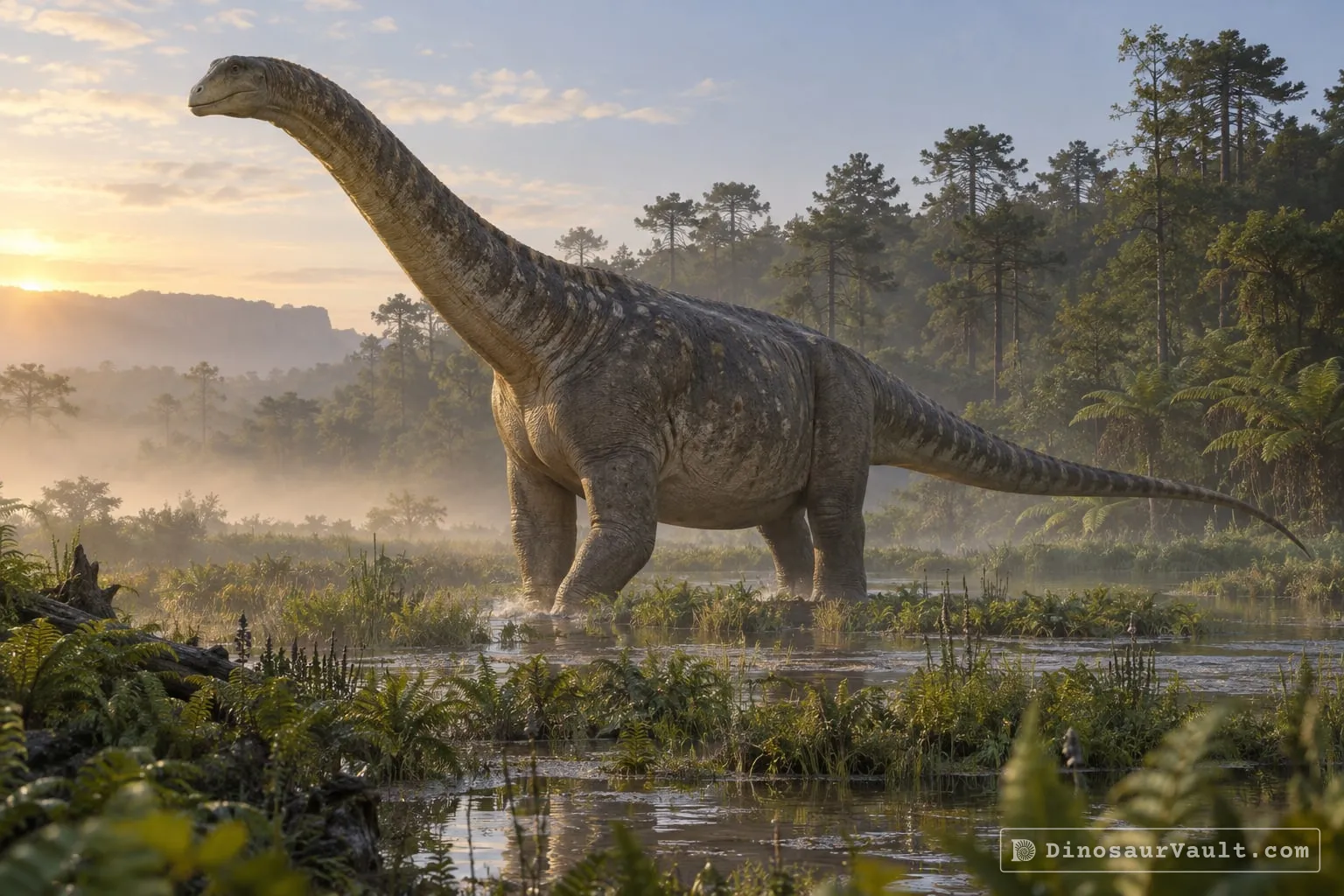
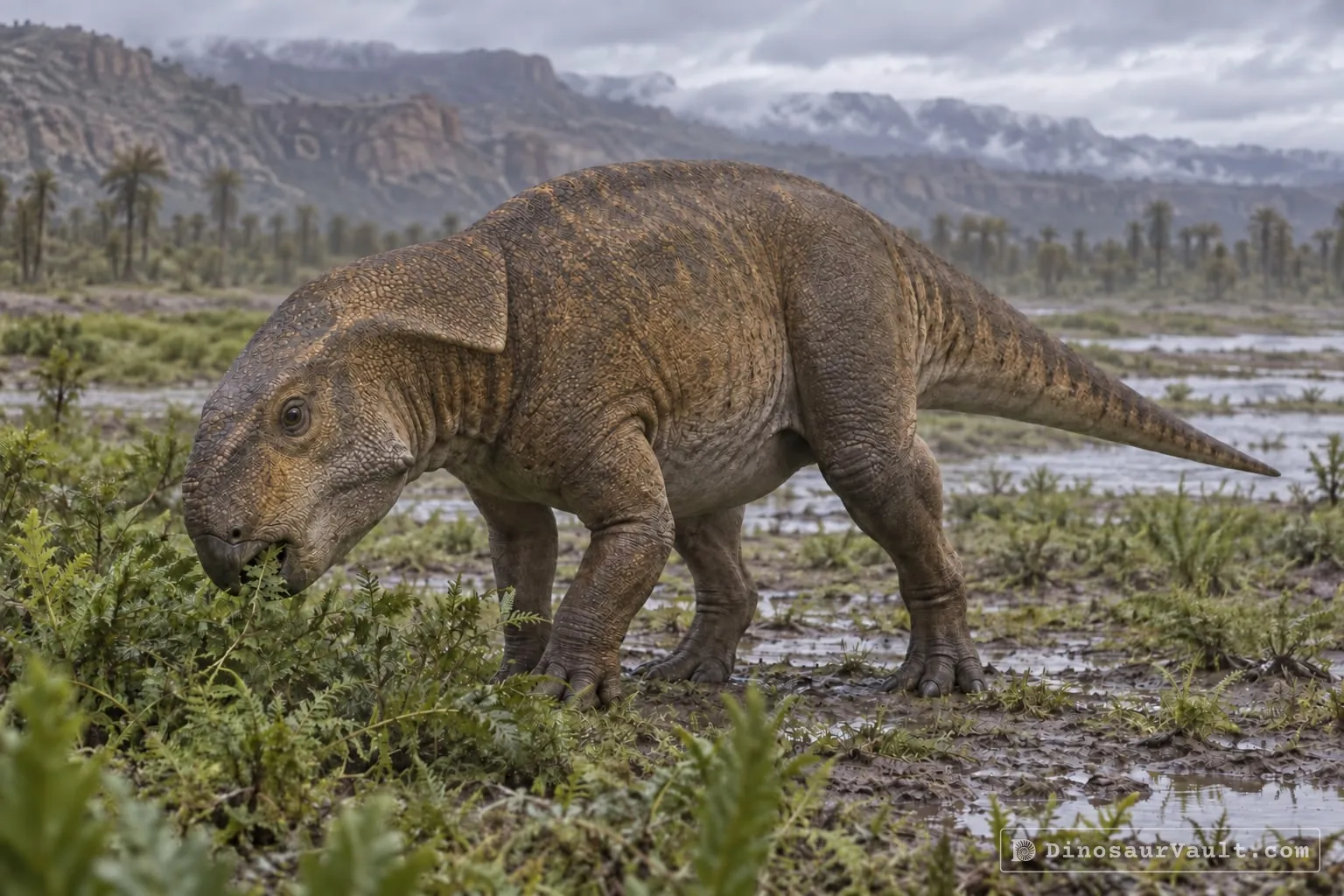


A rock formation can hold fossils laid down millions of years apart, so not every animal here met Sektensaurus.
The evidence
The science behind Sektensaurus
Which parts of the picture come from its own bones, and which come from its relatives.
From its own fossils
- A partial skeleton preserves bones from the back, hips, tail and limbs.
- Distinctive shapes in the back and hip vertebrae and upper arm bone set it apart from other ornithopods.
- Its bone tissue records alternating periods of faster and slower growth.
Borrowed from relatives
- The missing skull can be modeled on other southern ornithopods such as Talenkauen.
- A relatively long neck is a possible feature borrowed from Talenkauen and other elasmarians.
Still unknown
- The shape of its skull.
- Its skin covering and color.
- Whether it moved in herds.
Discovery timeline
- 2019Named itIbiricu et al.
- 2019Close relativeRozadilla, Agnolín & Novas
- 2025Growing upIbiricu et al.
Key papers
The research behind what we know of Sektensaurus
Named it
Named a new ornithopod from a partial skeleton with distinctive back, hip and upper arm bones.
A new ornithopod dinosaur (Dinosauria: Ornithischia) from the Late Cretaceous of central Patagonia. Cretaceous Research 98: 276-291
Read the paper : A new ornithopod dinosaur (Dinosauria: Ornithischia) from the Late Cretaceous of central Patagonia (opens in a new tab)Close relative
Described the much more complete Talenkauen skeleton, showing the relatively long neck shared by elasmarians.
Osteology of the Patagonian ornithopod Talenkauen santacrucensis (Dinosauria, Ornithischia). Journal of Systematic Palaeontology 17: 2043-2089
Read the paper : Osteology of the Patagonian ornithopod Talenkauen santacrucensis (Dinosauria, Ornithischia) (opens in a new tab)Growing up
Examined Sektensaurus bone tissue and linked southern ornithopods with inland environments and seasonal climates.
Ornitópodos basales del centro-sur de Chubut, Patagonia central: Consideraciones evolutivas, paleohistológicas y paleoambientales. Publicación Electrónica de la Asociación Paleontológica Argentina: 31-48
Read the paper : Ornitópodos basales del centro-sur de Chubut, Patagonia central: Consideraciones evolutivas, paleohistológicas y paleoambientales (opens in a new tab)
Close relatives
Other members of Elasmaria


Sources: Wikidata