Argyrosaurus
AR-jih-roh-SORE-us
"silver lizard"
- Lived
- 84 to 66 million years ago, Late Cretaceous
- Diet
- Herbivore
- Group
- Sauropods
- Found in
- Argentina
- Named by
- Lydekker 1893
Where its fossils were found
The evidence
Today

75 million years ago
Habitat
Rivers and lakes shaped the landscape recorded in the Lago Colhué Huapi Formation. Aeolosaurus and Secernosaurus also lived in this region.
Field notes
About Argyrosaurus
What it was like
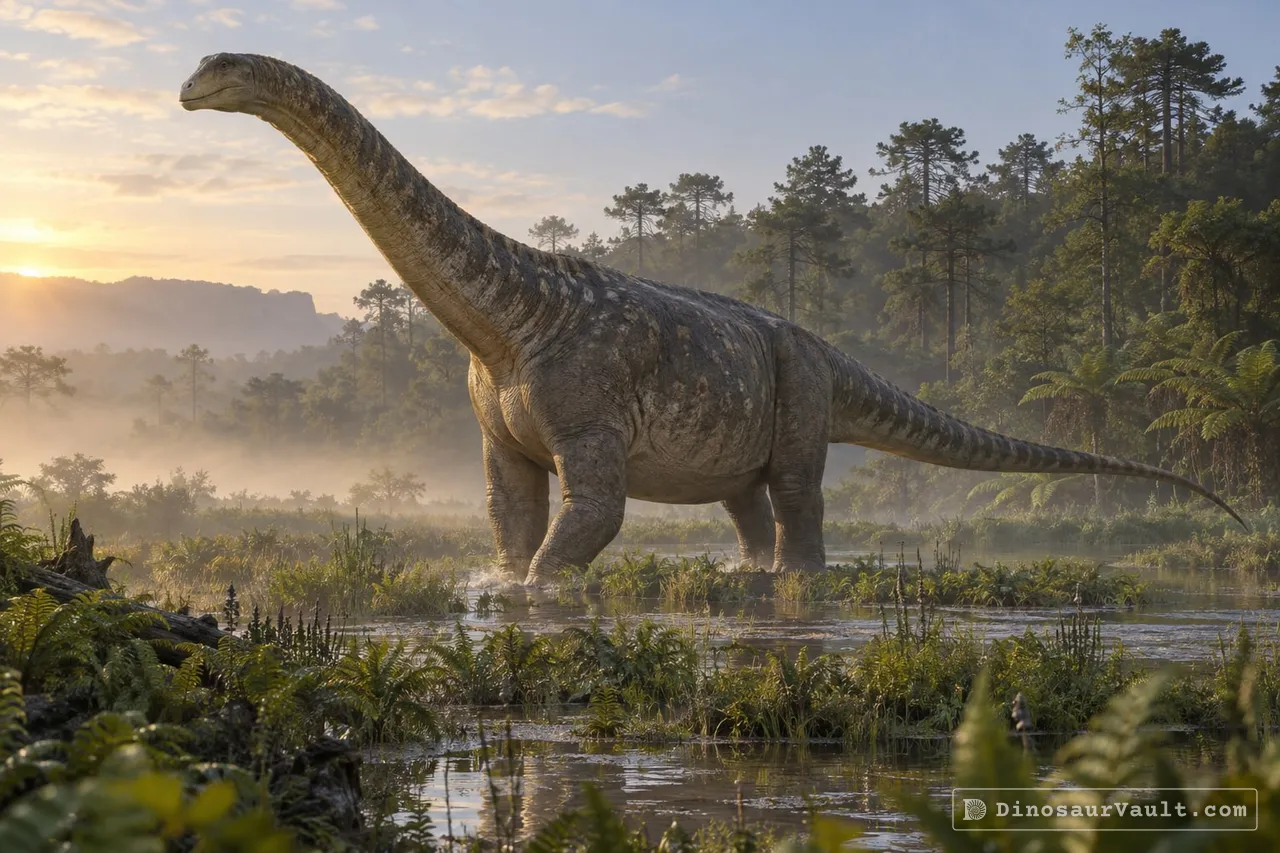
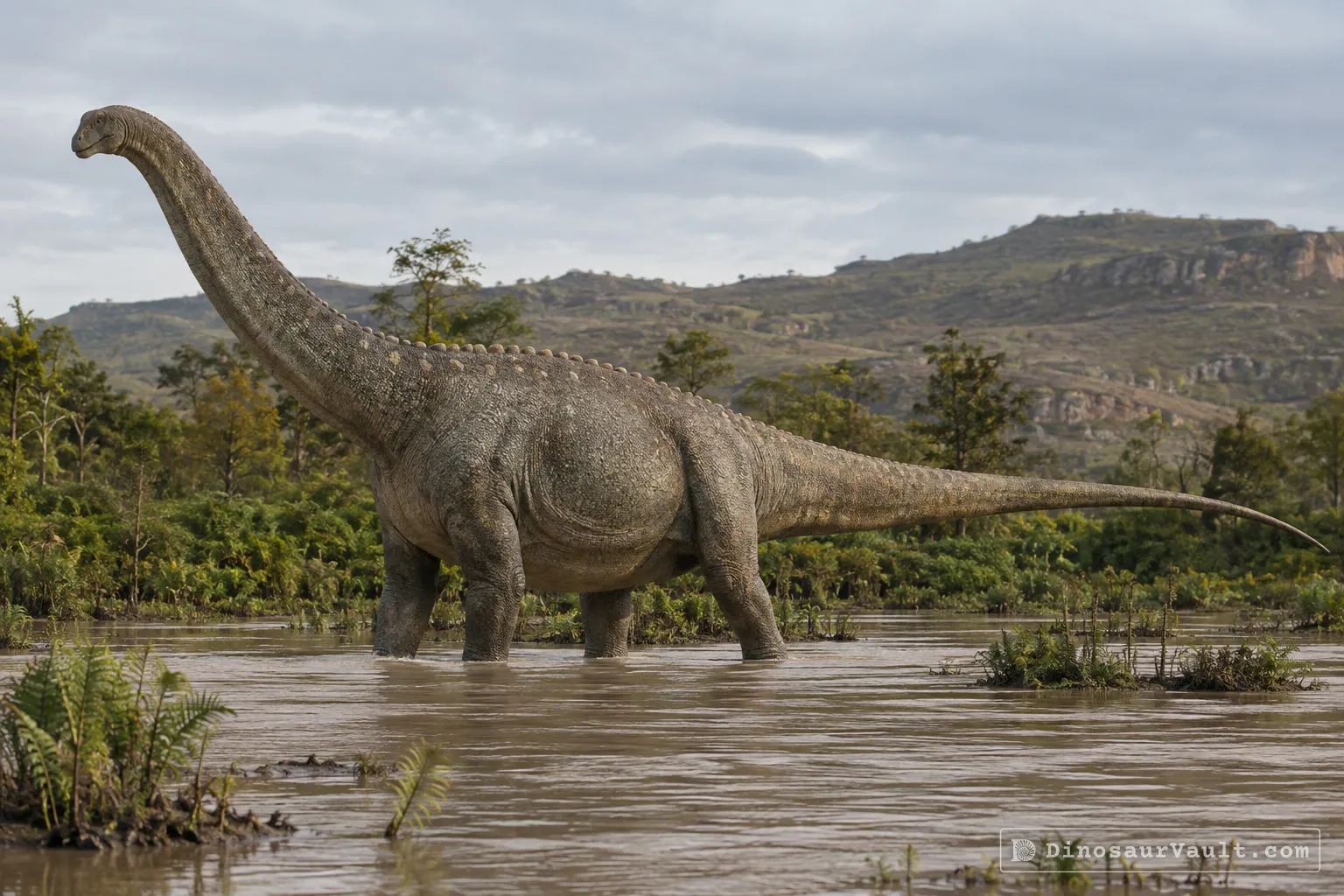
Argyrosaurus was a large titanosaur, a long-necked plant eater. It is known from a front leg, which shows it was a big, heavy animal.
Its world
It lived in the Late Cretaceous in what is now Argentina. Its bones come from the Lago Colhué Huapi Formation, where it shared the land with the titanosaur Aeolosaurus and the duckbill Secernosaurus.
How it was found
Lydekker named Argyrosaurus in 1893, making it one of the first dinosaurs named from Argentina. Its name refers to the country, whose name comes from the Latin word for silver.
Field gallery
More views of Argyrosaurus
Scenes reconstructed from the available fossil evidence.
Lived alongside
Found in the same rock formations
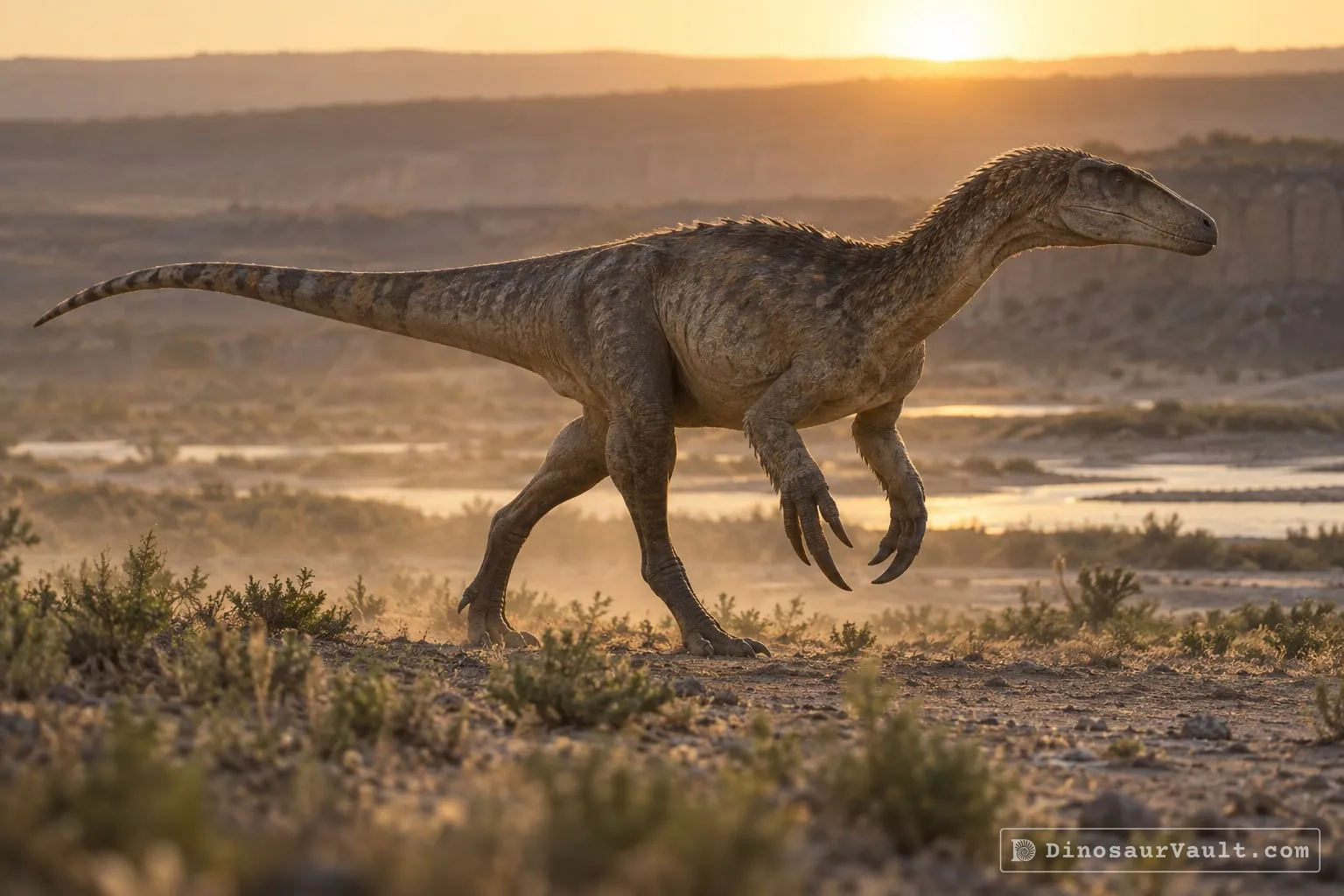
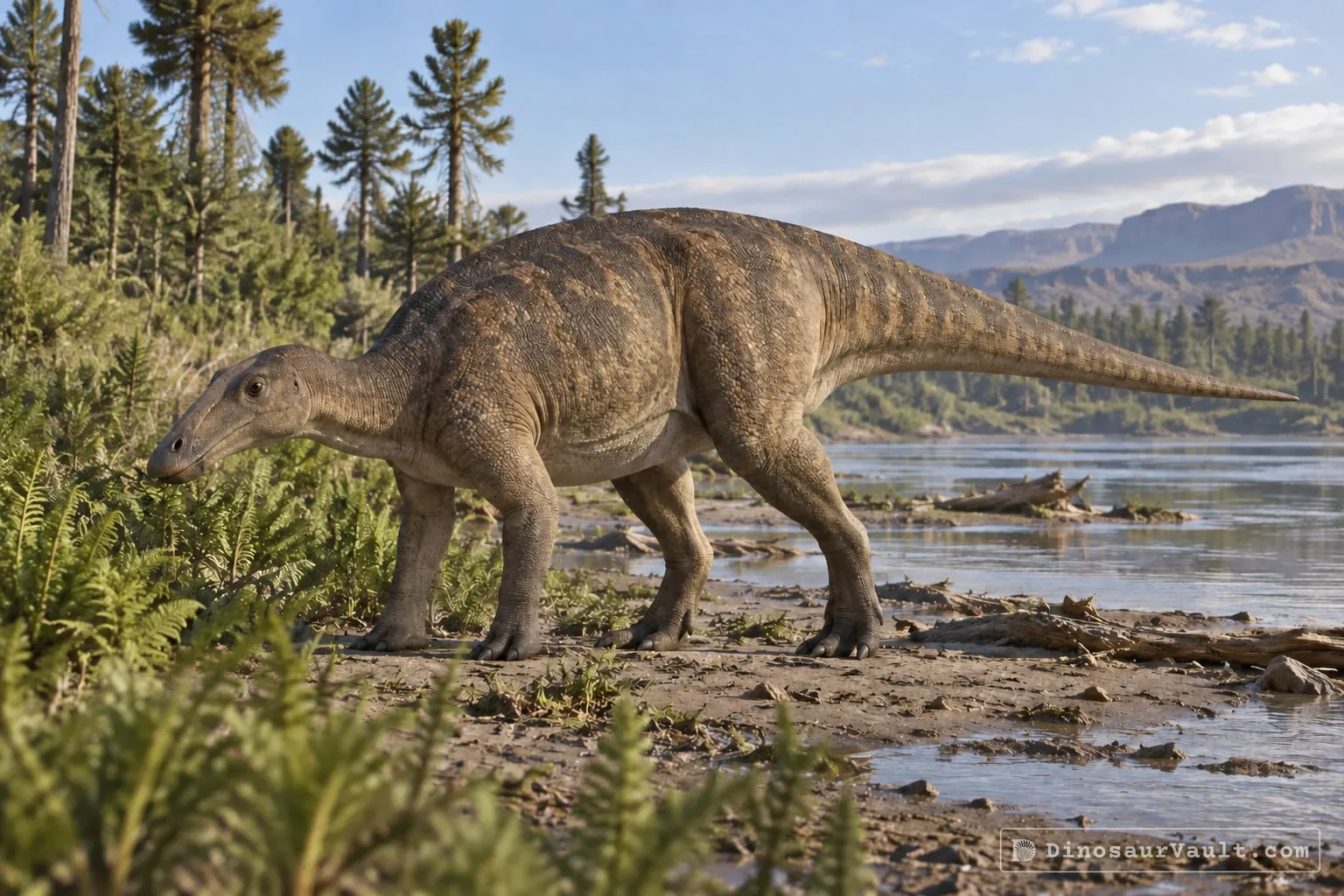
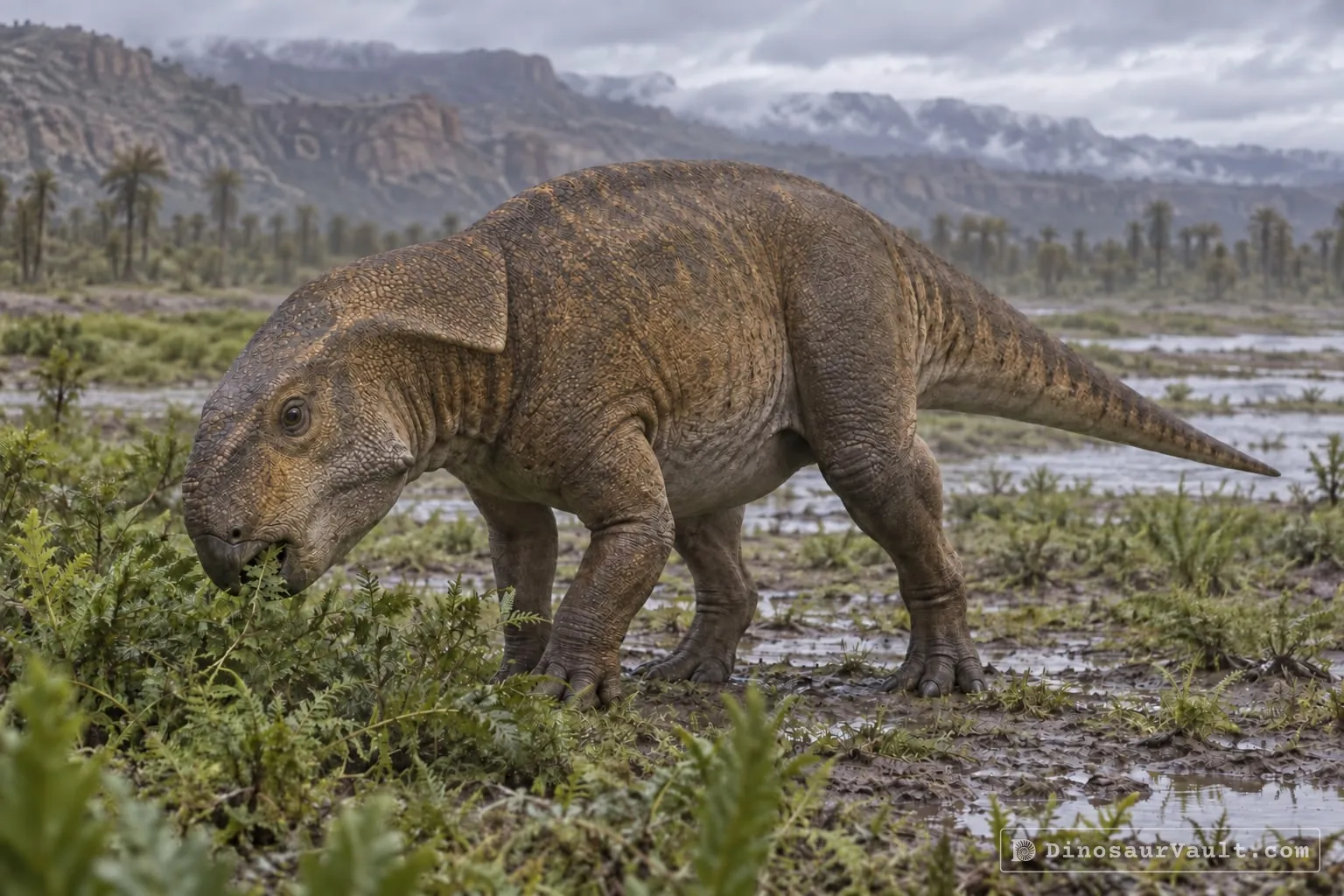
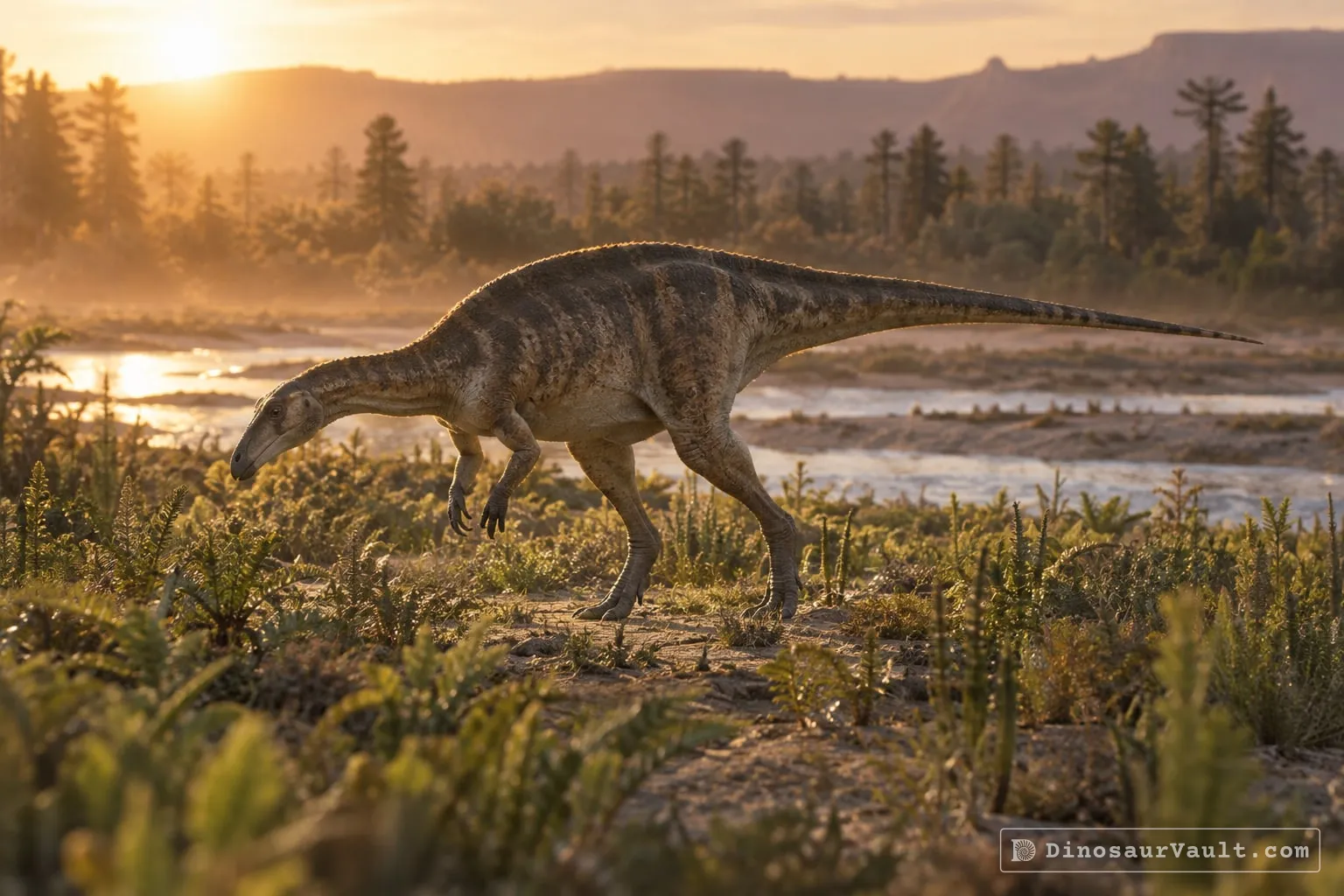


A rock formation can hold fossils laid down millions of years apart, so not every animal here met Argyrosaurus.
The evidence
The science behind Argyrosaurus
Which parts of the picture come from its own bones, and which come from its relatives.
From its own fossils
- The type specimen is a partly articulated left front limb, with the upper arm, forearm and long bones of the hand.
- A broad ridge on the inner side of the upper arm bone helps distinguish Argyrosaurus from other titanosaurs.
- The long hand bones form an upright horseshoe-shaped column, with the second and third bones longest.
Borrowed from relatives
- Its missing skull is restored by comparison with Tapuiasaurus, and its missing trunk, hindlimbs and feet with Mendozasaurus.
Still unknown
- Its exact body size, neck and tail proportions, and the bones at the tips of its fingers.
- Its closest relatives within the titanosaurs.
- Its skin covering and color, and whether it carried bony plates in its skin.
Discovery timeline
- 1893Named itLydekker
- 2012RedescriptionMannion & Otero
- 2016Same rocksCasal et al.
Key papers
The research behind what we know of Argyrosaurus
Named it
Named Argyrosaurus from a large front limb found in Argentina.
Contributions to a knowledge of the fossil vertebrates of Argentina. I. — The dinosaurs of Patagonia. Anales del Museo de La Plata. Paleontología Argentina 2: 1-16
No link available
Redescription
Confirmed distinctive features in the original front limb, rejected other assigned bones and named a separate partial skeleton Elaltitan.
A reappraisal of the Late Cretaceous Argentinean sauropod dinosaurArgyrosaurus superbus, with a description of a new titanosaur genus. Journal of Vertebrate Paleontology 32: 614-638
Read the paper : A reappraisal of the Late Cretaceous Argentinean sauropod dinosaurArgyrosaurus superbus, with a description of a new titanosaur genus (opens in a new tab)Same rocks
Separated the dinosaur assemblages of neighboring rock formations and placed Argyrosaurus in the Lago Colhué Huapi Formation.
Ordenamiento y caracterización faunística del Cretácico Superior del Grupo Chubut, Cuenca del Golfo San Jorge, Argentina. Revista Brasileira de Paleontologia 19: 53-70
Read the paper : Ordenamiento y caracterización faunística del Cretácico Superior del Grupo Chubut, Cuenca del Golfo San Jorge, Argentina (opens in a new tab)
Close relatives
Other members of Titanosauria


Sources: Wikidata