Protarchaeopteryx
"before Archaeopteryx"
- Lived
- 126 to 120 million years ago, Early Cretaceous
- Diet
- Omnivore
- Length
- about 0.7 m (2 ft)
- Group
- Theropods
- Found in
- China
- Named by
- Ji and Ji 1997
Size comparison
To scale

Scale in metersOutline: typical theropod shape
Where its fossils were found
The evidence
Today

125 million years ago
Habitat
Its fossil comes from ancient lake deposits in the Yixian Formation of northeastern China. Sinosauropteryx, Sinornithosaurus and Psittacosaurus are also known from this formation.
Field notes
About Protarchaeopteryx
What it was like
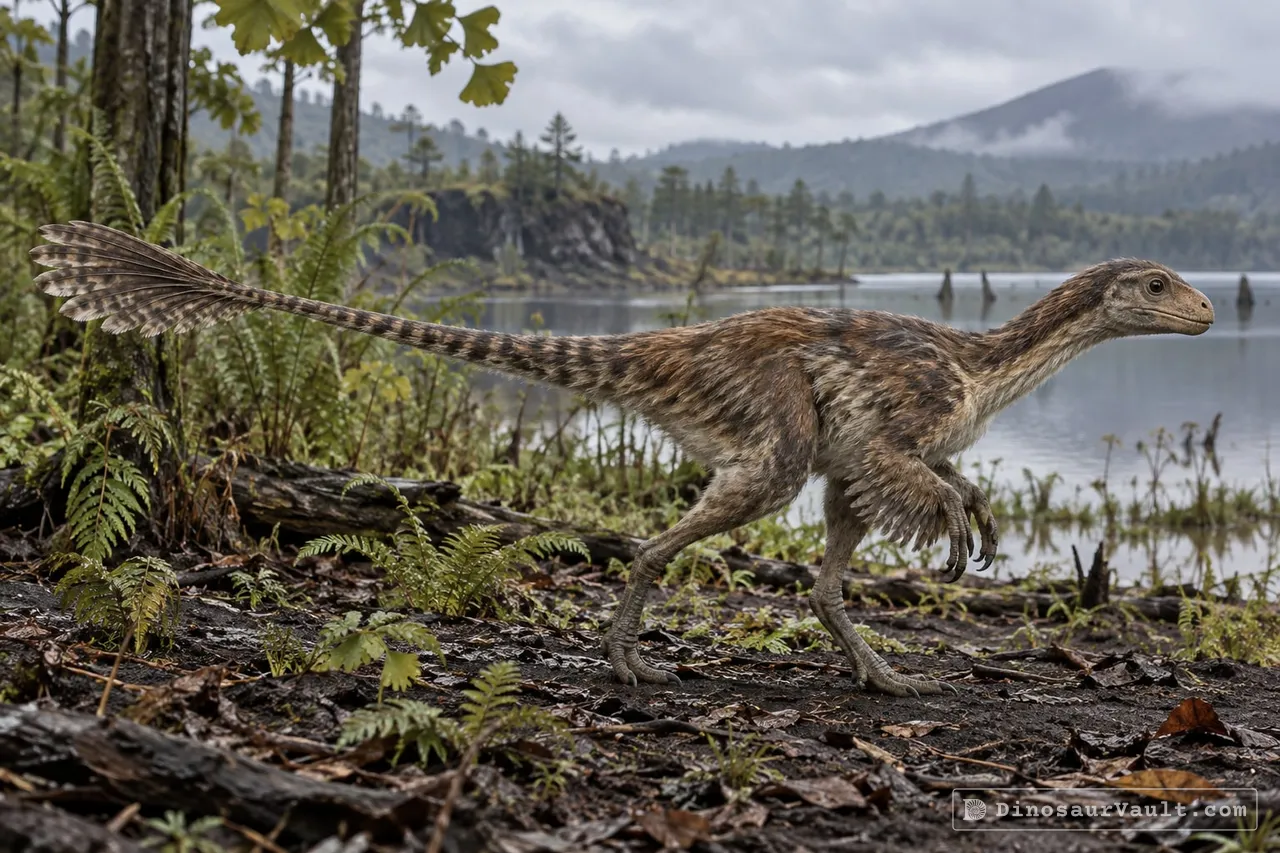
Protarchaeopteryx was a turkey-sized feathered dinosaur, an early relative of Oviraptor. Its known skeleton gives a reconstructed length of about 0.7 meters (2.3 feet), although this is not an adult maximum. It had long arms with feathers on them and a fan of feathers at the end of its tail.
Its arms were too short, and its feathers not shaped right, for real flight.
Its world
It lived about 126 to 120 million years ago, in the Early Cretaceous, in what is now northeastern China. Its fossil comes from the Yixian Formation, where it shared the land with Sinosauropteryx, Sinornithosaurus and the early oviraptor relative Incisivosaurus.
How it was found
Ji and Ji named Protarchaeopteryx in 1997, from a single find. It was one of the first feathered dinosaurs found in China.
Field gallery
More views of Protarchaeopteryx
Scenes reconstructed from the available fossil evidence.
Lived alongside
Found in the same rock formations
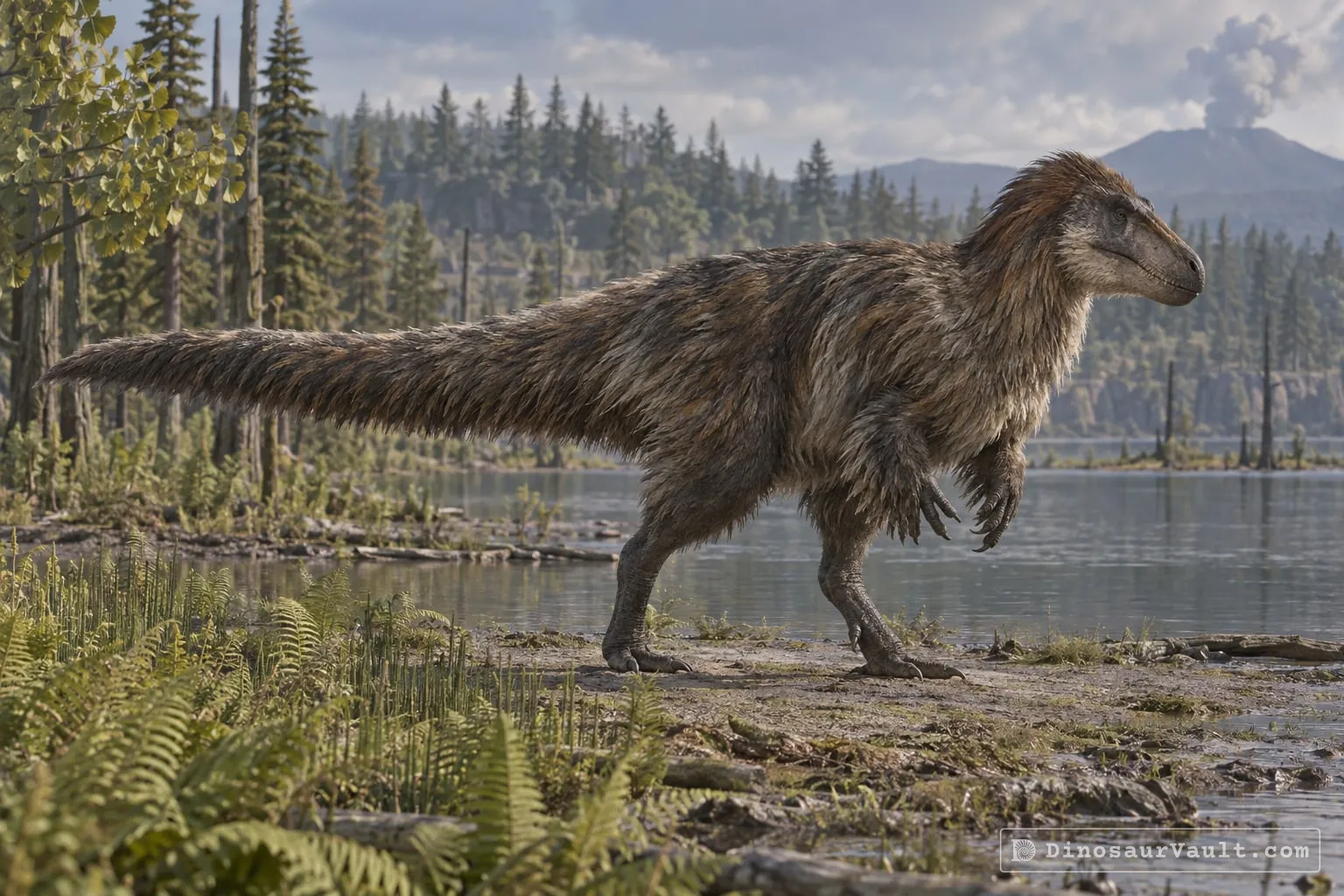
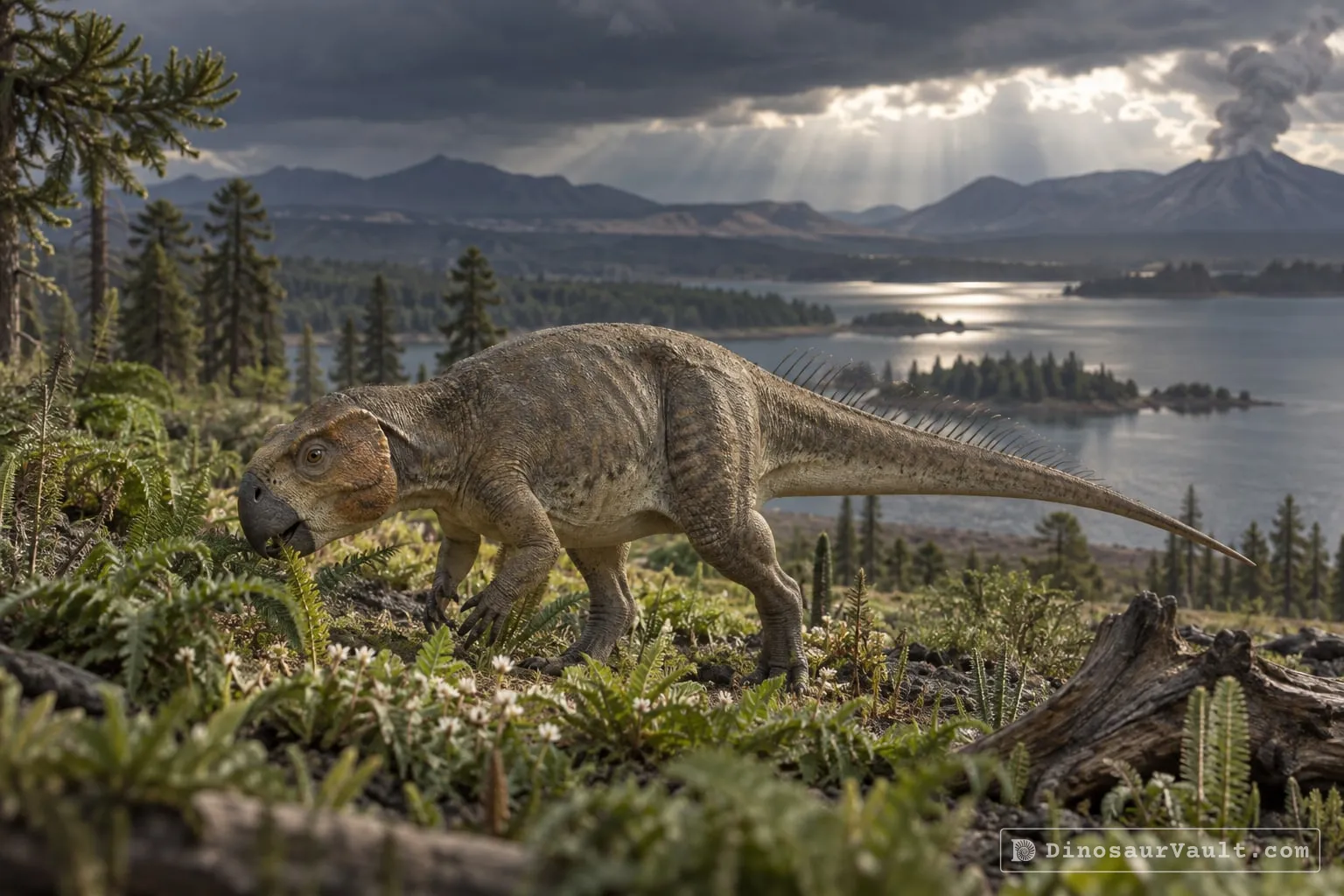
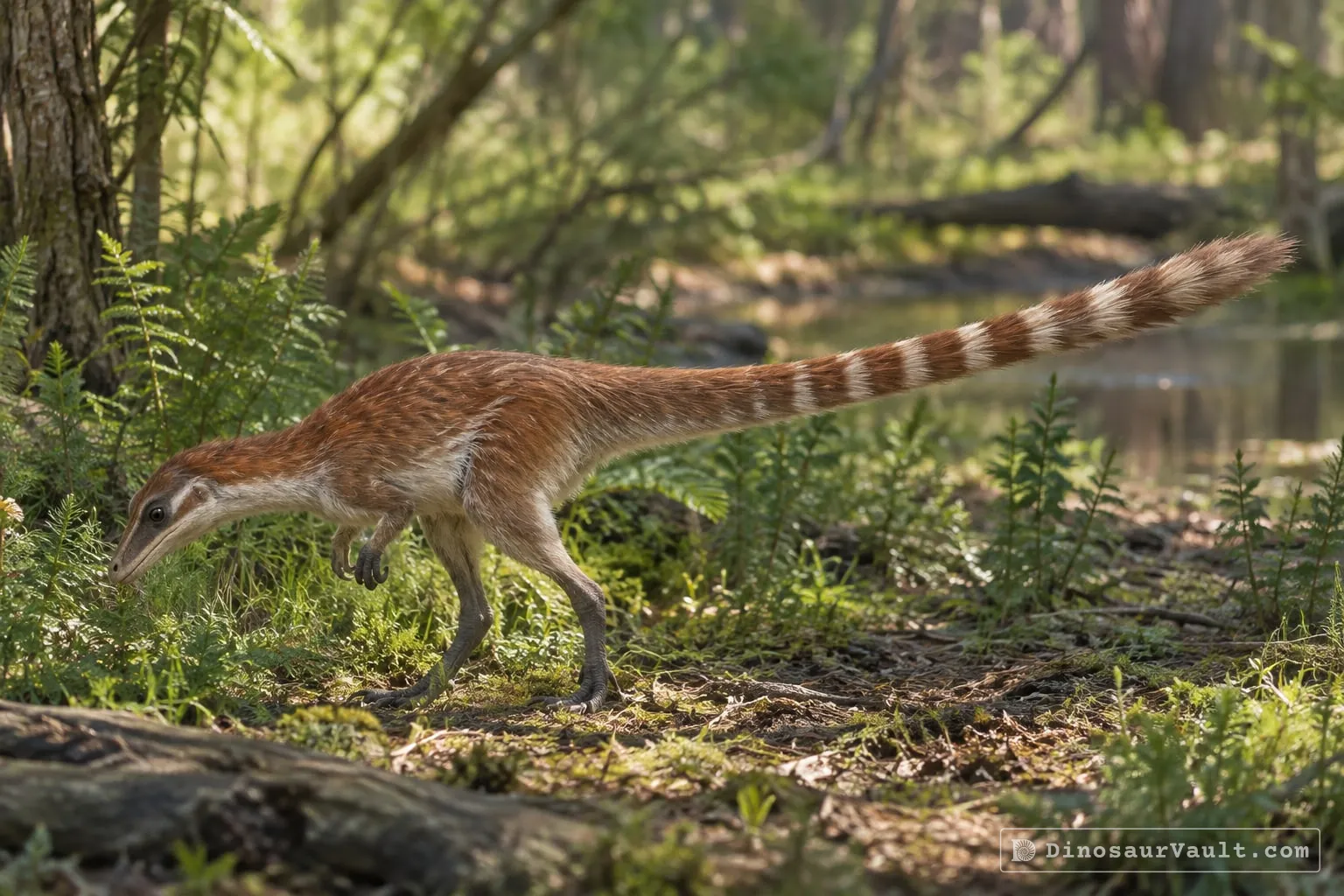
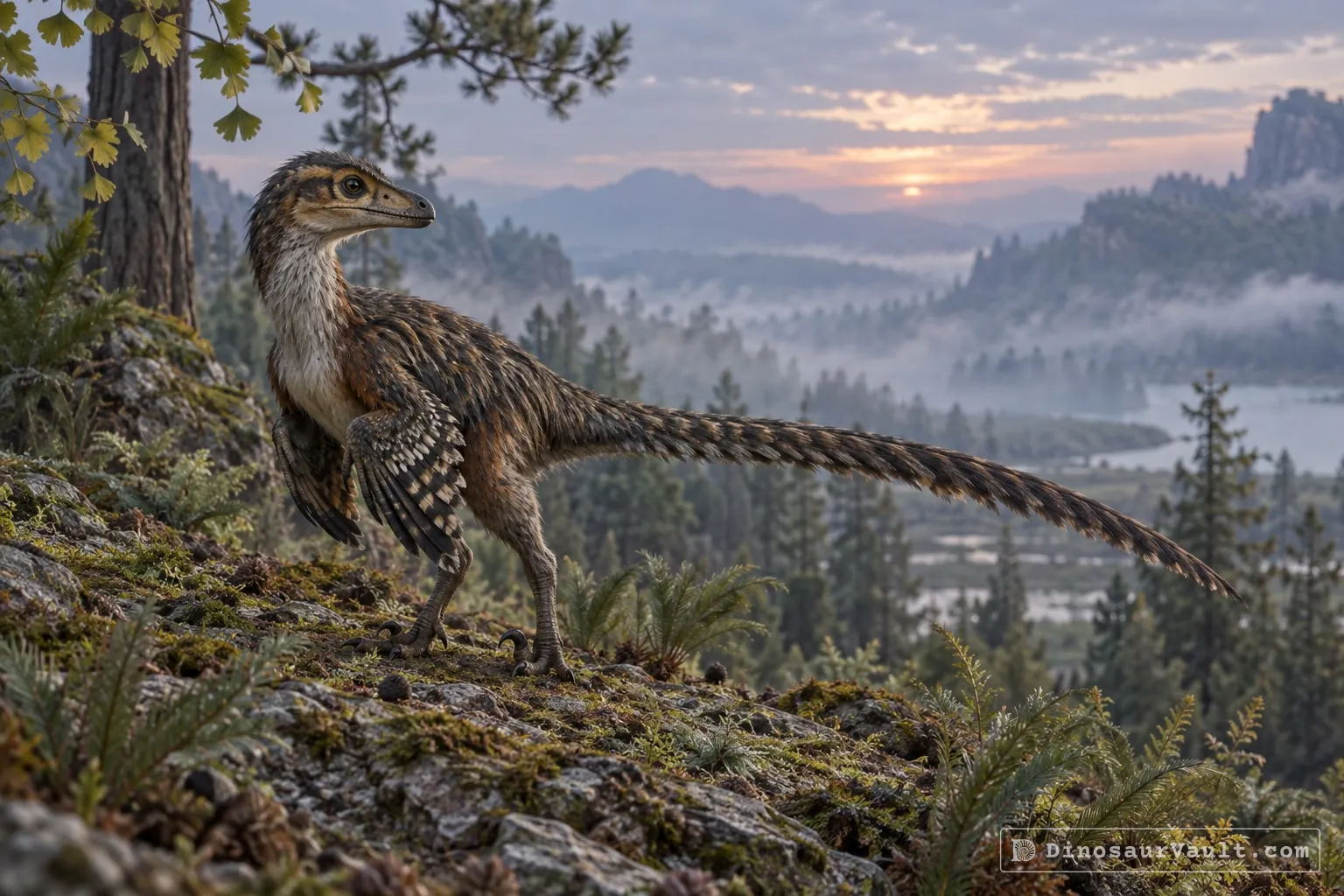
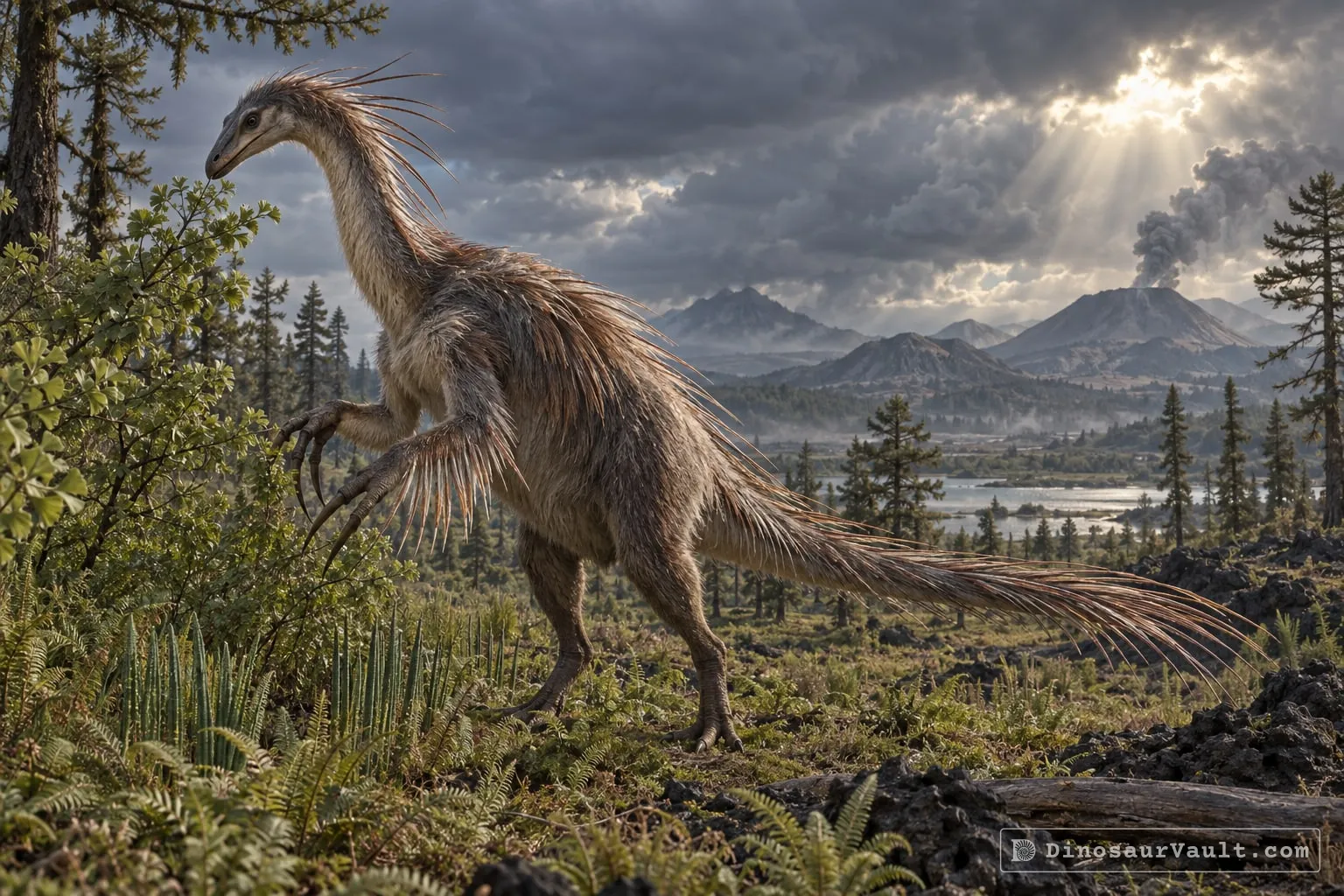
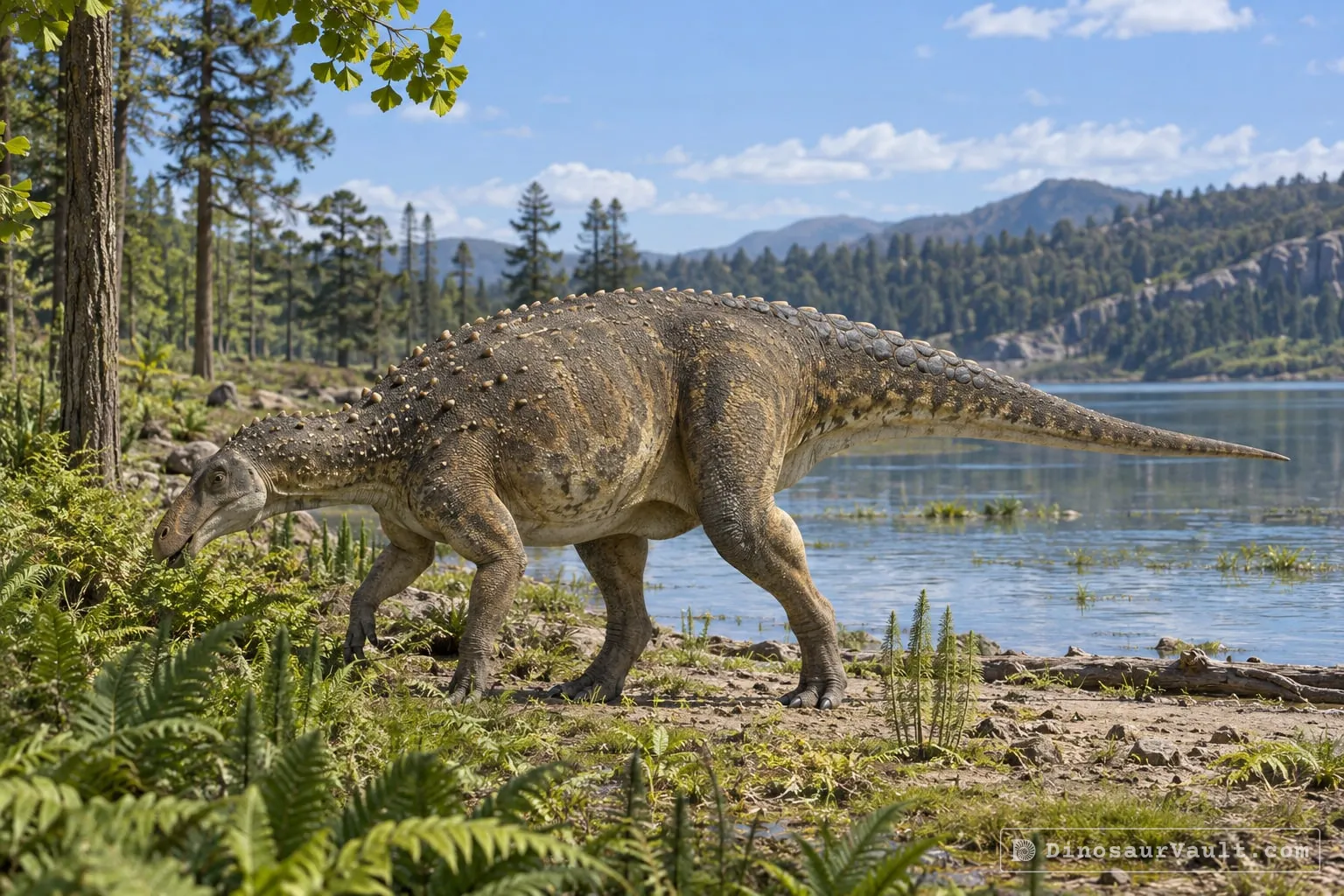
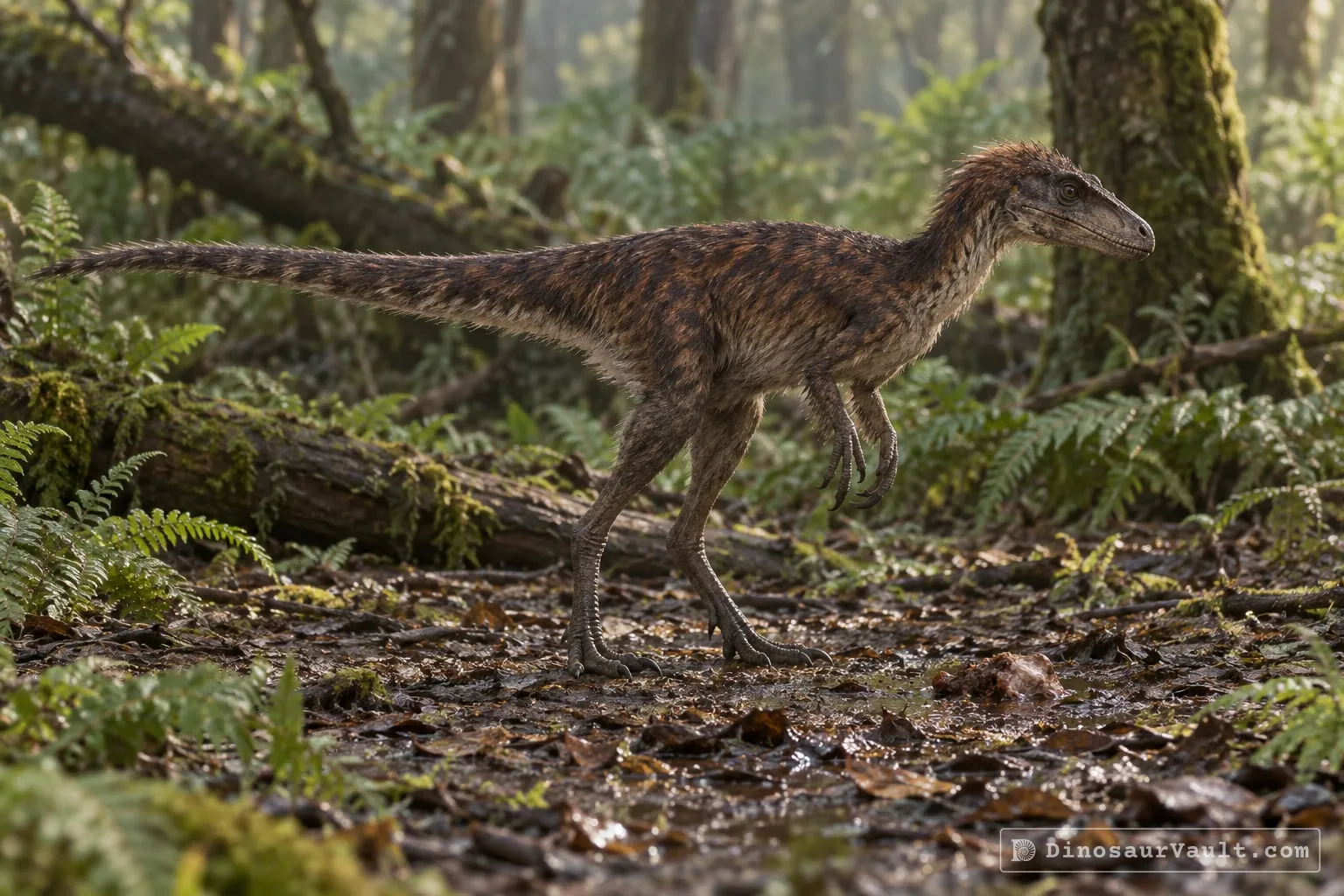
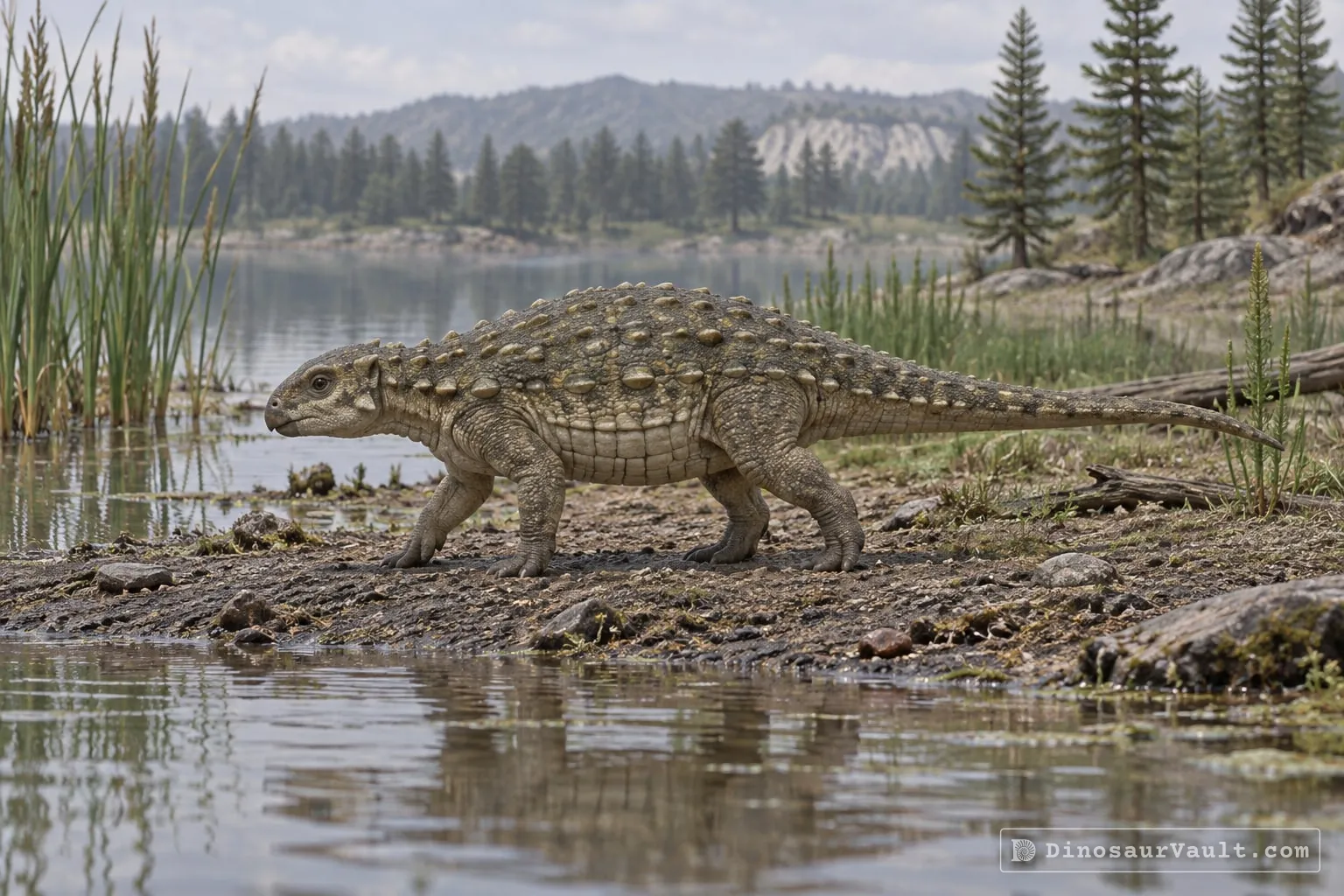


A rock formation can hold fossils laid down millions of years apart, so not every animal here met Protarchaeopteryx.
The evidence
The science behind Protarchaeopteryx
Which parts of the picture come from its own bones, and which come from its relatives.
From its own fossils
- A single skeleton preserves parts of the skull, backbone and limbs, together with feathers.
- Long feathers form a fan at the end of its tail.
Borrowed from relatives
- Caudipteryx provides a comparison for the feathered body and limbs of an early oviraptorosaur.
Still unknown
- Its feather colors and patterns.
- The balance of plants and animal food in its diet.
- How its plumage changed as it grew.
Discovery timeline
- 1997Named itJi & Ji
- 1999Fossil sitesSwisher et al.
- 2002Close relativeXu et al.
Key papers
The research behind what we know of Protarchaeopteryx
Named it
Named Protarchaeopteryx from a feathered skeleton found in China.
[Protarchaeopteryx gen. nov.—a new genus of Archaeopterygidae in China]. Chinese Geology 238: 38-41
No link available
Fossil sites
Dated volcanic minerals from the feathered dinosaur beds, establishing that the fossils were Cretaceous in age.
Cretaceous age for the feathered dinosaurs of Liaoning, China. Nature 400: 58-61
Read the paper : Cretaceous age for the feathered dinosaurs of Liaoning, China (opens in a new tab)Close relative
Described the toothed Incisivosaurus, helping explain the early evolution and varied diets of oviraptorosaurs.
An unusual oviraptorosaurian dinosaur from China. Nature 419: 291-293
Read the paper : An unusual oviraptorosaurian dinosaur from China (opens in a new tab)
Close relatives
Other members of Oviraptorosauria


Sources: Wikidata