Incisivosaurus
in-SIZE-ih-voh-SORE-us
"incisor lizard"
Type species Incisivosaurus gauthieri
- Lived
- 126 to 120 million years ago, Early Cretaceous
- Diet
- Omnivore
- Group
- Theropods
- Found in
- China
- Named by
- Xu et al. 2002
Where its fossils were found
The evidence
Today

125 million years ago
Habitat
Rivers crossed a landscape receiving volcanic sediment in what is now China. Dinosaurs from the same lower beds include Psittacosaurus, Dilong and Jeholosaurus.
Field notes
About Incisivosaurus
What it was like
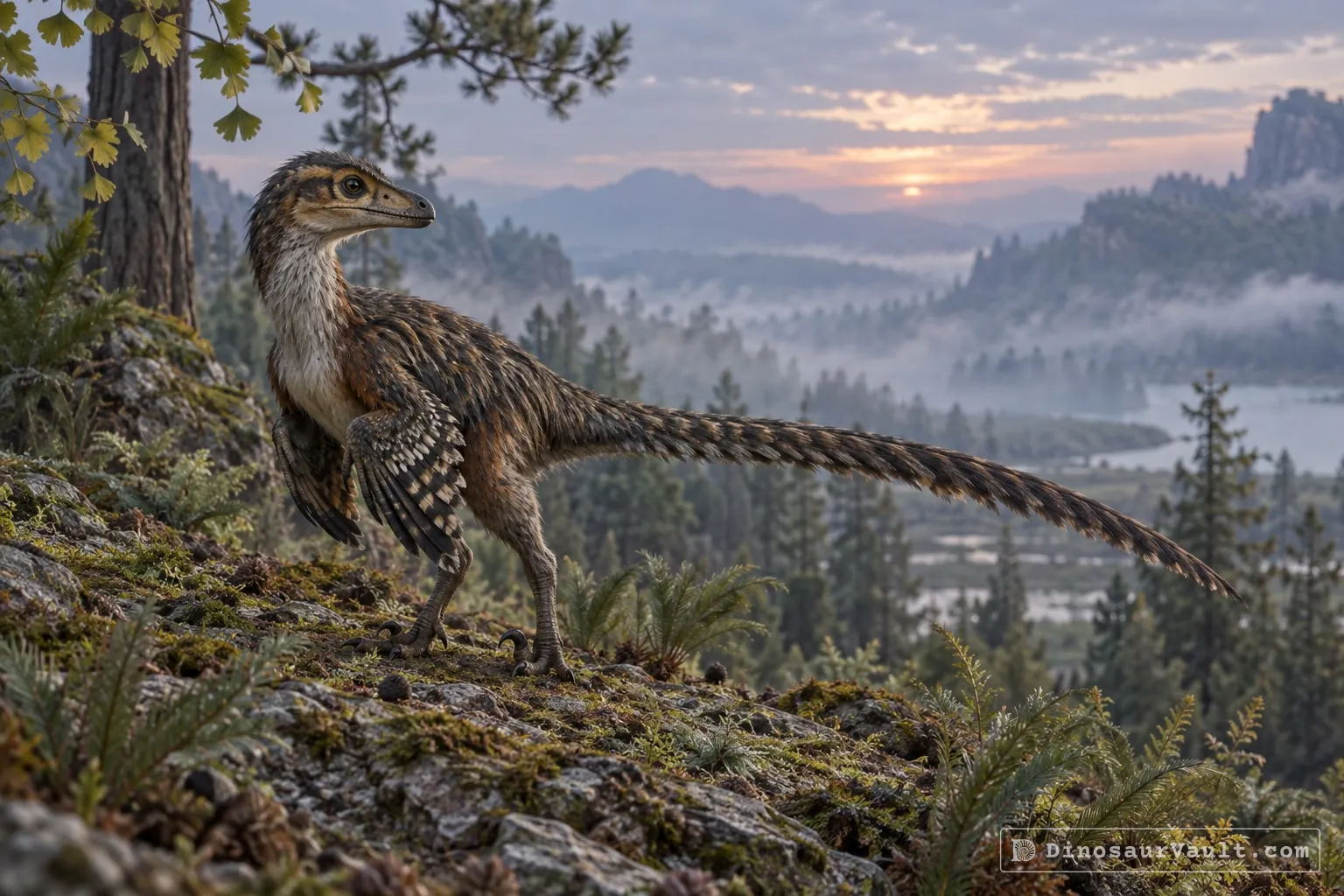
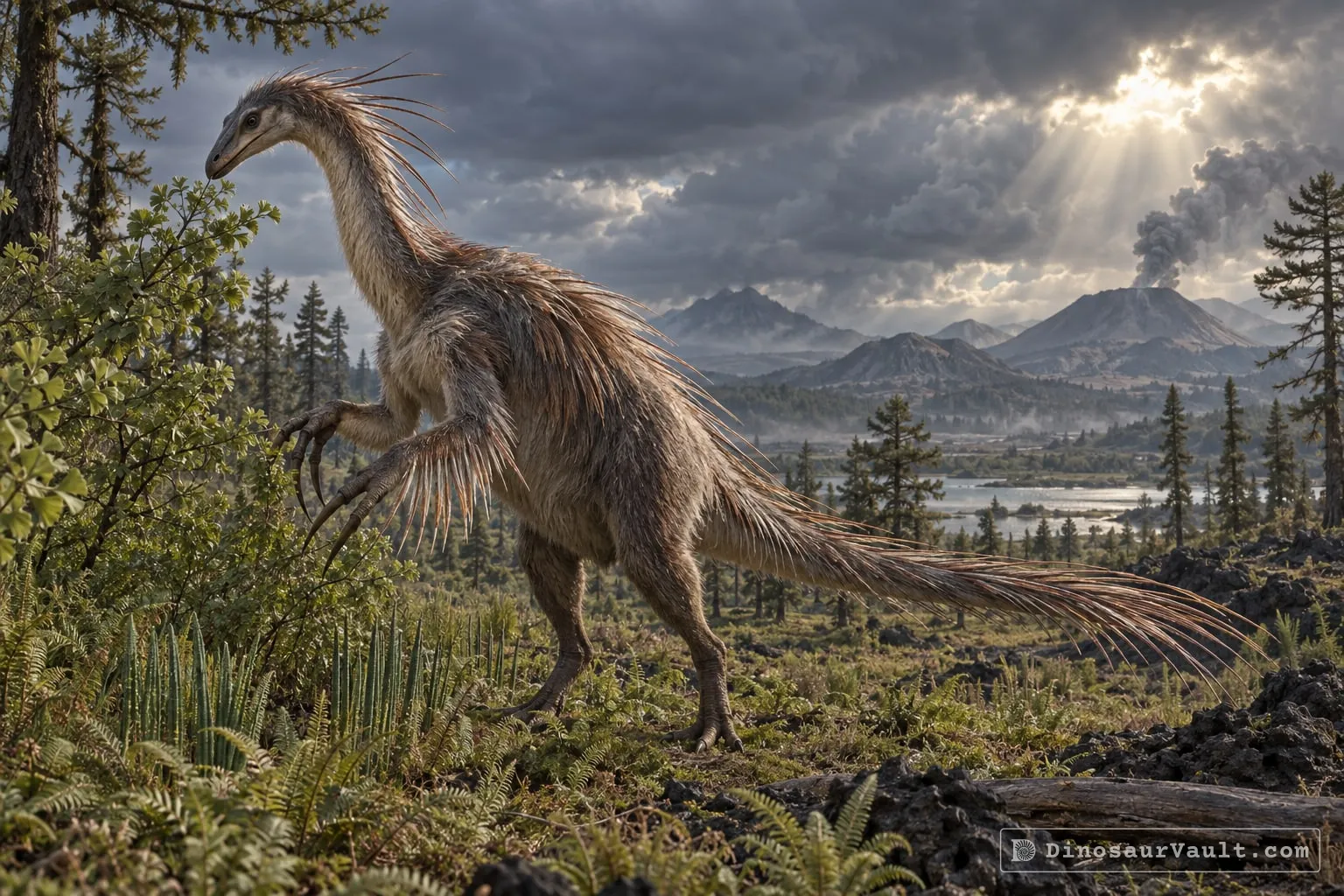
Incisivosaurus was a small feathered dinosaur, an early relative of Oviraptor. It had a pair of large front teeth at the tip of its upper jaw, like the incisors of a rodent, and small, peg-like teeth behind them.
Those front teeth show wear, which suggests it gnawed or clipped tough plants, so it probably ate mostly plants, perhaps with some small animals.
Its world
It lived about 126 to 120 million years ago, in the Early Cretaceous, in what is now northeastern China. Its skull comes from the lowest layers of the Yixian Formation, which also produced Psittacosaurus, Sinosauropteryx and the early tyrannosaur Dilong.
How it was found
Xu and colleagues named Incisivosaurus in 2002, from a single skull. Its teeth were among the first signs that many dinosaurs in the line leading to birds were not strict meat eaters.
Field gallery
More views of Incisivosaurus
Scenes reconstructed from the available fossil evidence.
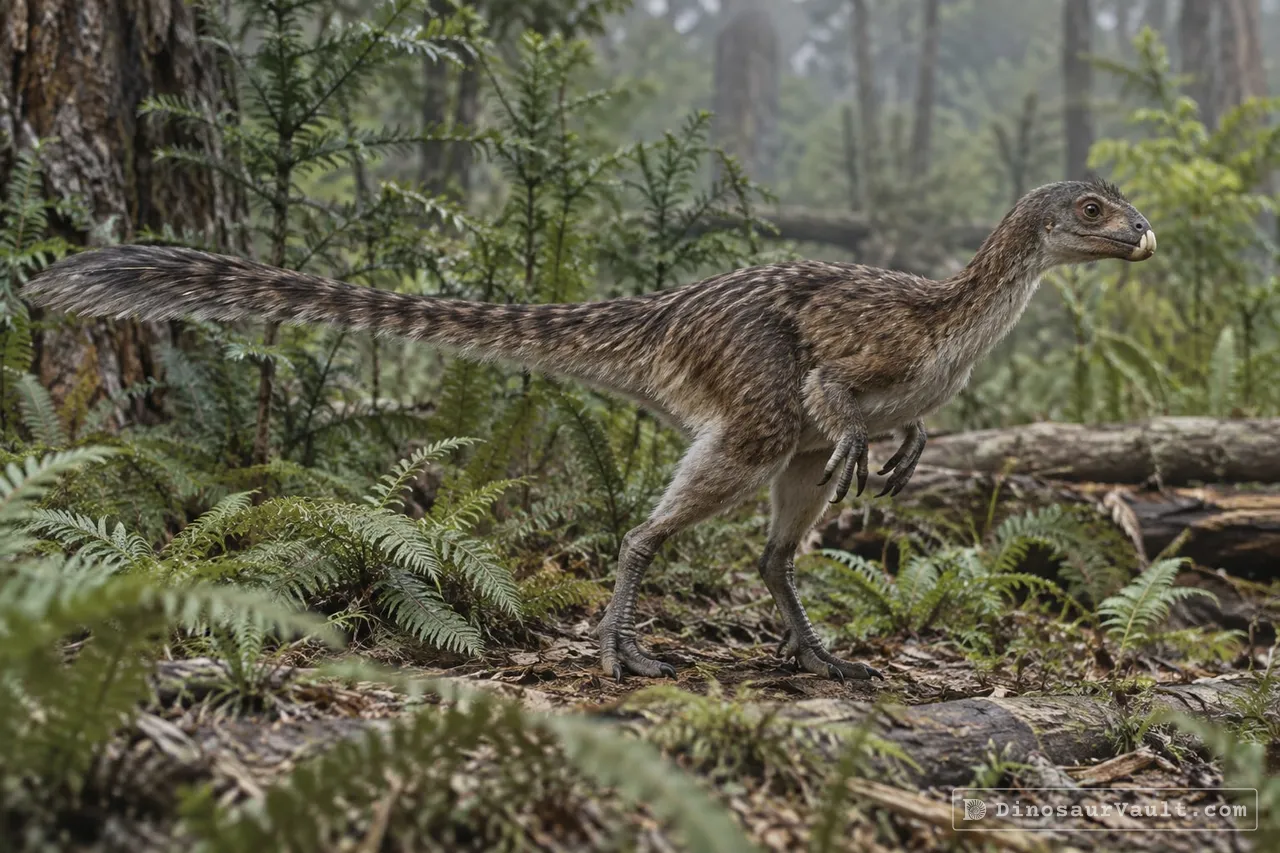
1 of 3
Lived alongside
Found in the same rock formations
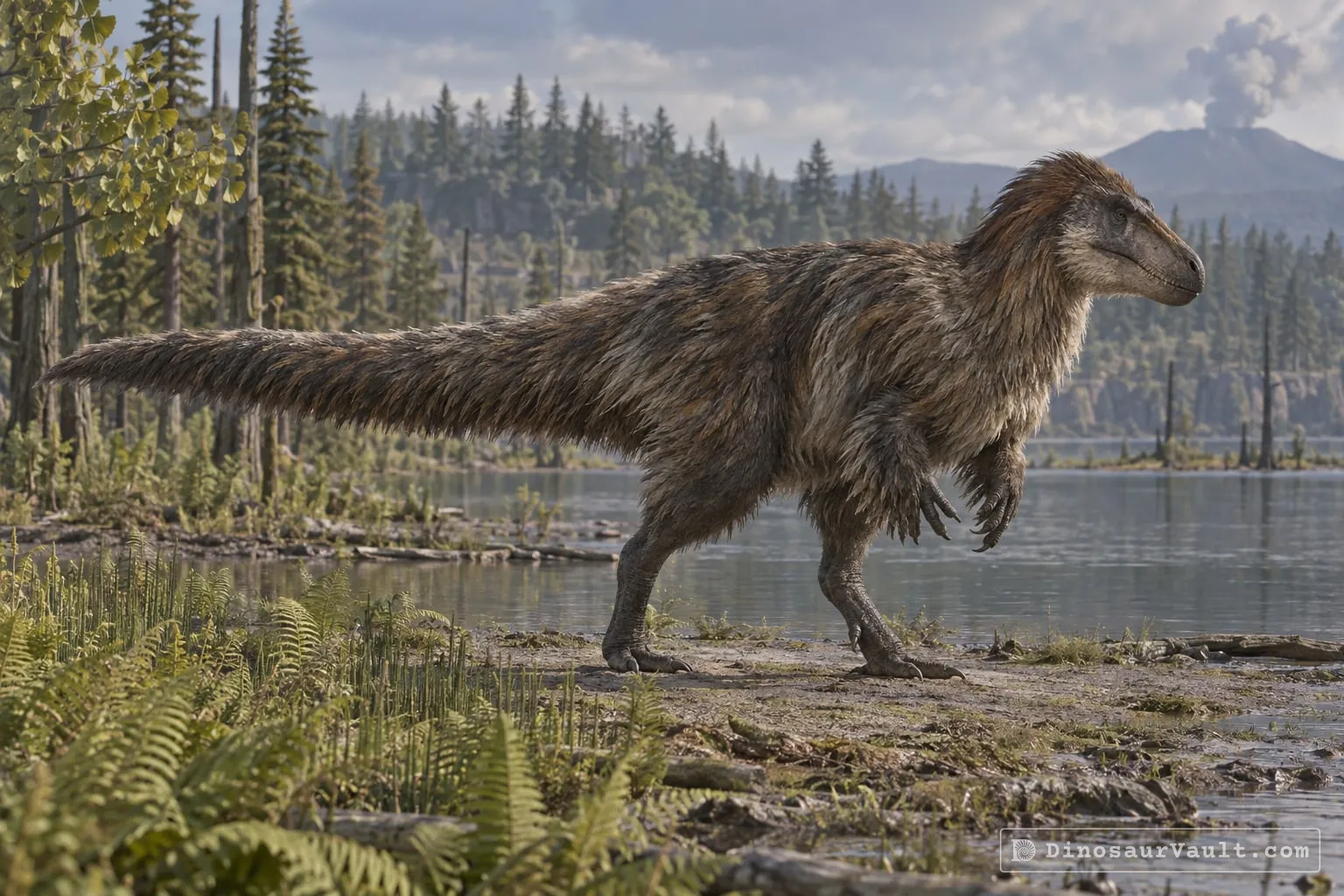
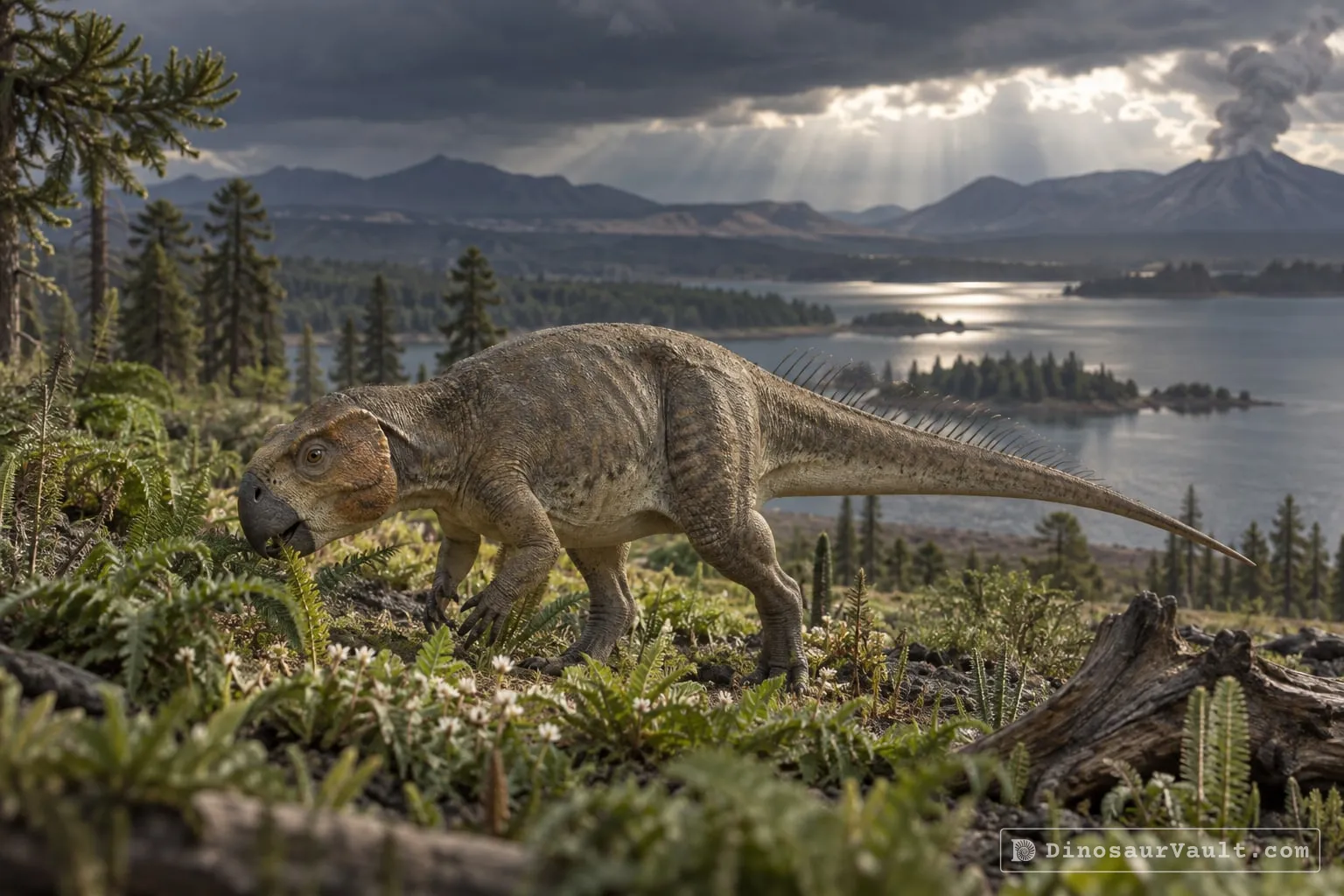
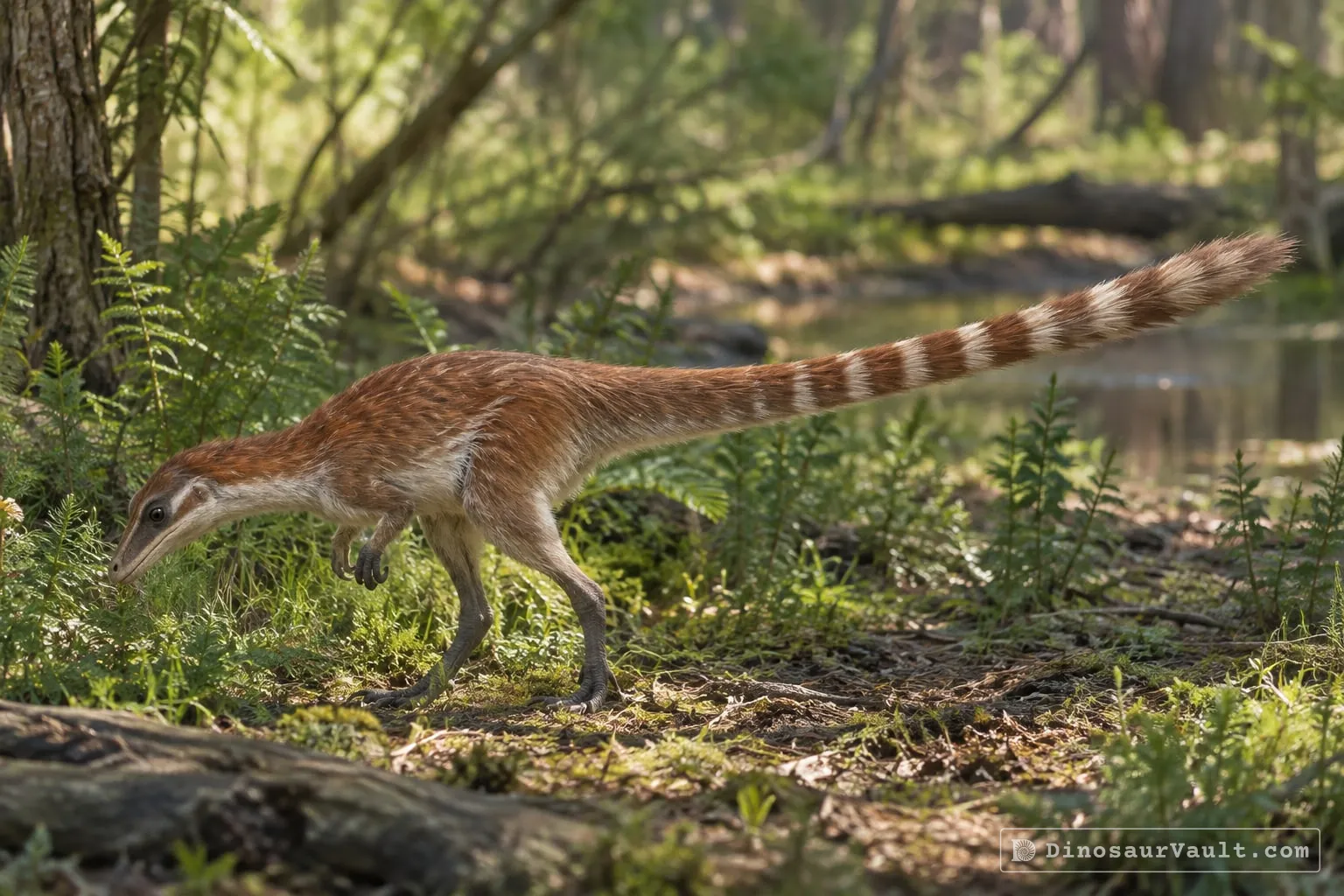
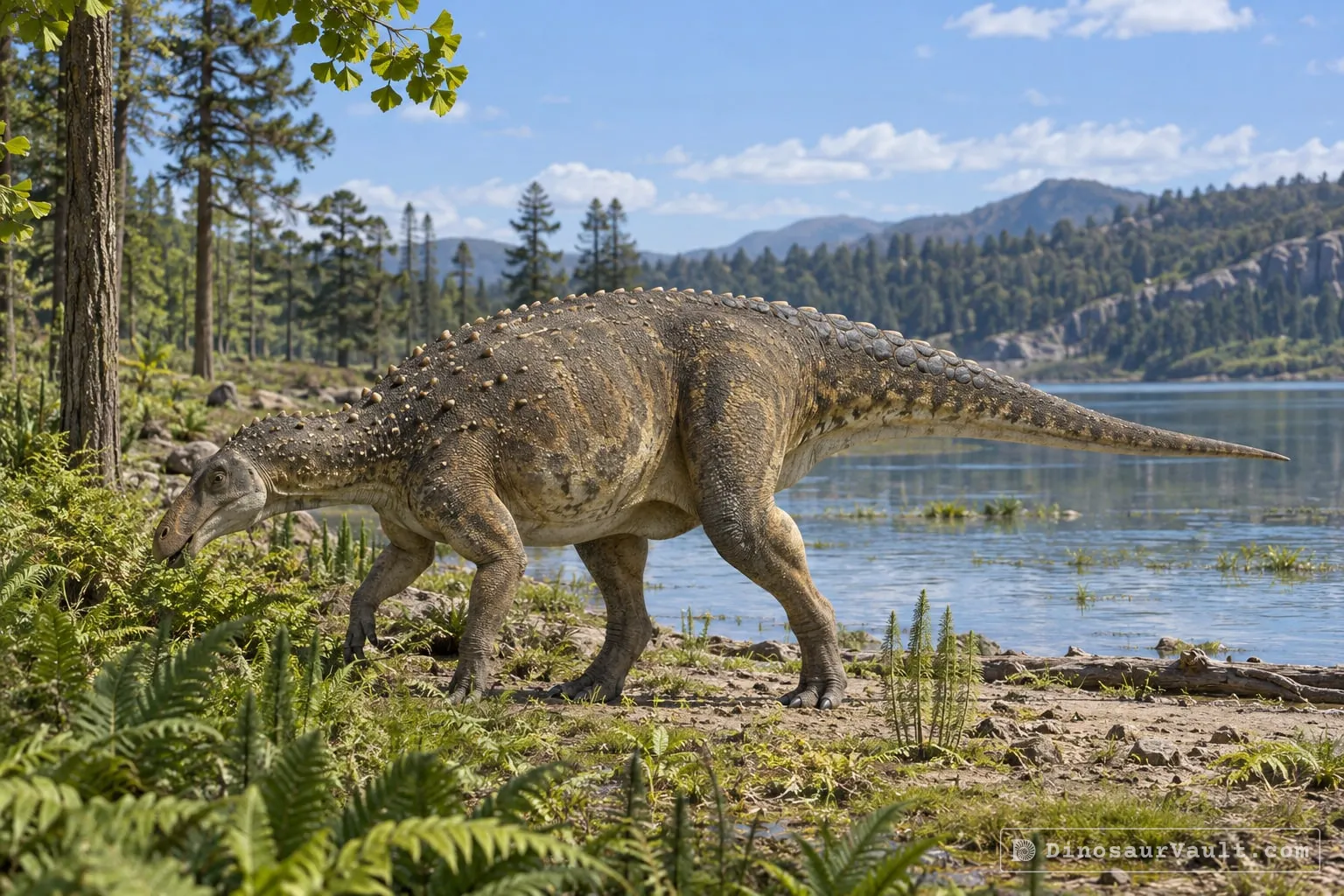
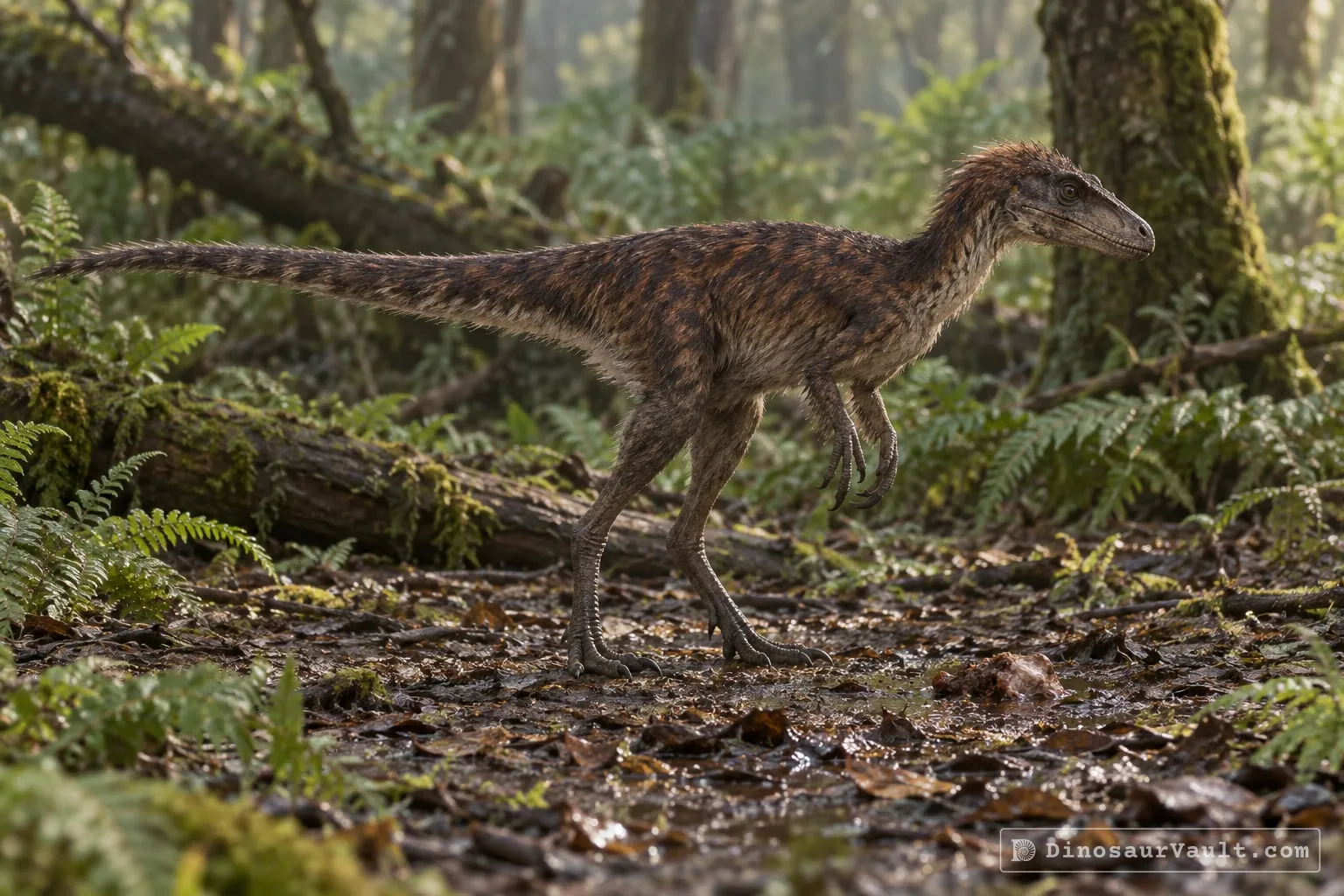
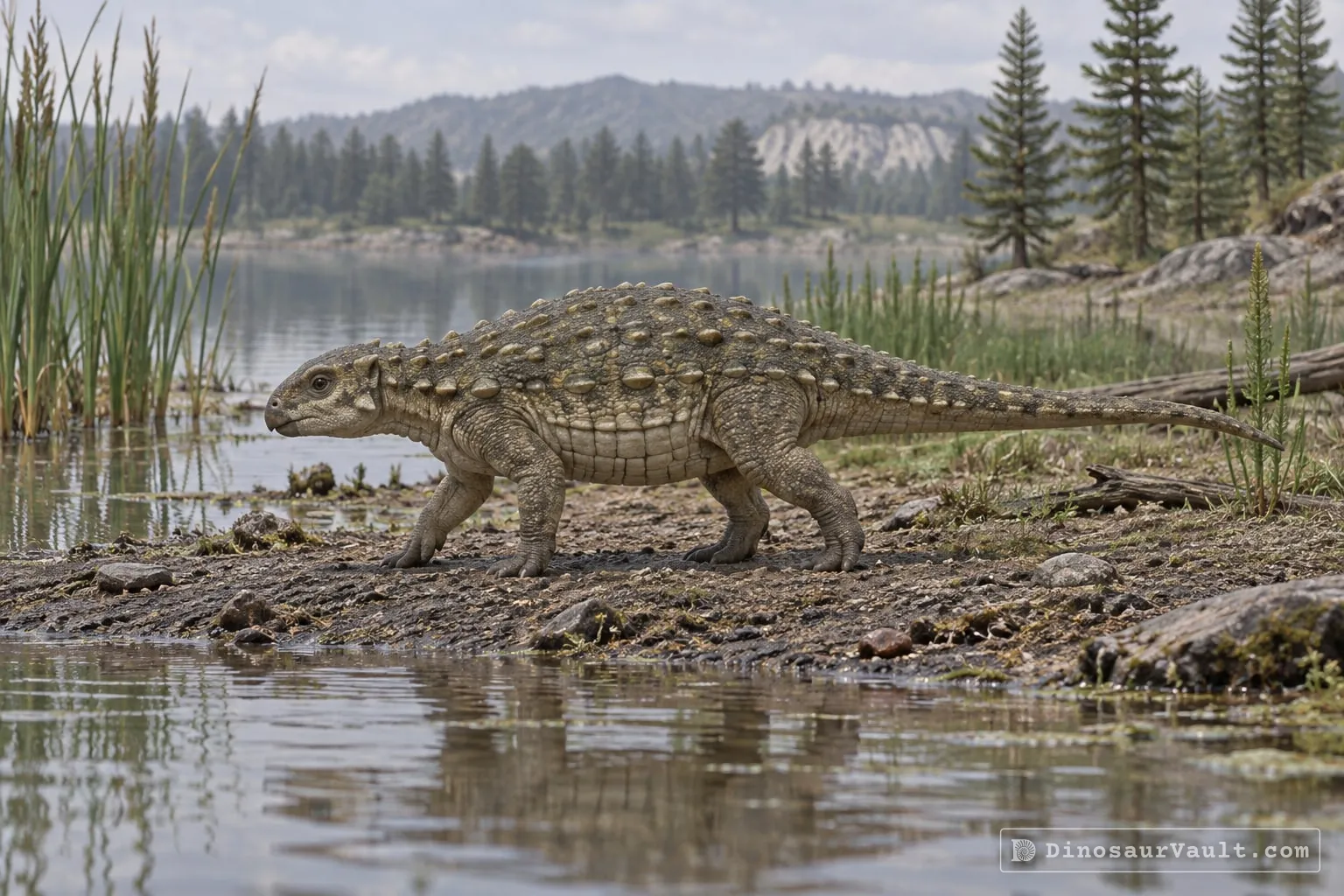


A rock formation can hold fossils laid down millions of years apart, so not every animal here met Incisivosaurus.
The evidence
The science behind Incisivosaurus
Which parts of the picture come from its own bones, and which come from its relatives.
From its own fossils
- A skull preserves large front teeth and much smaller teeth farther back in the jaws.
- Broad worn surfaces on the teeth suggest that it processed plant food.
- Scans reveal a replacement tooth behind a large front tooth.
Borrowed from relatives
- Its feathered body is inferred from early oviraptorosaurs such as Caudipteryx and Protarchaeopteryx.
Still unknown
- Its full body proportions.
- Its feather colors and pattern.
- Which plants it ate and how much animal food it included in its diet.
Discovery timeline
- 2002Named itXu et al.
- 2009SkullBalanoff et al.
- 2022How it fedMeade & Ma
Key papers
The research behind what we know of Incisivosaurus
Named it
Named Incisivosaurus and described its enlarged front teeth and tooth wear, linking an early oviraptorosaur to plant eating.
An unusual oviraptorosaurian dinosaur from China. Nature 419: 291-293
Read the paper : An unusual oviraptorosaurian dinosaur from China (opens in a new tab)Skull
Described the skull in detail and used scans to reconstruct its brain cavity and reveal replacement teeth.
Cranial Osteology of the Theropod Dinosaur Incisivosaurus gauthieri (Theropoda: Oviraptorosauria). American Museum Novitates 3651: 1-35
Read the paper : Cranial Osteology of the Theropod Dinosaur Incisivosaurus gauthieri (Theropoda: Oviraptorosauria) (opens in a new tab)How it fed
Reconstructed jaw muscles and compared biting in Incisivosaurus with the stronger bites of later oviraptorosaurs.
Cranial muscle reconstructions quantify adaptation for high bite forces in Oviraptorosauria. Scientific Reports 12
Read the paper : Cranial muscle reconstructions quantify adaptation for high bite forces in Oviraptorosauria (opens in a new tab)
Close relatives
Other members of Oviraptorosauria


Sources: Wikidata