Outline: a typical ornithopod
Hypacrosaurus
hi-PAK-roh-SORE-us
"near the highest lizard"
- Lived
- 84 to 66 million years ago, Late Cretaceous
- Diet
- Herbivore
- Length
- about 9 m (30 ft)
- Group
- Ornithopods, Hadrosauridae
- Found in
- Canada and United States
- Named by
- Brown 1913
Size comparison
To scale


Scale in metersOutline: typical ornithopod shape
Where its fossils were found
The evidence
Today

75 million years ago
Field notes
About Hypacrosaurus
What it was like
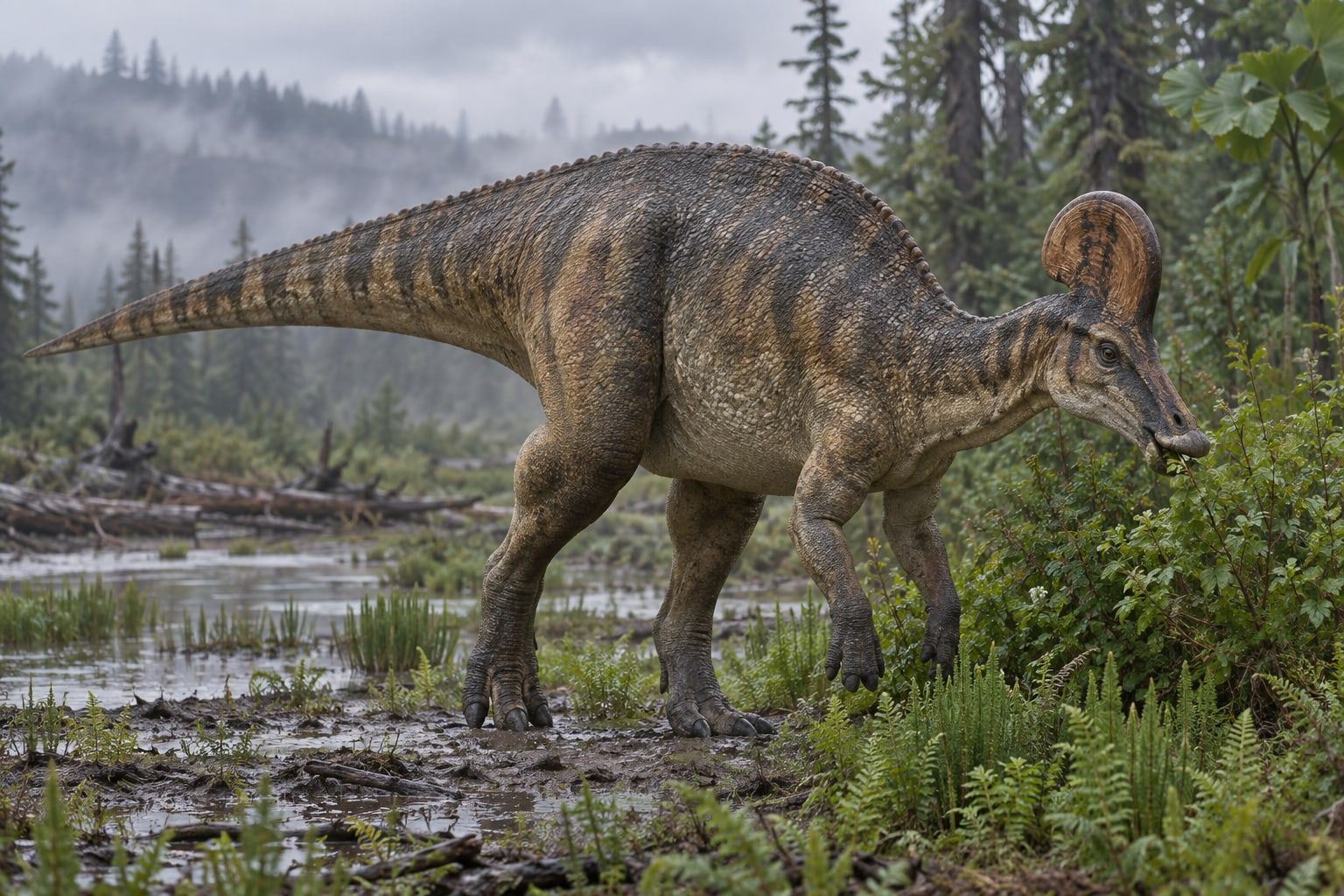
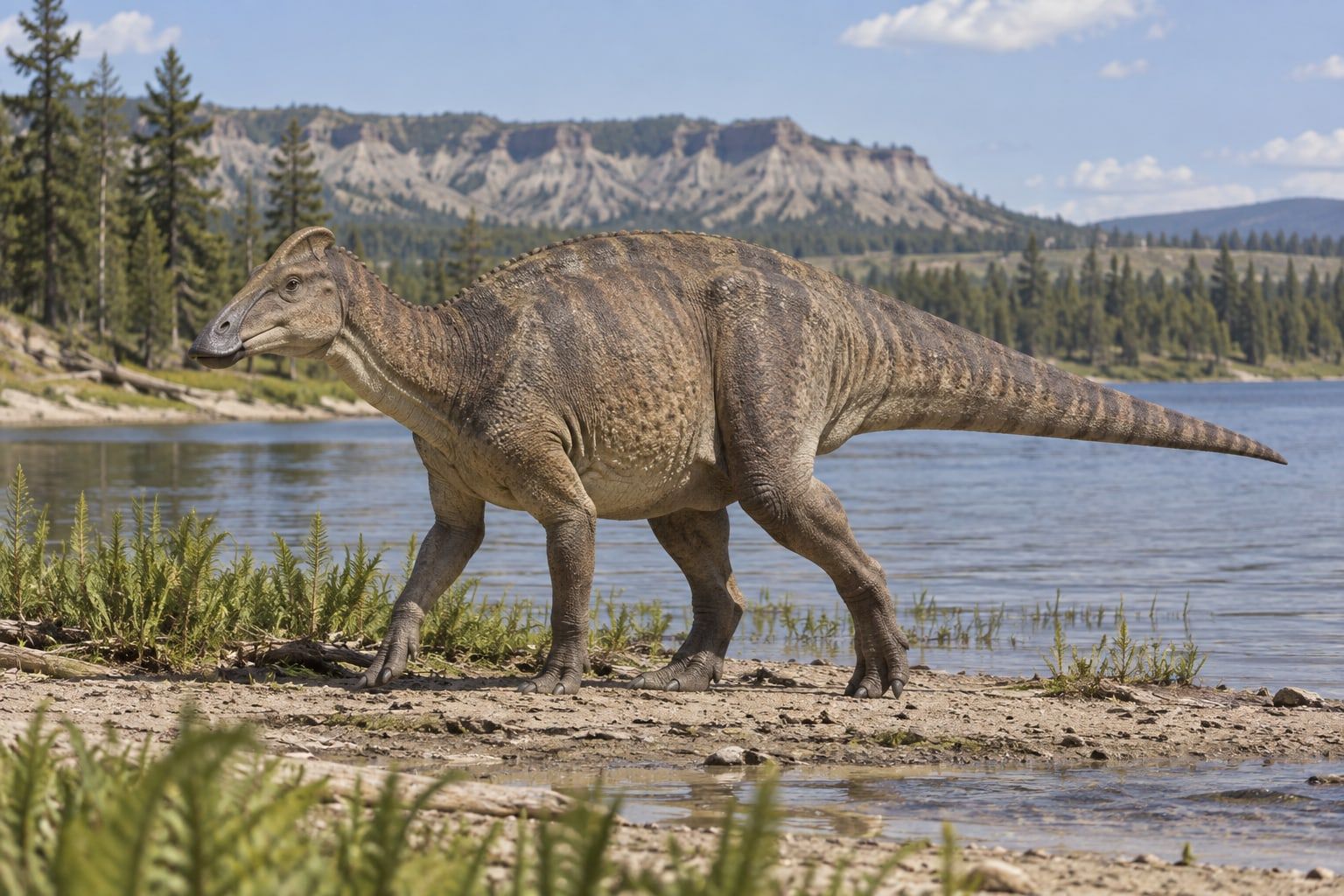
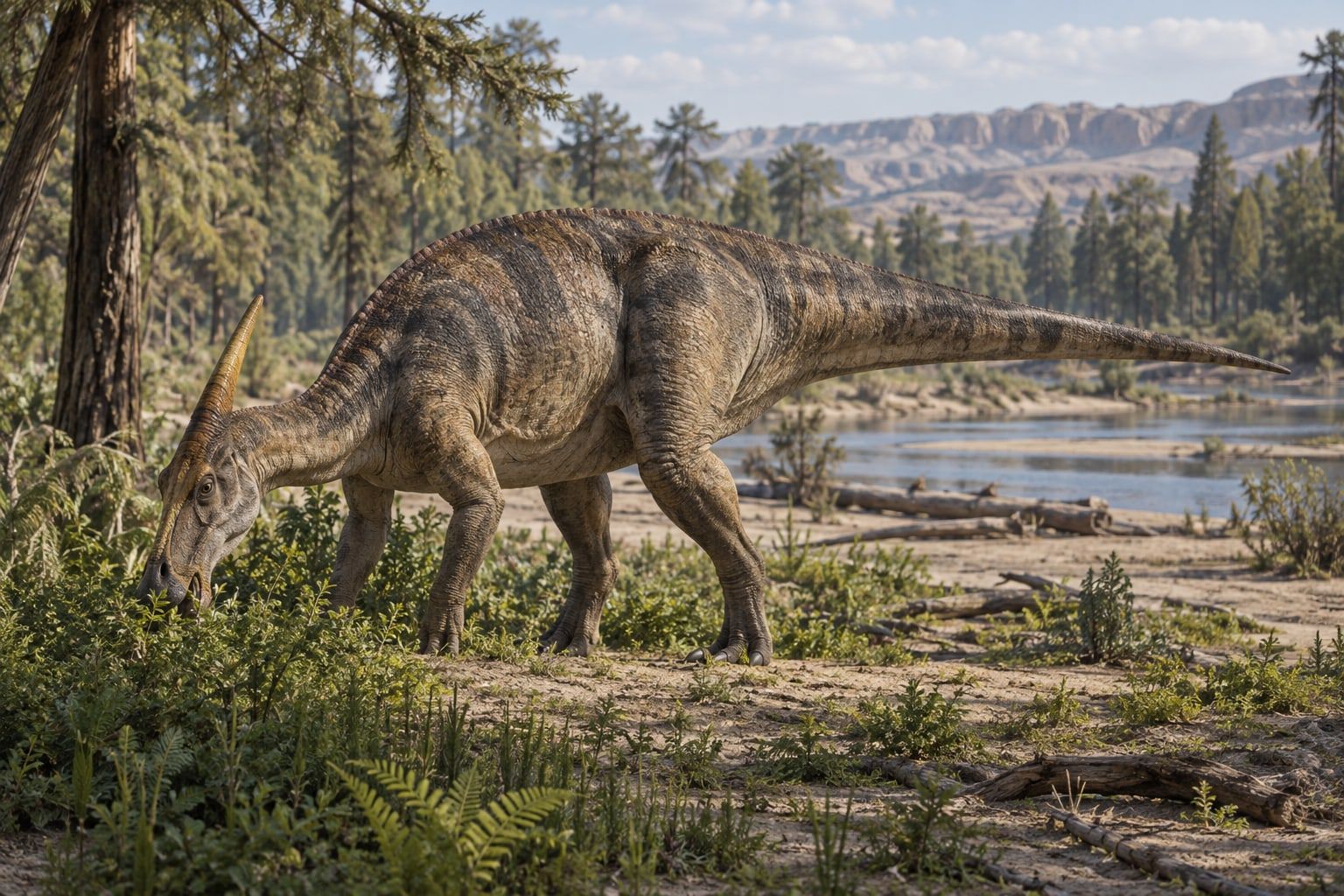
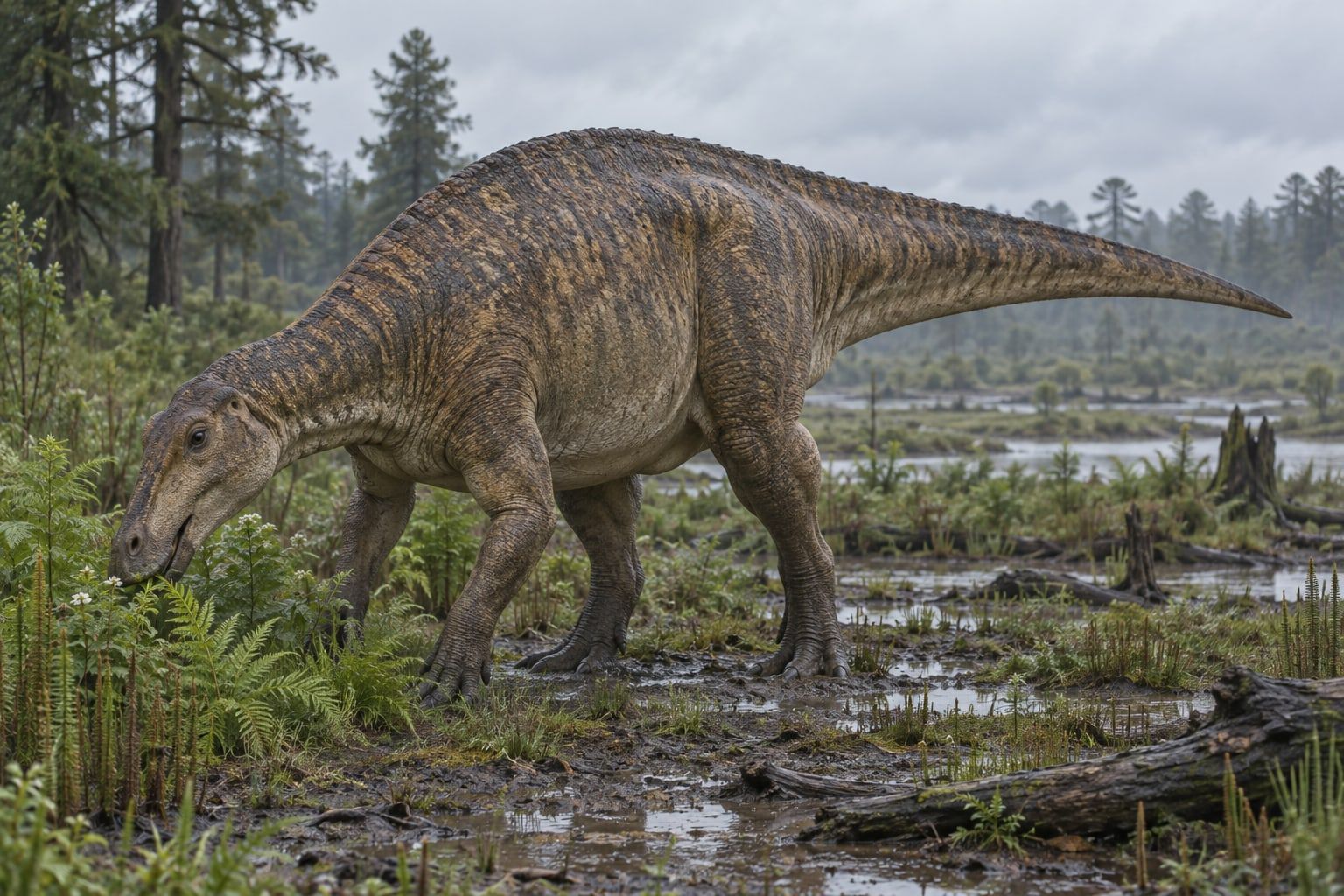
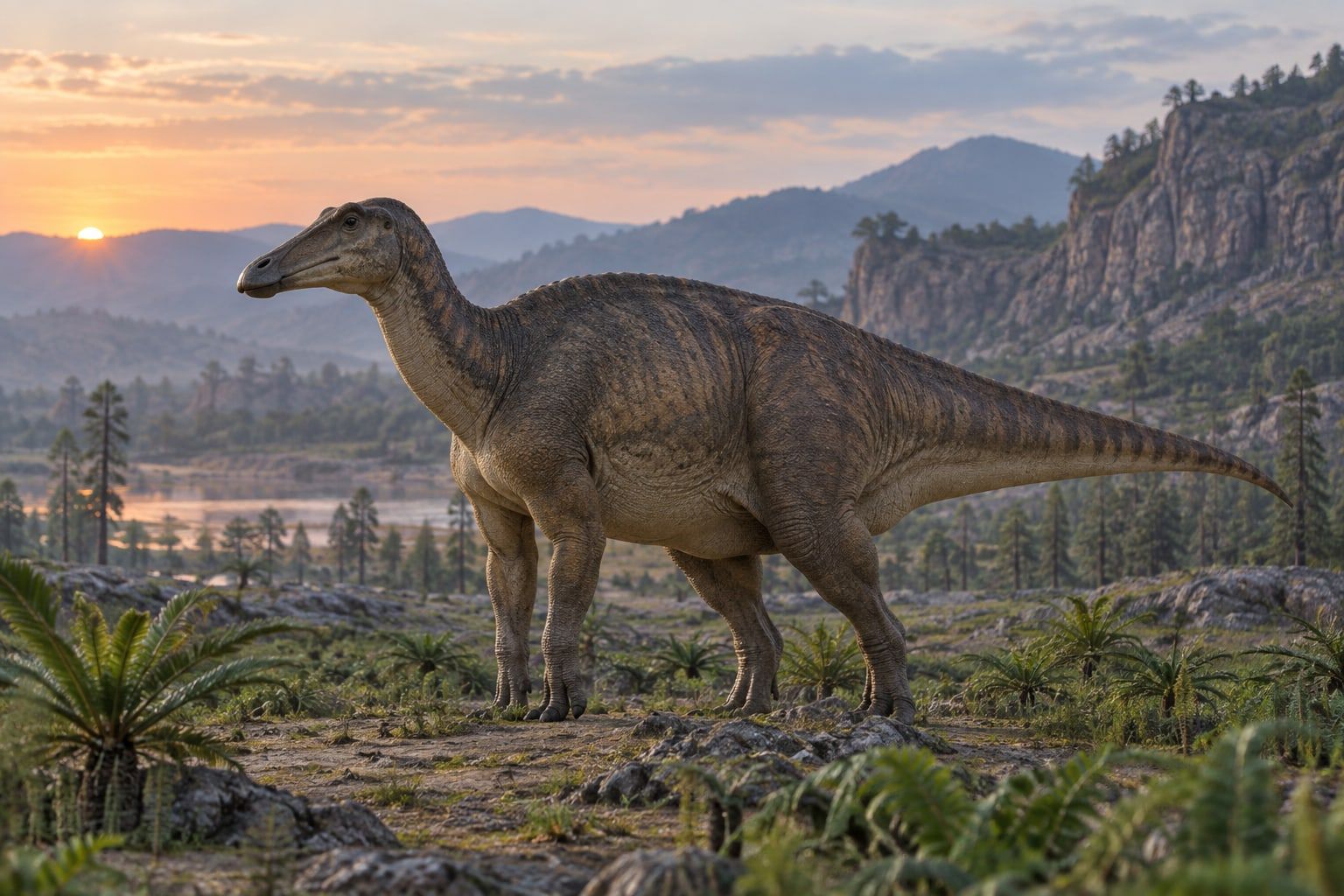
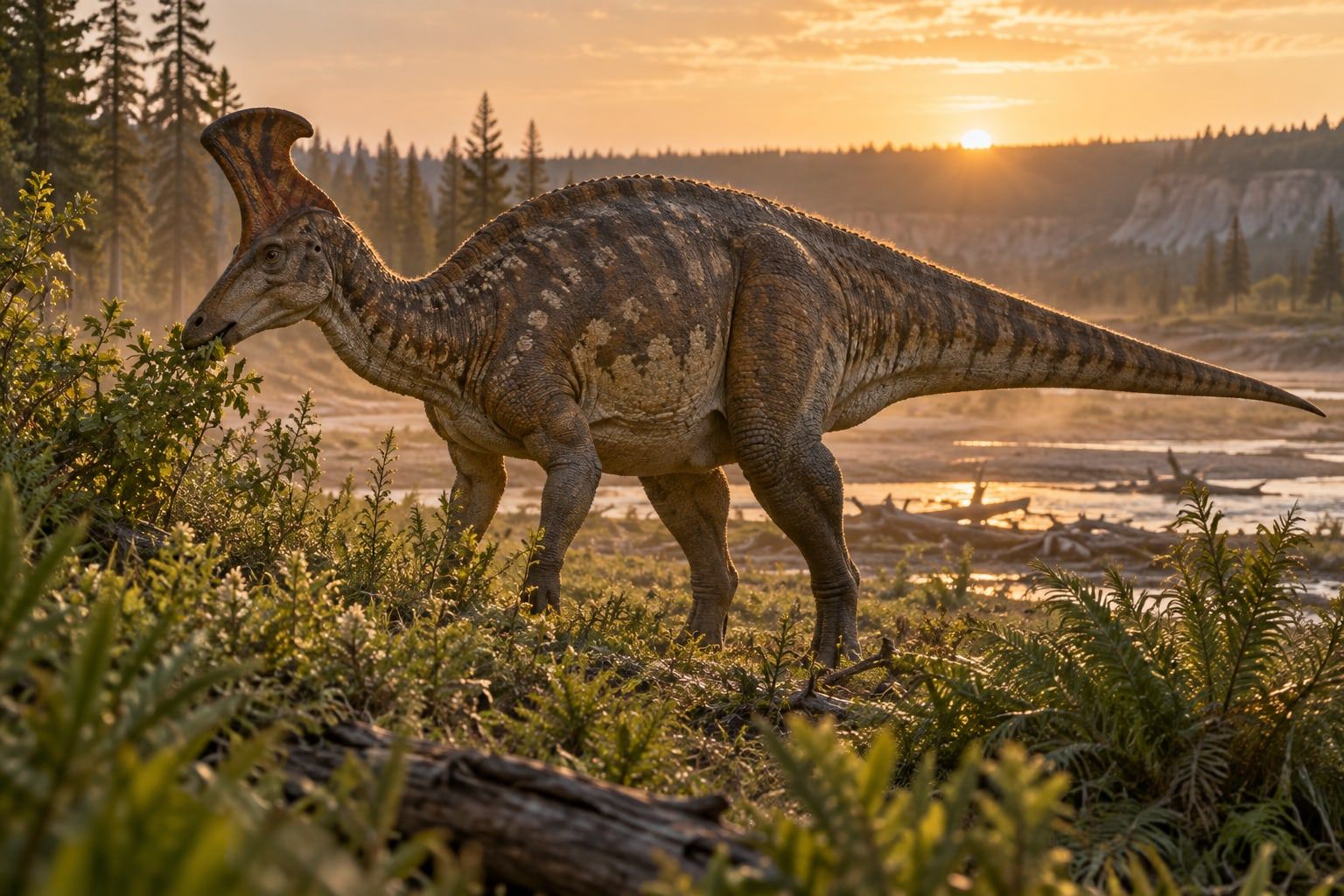
Hypacrosaurus was a duck-billed plant eater about 9 meters (30 feet) long. It had a rounded, hollow crest on top of its head, a little like that of its close relative Corythosaurus, and a tall ridge of spines along its back.
The hollow crest held long air passages that may have helped it make loud, low calls. Like other duckbills, it ground tough plants with rows of tightly packed teeth.
Its world
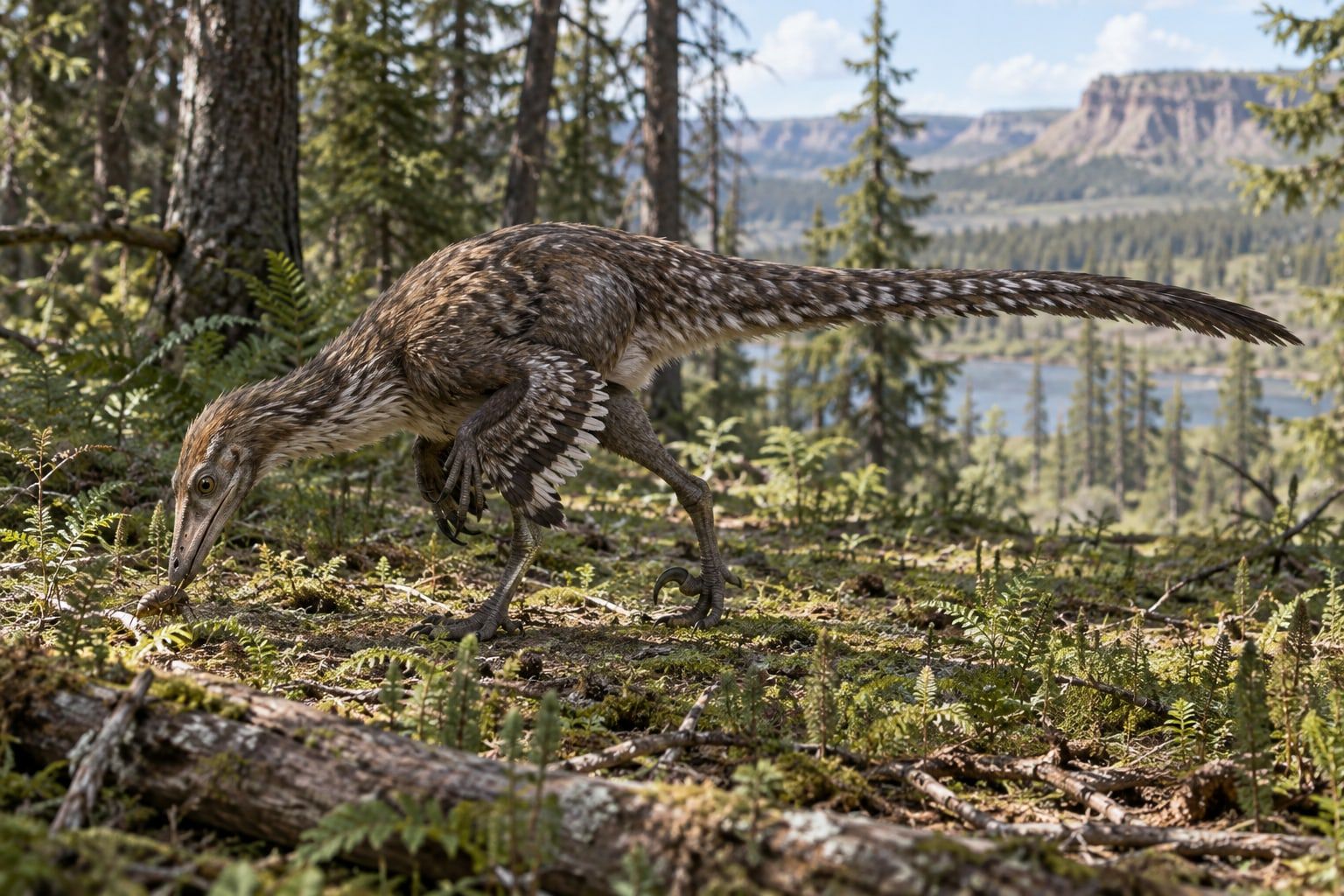
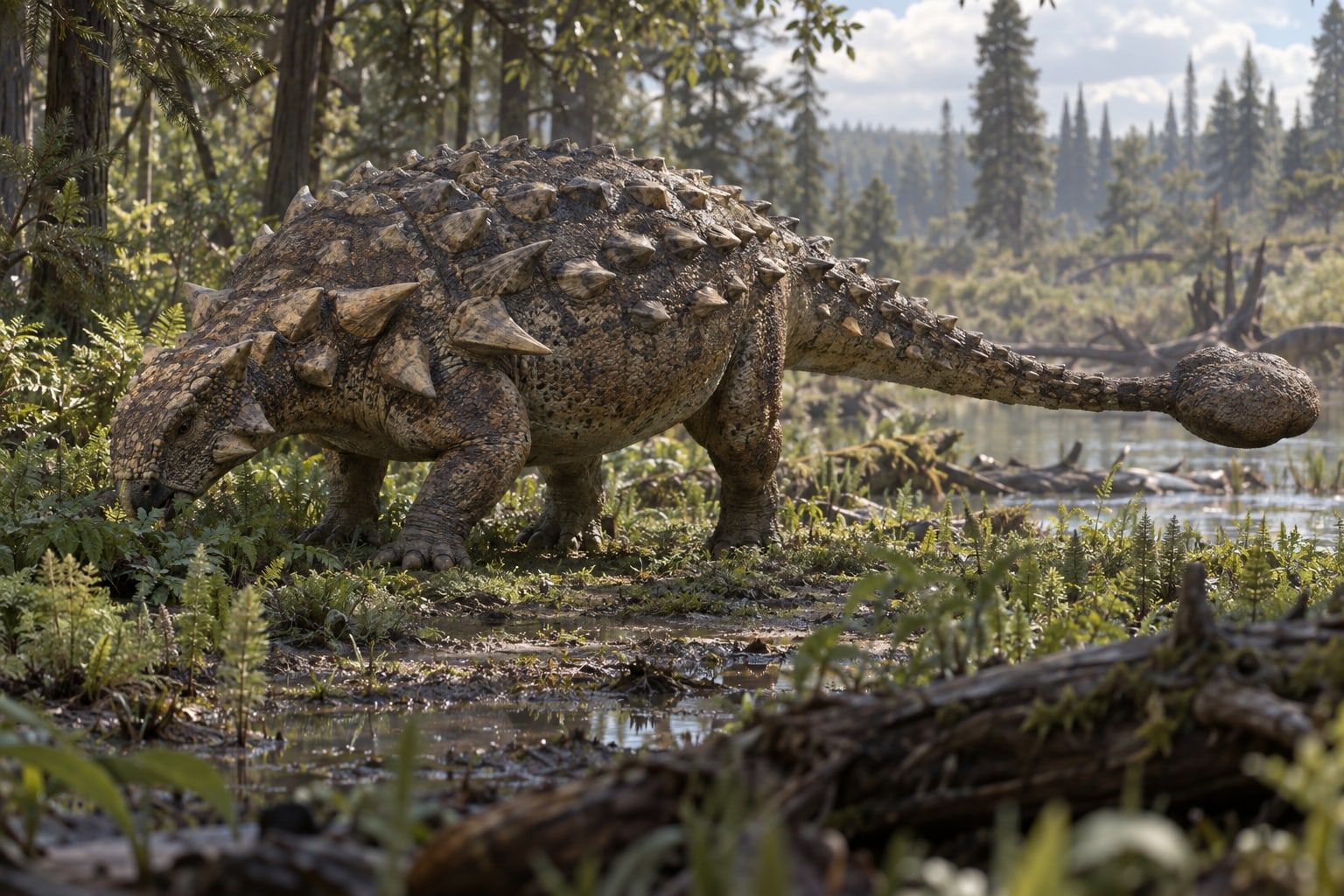
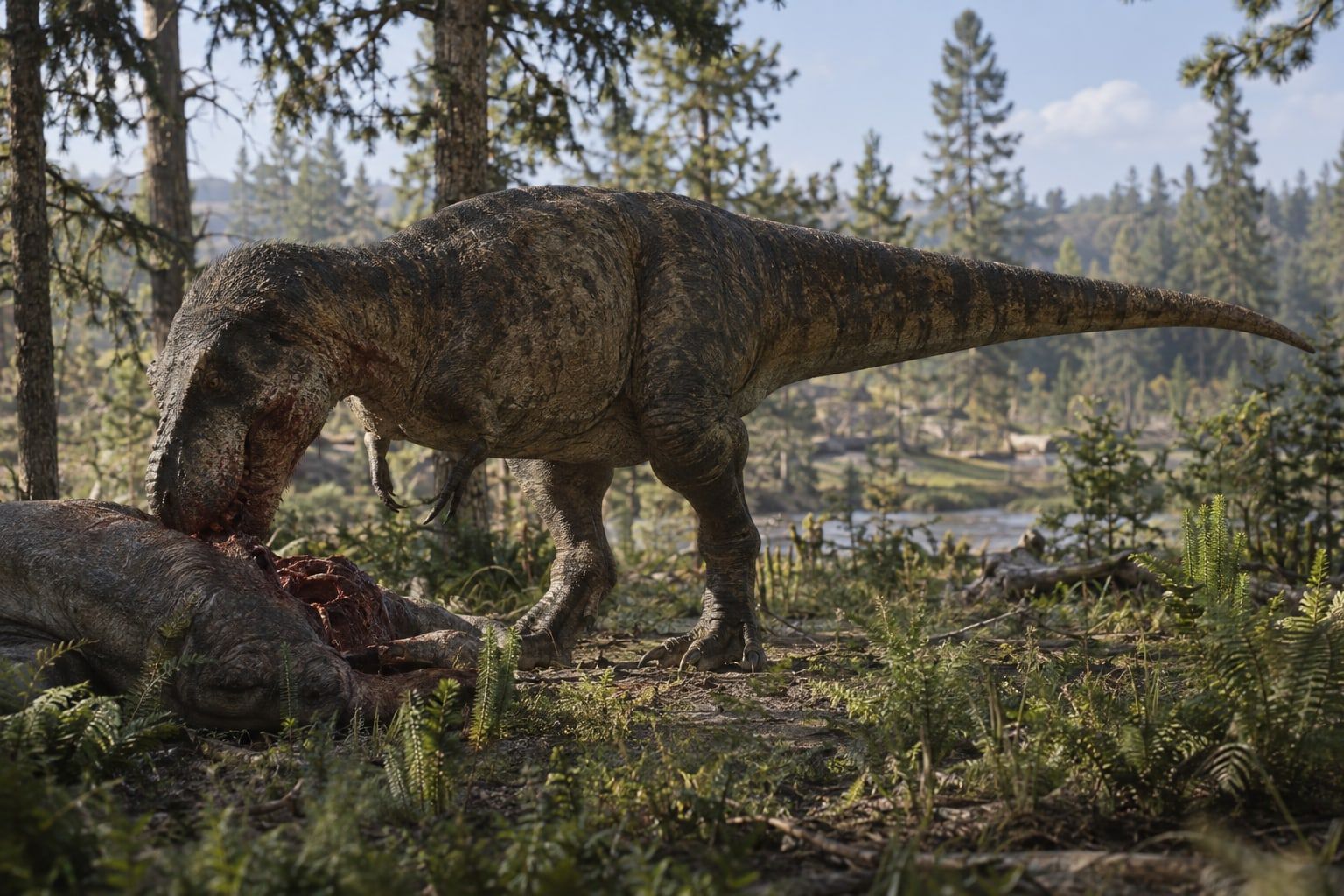
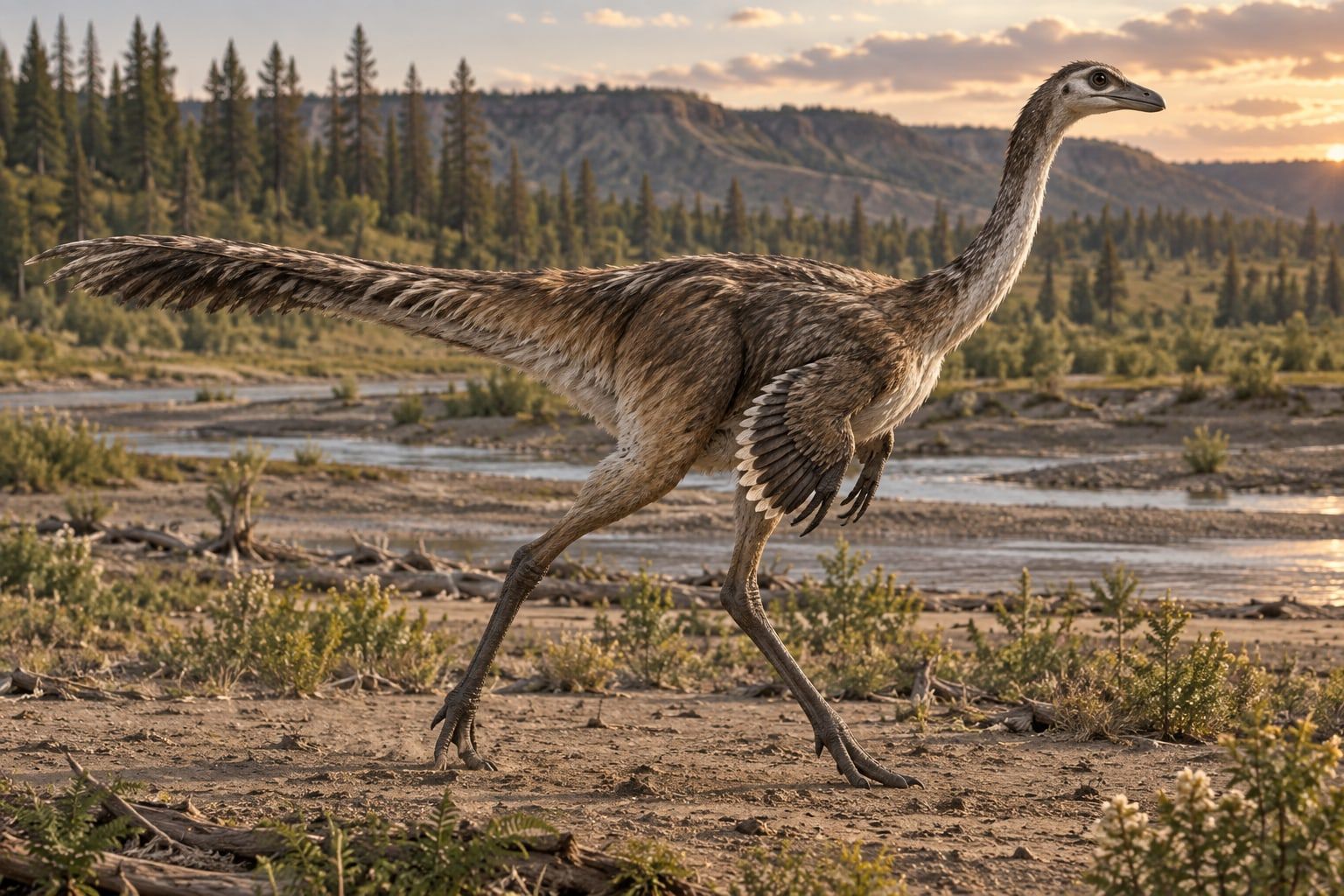
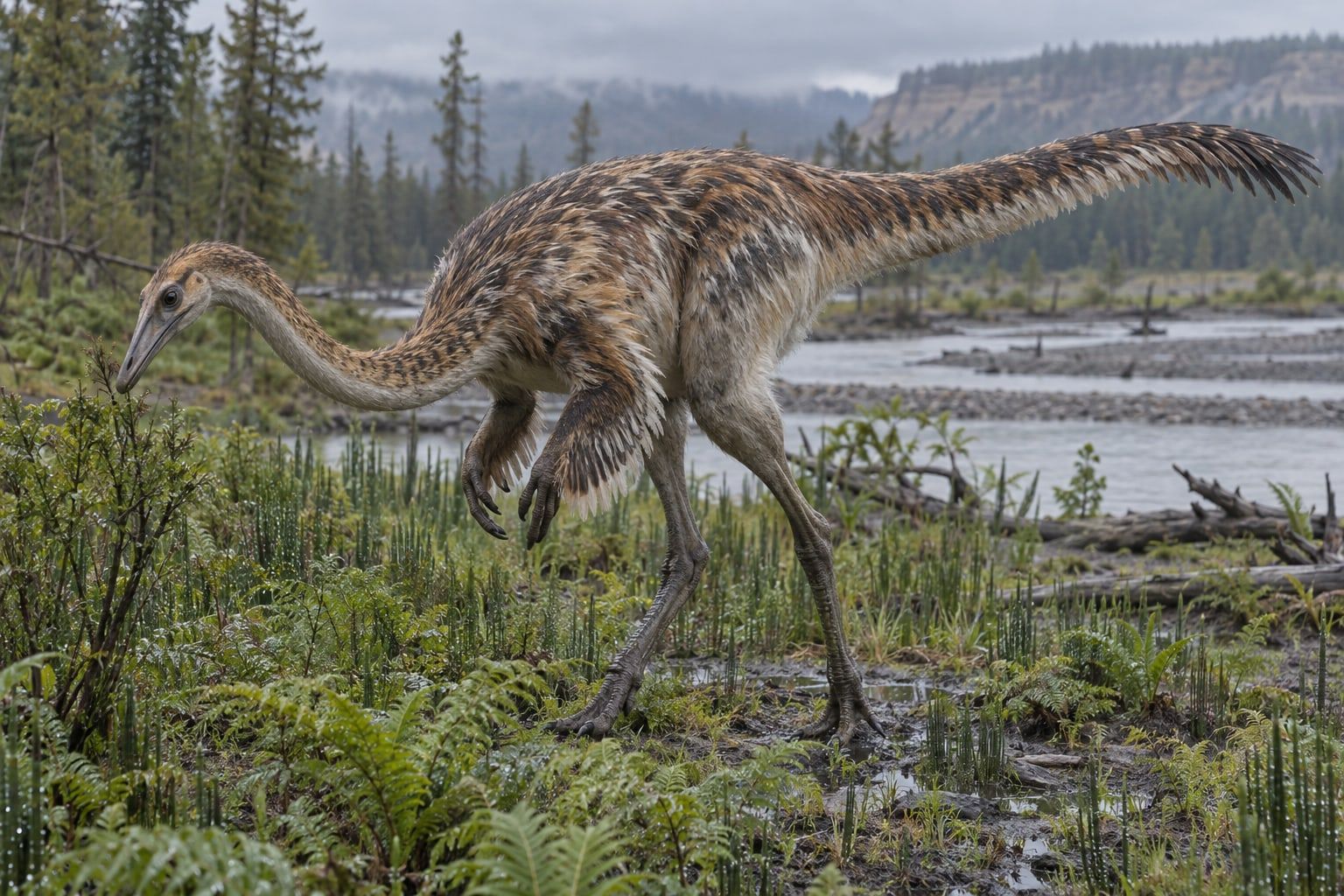
It lived in the Late Cretaceous in what is now Alberta in Canada and Montana in the United States. Its bones come from rocks such as the Horseshoe Canyon and Two Medicine formations. Predators such as Daspletosaurus shared its world, along with the smaller hunter Troodon and the ostrich-like Struthiomimus.
How it was found
Brown named Hypacrosaurus in 1913. There are 34 recorded finds, including nests, eggs and hatchlings from Montana. These babies have helped scientists study how duckbills grew up, and how their crests developed as they aged.
Lived alongside
Found in the same rock formations
Close relatives
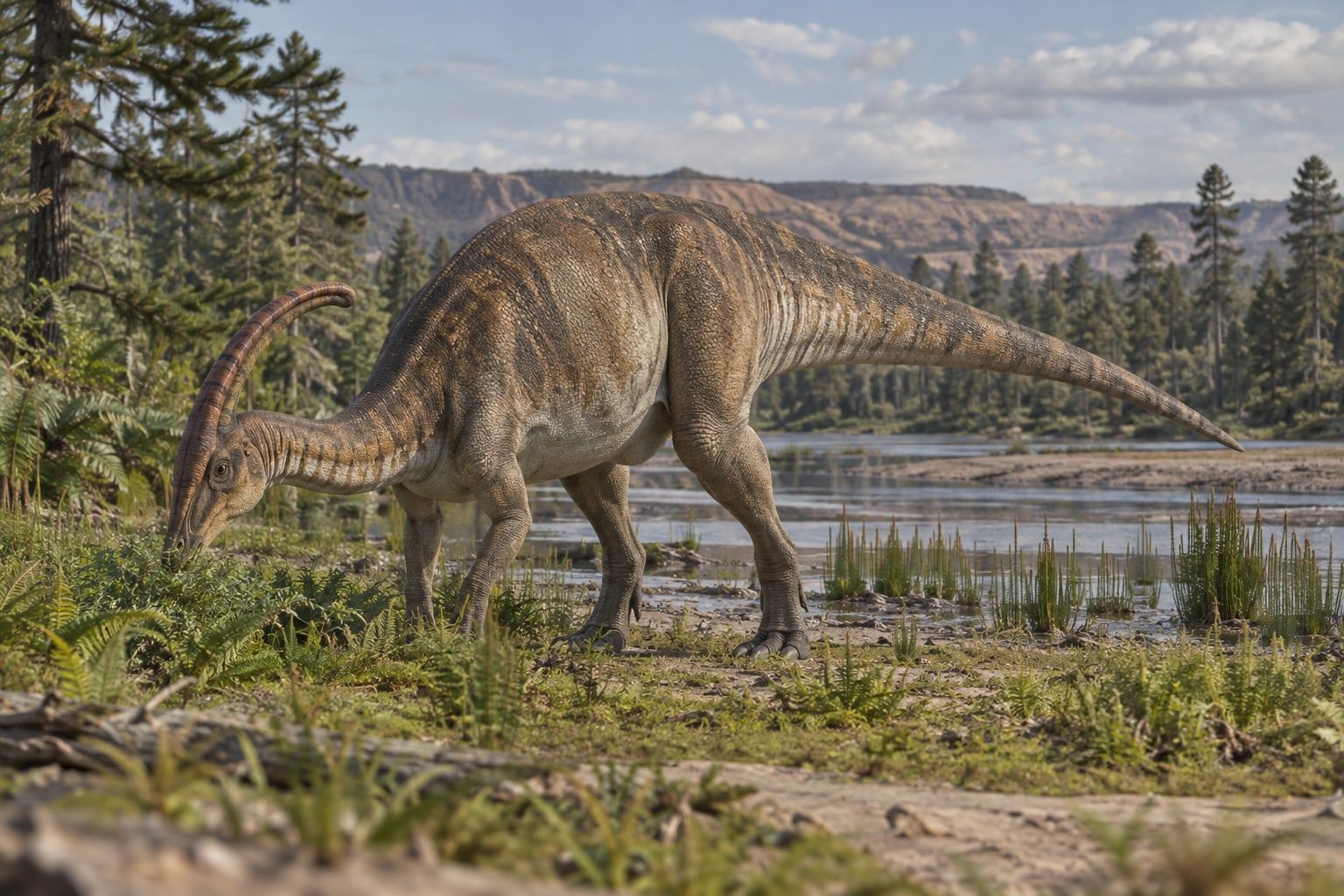
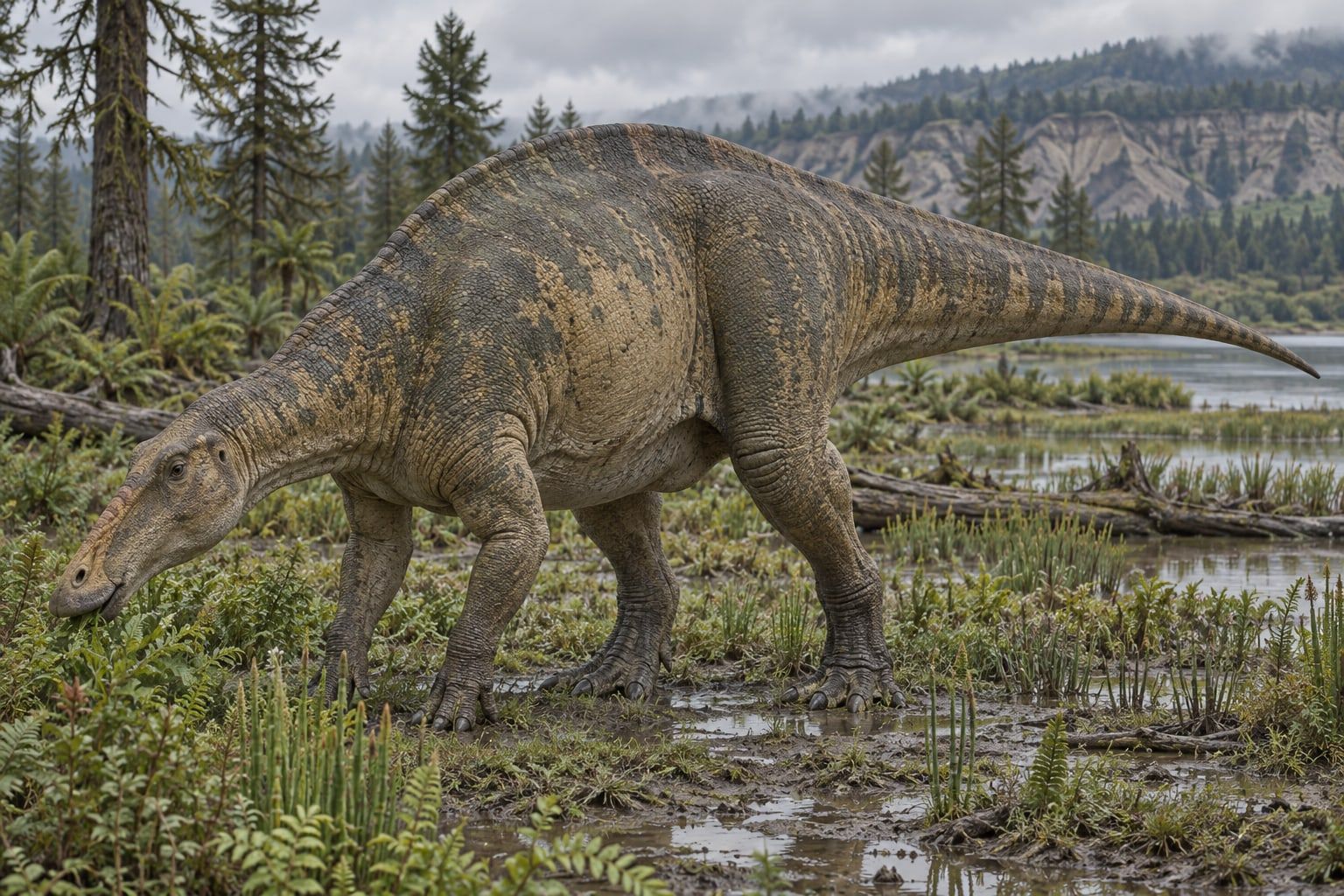
Other members of Hadrosauridae
Sources: WikidataNamed in: B. Brown. 1913. A new trachodont dinosaur, Hypacrosaurus, from the Edmonton Cretaceous of Alberta. Bulletin of the American Museum of Natural History 32(20):395-406