Ledumahadi
"giant thunderclap"
Type species Ledumahadi mafube
- Lived
- 201 to 193 million years ago, Early Jurassic
- Found in
- South Africa
- Named by
- McPhee et al. 2018
Where its fossils were found
The evidence
Today

195 million years ago
Habitat
It lived on a floodplain crossed by rivers in what is now South Africa. Massospondylus, Heterodontosaurus and Dracovenator also occur in the Elliot Formation.
Field notes
About Ledumahadi
What it was like
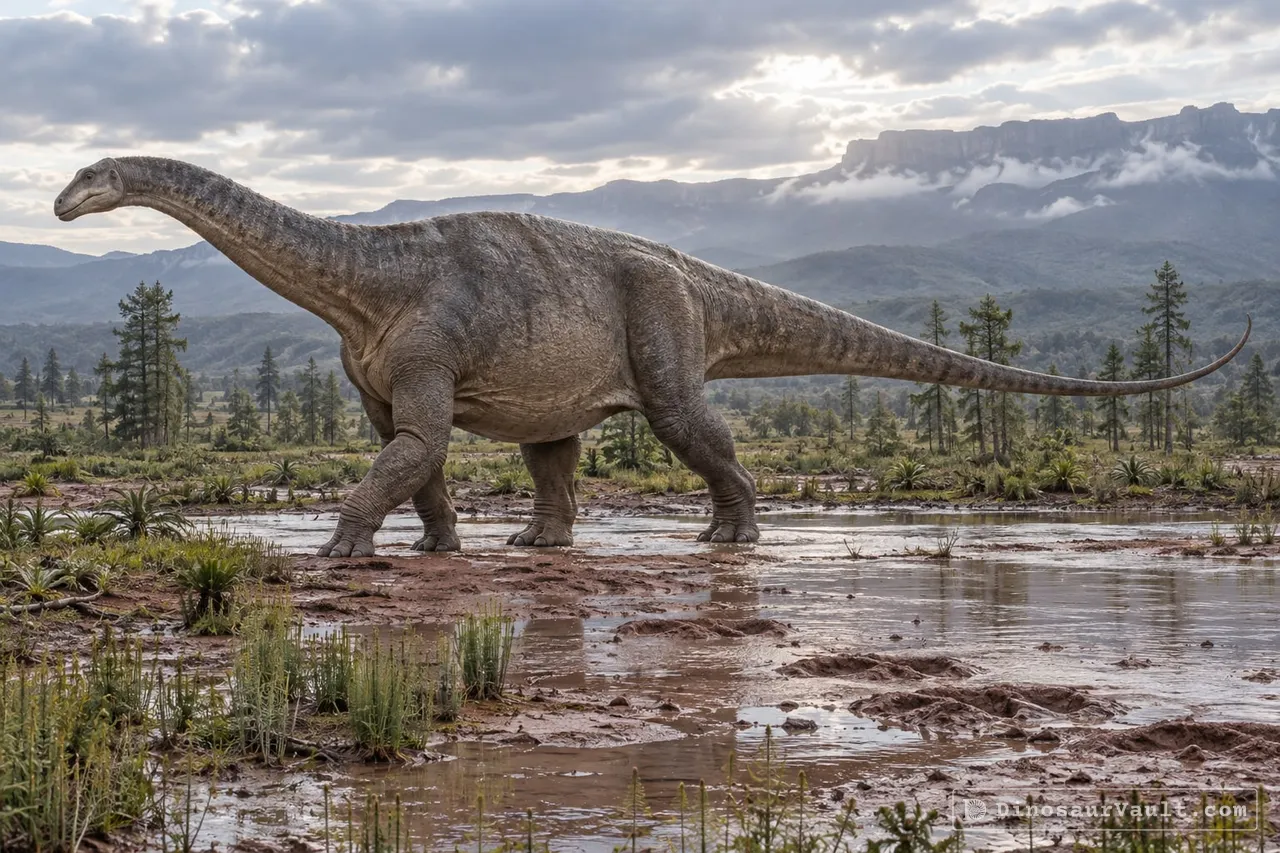
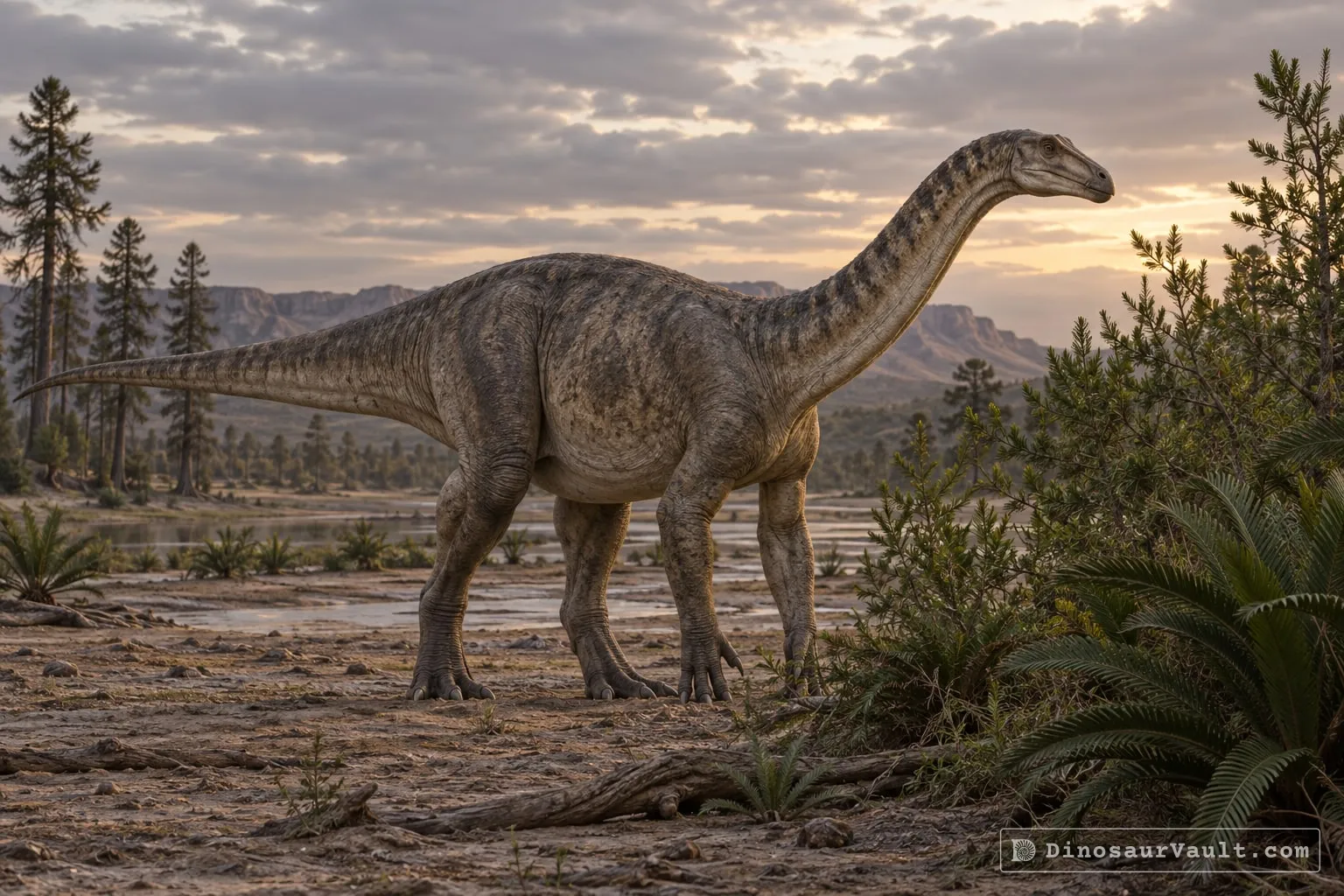
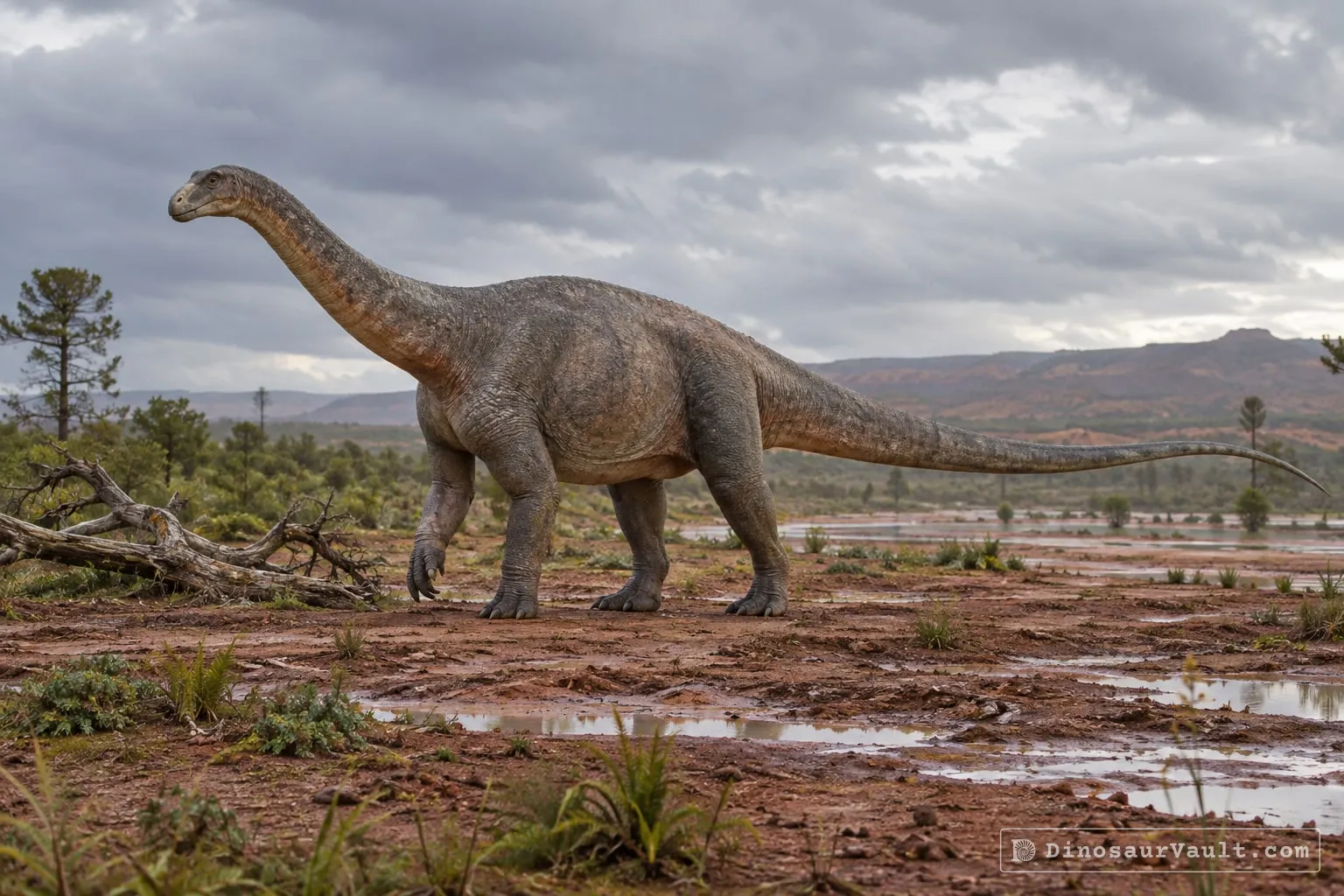
Ledumahadi was a huge plant eater for its time, one of the largest land animals of the Early Jurassic. It was an early relative of the sauropods and walked on four thick, straight legs, although it belonged to a group that mostly walked on two.
Its world
It lived in the Early Jurassic, in what is now South Africa. It comes from the Elliot Formation, where it shared the land with the smaller Massospondylus and Aardonyx, the fanged Heterodontosaurus and the hunter Dracovenator.
How it was found
McPhee and colleagues named Ledumahadi in 2018. The type species is Ledumahadi mafube. Its name comes from a language spoken in the region.
Field gallery
More views of Ledumahadi
Scenes reconstructed from the available fossil evidence.
Lived alongside
Found in the same rock formations
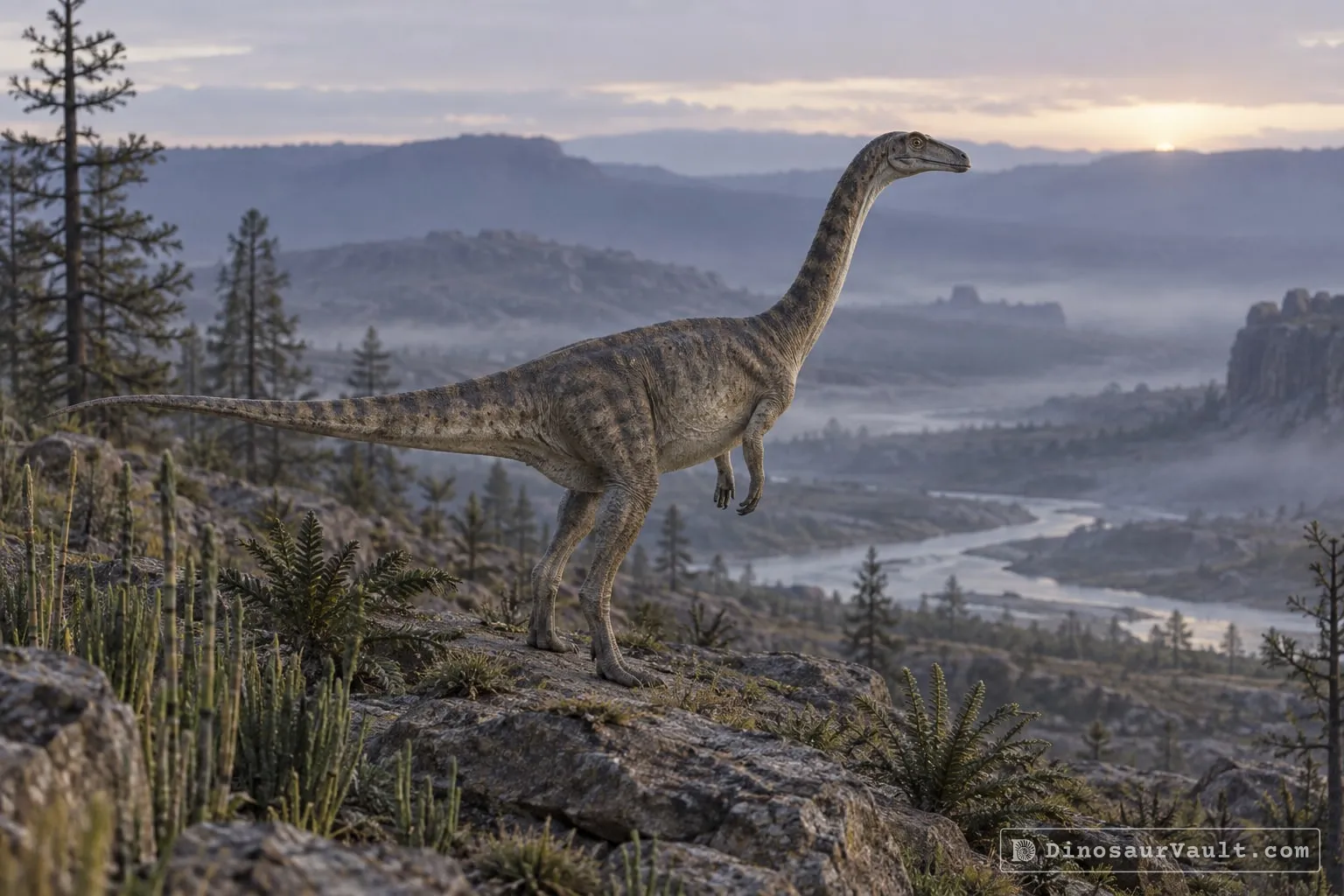
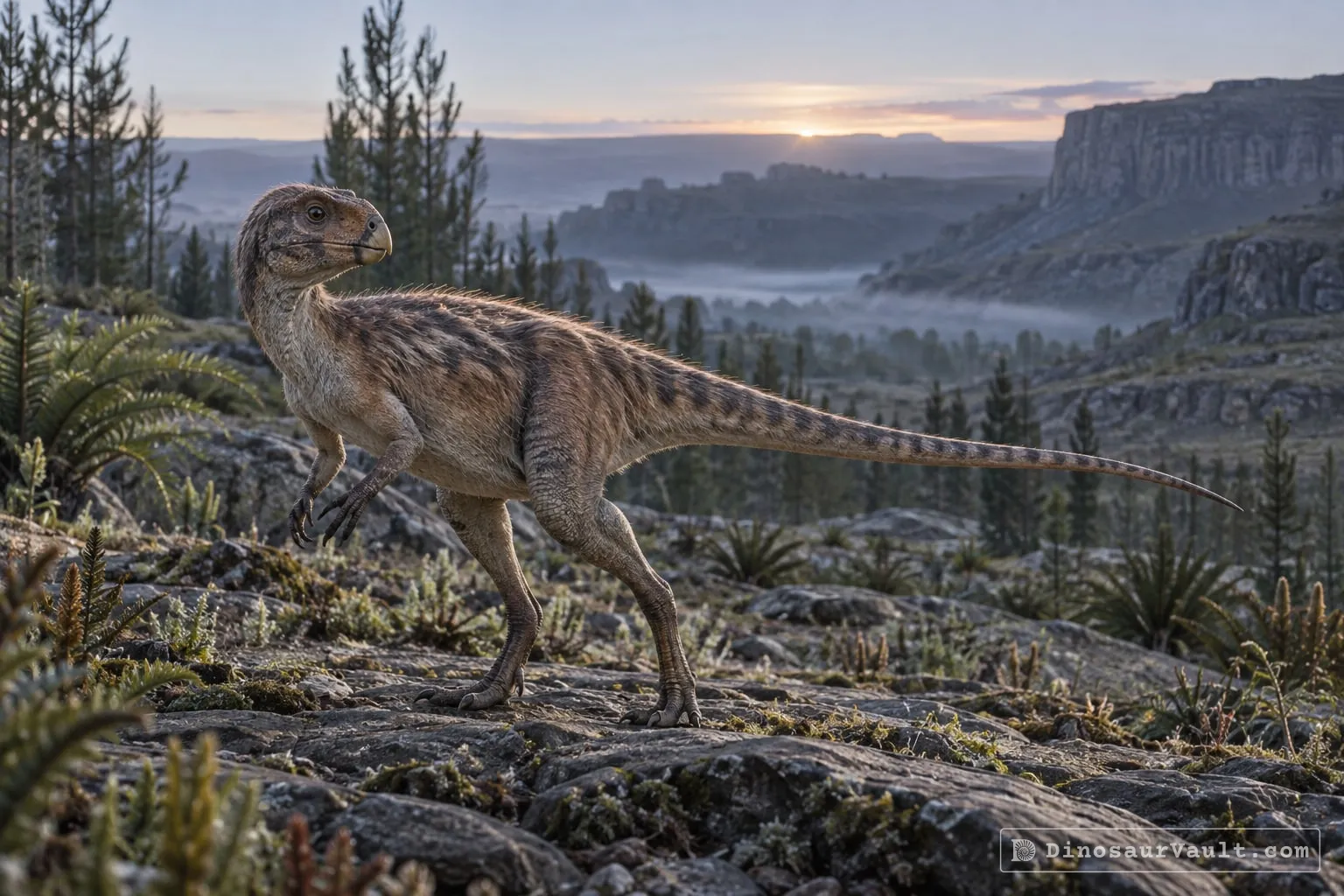
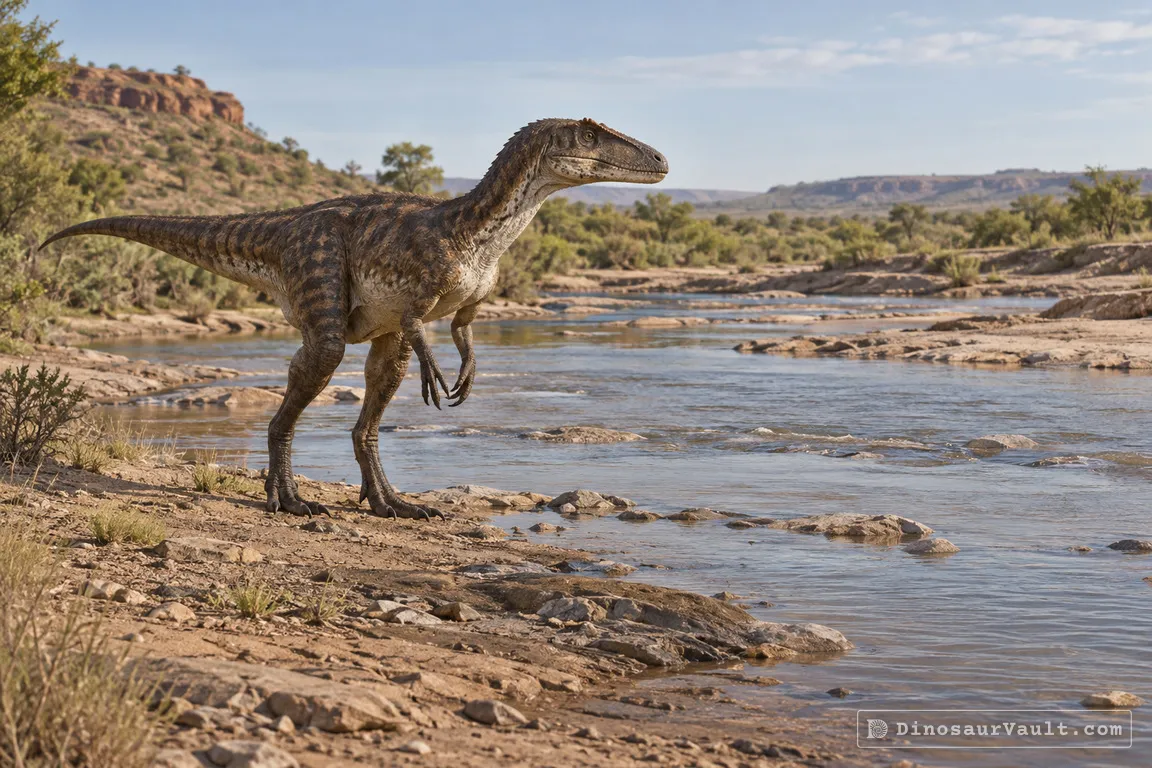
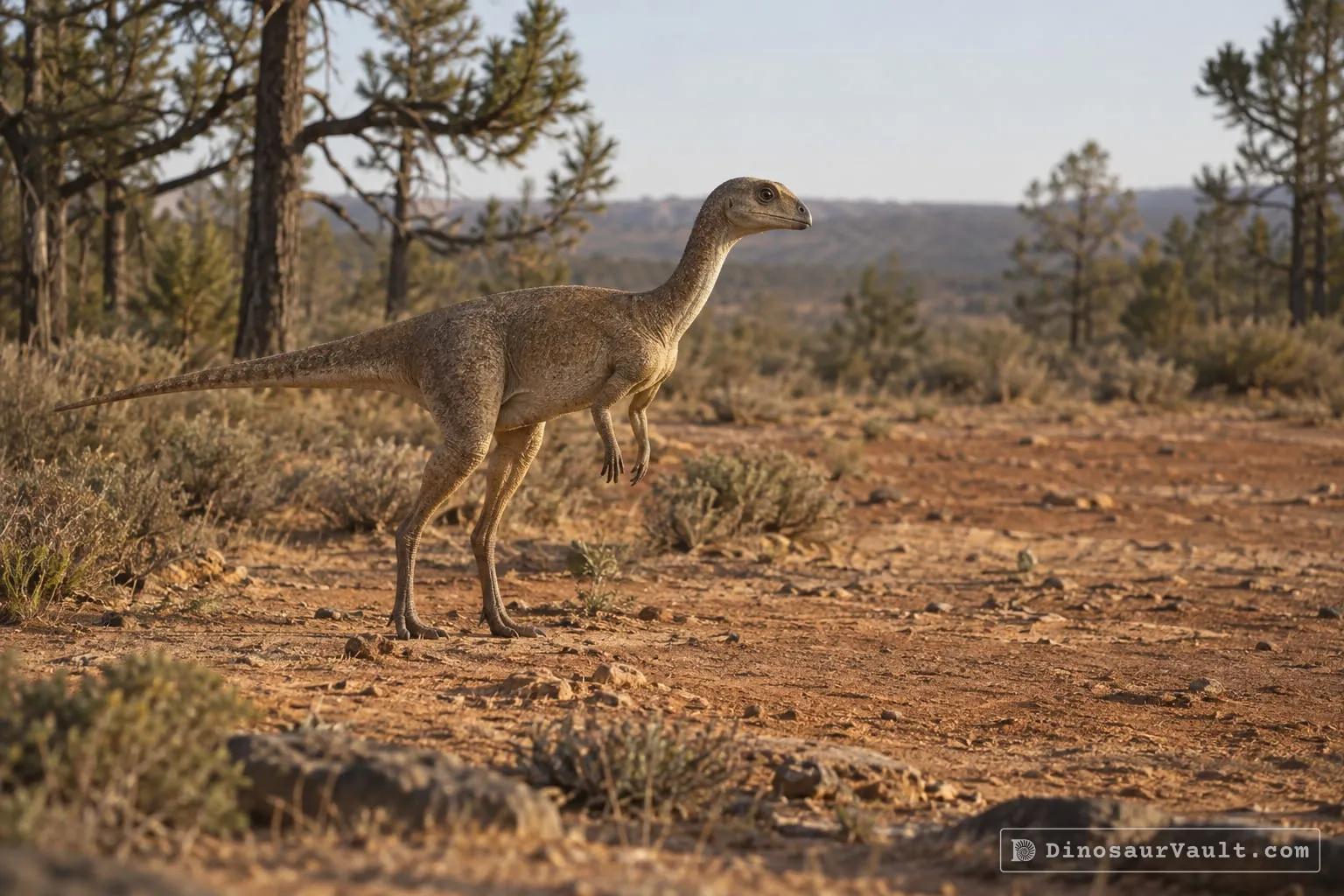
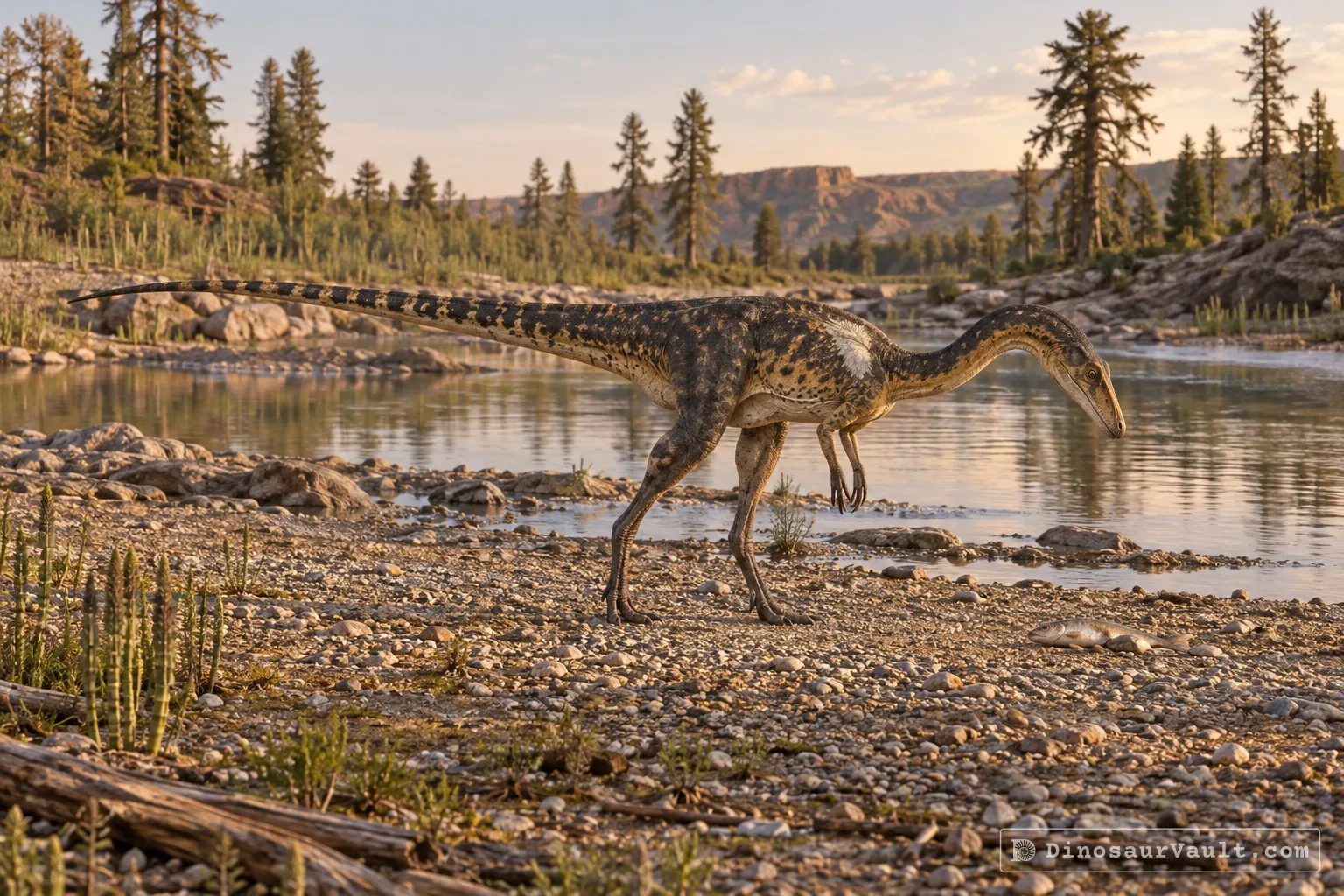
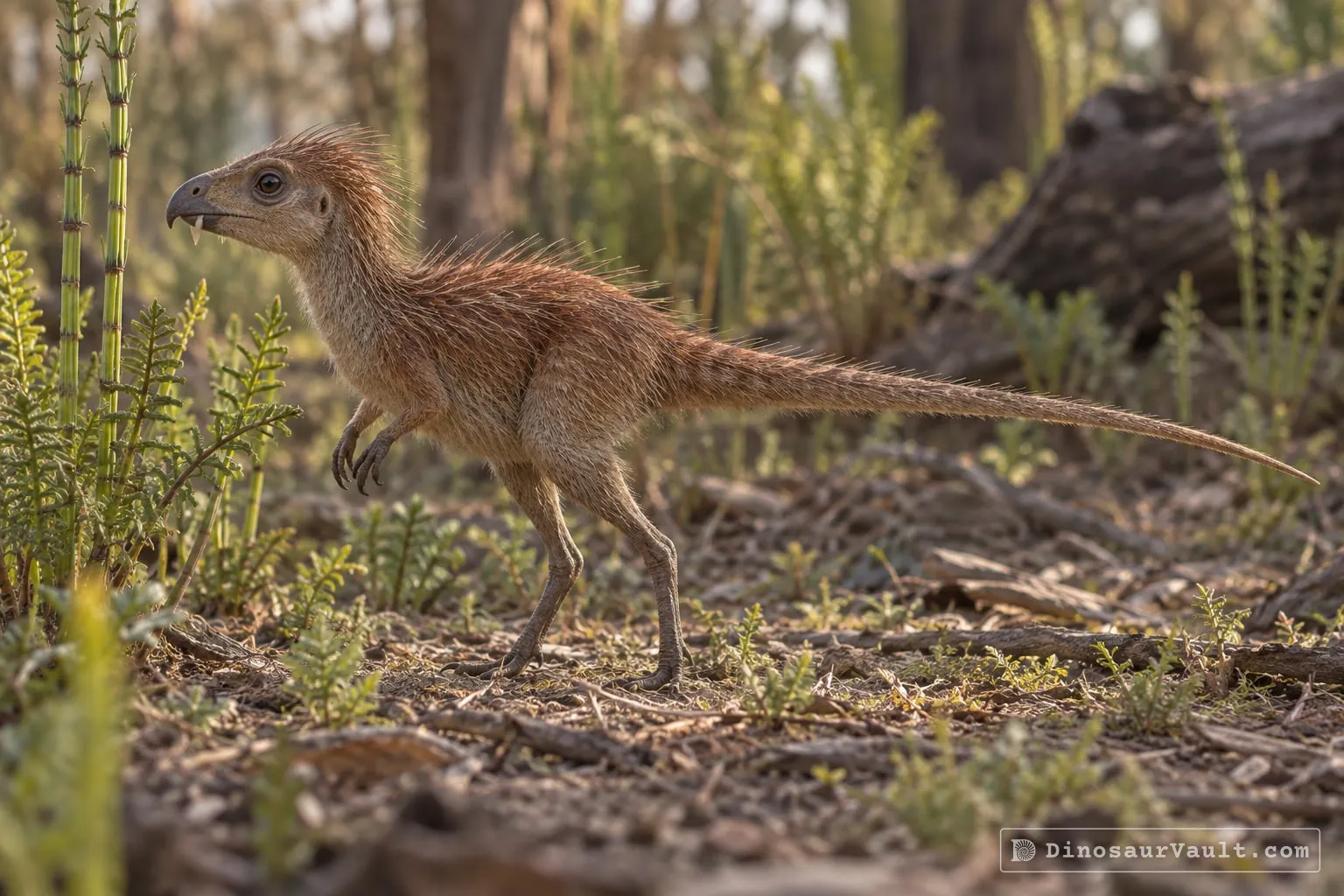


A rock formation can hold fossils laid down millions of years apart, so not every animal here met Ledumahadi.
The evidence
The science behind Ledumahadi
Which parts of the picture come from its own bones, and which come from its relatives.
From its own fossils
- A partial skeleton preserves backbone, forelimb, thigh and foot bones.
- The forelimb bones are exceptionally thick and strong.
- Bone tissue shows that the known animal had reached adulthood.
Borrowed from relatives
- Plateosaurus guides the missing elongated, tooth-bearing head.
- Antetonitrus guides the missing parts of the short, strong hands and broad feet.
Still unknown
- Its complete skull shape.
- The full arrangement of its fingers and toes.
- Its color and the appearance of its young.
Discovery timeline
- 2014Close relativeMcPhee et al.
- 2018Named itMcPhee et al.
- 2021Close relativeLallensack et al.
Key papers
The research behind what we know of Ledumahadi
Close relative
Described Antetonitrus, a relative combining grasping hands with hindlimbs adapted to supporting a heavy body.
The complete anatomy and phylogenetic relationships ofAntetonitrus ingenipes(Sauropodiformes, Dinosauria): implications for the origins of Sauropoda. Zoological Journal of the Linnean Society 171: 151-205
Read the paper : The complete anatomy and phylogenetic relationships ofAntetonitrus ingenipes(Sauropodiformes, Dinosauria): implications for the origins of Sauropoda (opens in a new tab)Named it
Described a giant early sauropodomorph whose stout limbs supported walking on all fours.
A Giant Dinosaur from the Earliest Jurassic of South Africa and the Transition to Quadrupedality in Early Sauropodomorphs. Current Biology 28: 3143-3151.e7
Read the paper : A Giant Dinosaur from the Earliest Jurassic of South Africa and the Transition to Quadrupedality in Early Sauropodomorphs (opens in a new tab)Close relative
Compared Plateosaurus skulls, providing a guide to the missing head of Ledumahadi.
New skulls of the basal sauropodomorph Plateosaurus trossingensis from Frick, Switzerland: is there more than one species? Acta Palaeontologica Polonica 66
Read the paper : New skulls of the basal sauropodomorph Plateosaurus trossingensis from Frick, Switzerland: is there more than one species? (opens in a new tab)
Close relatives
Other members of Sauropodiformes


Sources: Wikidata