Bonapartenykus
"Bonaparte's claw"
- Lived
- 72 to 66 million years ago, Late Cretaceous
- Diet
- Carnivore
- Group
- Theropods
- Found in
- Argentina
- Named by
- Agnolin et al. 2012
Where its fossils were found
The evidence
Today

70 million years ago
Habitat
The Allen Formation records low coastal plains with sandy dunes and tidal flats. Austroraptor, Aeolosaurus and Neuquensaurus lived in the same region.
Field notes
About Bonapartenykus
What it was like
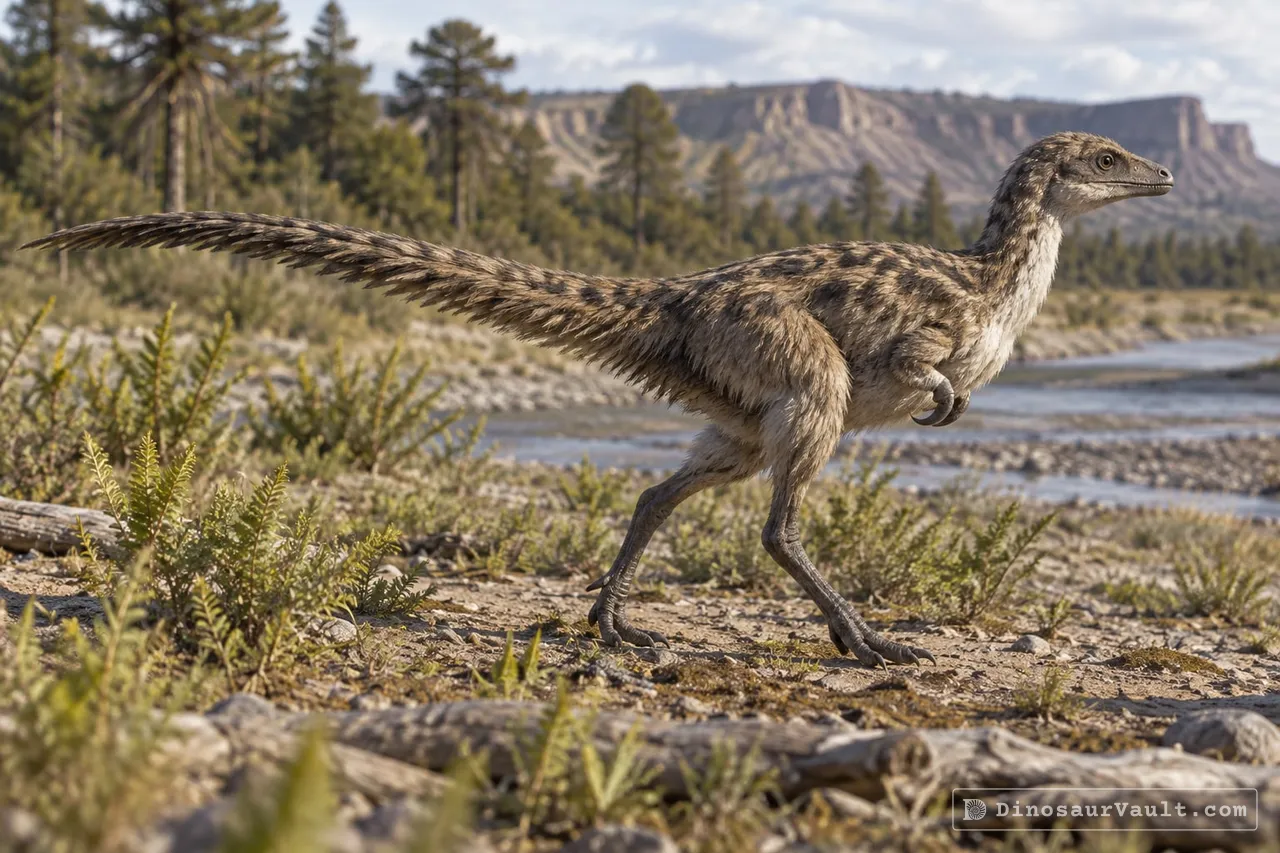
Bonapartenykus was one of the largest alvarezsaurs, a group of small theropods with short, strong arms. It is known from part of a skeleton that was found with eggs, which may have been its own.
Its world
It lived about 72 to 66 million years ago, near the end of the Cretaceous, in what is now Argentina. It comes from the Allen Formation, where it shared the land with the long-snouted hunter Austroraptor, the abelisaur Abelisaurus and the titanosaurs Aeolosaurus and Neuquensaurus.
How it was found
Agnolin and colleagues named Bonapartenykus in 2012, after a leading Argentine paleontologist.
Field gallery
More views of Bonapartenykus
Scenes reconstructed from the available fossil evidence.
1 of 2
Lived alongside
Found in the same rock formations
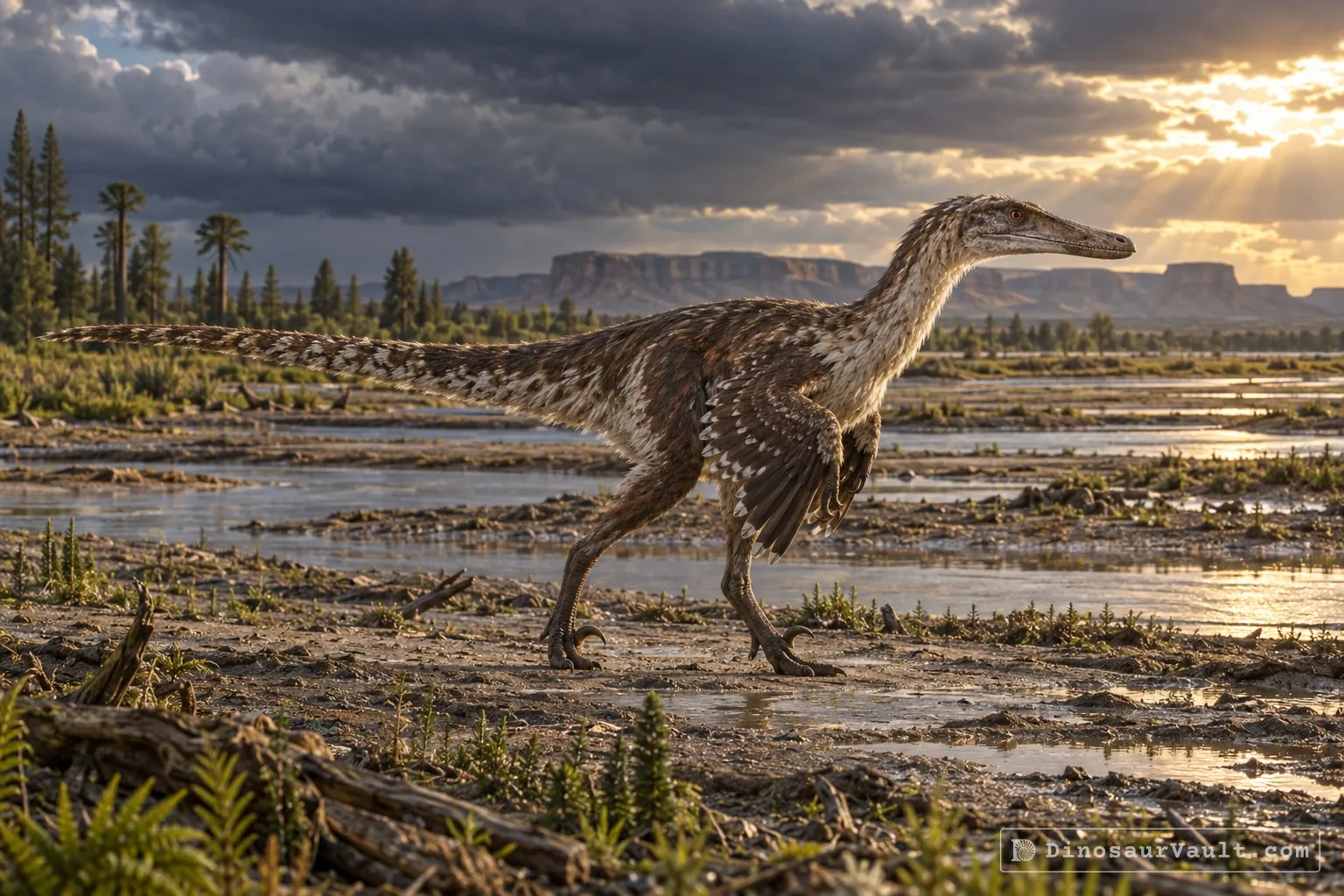
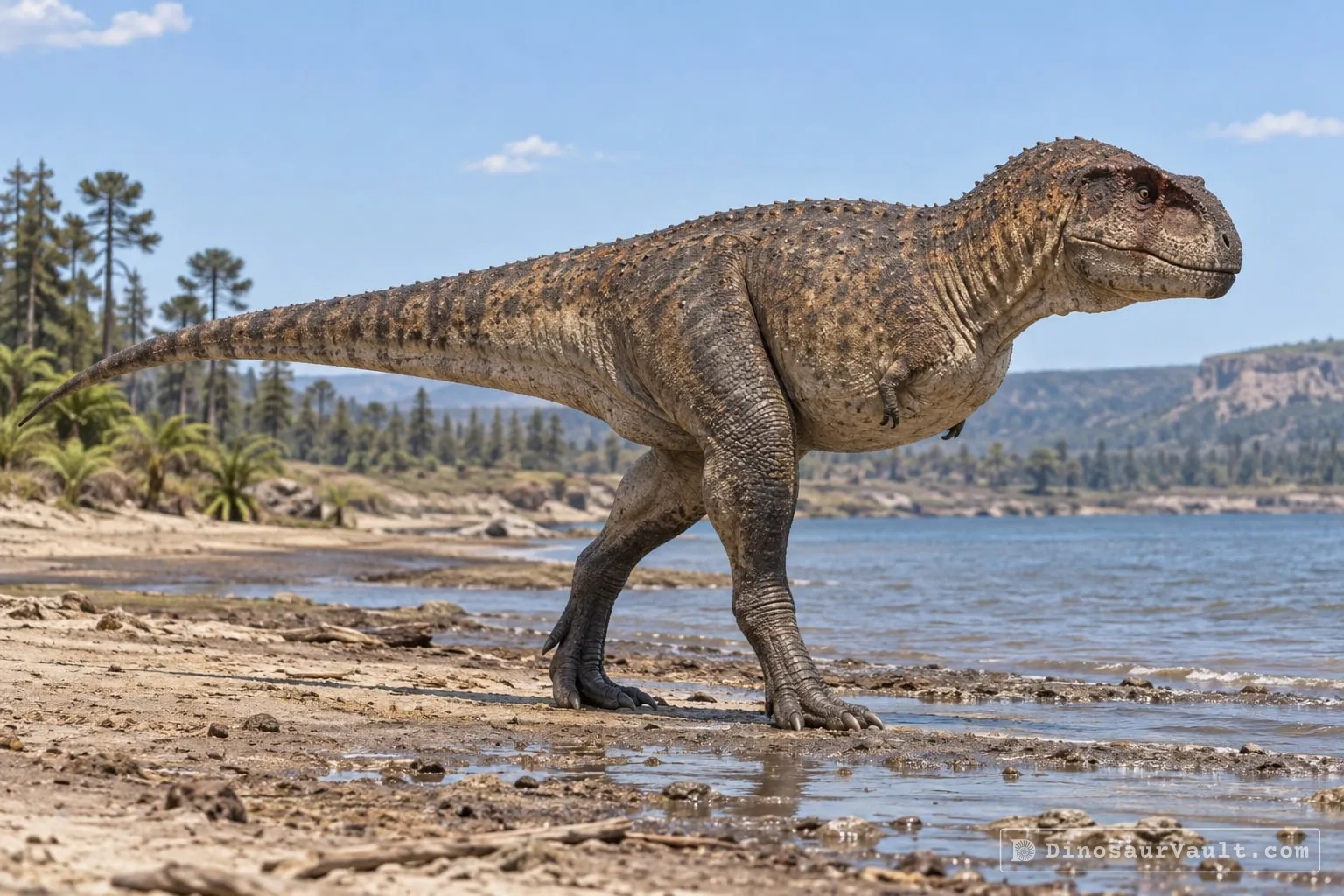
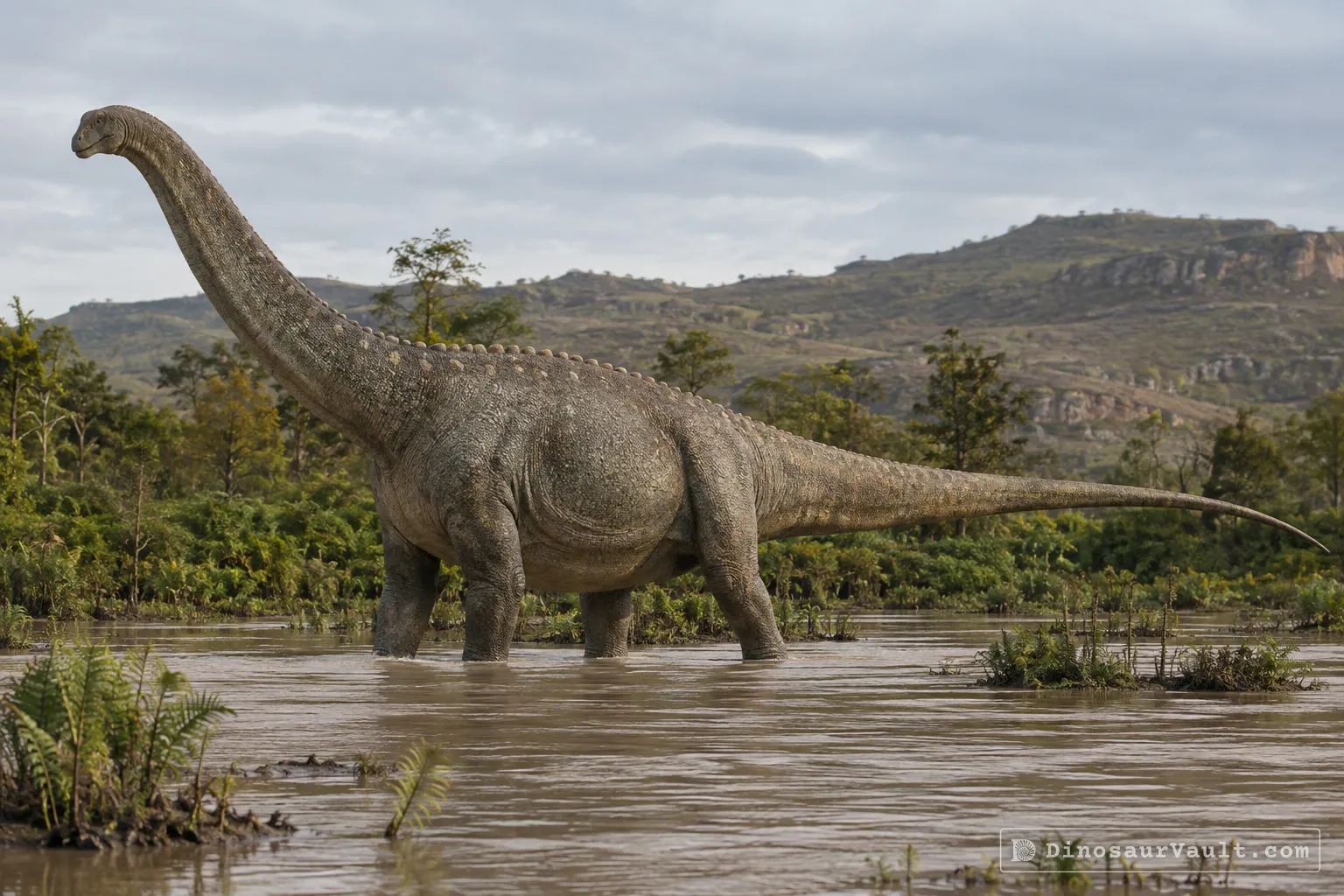
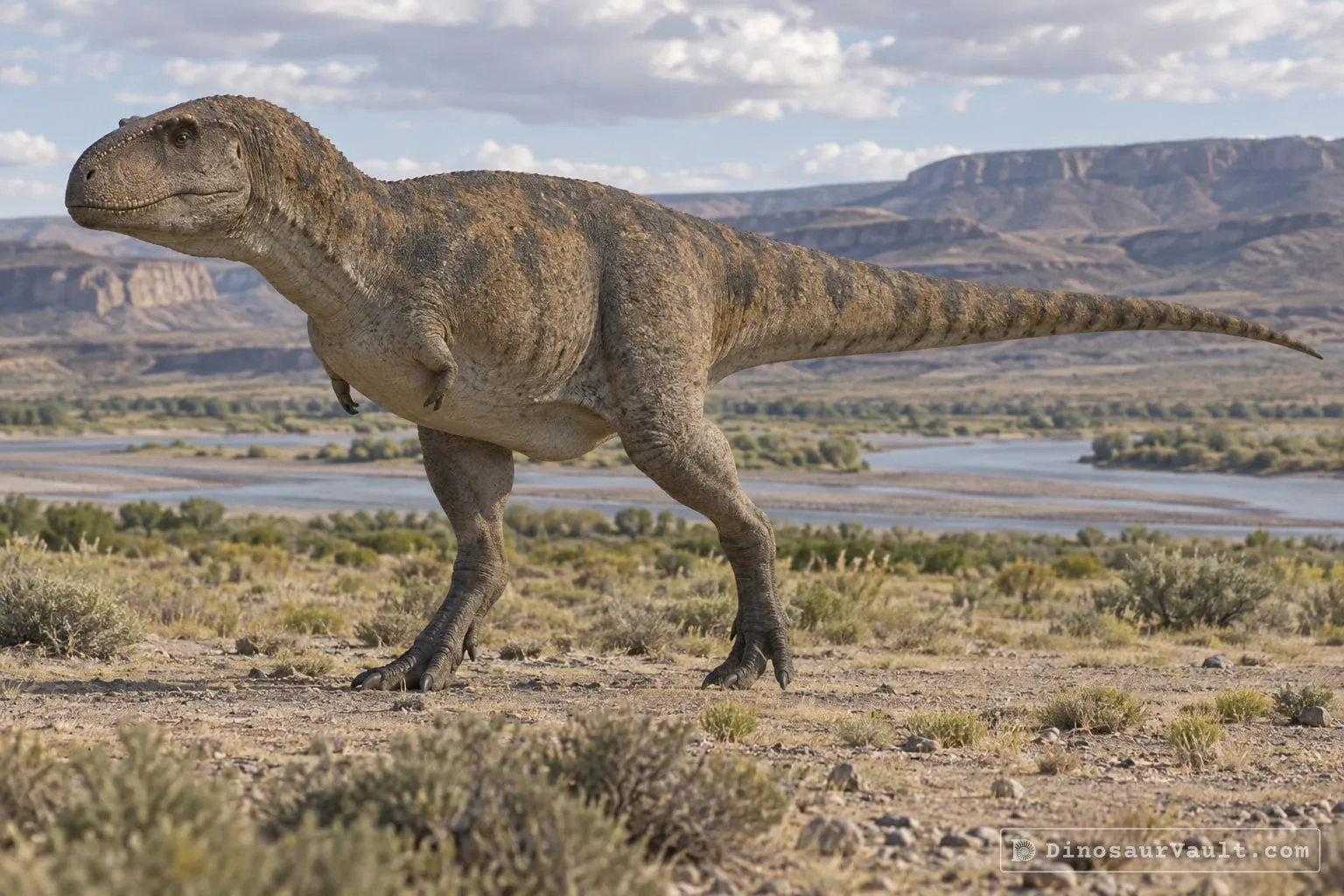
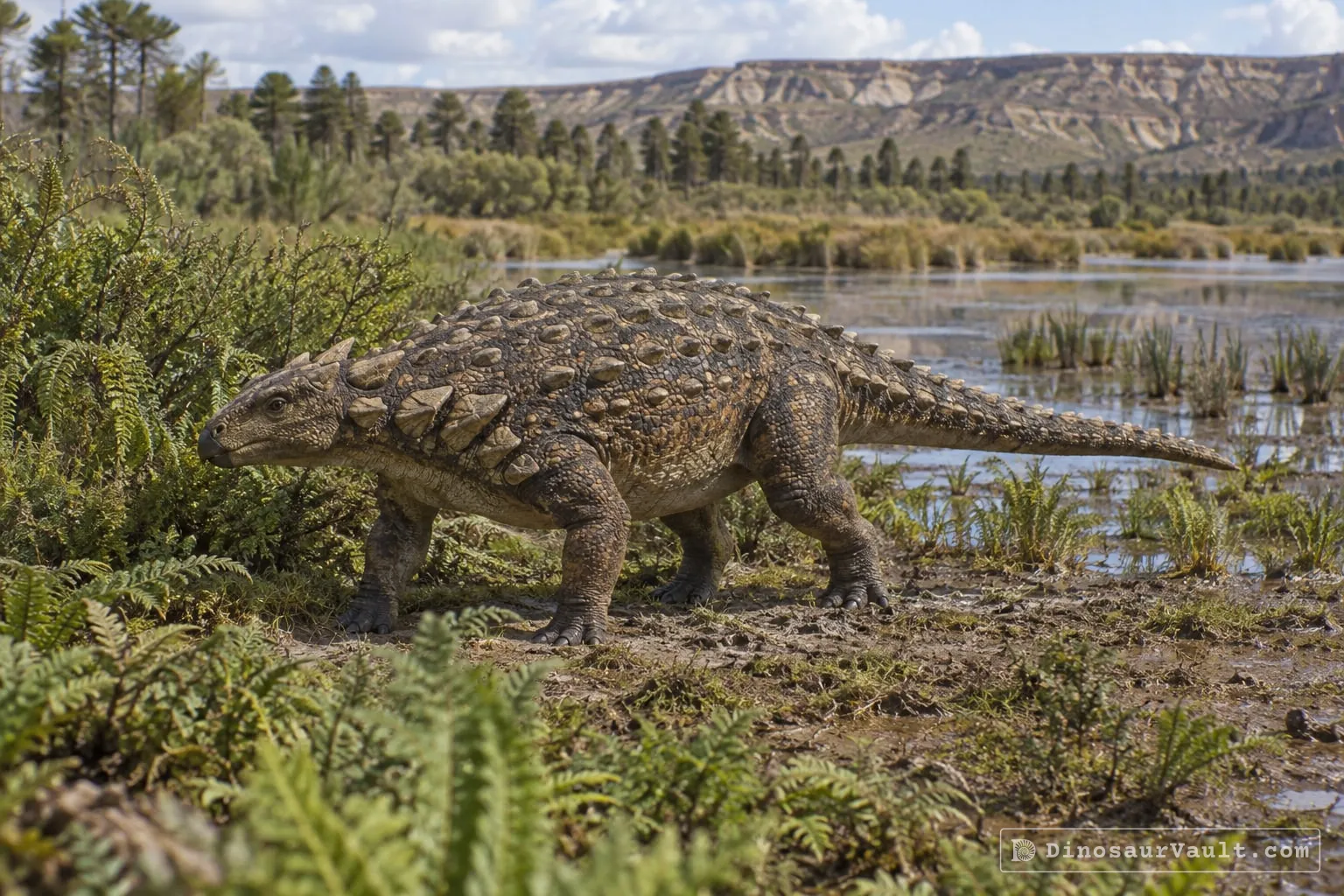
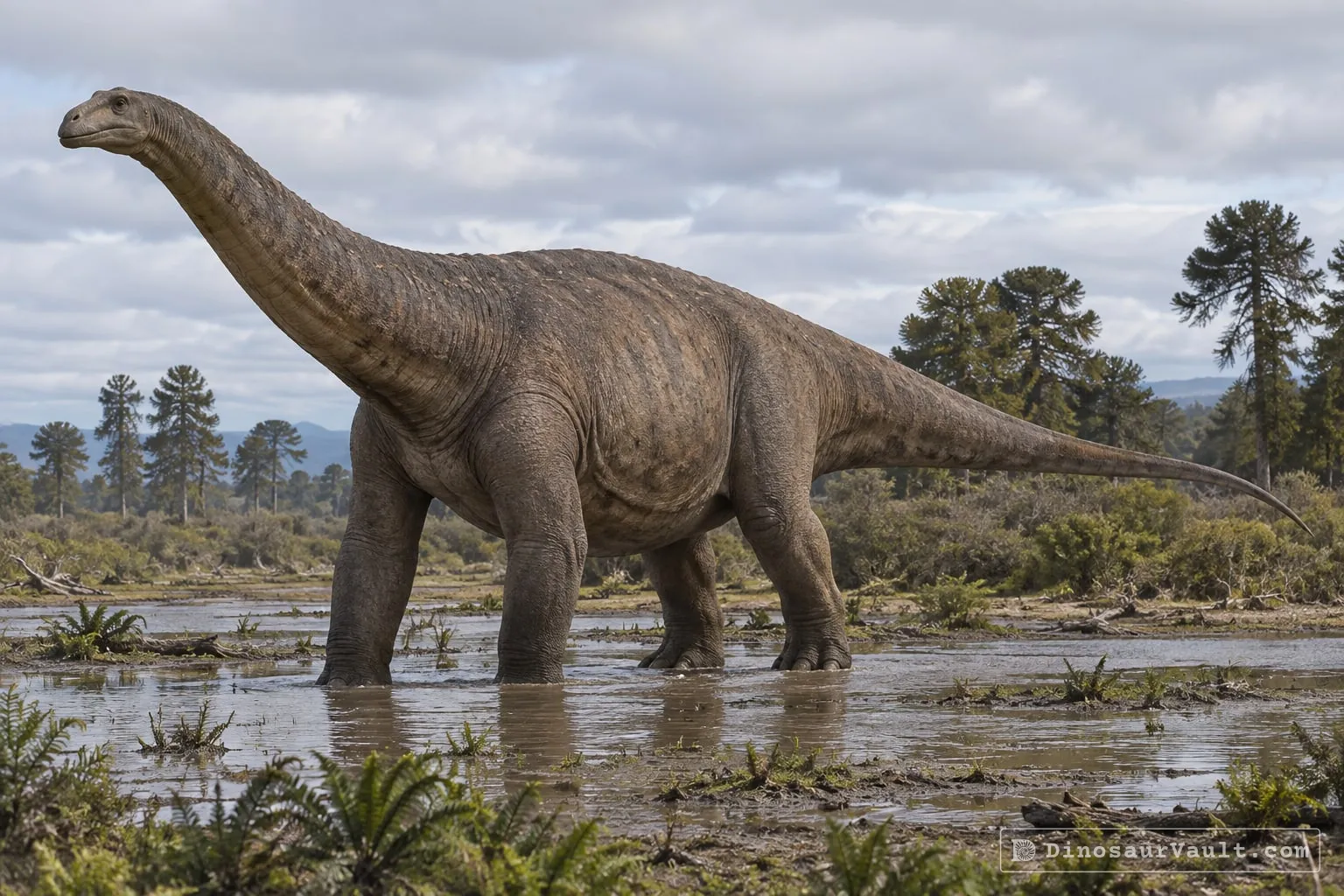
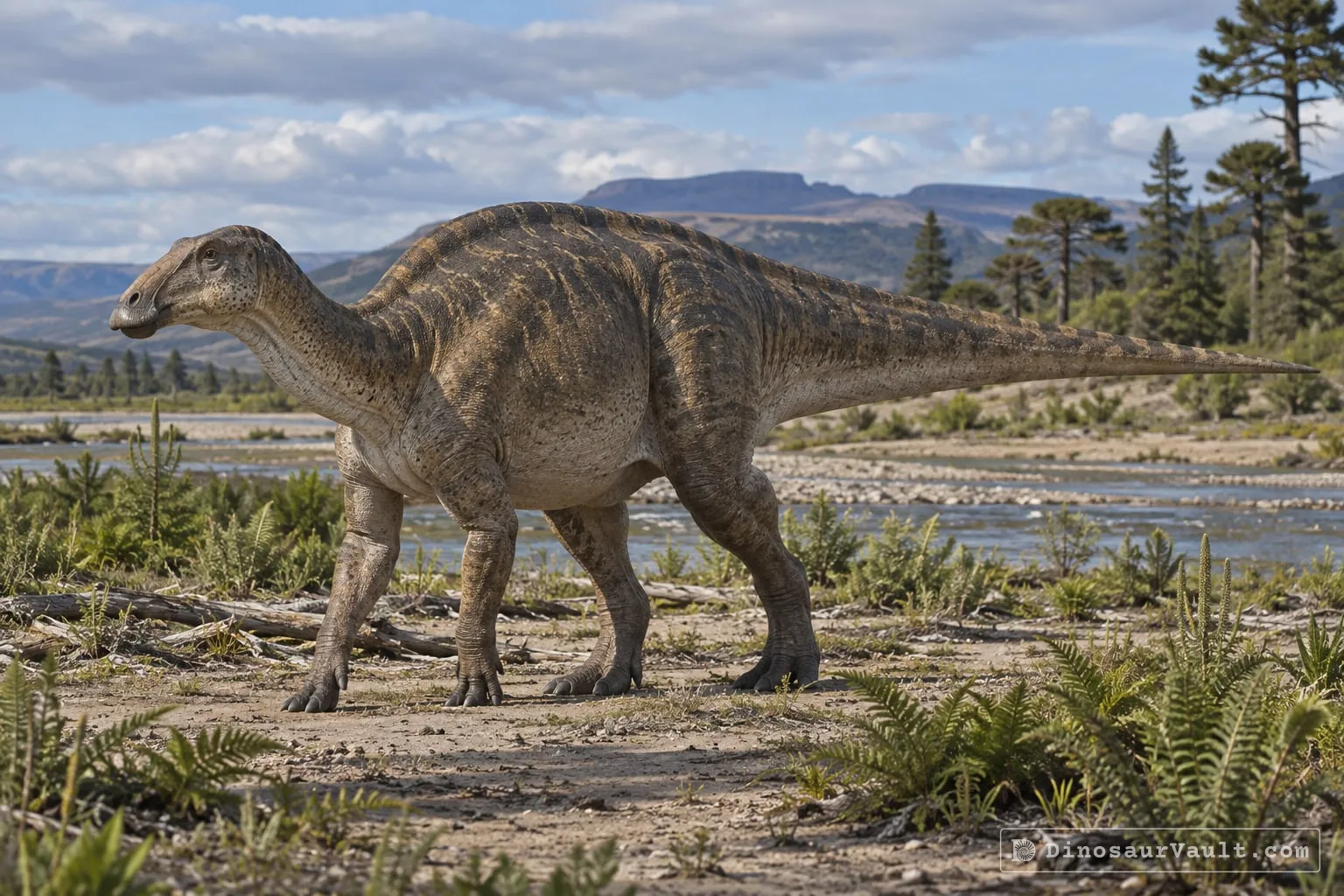
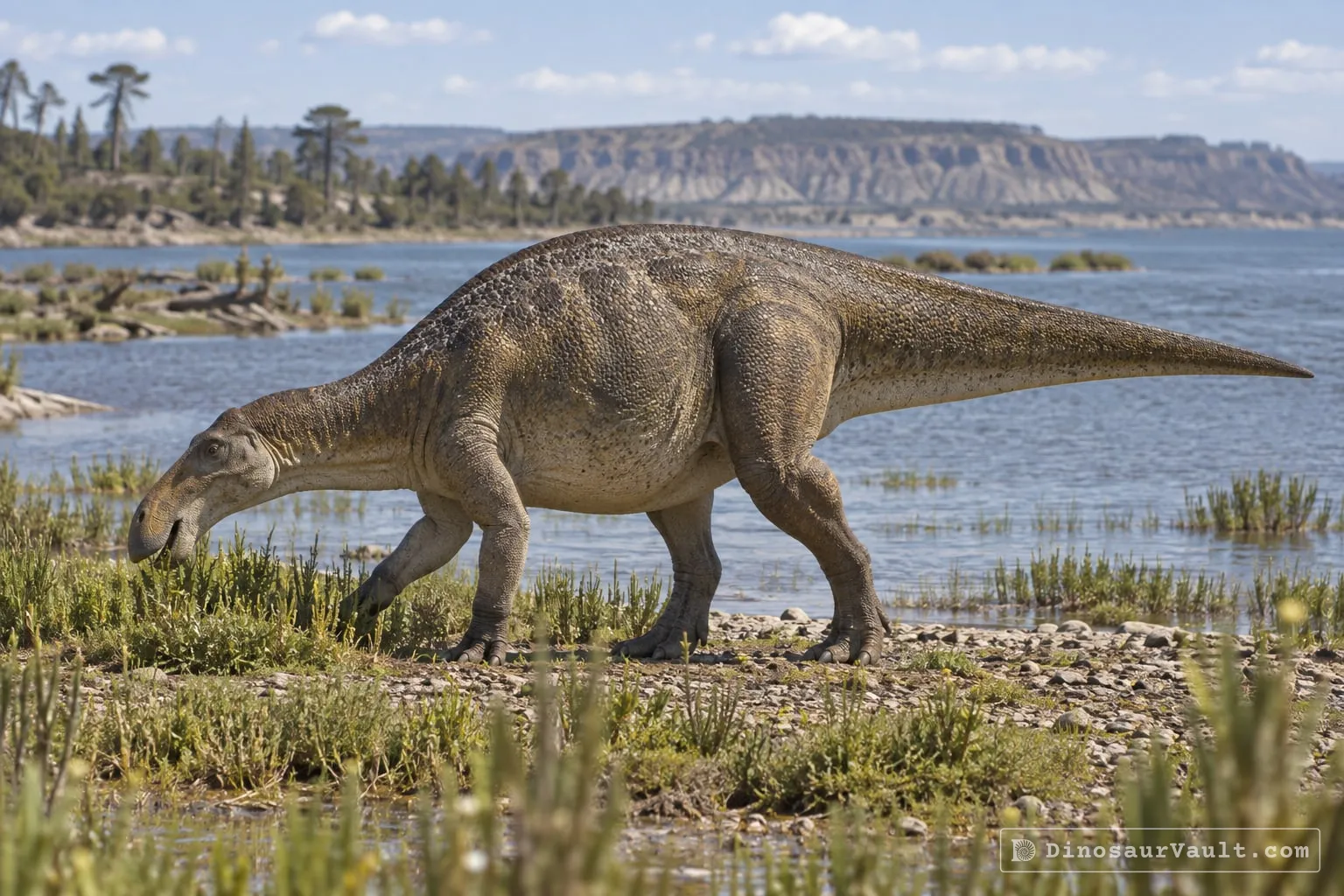


A rock formation can hold fossils laid down millions of years apart, so not every animal here met Bonapartenykus.
The evidence
The science behind Bonapartenykus
Which parts of the picture come from its own bones, and which come from its relatives.
From its own fossils
- The original partial skeleton includes a back vertebra, shoulder bones, parts of the hips and hind legs.
- Its thigh bone was short and robust compared with the slender legs of Mononykus.
- Eggs were found beside the original skeleton.
Borrowed from relatives
- Patagonykus guides the reconstruction of strong forelimbs with a dominant hand claw.
- Haplocheirus provides a comparison for the missing tooth-bearing head.
- Simple feathers are inferred from broader relatives such as Beipiaosaurus.
Still unknown
- The shape of its skull and the number of fingers on its hands.
- Its feather covering and color.
- Whether the eggs beside the skeleton belonged to it.
Often drawn wrong
- An extremely slender body copied from Mononykus misses its robust thigh bones.
- Long hands with equally large claws replace the dominant claw inferred from Patagonykus.
Discovery timeline
- 2012Named itAgnolin et al.
- 2025New findMeso et al.
- 2026RedescriptionMeso et al.
Key papers
The research behind what we know of Bonapartenykus
Named it
Named a robust alvarezsaur from a partial skeleton found beside eggs, and linked it with Patagonykus.
New alvarezsaurid (Dinosauria, Theropoda) from uppermost Cretaceous of north-western Patagonia with associated eggs. Cretaceous Research 35: 33-56
Read the paper : New alvarezsaurid (Dinosauria, Theropoda) from uppermost Cretaceous of north-western Patagonia with associated eggs (opens in a new tab)New find
Described additional bones tentatively assigned to Bonapartenykus and compared its robust body with more slender alvarezsaurs.
New information on Bonapartenykus (Alvarezsauridae: Theropoda) from the Allen Formation (middle Campanian-lower Maastrichtian) of Río Negro Province, Patagonia, Argentina clarifies the Patagonykinae body plan. PLOS ONE 20: e0308366
Read the paper : New information on Bonapartenykus (Alvarezsauridae: Theropoda) from the Allen Formation (middle Campanian-lower Maastrichtian) of Río Negro Province, Patagonia, Argentina clarifies the Patagonykinae body plan (opens in a new tab)Redescription
Revised the features that distinguish Bonapartenykus and supported its place among the robust alvarezsaurs related to Patagonykus.
New anatomical observations on the anatomy and disparity of Bonapartenykus ultimus (Coelurosauria, Alvarezsauria, Patagonykinae) from the Late Cretaceous of Patagonia. Historical Biology 38: 3503-3530
Read the paper : New anatomical observations on the anatomy and disparity of Bonapartenykus ultimus (Coelurosauria, Alvarezsauria, Patagonykinae) from the Late Cretaceous of Patagonia (opens in a new tab)
Close relatives
Other members of Alvarezsauroidea


Sources: Wikidata