Nemegtonykus
- Lived
- 72 to 66 million years ago, Late Cretaceous
- Diet
- Carnivore
- Group
- Theropods
- Found in
- Mongolia
- Named by
- Lee et al. 2019
Where its fossils were found
The evidence
Today

70 million years ago
Habitat
The Nemegt Formation records a wetter landscape than the older desert deposits of Mongolia. Its dinosaur neighbors included Mononykus, Tarbosaurus and Therizinosaurus.
Field notes
About Nemegtonykus
What it was like
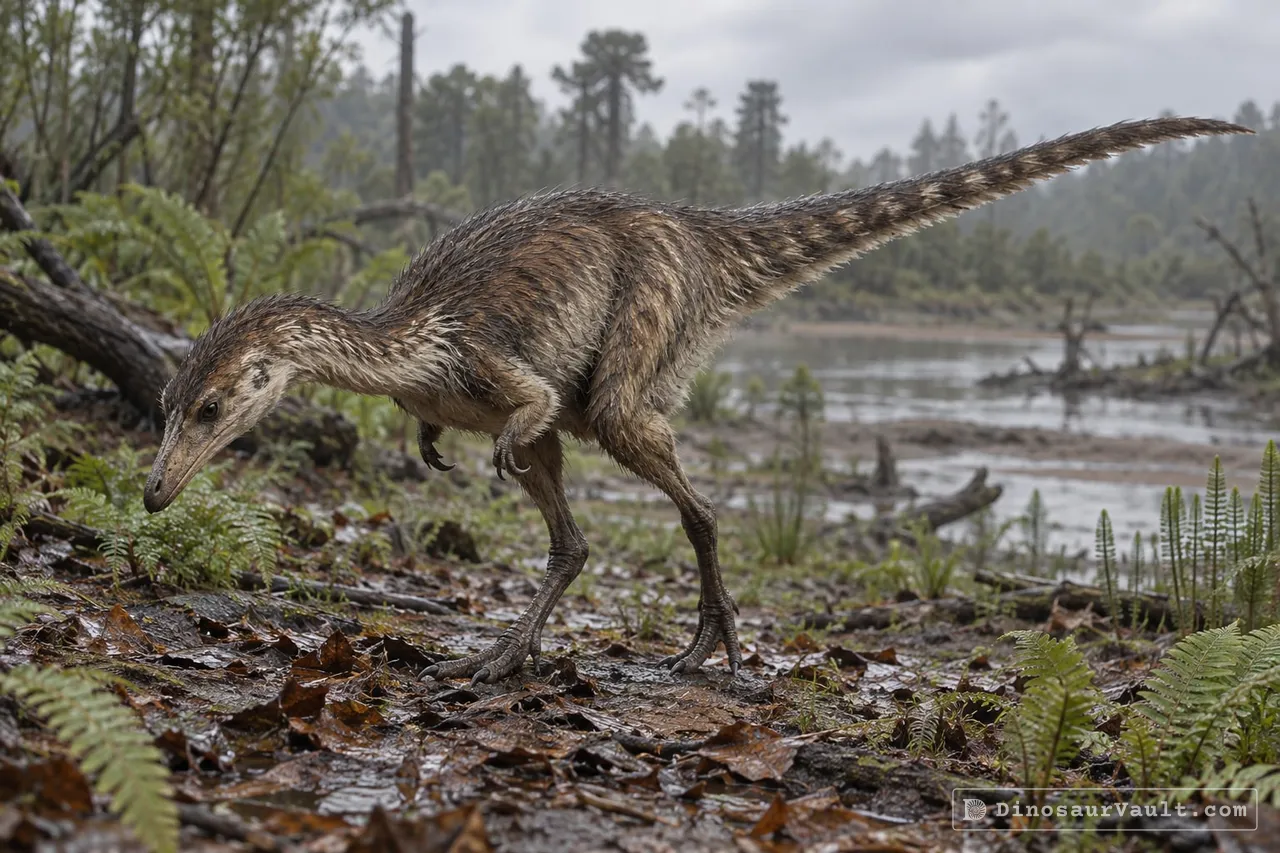
Nemegtonykus was an alvarezsaur, a small, bird-like theropod with short, strong arms. It is known from part of the skeleton.
Its world
It lived about 72 to 66 million years ago, near the end of the Cretaceous, in what is now Mongolia. It comes from the Nemegt Formation, where it shared the land with the alvarezsaur Mononykus, Tarbosaurus and Therizinosaurus.
How it was found
Lee and colleagues named Nemegtonykus in 2019.
Field gallery
More views of Nemegtonykus
Scenes reconstructed from the available fossil evidence.
Lived alongside
Found in the same rock formations
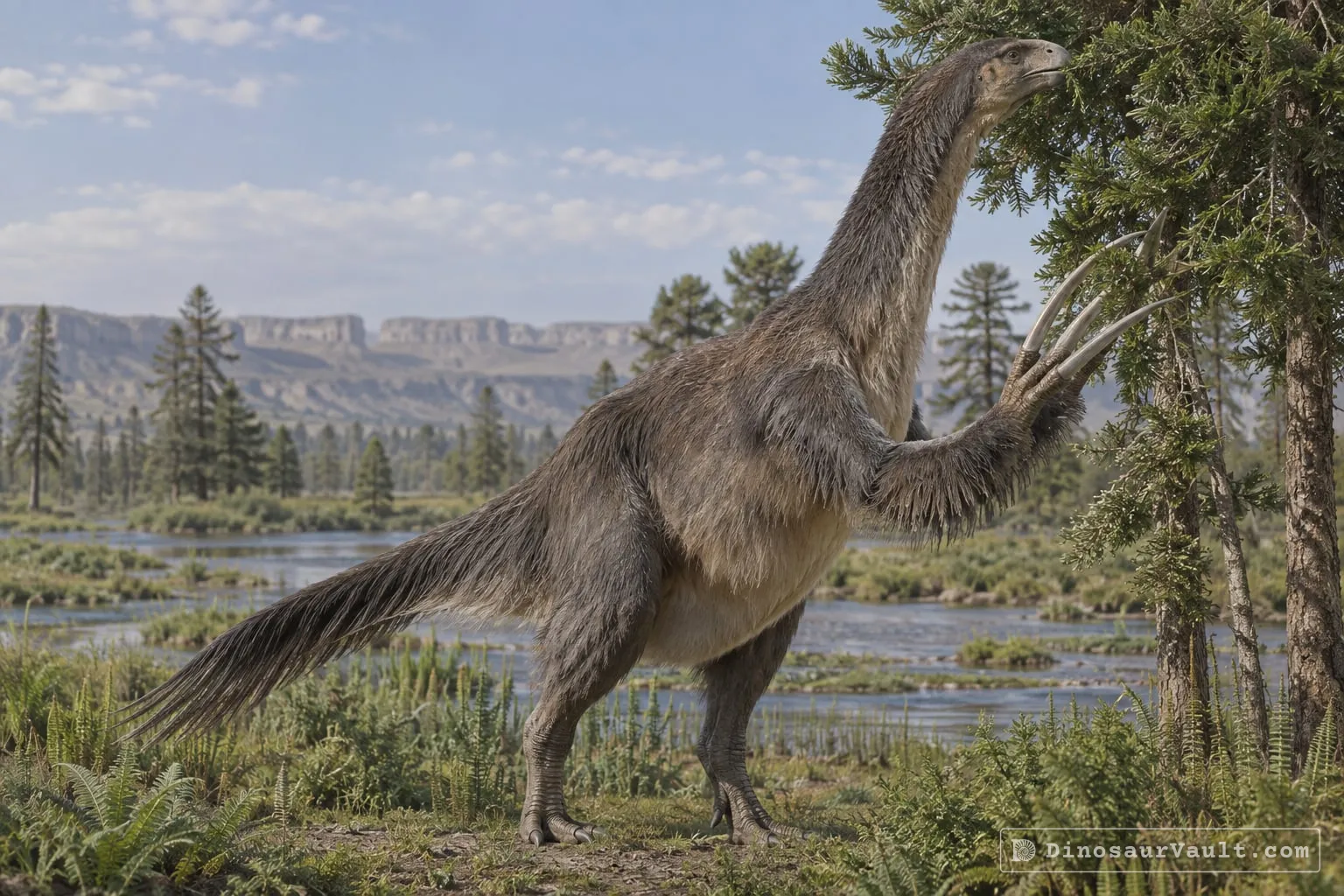
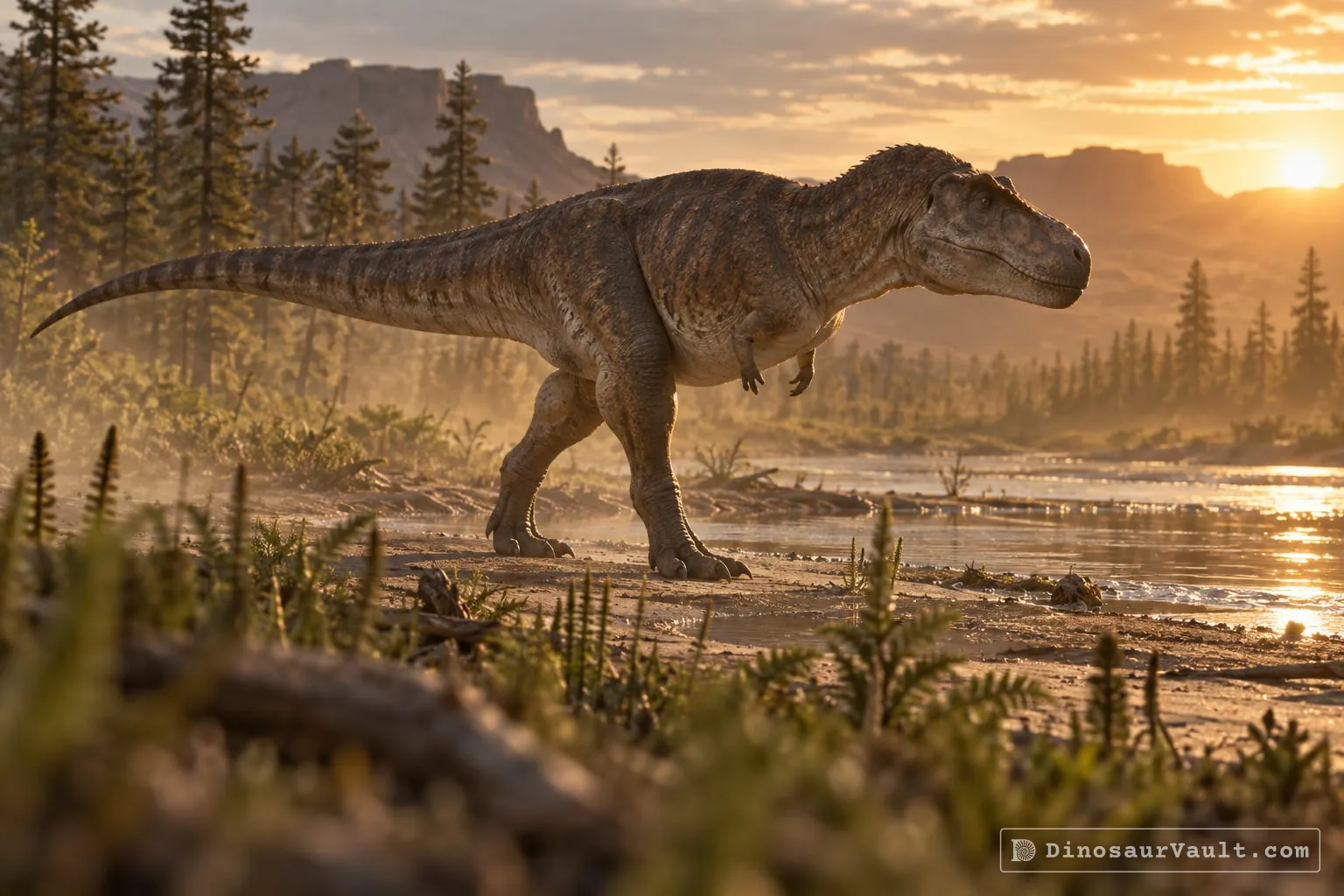
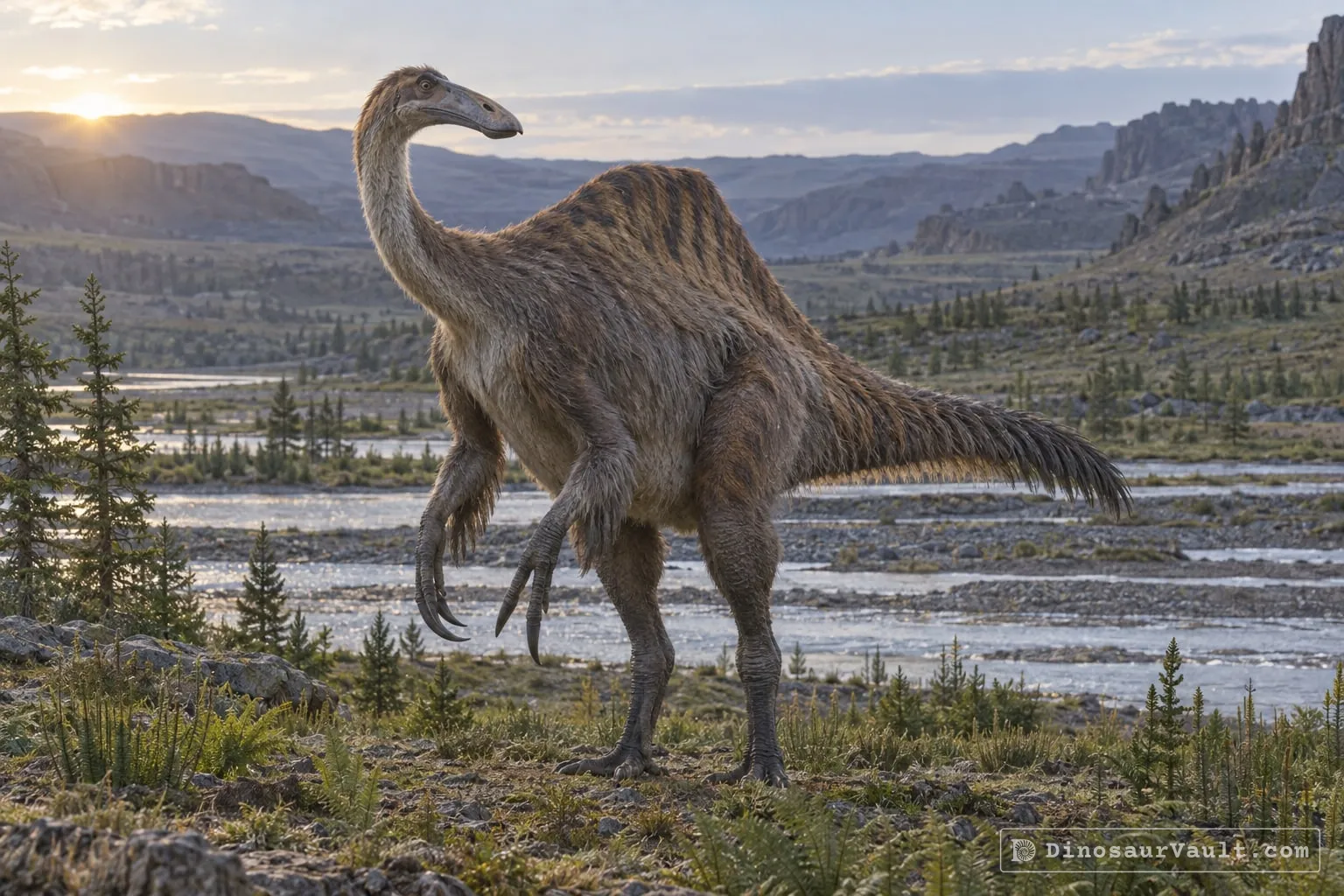
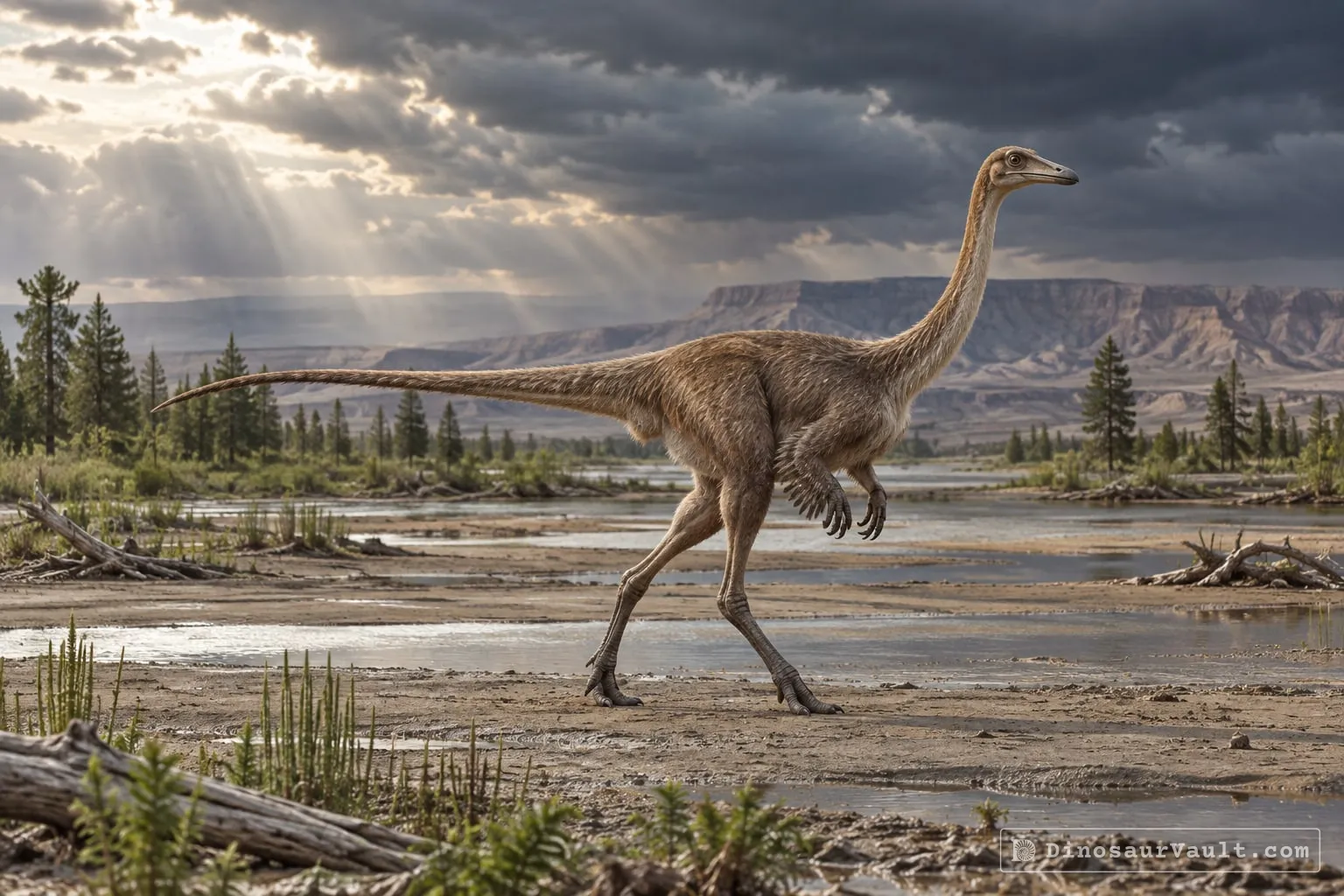
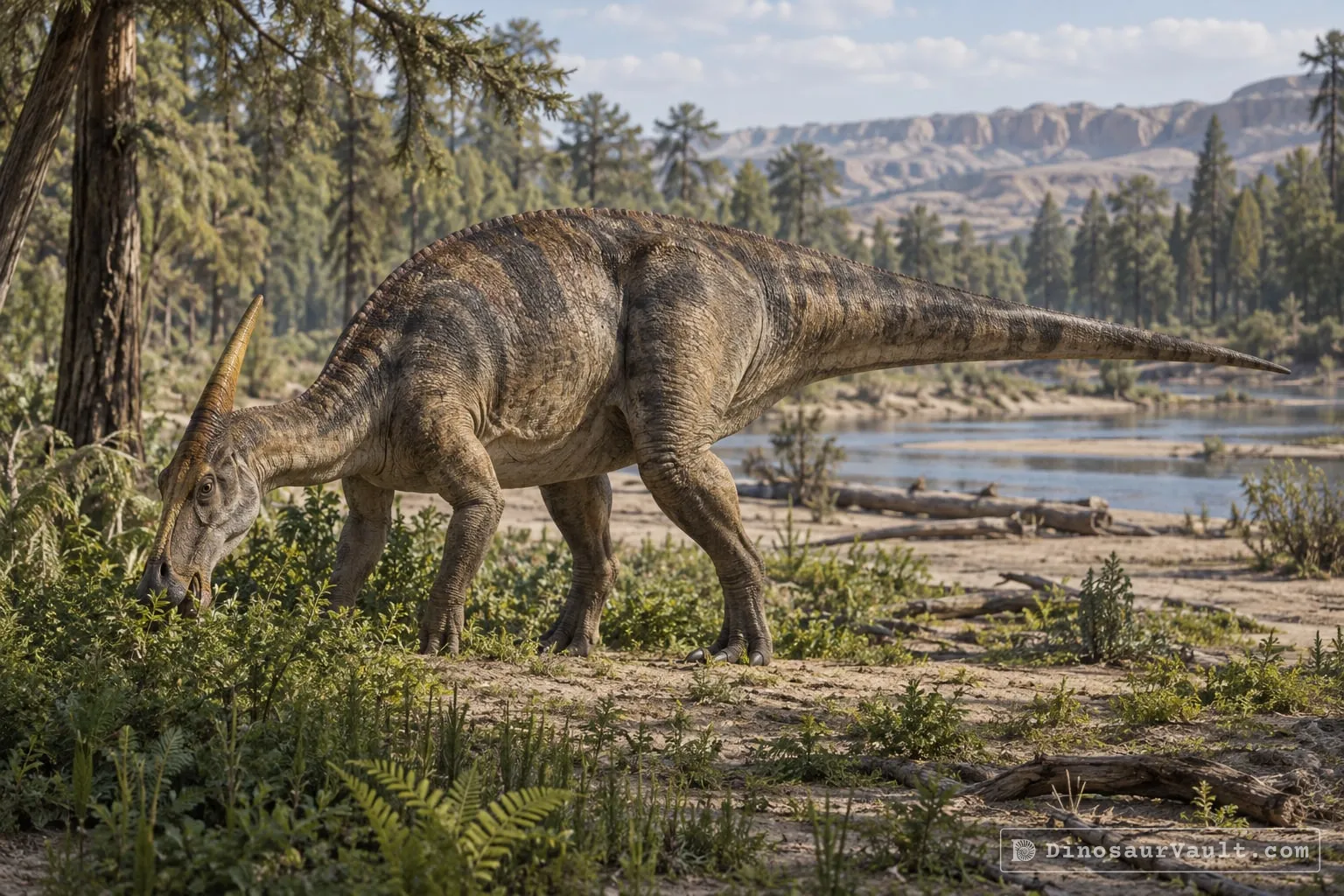
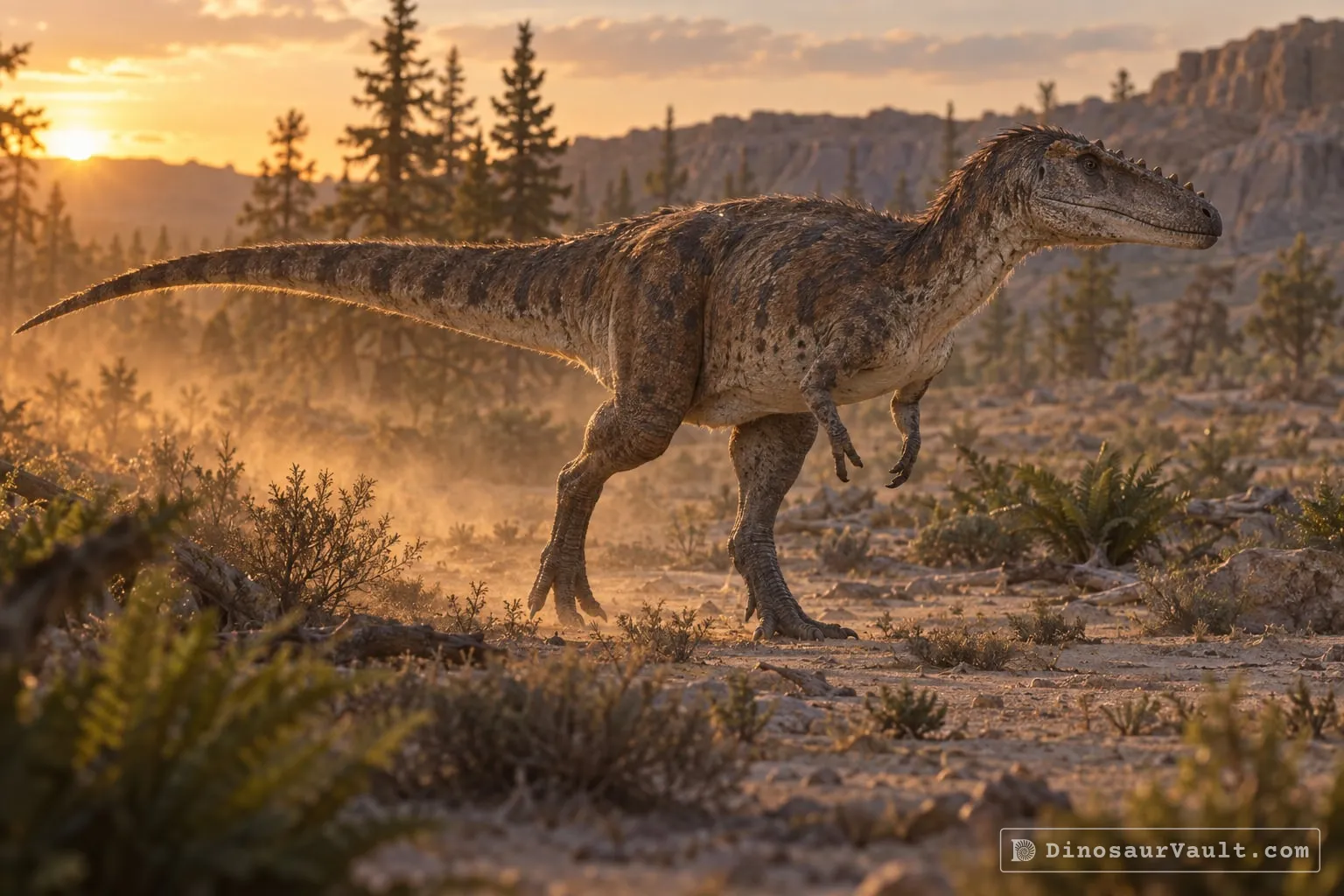
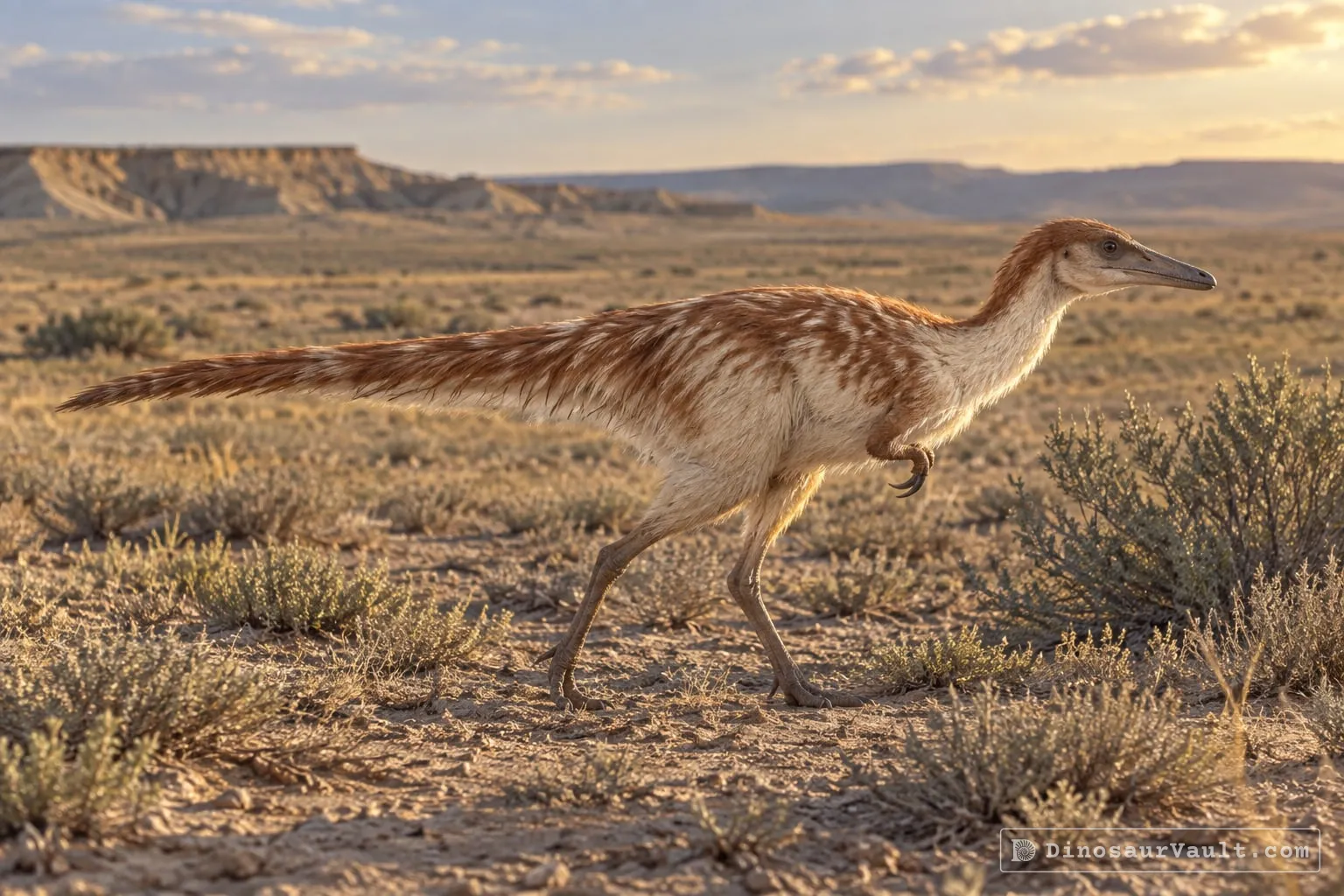
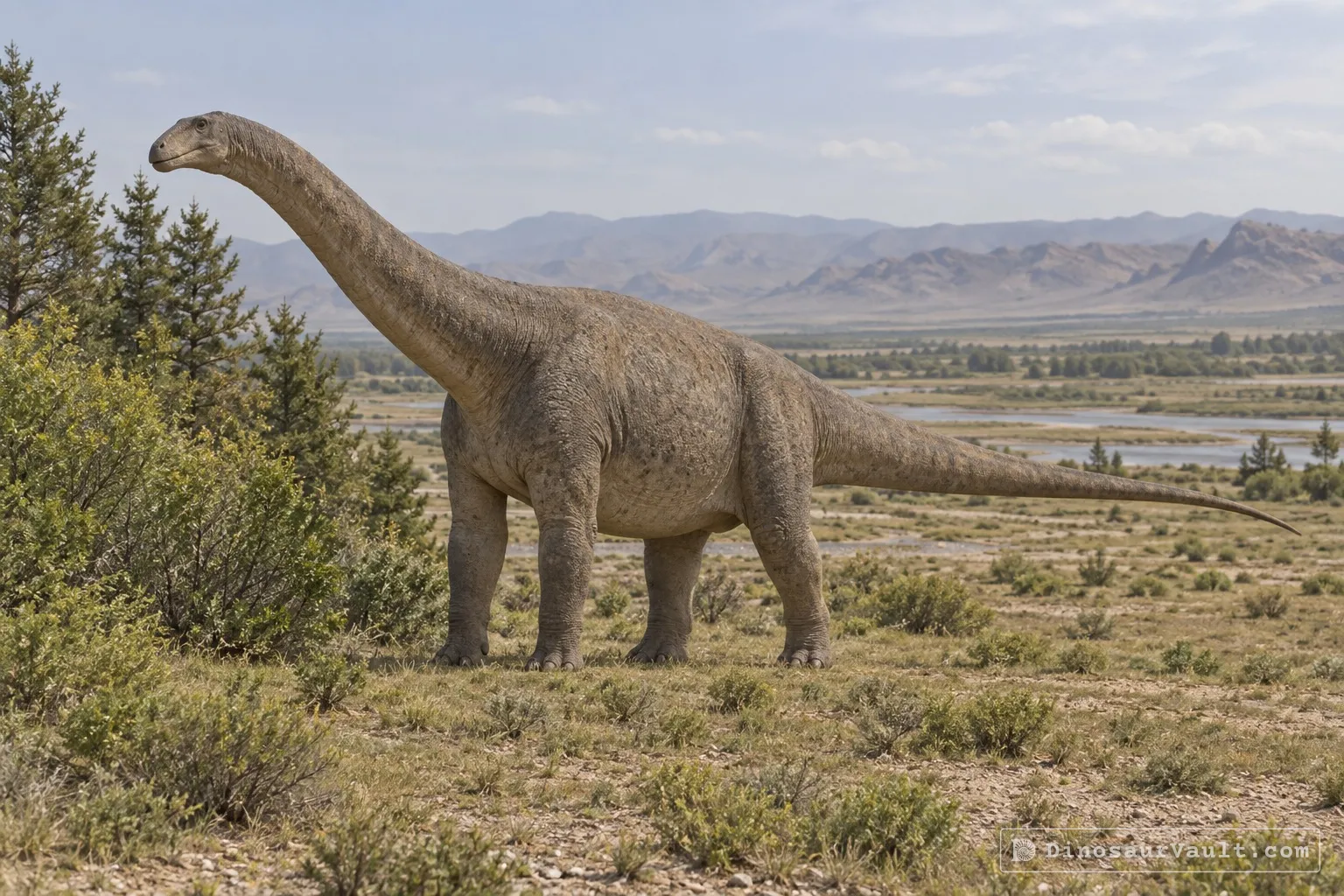


A rock formation can hold fossils laid down millions of years apart, so not every animal here met Nemegtonykus.
The evidence
The science behind Nemegtonykus
Which parts of the picture come from its own bones, and which come from its relatives.
From its own fossils
- The main skeleton preserves parts of the back, tail, shoulder and hips, along with much of a hind leg.
- The shin is long, and some ankle and foot bones are fused together.
Borrowed from relatives
- Its missing head and short, powerful arms are restored by comparison with relatives such as Mononykus.
- The large hand claw follows Mononykus, whose short arm ended in a stout claw.
Still unknown
- The shape of its skull and hands.
- Its body covering and color.
- Whether it mainly ate insects.
Discovery timeline
- 1993Close relativeAltangerel et al.
- 2019Named itLee et al.
- 2023Close relativeKubo et al.
Key papers
The research behind what we know of Nemegtonykus
Close relative
Described the short, strong arm and stout hand claw of the relative now called Mononykus, useful comparisons for the missing Nemegtonykus forelimbs.
Flightless bird from the Cretaceous of Mongolia. Nature 362: 623-626
Read the paper : Flightless bird from the Cretaceous of Mongolia (opens in a new tab)Named it
Described Nemegtonykus from partial skeletons with distinctive fused hip and foot bones, alongside another alvarezsaur resembling Mononykus.
A new alvarezsaurid dinosaur from the Nemegt Formation of Mongolia. Scientific Reports 9
Read the paper : A new alvarezsaurid dinosaur from the Nemegt Formation of Mongolia (opens in a new tab)Close relative
Described the nearly complete relative Jaculinykus curled into a bird-like sleeping posture, adding a fuller view of alvarezsaur anatomy.
A new alvarezsaurid dinosaur (Theropoda, Alvarezsauria) from the Upper Cretaceous Baruungoyot Formation of Mongolia provides insights for bird-like sleeping behavior in non-avian dinosaurs. PLOS ONE 18: e0293801
Read the paper : A new alvarezsaurid dinosaur (Theropoda, Alvarezsauria) from the Upper Cretaceous Baruungoyot Formation of Mongolia provides insights for bird-like sleeping behavior in non-avian dinosaurs (opens in a new tab)
Close relatives
Other members of Alvarezsauroidea


