Oohkotokia
OH-oh-ko-TOH-kee-a
Type species Oohkotokia horneri
- Lived
- 84 to 72 million years ago, Late Cretaceous
- Diet
- Herbivore
- Group
- Ankylosaurs, Ankylosauridae
- Found in
- United States
- Named by
- Penkalski 2014
Where its fossils were found
The evidence
Today

80 million years ago
Habitat
It lived on the inland plains of Montana recorded in the Two Medicine Formation. Achelousaurus, Maiasaura and Daspletosaurus also lived in this landscape.
Field notes
About Oohkotokia
What it was like
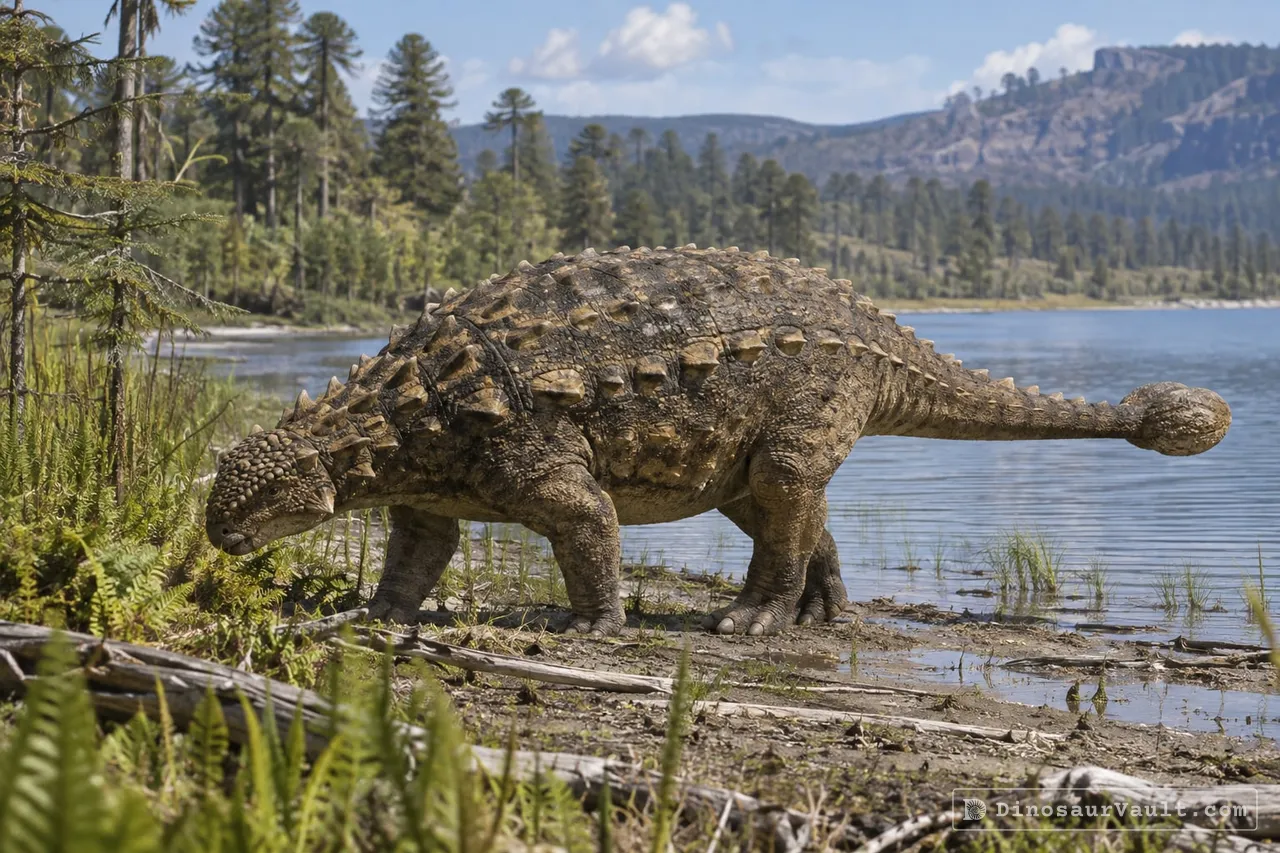
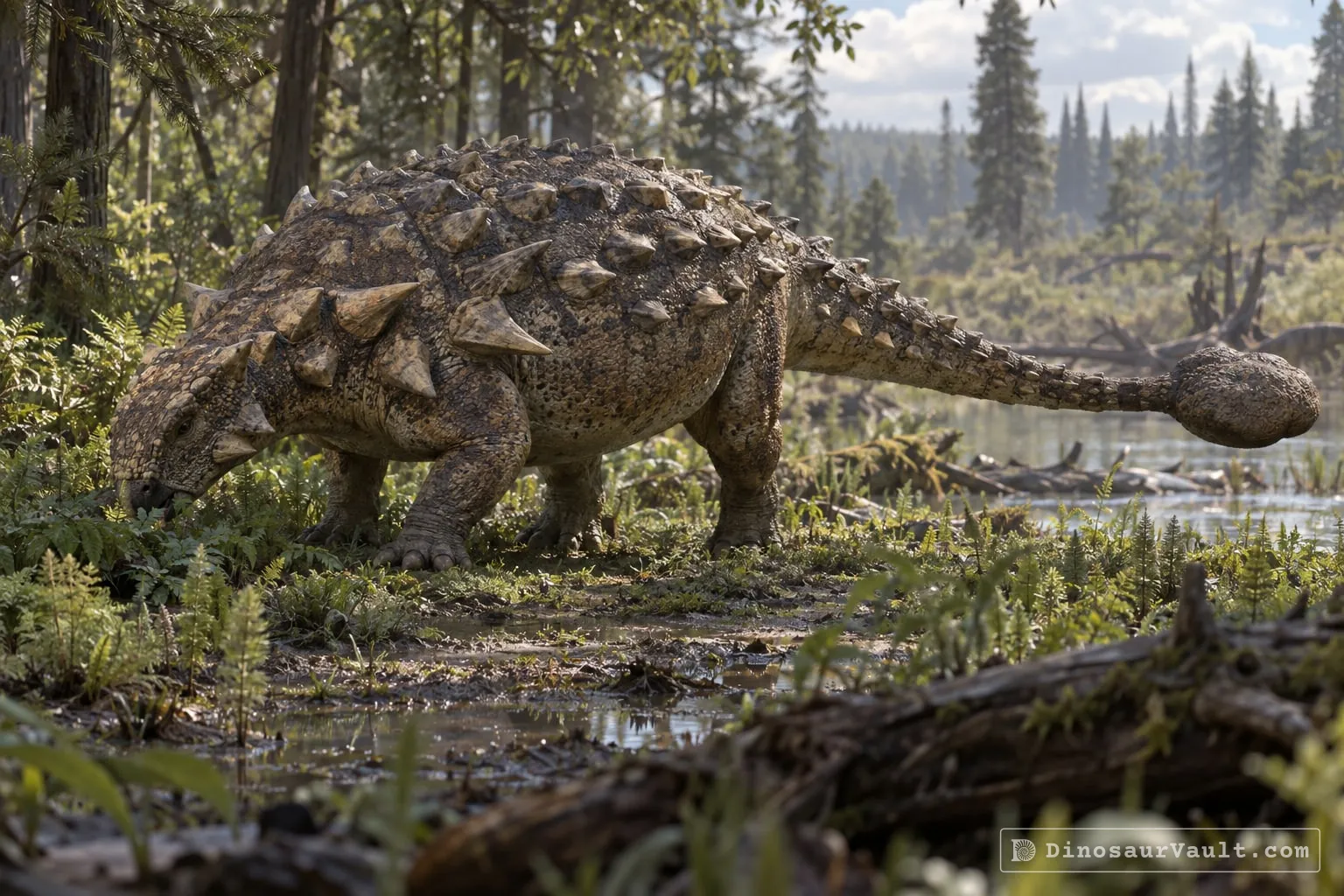
Oohkotokia was an ankylosaur, a low, armored plant eater with a tail club. It had broad armor plates and low, rounded spikes.
Its world
It lived in the Late Cretaceous, in what is now Montana. It comes from the Two Medicine Formation, where it shared the land with the horned Achelousaurus, the duckbill Maiasaura and the tyrannosaur Daspletosaurus.
How it was found
Penkalski named Oohkotokia in 2014. The type species is Oohkotokia horneri. Its name comes from a local native word for a large stone. Some scientists think it could be the same animal as Scolosaurus.
Field gallery
More views of Oohkotokia
Scenes reconstructed from the available fossil evidence.
Lived alongside
Found in the same rock formations
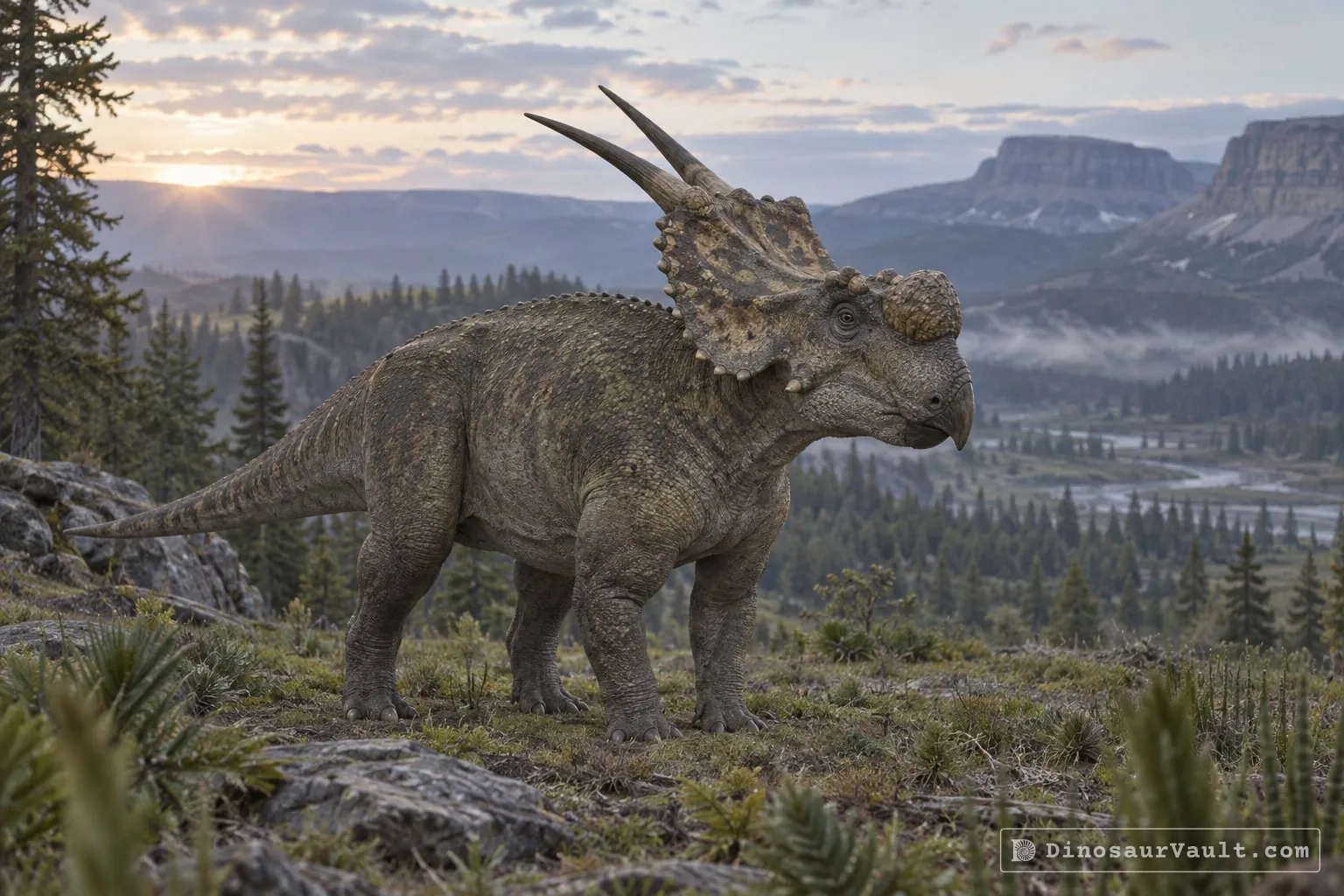
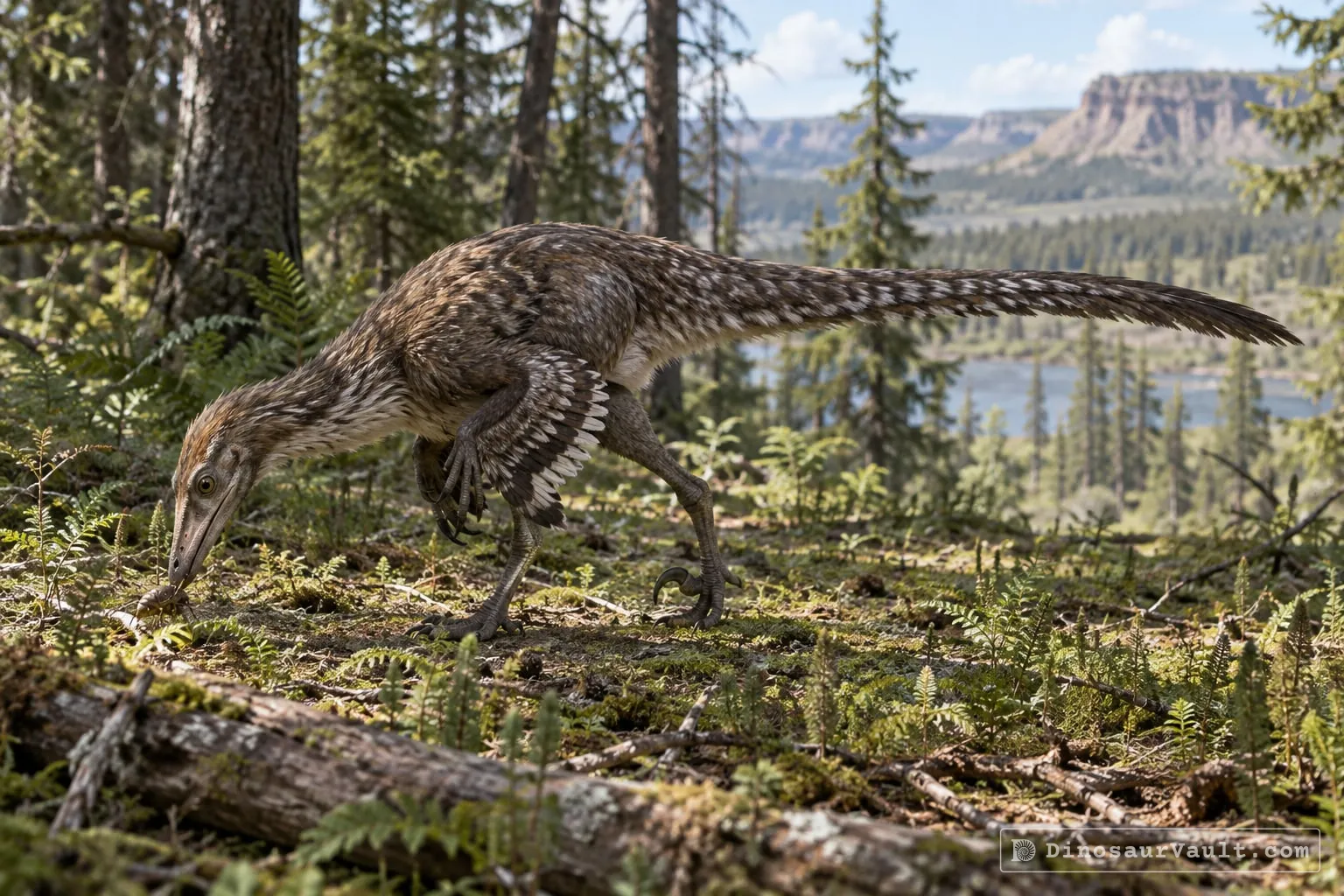
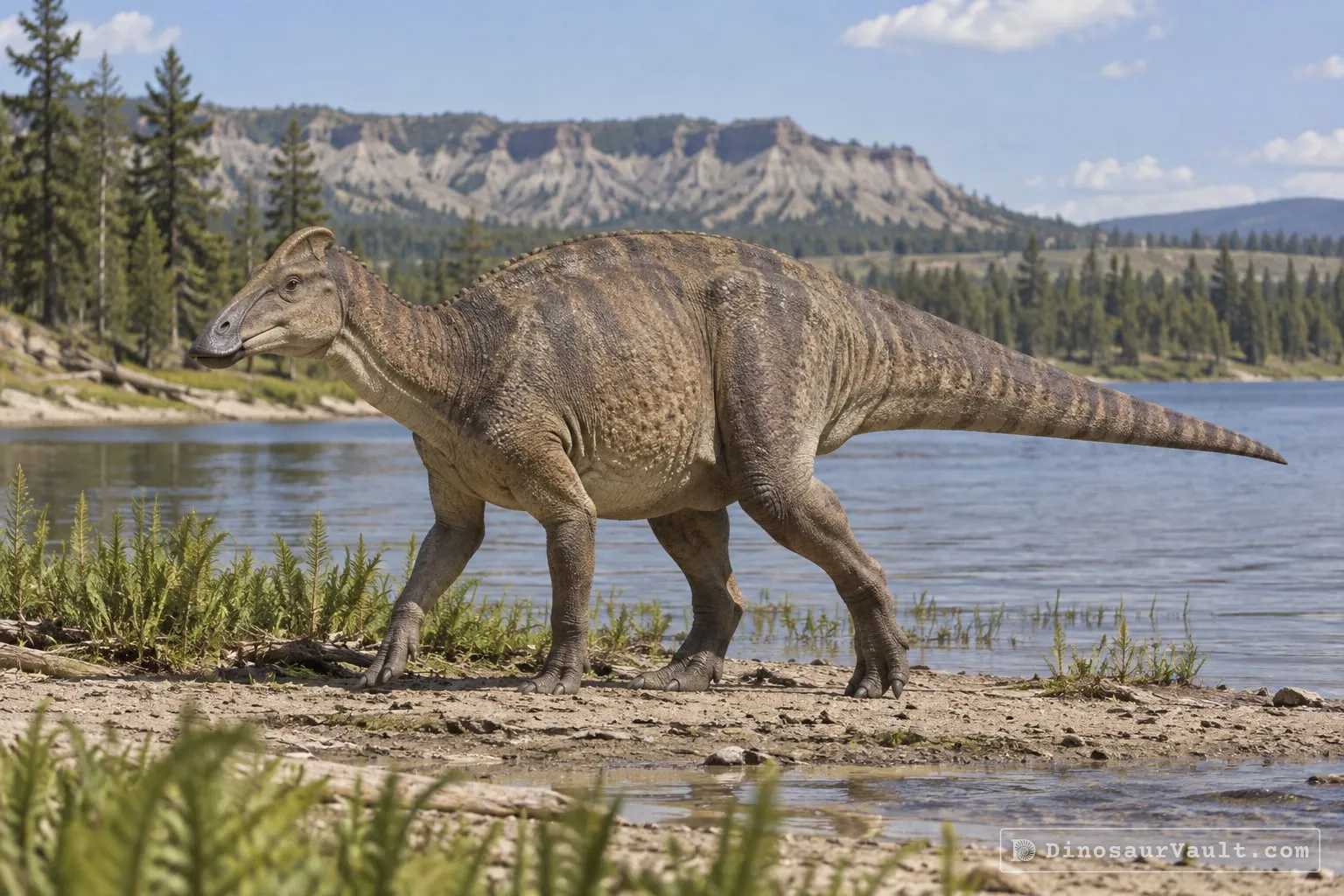
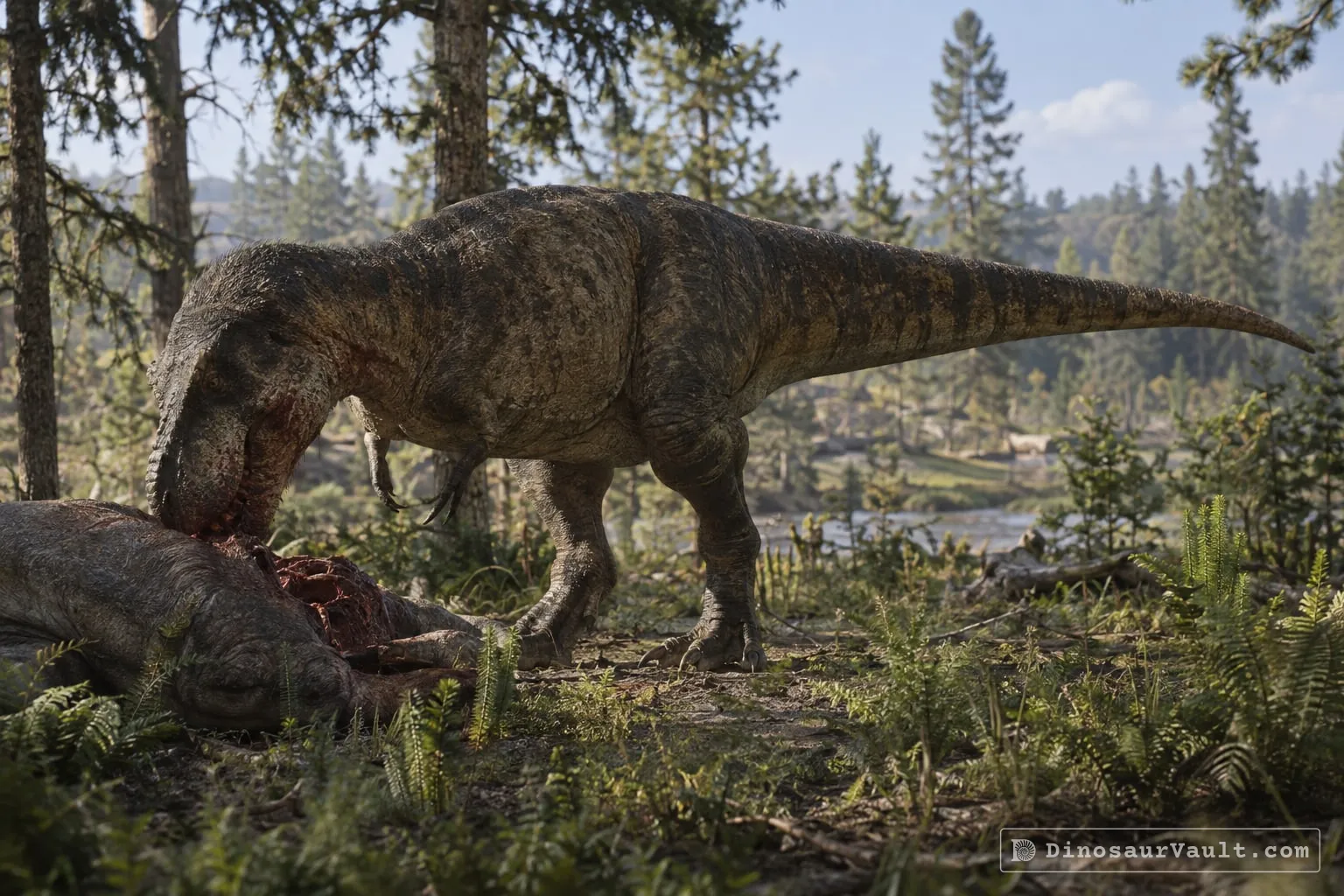
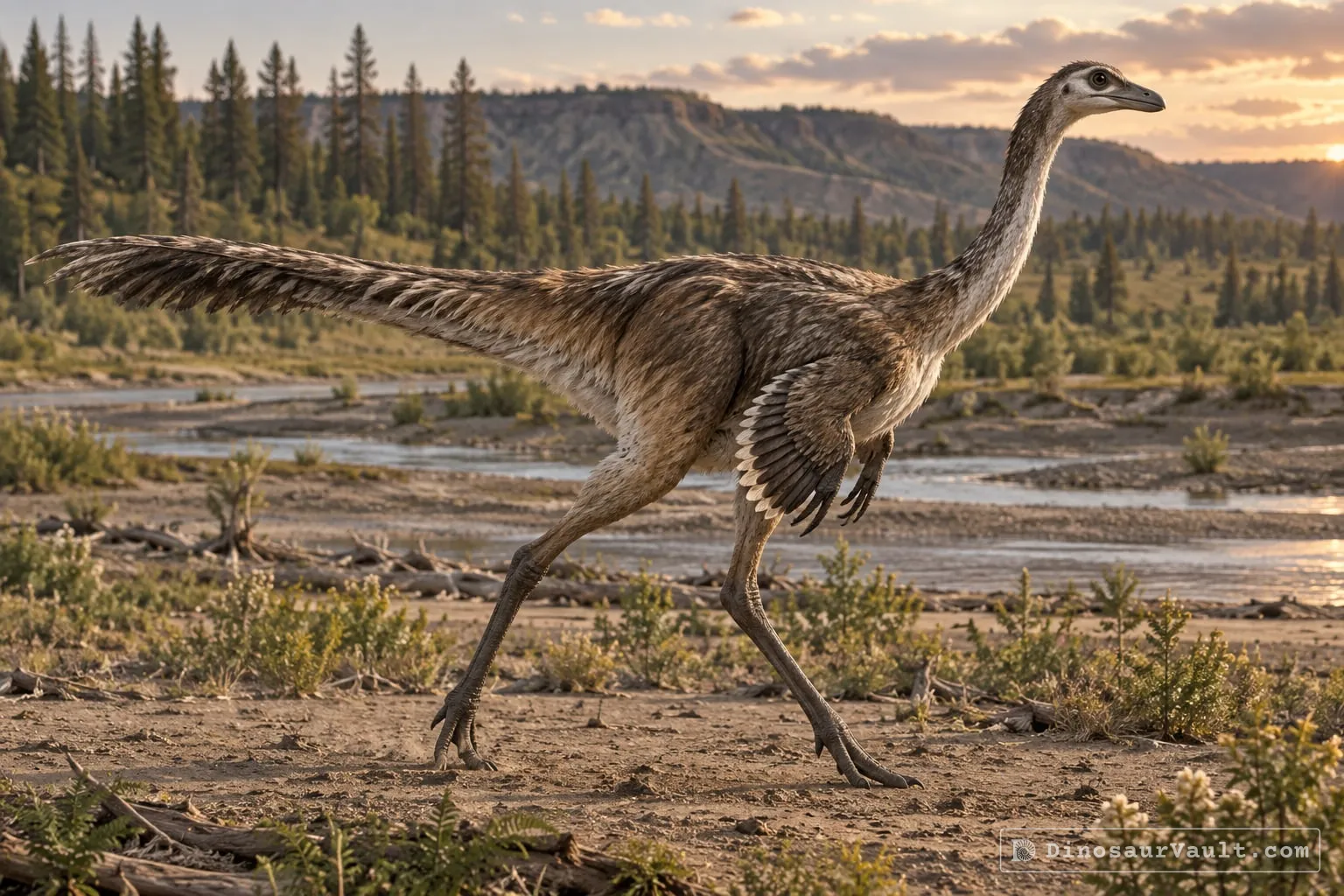
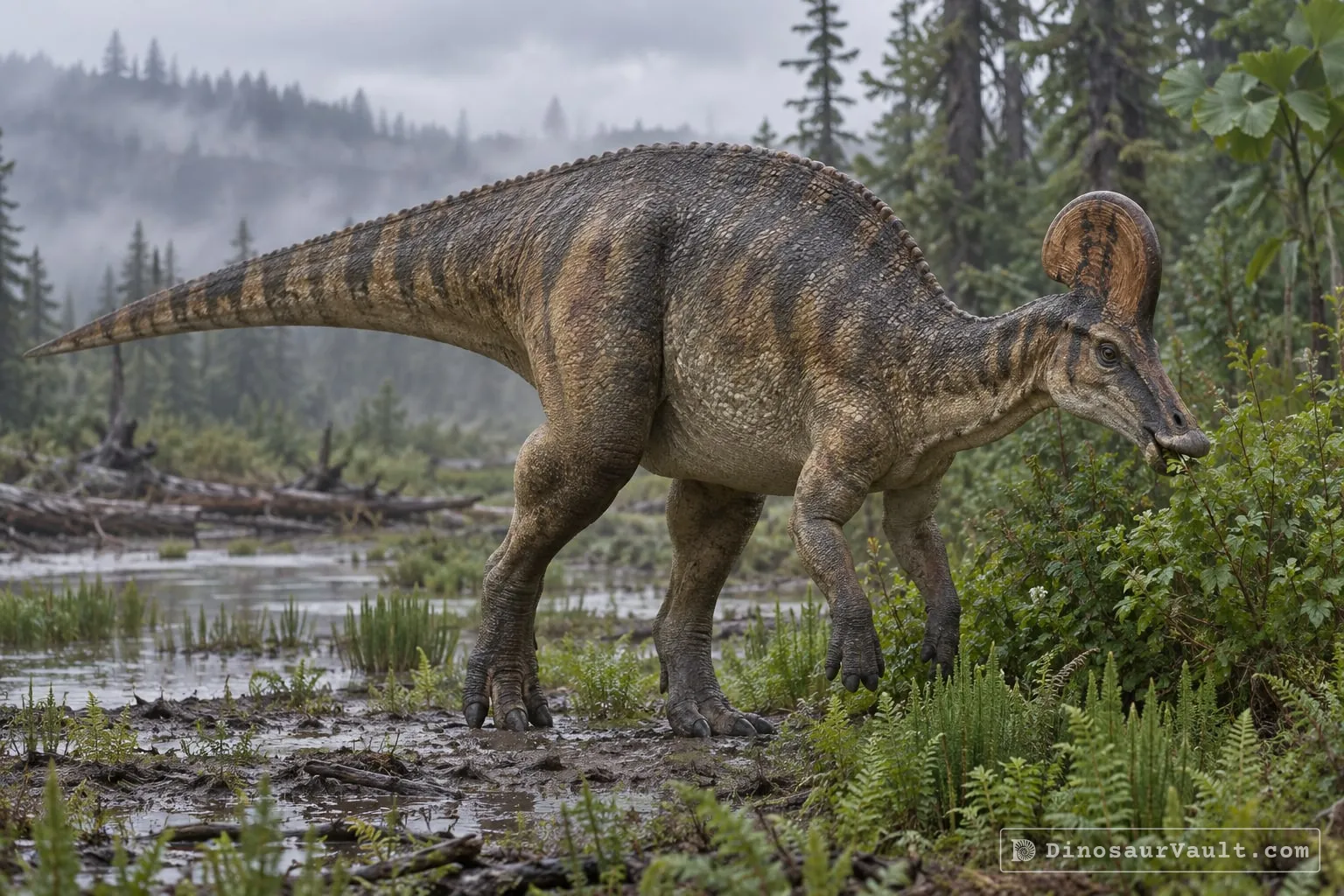


A rock formation can hold fossils laid down millions of years apart, so not every animal here met Oohkotokia.
The evidence
The science behind Oohkotokia
Which parts of the picture come from its own bones, and which come from its relatives.
From its own fossils
- A skull and partial skeleton preserve its bony head covering and body armor.
- Horn-like projections extend from the rear corners of the skull.
- Armor plates have finely pitted surfaces, and some plates along the sides are triangular.
Borrowed from relatives
- Scolosaurus and Euoplocephalus provide comparisons for missing limb bones and the arrangement of armor across the body.
Still unknown
- Whether Oohkotokia is a separate genus or the same animal as Scolosaurus.
- The complete arrangement of armor on its body.
- Its color and the shape of its soft beak.
Discovery timeline
- 2013RedescriptionArbour & Currie
- 2014Named itPenkalski
- 2018Family treePenkalski
Key papers
The research behind what we know of Oohkotokia
Redescription
Compared skulls and neck armor and concluded that Oohkotokia could not be distinguished from Scolosaurus.
Euoplocephalus tutus and the Diversity of Ankylosaurid Dinosaurs in the Late Cretaceous of Alberta, Canada, and Montana, USA. PLoS ONE 8: e62421
Read the paper : Euoplocephalus tutus and the Diversity of Ankylosaurid Dinosaurs in the Late Cretaceous of Alberta, Canada, and Montana, USA (opens in a new tab)Named it
Named an armored dinosaur from Montana using the shape of its skull projections and armor plates.
A new ankylosaurid from the late Cretaceous Two Medicine Formation of Montana, USA. Acta Palaeontologica Polonica.
No link available
Family tree
Retained Oohkotokia among a diverse group of armored dinosaurs, emphasizing armor differences in separating species.
Revised systematics of the armoured dinosaur Euoplocephalus and its allies. Neues Jahrbuch für Geologie und Paläontologie - Abhandlungen 287: 261-306
Read the paper : Revised systematics of the armoured dinosaur Euoplocephalus and its allies (opens in a new tab)
Close relatives
Other members of Ankylosauridae


Sources: Wikidata