Outline: a typical theropod
Natovenator
"swimming hunter"
Type species Natovenator polydontus
- Lived
- 84 to 72 million years ago, Late Cretaceous
- Diet
- Carnivore
- Group
- Theropods, Dromaeosauridae
- Found in
- Mongolia
- Named by
- Lee et al. 2022
Where its fossils were found
The evidence
Today

80 million years ago
Field notes
About Natovenator
What it was like
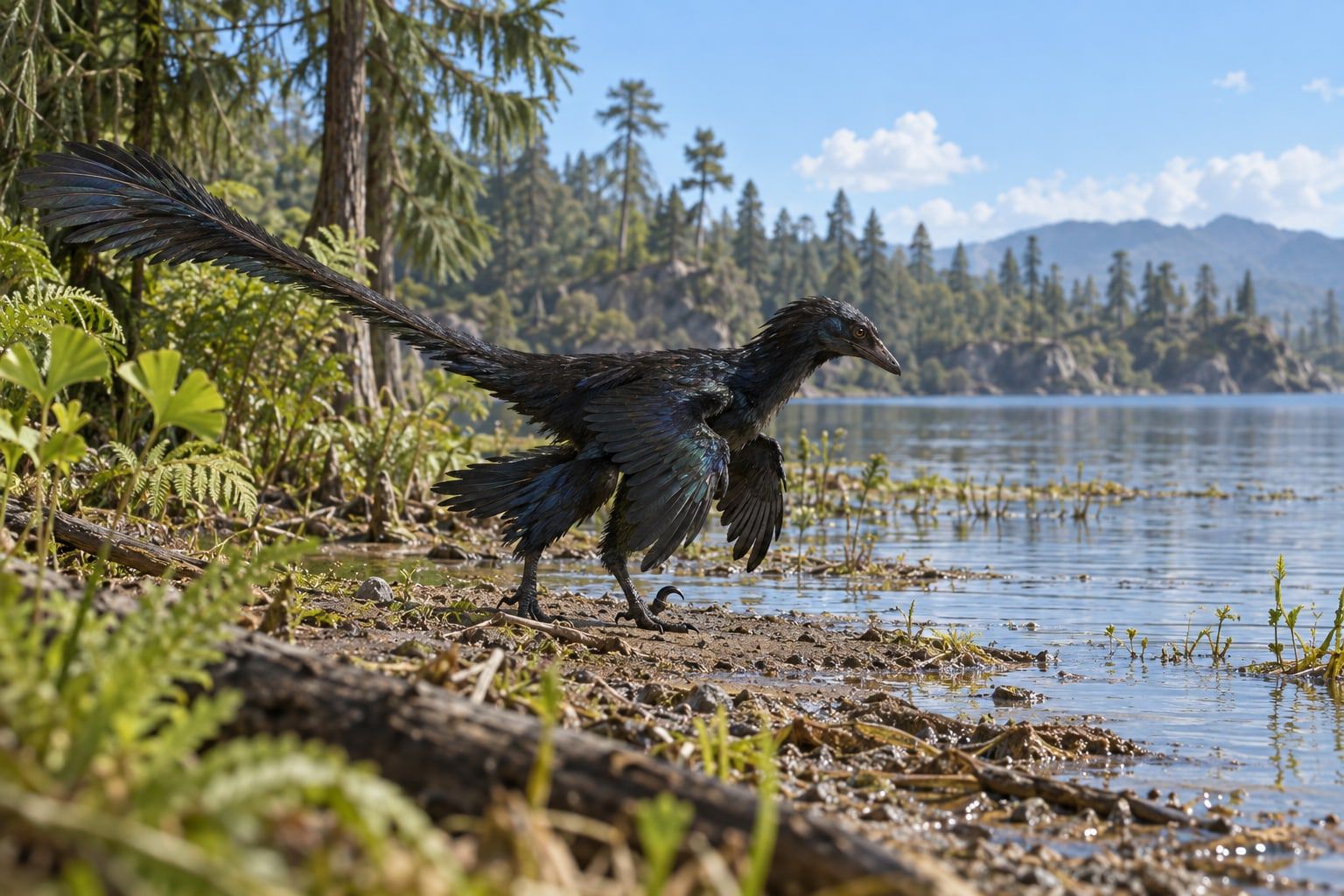
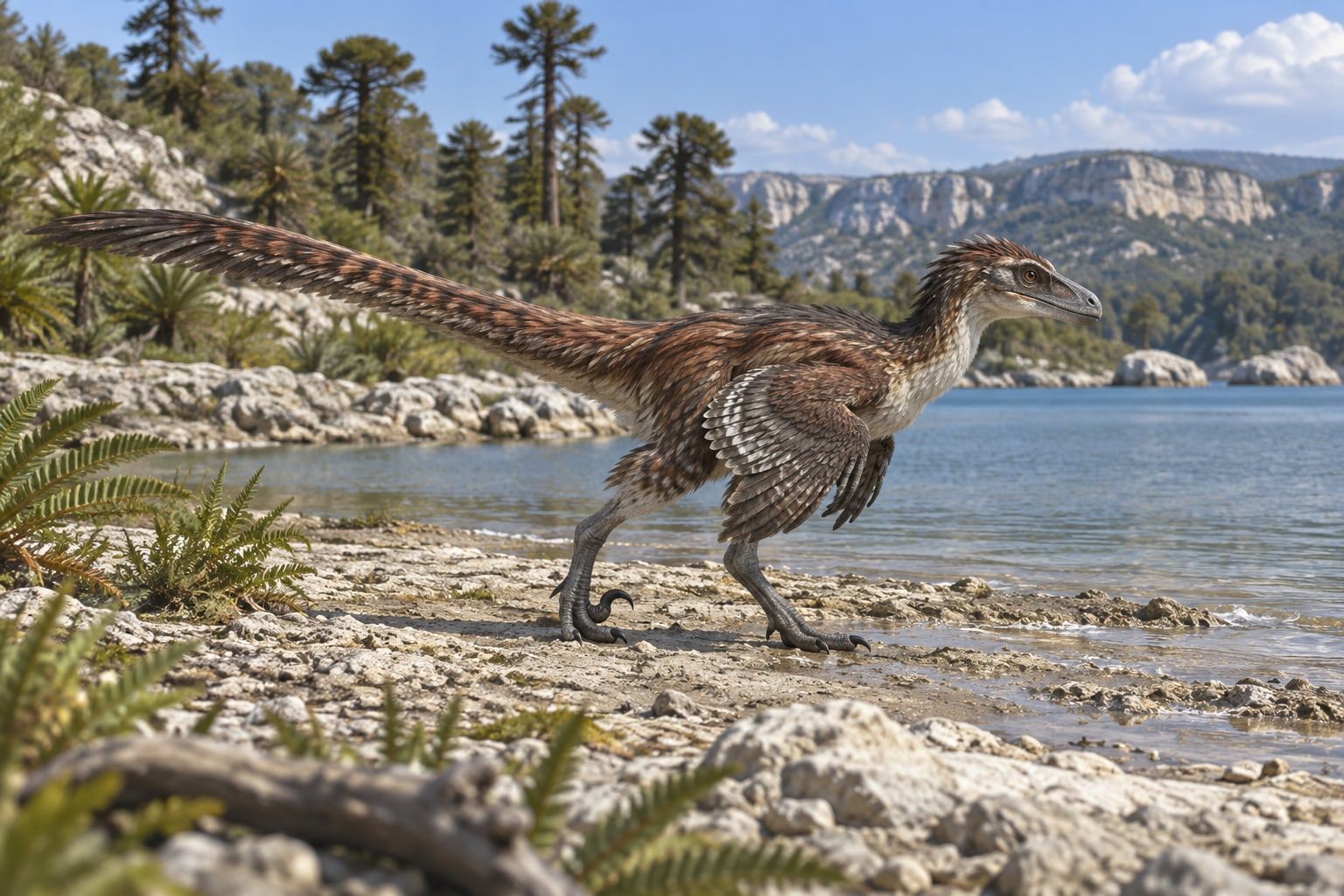
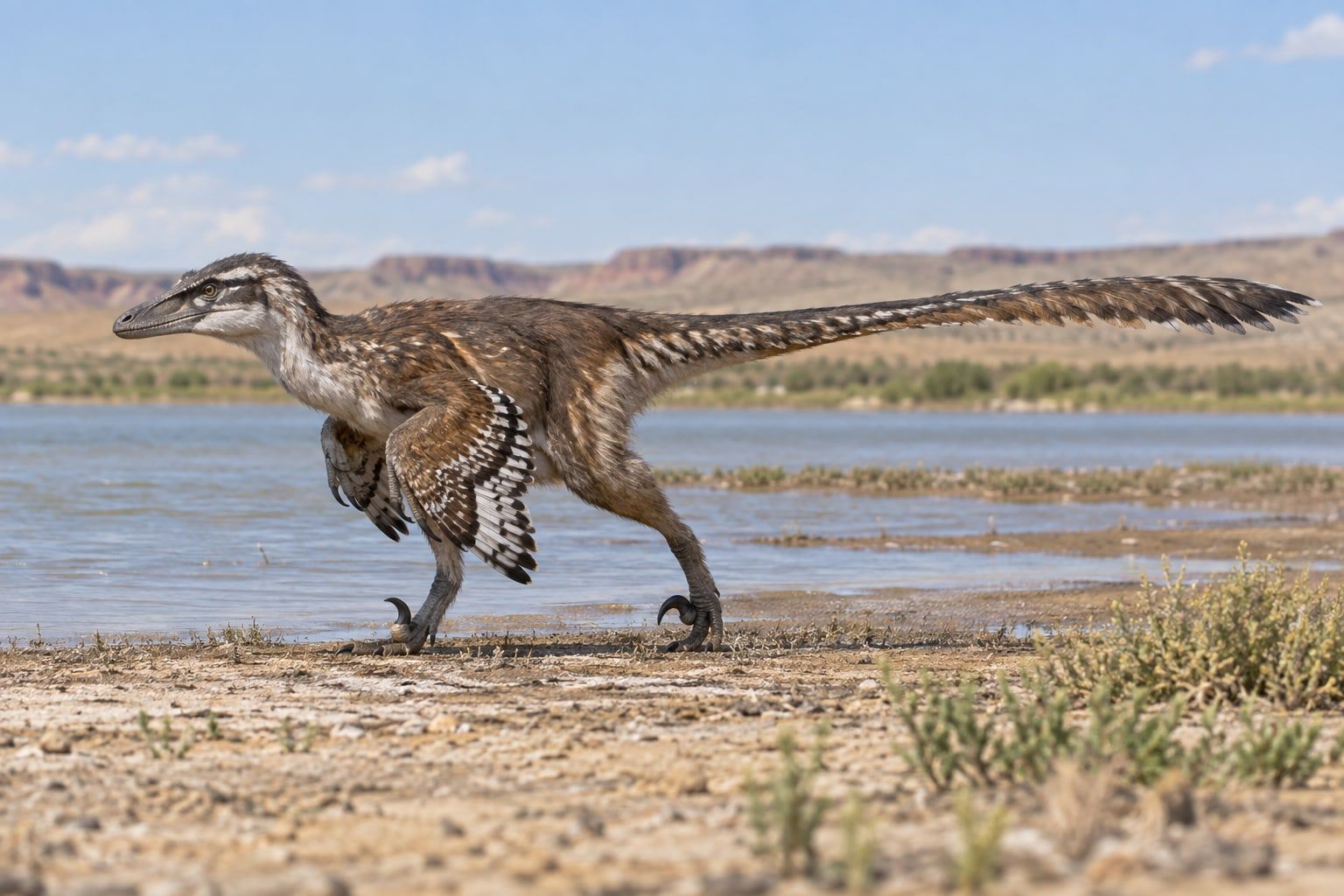
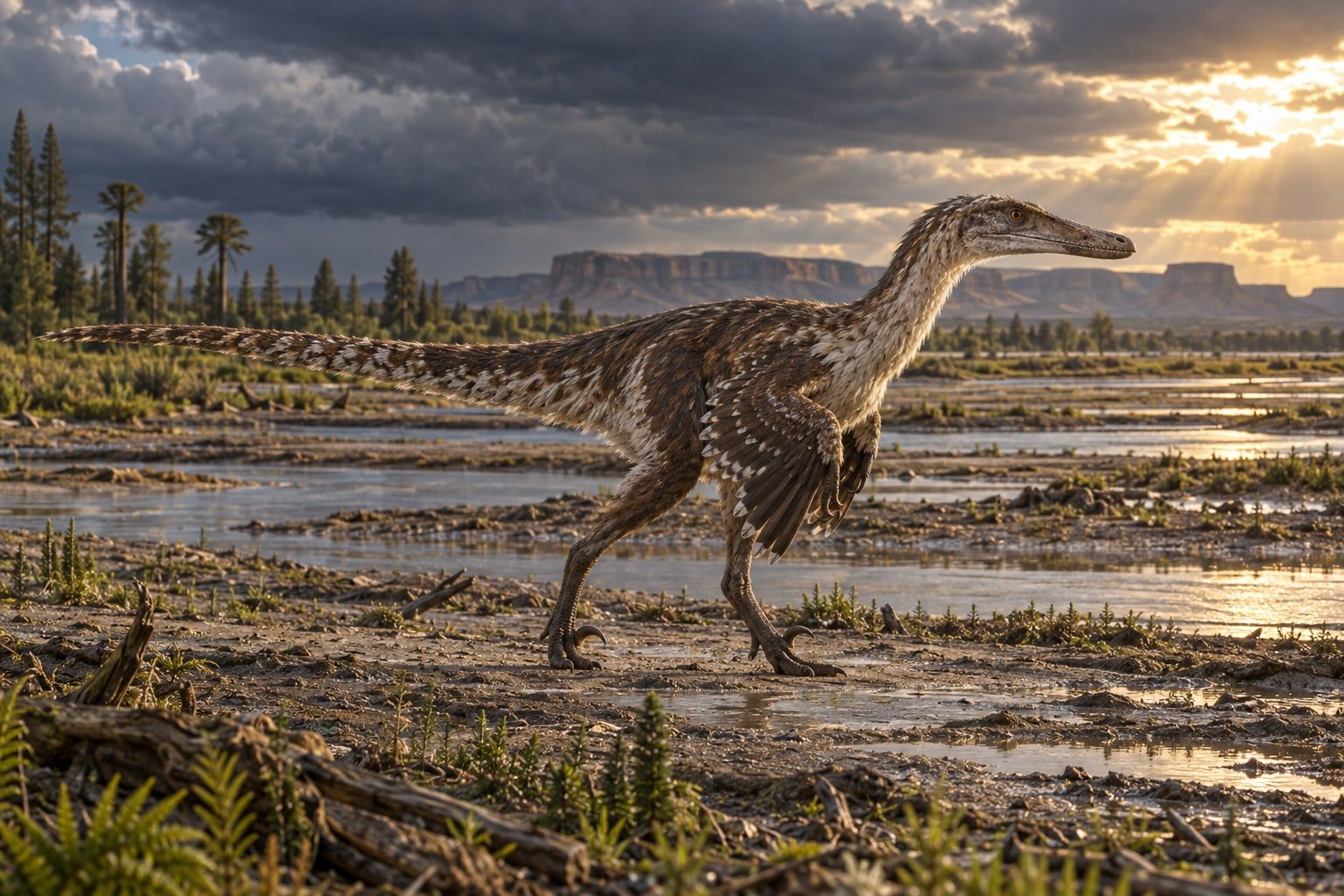
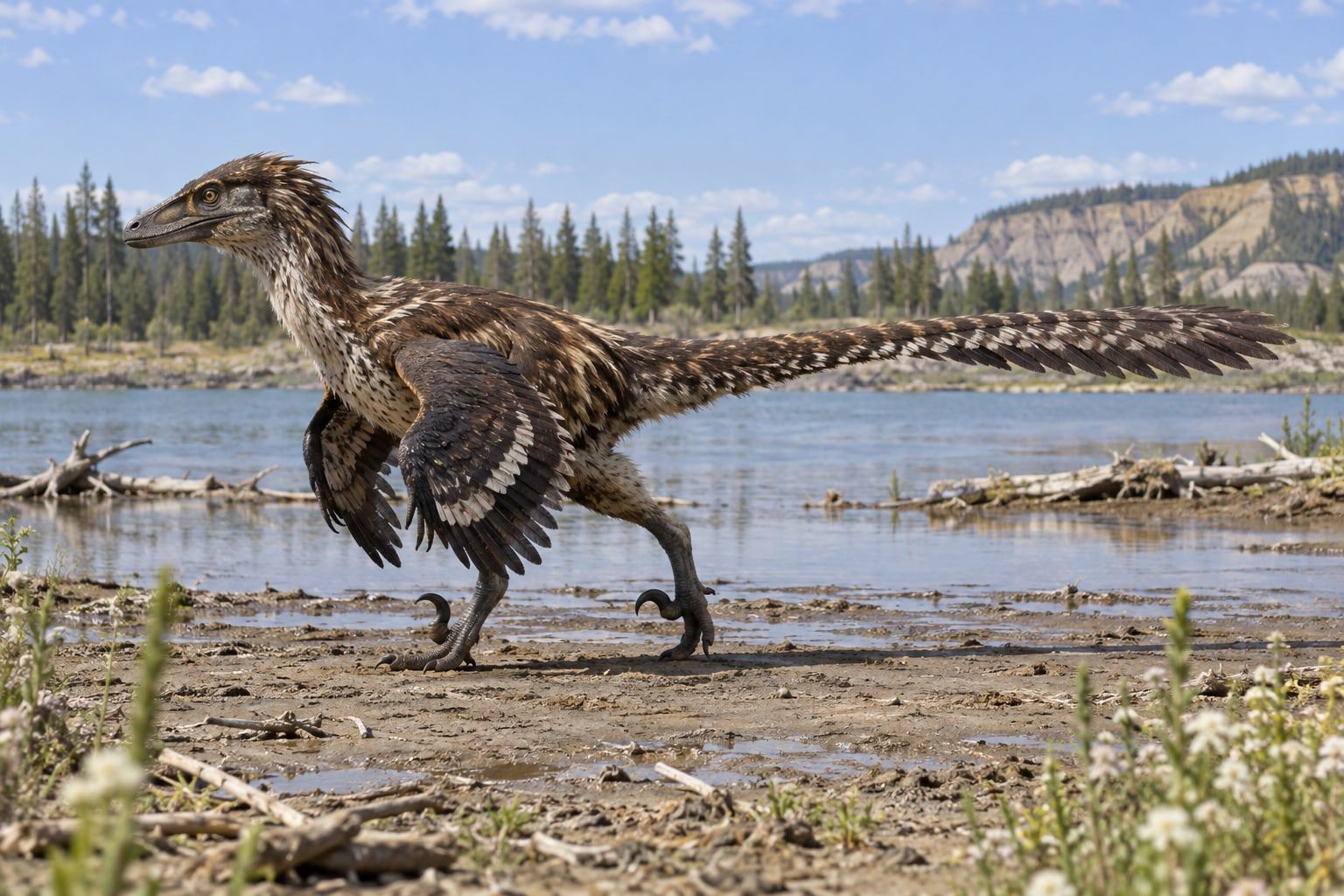
Natovenator was a small, long-necked feathered dinosaur from a strange branch of the raptor family. Its ribs were swept back, as in diving birds, which suggests its body was streamlined for swimming.
It may have hunted fish or other small animals in water, much like its relative Halszkaraptor.
Its world
It lived in the Late Cretaceous in what is now Mongolia. Its bones come from the Baruungoyot Formation, where it shared the land with the armored Saichania and Tarchia.
How it was found
Lee and colleagues named Natovenator polydontus in 2022, from a single skeleton with a skull. Its species name refers to its many teeth.
Lived alongside
Found in the same rock formations
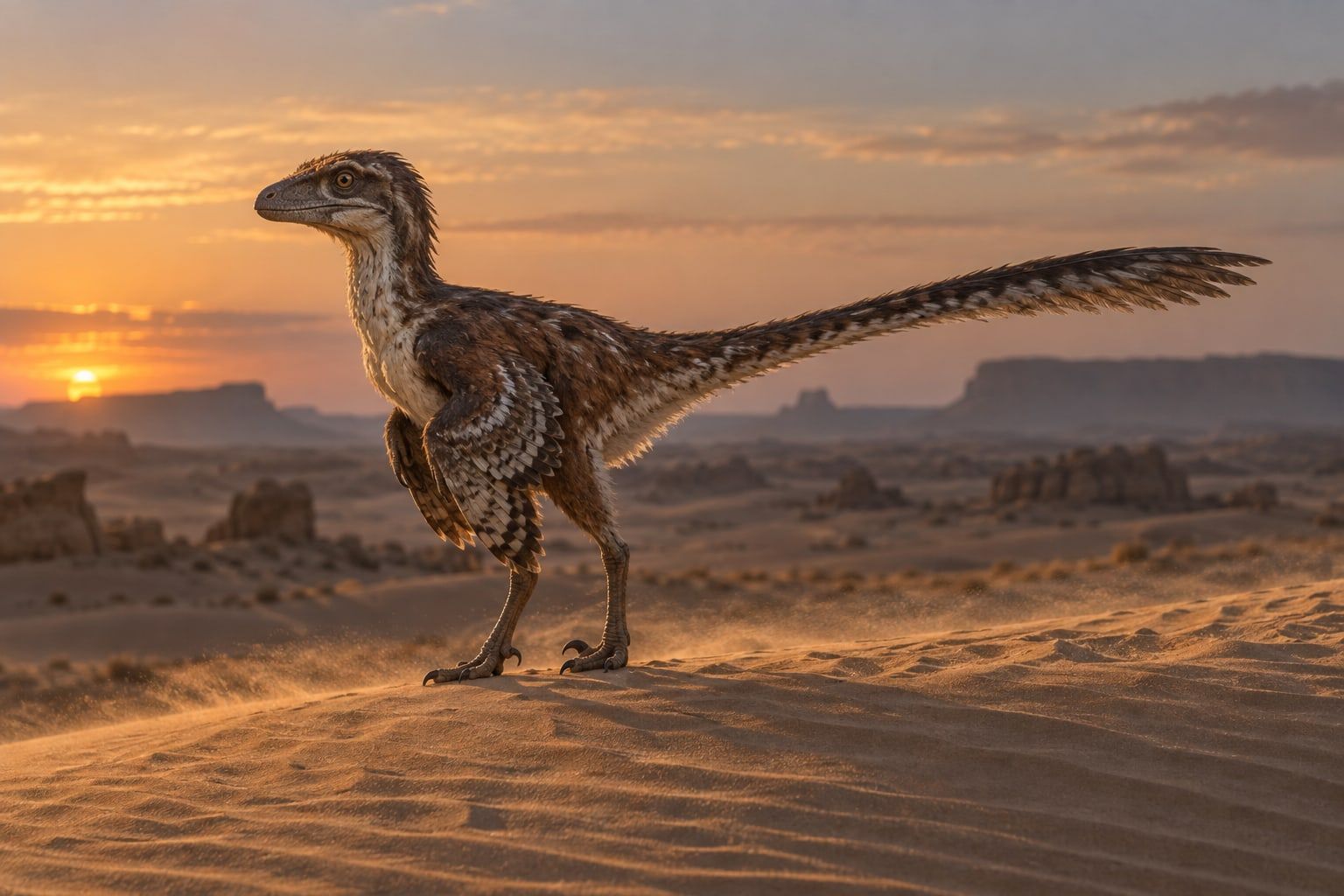

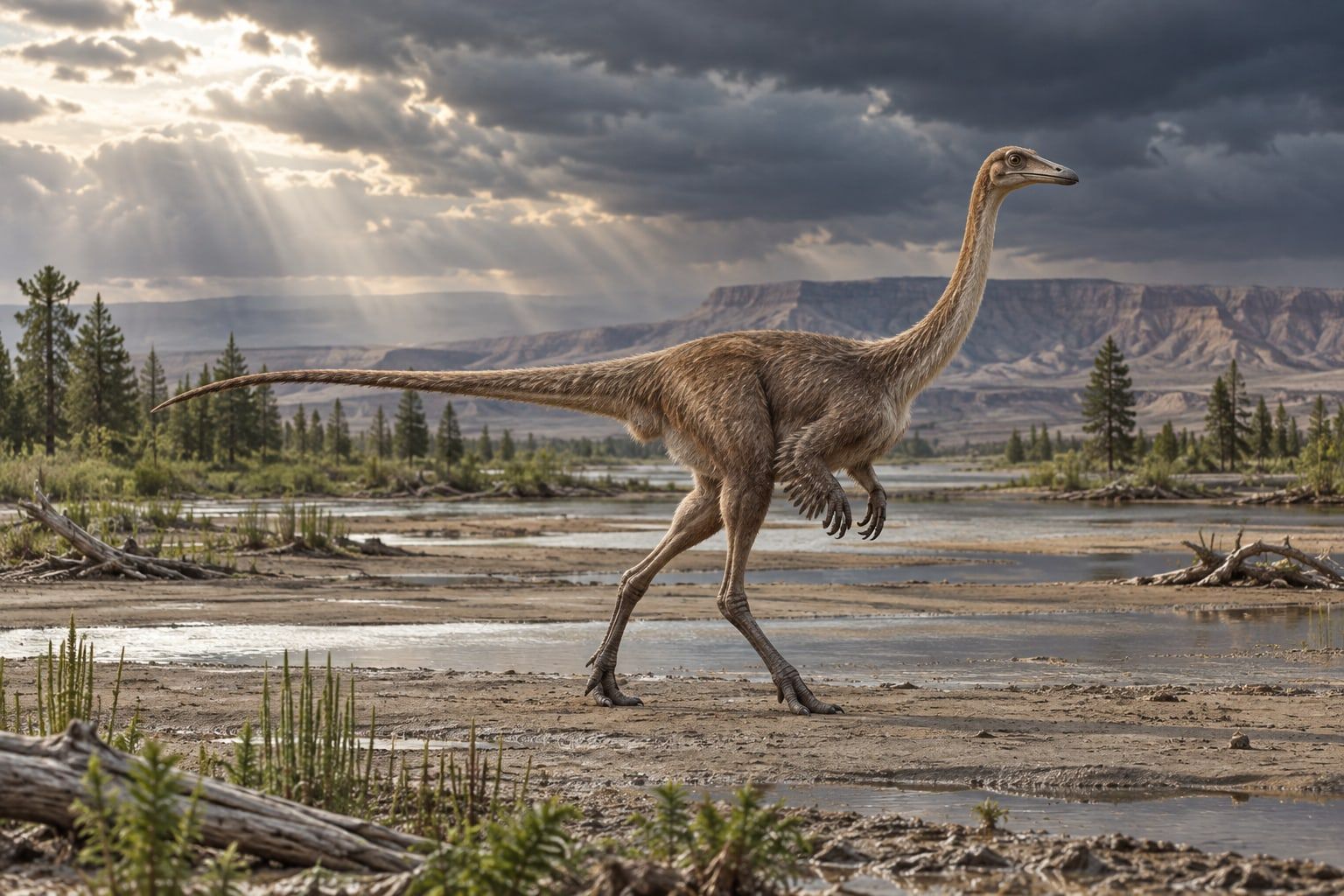
Close relatives
Other members of Dromaeosauridae
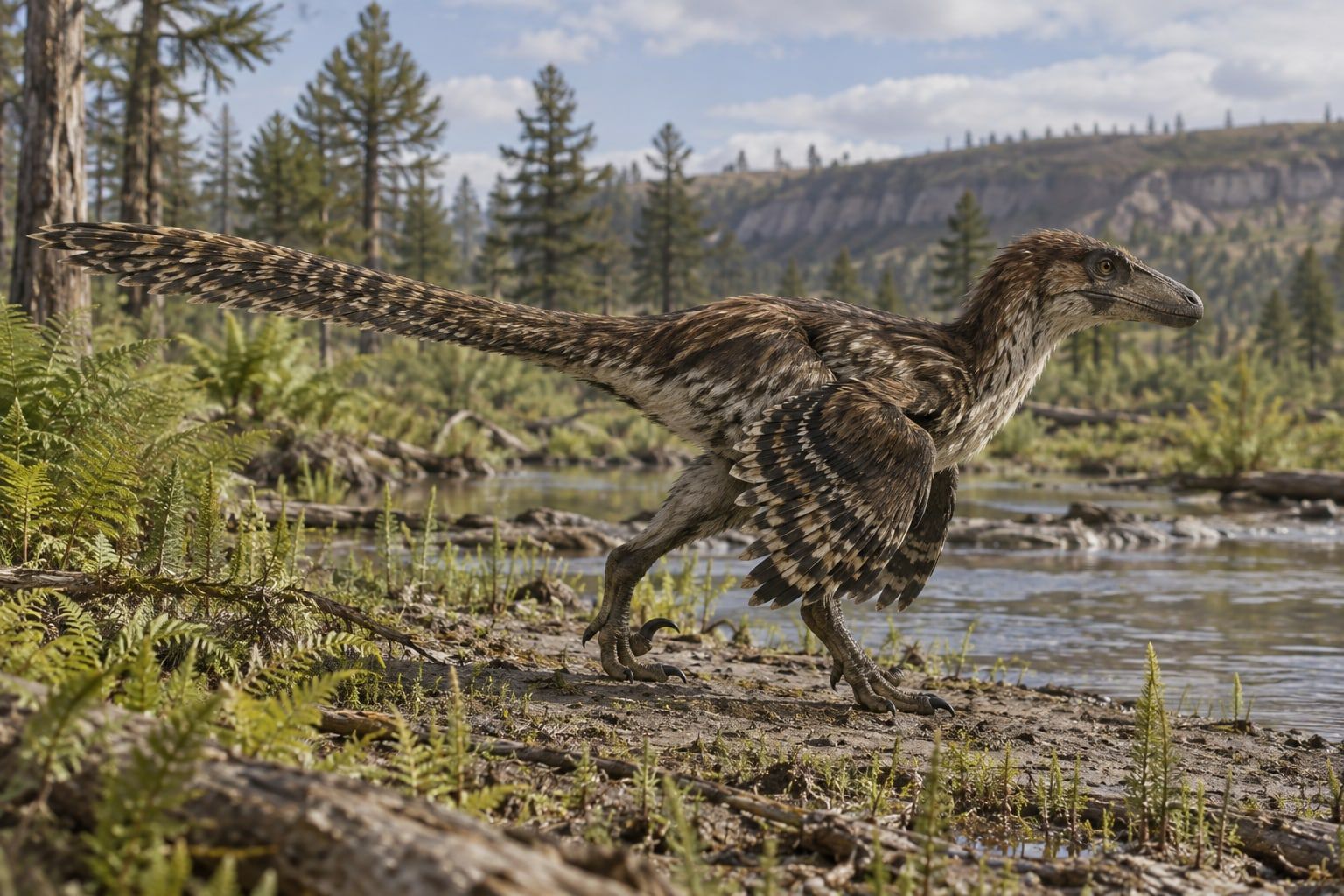
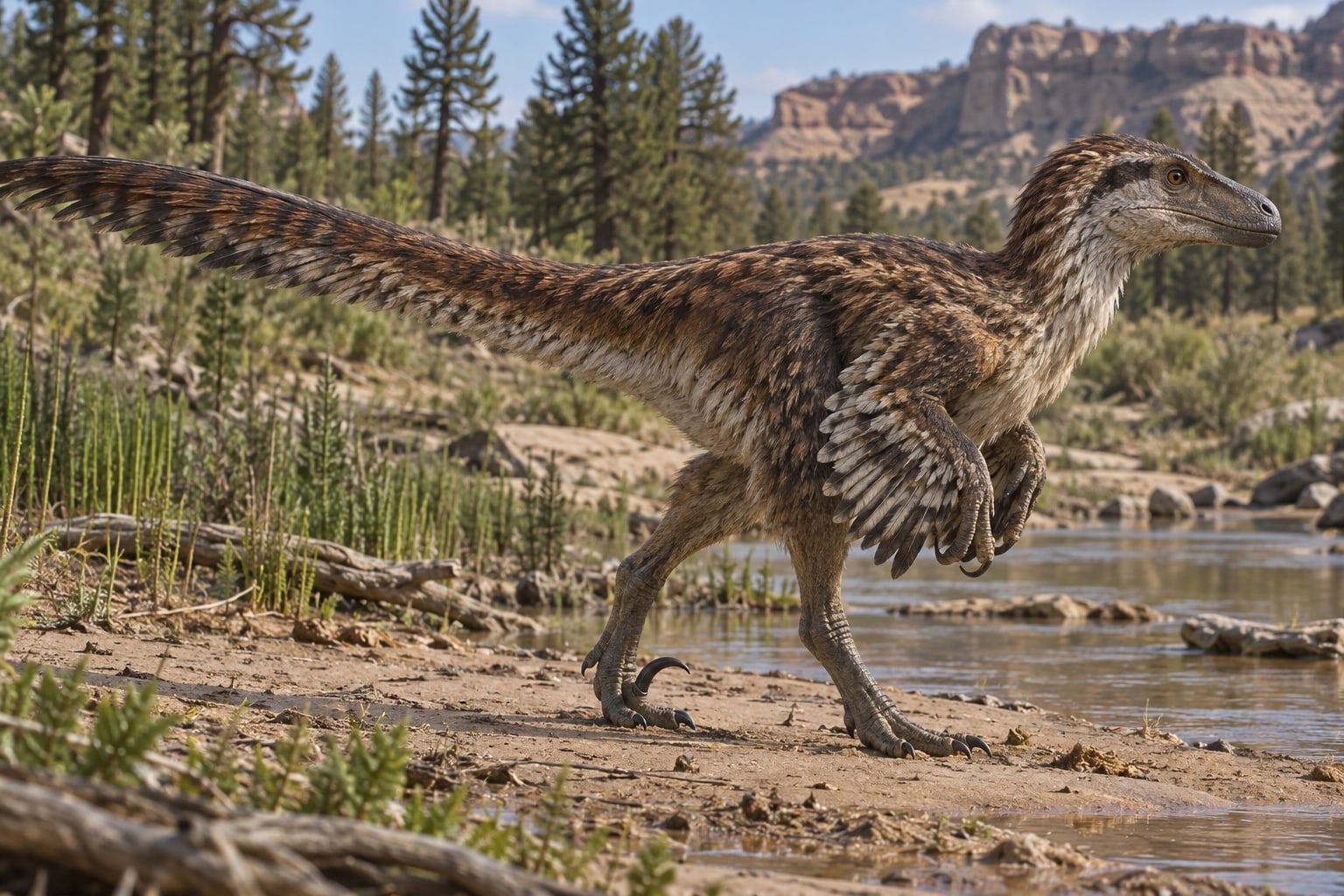
Sources: WikidataNamed in: S. Lee, Y.-N. Lee, and P. J. Currie, R. Sissons, J.-Y. Park, S.-H. Kim, R. Barsbold, K. Tsogtbaatar. 2022. A non-avian dinosaur with a streamlined body exhibits potential adaptations for swimming. Communications Biology 5:1185:1-10