Morelladon
"Morella tooth"
- Lived
- 126 to 121 million years ago, Early Cretaceous
- Diet
- Herbivore
- Group
- Ornithopods
- Found in
- Spain
- Named by
- Gasulla et al. 2015
Where its fossils were found
The evidence
Today

125 million years ago
Habitat
It lived on a coastal plain crossed by rivers near estuaries and beaches. Neighbors included Iguanodon, Mantellisaurus and Protathlitis.
Field notes
About Morelladon
What it was like
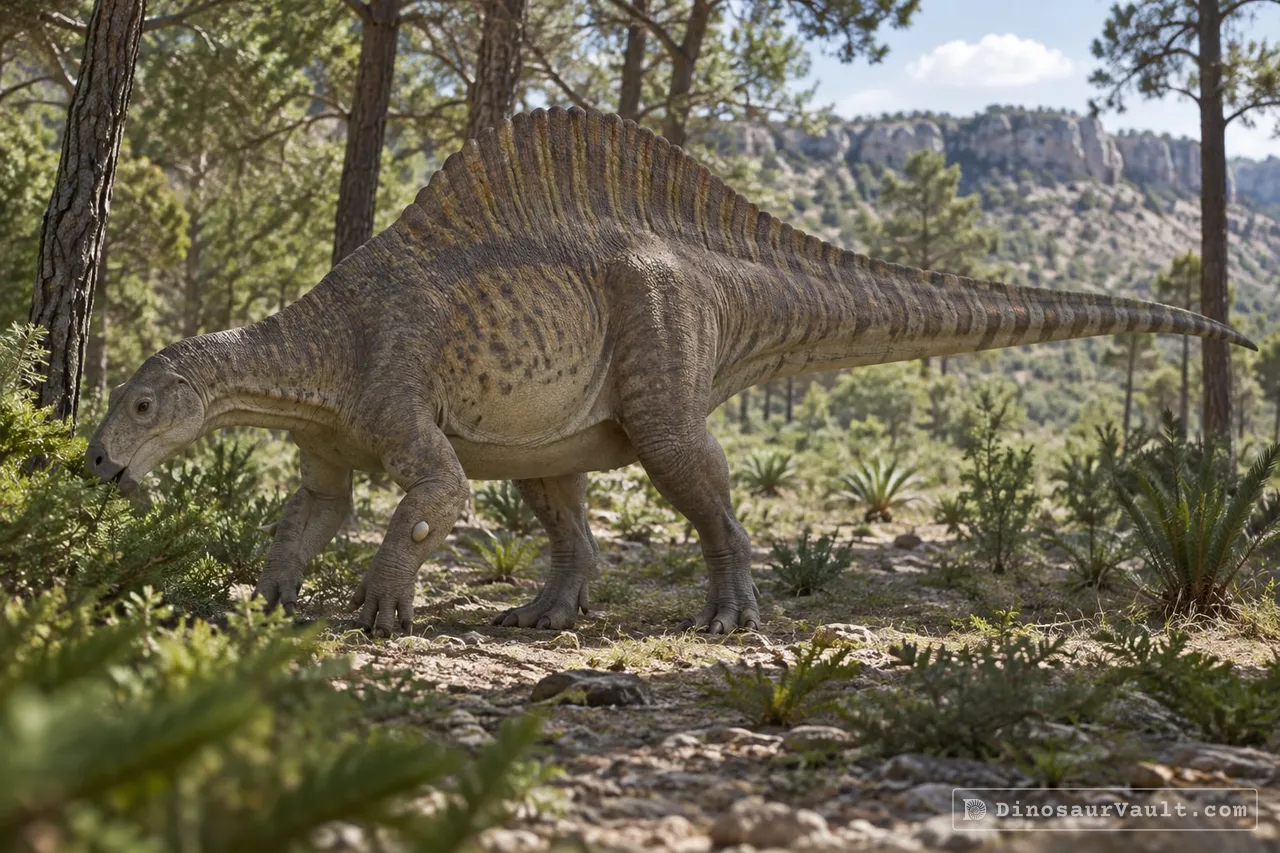
Morelladon was a plant eater related to Iguanodon, with tall spines along its back that may have supported a low sail or hump.
Its world
It lived in the Early Cretaceous in what is now Spain. Its bones come from the Arcillas de Morella Formation, where it shared the land with Iguanodon, the armored Polacanthus and the spinosaurs Vallibonavenatrix and Protathlitis.
How it was found
Gasulla and colleagues named it in 2015. It is named after the town of Morella.
Field gallery
More views of Morelladon
Scenes reconstructed from the available fossil evidence.
Lived alongside
Found in the same rock formations
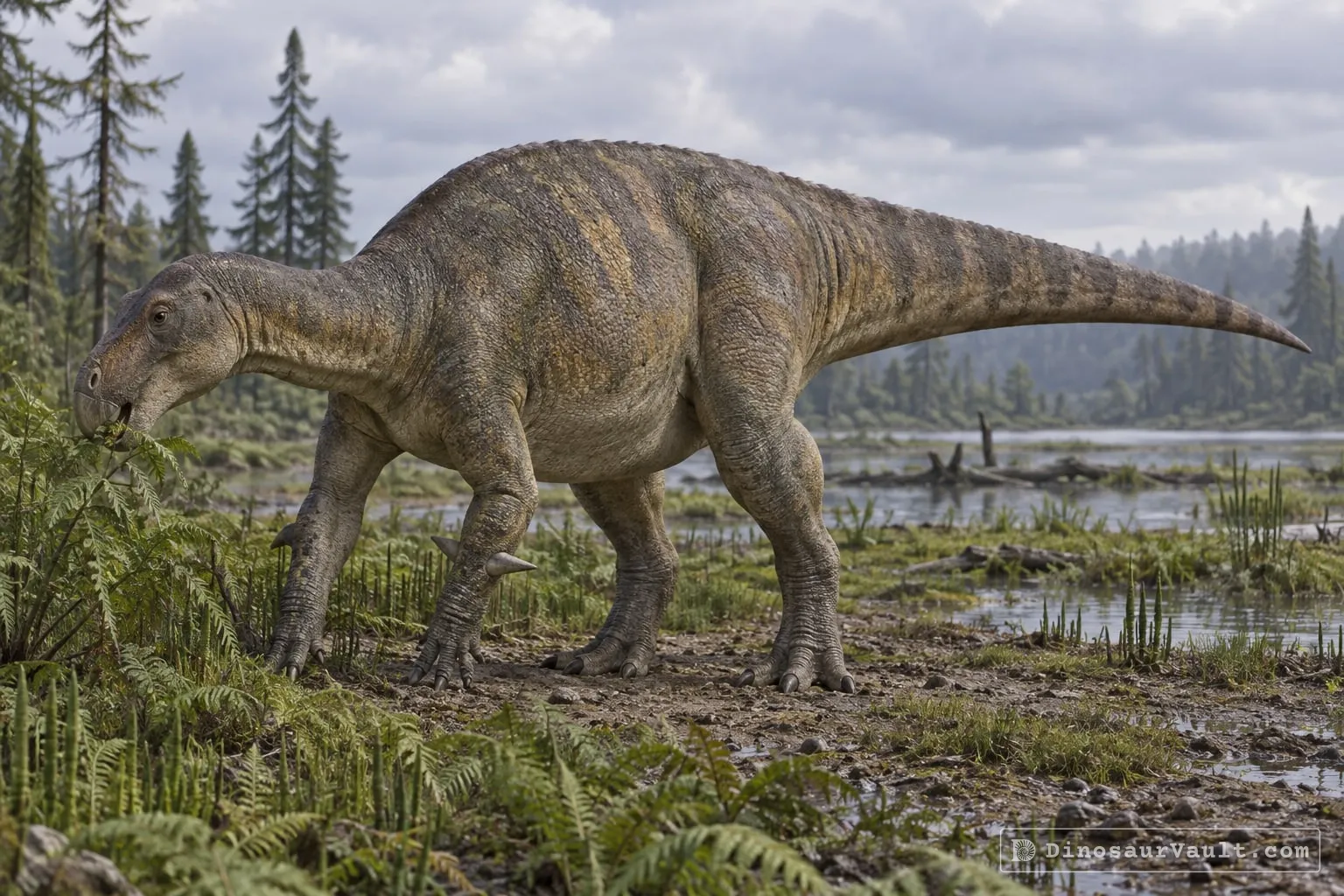
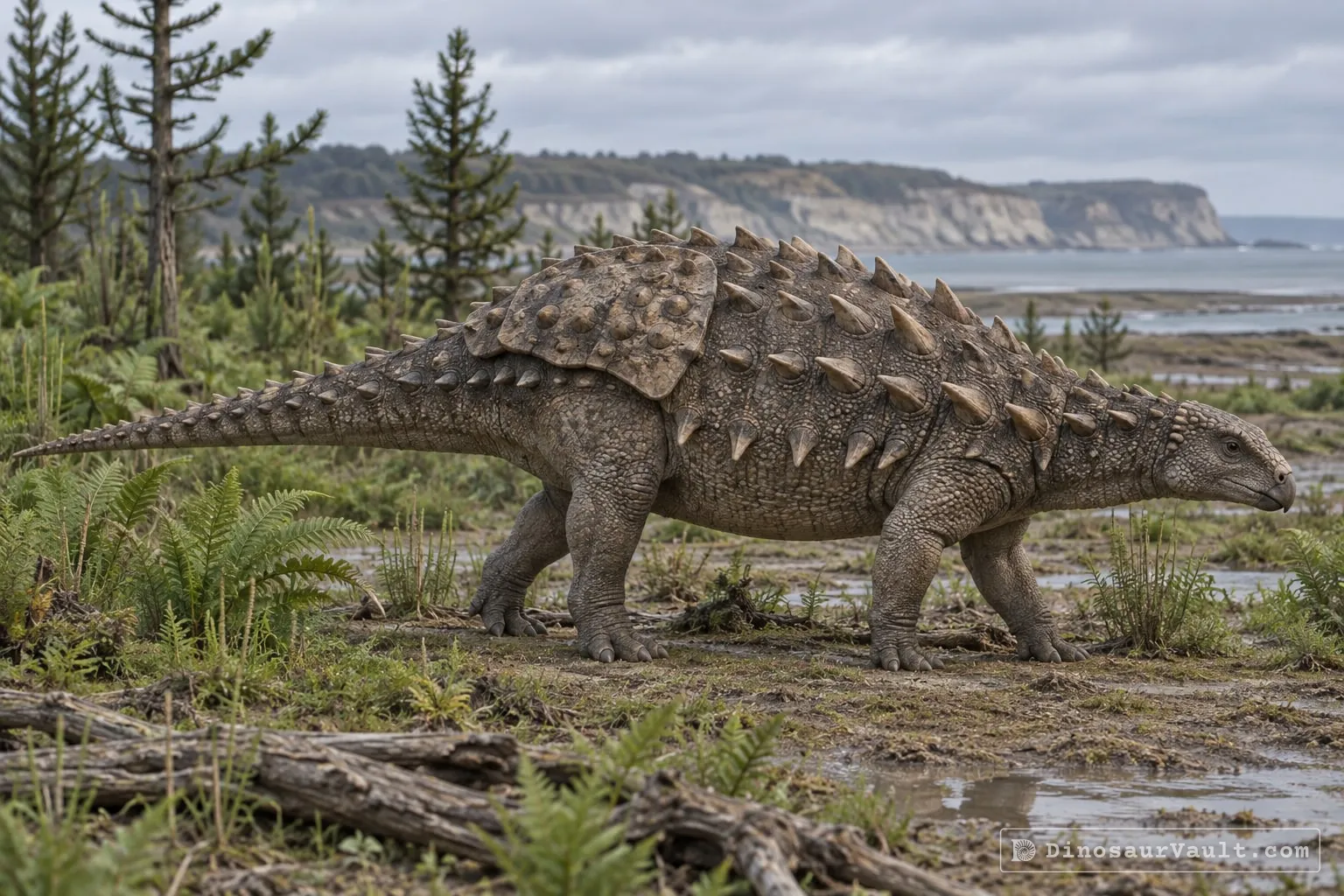
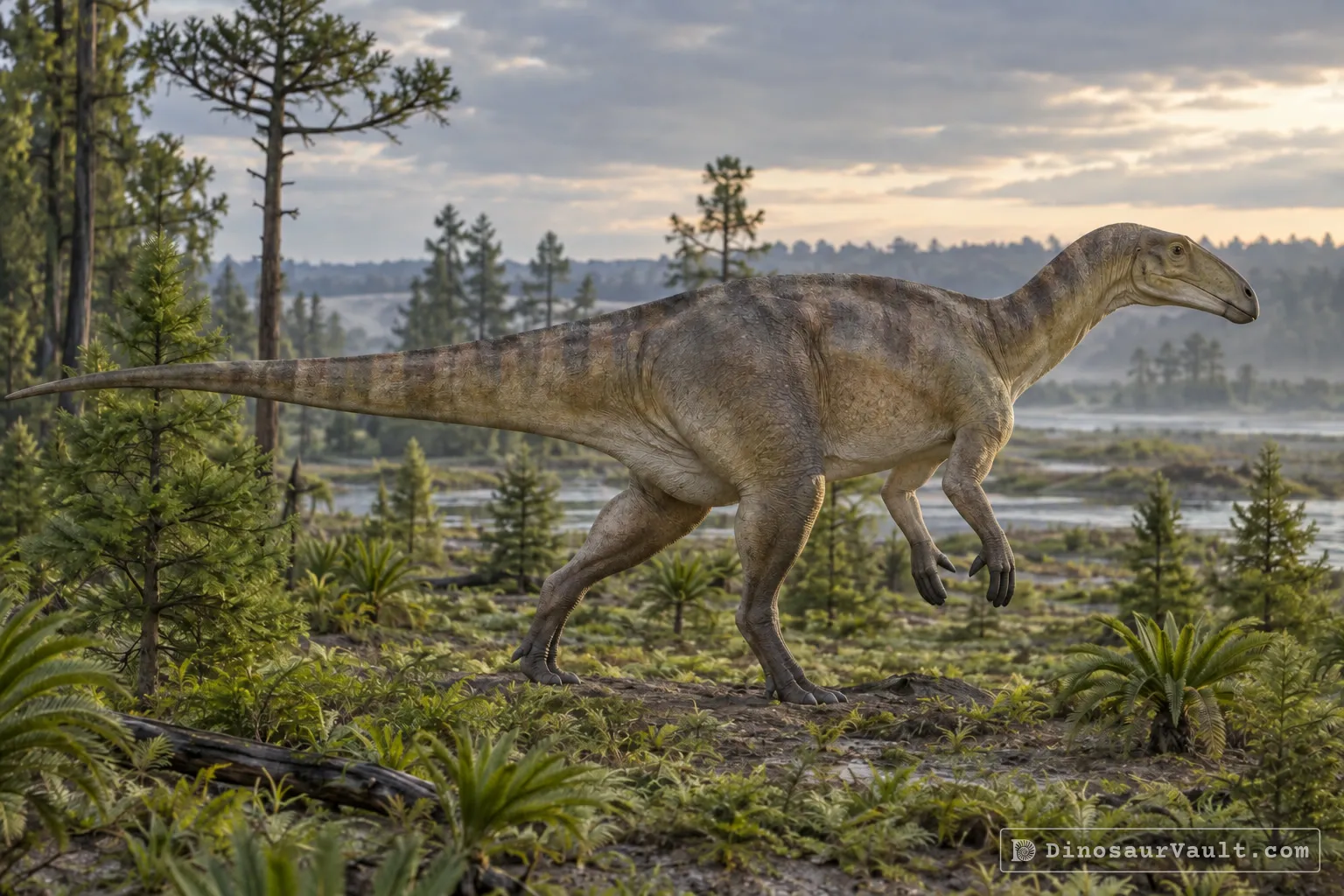
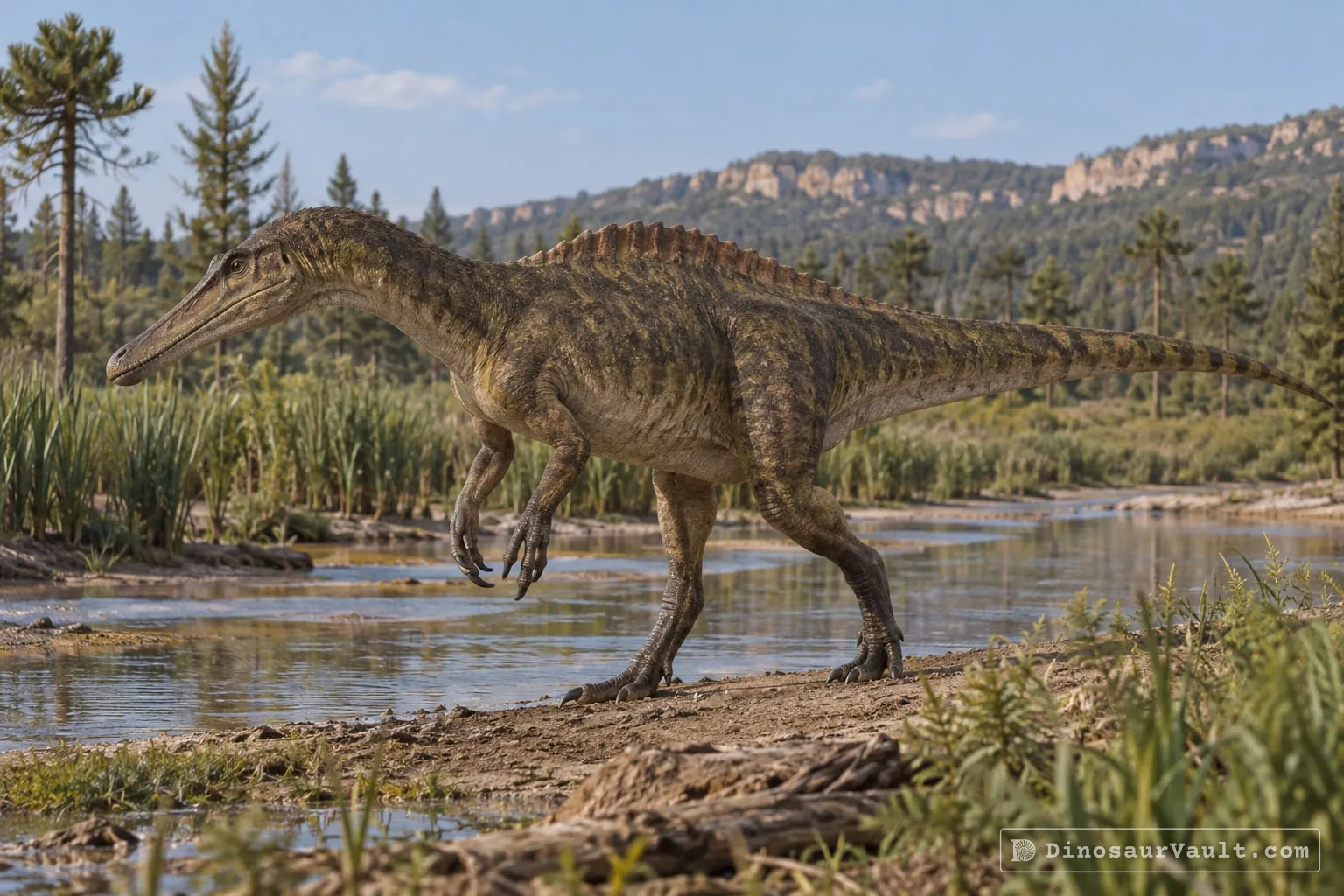
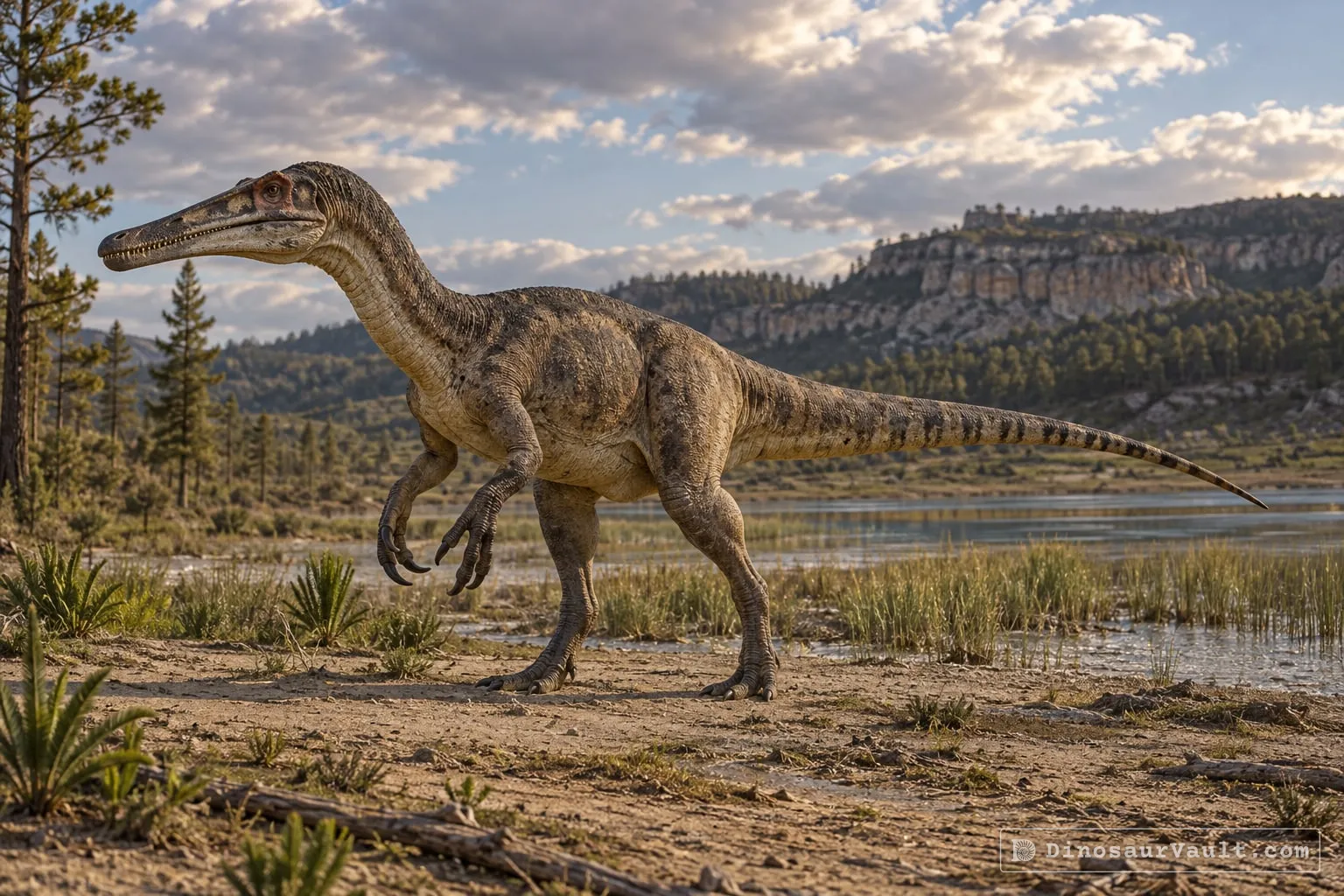
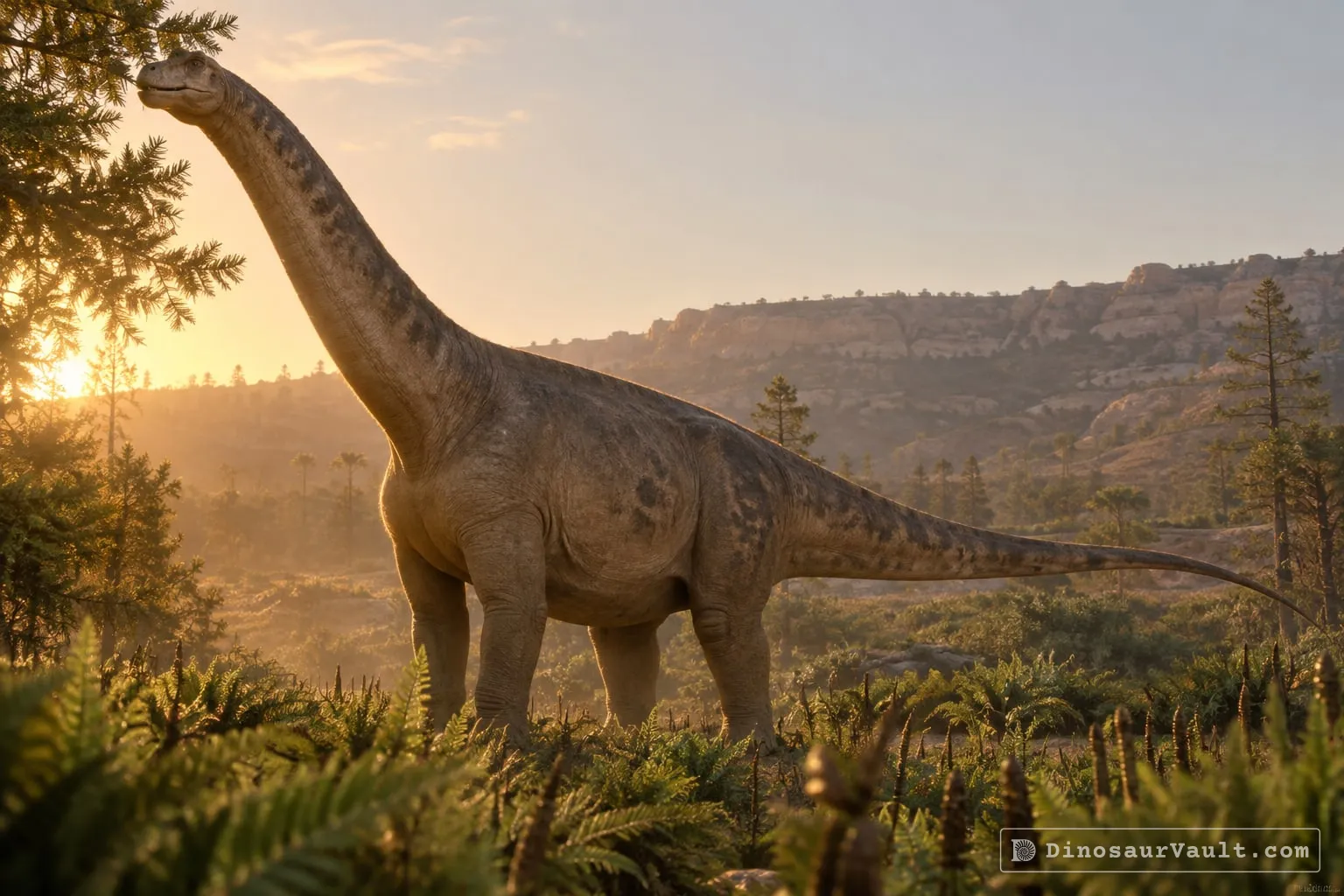


A rock formation can hold fossils laid down millions of years apart, so not every animal here met Morelladon.
The evidence
The science behind Morelladon
Which parts of the picture come from its own bones, and which come from its relatives.
From its own fossils
- The type material includes back vertebrae, ribs, hips, a relatively slender, straight shinbone and a heavily worn tooth.
- Several back vertebrae have spines that are flattened from side to side and widen toward their tips, and at least two are very tall.
- The hip bones have distinctive ridges and attachment points for the ribs.
Borrowed from relatives
- Iguanodon provides comparisons for the missing face, hands and feet.
Still unknown
- Whether the tall back spines supported a thin sail or a fleshy hump, and what the raised back was used for.
- Its closest relatives; different analyses place it differently among early duckbill relatives.
- Its skin texture and color.
Discovery timeline
- 2015Named itGasulla et al.
- 2021Family treeSantos-Cubedo et al.
- 2023Same rocksSantos-Cubedo et al.
- 2026Family treeRotatori et al.
Key papers
The research behind what we know of Morelladon
Named it
Described the partial skeleton and tall back spines, with different analyses giving different relationships among early duckbill relatives.
A New Sail-Backed Styracosternan (Dinosauria: Ornithopoda) from the Early Cretaceous of Morella, Spain. PLOS ONE 10: e0144167
Read the paper : A New Sail-Backed Styracosternan (Dinosauria: Ornithopoda) from the Early Cretaceous of Morella, Spain (opens in a new tab)Family tree
Compared Morelladon with other early relatives of duck-billed dinosaurs while describing Portellsaurus.
A new styracosternan hadrosauroid (Dinosauria: Ornithischia) from the Early Cretaceous of Portell, Spain. PLOS ONE 16: e0253599
Read the paper : A new styracosternan hadrosauroid (Dinosauria: Ornithischia) from the Early Cretaceous of Portell, Spain (opens in a new tab)Same rocks
Named Protathlitis from the same formation and described a landscape of floodplains, estuaries and beaches.
A new spinosaurid dinosaur species from the Early Cretaceous of Cinctorres (Spain). Scientific Reports 13
Read the paper : A new spinosaurid dinosaur species from the Early Cretaceous of Cinctorres (Spain) (opens in a new tab)Family tree
Grouped Morelladon with Ouranosaurus in a proposed branch of plant eaters with tall back spines.
The early origin of Iguanodontia: new insights into the macroevolution, diversity and biogeography of the clade. Palaeontology 69
Read the paper : The early origin of Iguanodontia: new insights into the macroevolution, diversity and biogeography of the clade (opens in a new tab)
Close relatives
Other members of Hadrosauroidea


Sources: Wikidata