Outline: a typical ornithopod
Mantellisaurus
man-TEL-ih-SORE-us
"Mantell's lizard"
Type species Mantellisaurus atherfieldensis
- Lived
- 143 to 120 million years ago, Early Cretaceous
- Diet
- Herbivore
- Group
- Ornithopods
- Found in
- United Kingdom and Spain
- Named by
- Paul 2007
Where its fossils were found
The evidence
Today

130 million years ago
Also reported from Belgium, France, Portugal and Romania.
Field notes
About Mantellisaurus
What it was like
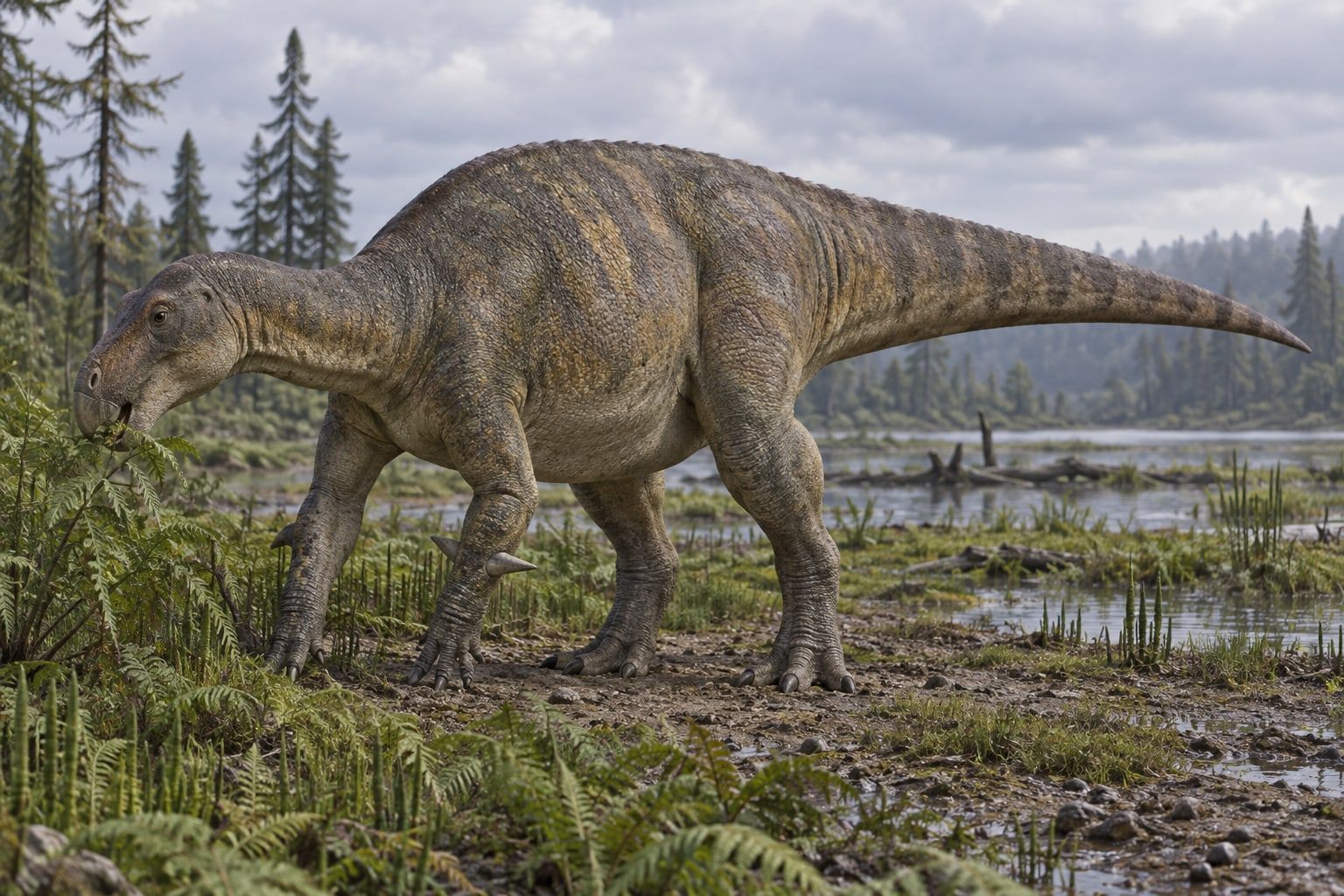
Mantellisaurus was a large plant eater, a lighter and more slender cousin of Iguanodon. It had a toothless beak at the front of its jaws and rows of grinding teeth behind, and it could walk on all fours or on its hind legs.
Like Iguanodon, it had a spike on each thumb. Its arms were short compared with its legs, so it probably spent more time on two legs than its heavier relative.
Its world
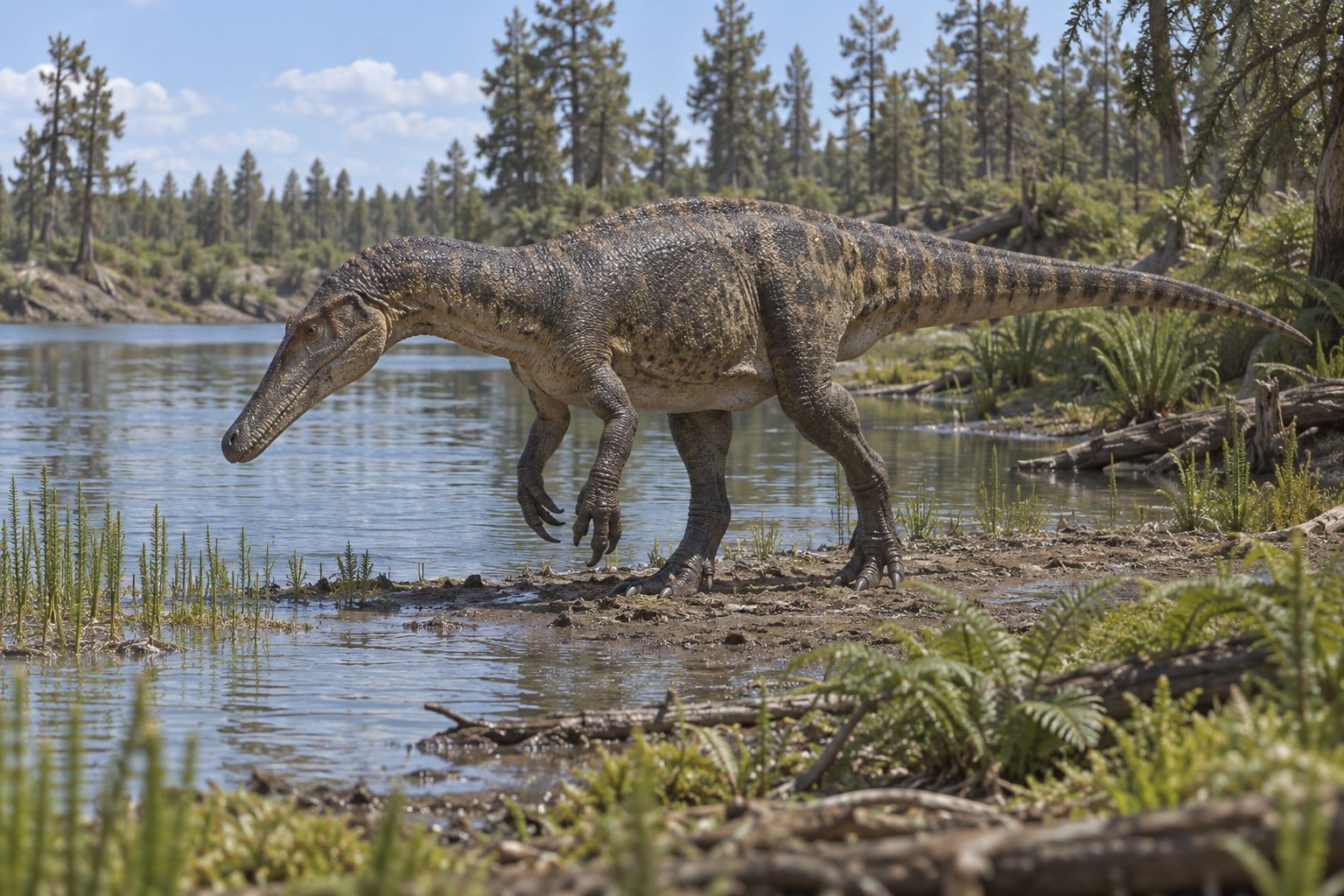
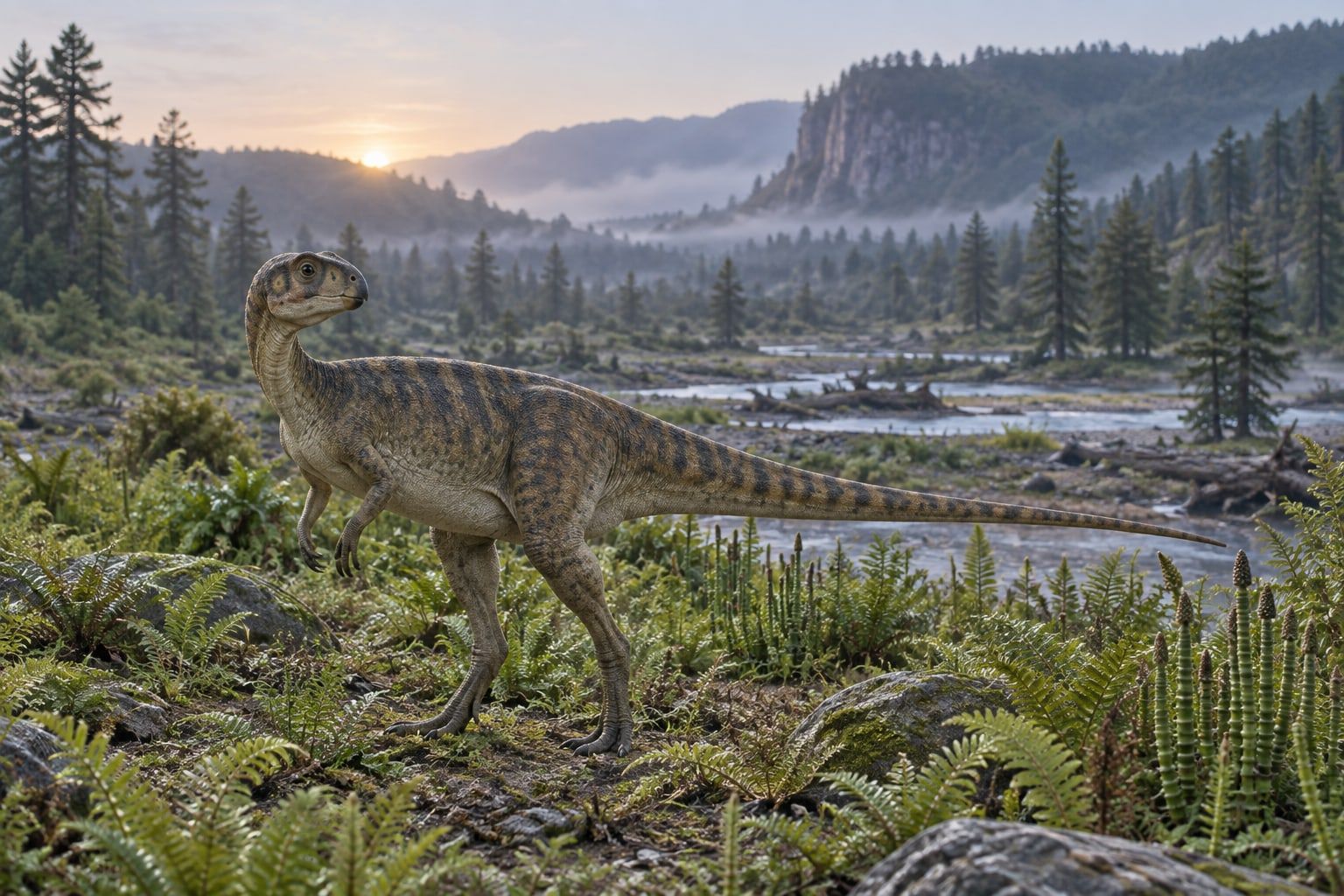
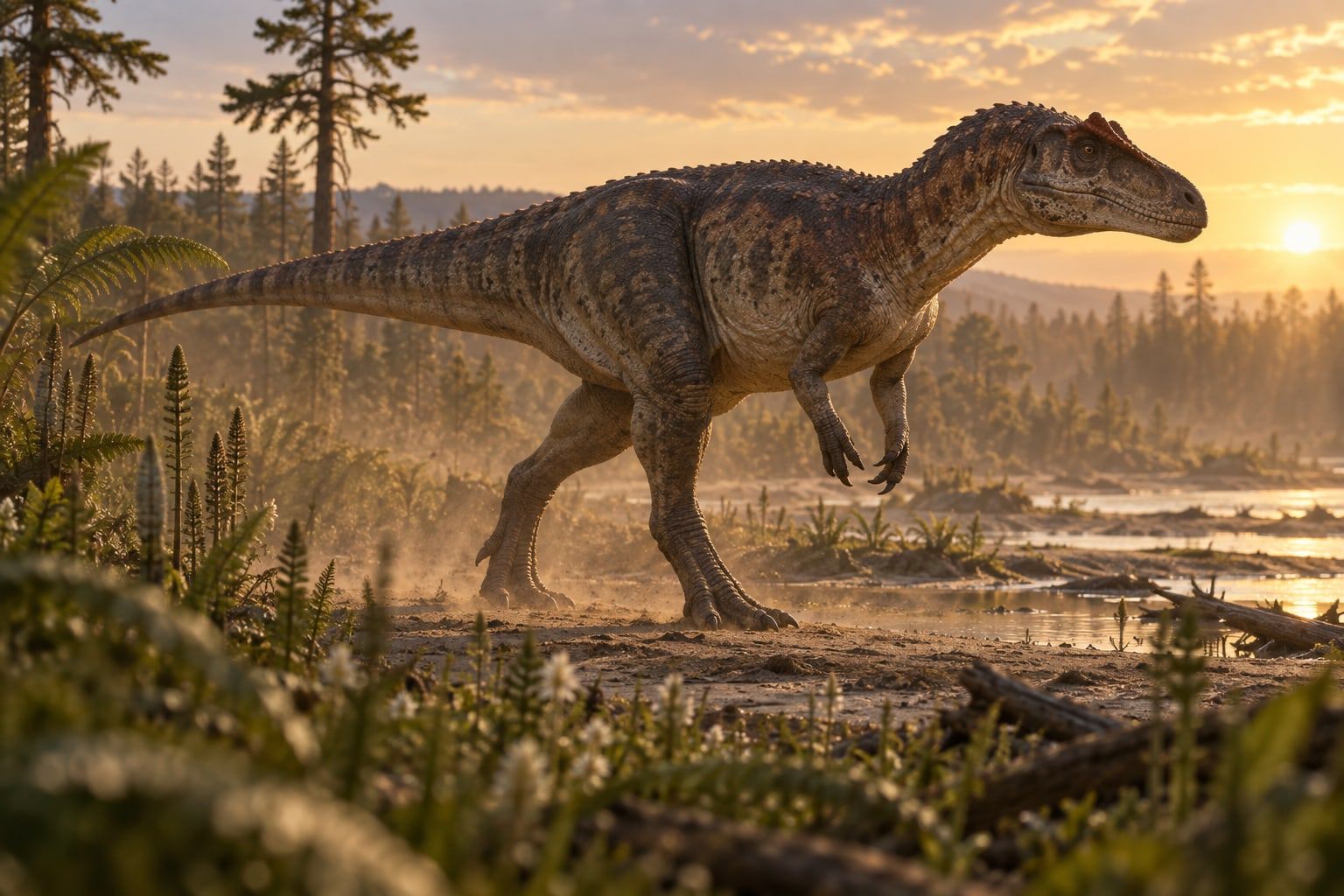
It lived about 143 to 120 million years ago, in the Early Cretaceous, in what is now England and Spain, with more finds reported from Belgium, France, Portugal and Romania. In England it shared the land with Iguanodon, the fish-eating Baryonyx, the armored Polacanthus and the hunters Neovenator and Eotyrannus.
How it was found
Its skeletons were first called a species of Iguanodon. Paul gave them their own genus in 2007, naming it after the pioneer who first described Iguanodon. Several nearly complete skeletons are known.
Lived alongside
Found in the same rock formations
Close relatives
Other members of Iguanodontia
Sources: WikidataNamed in: G. S. Paul. 2007. Turning the old into the new: a separate genus for the gracile iguanodont from the Wealden of England. Horns and Beaks: Ceratopsian and Ornithopod Dinosaurs