Outline: a typical theropod
Vallibonavenatrix
"Vallibona huntress"
- Lived
- 126 to 121 million years ago, Early Cretaceous
- Diet
- Carnivore
- Group
- Theropods, Spinosauridae
- Found in
- Spain
- Named by
- Malafaia et al. 2019
Where its fossils were found
The evidence
Today
125 million years ago
Field notes
About Vallibonavenatrix
What it was like
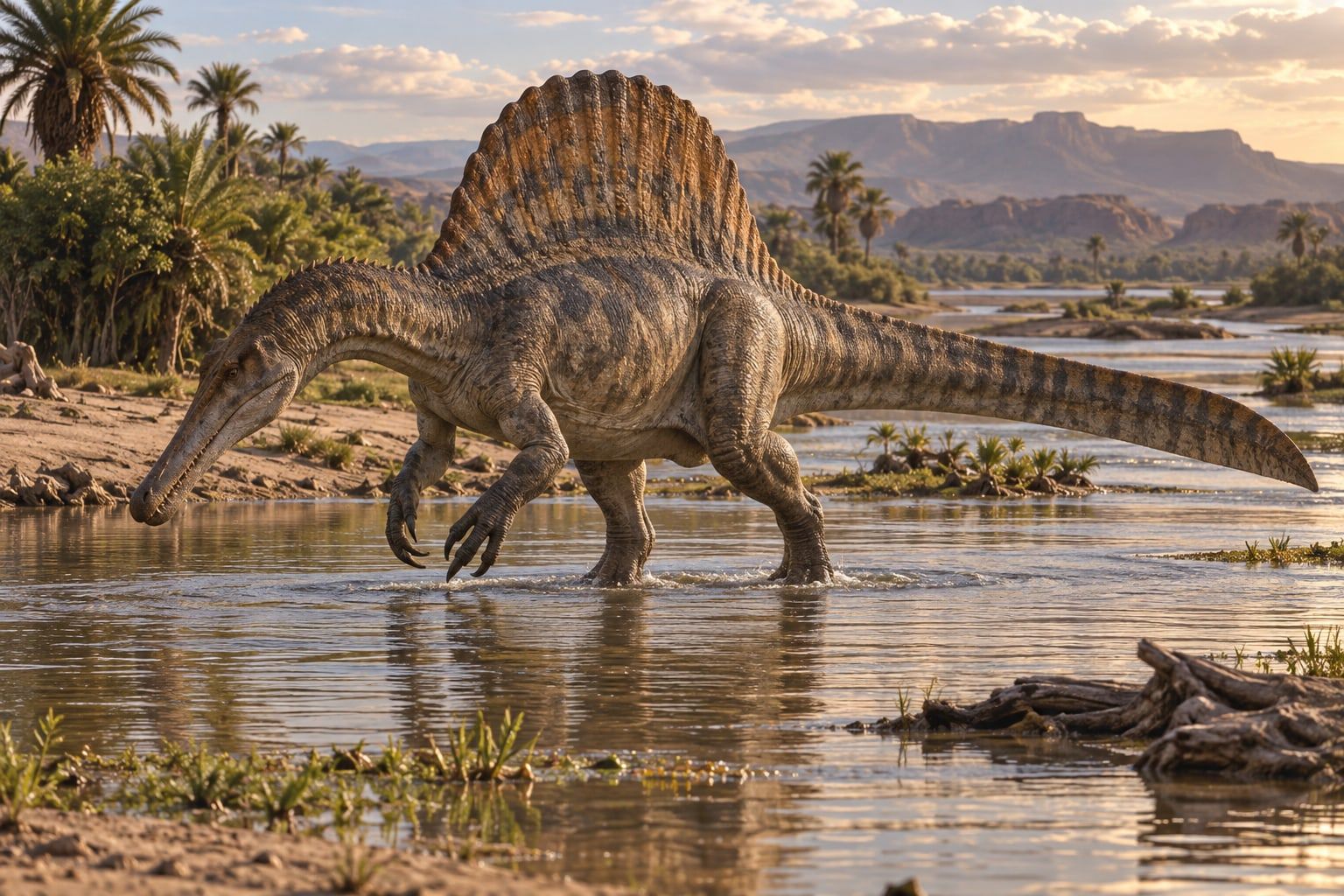
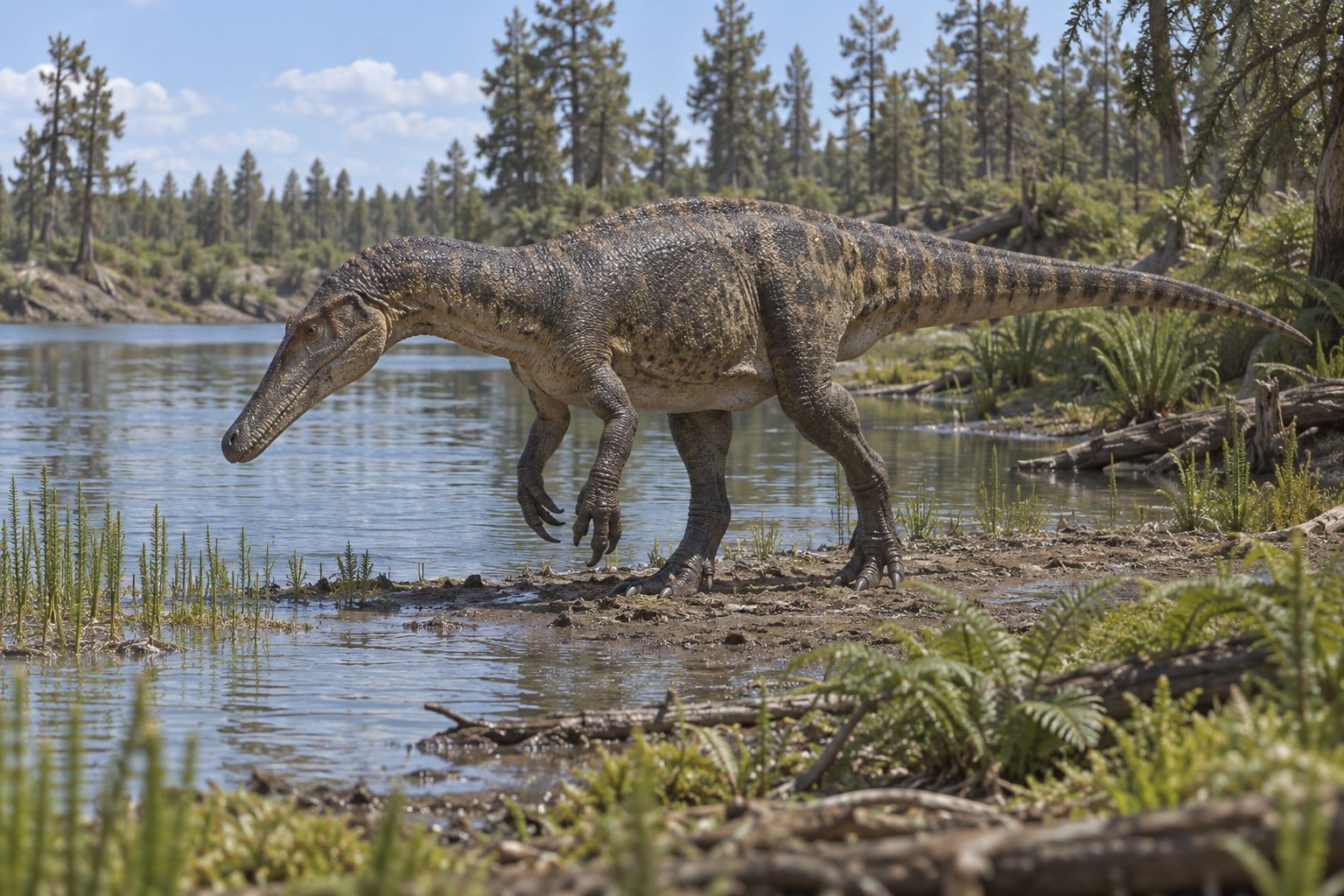
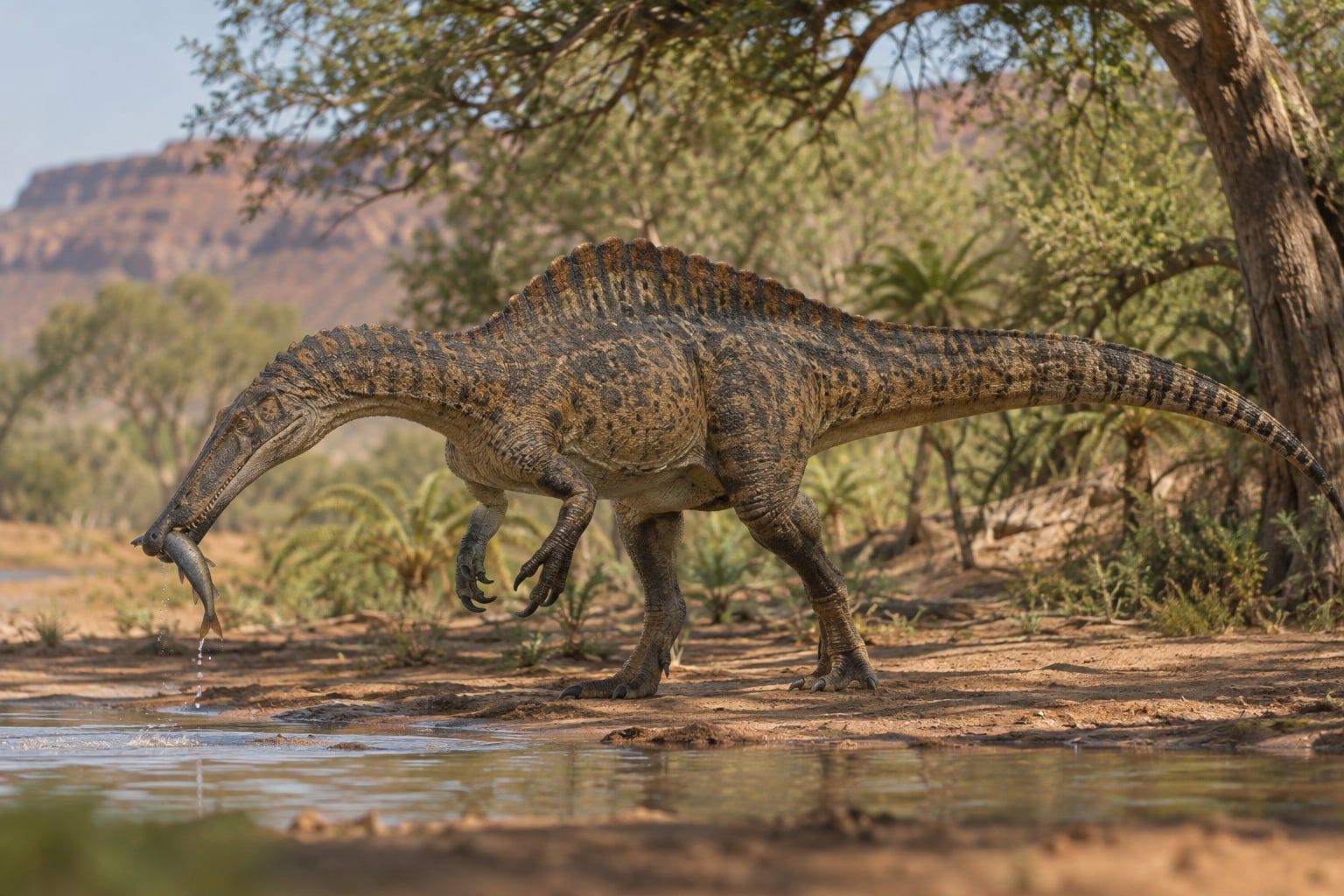
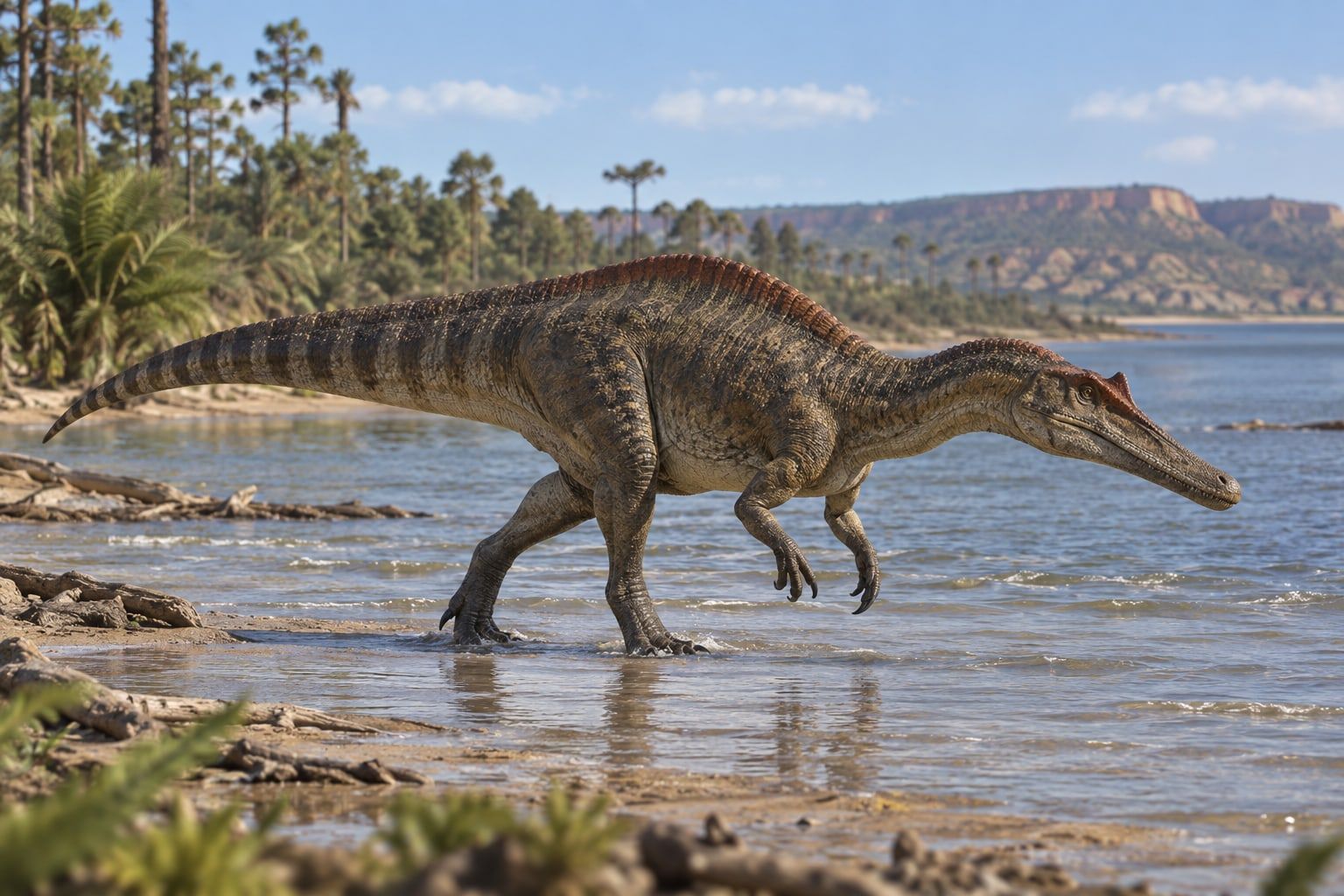
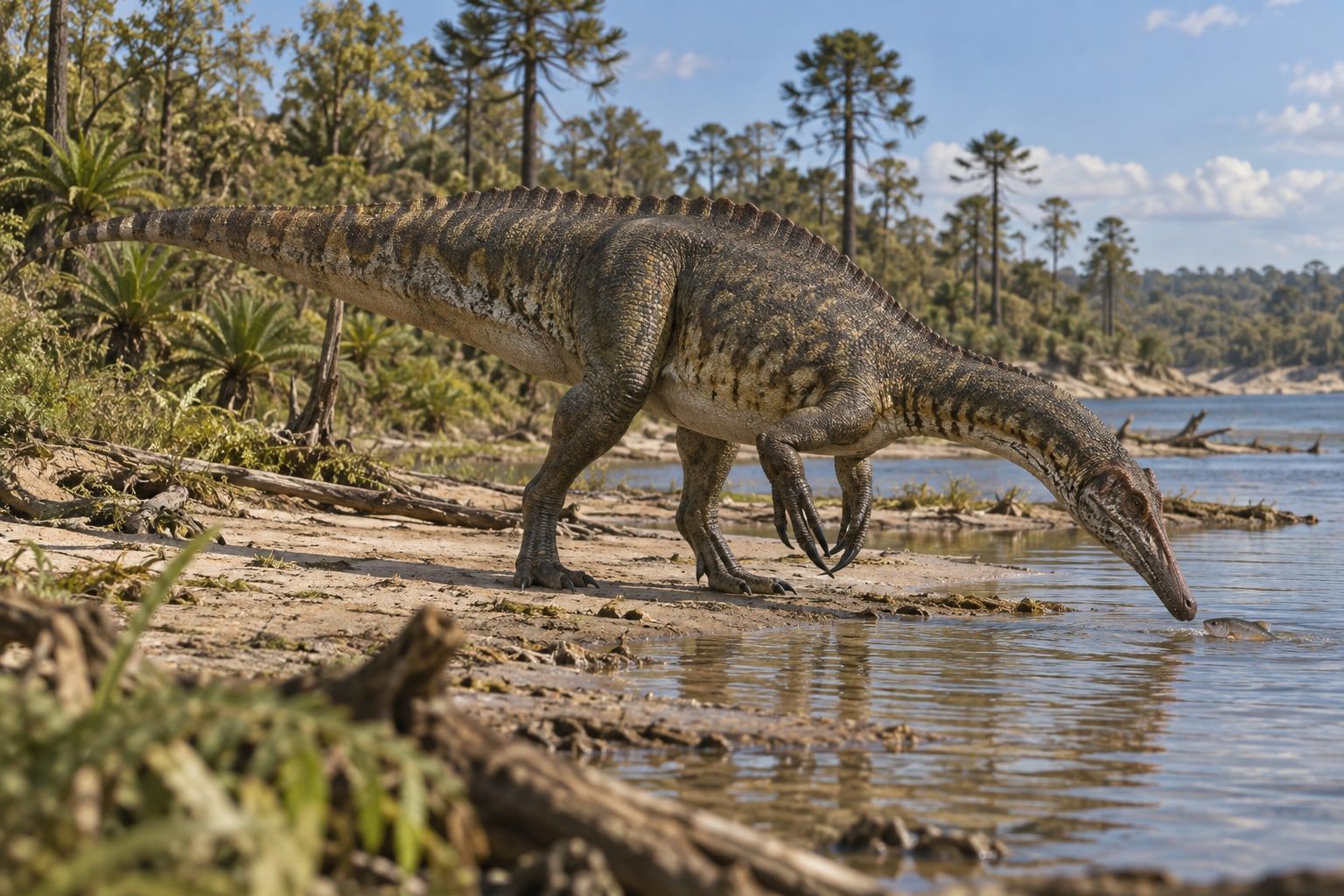
Vallibonavenatrix was a spinosaur, a large meat eater with a long, narrow snout. It is known only from a partial skeleton, and it belonged to the same branch of the family as Baryonyx.
Like its relatives it probably hunted fish and other prey near water.
Its world
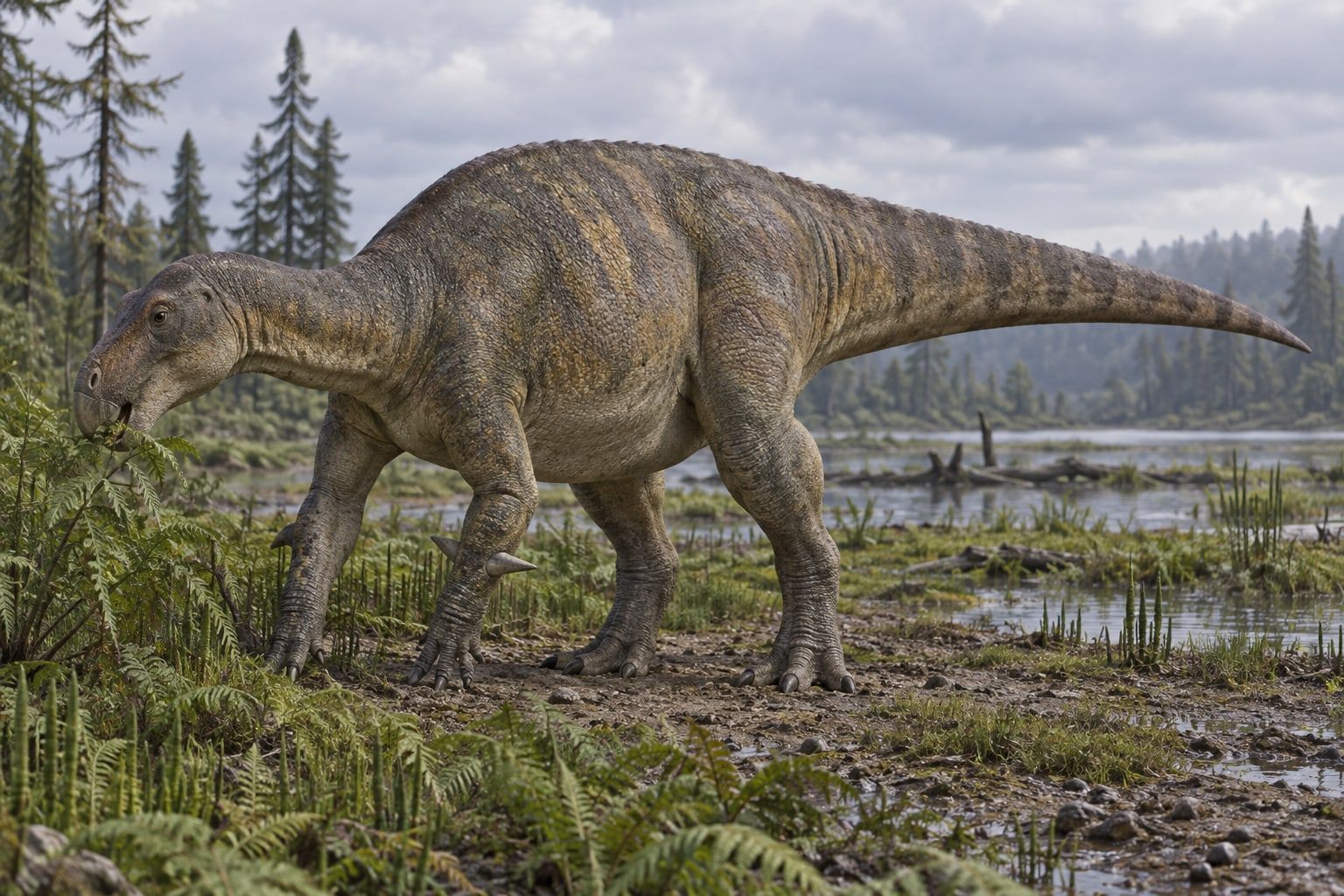
It lived about 126 to 121 million years ago, in the Early Cretaceous, in what is now eastern Spain. Its bones come from the Arcillas de Morella Formation, where it shared the land with the plant eaters Iguanodon, Mantellisaurus and Morelladon, the armored Polacanthus and another spinosaur, Protathlitis.
How it was found
Malafaia and colleagues named Vallibonavenatrix in 2019, from a single find.
Lived alongside
Found in the same rock formations
Close relatives
Other members of Spinosauridae
Sources: WikidataNamed in: E. Malafaia, J. M. Gasulla, and F. Escaso, i. Narváez, J. L. Sanz, F. Ortega. 2019. A new spinosaurid theropod (Dinosauria: Megalosauroidea) from the late Barremian of Vallibona, Spain: Implications for spinosaurid diversity in the Early Cretaceous of the Iberian Peninsula. Cretaceous Research