Protathlitis
"champion"
Type species Protathlitis cinctorrensis
- Lived
- 126 to 121 million years ago, Early Cretaceous
- Diet
- Carnivore
- Group
- Theropods, Spinosauridae
- Found in
- Spain
- Named by
- Santos-Cubedo et al. 2023
Where its fossils were found
The evidence
Today

125 million years ago
Habitat
Its home included delta floodplains, estuaries and beaches. Iguanodon, Morelladon and Vallibonavenatrix lived in the region.
Field notes
About Protathlitis
What it was like
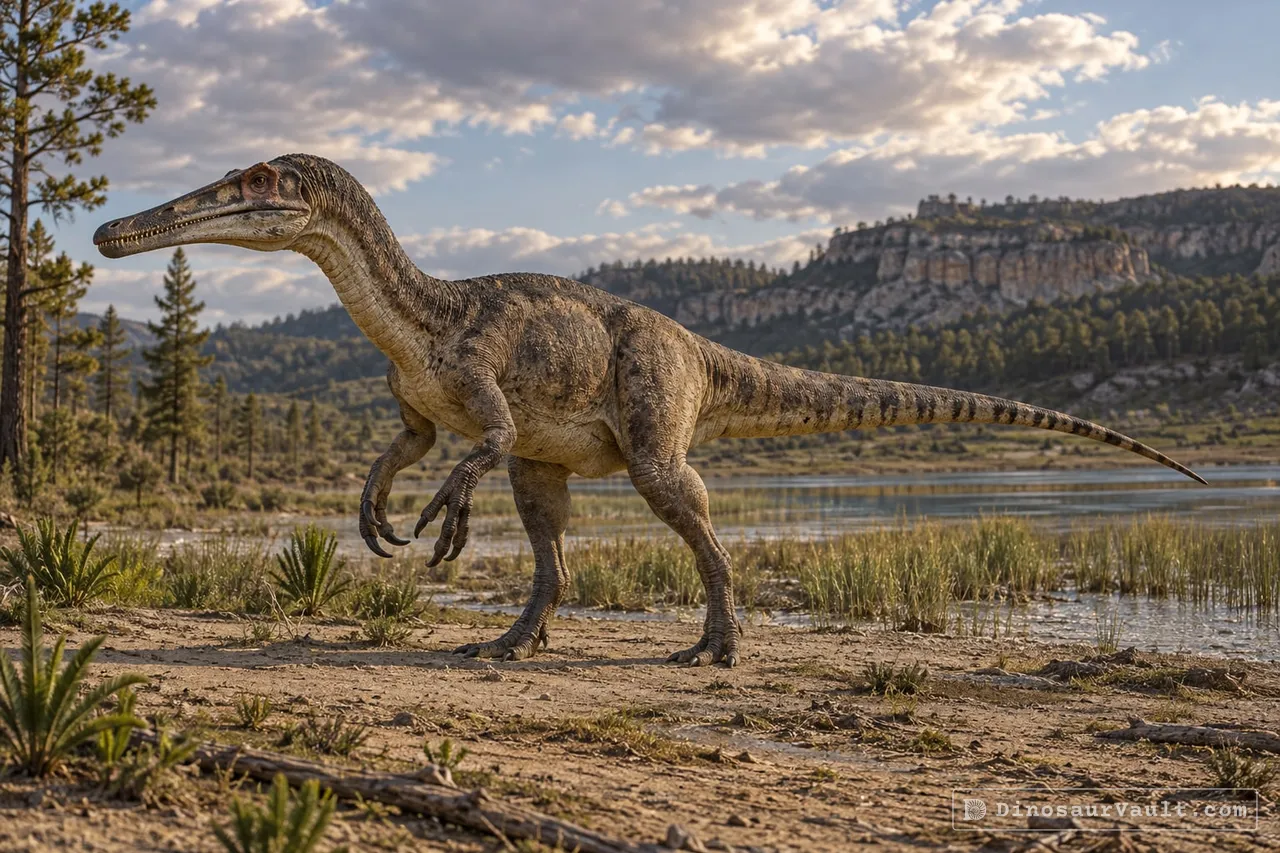
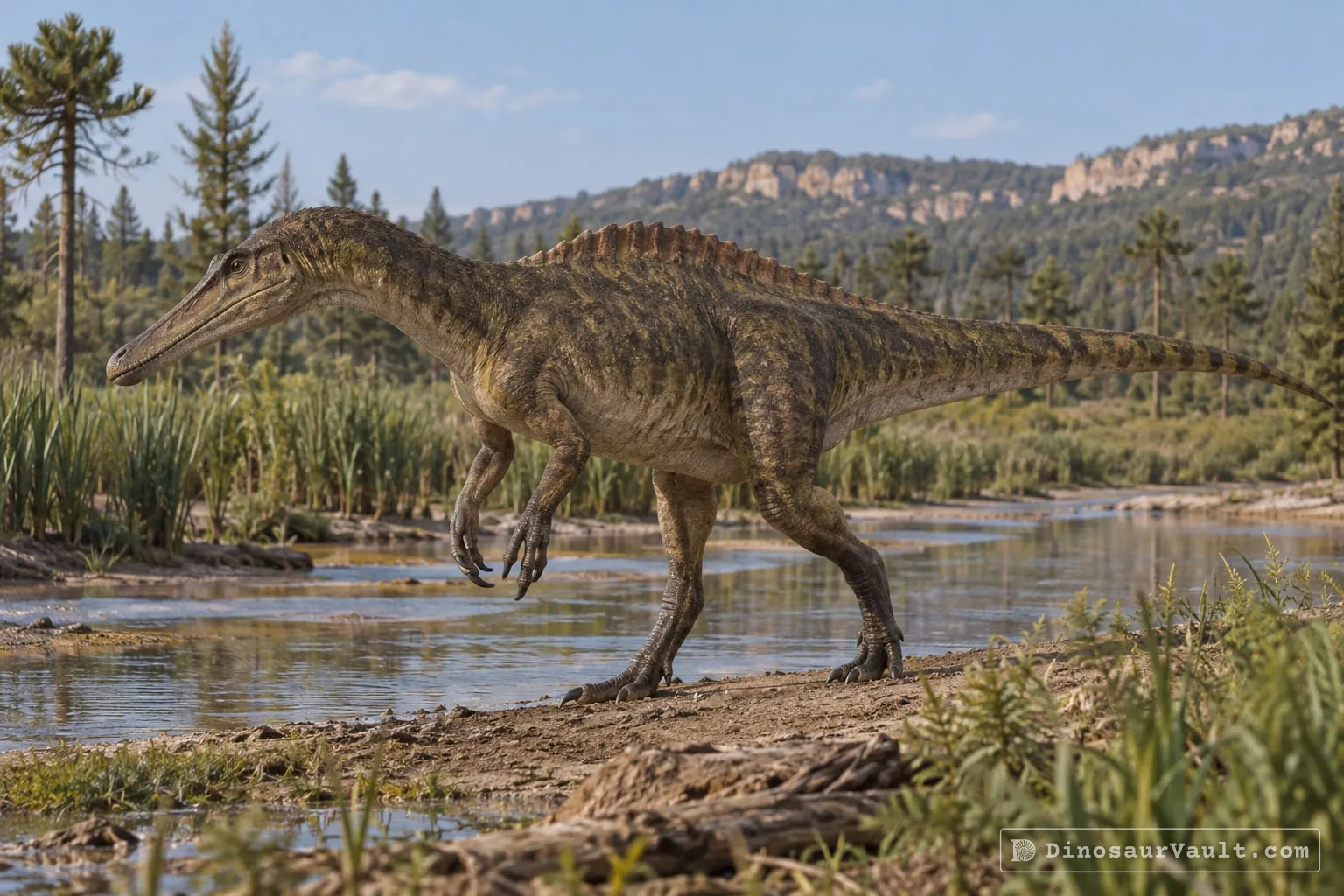
Protathlitis was a spinosaur, a predator with a long, low snout that probably caught fish as well as other prey. It is known from a few bones, and some scientists doubt that they all belong to the same animal.
Its world
It lived in the Early Cretaceous in what is now Spain. Its bones come from the Arcillas de Morella Formation, where it lived alongside Iguanodon, the plant eater Morelladon and another spinosaur, Vallibonavenatrix.
How it was found
Santos-Cubedo and colleagues named it in 2023. The type species is Protathlitis cinctorrensis.
Field gallery
More views of Protathlitis
Scenes reconstructed from the available fossil evidence.
Lived alongside
Found in the same rock formations
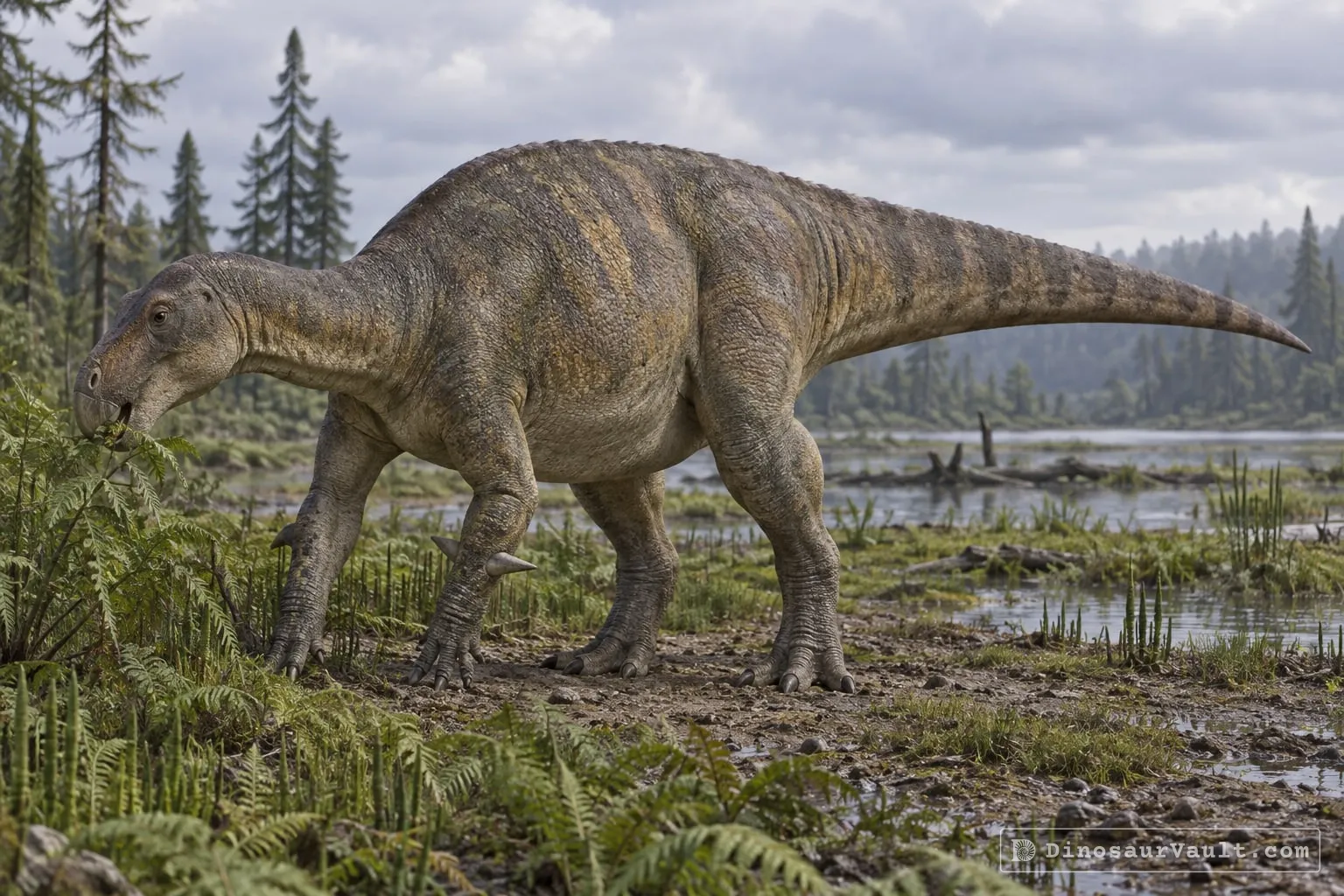
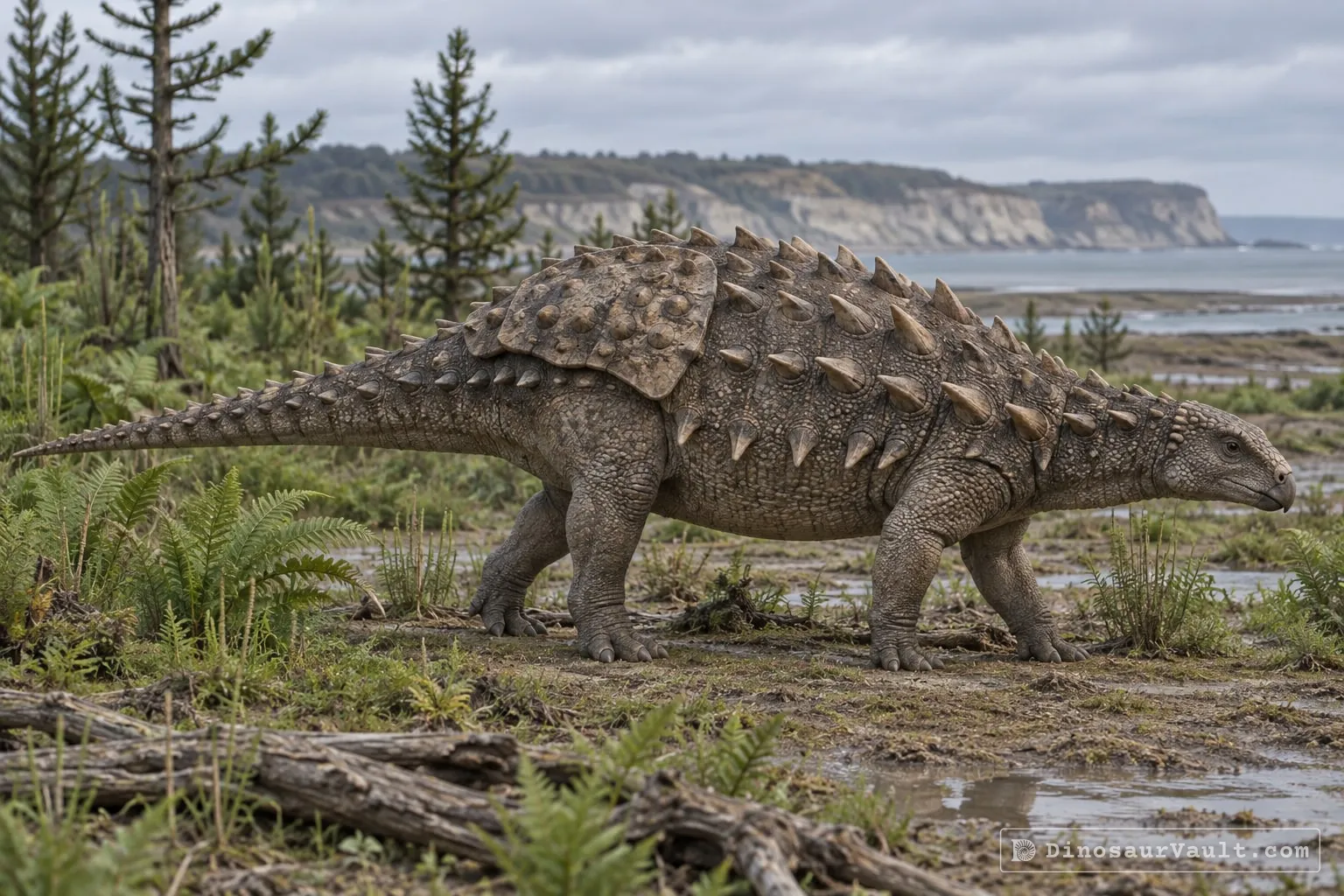
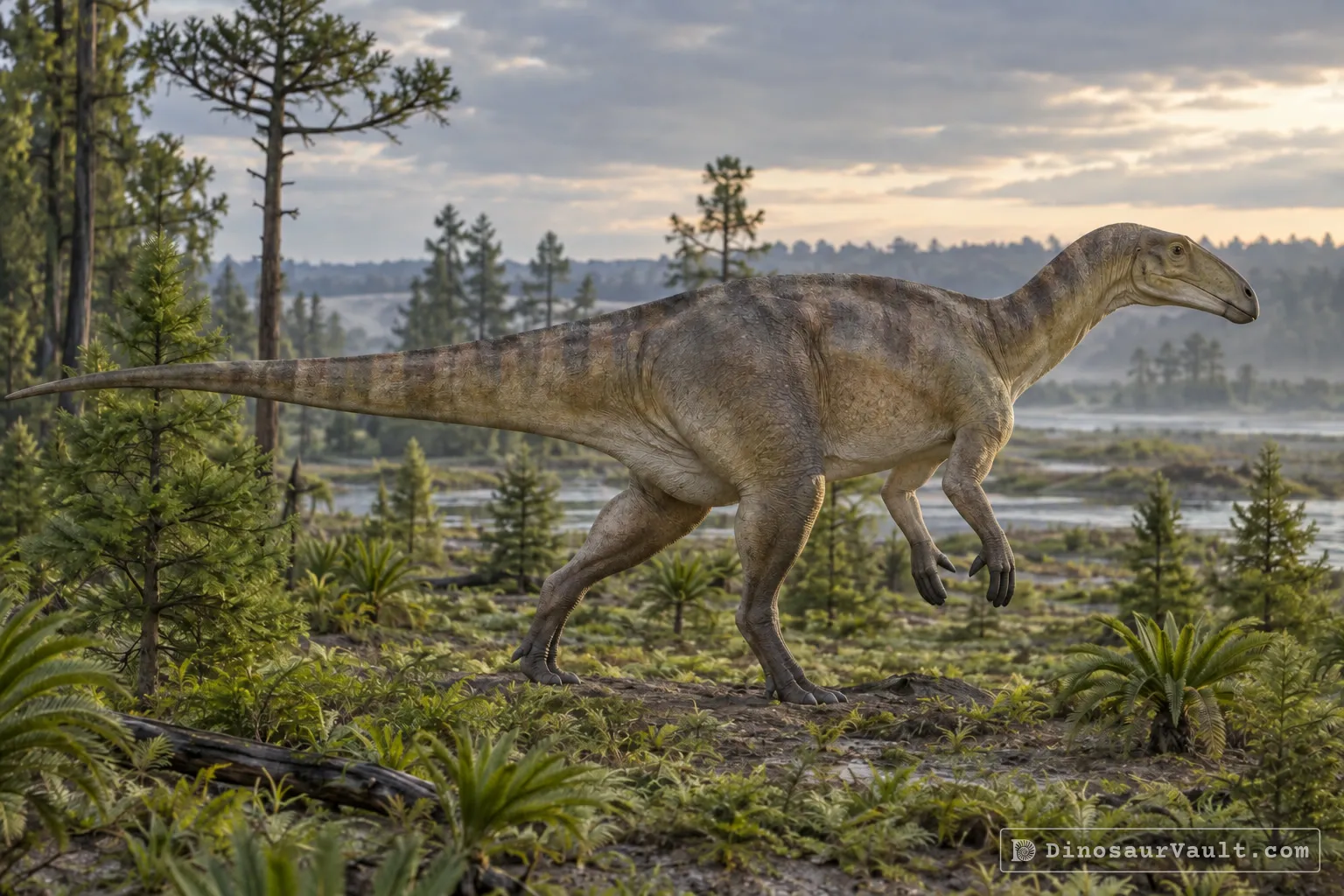
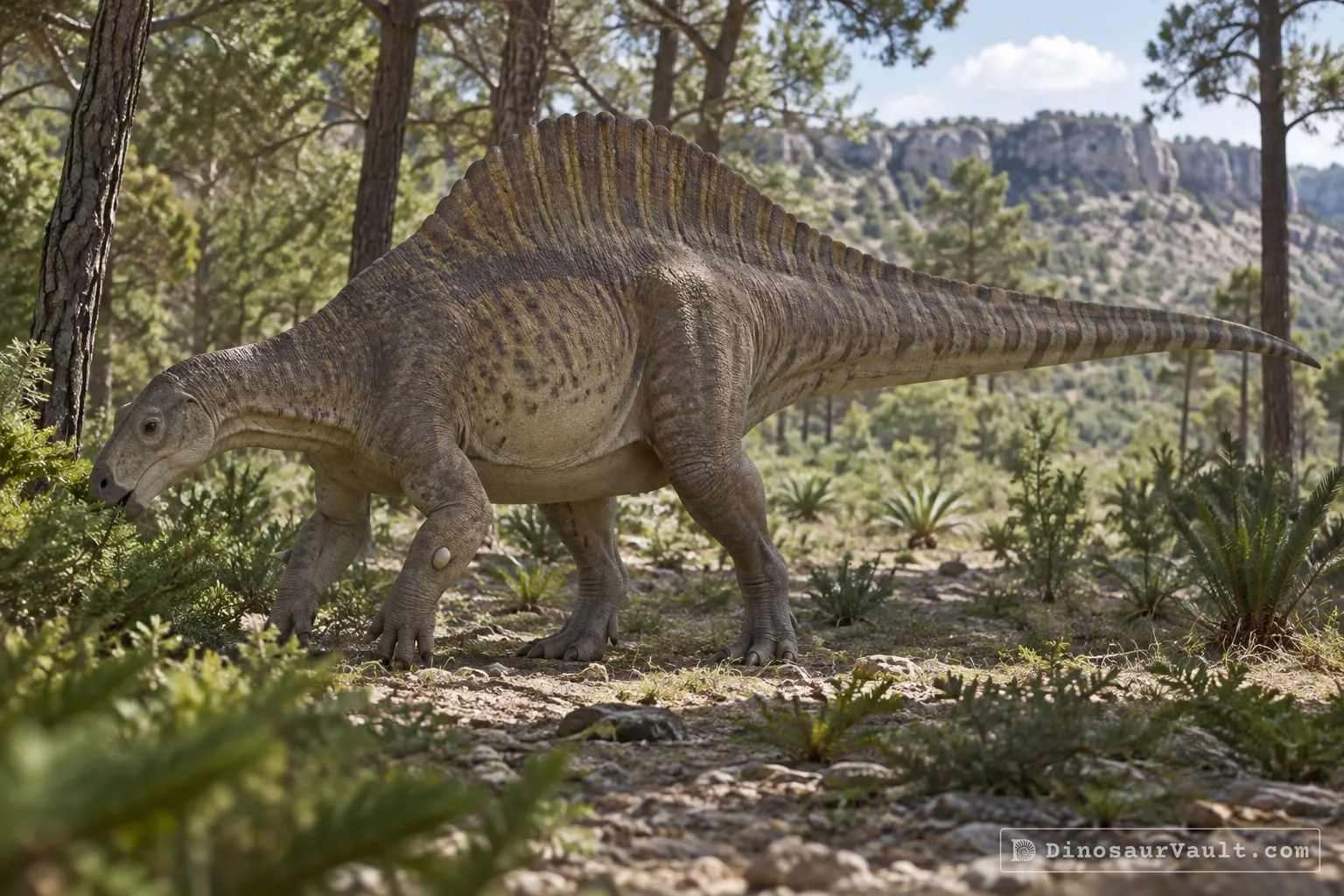
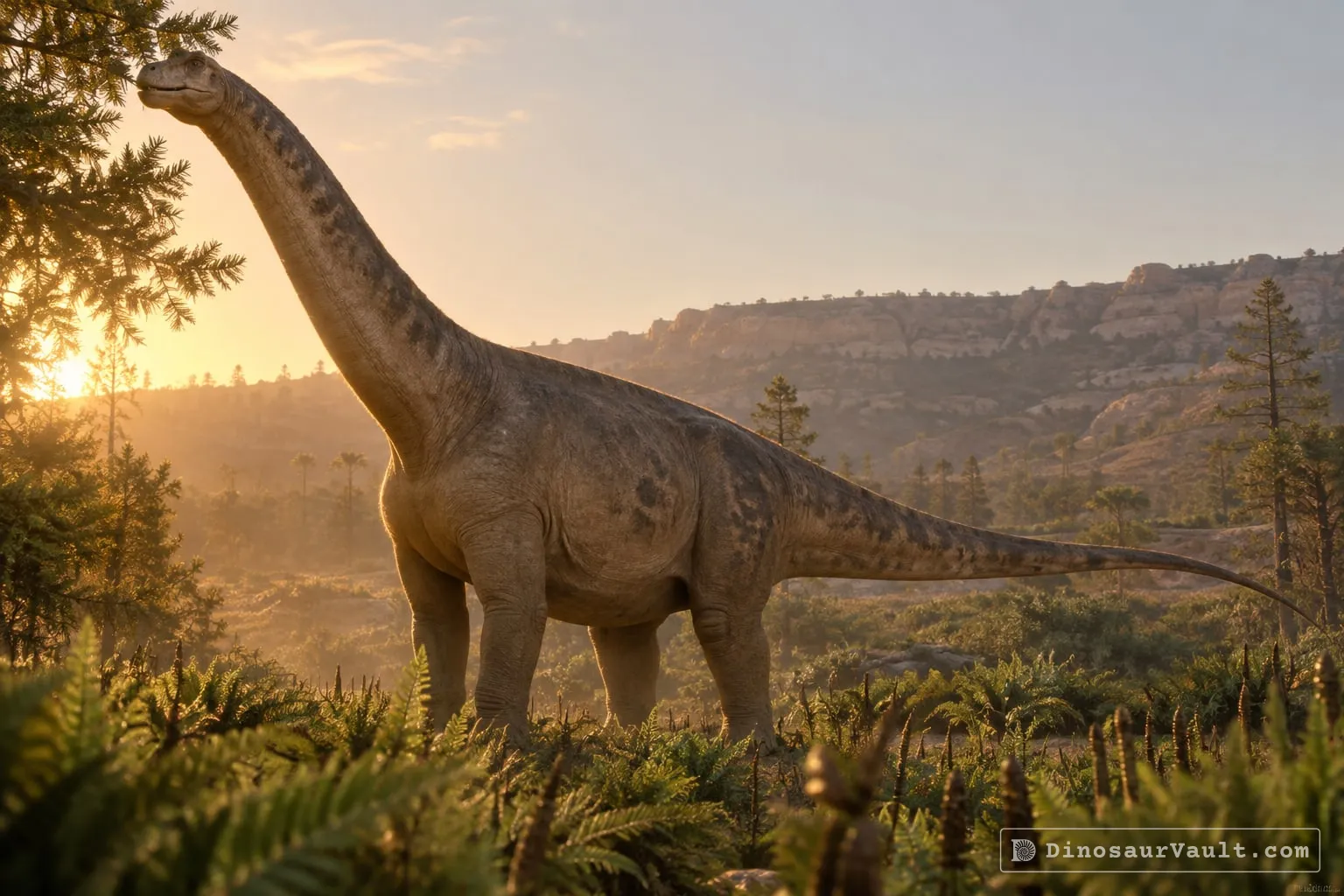


A rock formation can hold fossils laid down millions of years apart, so not every animal here met Protathlitis.
The evidence
The science behind Protathlitis
Which parts of the picture come from its own bones, and which come from its relatives.
From its own fossils
- The original material consists of part of an upper jaw and several tail vertebrae.
- The jaw fragment preserves tooth sockets and a deep recess beside the opening in front of the eye.
Borrowed from relatives
- The proposed long-snouted body shape follows Baryonyx and other spinosaurs rather than a complete Protathlitis skeleton.
Still unknown
- Whether the jaw and tail bones belong to the same kind of dinosaur.
- Whether Protathlitis is a distinct spinosaur at all.
- The shape of its limbs, back and complete skull.
Discovery timeline
- 2015Same rocksGasulla et al.
- 2023Named itSantos-Cubedo et al.
- 2025Family treeRauhut, Canudo & Castanera
Key papers
The research behind what we know of Protathlitis
Same rocks
Described the sail-backed plant eater Morelladon from the same formation, alongside Iguanodon and Mantellisaurus.
A New Sail-Backed Styracosternan (Dinosauria: Ornithopoda) from the Early Cretaceous of Morella, Spain. PLOS ONE 10: e0144167
Read the paper : A New Sail-Backed Styracosternan (Dinosauria: Ornithopoda) from the Early Cretaceous of Morella, Spain (opens in a new tab)Named it
Named Protathlitis from a jaw fragment and tail vertebrae, interpreting it as a relative of Baryonyx.
A new spinosaurid dinosaur species from the Early Cretaceous of Cinctorres (Spain). Scientific Reports 13
Read the paper : A new spinosaurid dinosaur species from the Early Cretaceous of Cinctorres (Spain) (opens in a new tab)Family tree
Questioned the spinosaur identity of Protathlitis and suggested its jaw and tail bones may represent different animals.
Revision of the theropod dinosaur Camarillasaurus cirugedae from the Early Cretaceous (Barremian) of Teruel province, Spain. Palaeontologia Electronica
Read the paper : Revision of the theropod dinosaur Camarillasaurus cirugedae from the Early Cretaceous (Barremian) of Teruel province, Spain (opens in a new tab)
Close relatives
Other members of Spinosauridae


Sources: Wikidata