Menucocelsior
Type species Menucocelsior arriagadai
- Lived
- 72 to 66 million years ago, Late Cretaceous
- Diet
- Herbivore
- Group
- Sauropods
- Found in
- Argentina
- Named by
- Aranciaga Rolando et al. 2022
Where its fossils were found
The evidence
Today

70 million years ago
Habitat
Shallow waterways crossed the landscape preserved in the Allen Formation of Argentina. Rocasaurus, Aeolosaurus and Bonapartenykus also lived in these rocks.
Field notes
About Menucocelsior
What it was like
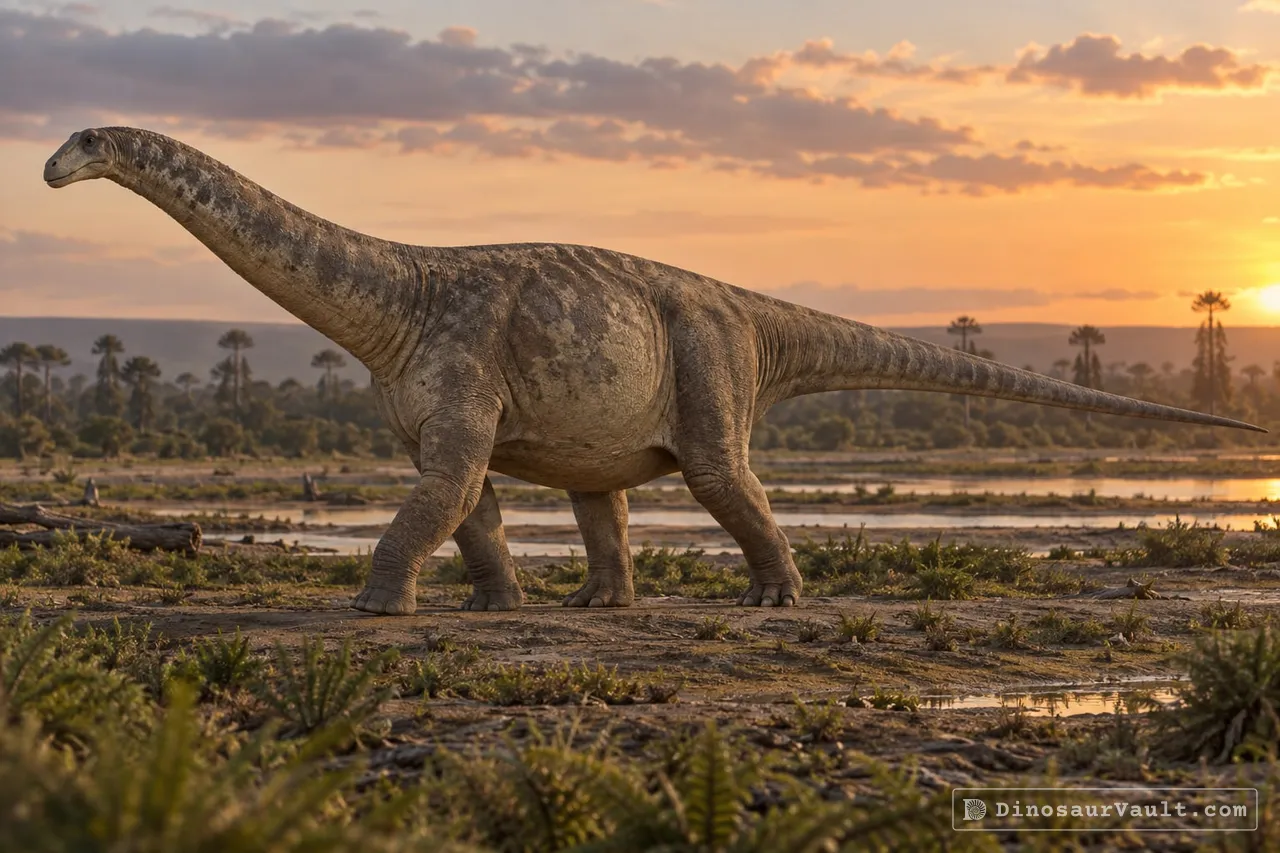
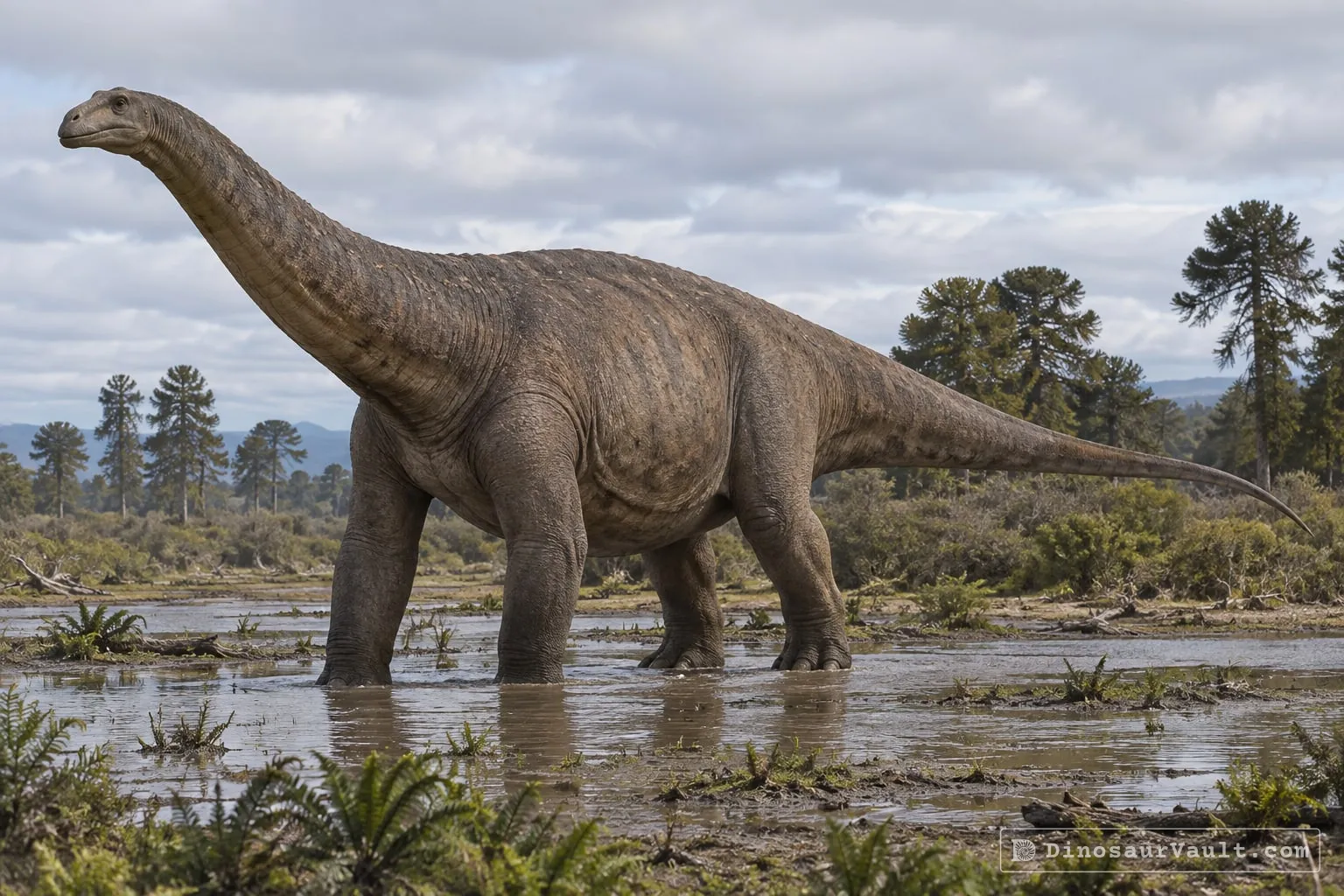
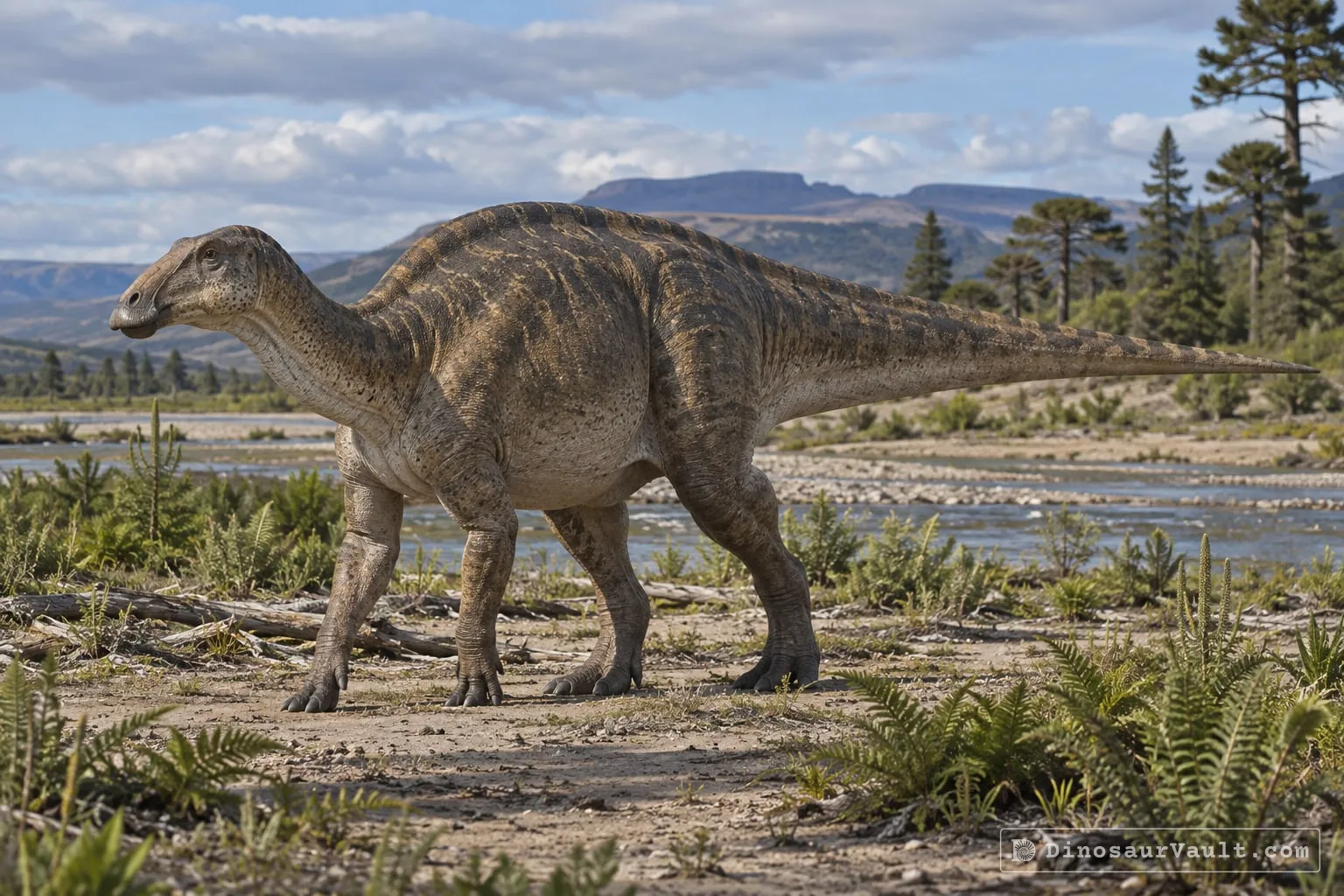
Menucocelsior was a medium-sized titanosaur, a long-necked plant eater. It is known from part of the skeleton.
Its world
It lived about 72 to 66 million years ago, near the end of the Cretaceous, in what is now Argentina. It comes from the Allen Formation, where it shared the land with the long-snouted hunter Austroraptor, the abelisaur Abelisaurus and the titanosaurs Aeolosaurus and Neuquensaurus.
How it was found
Aranciaga Rolando and colleagues named Menucocelsior in 2022. The type species is Menucocelsior arriagadai.
Field gallery
More views of Menucocelsior
Scenes reconstructed from the available fossil evidence.
1 of 3
Lived alongside
Found in the same rock formations
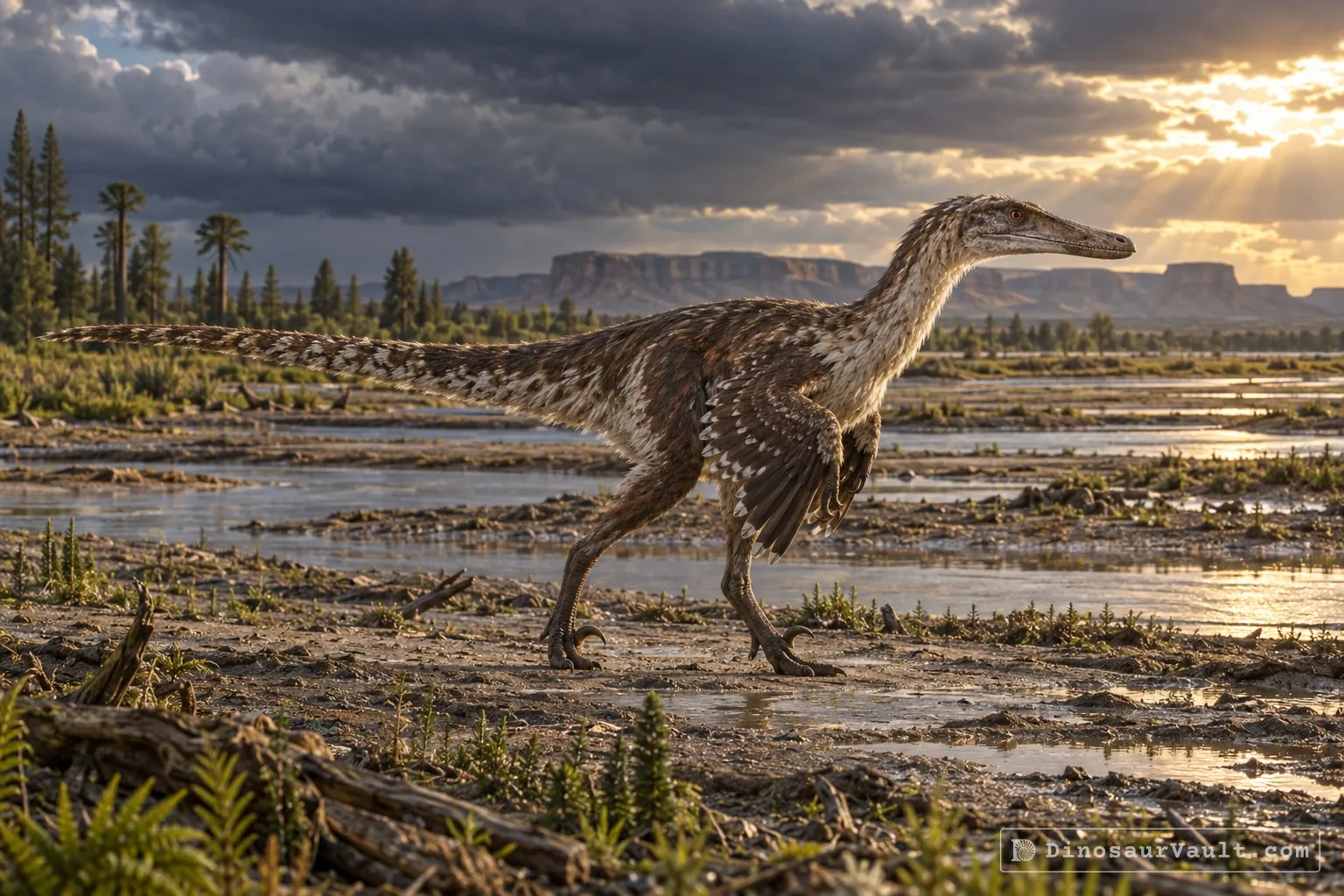
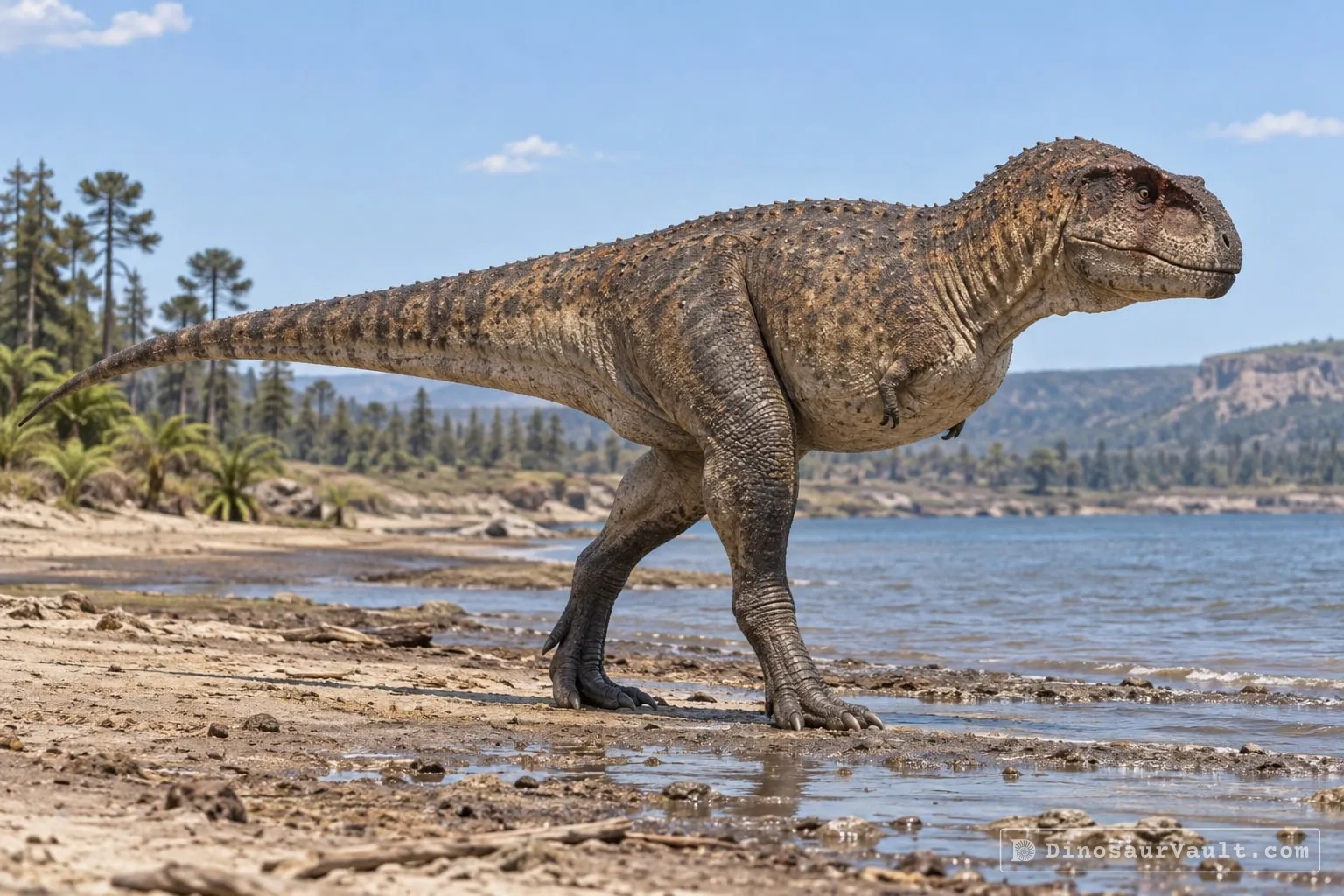
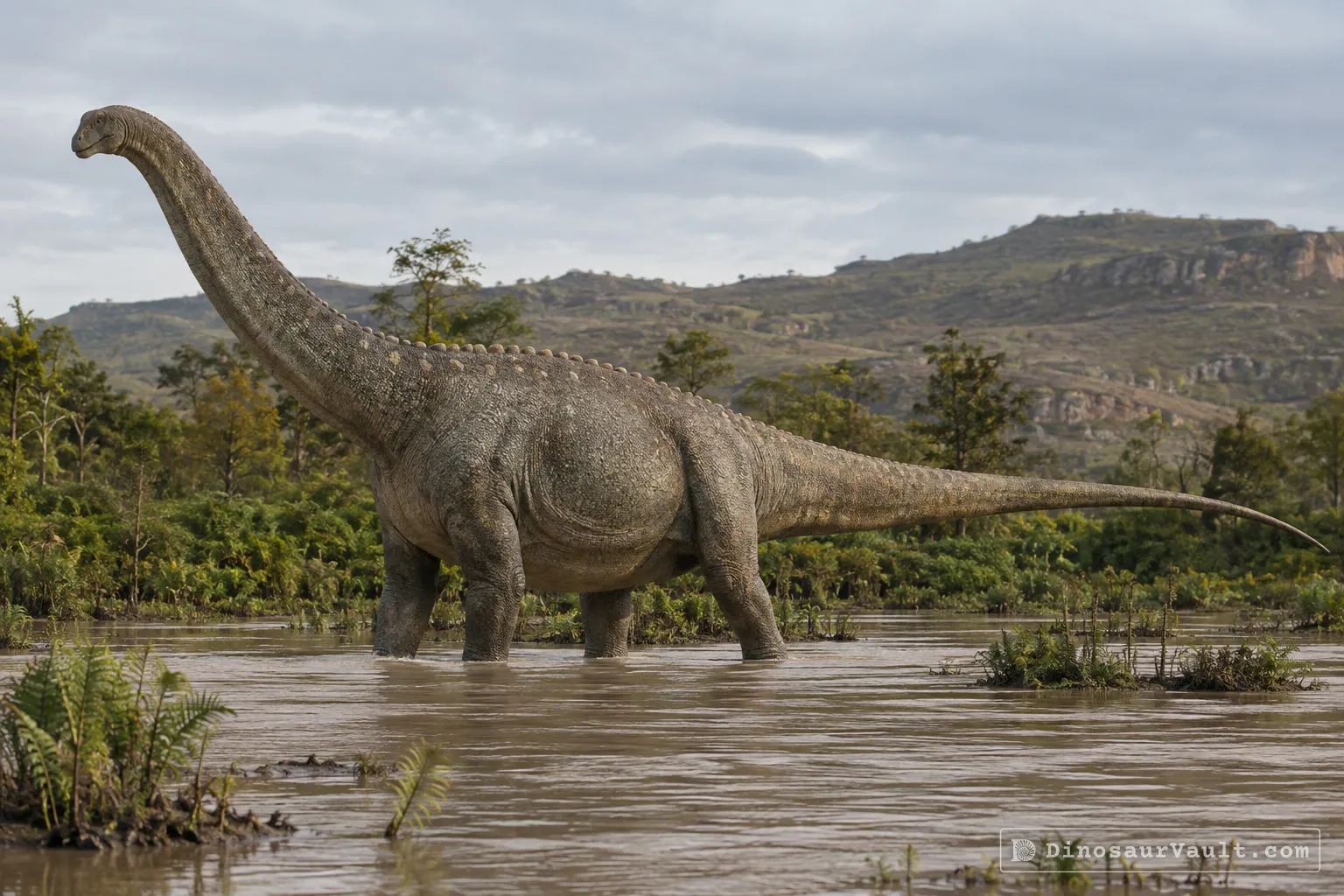
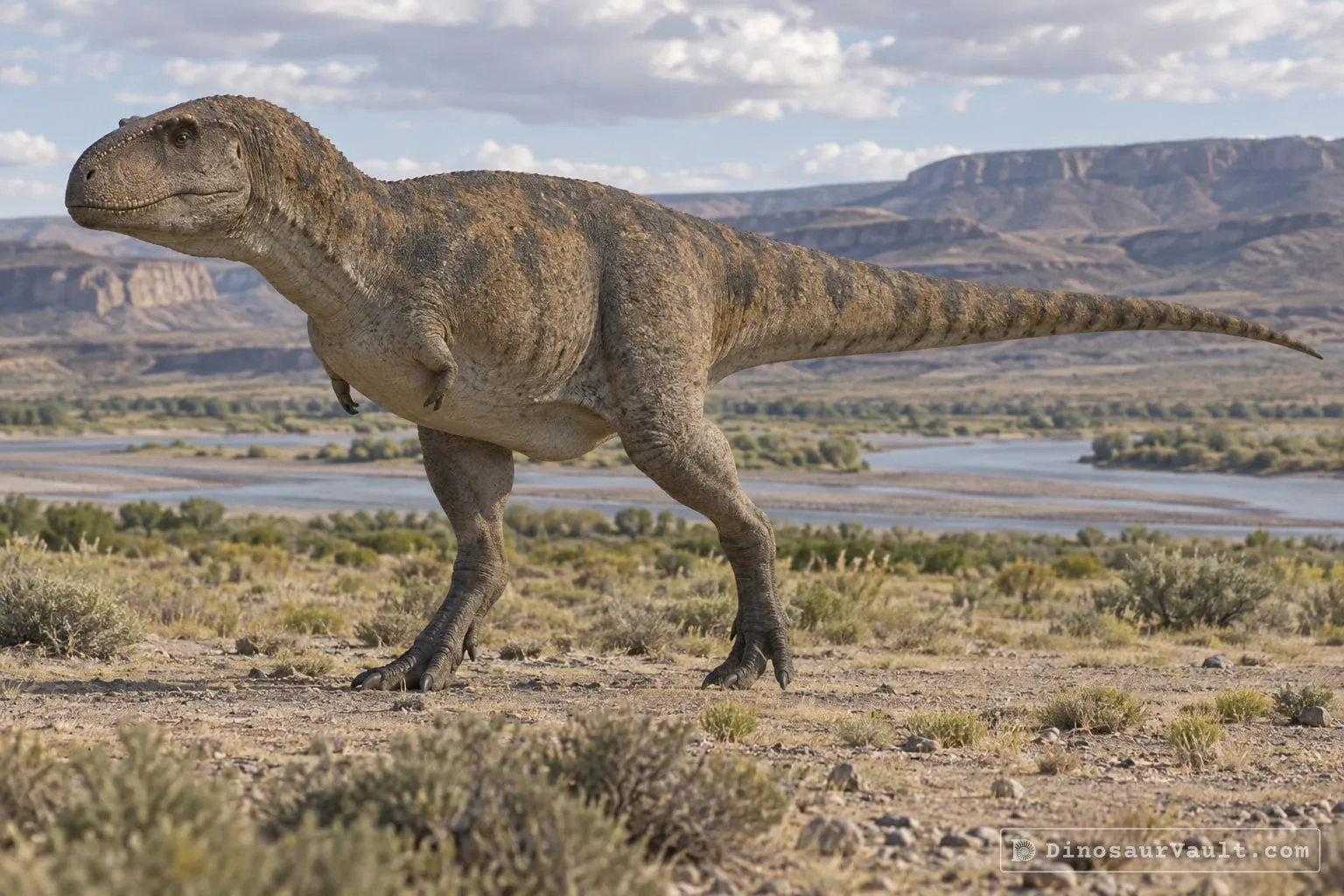
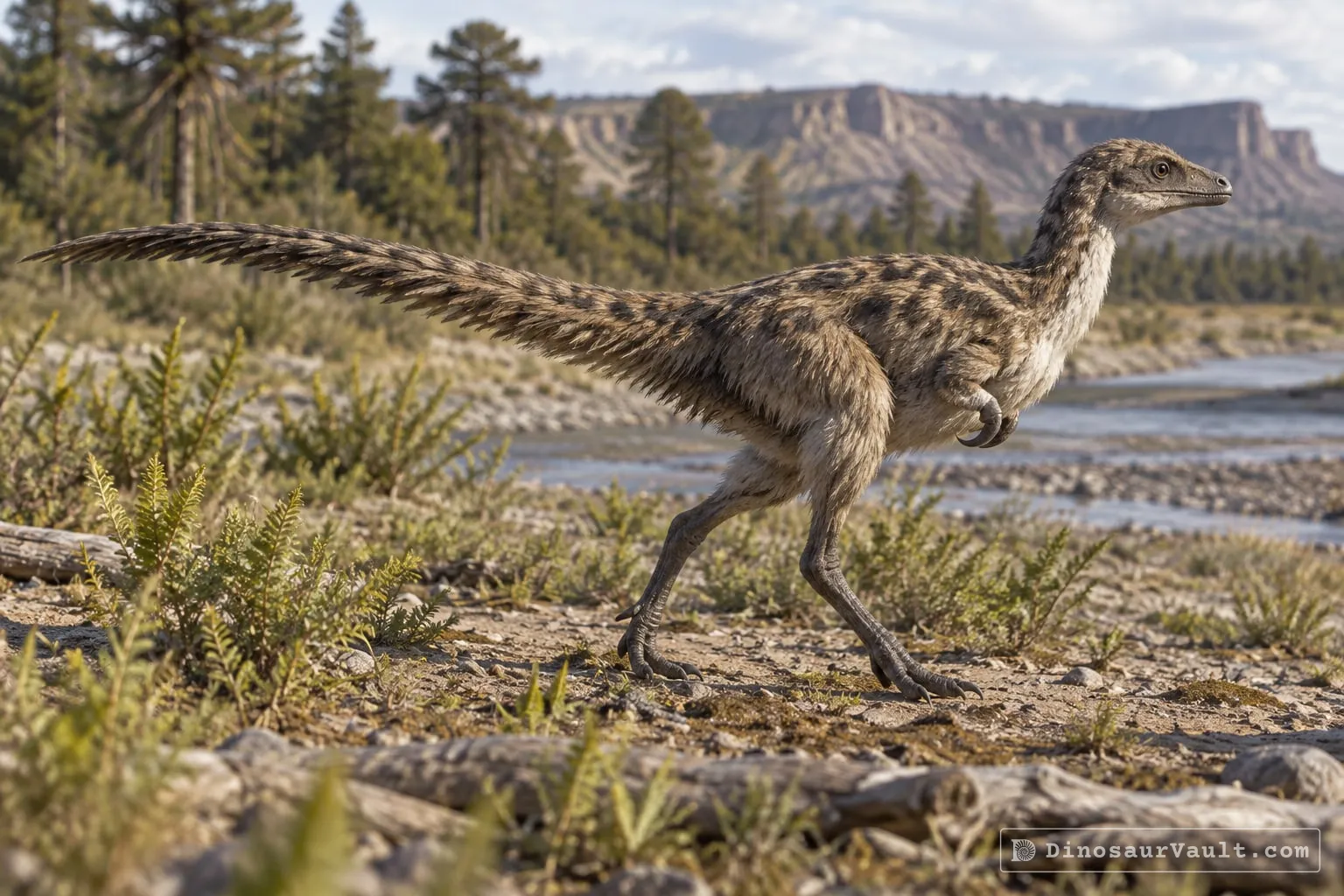
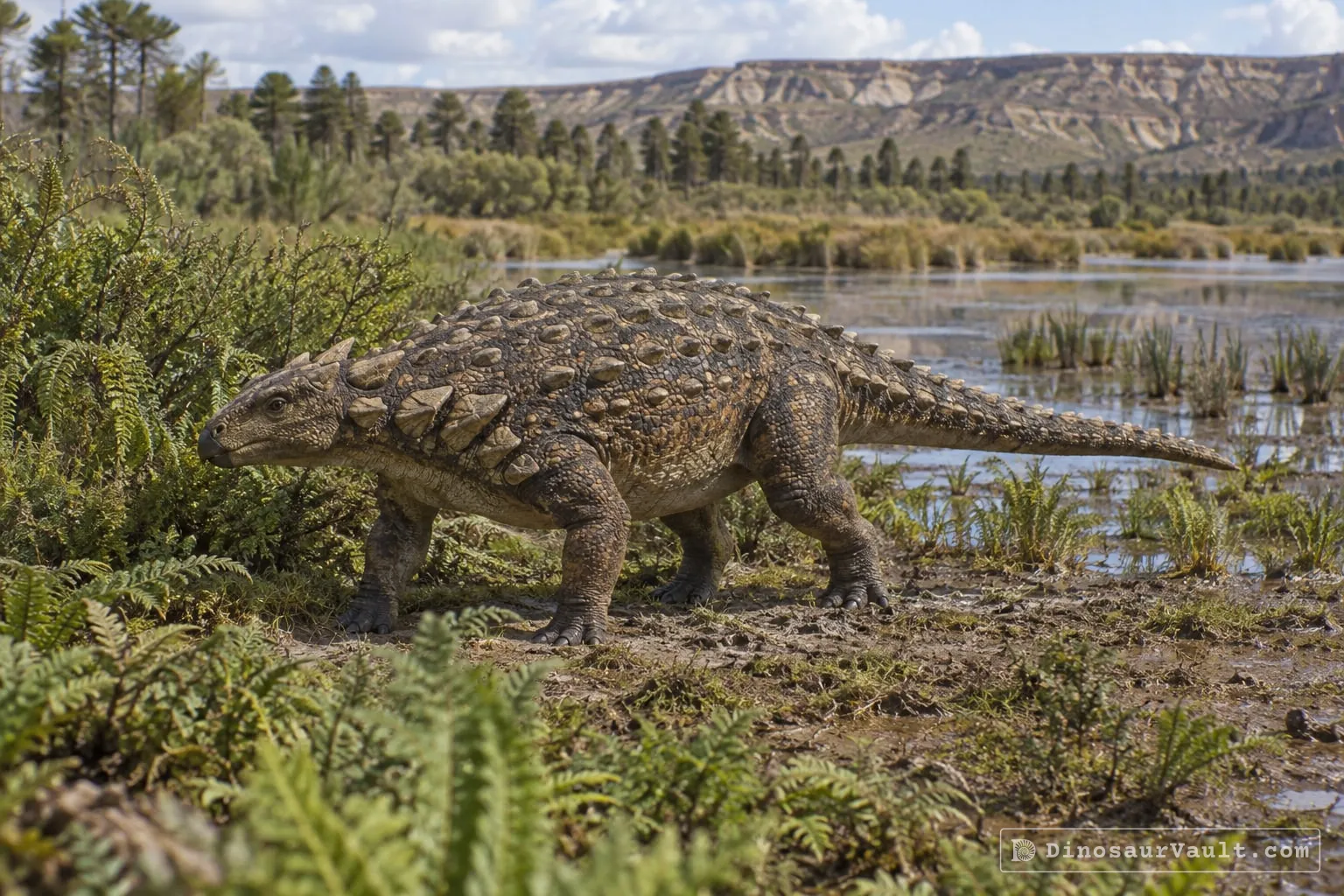


A rock formation can hold fossils laid down millions of years apart, so not every animal here met Menucocelsior.
The evidence
The science behind Menucocelsior
Which parts of the picture come from its own bones, and which come from its relatives.
From its own fossils
- One associated skeleton preserves a series of tail vertebrae, a right upper arm bone, a left lower leg bone and part of a foot or hand bone.
- Its tail joints have deep sockets at the front and rounded ends at the back.
- The upper arm bone is stout and straight, with only slightly widened ends, and the lower leg bone is short and sturdy.
Borrowed from relatives
- The missing head is restored from titanosaurs with known skulls such as Tapuiasaurus.
- The neck and trunk are restored using better-preserved titanosaurs such as Mnyamawamtuka.
Still unknown
- The shape of its skull and teeth, and its color.
- Whether it carried bony plates in its skin. Loose armor plates from the same site were not found with its skeleton.
- Its exact place among the advanced titanosaurs.
Discovery timeline
- 2007Same rocksSalgado et al.
- 2012Same rocksAgnolin et al.
- 2022Named itRolando et al.
- 2026Same rocksBellardini et al.
Key papers
The research behind what we know of Menucocelsior
Same rocks
Described dinosaur eggs and eggshells from the Allen Formation, including shells assigned to titanosaurs.
Upper Cretaceous dinosaur nesting sites of Río Negro (Salitral Ojo de Agua and Salinas de Trapalcó-Salitral de Santa Rosa), northern Patagonia, Argentina. Cretaceous Research 28: 392-404
Read the paper : Upper Cretaceous dinosaur nesting sites of Río Negro (Salitral Ojo de Agua and Salinas de Trapalcó-Salitral de Santa Rosa), northern Patagonia, Argentina (opens in a new tab)Same rocks
Named Bonapartenykus from a partial skeleton associated with eggs, adding a small theropod to the Allen Formation community.
New alvarezsaurid (Dinosauria, Theropoda) from uppermost Cretaceous of north-western Patagonia with associated eggs. Cretaceous Research 35: 33-56
Read the paper : New alvarezsaurid (Dinosauria, Theropoda) from uppermost Cretaceous of north-western Patagonia with associated eggs (opens in a new tab)Named it
Named Menucocelsior from tail and limb bones among an assemblage of titanosaurs with different body plans.
The sauropod record of Salitral Ojo del Agua: An Upper Cretaceous (Allen Formation) fossiliferous locality from northern Patagonia, Argentina. Cretaceous Research 129: 105029
Read the paper : The sauropod record of Salitral Ojo del Agua: An Upper Cretaceous (Allen Formation) fossiliferous locality from northern Patagonia, Argentina (opens in a new tab)Same rocks
Reported new titanosaur bones from the Allen Formation, including lower leg bones compared with those of Menucocelsior.
Sauropod resilience in the southeastern Neuquén Basin at the end-Cretaceous: new titanosaurian evidence from the Allen Formation (late Maastrichtian) of Patagonia, Argentina. Journal of Vertebrate Paleontology
Read the paper : Sauropod resilience in the southeastern Neuquén Basin at the end-Cretaceous: new titanosaurian evidence from the Allen Formation (late Maastrichtian) of Patagonia, Argentina (opens in a new tab)
Close relatives
Other members of Eutitanosauria


Sources: Wikidata