Bonapartesaurus
"Bonaparte's lizard"
- Lived
- 72 to 66 million years ago, Late Cretaceous
- Diet
- Herbivore
- Group
- Ornithopods, Hadrosauridae
- Found in
- Argentina
- Named by
- Cruzado-Caballero and Powell 2017
Where its fossils were found
The evidence
Today

70 million years ago
Habitat
Coastal plains in what is now Argentina were home to this plant eater. Austroraptor, Patagopelta and Aeolosaurus also lived in the Allen Formation.
Field notes
About Bonapartesaurus
What it was like
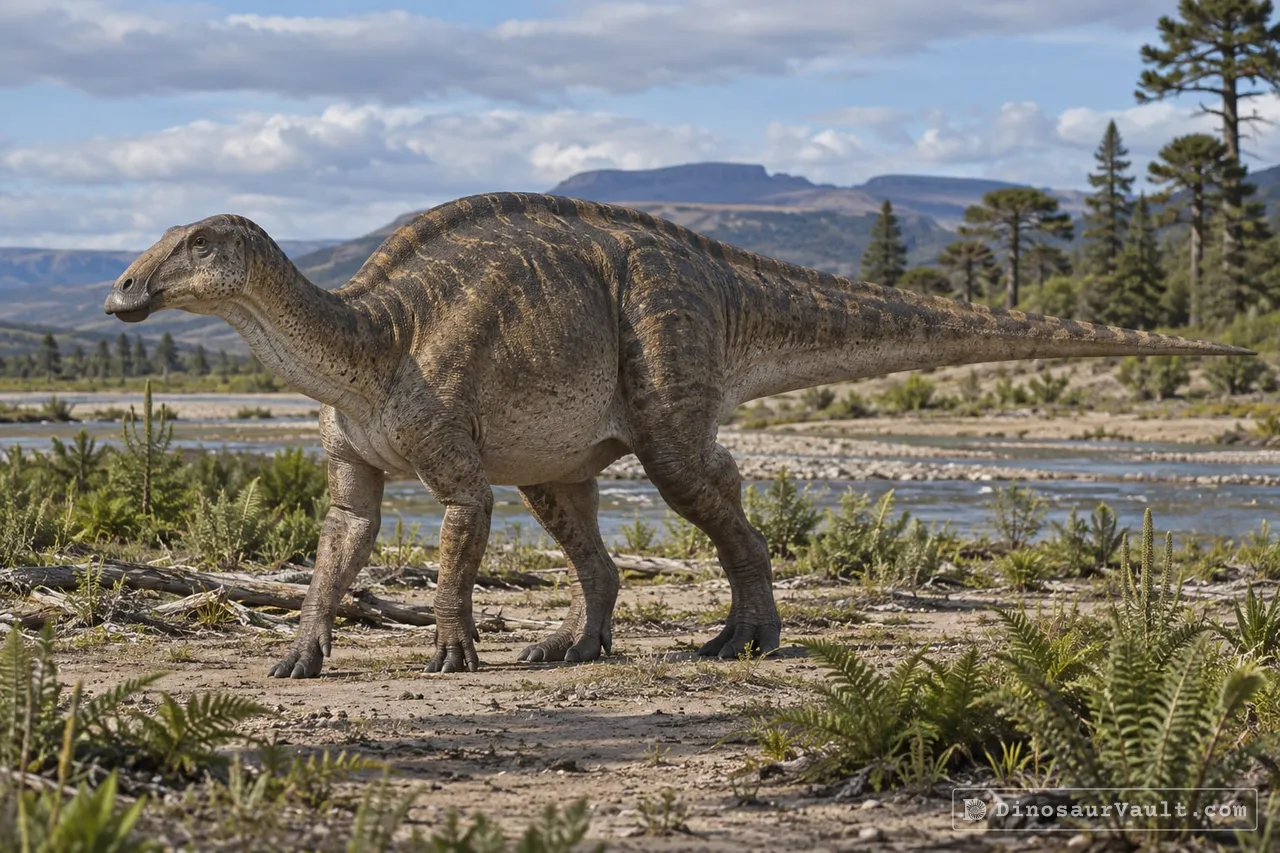
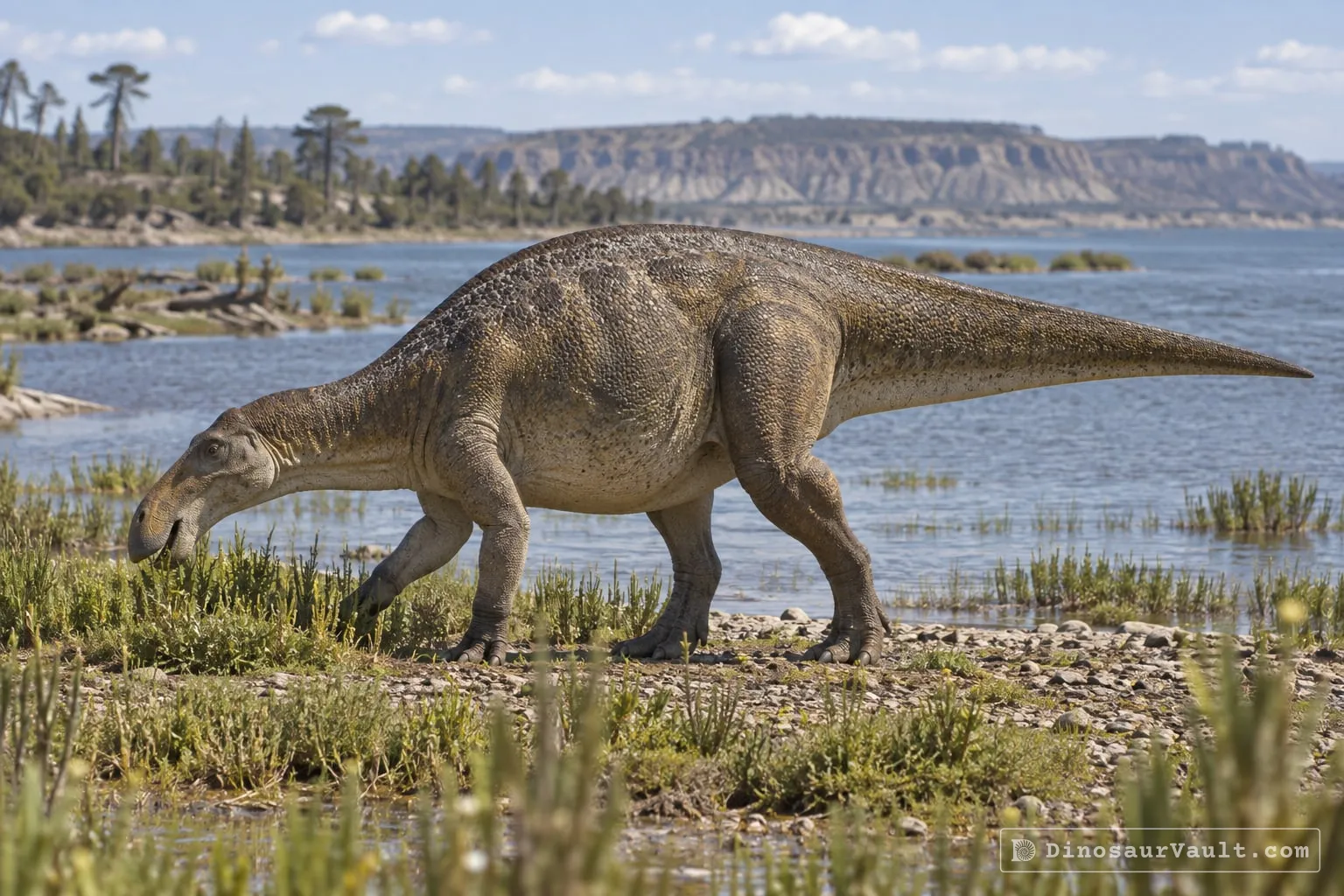
Bonapartesaurus was a duck-billed plant eater, a relative of Saurolophus. It is known from much of the skeleton behind the head.
Its ancestors came from North America, and it is one of the few hadrosaurs found in South America.
Its world
It lived in the Late Cretaceous in what is now Argentina. Its bones come from the Allen Formation, where it shared the land with the raptor Austroraptor, the hunter Abelisaurus, the armored Patagopelta and the long-necked Aeolosaurus.
How it was found
Cruzado-Caballero and Powell named Bonapartesaurus in 2017, after a famous paleontologist from Argentina. Its bones had been dug up years earlier and given to another genus.
Field gallery
More views of Bonapartesaurus
Scenes reconstructed from the available fossil evidence.
Lived alongside
Found in the same rock formations
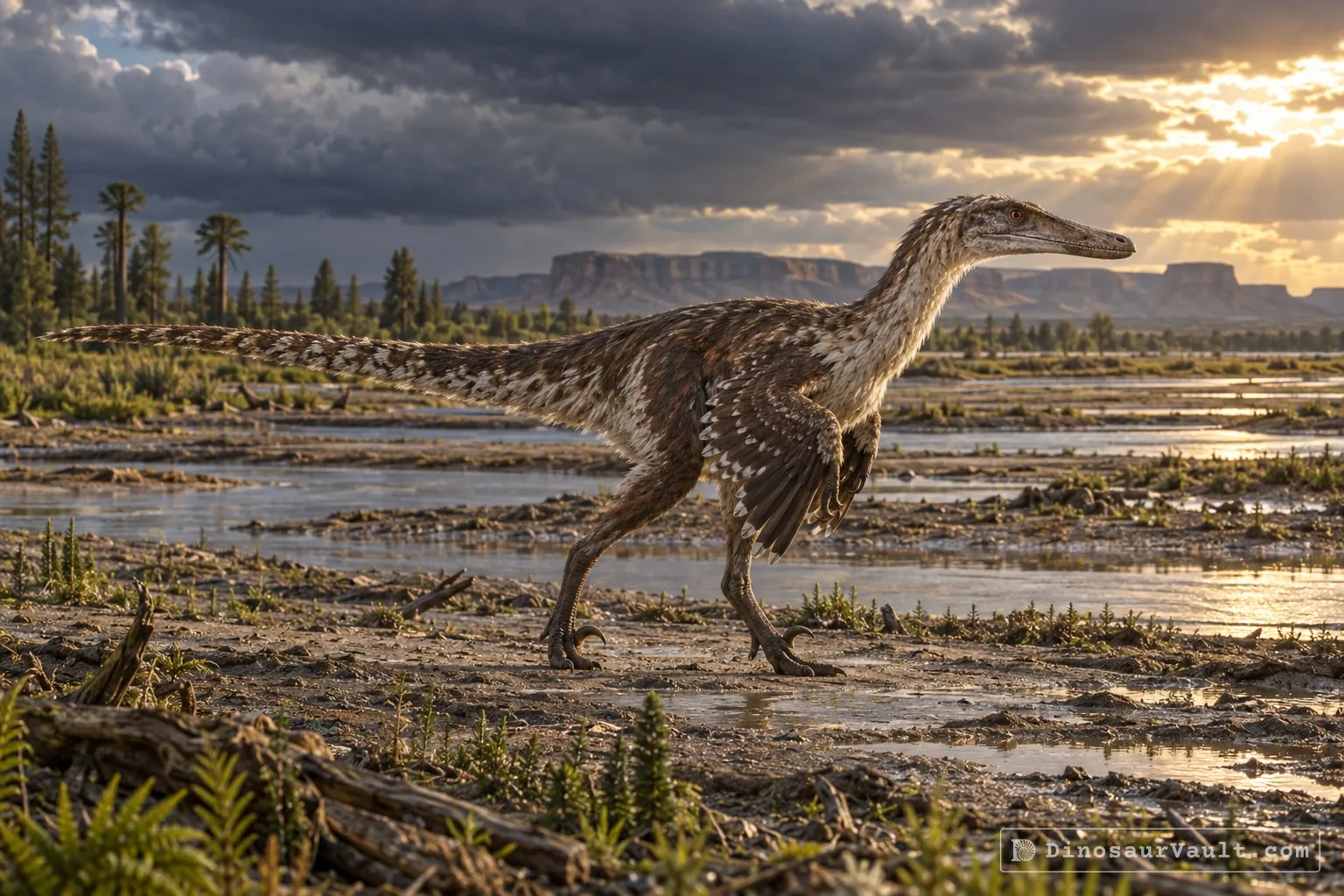
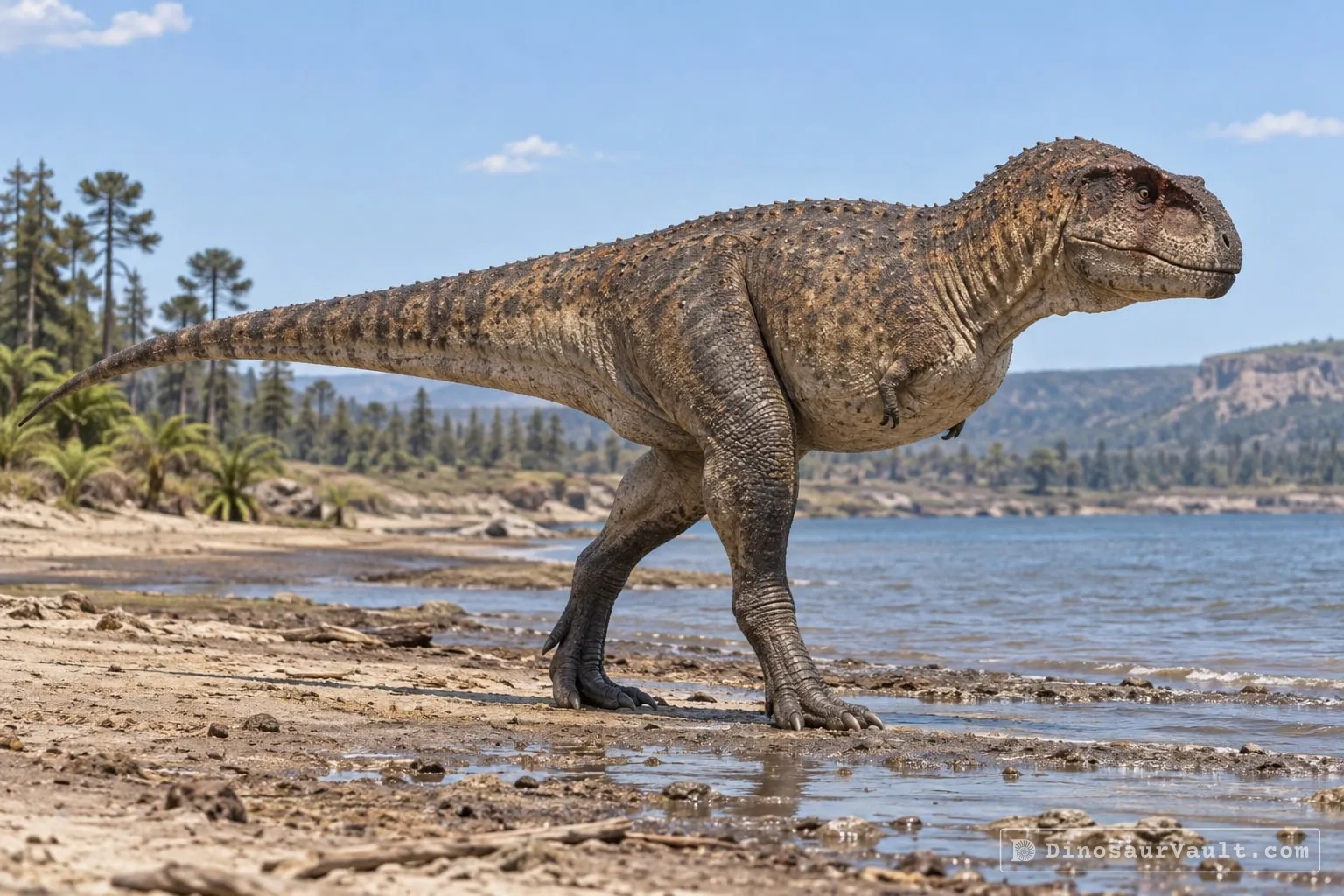
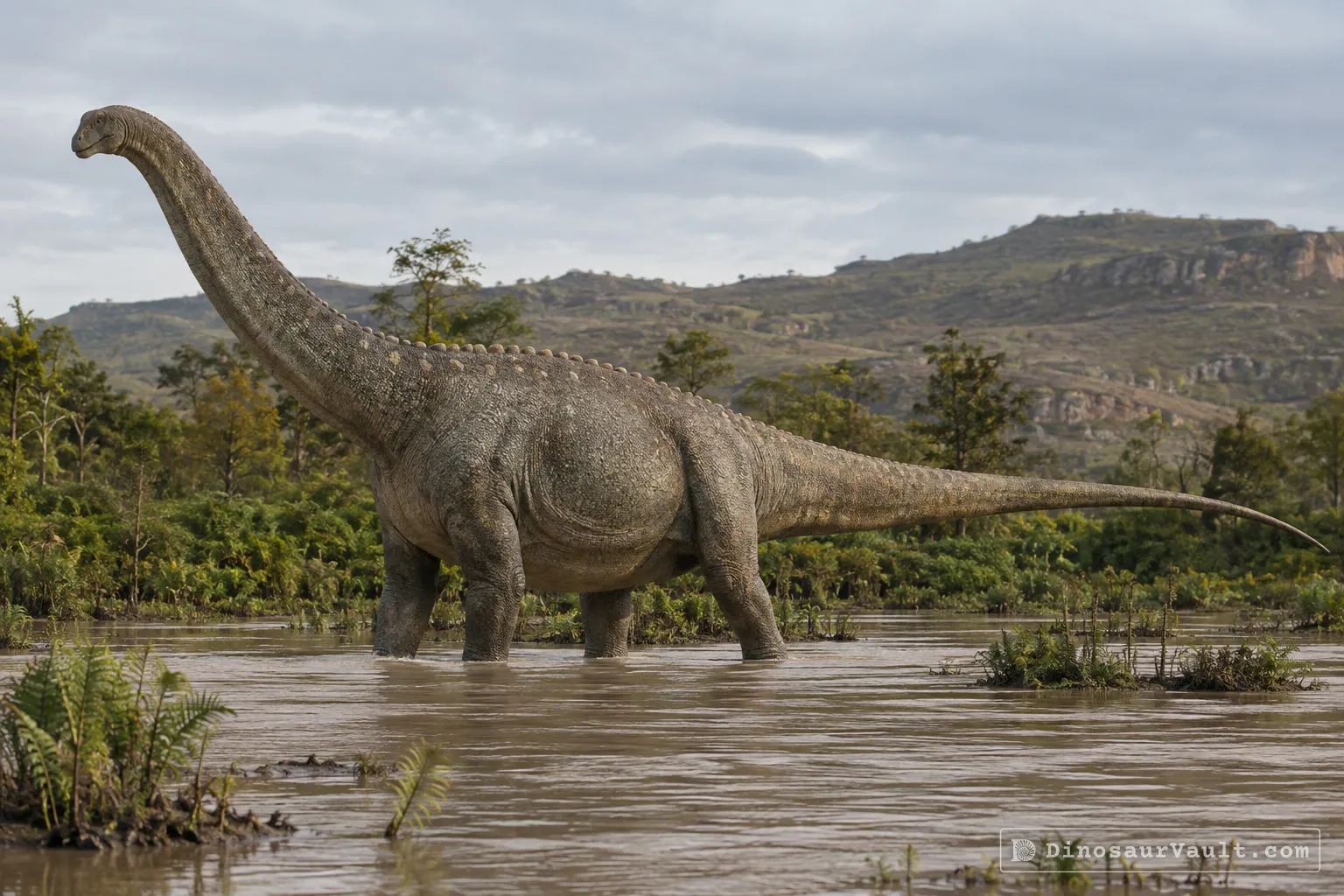
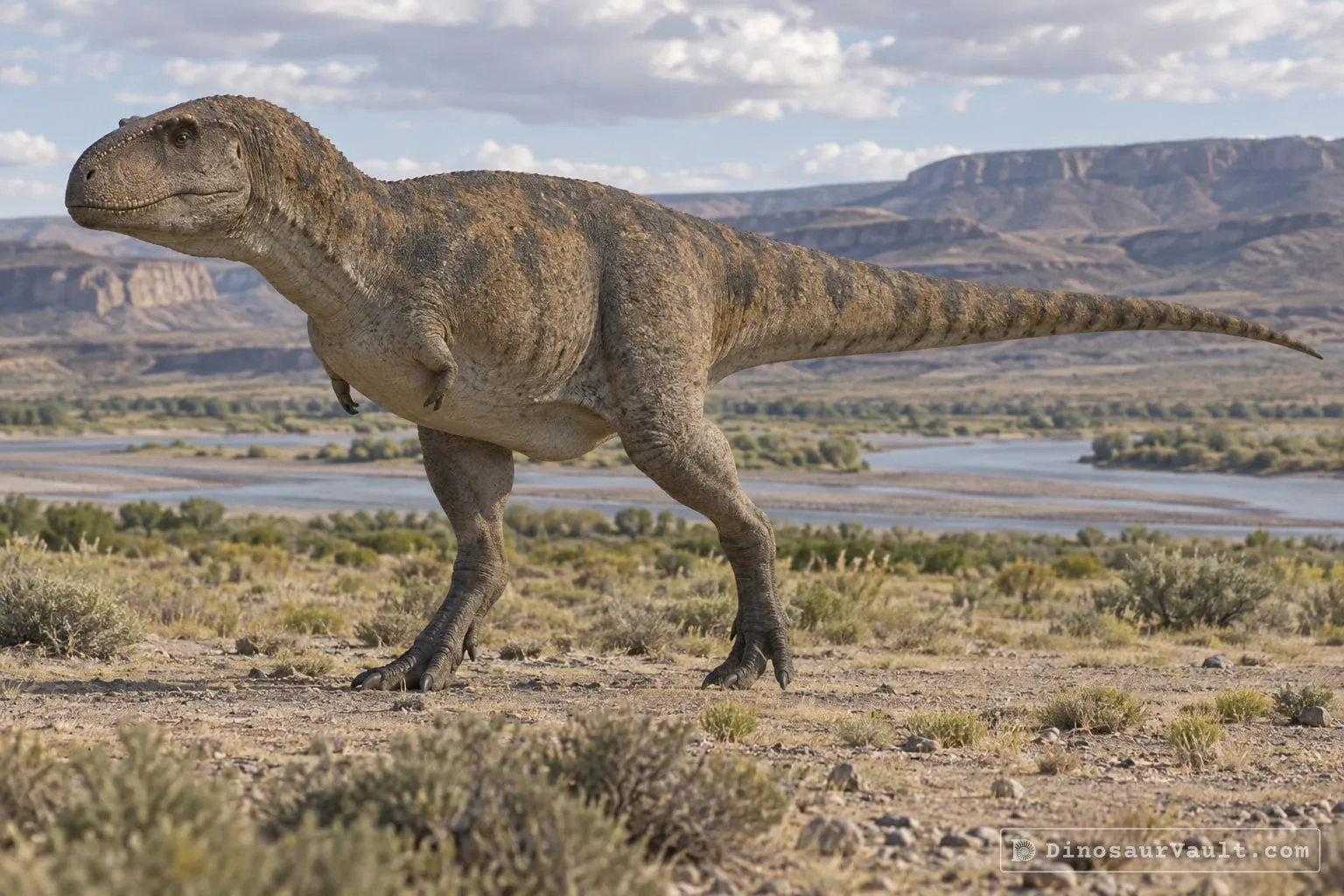
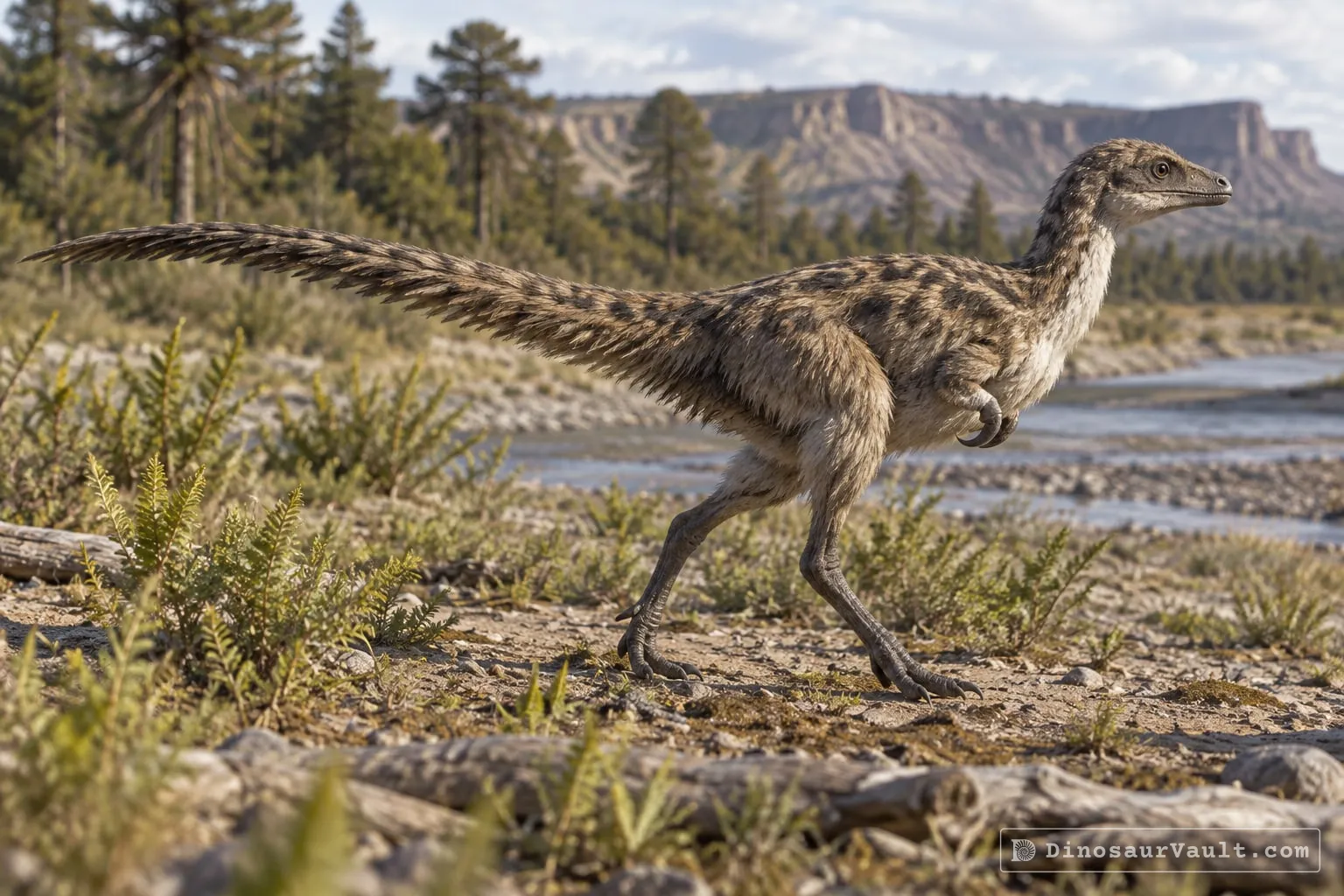
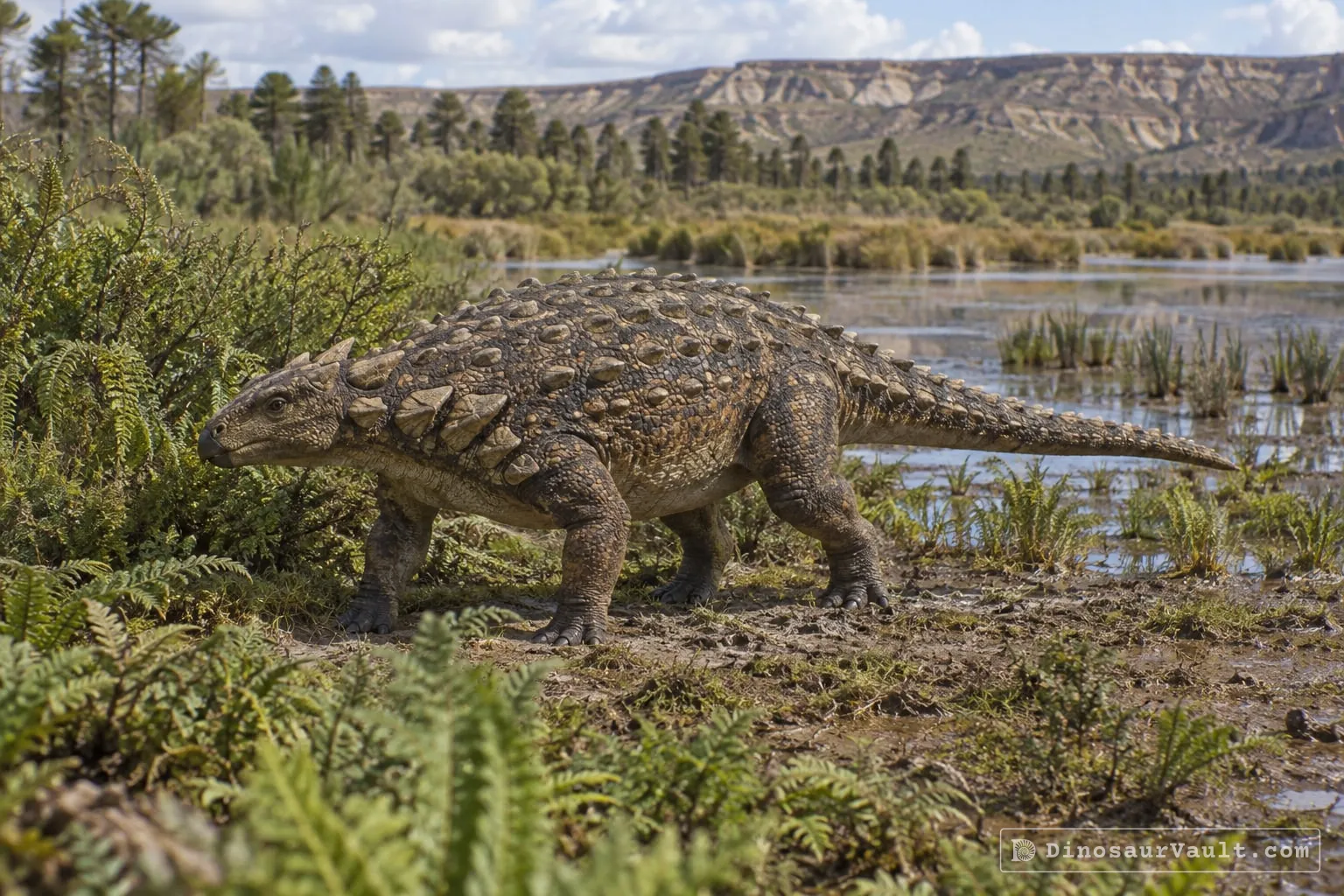
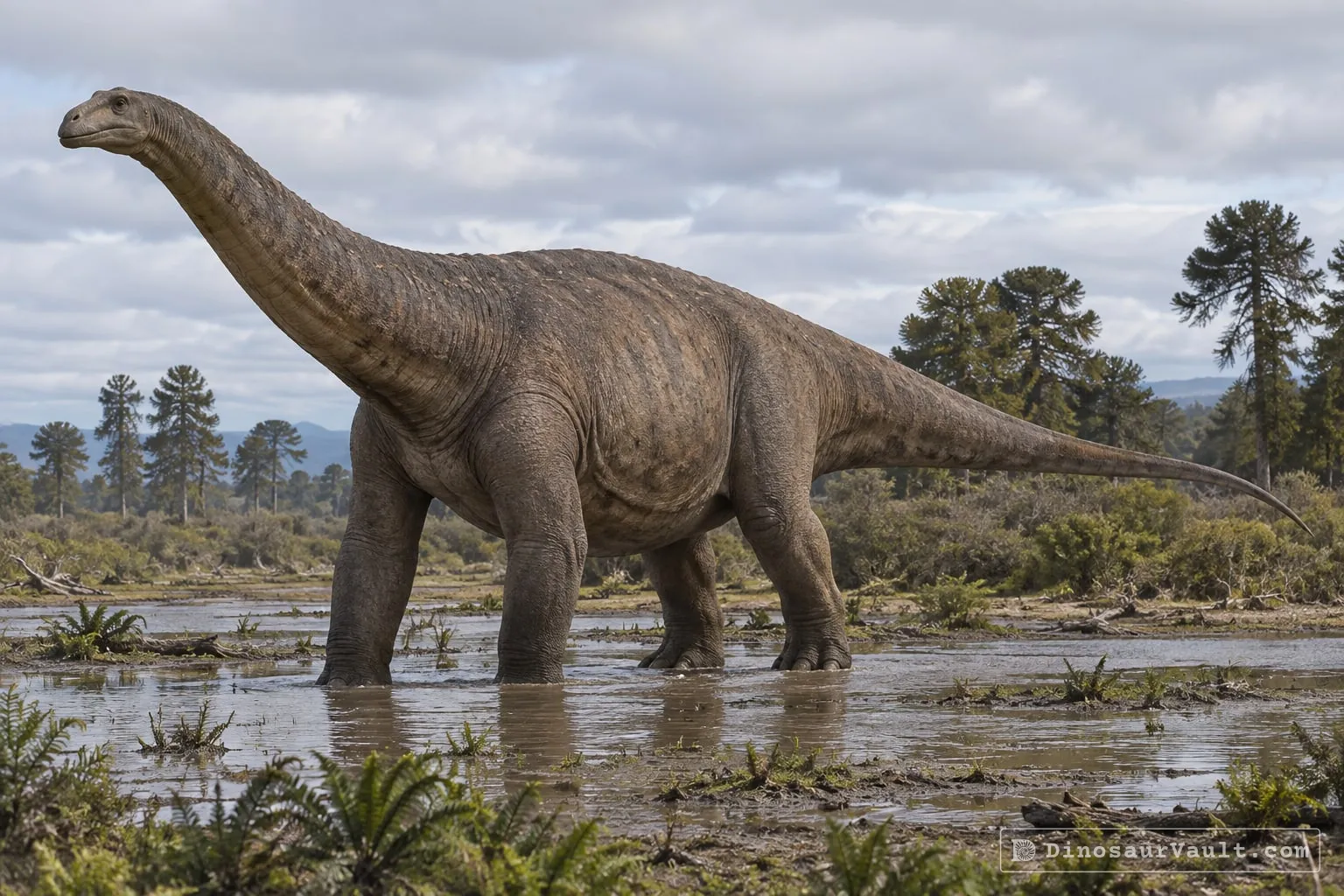


A rock formation can hold fossils laid down millions of years apart, so not every animal here met Bonapartesaurus.
The evidence
The science behind Bonapartesaurus
Which parts of the picture come from its own bones, and which come from its relatives.
From its own fossils
- Much of the skeleton behind the head is preserved, including the backbone, hips, legs and part of the forelimb.
- Tall bony spines rise above the hips and the base of the tail.
- Tail bones show healed fractures, and a foot bone bears an abnormal growth.
Borrowed from relatives
- Huallasaurus and Edmontosaurus help restore the missing broad beak and head.
- Edmontosaurus provides a comparison for the missing hands and hoof coverings.
Still unknown
- The shape of its head and whether it carried a crest.
- Its skin covering and color.
- How its body changed as it grew.
Discovery timeline
- 2017Named itCruzado-Caballero & Powell
- 2021Full descriptionCruzado-Caballero et al.
- 2023Family treeAlarcón-Muñoz et al.
Key papers
The research behind what we know of Bonapartesaurus
Named it
Named a duck-billed dinosaur from a partial skeleton with tall spines above the hips and tail base.
Bonapartesaurus rionegrensis, a new hadrosaurine dinosaur from South America: implications for phylogenetic and biogeographic relations with North America. Journal of Vertebrate Paleontology 37: e1289381
Read the paper : Bonapartesaurus rionegrensis, a new hadrosaurine dinosaur from South America: implications for phylogenetic and biogeographic relations with North America (opens in a new tab)Full description
Found healed fractures in the tail and an abnormal growth in a foot bone that was probably a tumor.
Osseous paleopathologies of Bonapartesaurus rionegrensis (Ornithopoda, Hadrosauridae) from Allen Formation (Upper Cretaceous) of Patagonia Argentina. Cretaceous Research 124: 104800
Read the paper : Osseous paleopathologies of Bonapartesaurus rionegrensis (Ornithopoda, Hadrosauridae) from Allen Formation (Upper Cretaceous) of Patagonia Argentina (opens in a new tab)Family tree
Placed Bonapartesaurus with other South American duck-billed dinosaurs in a distinct branch of the family tree.
Relict duck-billed dinosaurs survived into the last age of the dinosaurs in subantarctic Chile. Science Advances 9
Read the paper : Relict duck-billed dinosaurs survived into the last age of the dinosaurs in subantarctic Chile (opens in a new tab)
Close relatives
Other members of Hadrosauridae


Sources: Wikidata