Quilmesaurus
"Quilmes lizard"
- Lived
- 72 to 66 million years ago, Late Cretaceous
- Diet
- Carnivore
- Group
- Theropods, Abelisauridae
- Found in
- Argentina
- Named by
- Coria 2001
Where its fossils were found
The evidence
Today

70 million years ago
Habitat
Low land near the coast held rivers, wetlands, palms and conifers. Austroraptor, Aeolosaurus and Patagopelta lived in the land recorded by the Allen Formation.
Field notes
About Quilmesaurus
What it was like
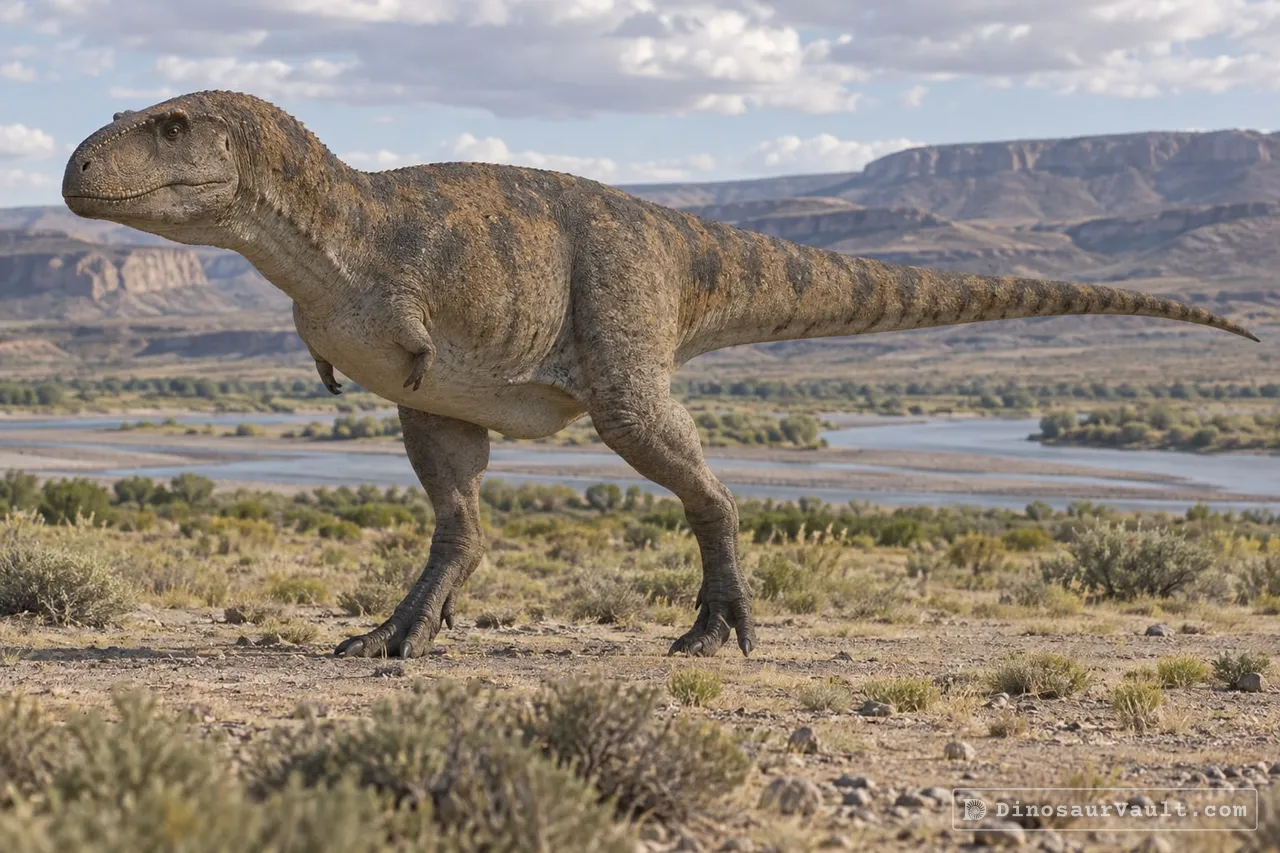
Quilmesaurus was a two-legged predator from the abelisaurid family, the group that includes Carnotaurus. It is known only from leg bones, so its skull and size are unknown. Like its relatives, it probably had a short, deep head and tiny arms.
Its world
It lived about 72 to 66 million years ago, at the end of the Late Cretaceous, in what is now Argentina. Its bones come from the Allen Formation, where it lived alongside the raptor Austroraptor, the titanosaur Aeolosaurus and the armored Patagopelta.
How it was found
Coria named Quilmesaurus in 2001 from one find. The name honors a native people who once lived in the region.
Field gallery
More views of Quilmesaurus
Scenes reconstructed from the available fossil evidence.
Lived alongside
Found in the same rock formations
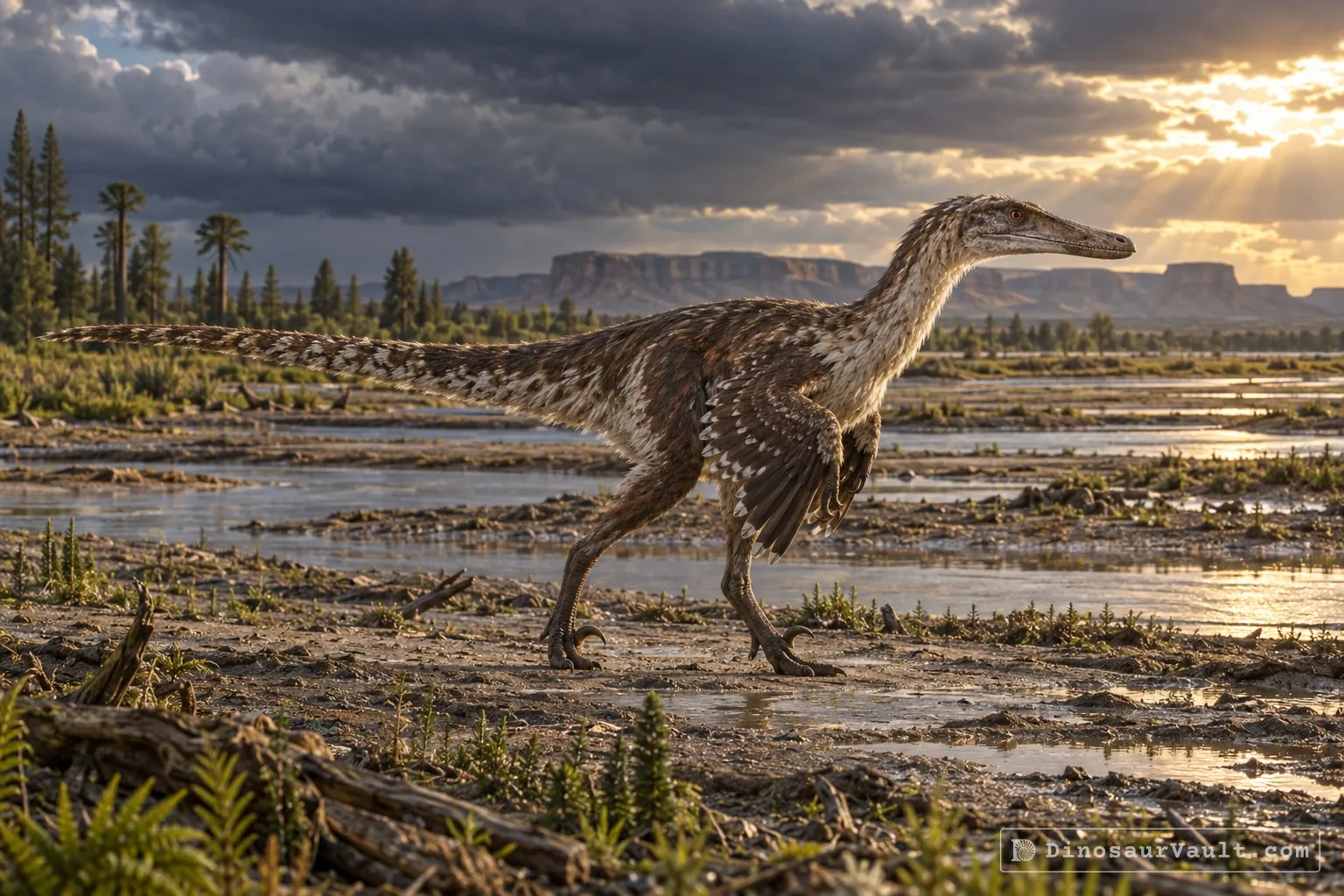
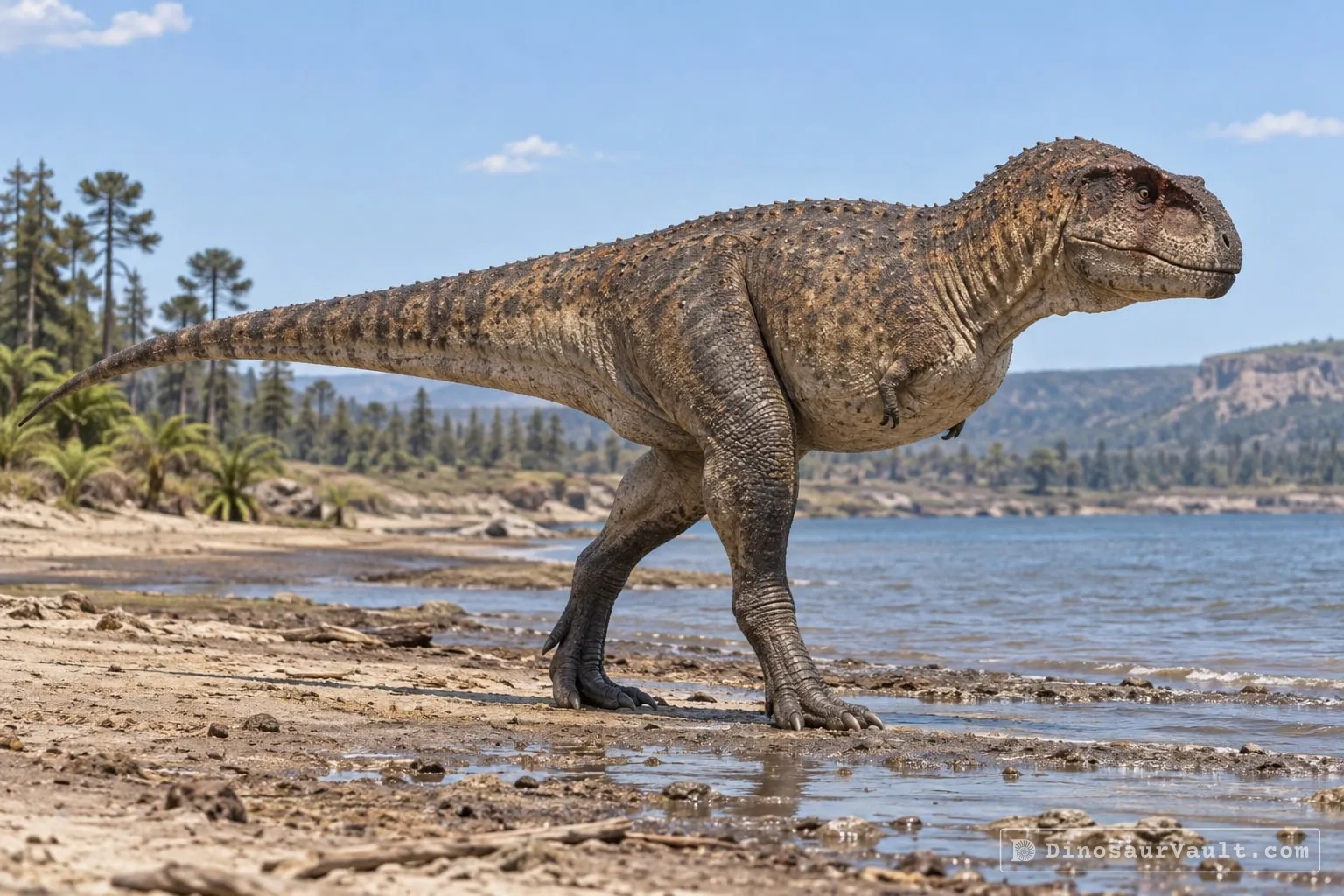
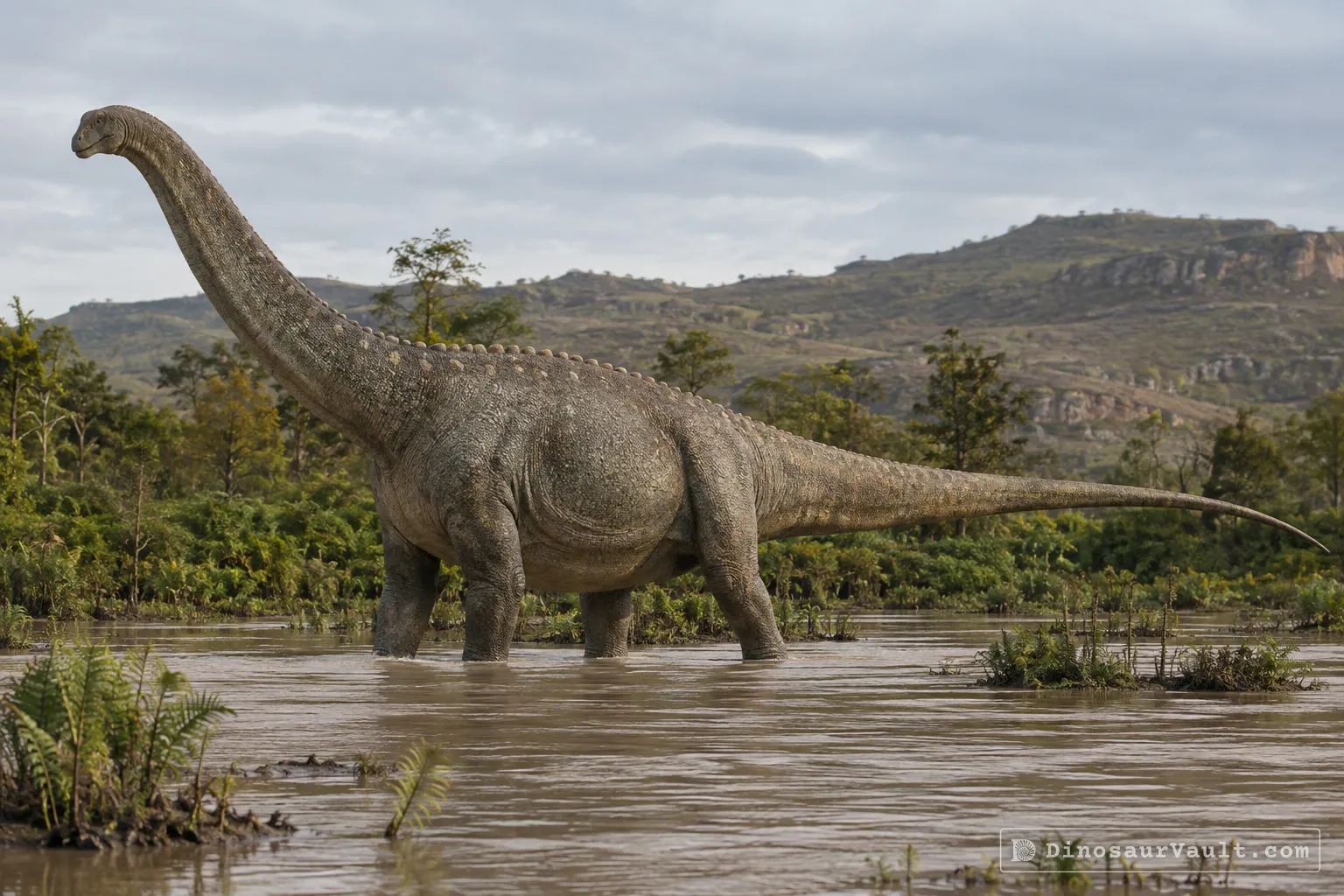
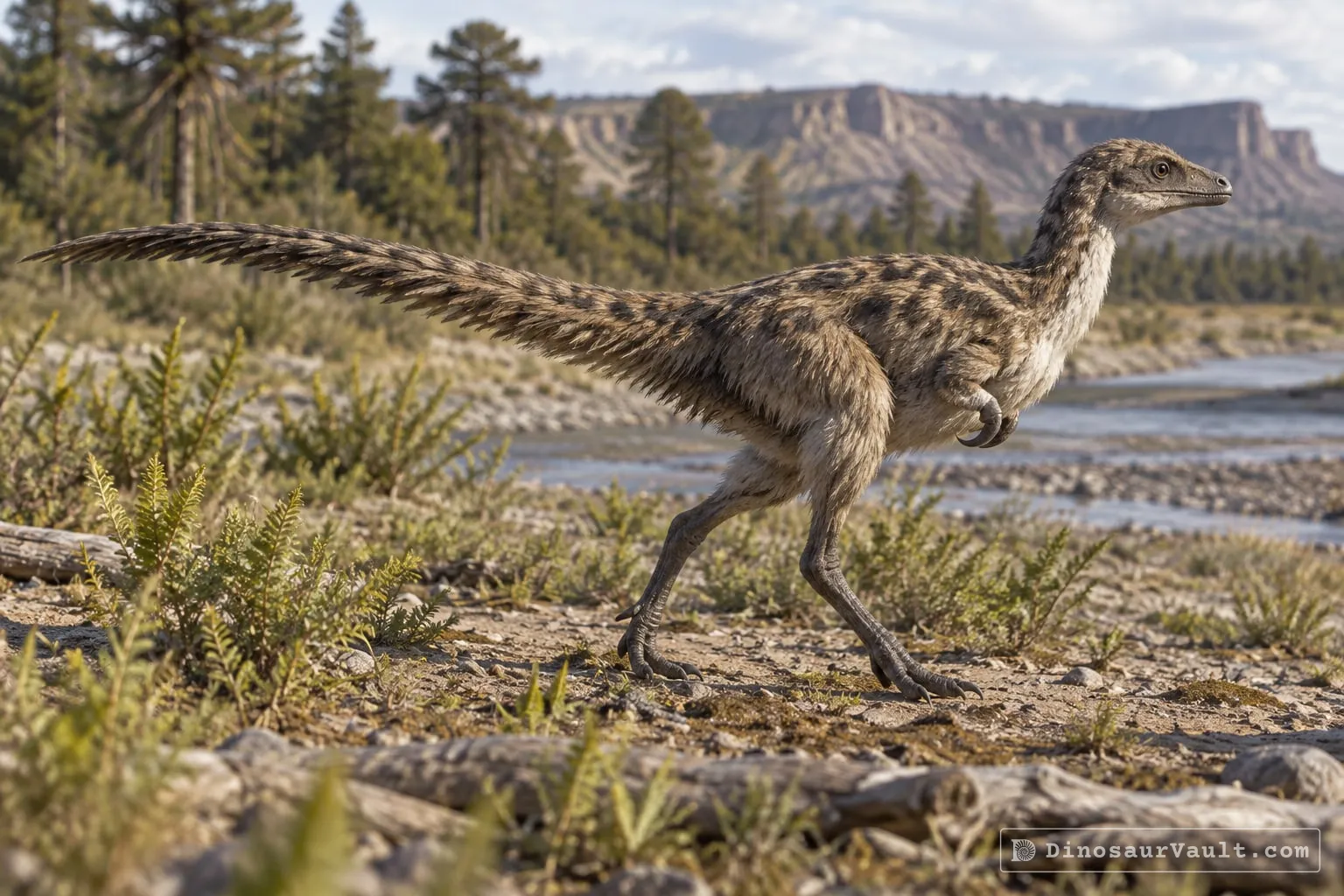
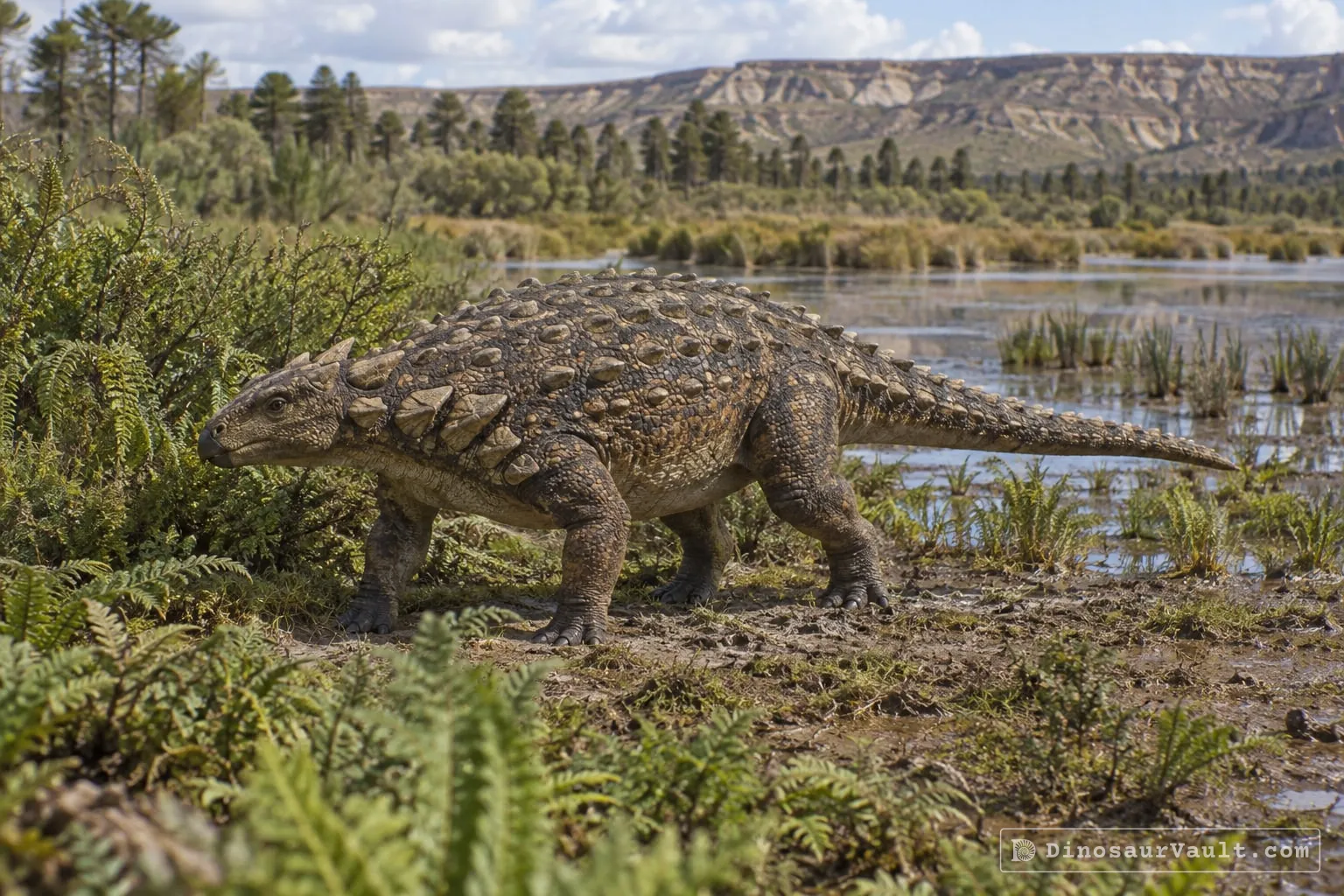
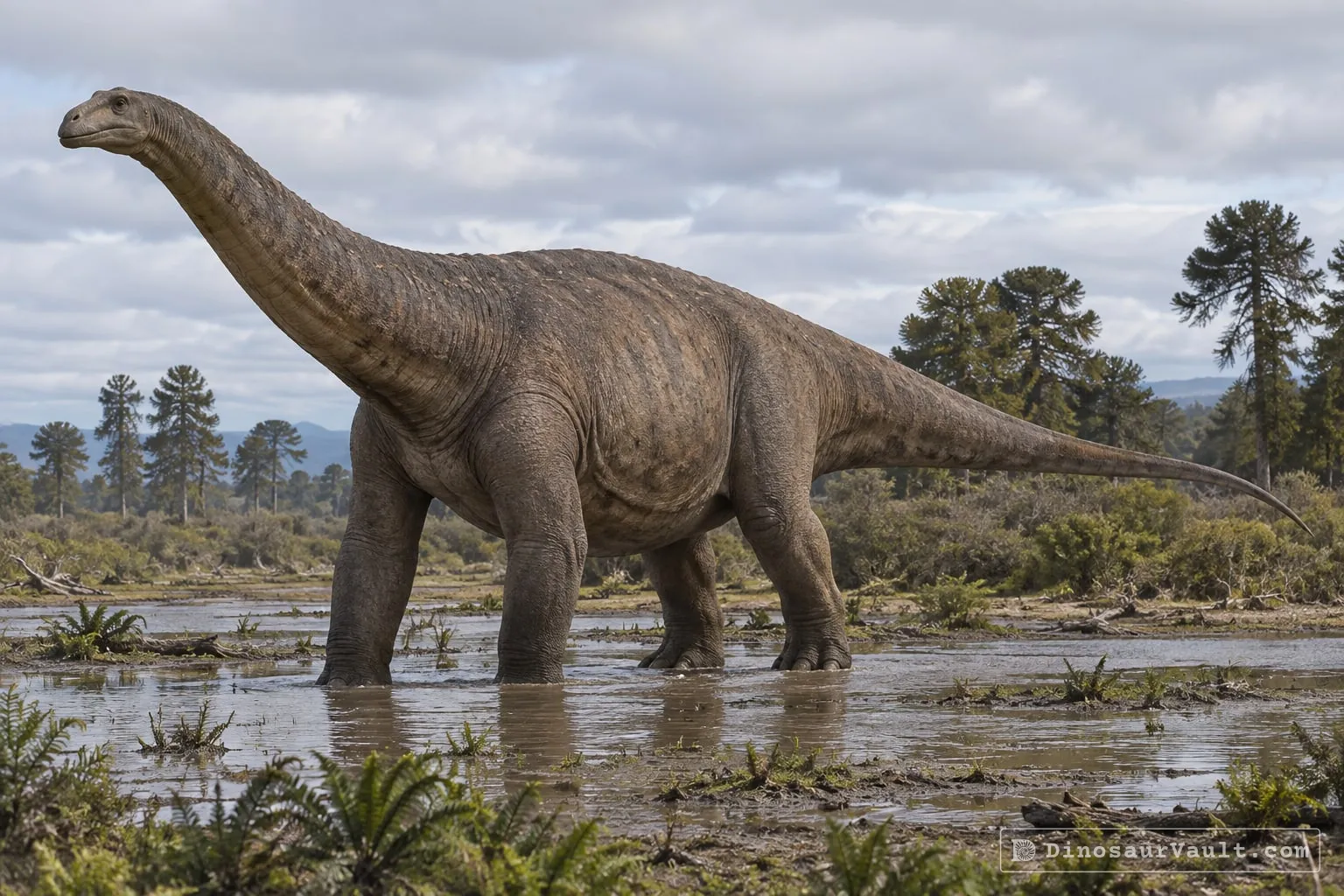
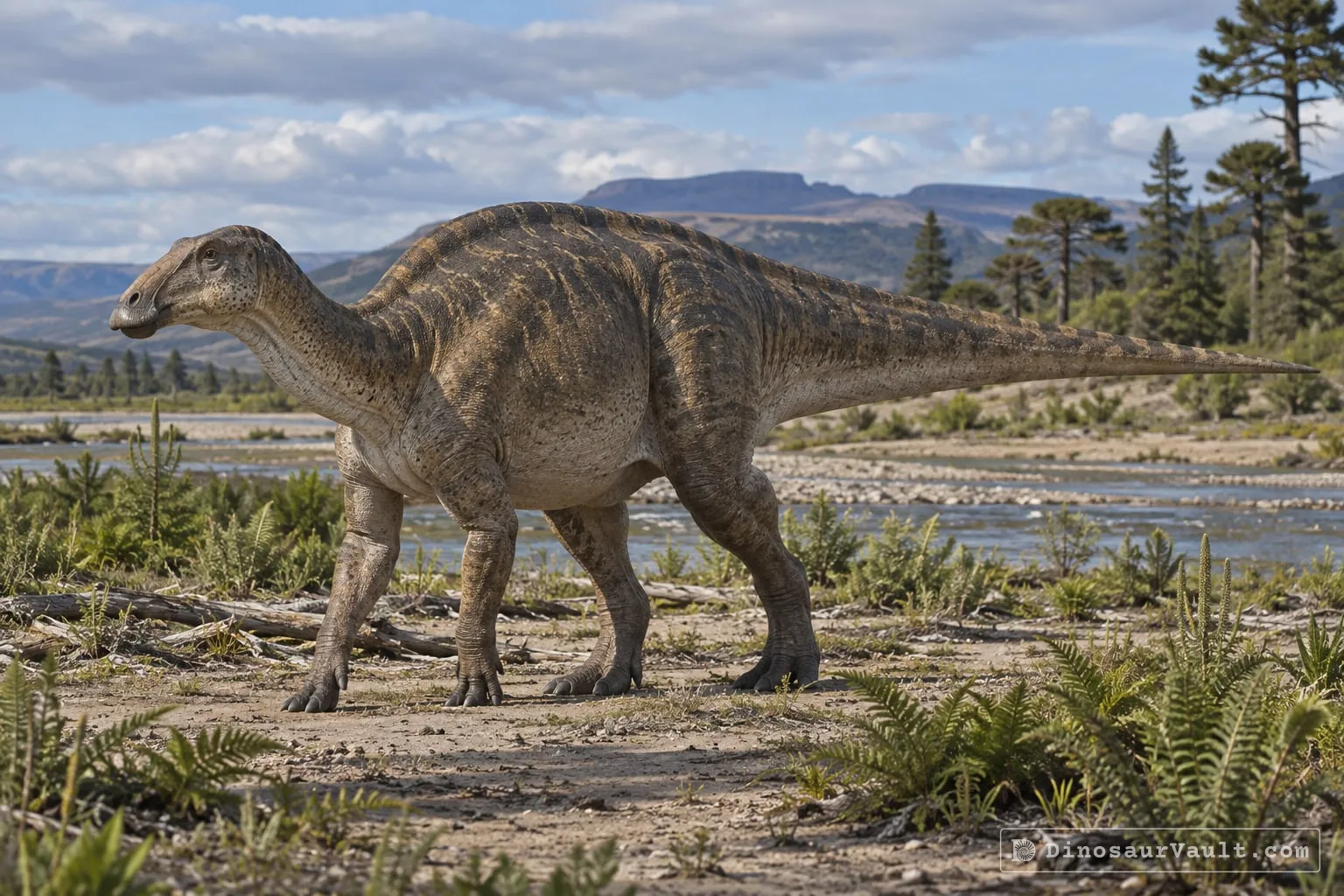
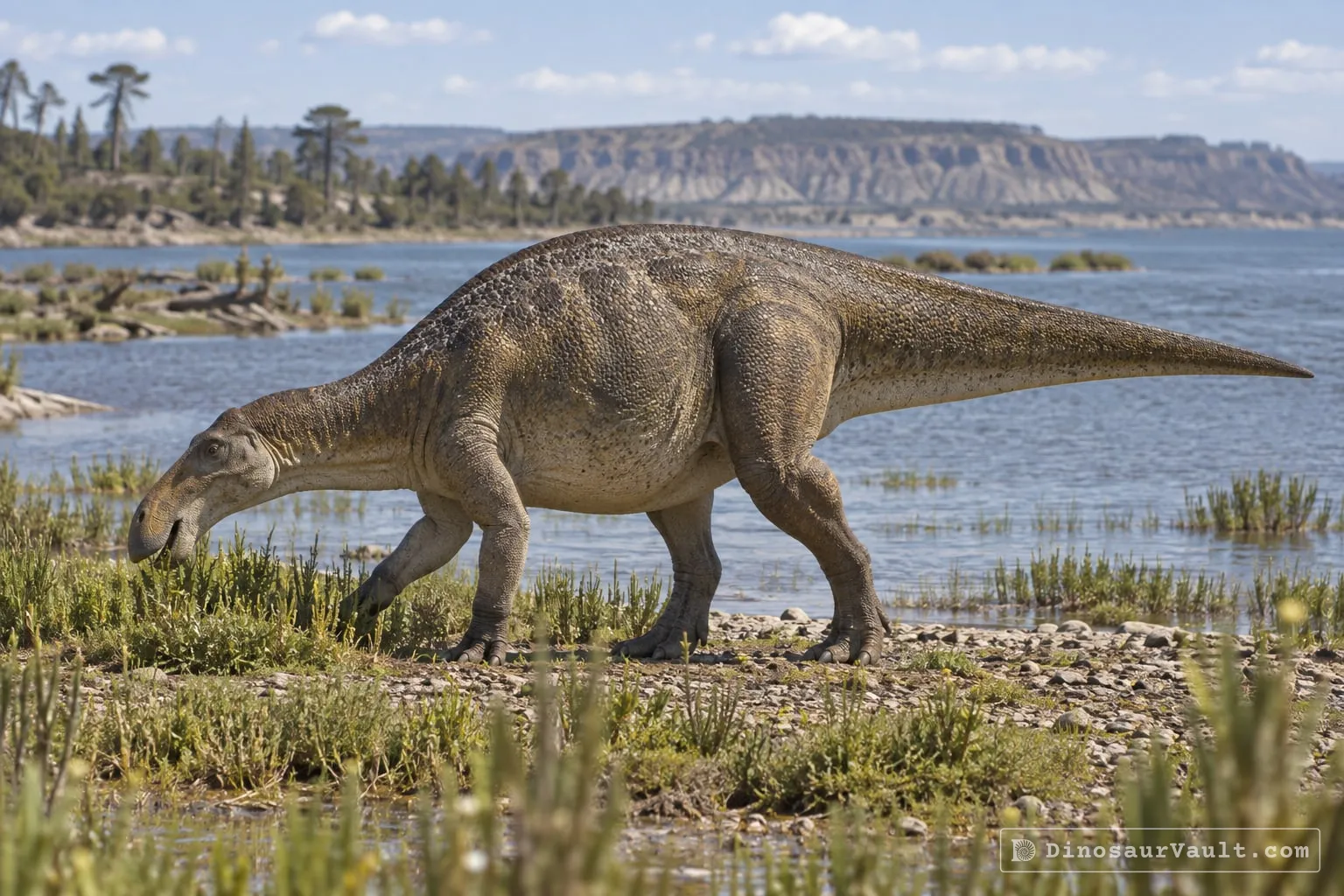


A rock formation can hold fossils laid down millions of years apart, so not every animal here met Quilmesaurus.
The evidence
The science behind Quilmesaurus
Which parts of the picture come from its own bones, and which come from its relatives.
From its own fossils
- A partial thigh bone and a shinbone are the only known remains.
- The shinbone has a large, hook-shaped projection near the knee.
Borrowed from relatives
- The head, arms and torso are restored by comparison with abelisaurids such as Carnotaurus and Aucasaurus.
- These relatives suggest that Quilmesaurus probably had a deep head and very small arms.
Still unknown
- The shape of its skull and any horns or bumps.
- Its full body size and skin covering.
- Whether its bones distinguish it from every other named abelisaurid.
Discovery timeline
- 2001Named itCoria
- 2008Family treeCarrano & Sampson
- 2016Family treeFilippi et al.
Key papers
The research behind what we know of Quilmesaurus
Named it
Named Quilmesaurus from fragmentary leg bones in the Allen Formation of Argentina.
New theropod from the Late Cretaceous of Patagonia. Mesozoic Vertebrate Life.
No link available
Family tree
Compared its thigh and shin bones with other theropods and placed Quilmesaurus among abelisauroids, probably within Abelisauridae.
The Phylogeny of Ceratosauria (Dinosauria: Theropoda). Journal of Systematic Palaeontology 6: 183-236
Read the paper : The Phylogeny of Ceratosauria (Dinosauria: Theropoda) (opens in a new tab)Family tree
Placed Quilmesaurus in Furileusauria, a branch of abelisaurids that also includes Carnotaurus and Aucasaurus.
A new brachyrostran with hypertrophied axial structures reveals an unexpected radiation of latest Cretaceous abelisaurids. Cretaceous Research 61: 209-219
Read the paper : A new brachyrostran with hypertrophied axial structures reveals an unexpected radiation of latest Cretaceous abelisaurids (opens in a new tab)
Close relatives
Other members of Abelisauridae


Sources: Wikidata