Outline: a typical theropod
Mei
MAY
"sleeping"
- Lived
- 126 to 120 million years ago, Early Cretaceous
- Diet
- Omnivore
- Group
- Theropods, Troodontidae
- Found in
- China
- Named by
- Xu and Norell 2004
Where its fossils were found
The evidence
Today

125 million years ago
Field notes
About Mei
What it was like
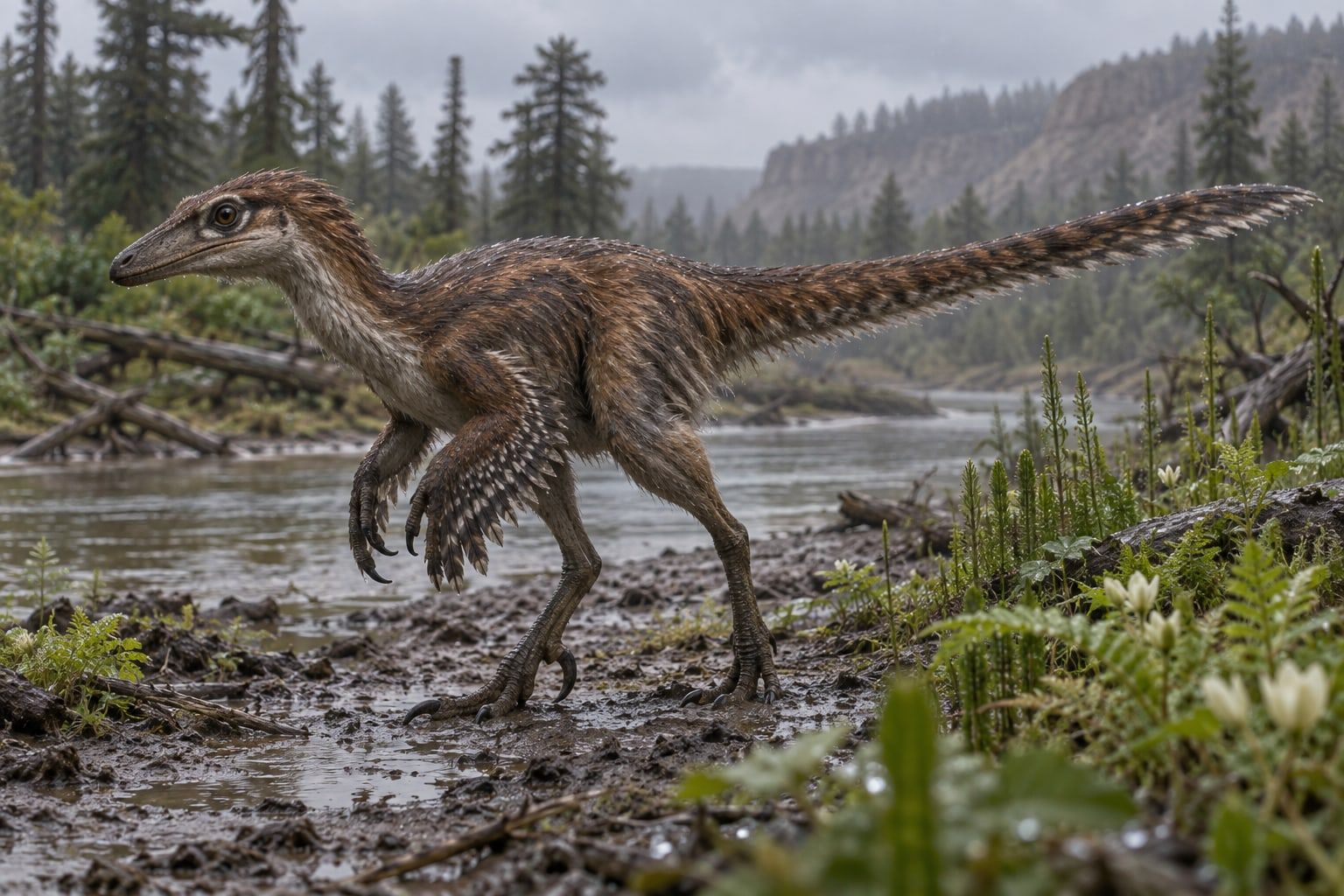
Mei was a tiny feathered troodontid, about the size of a duck. Its most famous skeleton was found curled up with its head tucked under its arm, like a sleeping bird.
That pose is the oldest known sign of bird-like sleeping in a dinosaur. The animal may have died in its sleep, buried by volcanic ash.
Its world
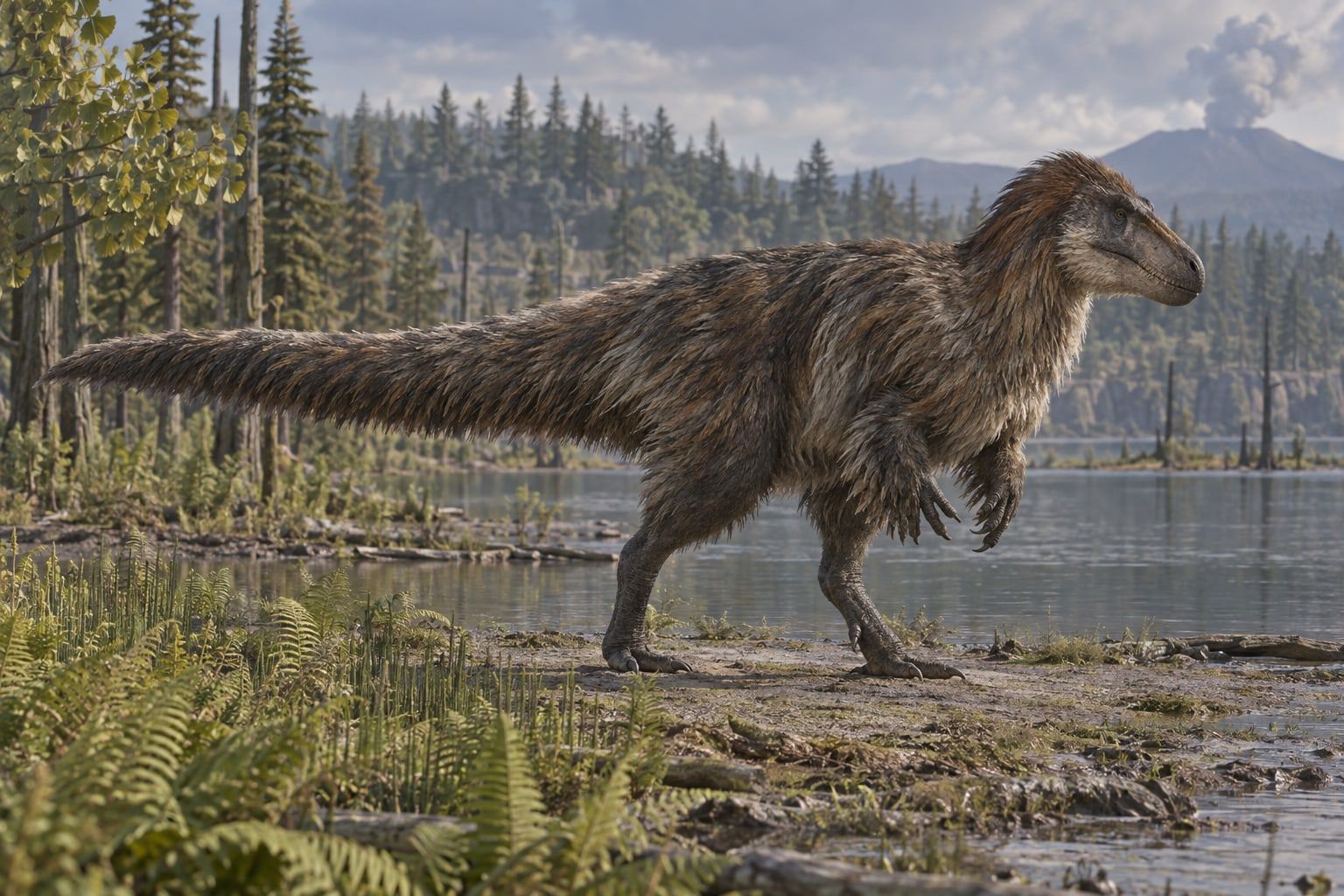
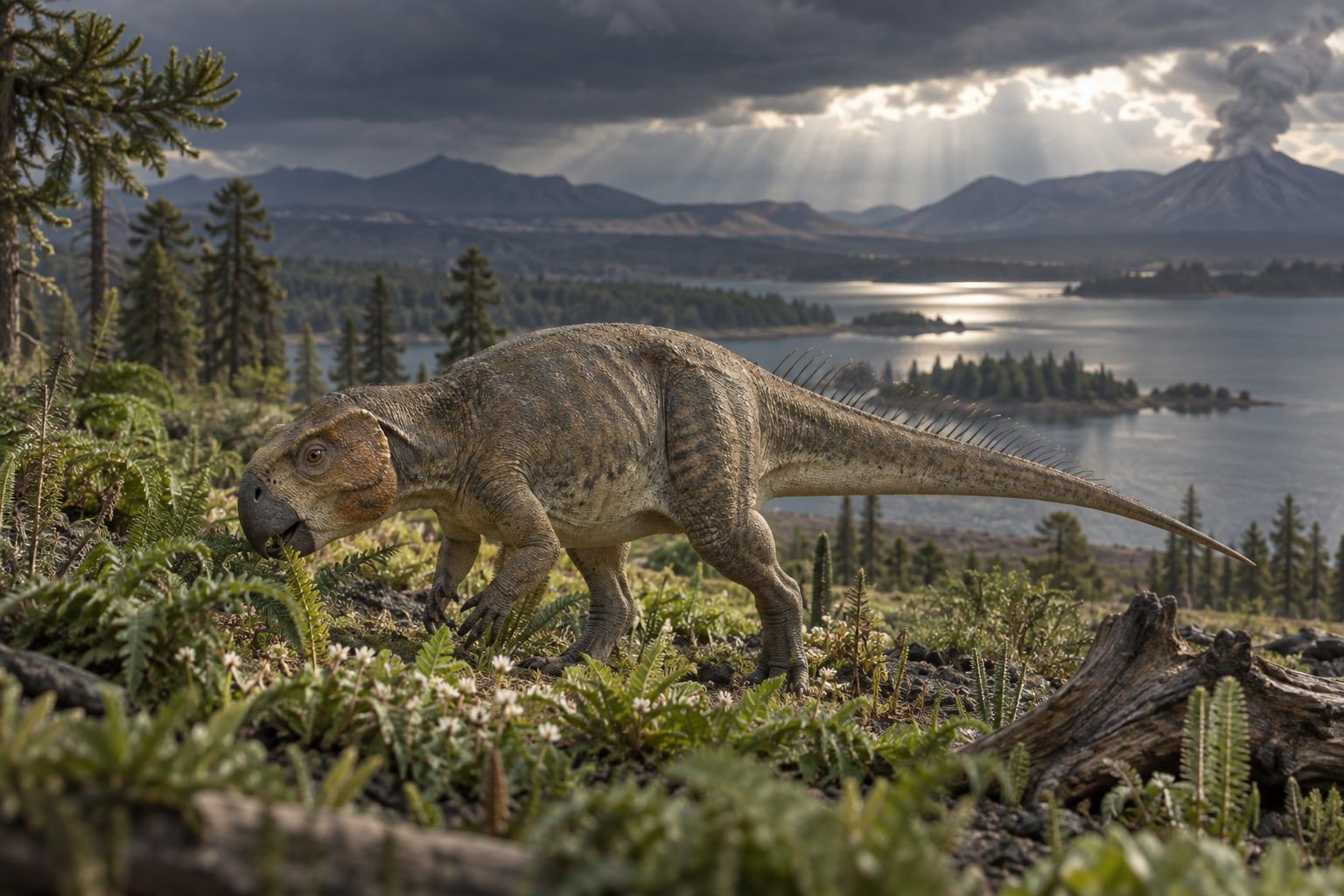
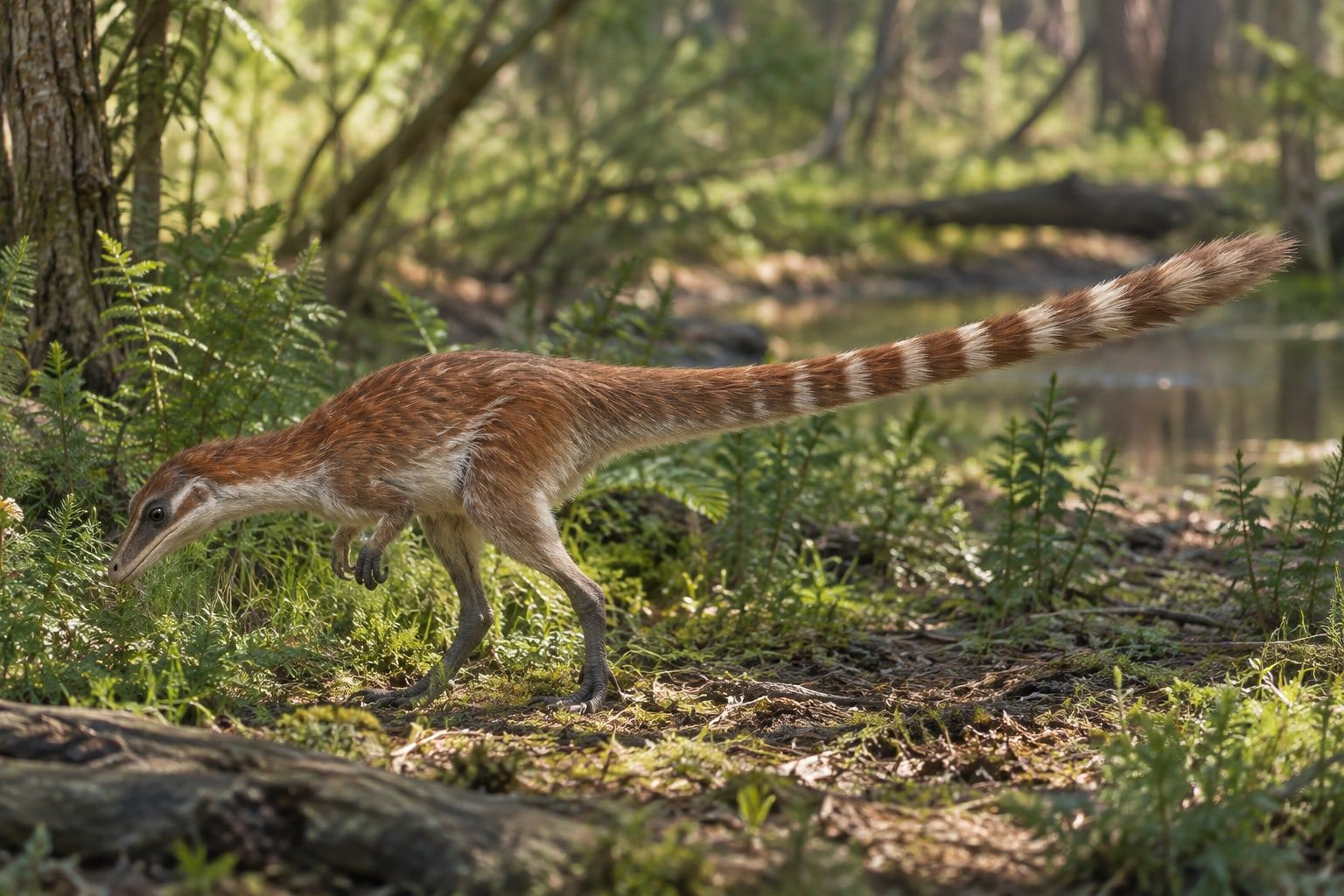
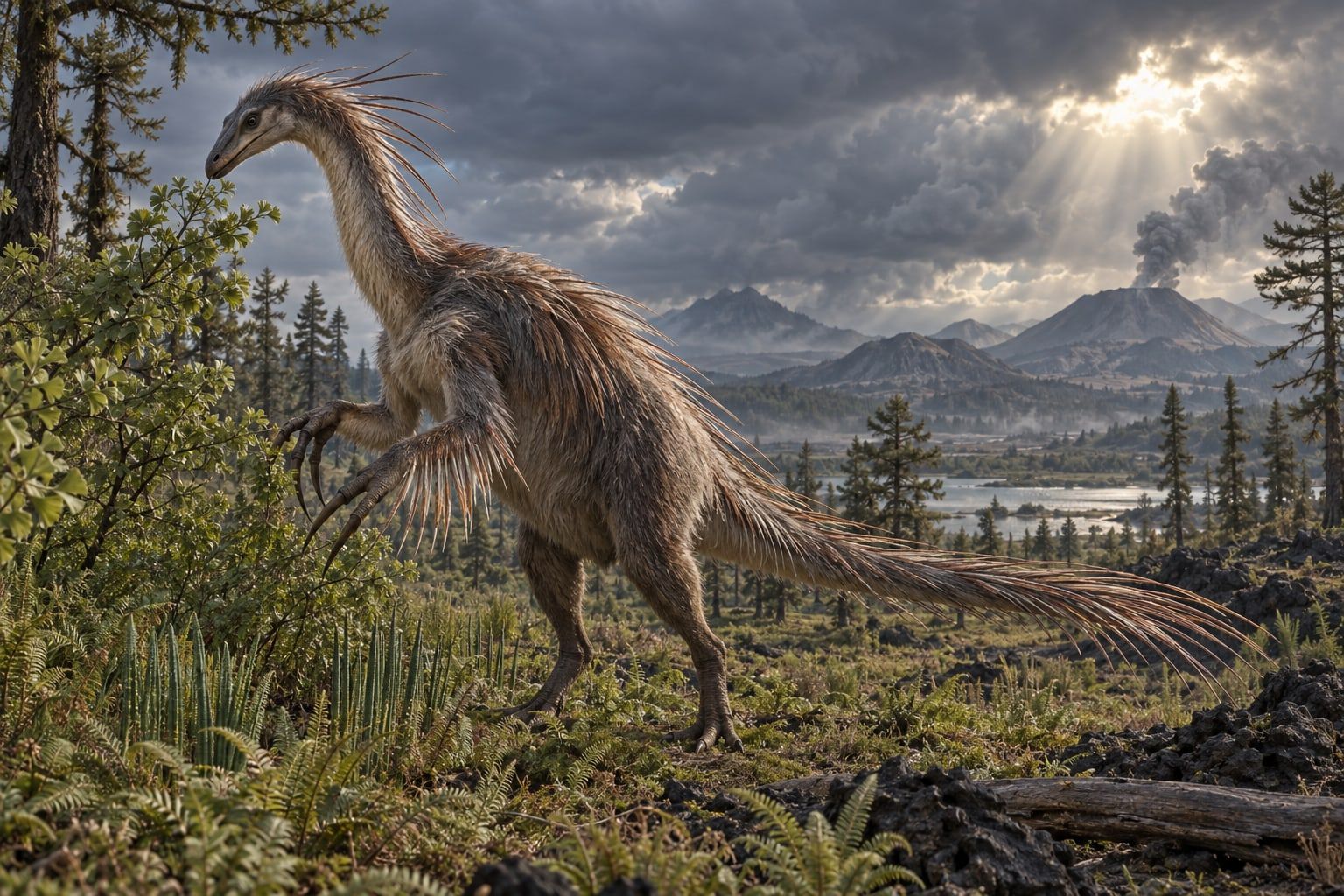
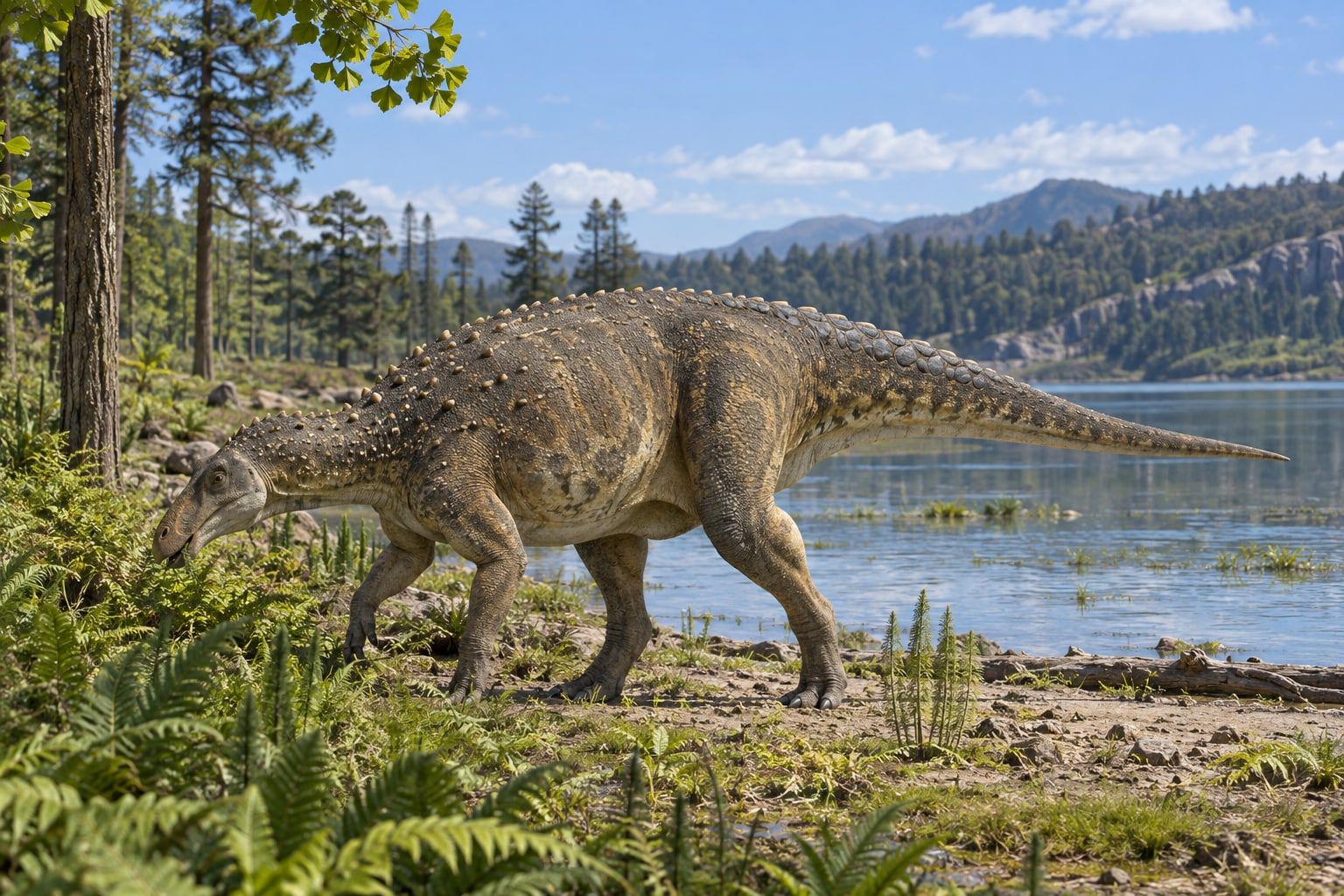
It lived in the Early Cretaceous in what is now northeastern China. Its bones come from the Yixian Formation, where it shared the land with Sinosauropteryx, Sinornithosaurus and Psittacosaurus.
How it was found
Xu and Norell named Mei in 2004. Its full name means "soundly sleeping dragon." A second skeleton in the same pose was found later.
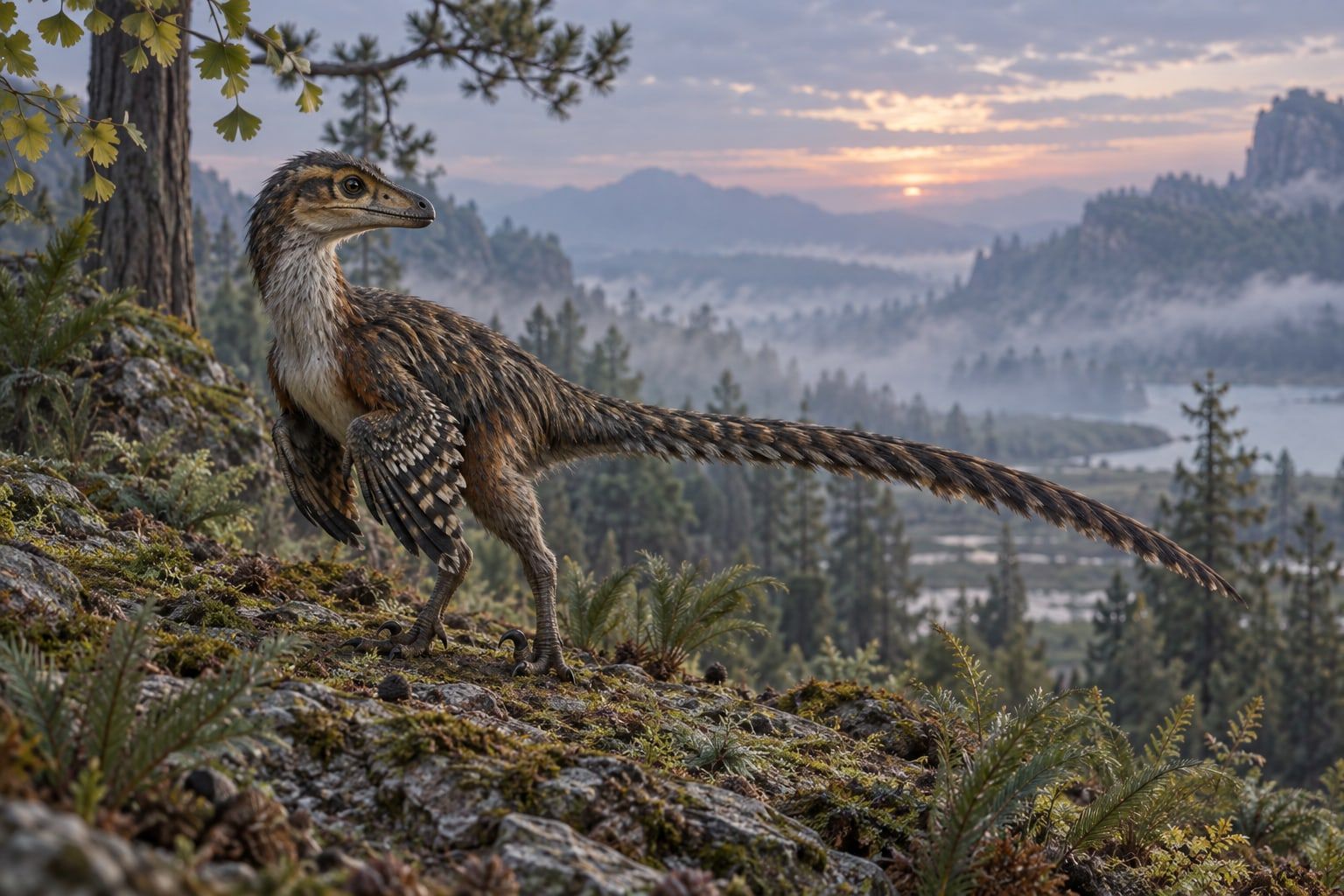
Lived alongside
Found in the same rock formations
Close relatives
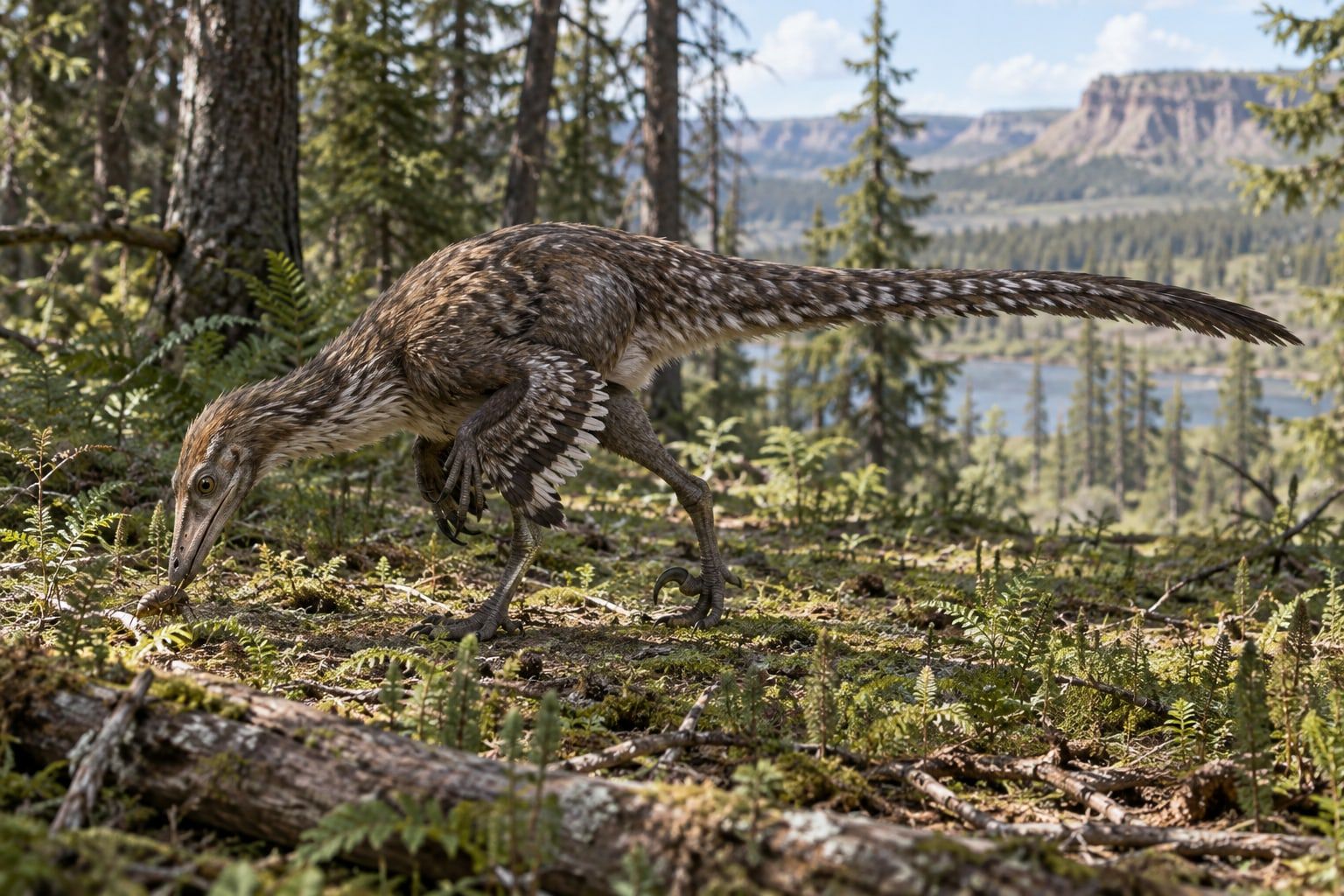
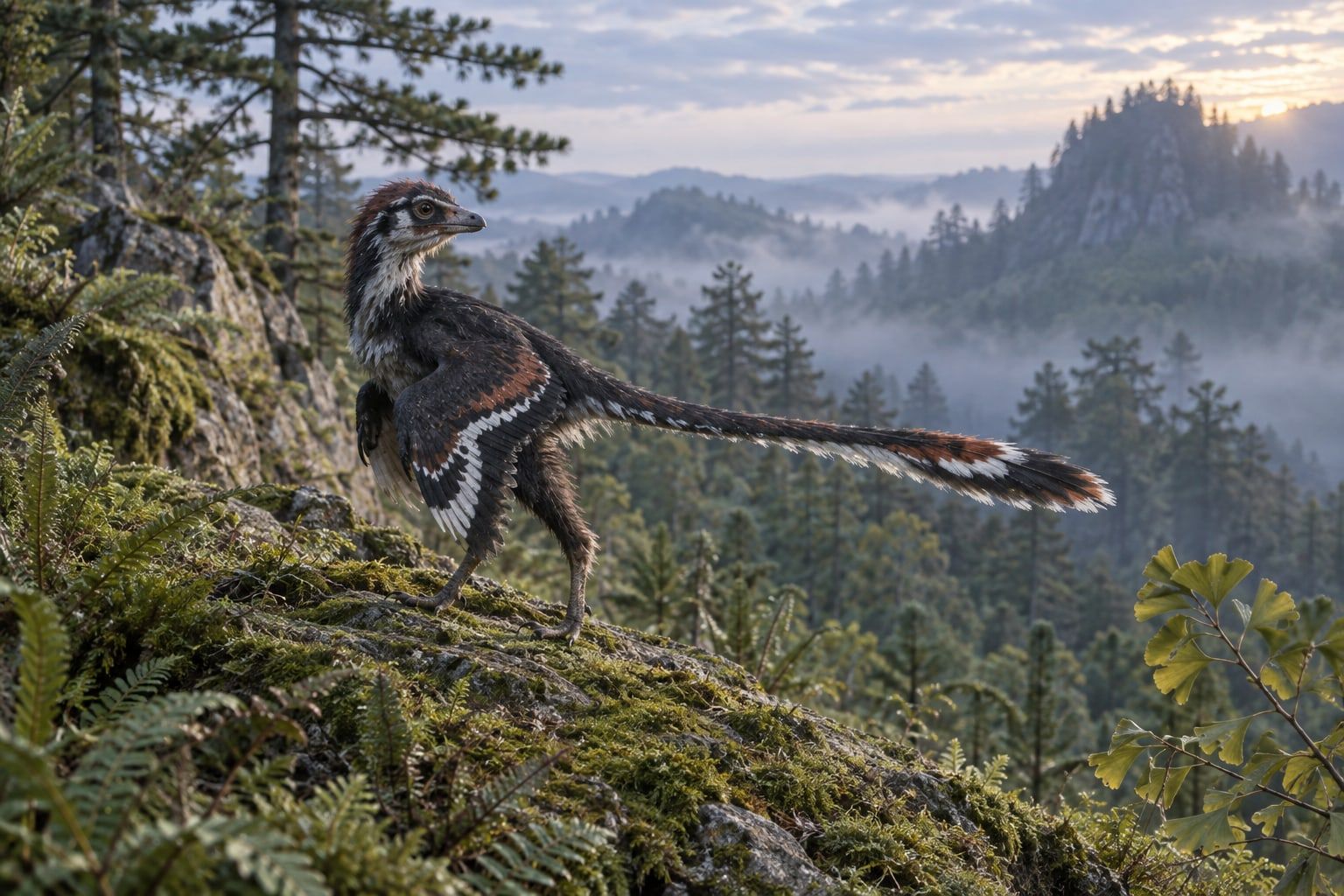
Other members of Troodontidae
Sources: WikidataNamed in: X. Xu and M. A. Norell. 2004. A new troodontid dinosaur from China with avian-like sleeping posture. Nature 431:838-841