Asfaltovenator
"Asfalto hunter"
- Lived
- 180 to 169 million years ago, Early Jurassic to Middle Jurassic
- Diet
- Carnivore
- Group
- Theropods
- Found in
- Argentina
- Named by
- Rauhut and Pol 2019
Where its fossils were found
The evidence
Today

175 million years ago
Habitat
A landscape of lakes and rivers in what is now Argentina. Other dinosaurs from the same formation include Patagosaurus, Piatnitzkysaurus and Eoabelisaurus.
Field notes
About Asfaltovenator
What it was like
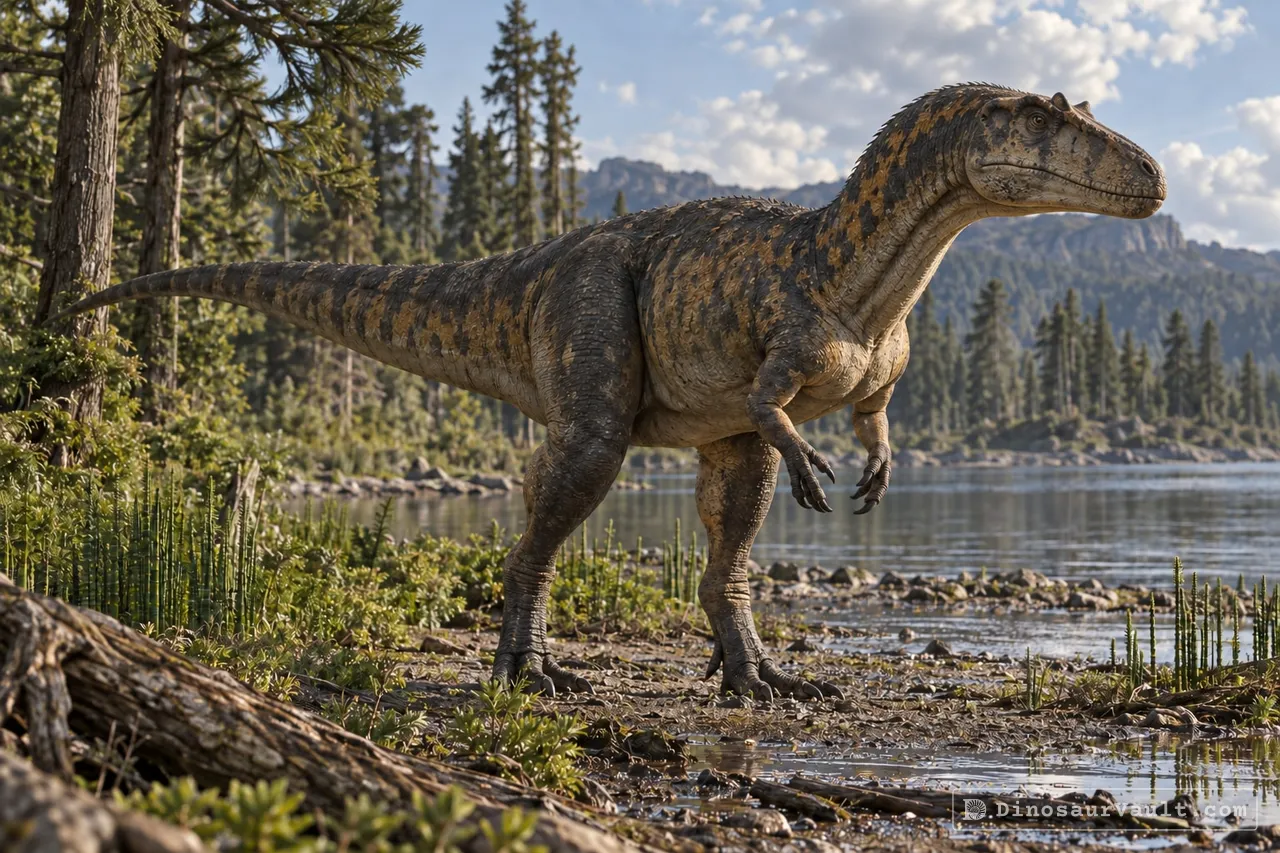
Asfaltovenator was a large meat eater known from a well-preserved partial skeleton with a skull. Its bones show a mix of features found in different groups of big theropods, which makes it hard to place exactly.
It was probably an early relative of Allosaurus, and its odd mix of traits helps show how those groups first split.
Its world
It lived in the Jurassic, between about 180 and 169 million years ago, in what is now Argentina. Its bones come from the Cañadón Asfalto Formation, where it lived alongside the hunters Piatnitzkysaurus, Eoabelisaurus and Condorraptor and the long-necked Patagosaurus.
How it was found
Rauhut and Pol named Asfaltovenator in 2019, from a single find.
Field gallery
More views of Asfaltovenator
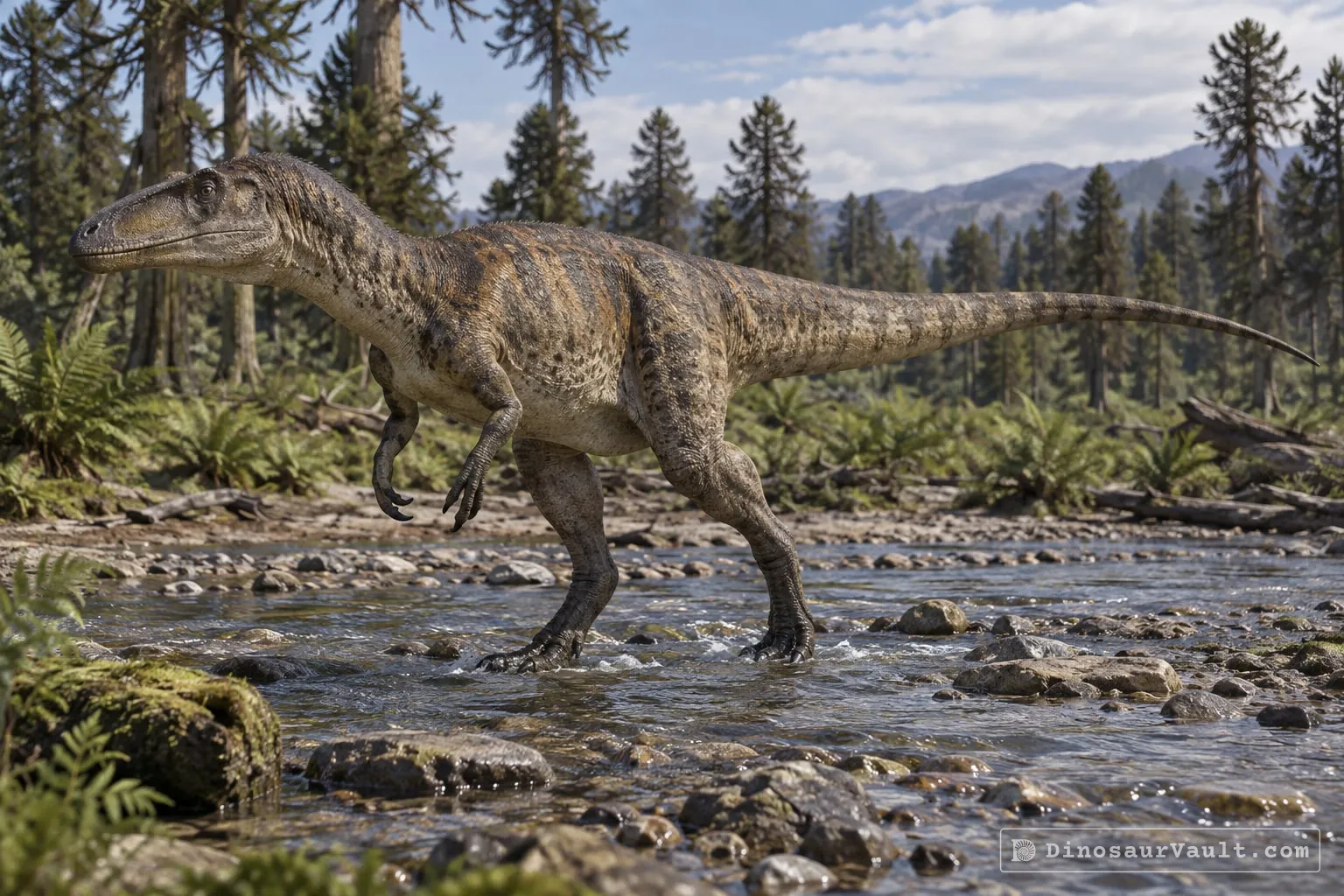
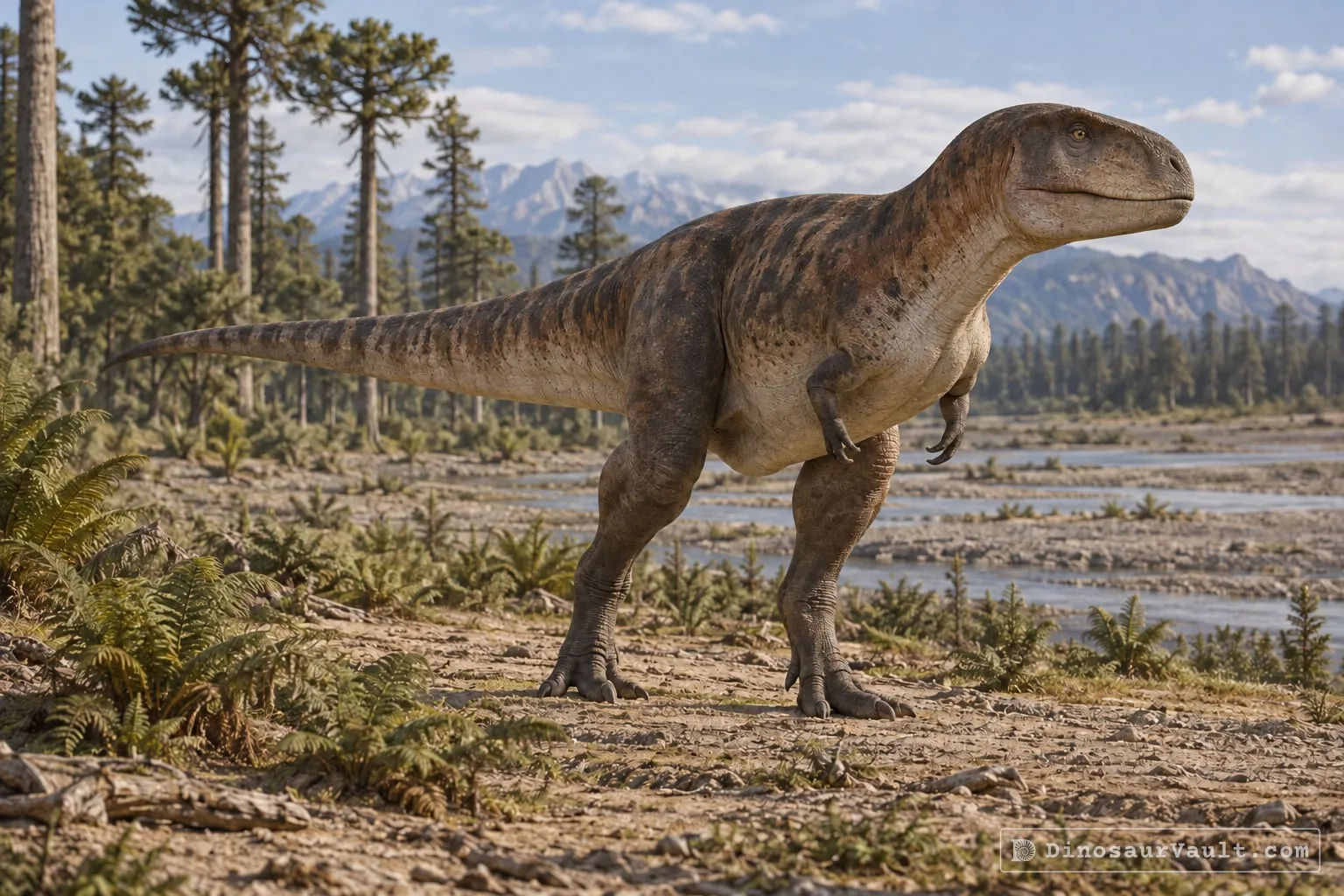
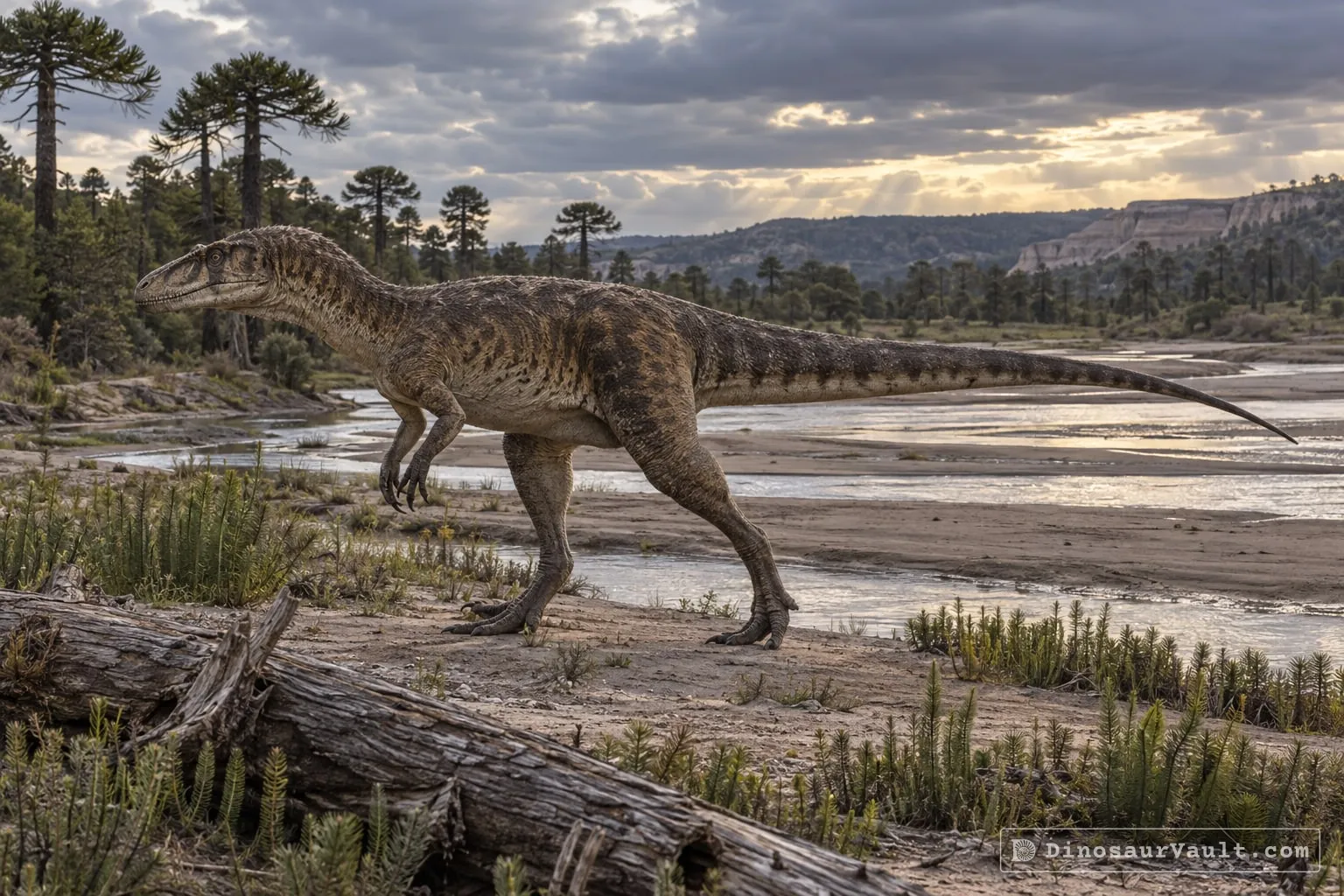
Scenes reconstructed from the available fossil evidence.
1 of 3
Lived alongside
Found in the same rock formations
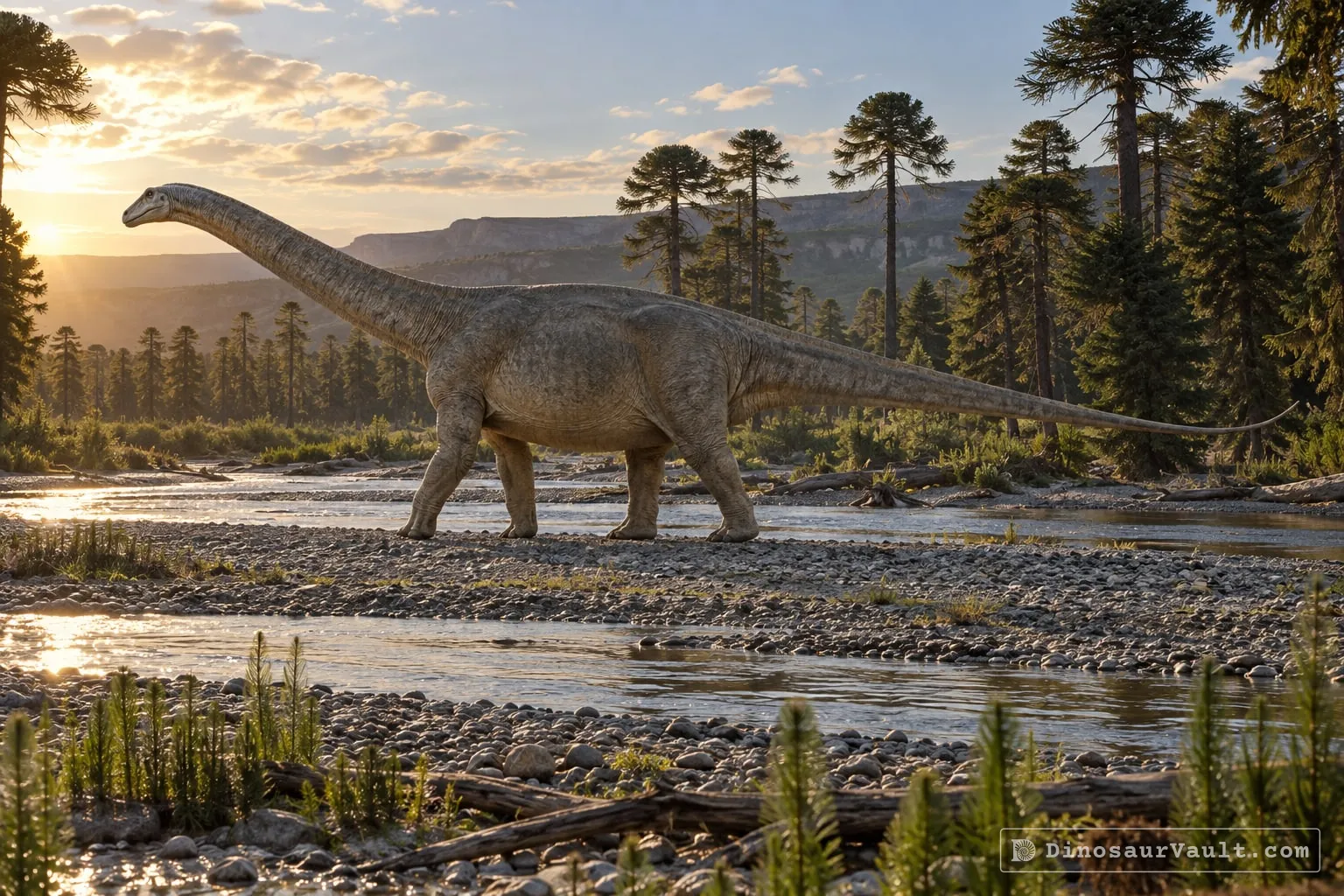
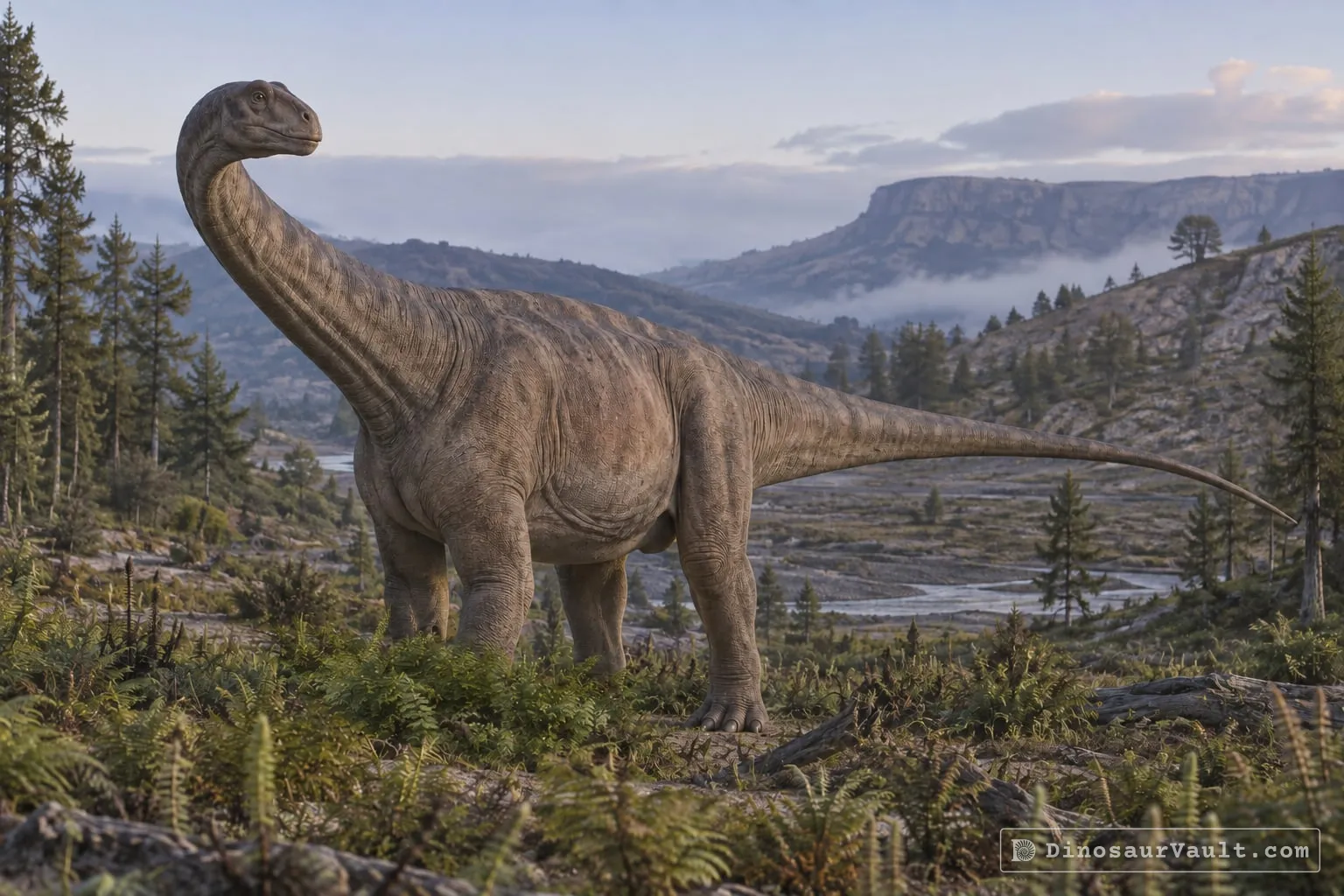
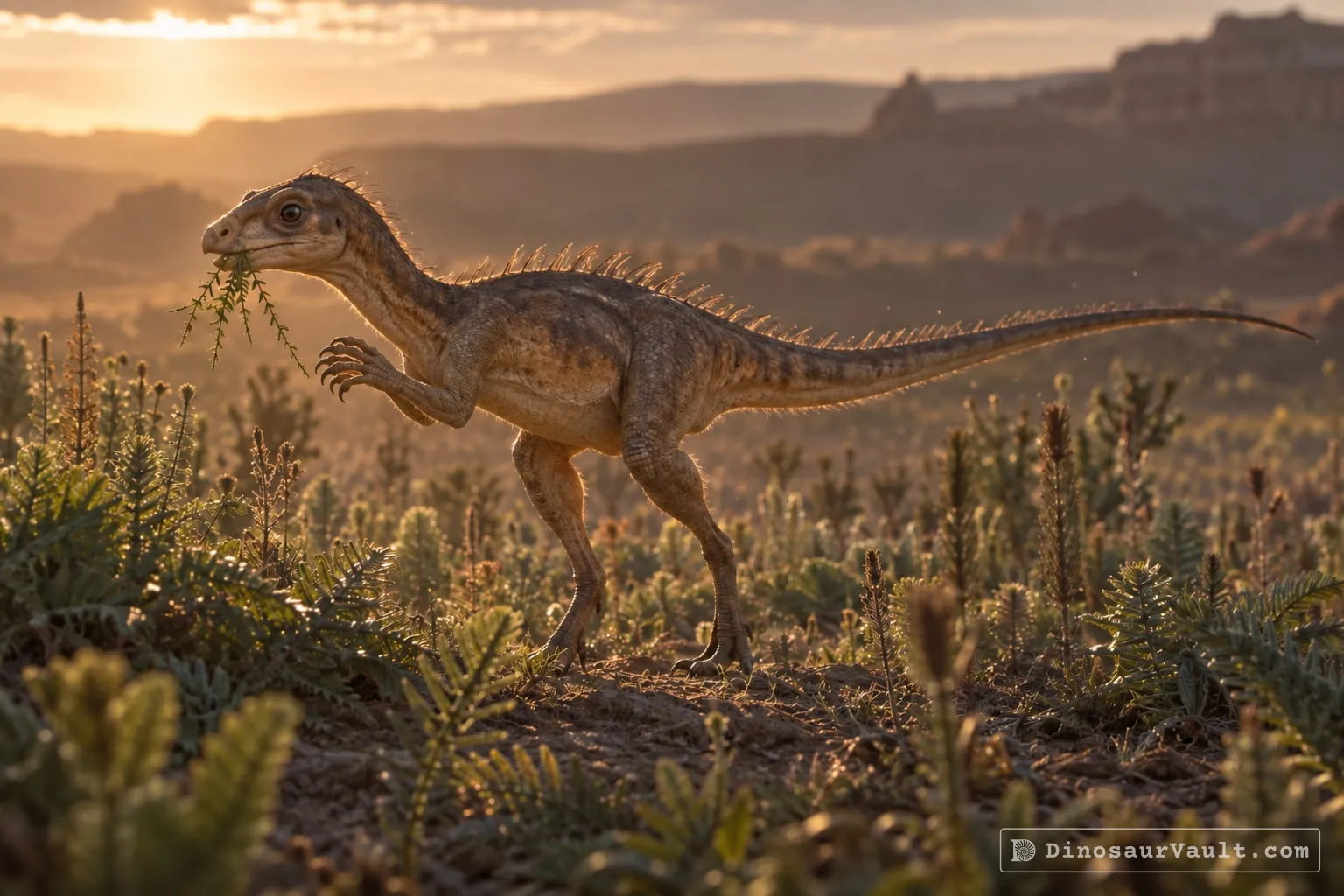
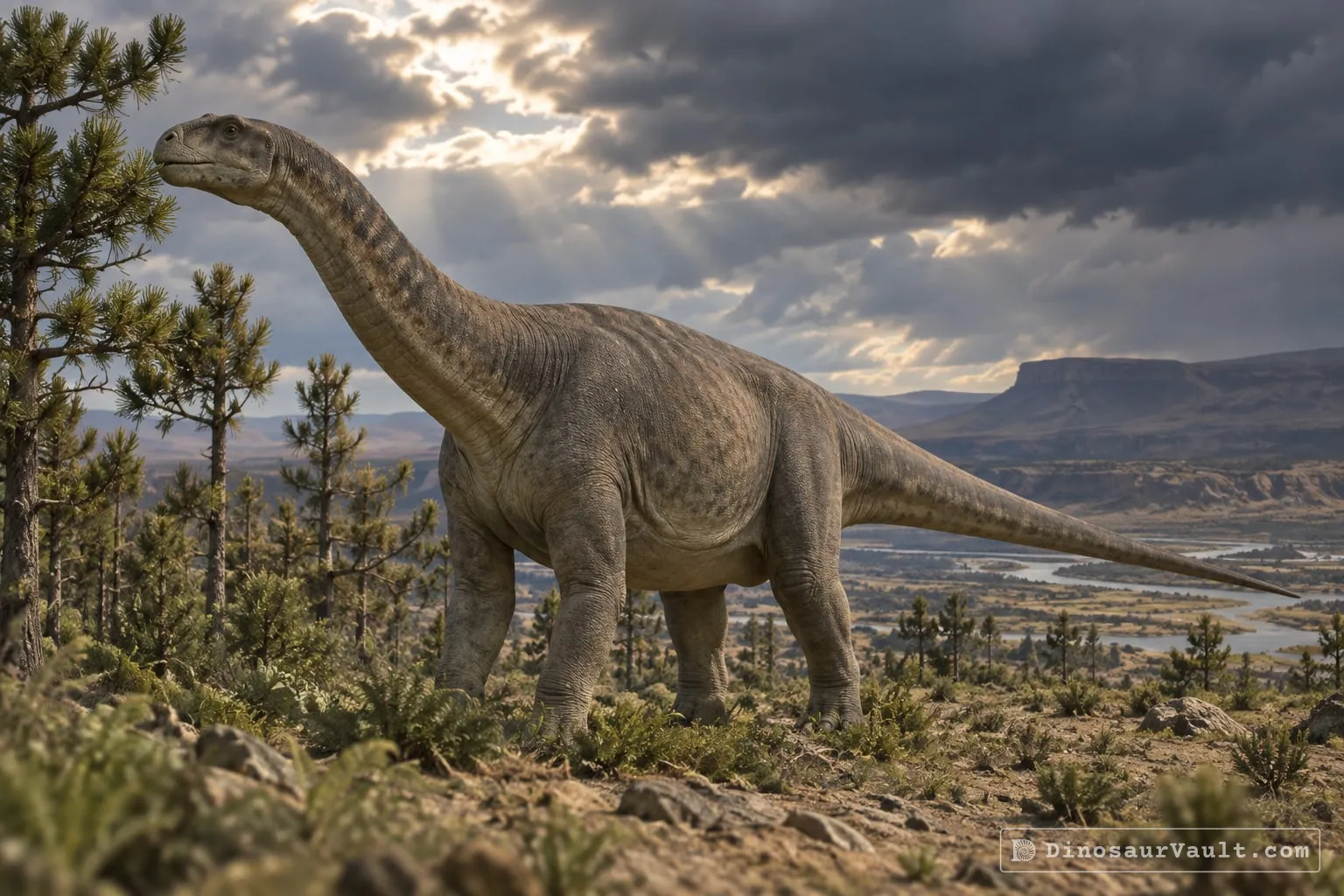


A rock formation can hold fossils laid down millions of years apart, so not every animal here met Asfaltovenator.
The evidence
The science behind Asfaltovenator
Which parts of the picture come from its own bones, and which come from its relatives.
From its own fossils
- An almost complete skull and a partial skeleton preserve the neck, back, arms, hands and parts of the legs.
- The skull has raised ridges along the snout and a small horn in front of each eye.
- Its skull and backbone combine traits seen in different branches of large meat-eating dinosaurs.
Borrowed from relatives
- Missing parts of the hips and tail are restored by comparison with early large theropods such as Allosaurus.
Still unknown
- Its skin covering and color.
- Its exact place among the early branches of large theropods.
- How its body changed as it grew.
Discovery timeline
- 2005Same rocksRAUHUT
- 2012Same rocksPol & Rauhut
- 2019Named itRauhut & Pol
Key papers
The research behind what we know of Asfaltovenator
Same rocks
Described Condorraptor, another meat eater from the same formation, from a partial skeleton with distinctive leg and backbone features.
Osteology and relationships of a new theropod dinosaur from the Middle Jurassic of Patagonia. Palaeontology 48: 87-110
Read the paper : Osteology and relationships of a new theropod dinosaur from the Middle Jurassic of Patagonia (opens in a new tab)Same rocks
Described Eoabelisaurus from the same formation, revealing an early stage in the evolution of the shortened hands of abelisaurids.
A Middle Jurassic abelisaurid from Patagonia and the early diversification of theropod dinosaurs. Proceedings of the Royal Society B: Biological Sciences 279: 3170-3175
Read the paper : A Middle Jurassic abelisaurid from Patagonia and the early diversification of theropod dinosaurs (opens in a new tab)Named it
Described the skull and skeleton and showed how their unusual mix of traits complicates the family tree of early large theropods.
Probable basal allosauroid from the early Middle Jurassic Cañadón Asfalto Formation of Argentina highlights phylogenetic uncertainty in tetanuran theropod dinosaurs. Scientific Reports 9
Read the paper : Probable basal allosauroid from the early Middle Jurassic Cañadón Asfalto Formation of Argentina highlights phylogenetic uncertainty in tetanuran theropod dinosaurs (opens in a new tab)
Close relatives
Other members of Allosauroidea


Sources: Wikidata