Piatnitzkysaurus
pee-at-NITS-kee-SORE-us
"Piatnitzky's lizard"
Type species Piatnitzkysaurus floresi
- Lived
- 183 to 180 million years ago, Early Jurassic
- Diet
- Carnivore
- Length
- about 4.2 m (14 ft)
- Group
- Theropods, Piatnitzkysauridae
- Found in
- Argentina
- Named by
- Bonaparte 1979
Size comparison
To scale

Scale in metersOutline: typical theropod shape
Where its fossils were found
The evidence
Today

180 million years ago
Habitat
Lakes and streams lay among volcanic deposits, with conifers growing around the water. Other dinosaurs from these rocks include Condorraptor, Patagosaurus and Eoabelisaurus.
Field notes
About Piatnitzkysaurus
What it was like
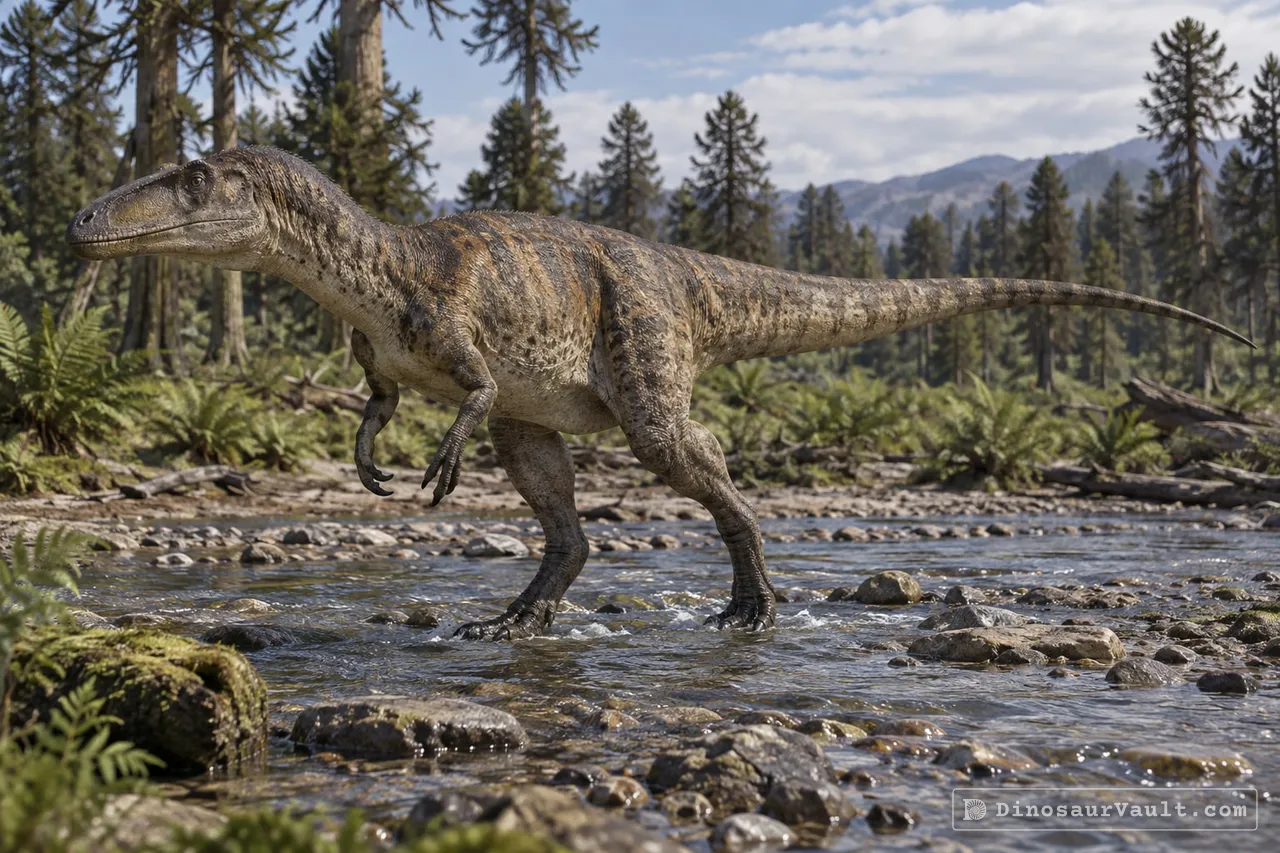
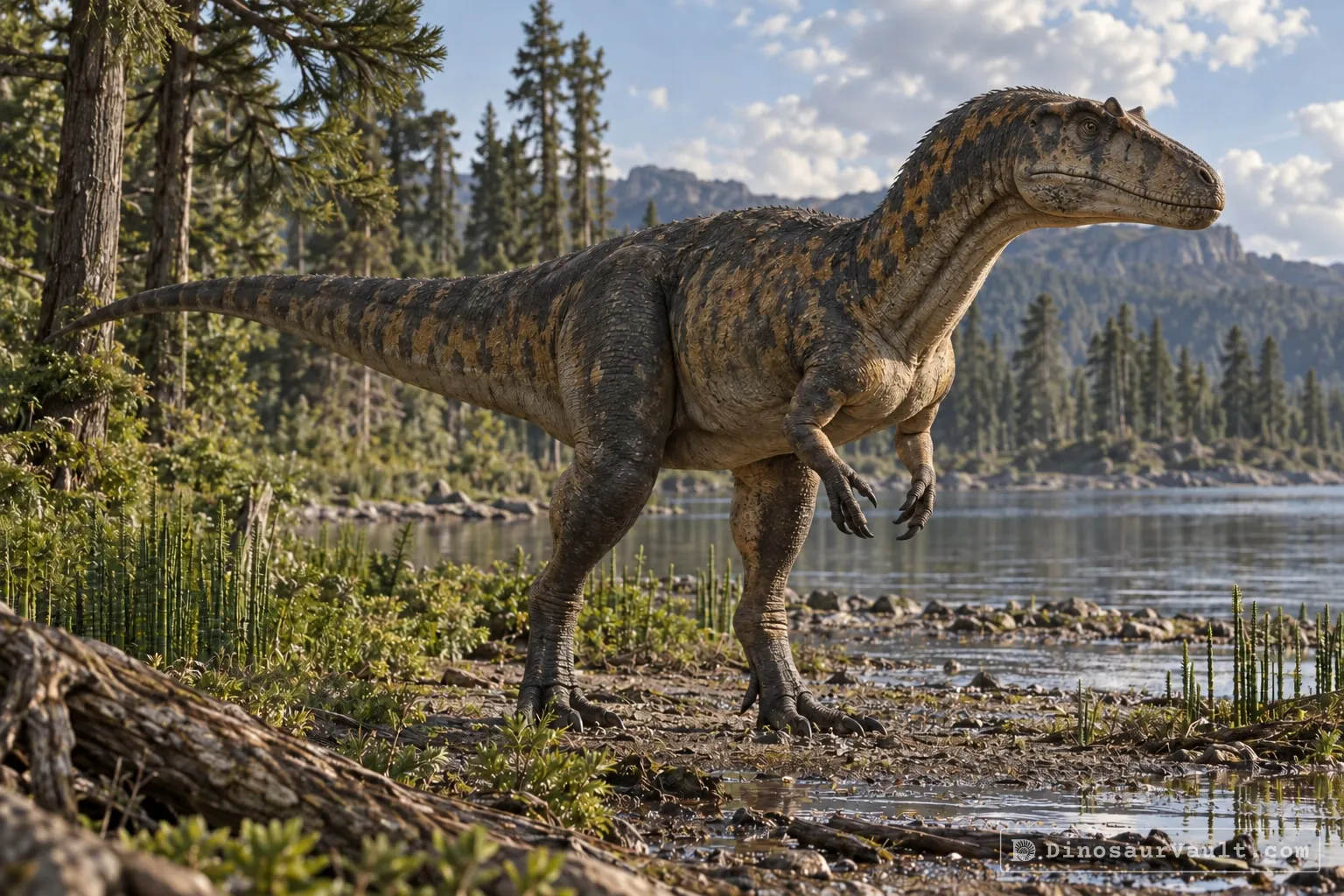
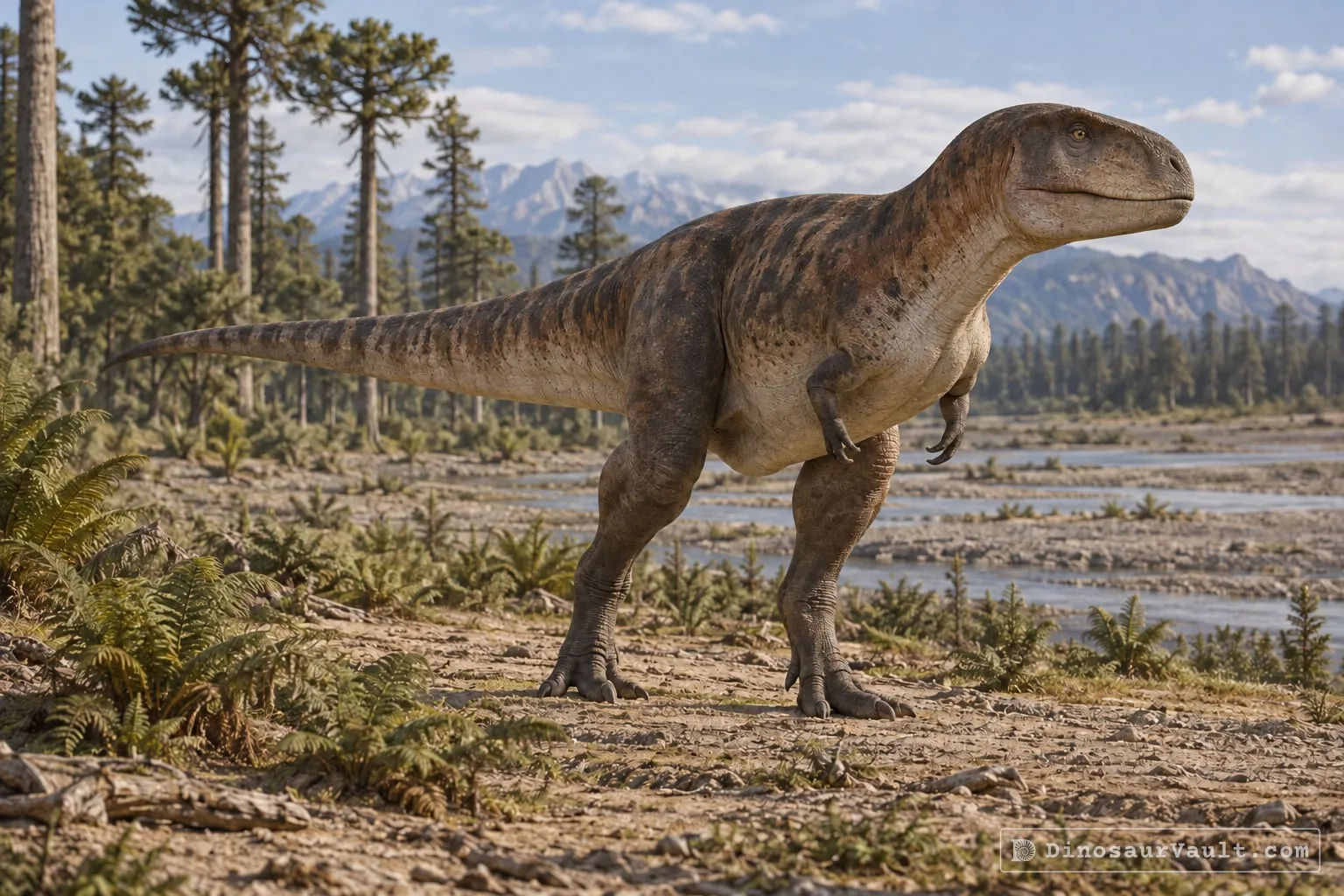
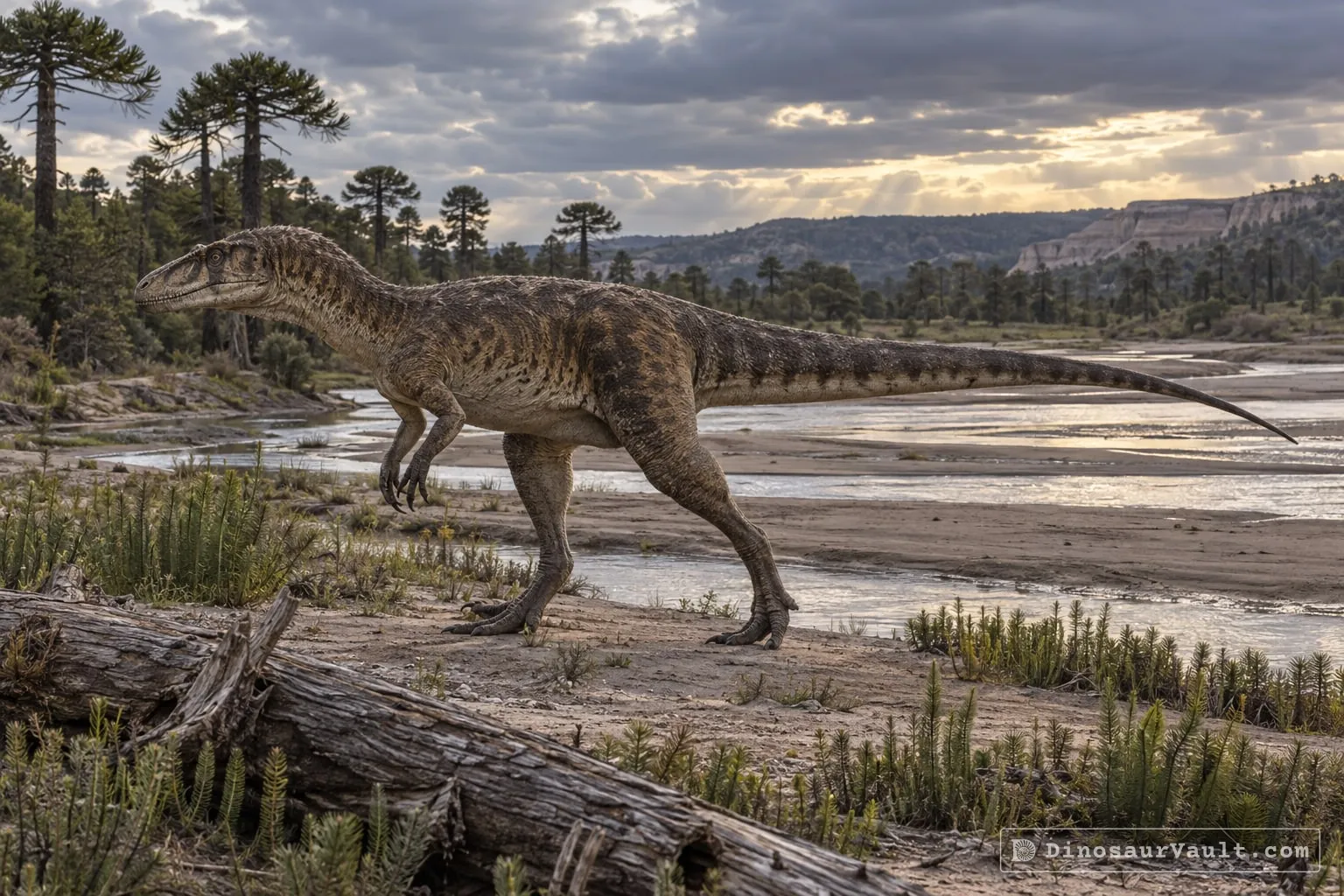
Piatnitzkysaurus was a lightly built, two-legged predator about 4.2 meters (14 feet) long. It had a long tail, strong legs and short but powerful arms.
Its world
It lived about 183 to 180 million years ago, in the Early Jurassic, in what is now Argentina. Its bones come from the Cañadón Asfalto Formation, where it shared the land with the predators Condorraptor and Eoabelisaurus and the sauropod Patagosaurus.
How it was found
Bonaparte named Piatnitzkysaurus in 1979. The type species is Piatnitzkysaurus floresi. It is one of the best known meat eaters of its age, and it gave its name to a family that also includes Marshosaurus from North America.
Field gallery
More views of Piatnitzkysaurus
Scenes reconstructed from the available fossil evidence.
Lived alongside
Found in the same rock formations
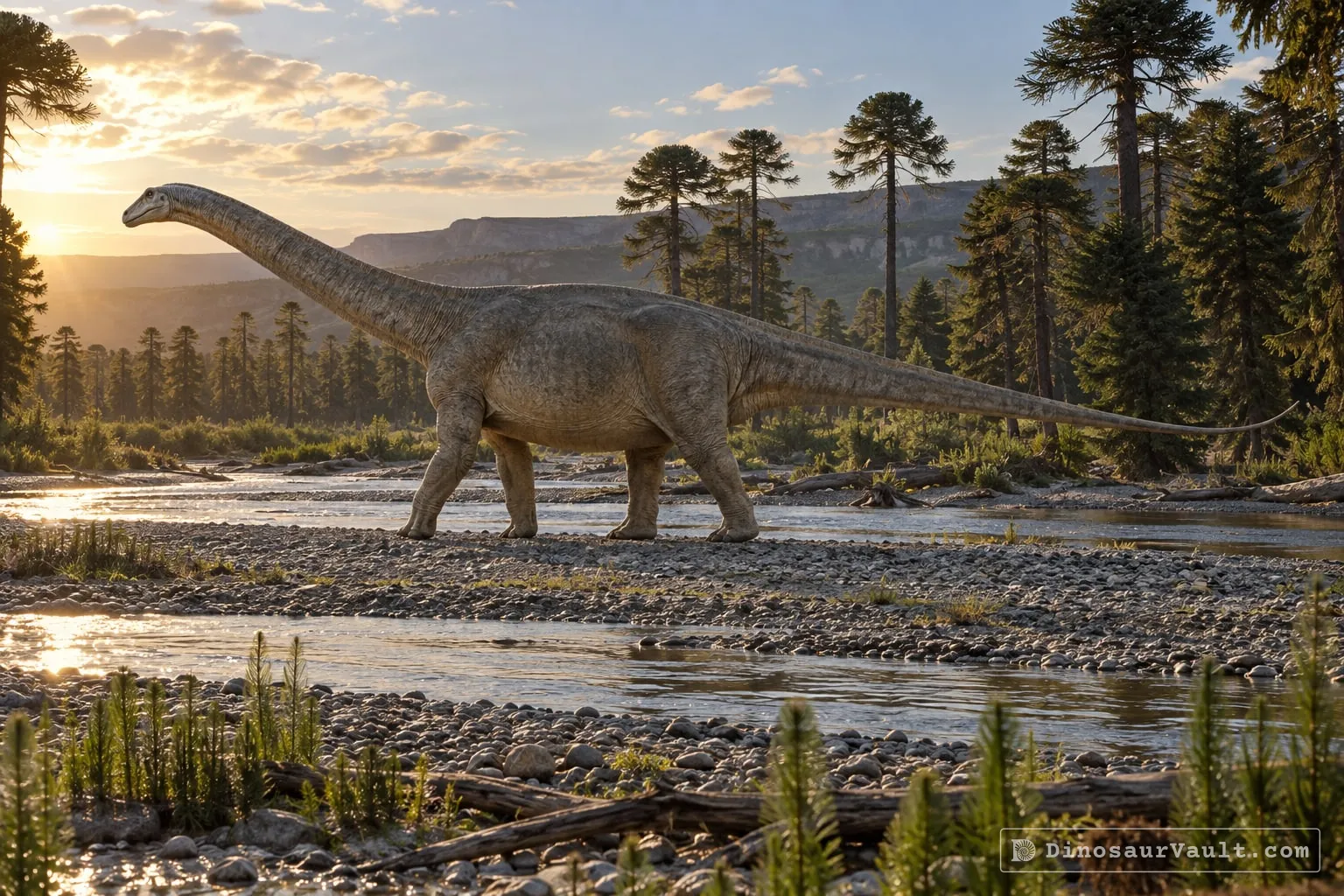
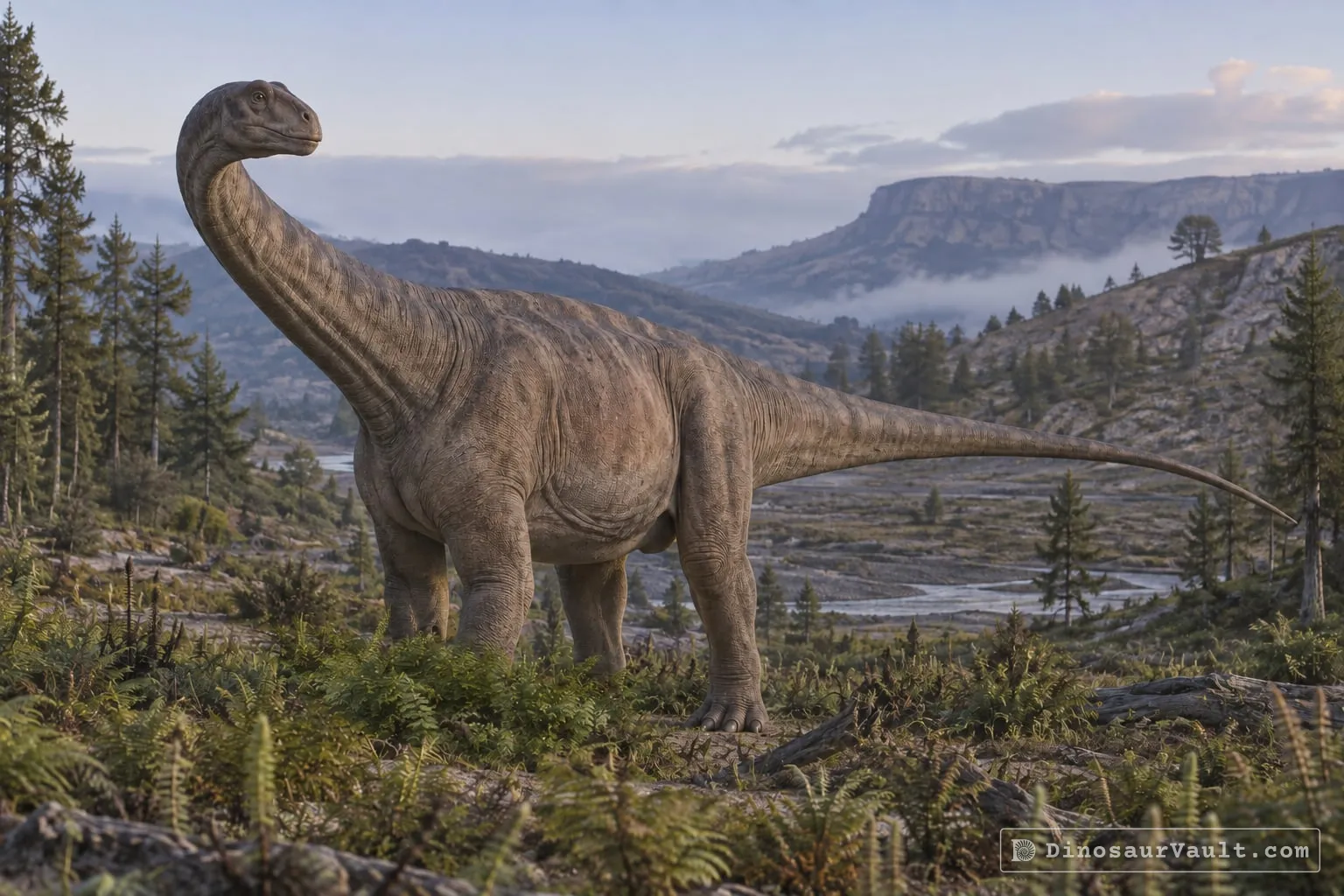
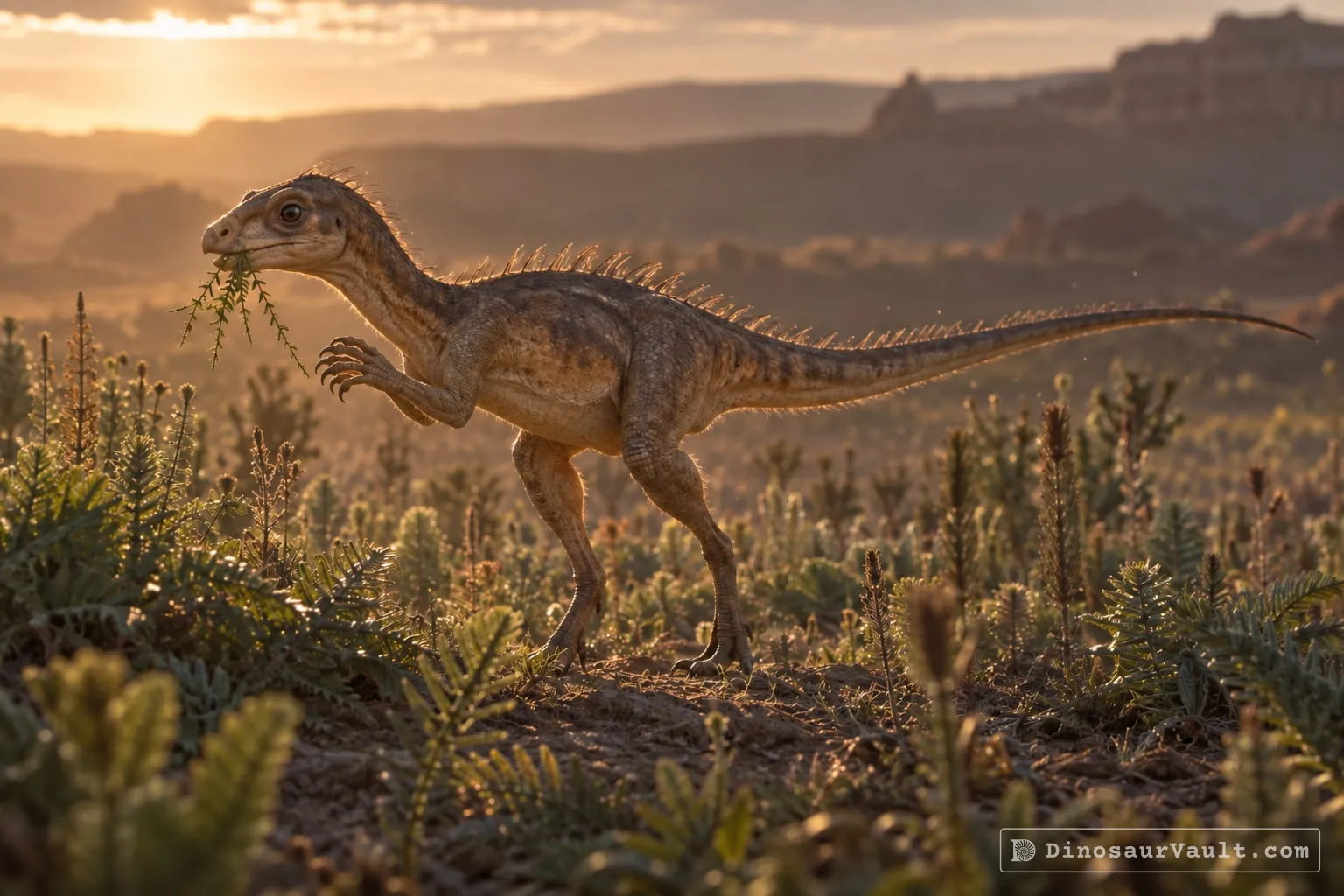
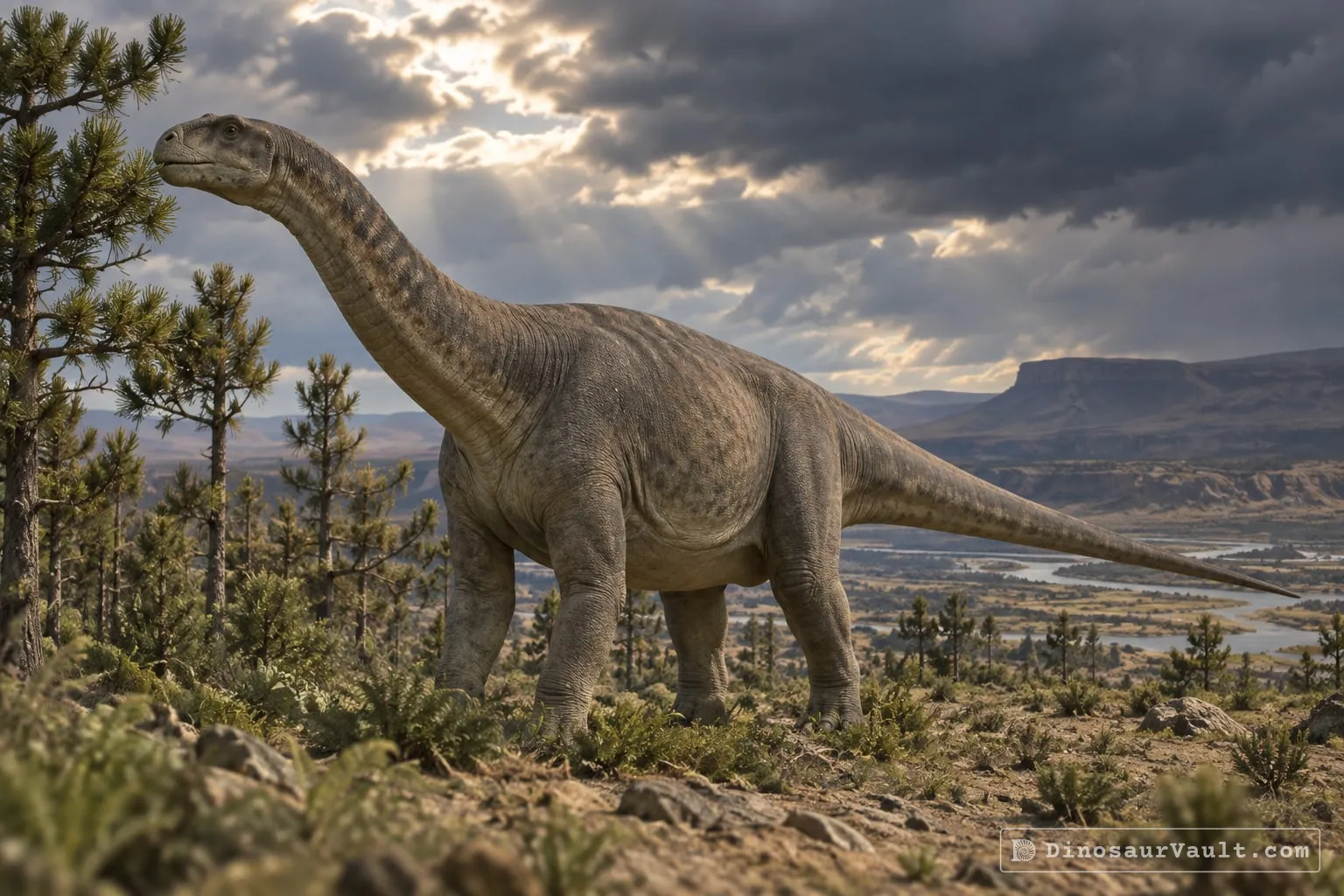


A rock formation can hold fossils laid down millions of years apart, so not every animal here met Piatnitzkysaurus.
The evidence
The science behind Piatnitzkysaurus
Which parts of the picture come from its own bones, and which come from its relatives.
From its own fossils
- The type skeleton preserves parts of the jaws and braincase, backbone, shoulders, hips and limbs. A separately referred skeleton adds jaw, body and foot bones, the latter slender compared with Torvosaurus.
- The upper arm bones curve forward and backward along their length.
- The bones around the brain have many small recesses connected with air spaces.
Borrowed from relatives
- Dubreuillosaurus offers comparisons for missing parts of the skull and tail.
- Torvosaurus supplies comparisons for the missing forearm bone, hands and toes.
Still unknown
- Its skin covering and color.
- The complete shape of its skull and hands.
- How its body changed as it grew.
Discovery timeline
- 1979Named itBonaparte
- 2004SkullRauhut
- 2024RedescriptionPradelli, Pol & Ezcurra
- 2026RedescriptionPradelli et al.
Key papers
The research behind what we know of Piatnitzkysaurus
Named it
Introduced Piatnitzkysaurus alongside the sauropods Patagosaurus and Volkheimeria from Jurassic rocks in Argentina.
Dinosaurs: A Jurassic Assemblage from Patagonia. Science 205: 1377-1379
Read the paper : Dinosaurs: A Jurassic Assemblage from Patagonia (opens in a new tab)Skull
Described the braincase and its many air-related recesses, comparing their shapes with those of other theropods.
Braincase structure of the Middle Jurassic theropod dinosaurPiatnitzkysaurus. Canadian Journal of Earth Sciences 41: 1109-1122
Read the paper : Braincase structure of the Middle Jurassic theropod dinosaurPiatnitzkysaurus (opens in a new tab)Redescription
Restudied the shoulders, arms, hips and legs, describing the bowed upper arm and the slender foot bones.
The appendicular osteology of the Early Jurassic theropod Piatnitzkysaurus floresi and its implications on the morphological disparity of non-coelurosaurian tetanurans. Zoological Journal of the Linnean Society 203
Read the paper : The appendicular osteology of the Early Jurassic theropod Piatnitzkysaurus floresi and its implications on the morphological disparity of non-coelurosaurian tetanurans (opens in a new tab)Redescription
Reexamined the skull and backbone, and used scans of the jaws to investigate tooth replacement.
The axial osteology of the theropod dinosaur Piatnitzkysaurus floresi from the Early Jurassic of Patagonia, Argentina. Royal Society Open Science 13
Read the paper : The axial osteology of the theropod dinosaur Piatnitzkysaurus floresi from the Early Jurassic of Patagonia, Argentina (opens in a new tab)
Close relatives
Other members of Piatnitzkysauridae


Sources: Wikidata