Condorraptor
"Cerro Condor thief"
- Lived
- 180 to 169 million years ago, Early Jurassic to Middle Jurassic
- Diet
- Carnivore
- Group
- Theropods, Piatnitzkysauridae
- Found in
- Argentina
- Named by
- Rauhut 2005
Where its fossils were found
The evidence
Today

175 million years ago
Habitat
Lakes and nearby plains supported conifers in what is now Argentina. Piatnitzkysaurus, Eoabelisaurus and Patagosaurus lived in the same region.
Field notes
About Condorraptor
What it was like
Condorraptor was a medium-sized two-legged predator known from a partial skeleton. It was a close relative of Piatnitzkysaurus.
Its world
It lived in the Jurassic in what is now Argentina. Its bones come from the Cañadón Asfalto Formation, where it lived alongside the predators Piatnitzkysaurus and Eoabelisaurus and the sauropod Patagosaurus.
How it was found
Rauhut named Condorraptor in 2005. Its name refers to a village near the site.
Field gallery
More views of Condorraptor
Scenes reconstructed from the available fossil evidence.
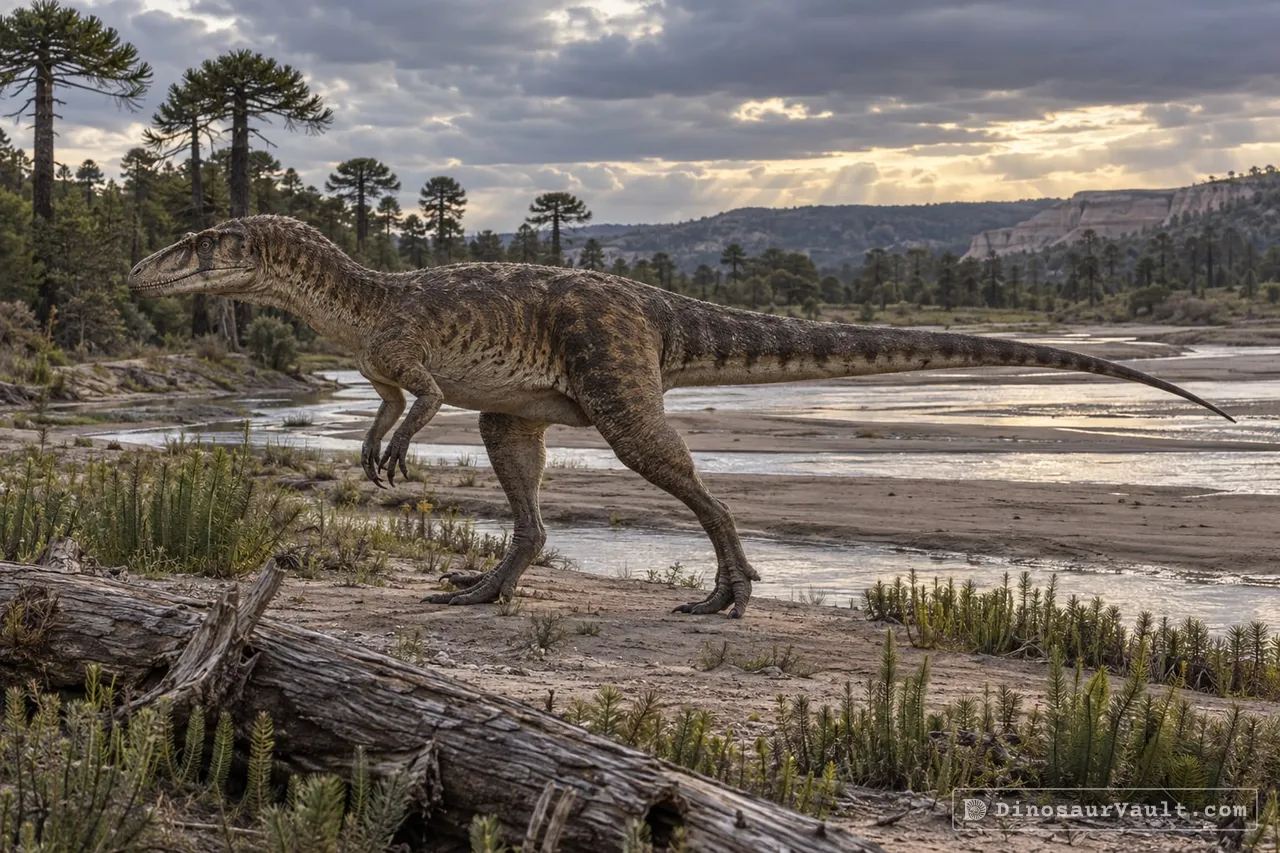
1 of 3
Lived alongside
Found in the same rock formations
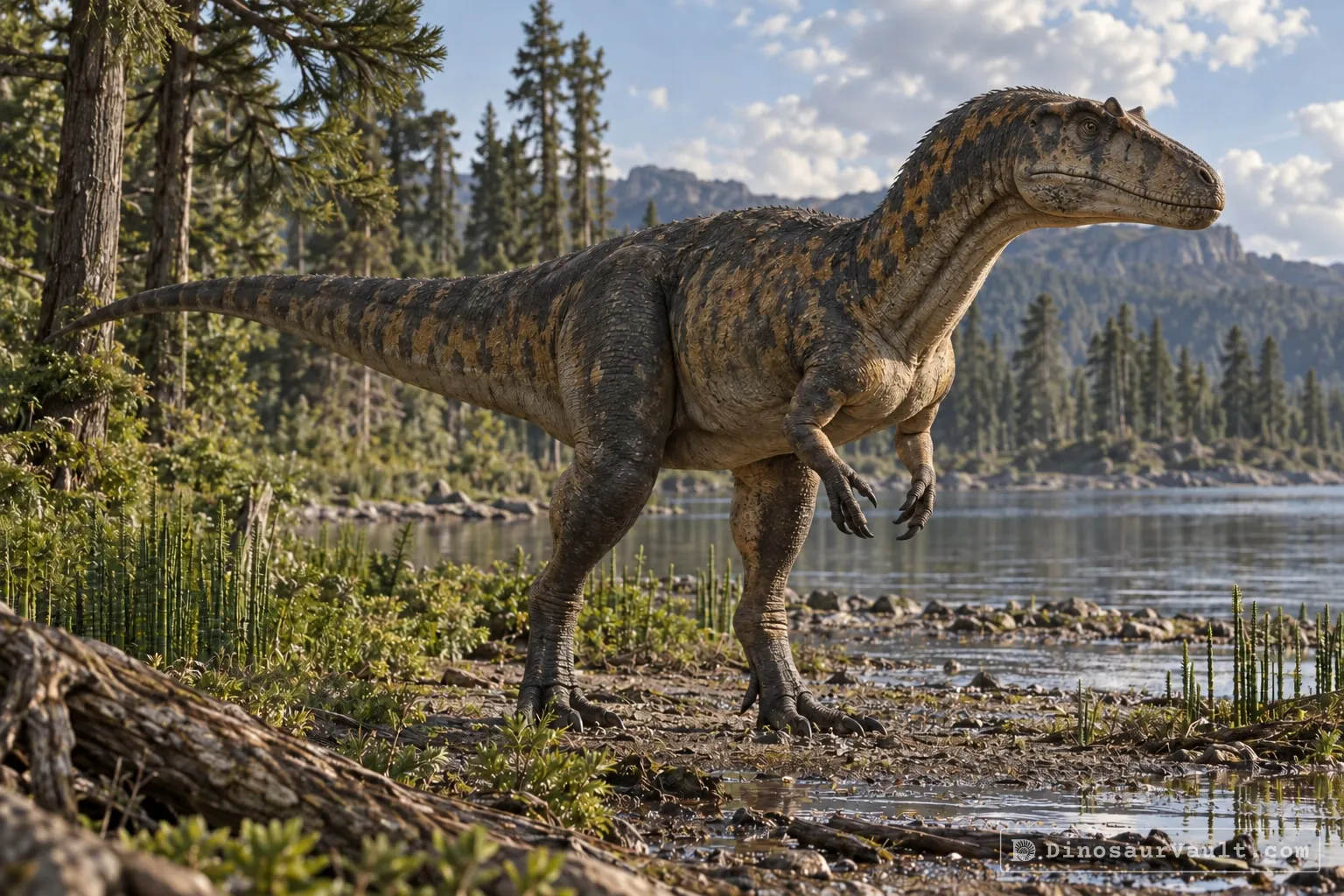
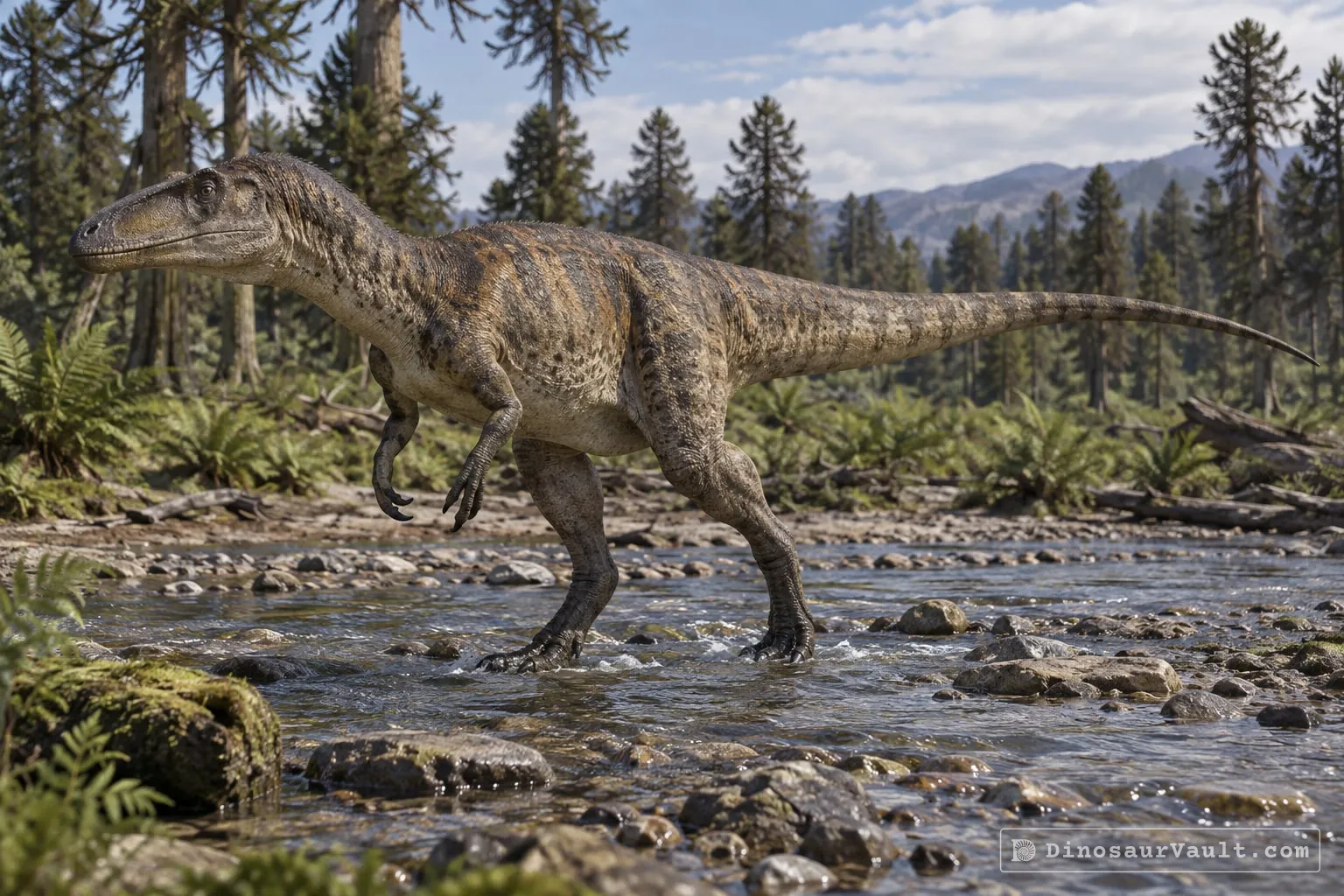
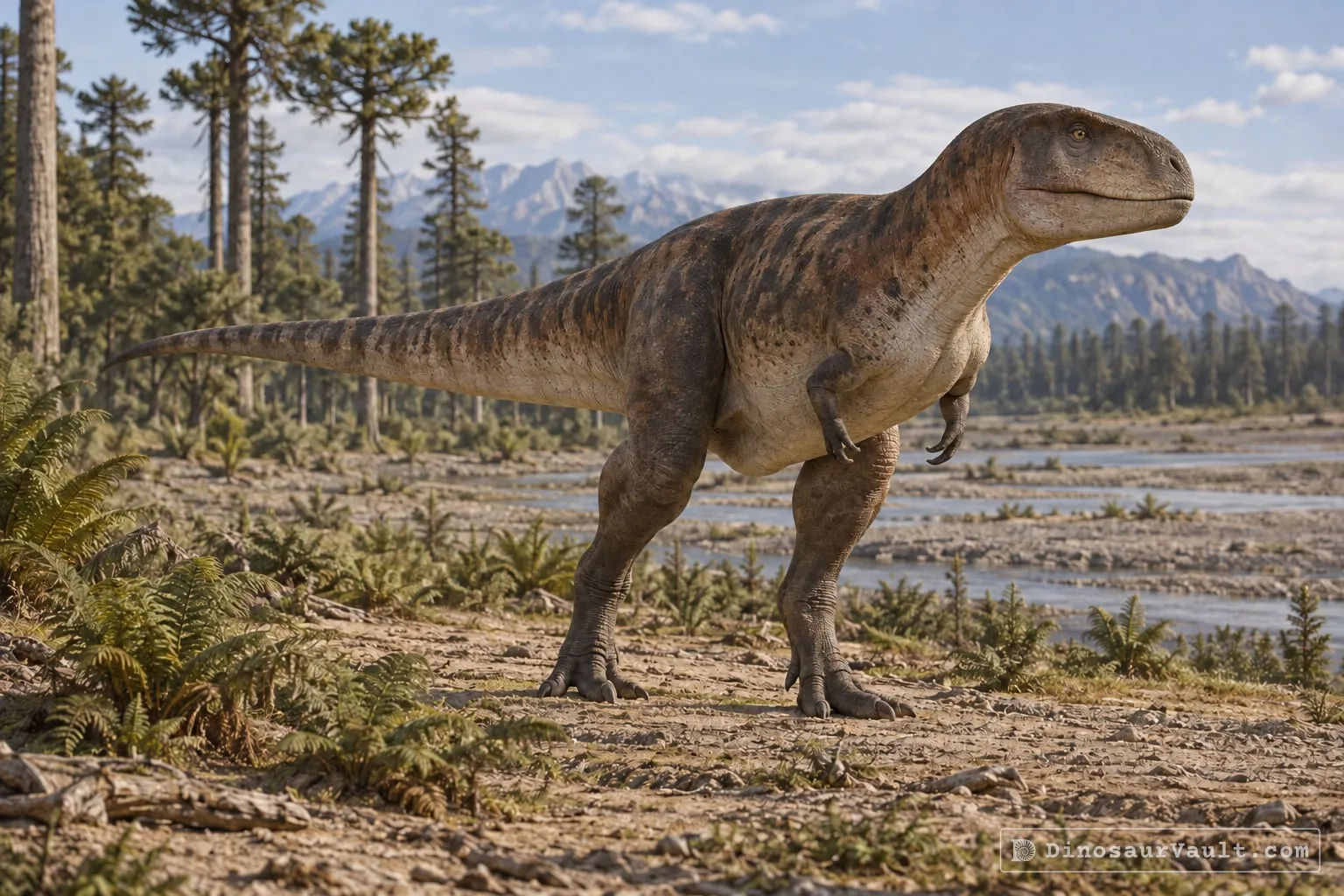
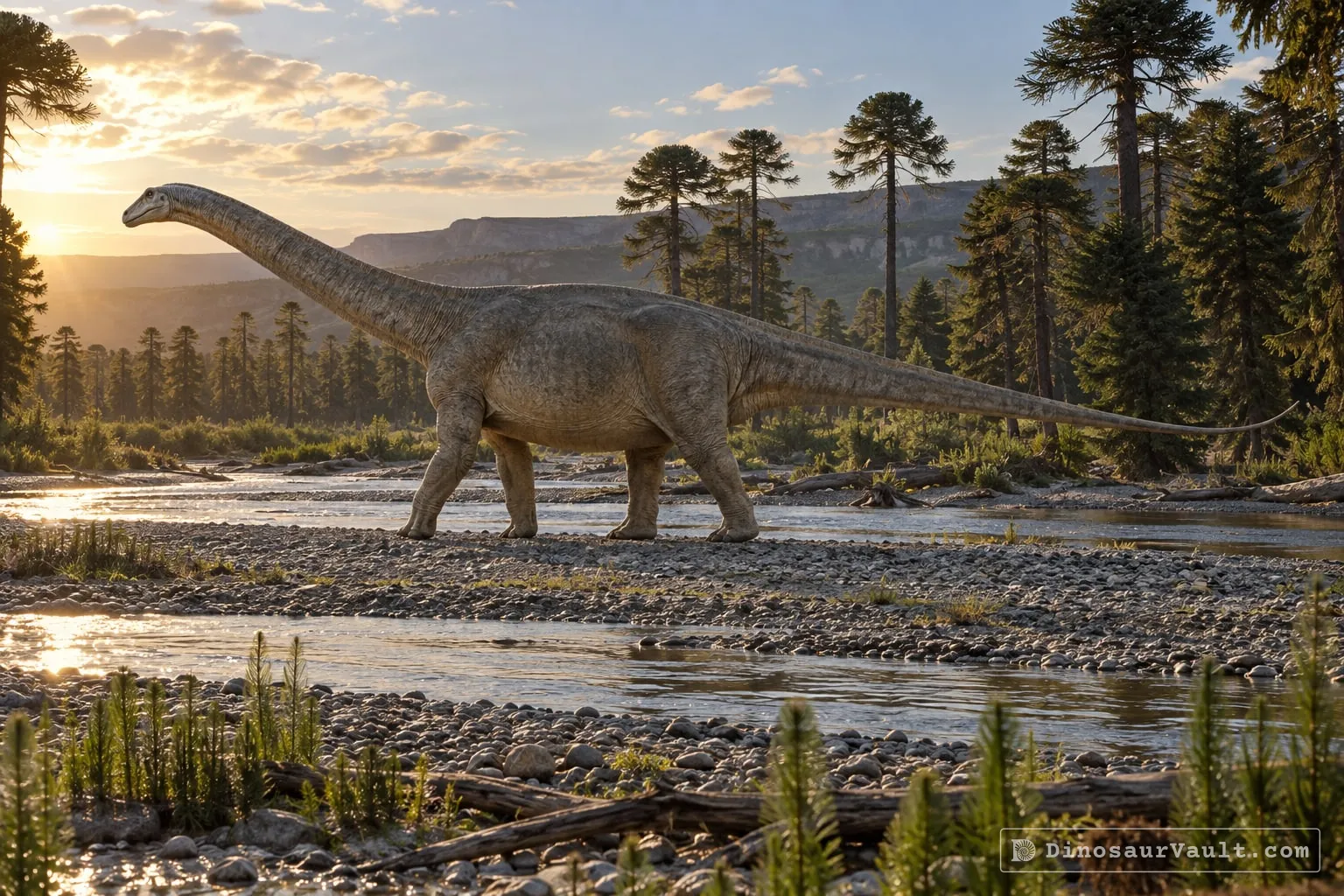
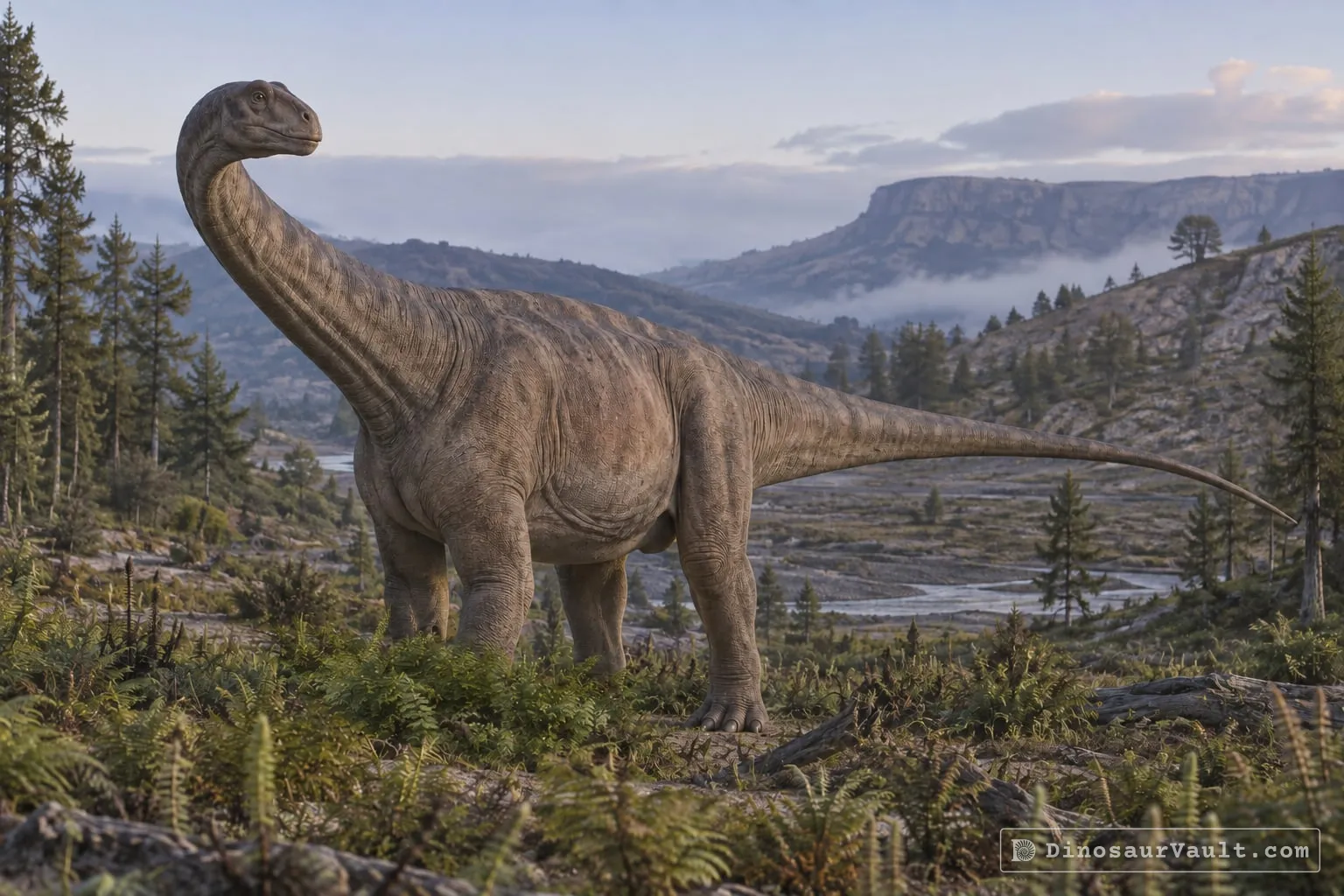
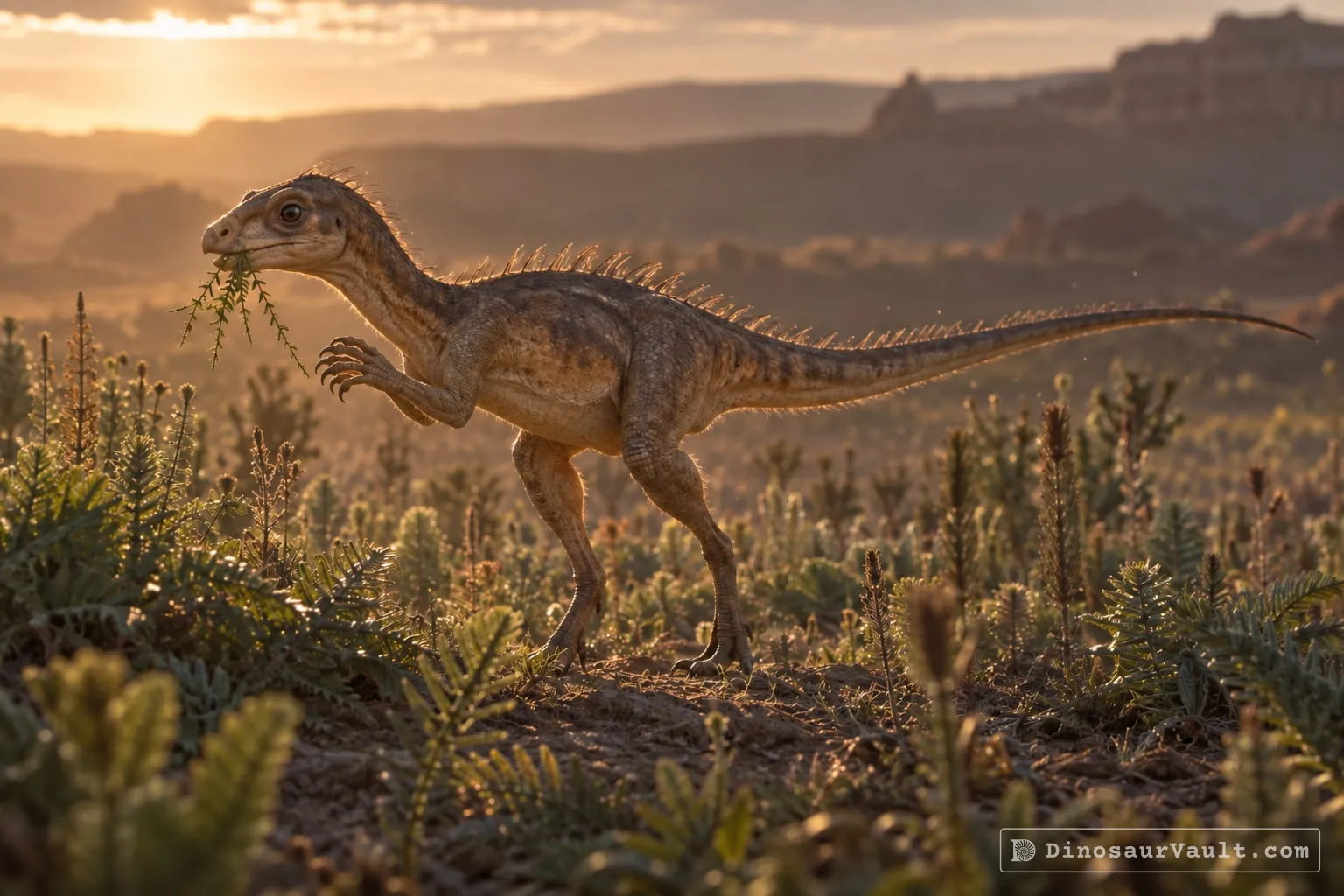
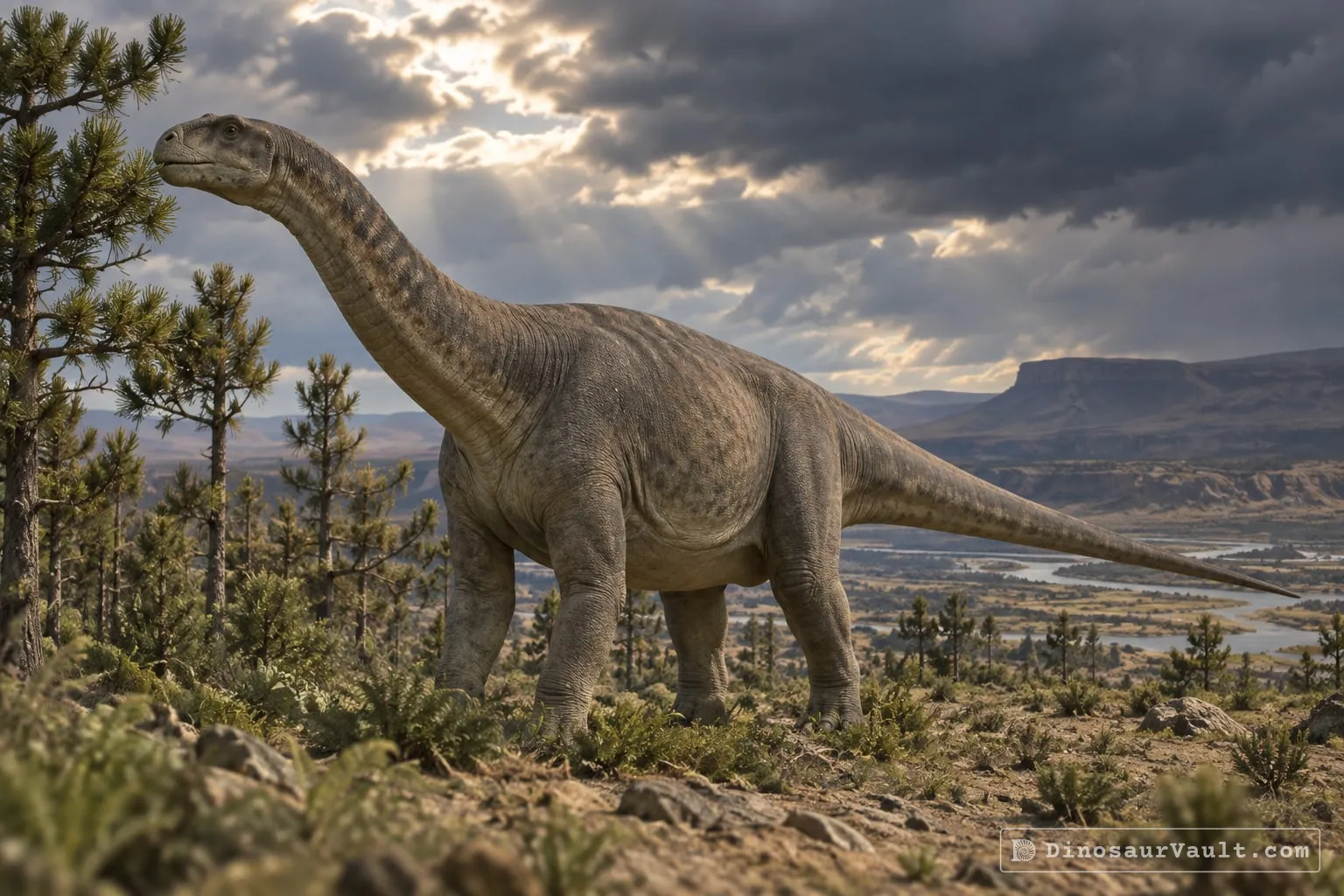


A rock formation can hold fossils laid down millions of years apart, so not every animal here met Condorraptor.
The evidence
The science behind Condorraptor
Which parts of the picture come from its own bones, and which come from its relatives.
From its own fossils
- The shinbone used to name Condorraptor preserves distinctive shapes around the ankle joint.
- Other bones assigned to it include vertebrae, parts of the hip, a thigh bone and pieces of the foot.
- A surviving foot bone is slender and bends slightly outward.
Borrowed from relatives
- Piatnitzkysaurus provides a comparison for the body and slender hindlimbs.
- Dubreuillosaurus supplies a comparison for the missing face, while Torvosaurus helps restore the arms and hands.
Still unknown
- Whether a crushed skull from the same rocks belongs to Condorraptor.
- The complete shape of its hands and toe claws.
- Its skin covering and color.
Discovery timeline
- 2005Named itRAUHUT
- 2012Family treeCarrano, Benson & Sampson
- 2024Close relativePradelli, Pol & Ezcurra
Key papers
The research behind what we know of Condorraptor
Named it
Named Condorraptor from a shinbone and described other bones probably belonging to the same animal.
Osteology and relationships of a new theropod dinosaur from the Middle Jurassic of Patagonia. Palaeontology 48: 87-110
Read the paper : Osteology and relationships of a new theropod dinosaur from the Middle Jurassic of Patagonia (opens in a new tab)Family tree
Grouped Condorraptor with Piatnitzkysaurus and Marshosaurus, while revising some features previously used to distinguish it.
The phylogeny of Tetanurae (Dinosauria: Theropoda). Journal of Systematic Palaeontology 10: 211-300
Read the paper : The phylogeny of Tetanurae (Dinosauria: Theropoda) (opens in a new tab)Close relative
Restudied the limbs of Piatnitzkysaurus and recovered a close relationship with Condorraptor, helping compare their body plans.
The appendicular osteology of the Early Jurassic theropod Piatnitzkysaurus floresi and its implications on the morphological disparity of non-coelurosaurian tetanurans. Zoological Journal of the Linnean Society 203
Read the paper : The appendicular osteology of the Early Jurassic theropod Piatnitzkysaurus floresi and its implications on the morphological disparity of non-coelurosaurian tetanurans (opens in a new tab)
Close relatives
Other members of Piatnitzkysauridae


Sources: Wikidata