Malefica
"witch"
Type species Malefica deckerti
- Lived
- 84 to 72 million years ago, Late Cretaceous
- Diet
- Herbivore
- Group
- Ornithopods, Hadrosauridae
- Found in
- United States
- Named by
- Prieto-Márquez and Wagner 2023
Where its fossils were found
The evidence
Today

80 million years ago
Habitat
It lived on river floodplains in a coastal region of what is now Texas, with open woodland. Agujaceratops, Kritosaurus and Saurornitholestes are also known from the Aguja Formation.
Field notes
About Malefica
What it was like
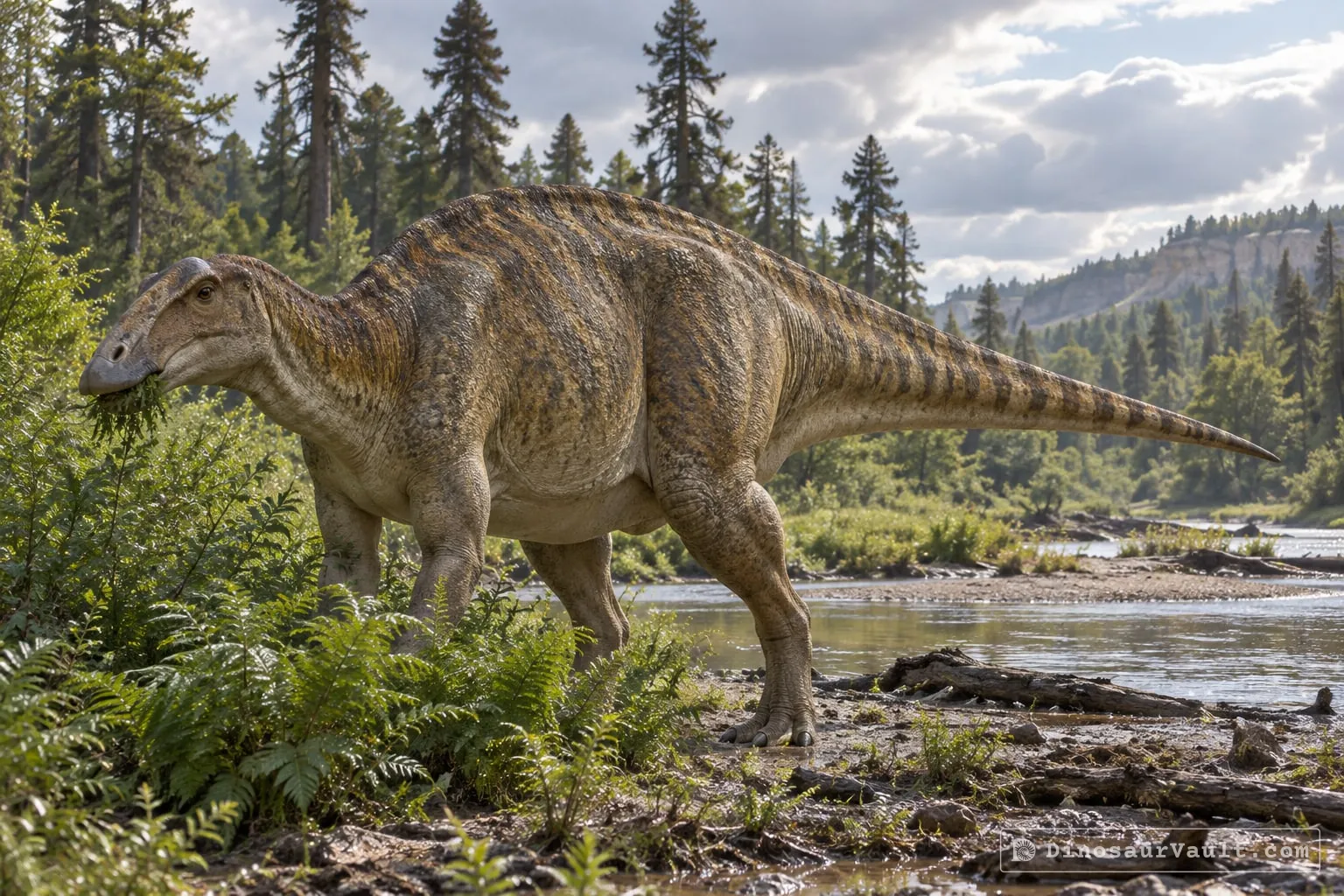
Malefica was an early duckbill, a plant eater with a broad beak and grinding teeth. It is known from part of a skull.
Its world
It lived in the Late Cretaceous, in what is now Texas. It comes from the Aguja Formation, a coastal land shared with the horned Agujaceratops, the duckbill Kritosaurus and the armored Panoplosaurus.
How it was found
Prieto-Márquez and Wagner named Malefica in 2023. The type species is Malefica deckerti.
Field gallery
More views of Malefica
Scenes reconstructed from the available fossil evidence.
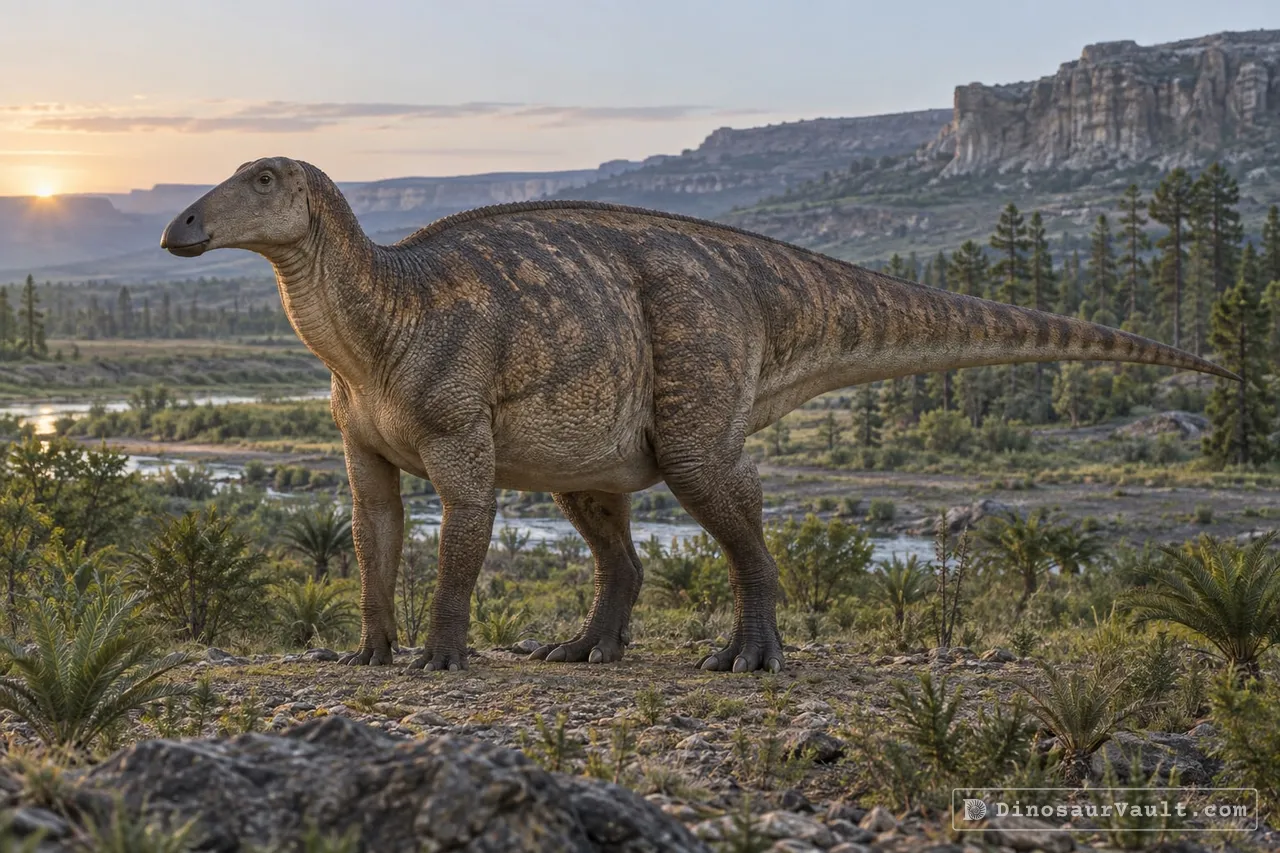
Lived alongside
Found in the same rock formations
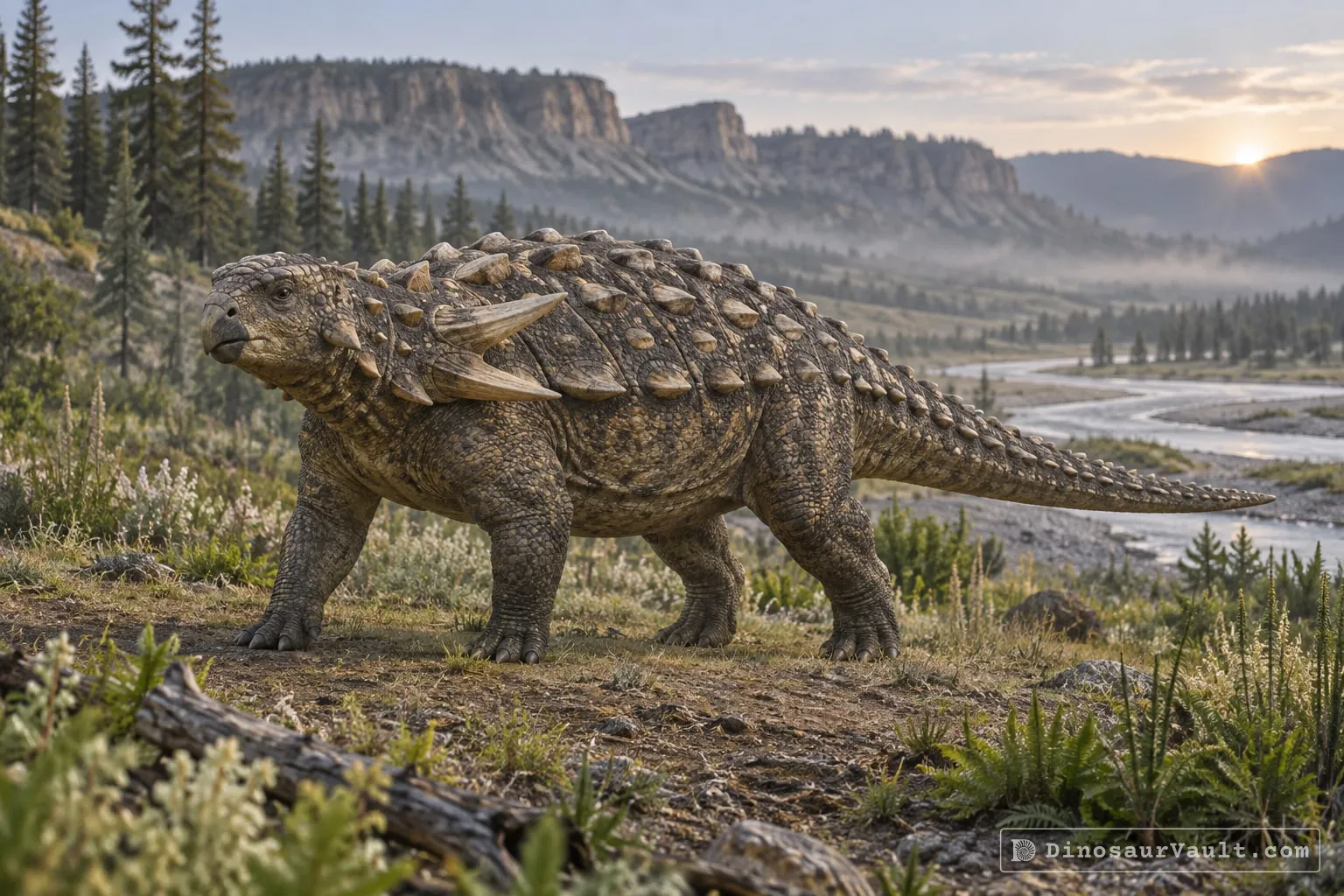
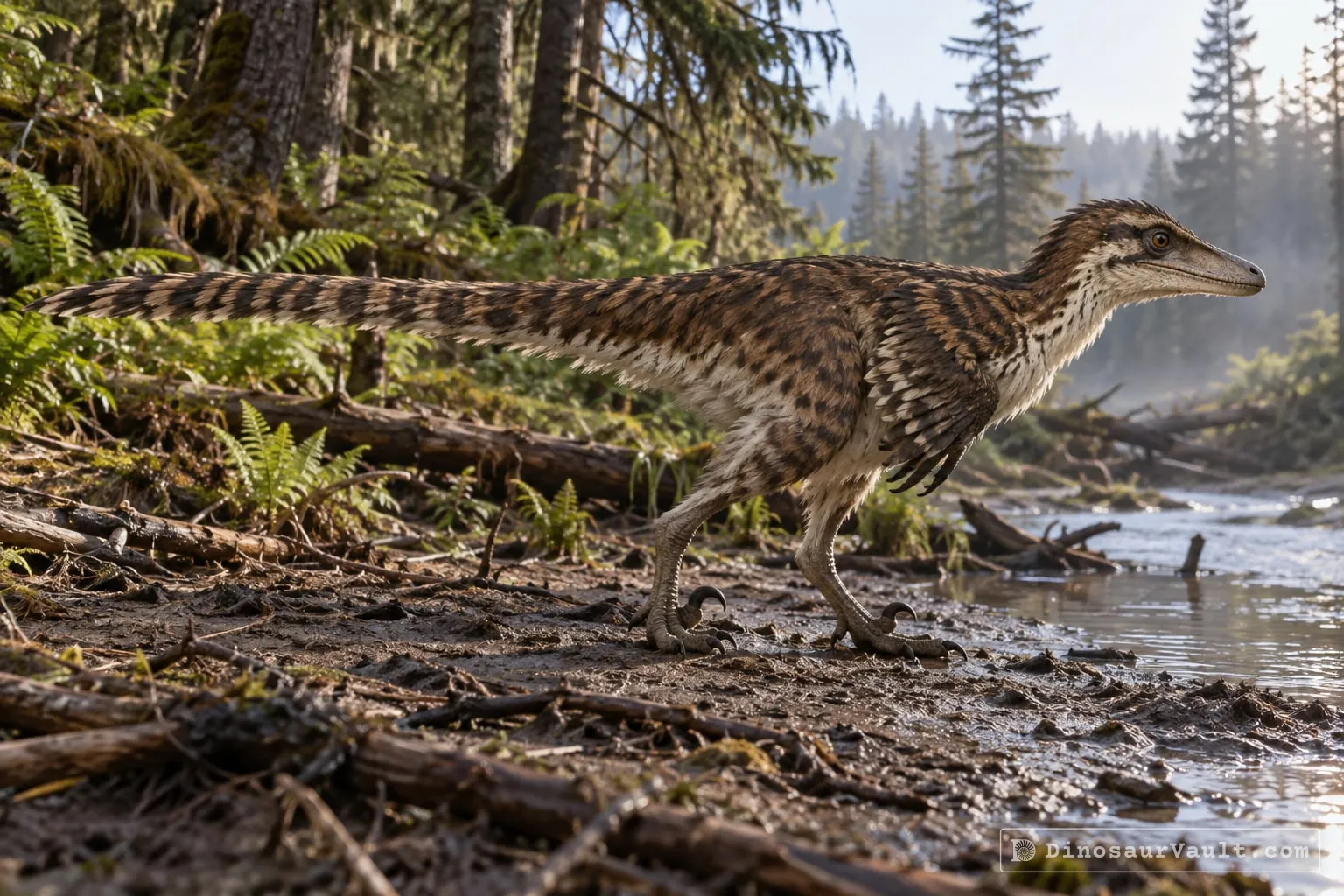
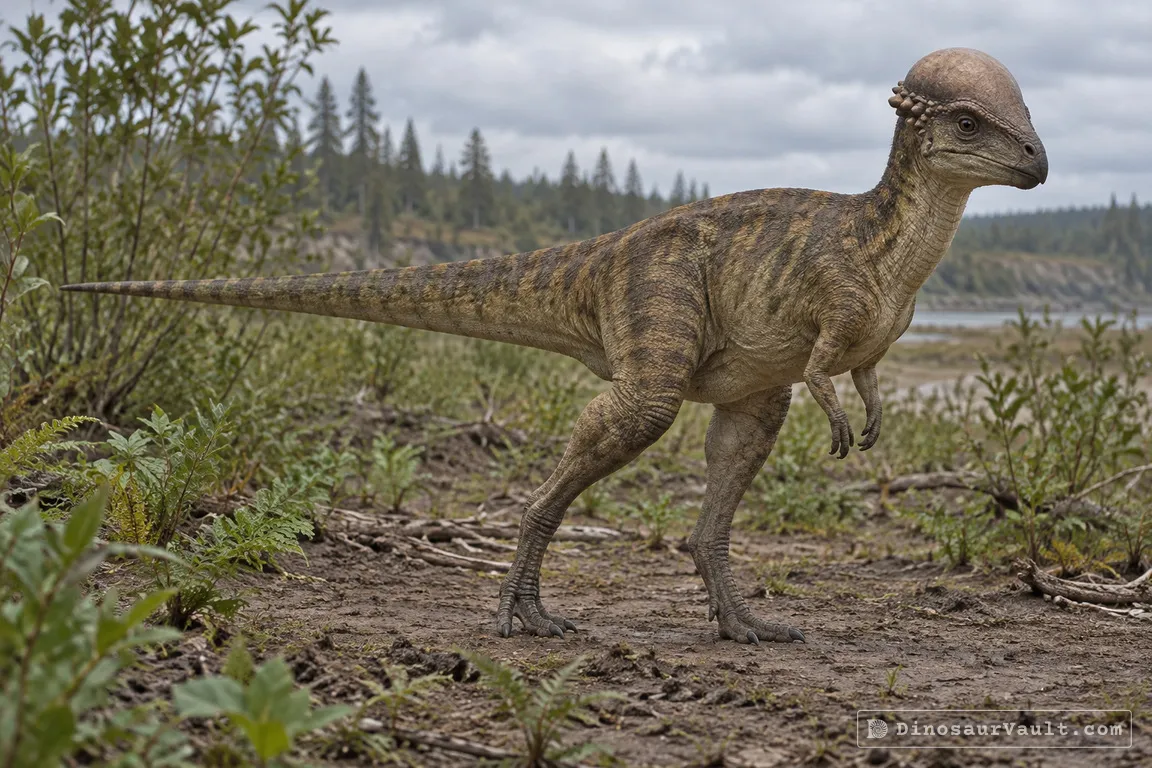
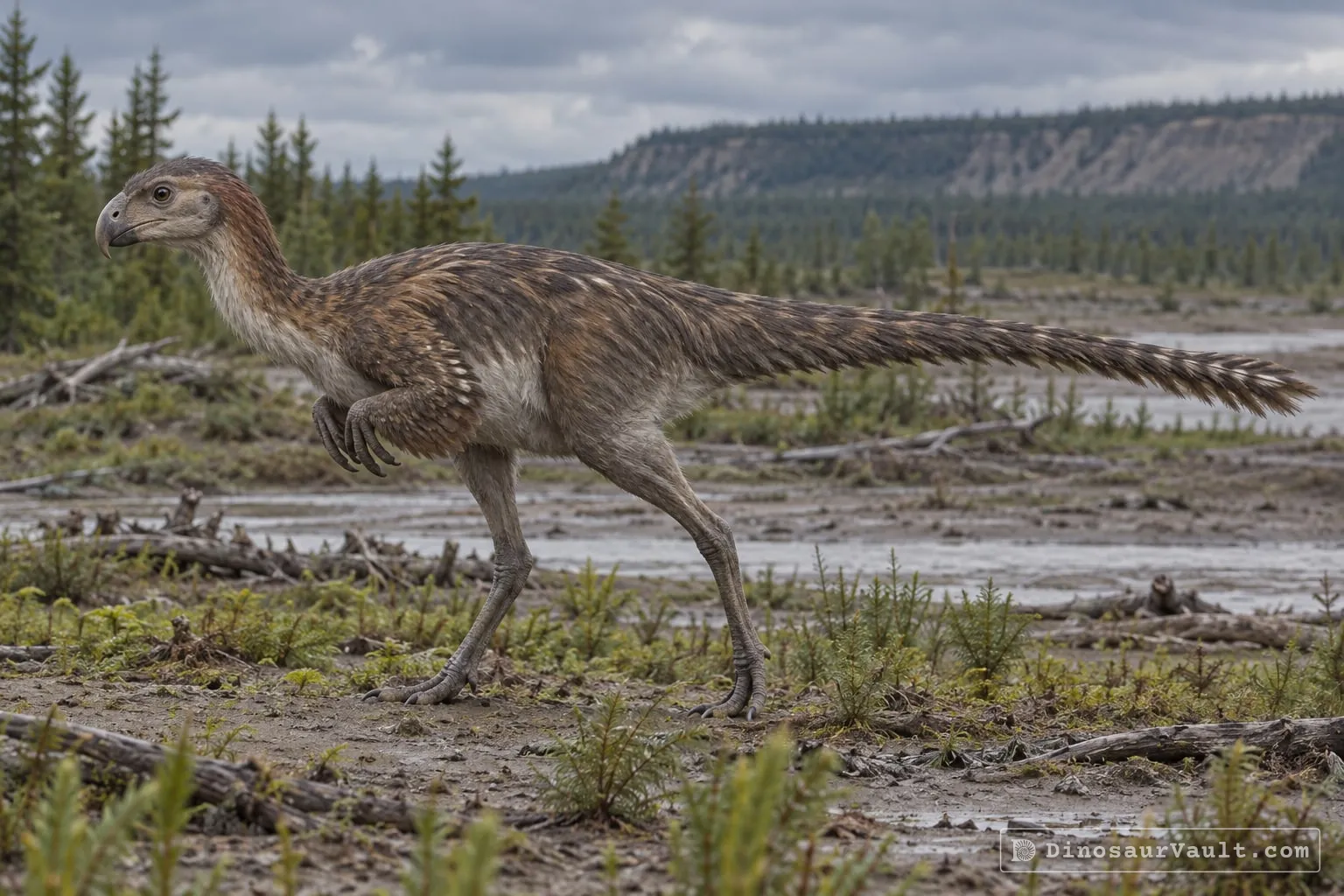
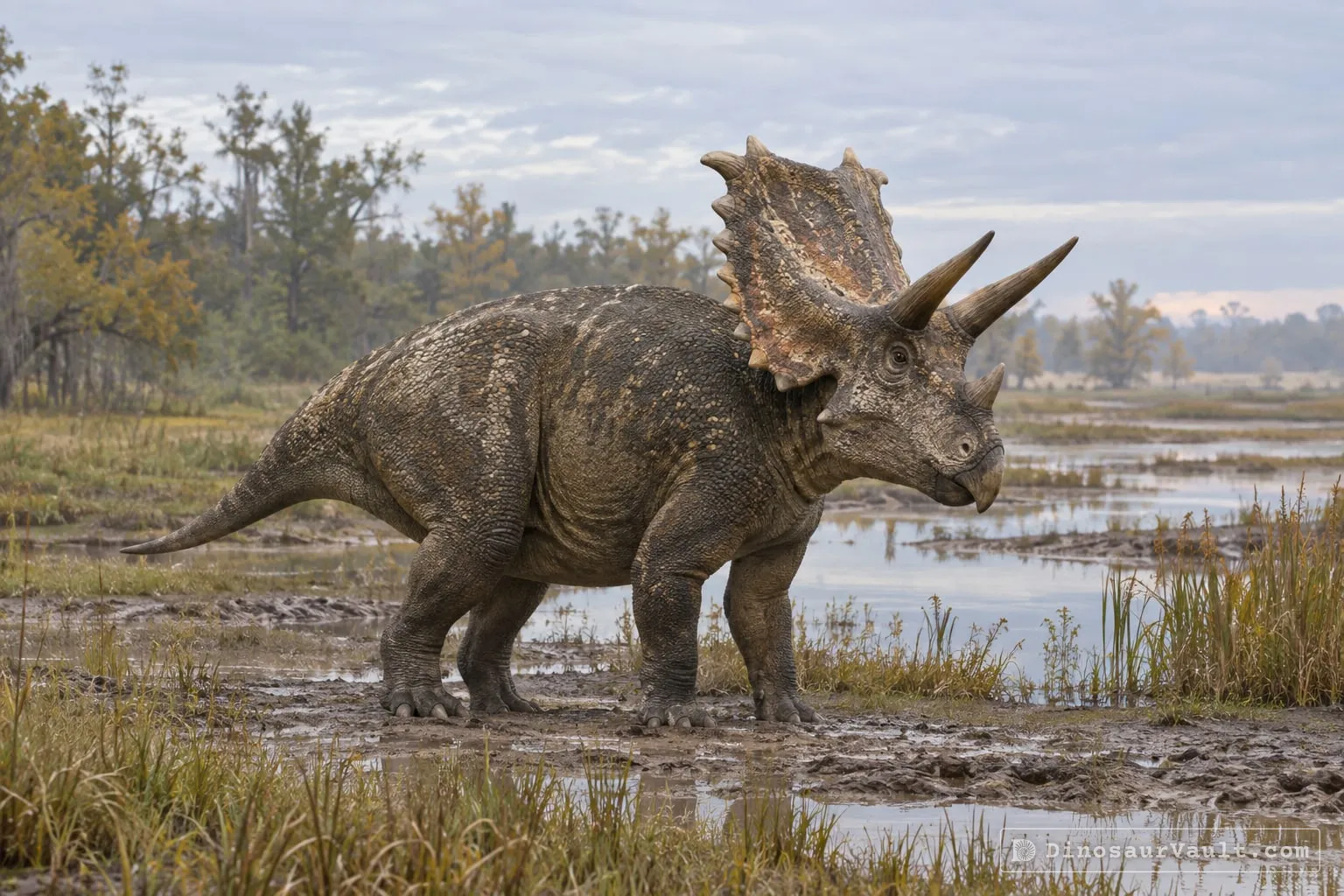
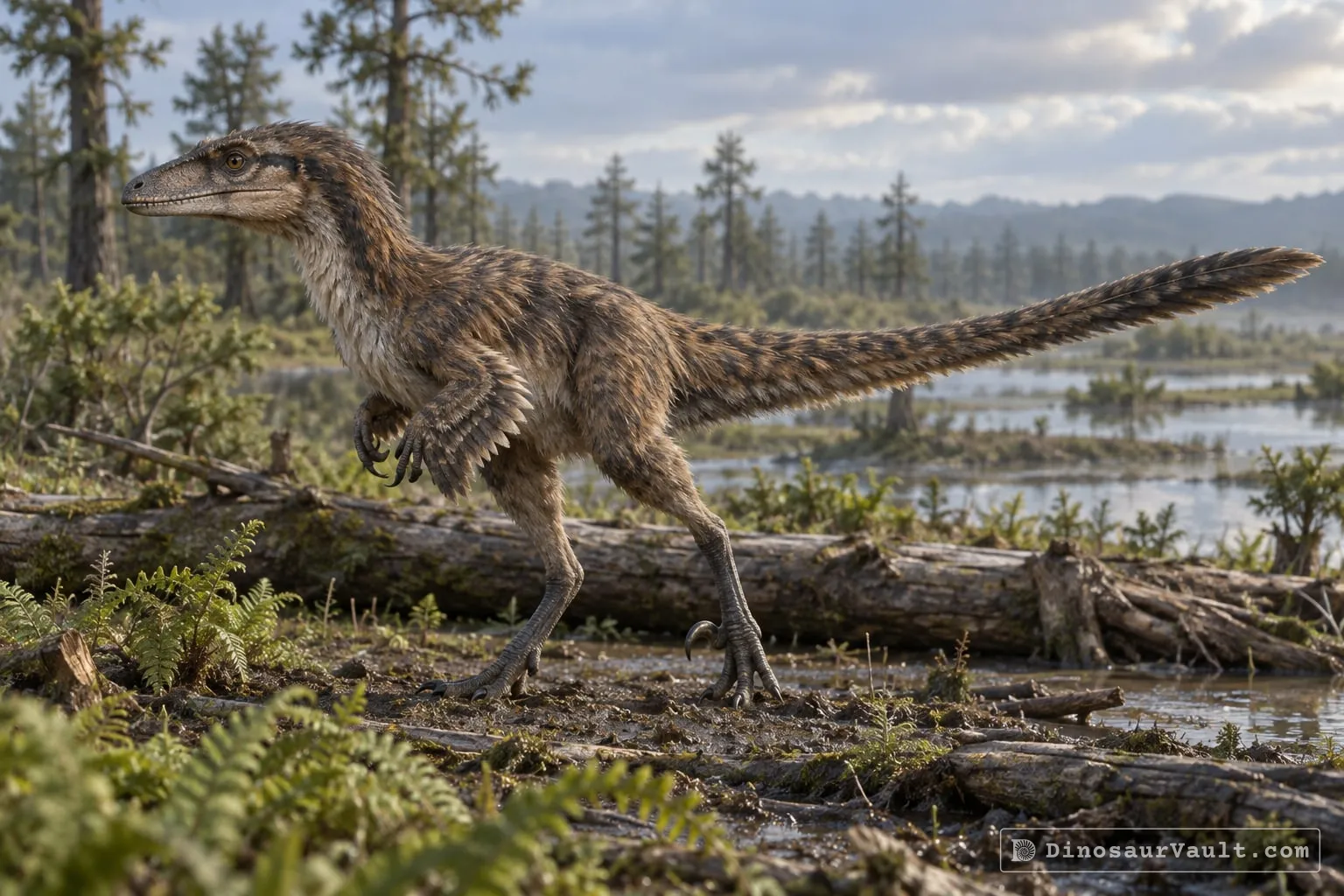
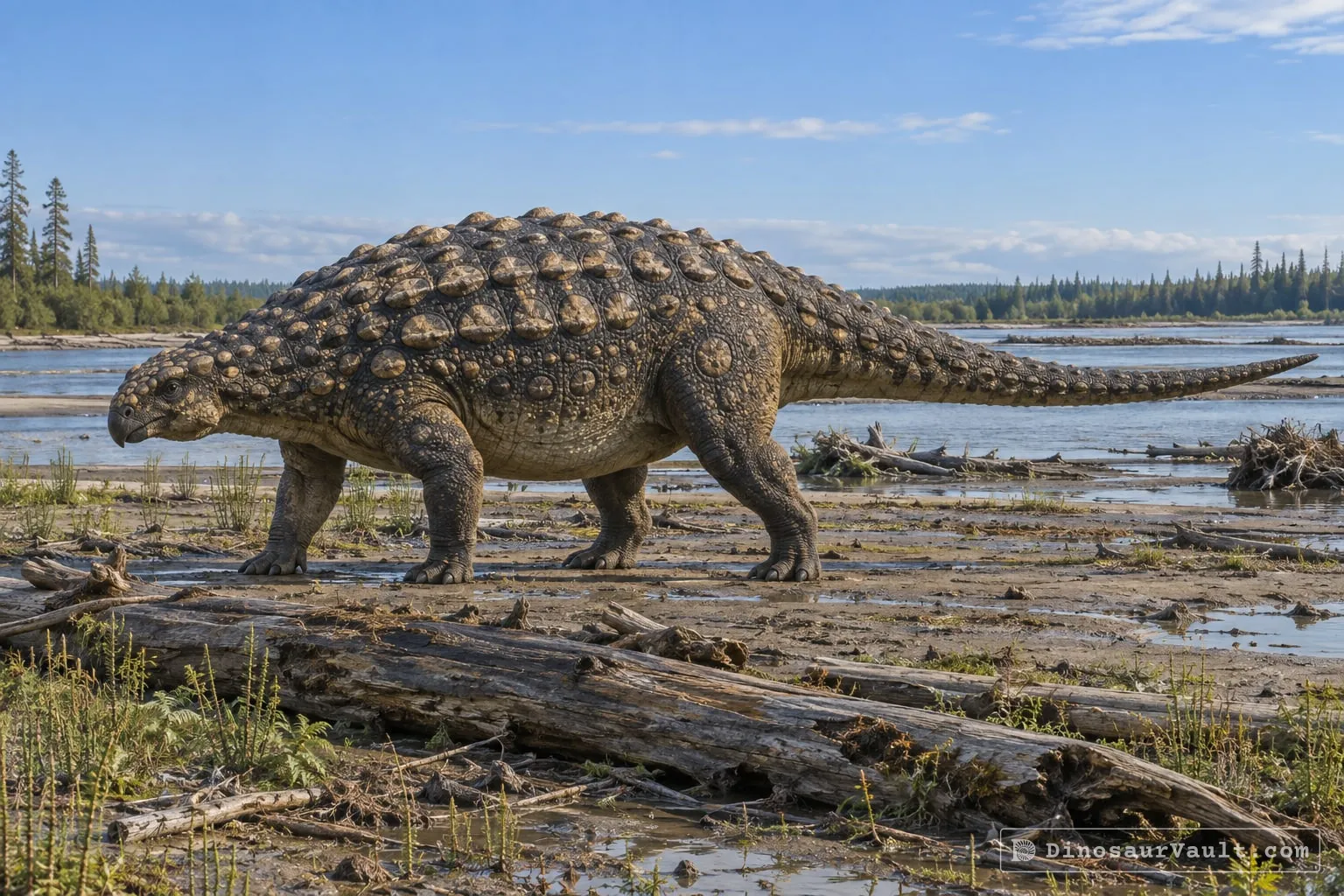


A rock formation can hold fossils laid down millions of years apart, so not every animal here met Malefica.
The evidence
The science behind Malefica
Which parts of the picture come from its own bones, and which come from its relatives.
From its own fossils
- The type specimen is part of a left upper jaw.
- The jaw has a deep gap beside a raised area, a ridge along its cheekbone joint and a swollen, block-shaped process that joined the cheekbone.
Borrowed from relatives
- Eotrachodon provides a comparison for the missing front of the snout and bill.
- Gobihadros provides comparisons for the missing trunk, limbs and tail.
- Edmontosaurus provides a comparison for the skin-covered pad of the hand, which is not preserved.
Still unknown
- Its adult size and body proportions.
- The shape of the top of its skull and its closest relatives.
- Its skin color.
Discovery timeline
- 2001Its worldSANKEY
- 2010Family treePRIETO-MÁRQUEZ
- 2019Full descriptionTsogtbaatar et al.
- 2023Named itPrieto-Márquez & Wagner
Key papers
The research behind what we know of Malefica
Its world
Studied dinosaur teeth from the same formation and reconstructed a warm, dry environment with open woodland.
LATE CAMPANIAN SOUTHERN DINOSAURS, AGUJA FORMATION, BIG BEND, TEXAS. Journal of Paleontology 75: 208-215
Read the paper : LATE CAMPANIAN SOUTHERN DINOSAURS, AGUJA FORMATION, BIG BEND, TEXAS (opens in a new tab)Family tree
Compared skull and body features across duckbills, providing a framework for later studies of their relationships.
Global phylogeny of Hadrosauridae (Dinosauria: Ornithopoda) using parsimony and Bayesian methods. Zoological Journal of the Linnean Society 159: 435-502
Read the paper : Global phylogeny of Hadrosauridae (Dinosauria: Ornithopoda) using parsimony and Bayesian methods (opens in a new tab)Full description
Described the skull and skeleton of Gobihadros, an early duckbill relative, giving a comparison for the body and limbs missing in Malefica.
A new hadrosauroid (Dinosauria: Ornithopoda) from the Late Cretaceous Baynshire Formation of the Gobi Desert (Mongolia). PLOS ONE 14: e0208480
Read the paper : A new hadrosauroid (Dinosauria: Ornithopoda) from the Late Cretaceous Baynshire Formation of the Gobi Desert (Mongolia) (opens in a new tab)Named it
Recognized an incomplete upper jaw as a new duckbill from an early branch of the family tree.
A new ‘duck-billed’ dinosaur (Ornithischia: Hadrosauridae) from the upper Campanian of Texas points to a greater diversity of early hadrosaurid offshoots. Cretaceous Research 143: 105416
Read the paper : A new ‘duck-billed’ dinosaur (Ornithischia: Hadrosauridae) from the upper Campanian of Texas points to a greater diversity of early hadrosaurid offshoots (opens in a new tab)
Close relatives
Other members of Hadrosauridae


Sources: Wikidata