Mahakala
- Lived
- 84 to 72 million years ago, Late Cretaceous
- Diet
- Carnivore
- Group
- Theropods, Dromaeosauridae
- Found in
- Mongolia
- Named by
- Turner et al. 2007
Where its fossils were found
The evidence
Today

80 million years ago
Habitat
Dry sand dunes in the Djadokhta Formation, with Velociraptor, Protoceratops and Halszkaraptor nearby.
Field notes
About Mahakala
What it was like
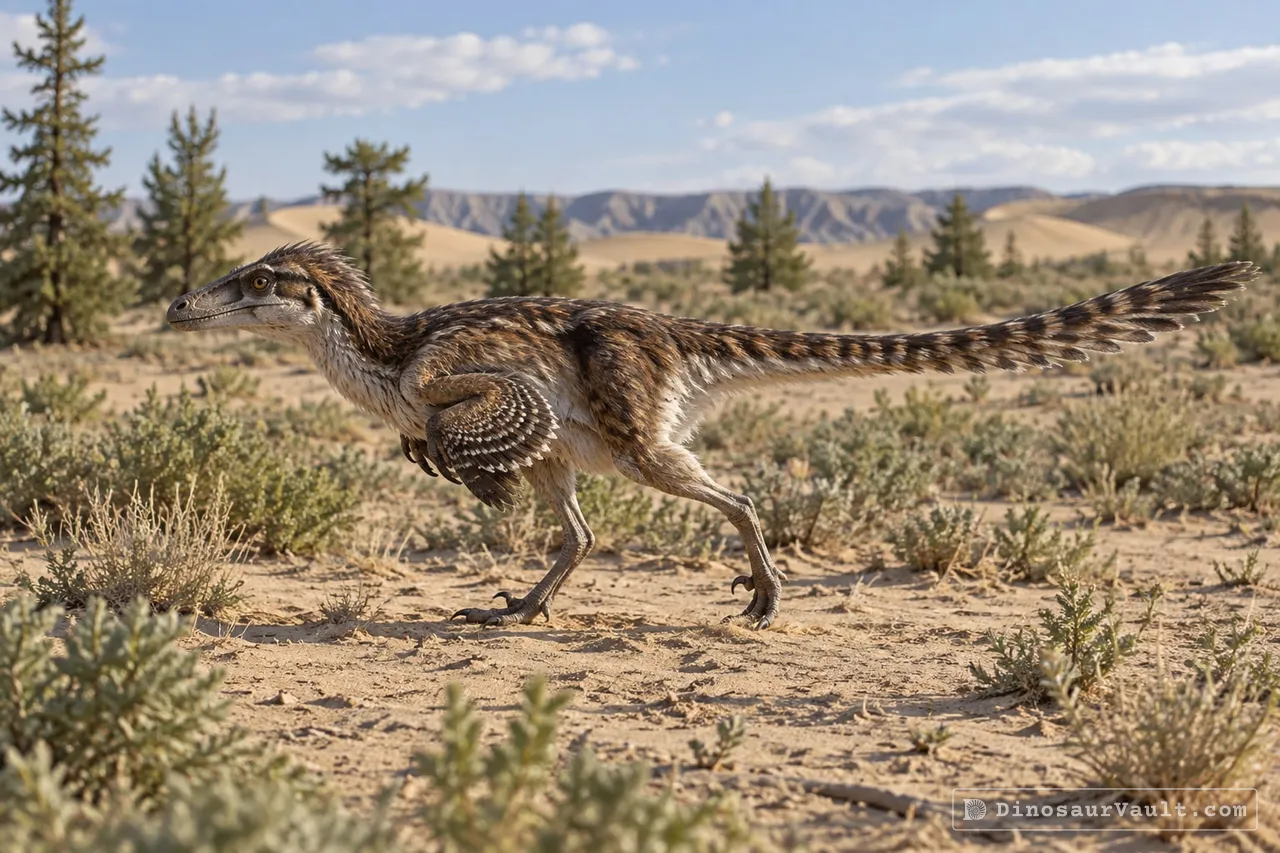
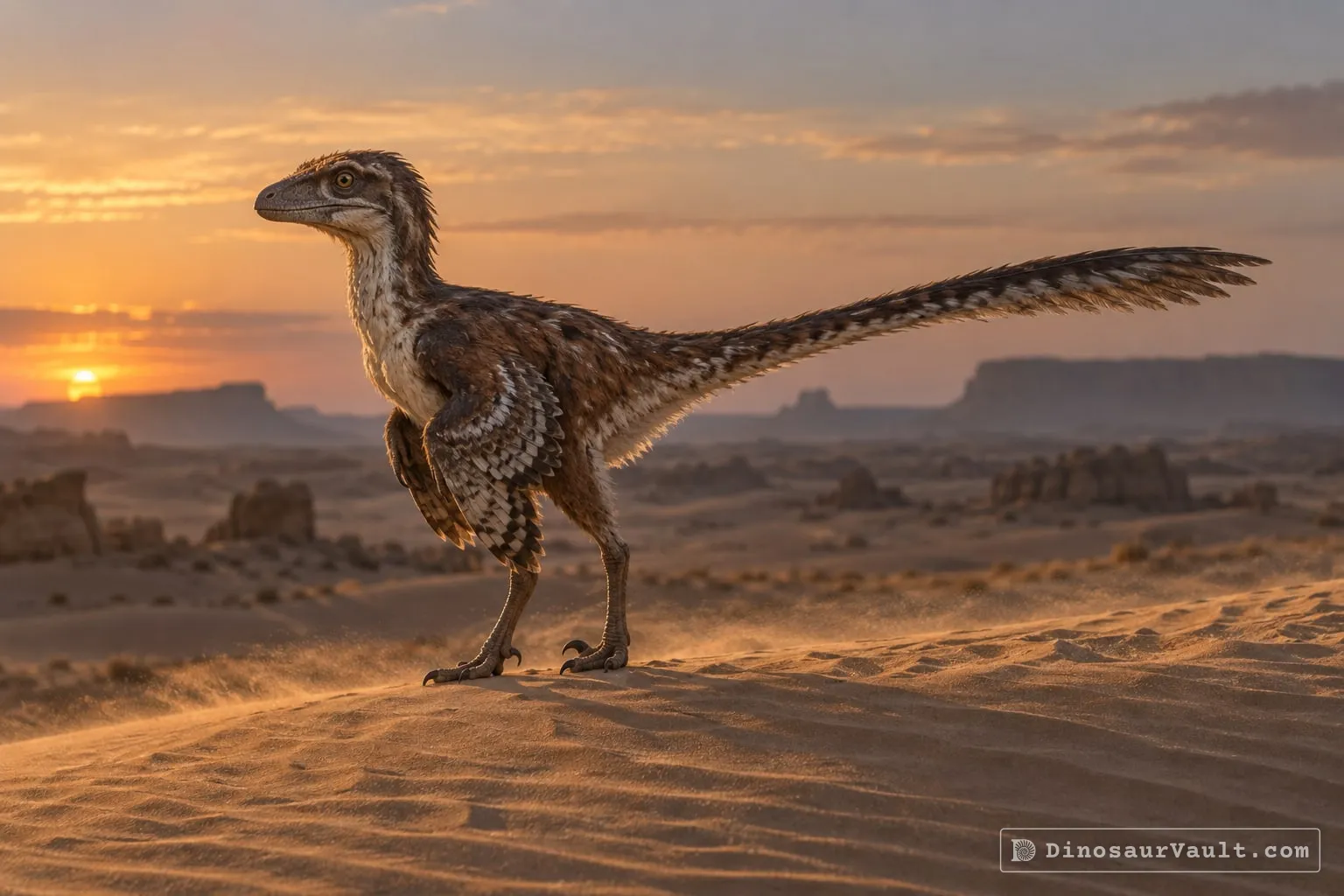
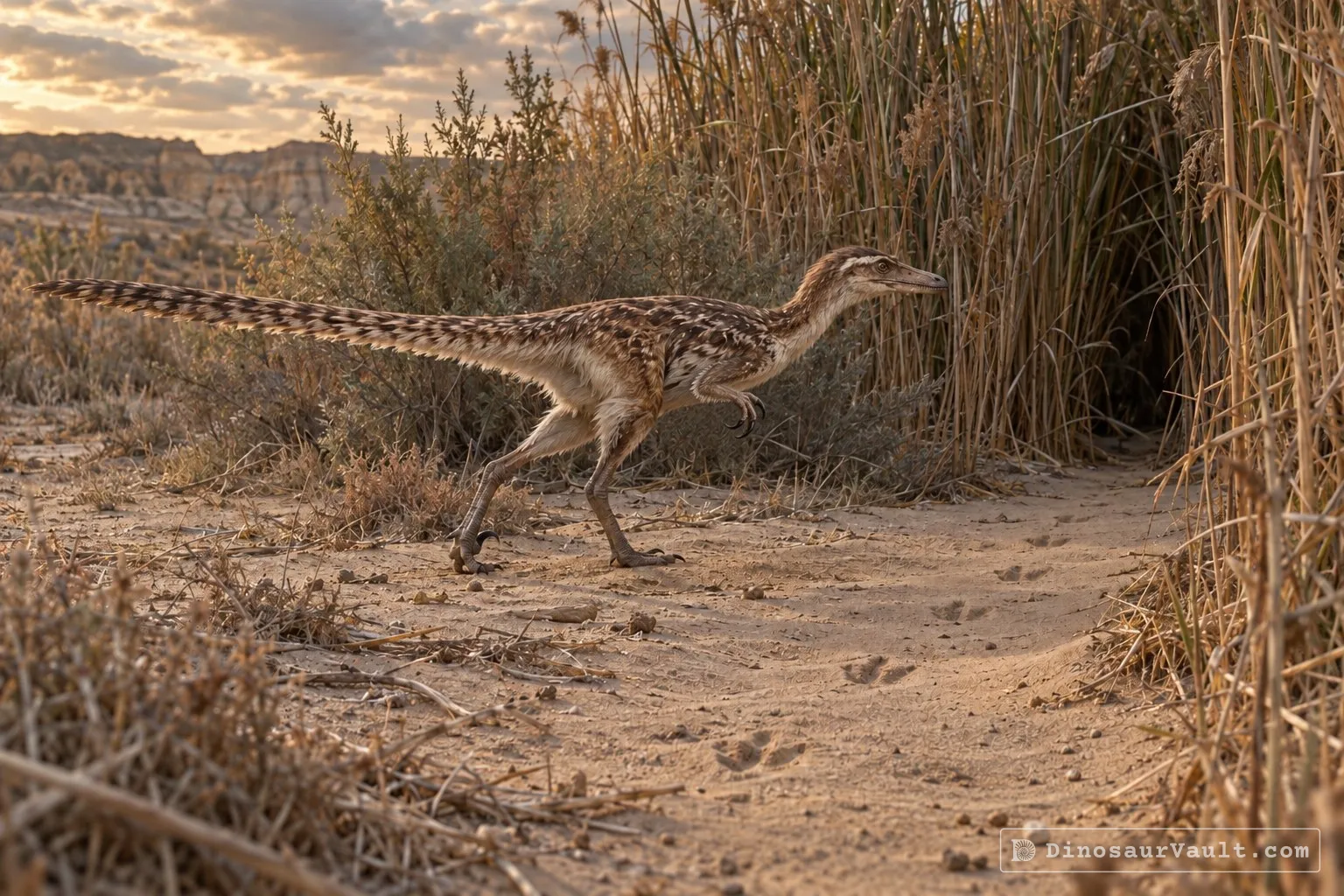
Mahakala was a small feathered dromaeosaur, a relative of Velociraptor. It is known from a partial skeleton. Its simple features suggest that the earliest raptors were small, and that large size evolved later in the group.
Its world
It lived in the Late Cretaceous in what is now Mongolia. Its bones come from the Djadokhta Formation, a dry land of sand dunes shared with Velociraptor, Protoceratops and the small Halszkaraptor.
How it was found
Turner and colleagues named it in 2007 from one find. Its name comes from a protective figure in Mongolian religious art.
Field gallery
More views of Mahakala
Scenes reconstructed from the available fossil evidence.
1 of 2
Lived alongside
Found in the same rock formations
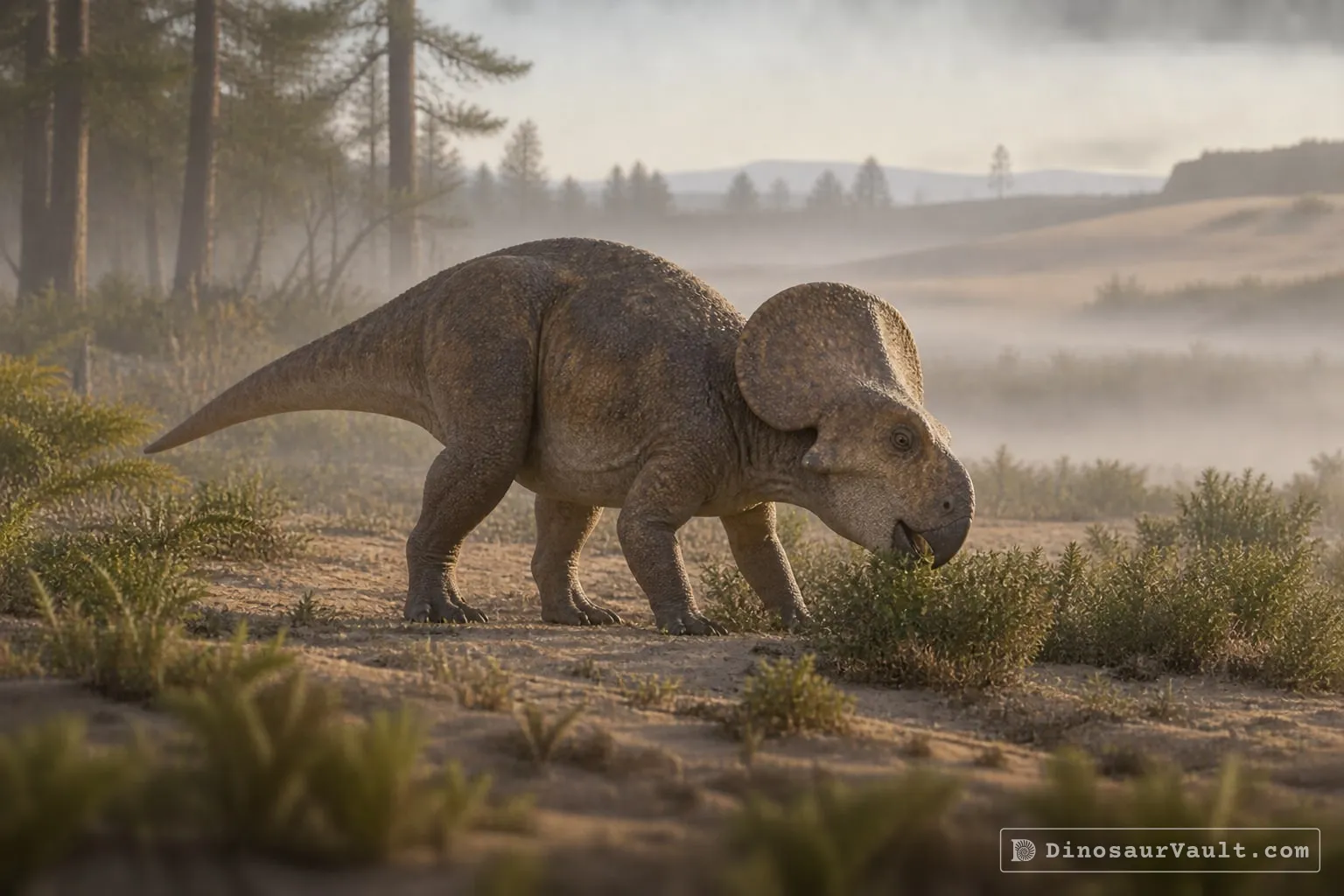
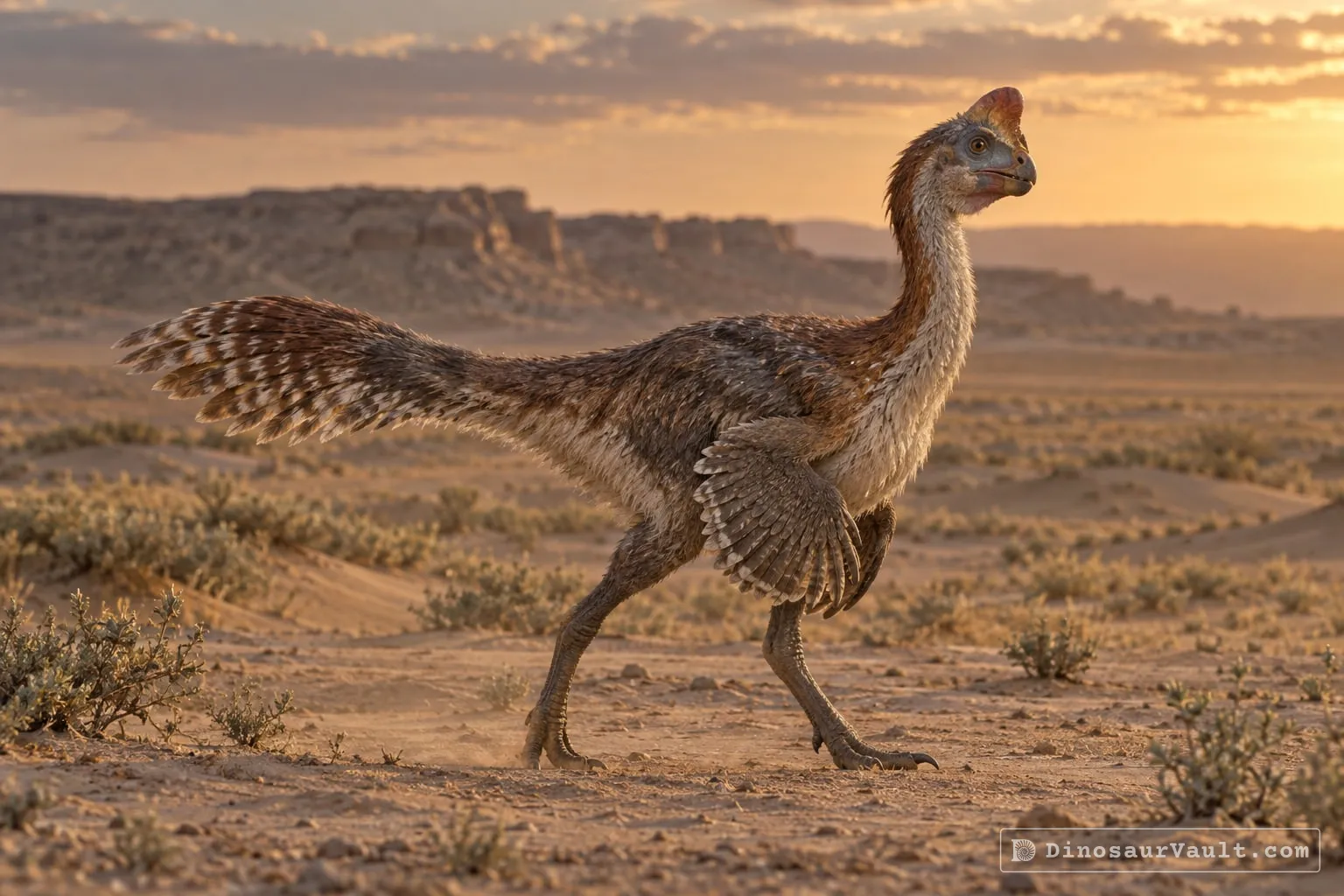
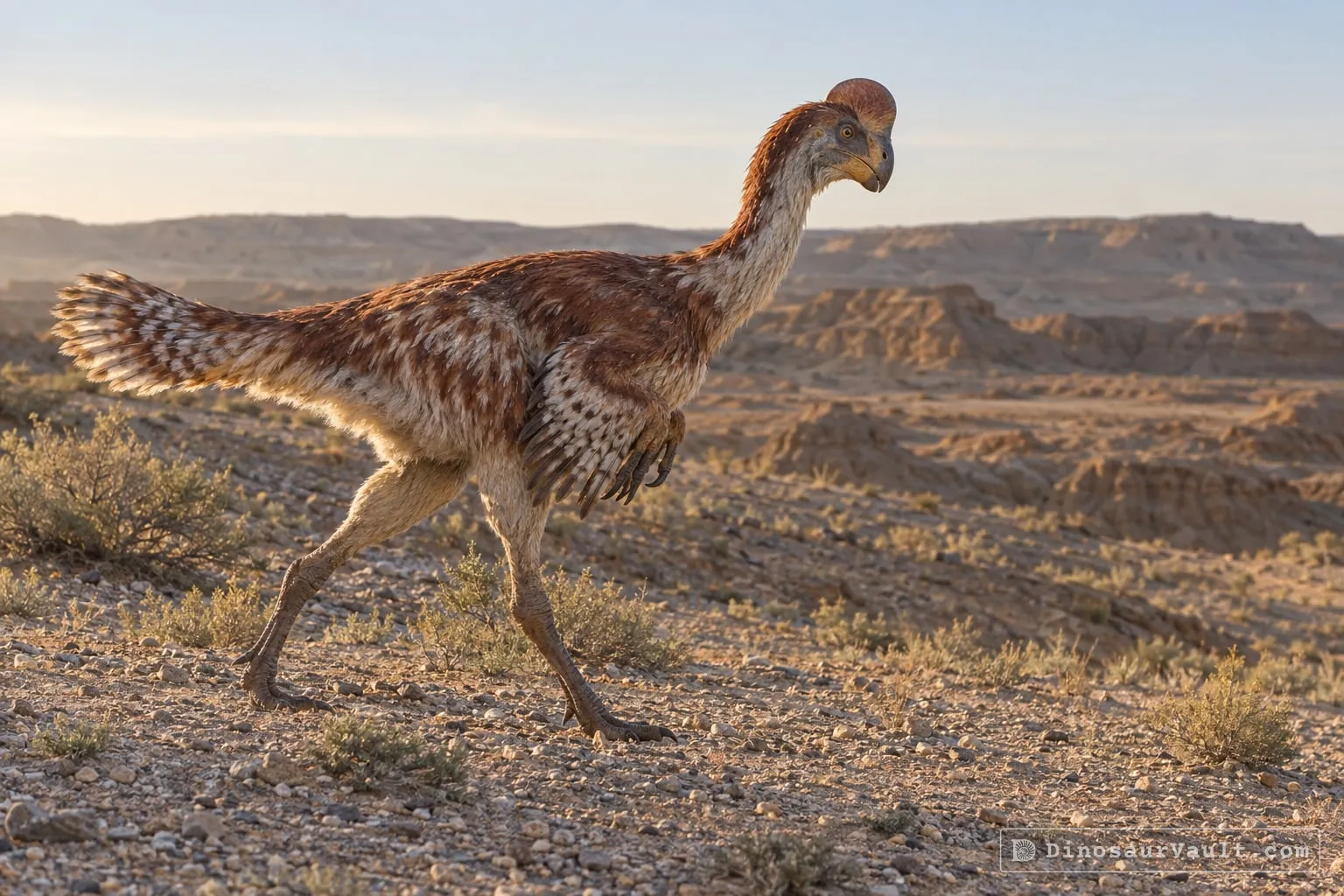
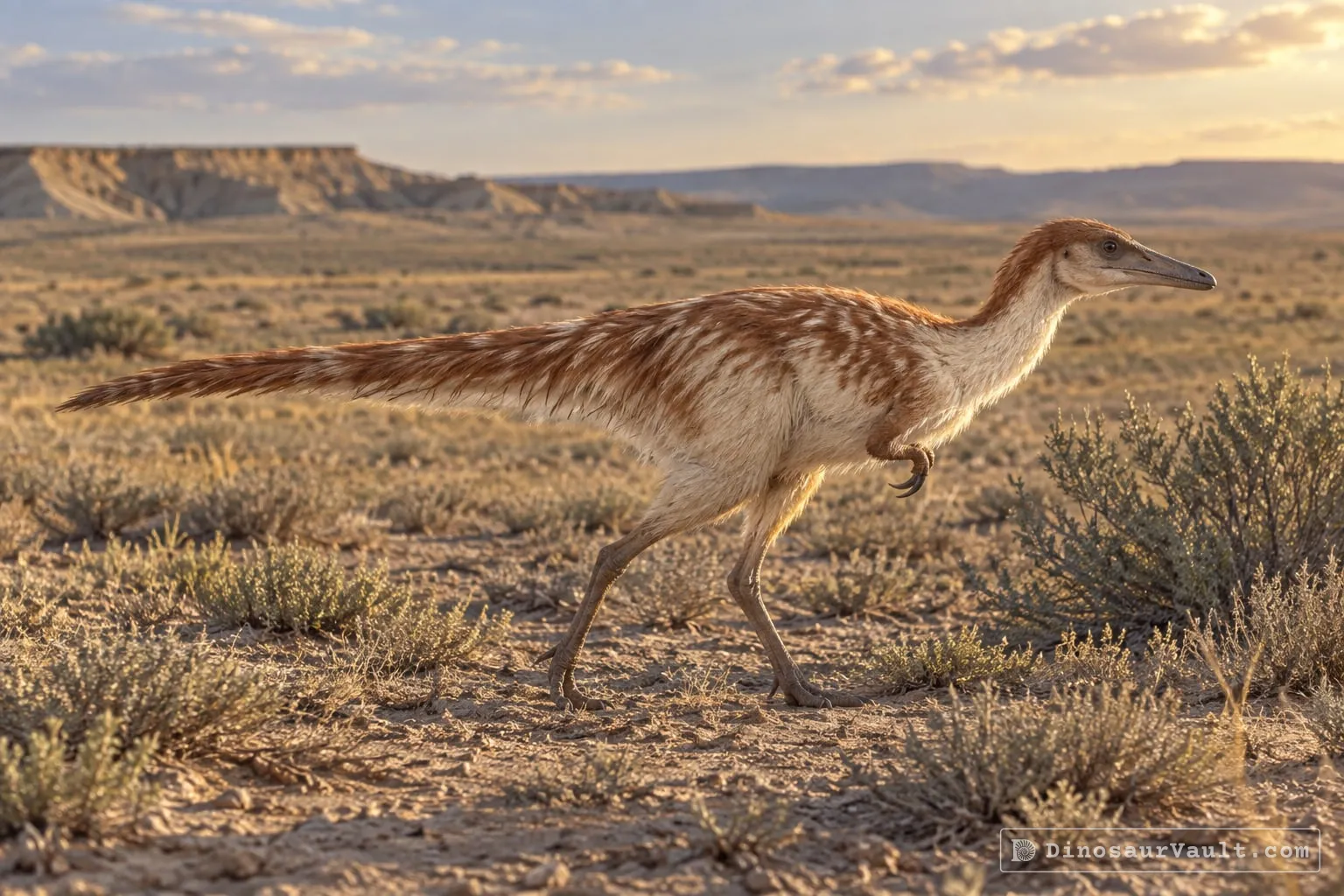
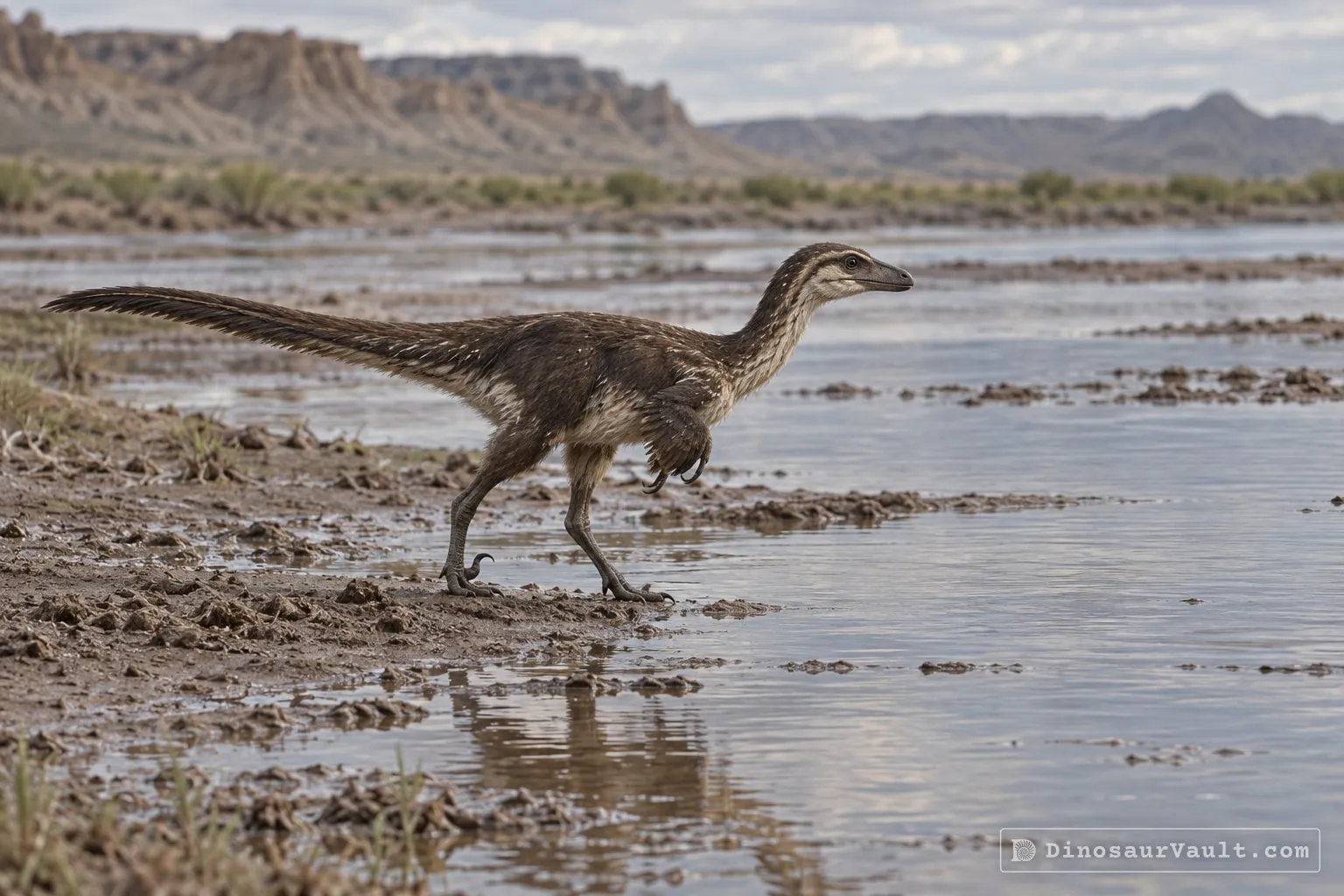
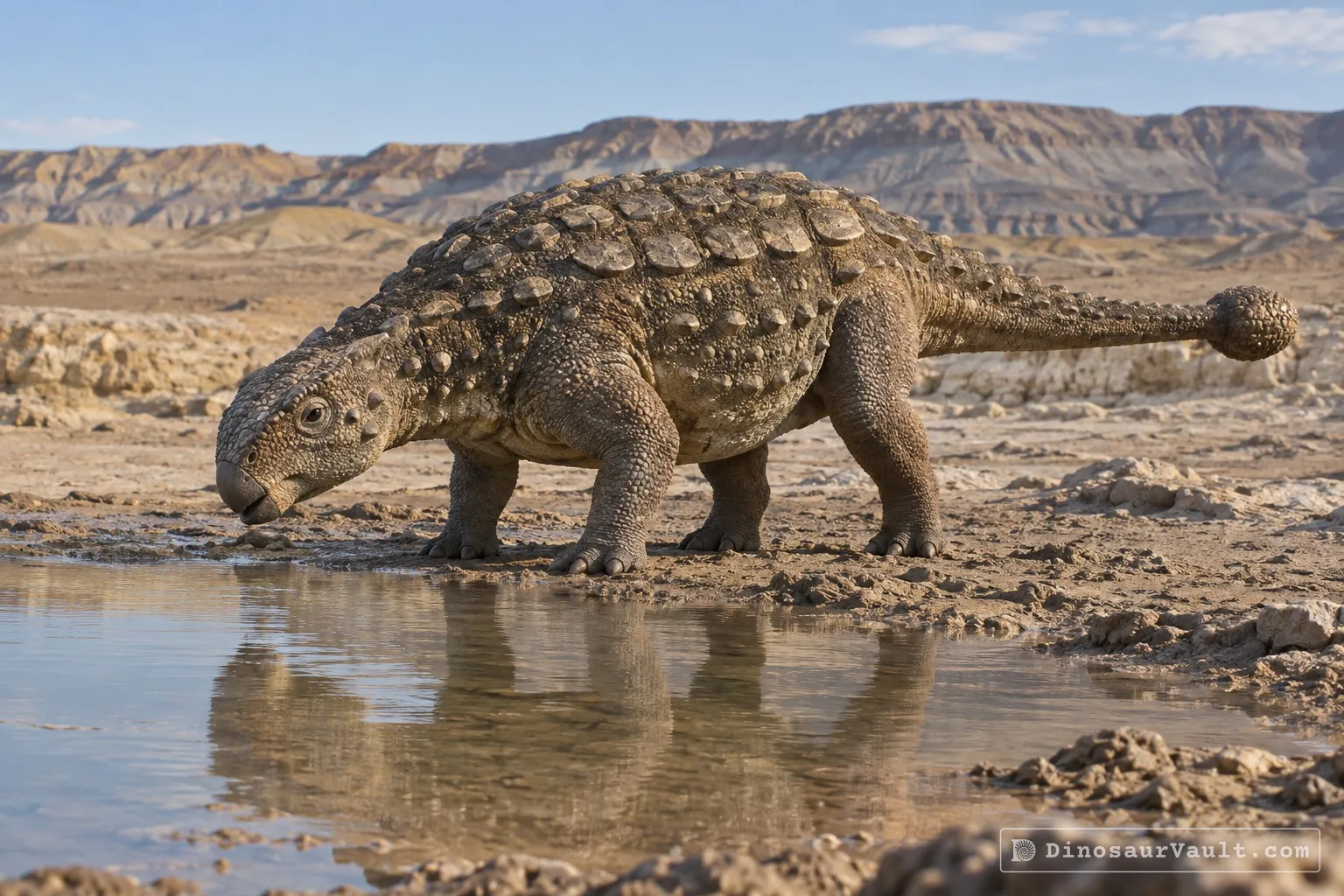


A rock formation can hold fossils laid down millions of years apart, so not every animal here met Mahakala.
The evidence
The science behind Mahakala
Which parts of the picture come from its own bones, and which come from its relatives.
From its own fossils
- A partial skull and much of the skeleton show a small predator with very short arms.
- The foot has a strongly curved sickle claw on the second toe.
- The bones above the eyes form a rounded roof with a narrow bridge between the eye sockets.
Borrowed from relatives
- Branched feathers in Sinornithosaurus suggest that Mahakala probably had a feathered coat.
- The missing front of the snout is restored using other dromaeosaurs, including Sinornithosaurus.
Still unknown
- Its feather colors and the shape of any feather fans.
- The complete shape of its snout.
- How it hunted and whether it lived in groups.
Discovery timeline
- 2007Named itTurner et al.
- 2011Full descriptionTurner, Pol & Norell
- 2019Family treeBrownstein
Key papers
The research behind what we know of Mahakala
Named it
Named a small dromaeosaur whose place in the family tree suggests that small bodies evolved before flight.
A Basal Dromaeosaurid and Size Evolution Preceding Avian Flight. Science 317: 1378-1381
Read the paper : A Basal Dromaeosaurid and Size Evolution Preceding Avian Flight (opens in a new tab)Full description
Described the skull and skeleton in detail, including its very short arms and curved toe claw.
Anatomy ofMahakala omnogovae(Theropoda: Dromaeosauridae), Tögrögiin Shiree, Mongolia. American Museum Novitates 3722: 1-66
Read the paper : Anatomy ofMahakala omnogovae(Theropoda: Dromaeosauridae), Tögrögiin Shiree, Mongolia (opens in a new tab)Family tree
Included Mahakala in a revised family tree alongside Halszkaraptor and compared their group with other dromaeosaurs.
Halszkaraptor escuilliei and the evolution of the paravian bauplan. Scientific Reports 9
Read the paper : Halszkaraptor escuilliei and the evolution of the paravian bauplan (opens in a new tab)
Close relatives
Other members of Dromaeosauridae


Sources: Wikidata