Aragosaurus
"Aragon lizard"
- Lived
- 155 to 143 million years ago, Late Jurassic
- Diet
- Herbivore
- Length
- about 18 m (59 ft)
- Group
- Sauropods
- Found in
- Spain
- Named by
- Sanz et al. 1987
Size comparison
To scale


Scale in metersOutline: typical sauropod shape
Where its fossils were found
The evidence
Today

150 million years ago
Habitat
It lived near river deltas in what is now Spain. Dacentrurus, Turiasaurus and Losillasaurus are also known from the Villar del Arzobispo Formation.
Field notes
About Aragosaurus
What it was like
Aragosaurus was a sauropod about 18 meters (59 feet) long. It is known from part of the skeleton, including a front leg and tail bones.
Its world
It lived in what is now Spain, around the time the Jurassic ended and the Cretaceous began. It comes from the Villar del Arzobispo Formation, where the stegosaur Dacentrurus and the huge sauropod Turiasaurus have also been found.
How it was found
Sanz and colleagues named Aragosaurus in 1987.
Field gallery
More views of Aragosaurus
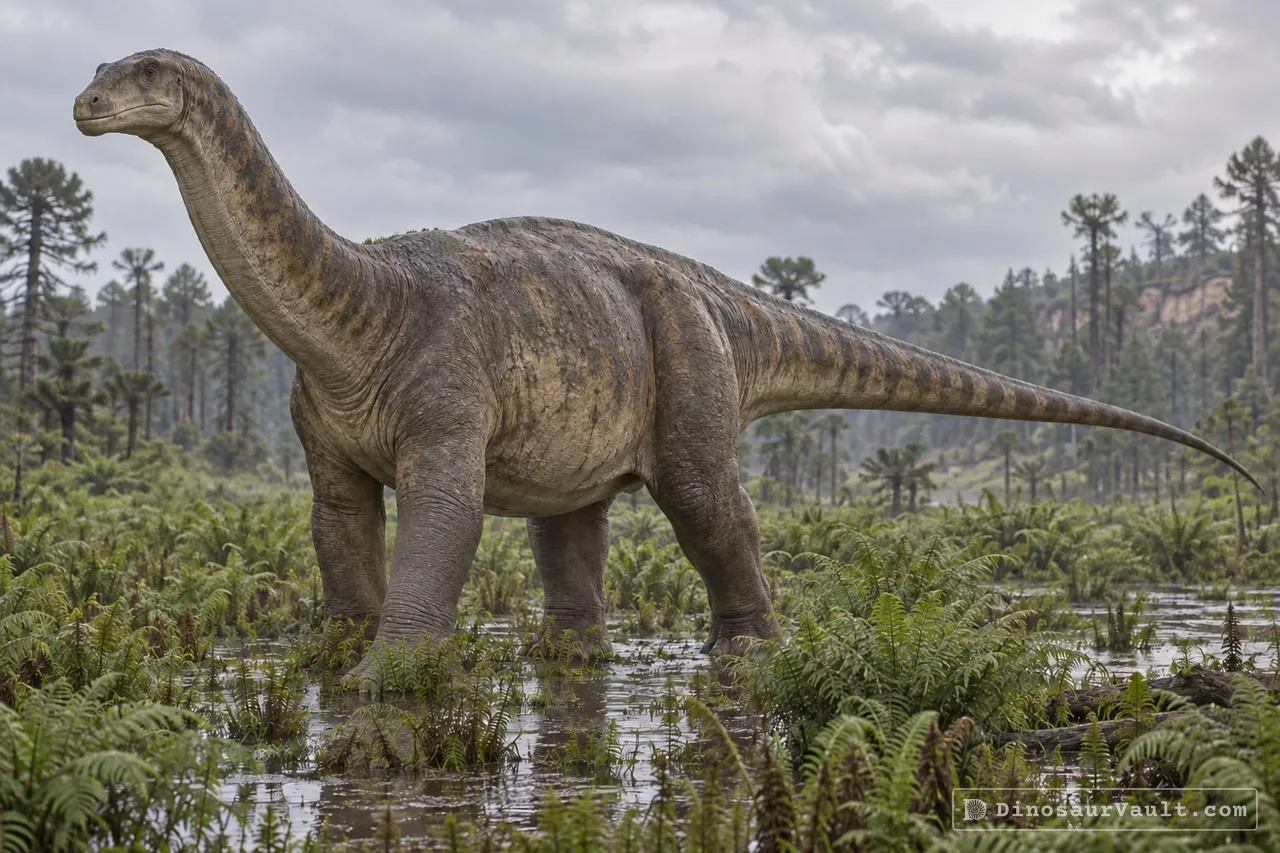
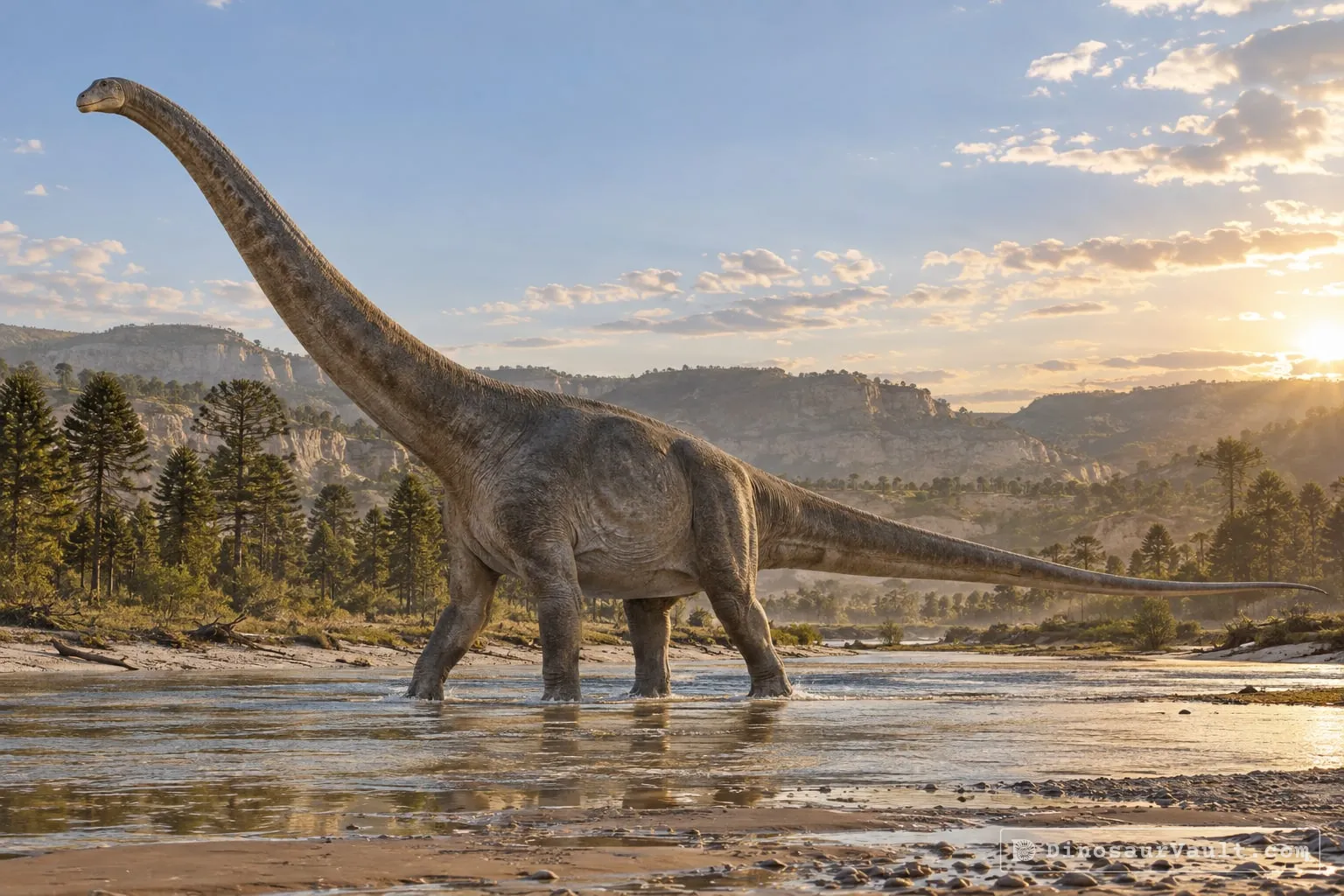
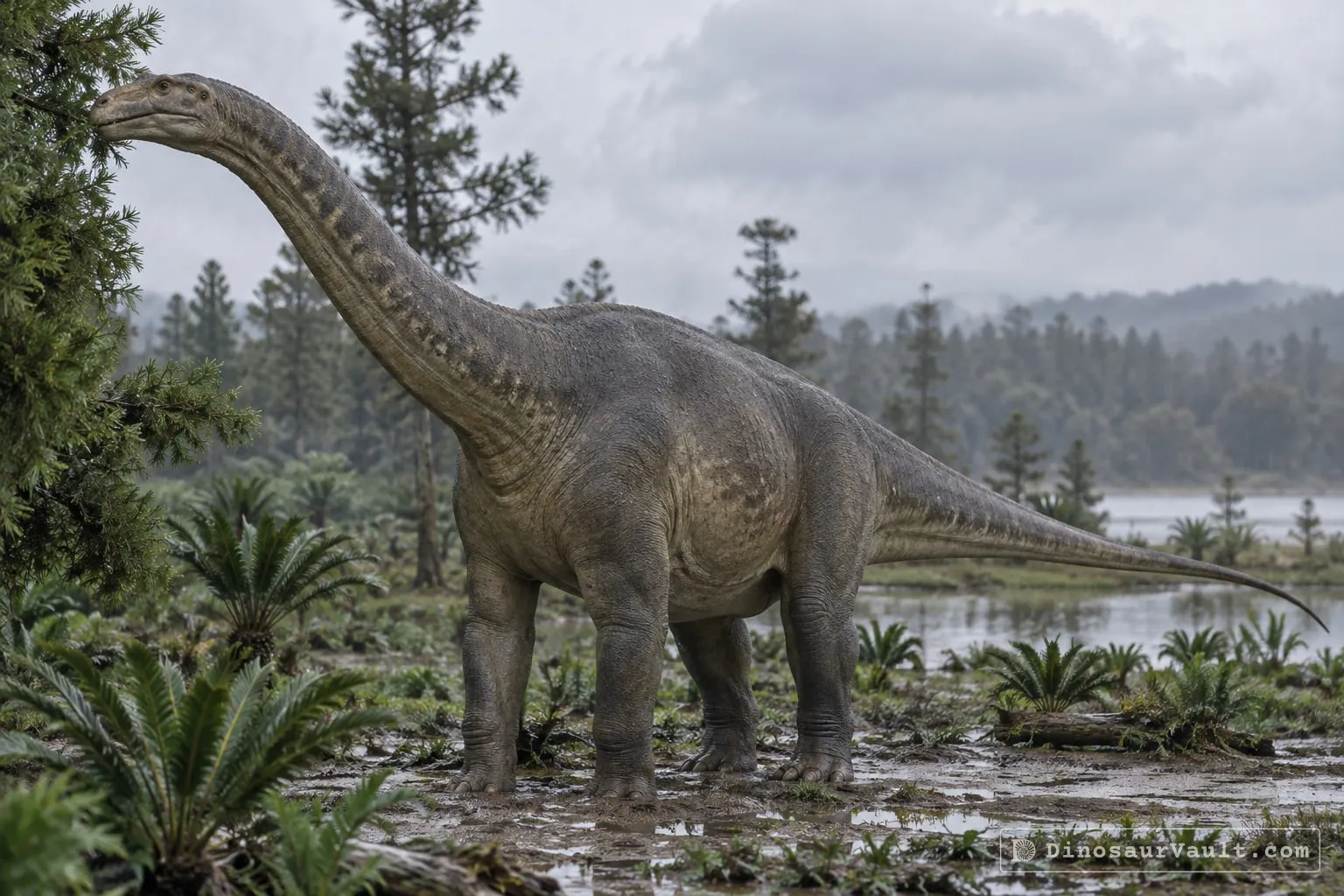
Scenes reconstructed from the available fossil evidence.
Lived alongside
Found in the same rock formations
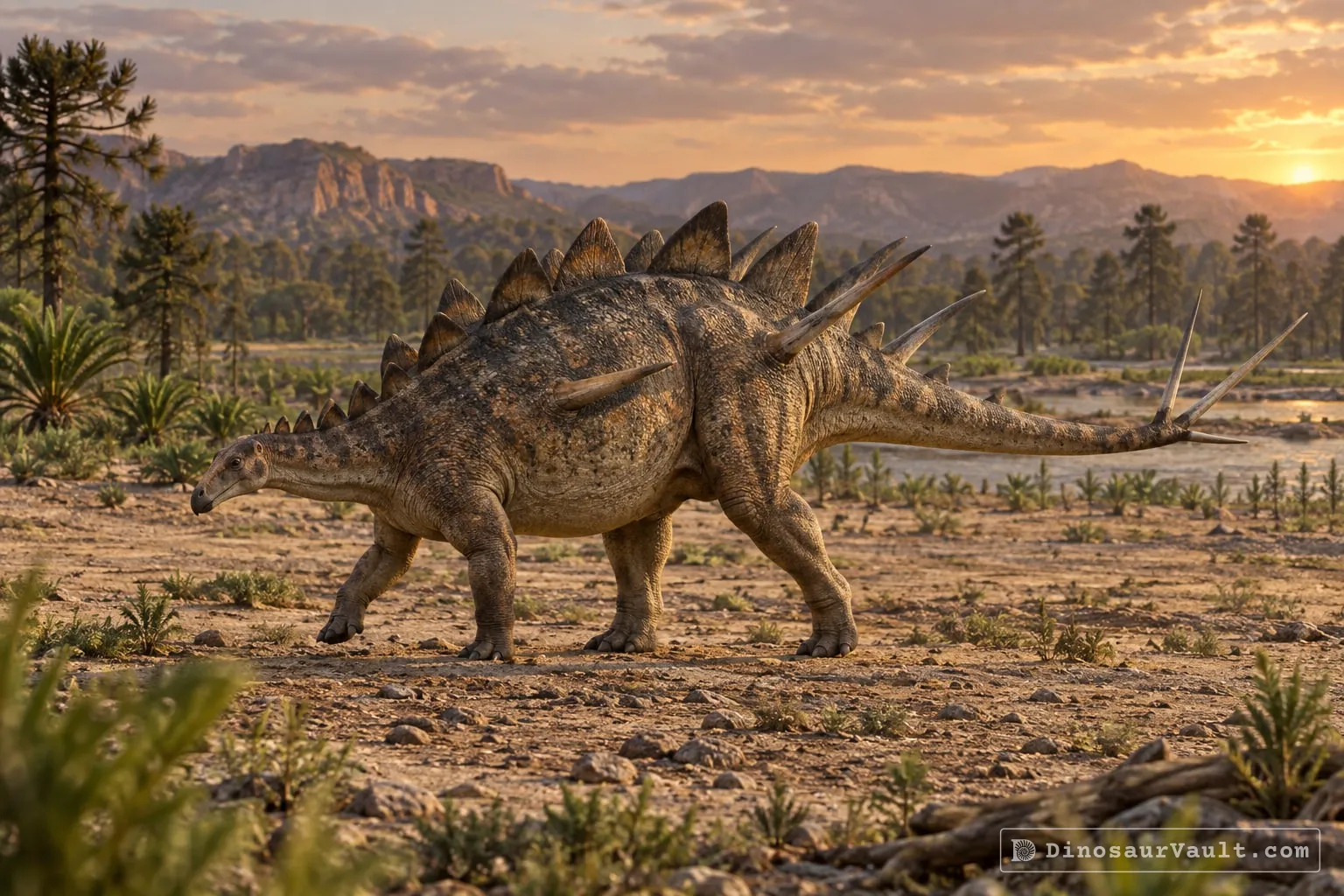
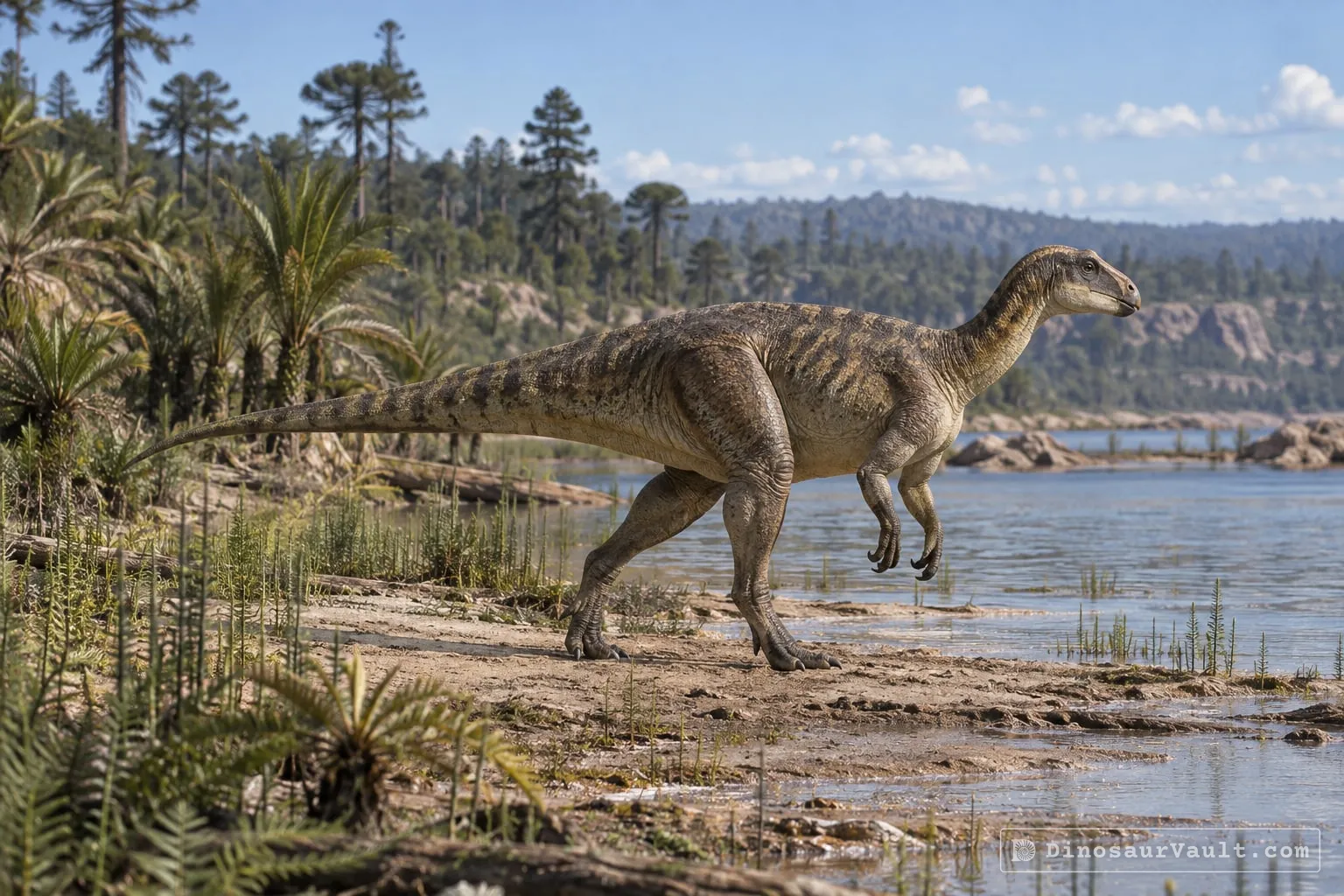
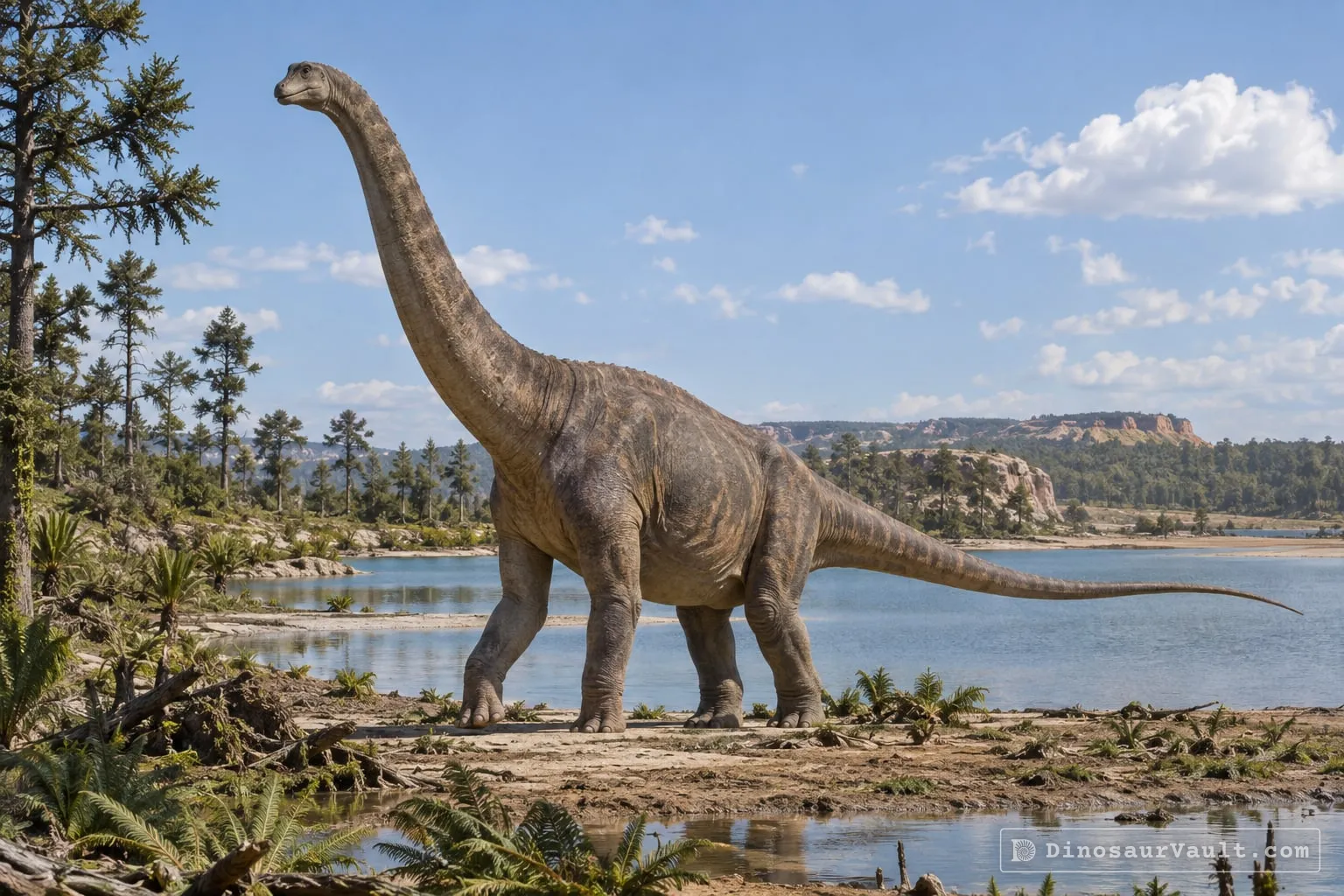


A rock formation can hold fossils laid down millions of years apart, so not every animal here met Aragosaurus.
The evidence
The science behind Aragosaurus
Which parts of the picture come from its own bones, and which come from its relatives.
From its own fossils
- A partial skeleton from one individual preserves tail vertebrae, shoulder bones, parts of the hips and limb bones.
- The vertebrae near the base of the tail have broad, club-shaped spines.
- The right hand bones are interpreted as an upright horseshoe-shaped support. A curved foot claw that is narrow from side to side probably belonged to the second toe.
Borrowed from relatives
- Camarasaurus provides a broader comparison for the missing head.
- Apatosaurus provides a broader comparison for the missing fingers, and Camarasaurus for the missing toes.
Still unknown
- The shape of its skull and teeth, and the complete arrangement of its finger and toe bones.
- Its skin covering and color.
- How its body proportions changed as it grew.
Discovery timeline
- 1987Named itSanz et al.
- 2004Fossil sitesRuiz-Omeñaca et al.
- 2014Full descriptionRoyo-Torres et al.
Key papers
The research behind what we know of Aragosaurus
Named it
Named Aragosaurus from tail, hip and limb bones, recognizing distinctive features in the tail vertebrae and pelvis.
Dinosaurios del Cretácico inferior de Galve (Teruel, España). Estudios Geológicos 43: 45-64
Read the paper : Dinosaurios del Cretácico inferior de Galve (Teruel, España) (opens in a new tab)Fossil sites
Reviewed the fossil localities around Aragosaurus, showing that the area's vertebrate finds span several rock formations and ages.
Estado de las investigaciones sobre los Vertebrados del Jurásico Superior y Cretácico Inferior de Galve (Teruel). Estudios Geológicos 60: 179-202
Read the paper : Estado de las investigaciones sobre los Vertebrados del Jurásico Superior y Cretácico Inferior de Galve (Teruel) (opens in a new tab)Full description
Restudied the skeleton, placed Aragosaurus among early macronarians and reassigned a tooth formerly attributed to it to another sauropod.
The anatomy, phylogenetic relationships, and stratigraphic position of the Tithonian-Berriasian Spanish sauropod dinosaurAragosaurus ischiaticus. Zoological Journal of the Linnean Society 171: 623-655
Read the paper : The anatomy, phylogenetic relationships, and stratigraphic position of the Tithonian-Berriasian Spanish sauropod dinosaurAragosaurus ischiaticus (opens in a new tab)
Close relatives
Other members of Macronaria


Sources: Wikidata