Liaoningvenator
"Liaoning hunter"
Type species Liaoningvenator curriei
- Lived
- 126 to 120 million years ago, Early Cretaceous
- Diet
- Omnivore
- Group
- Theropods, Troodontidae
- Found in
- China
- Named by
- Shen et al. 2017
Where its fossils were found
The evidence
Today

125 million years ago
Habitat
Lakes and forests of conifers and ferns formed part of the Yixian landscape in China. Other dinosaurs from these rocks include Psittacosaurus, Sinosauropteryx and Beipiaosaurus.
Field notes
About Liaoningvenator
What it was like
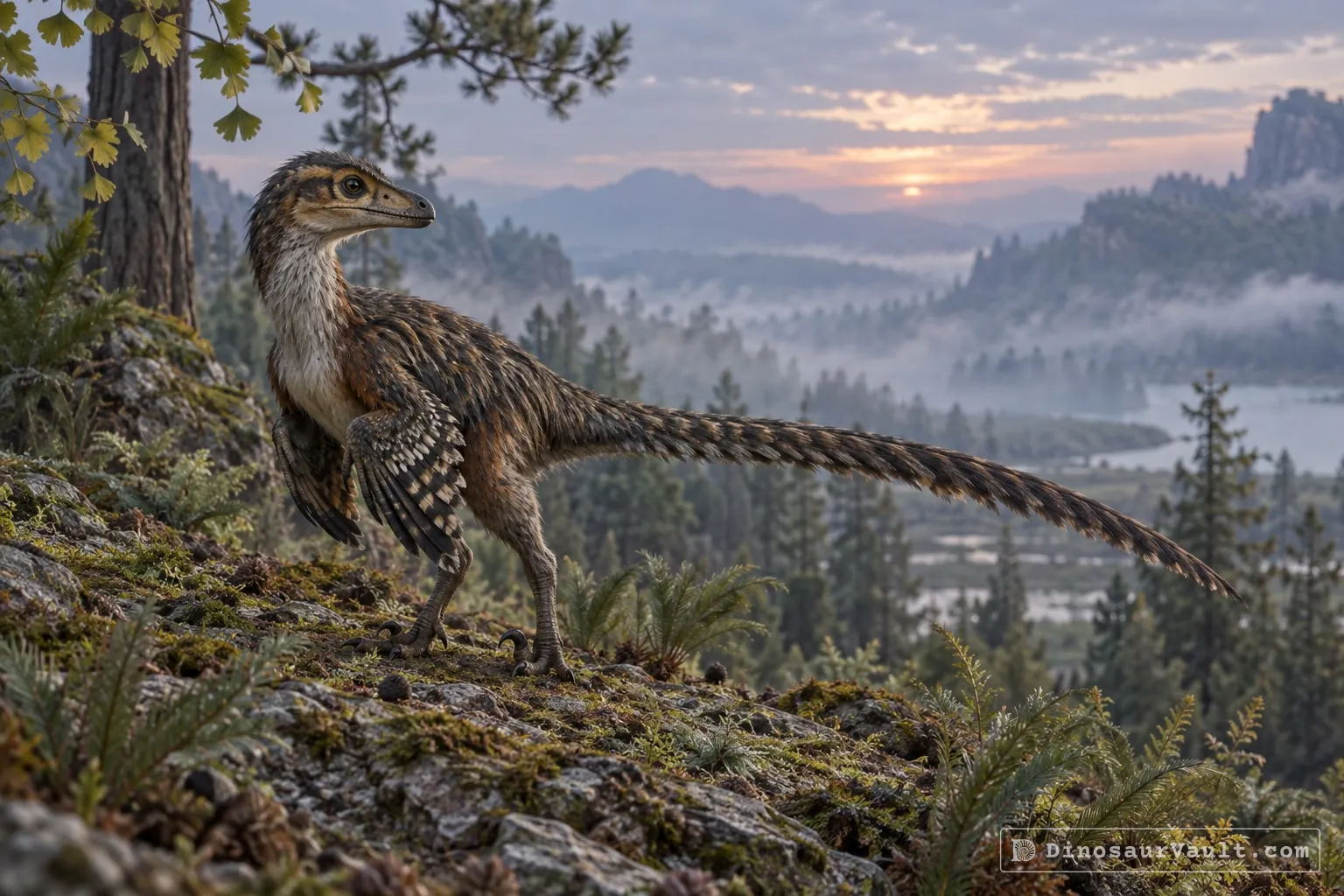
Liaoningvenator was a small feathered troodontid, known from a nearly complete skeleton with a skull, one of the most complete of its family.
Its world
It lived in the Early Cretaceous in what is now northeastern China. Its skeleton comes from the Yixian Formation, where it shared the land with Sinosauropteryx, Sinornithosaurus, Beipiaosaurus and Psittacosaurus.
How it was found
Shen and colleagues named Liaoningvenator in 2017, from a single find.
Field gallery
More views of Liaoningvenator
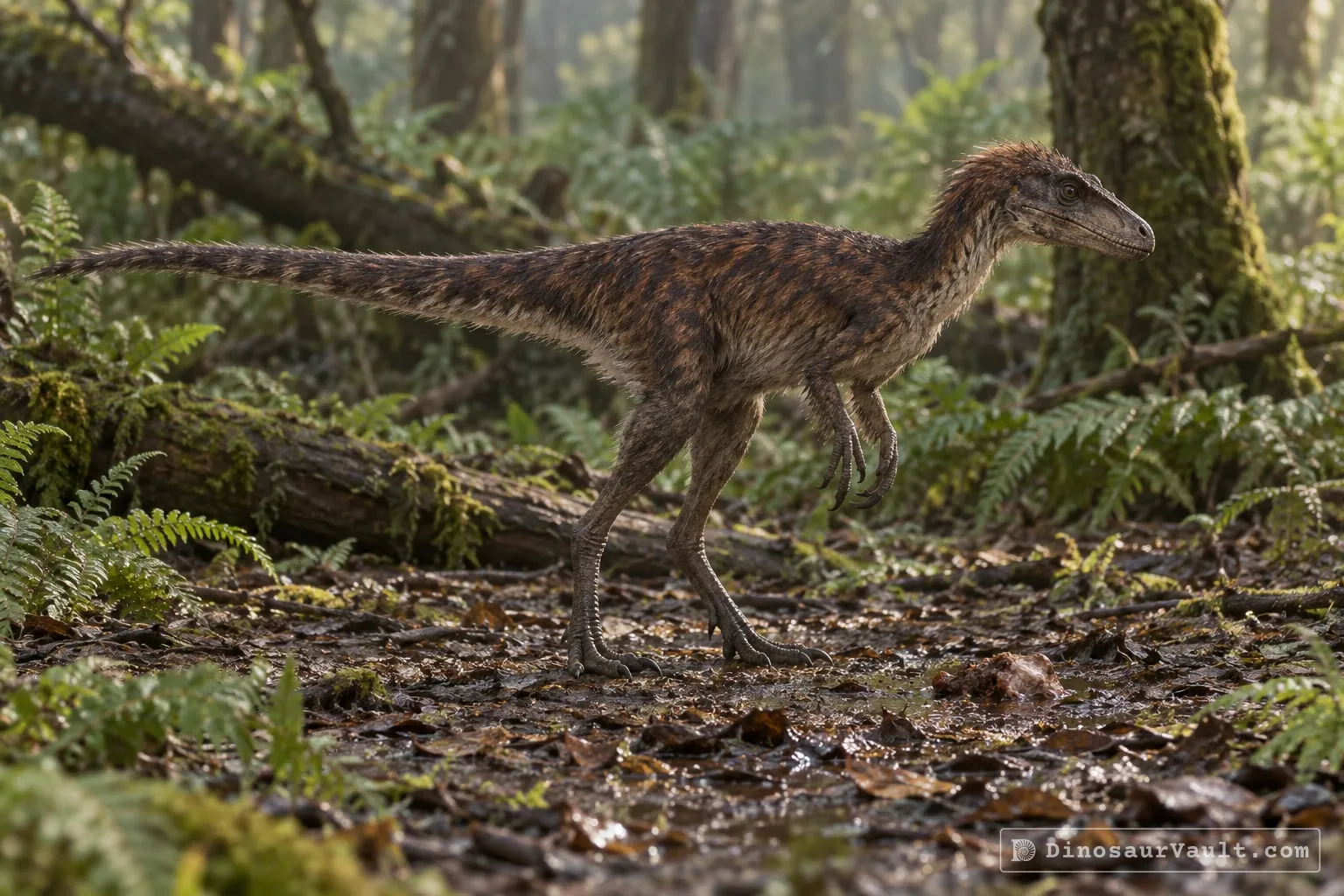
Scenes reconstructed from the available fossil evidence.
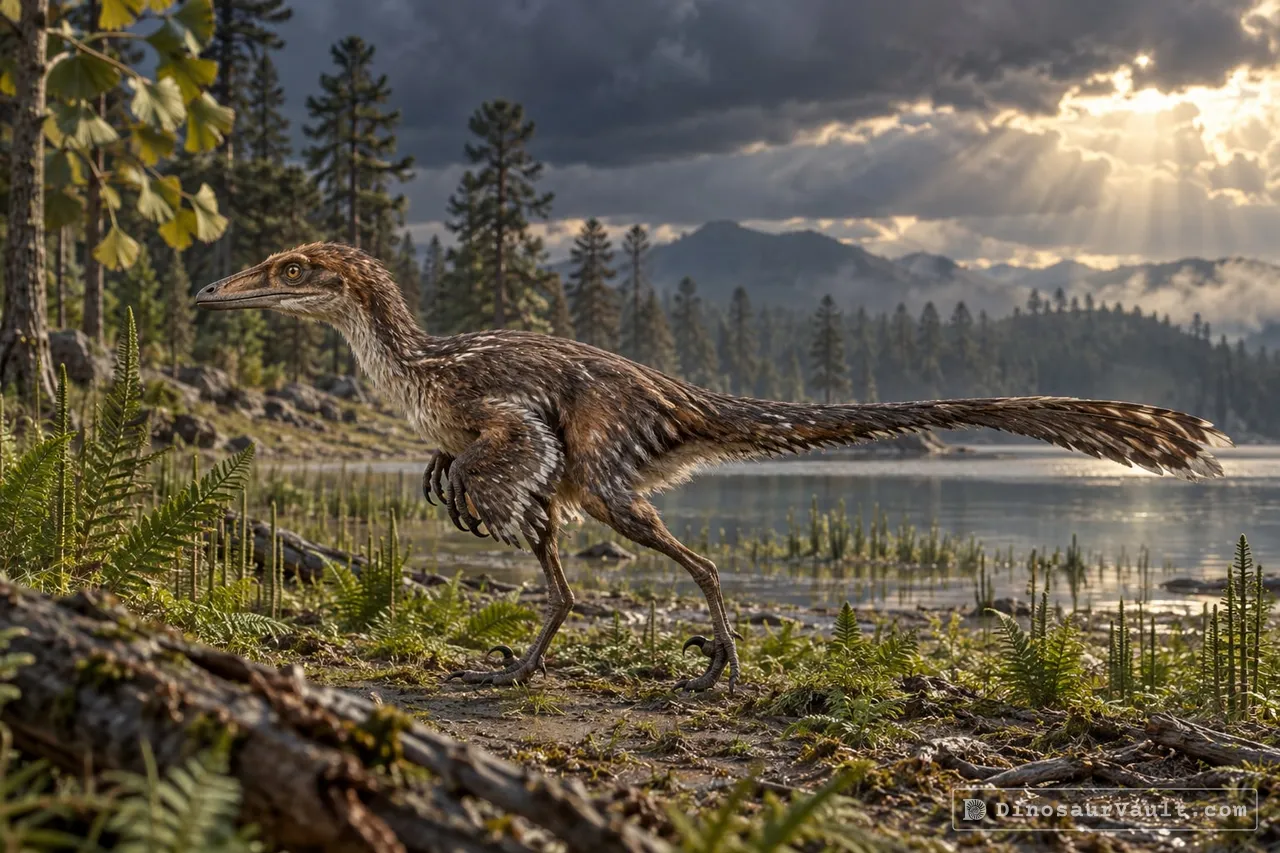
1 of 3
Lived alongside
Found in the same rock formations
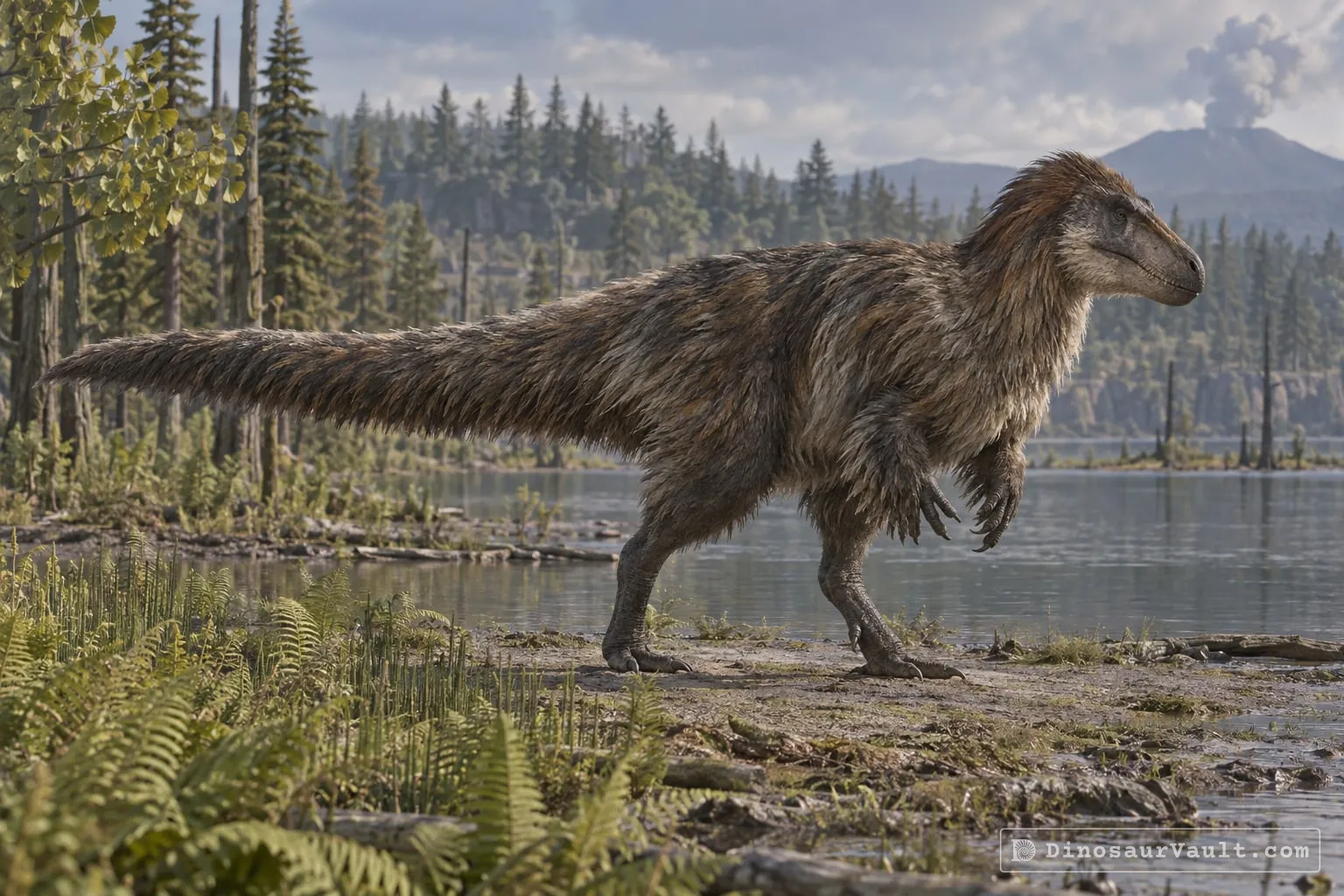
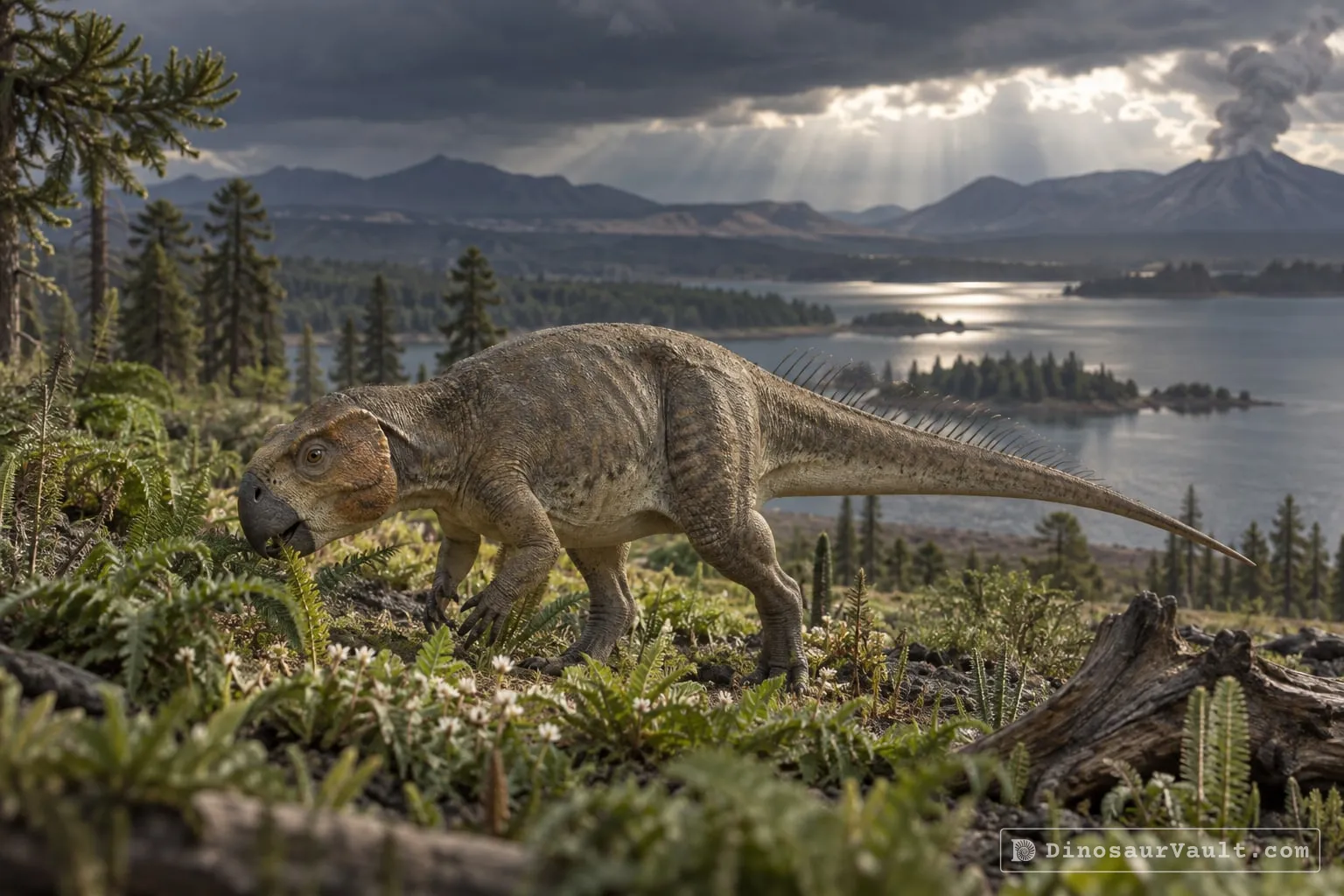
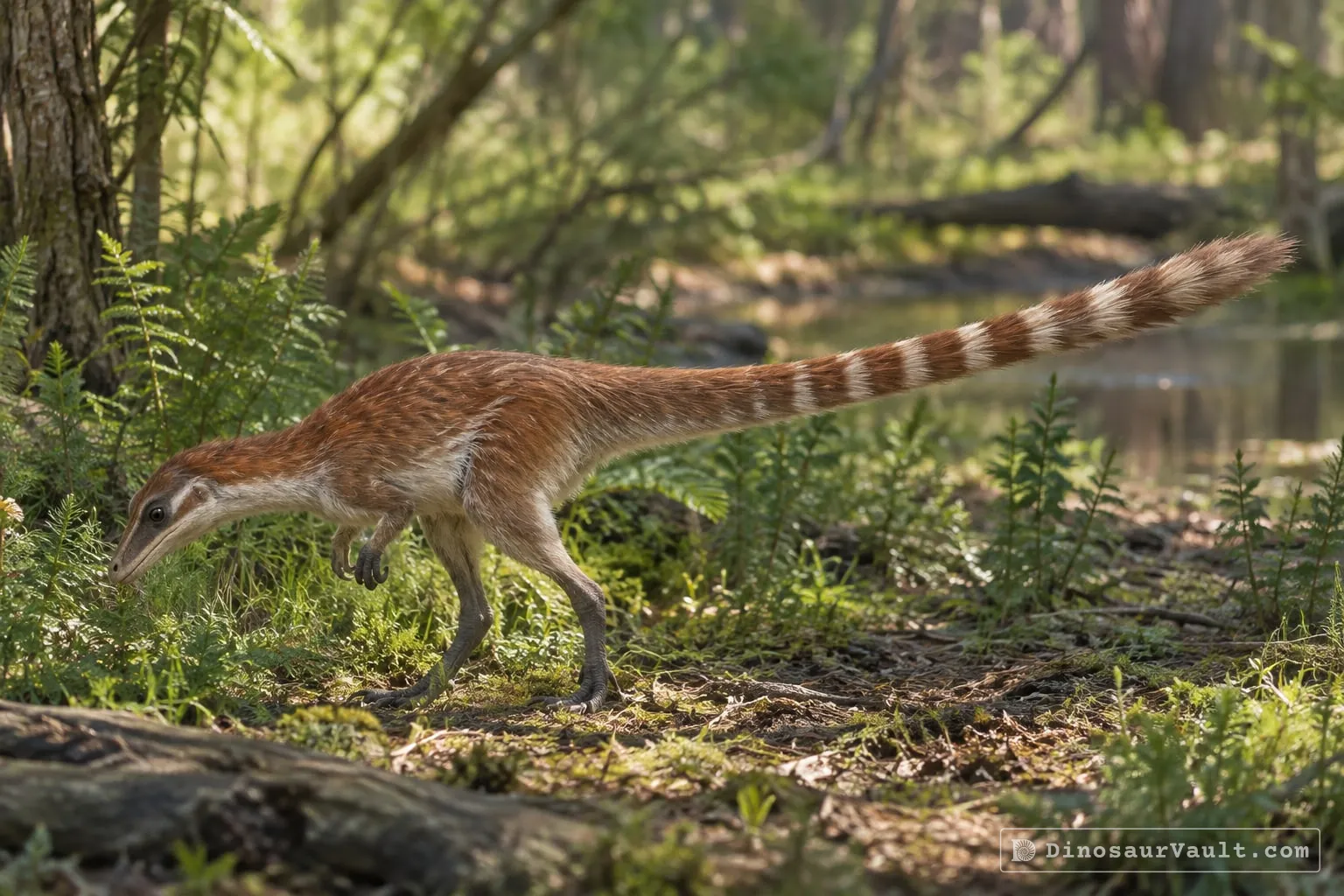


A rock formation can hold fossils laid down millions of years apart, so not every animal here met Liaoningvenator.
The evidence
The science behind Liaoningvenator
Which parts of the picture come from its own bones, and which come from its relatives.
From its own fossils
- A nearly complete skeleton preserves the skull and most of the body.
- Its jaws hold many closely packed teeth with narrow bases below their crowns.
- The bones toward the end of its tail have grooves along their tops instead of projecting spines.
Borrowed from relatives
- Most of the skeleton can be restored from its own bones.
- A feather covering is inferred from relatives such as Anchiornis, which preserves long feathers on its limbs.
Still unknown
- Its feather color and pattern.
- Exactly what it ate.
- What hatchlings looked like.
Discovery timeline
- 2009Close relativeHu et al.
- 2017Named itShen et al.
Key papers
The research behind what we know of Liaoningvenator
Close relative
Described a feathered Anchiornis, including long feathers on its feet, helping guide the feather covering inferred for related dinosaurs.
A pre-Archaeopteryx troodontid theropod from China with long feathers on the metatarsus. Nature 461: 640-643
Read the paper : A pre-Archaeopteryx troodontid theropod from China with long feathers on the metatarsus (opens in a new tab)Named it
Described a nearly complete skeleton with closely packed teeth and distinctive tail bones, and linked Liaoningvenator with Eosinopteryx.
A new troodontid dinosaur (Liaoningvenator curriei gen. et sp. nov.) from the Early Cretaceous Yixian Formation in western Liaoning Province. Acta Geoscientica Sinica 38: 359-371
No link available
Close relatives
Other members of Troodontidae


Sources: Wikidata