Outline: a typical theropod
Kuru
Type species Kuru kulla
- Lived
- 84 to 72 million years ago, Late Cretaceous
- Diet
- Carnivore
- Group
- Theropods, Dromaeosauridae
- Found in
- Mongolia
- Named by
- Napoli et al. 2021
Where its fossils were found
The evidence
Today

80 million years ago
Field notes
About Kuru
What it was like
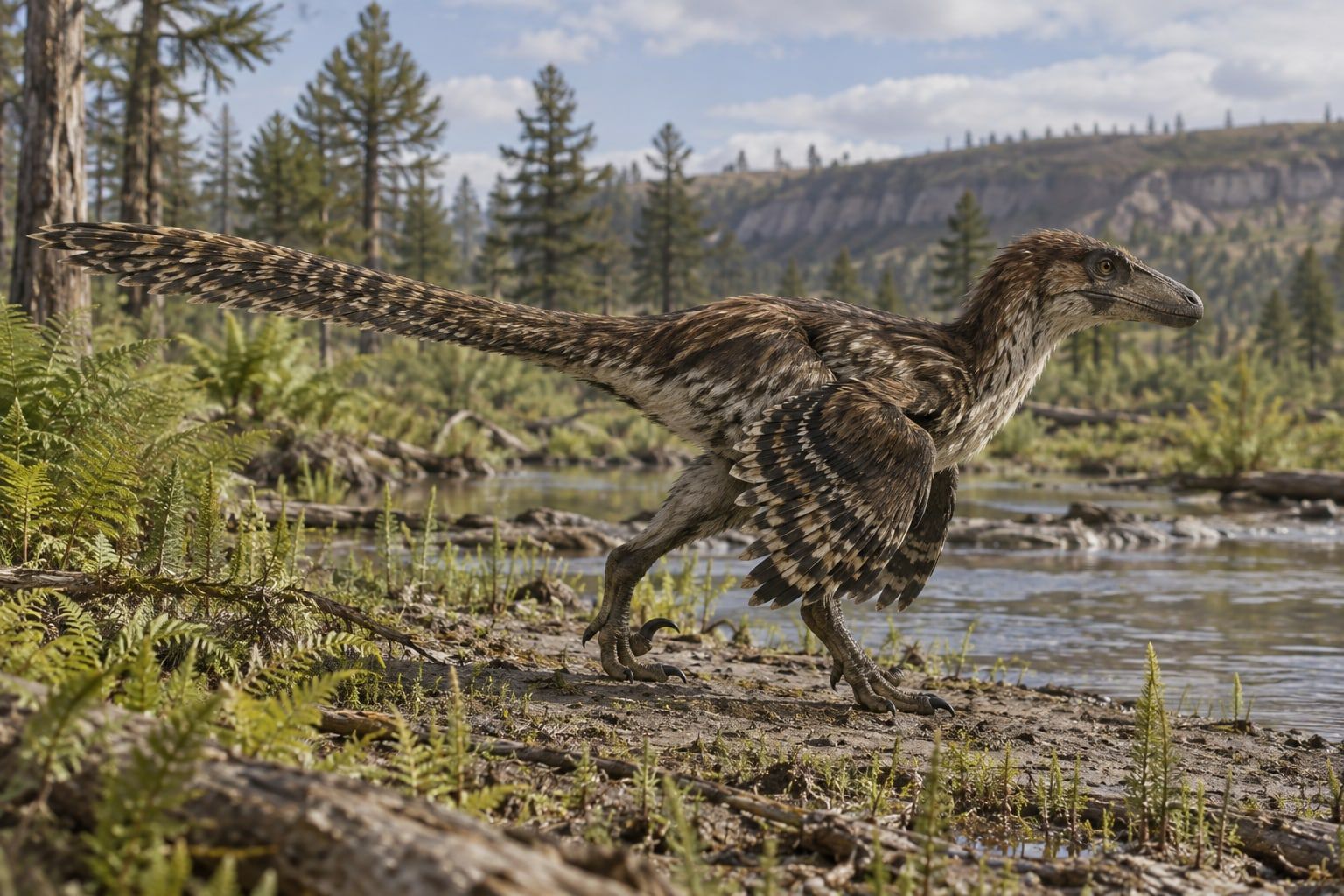
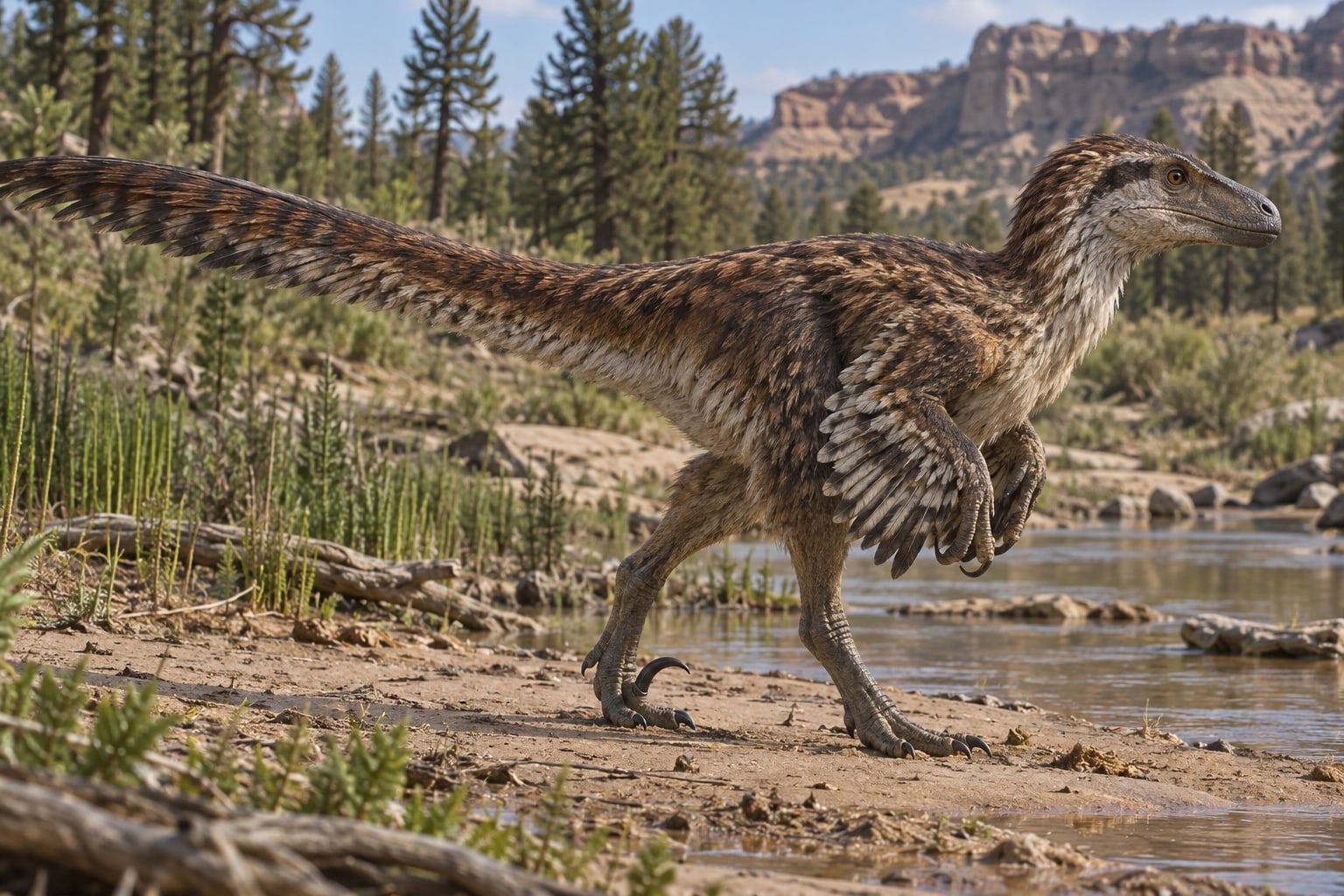
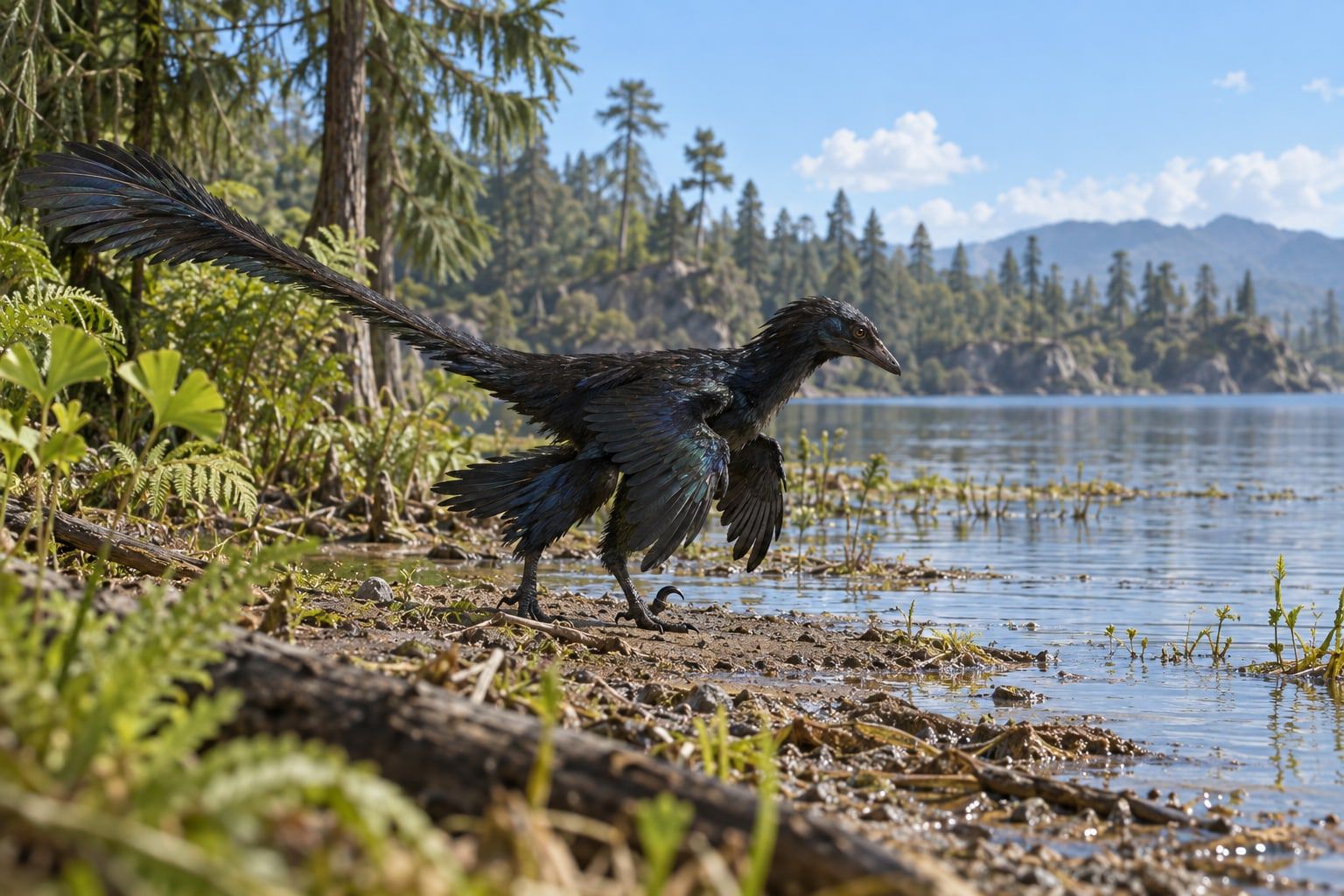
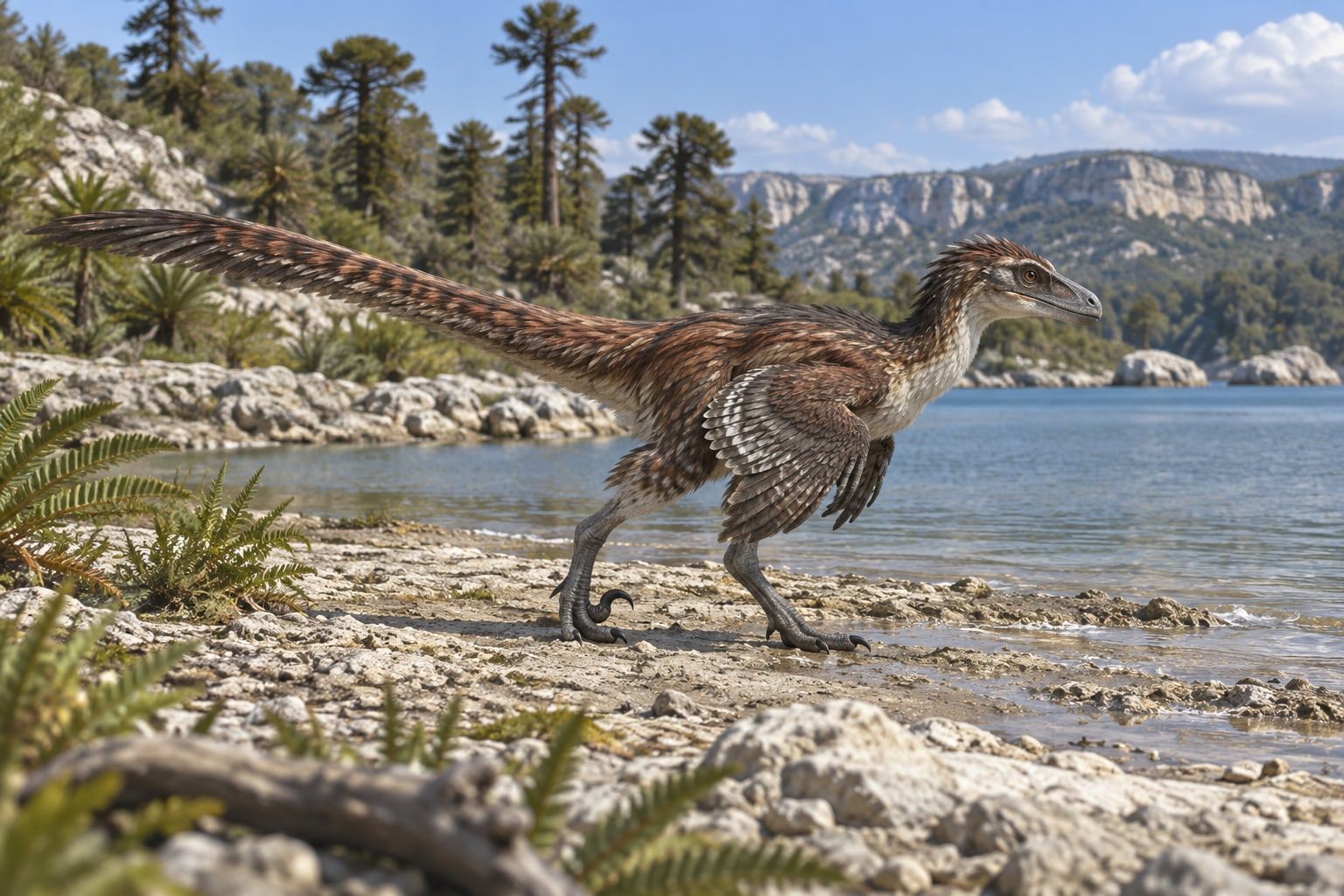
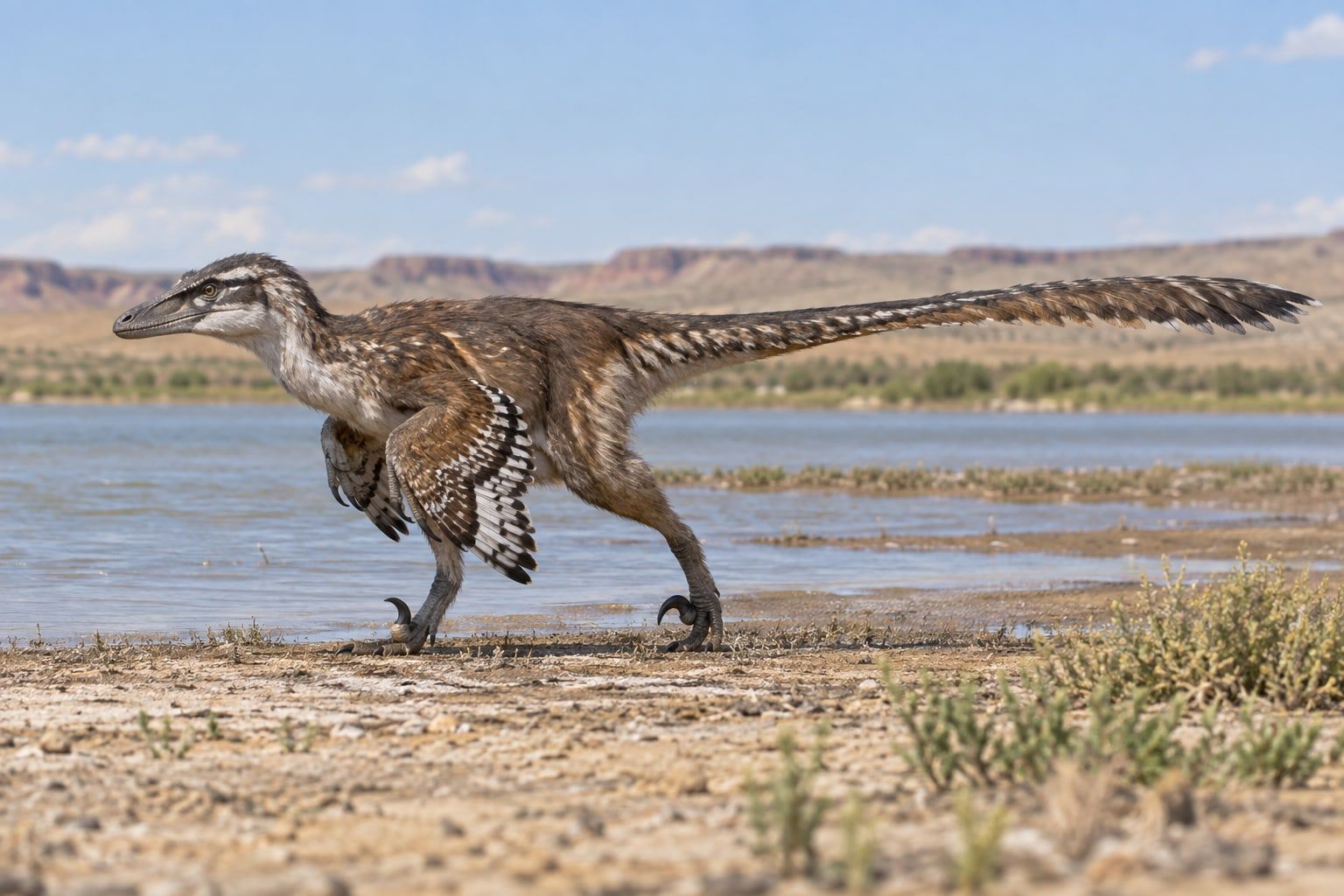
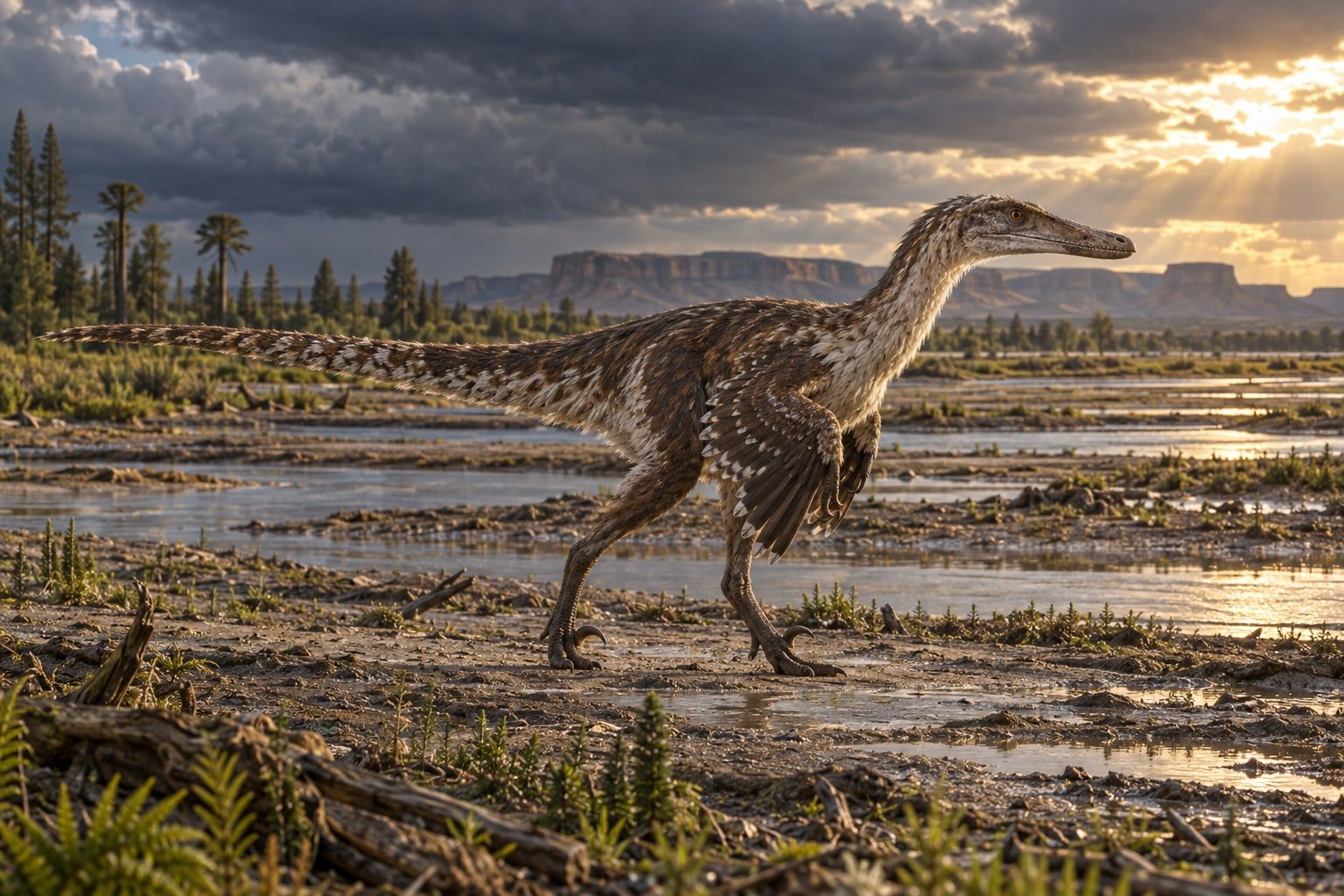
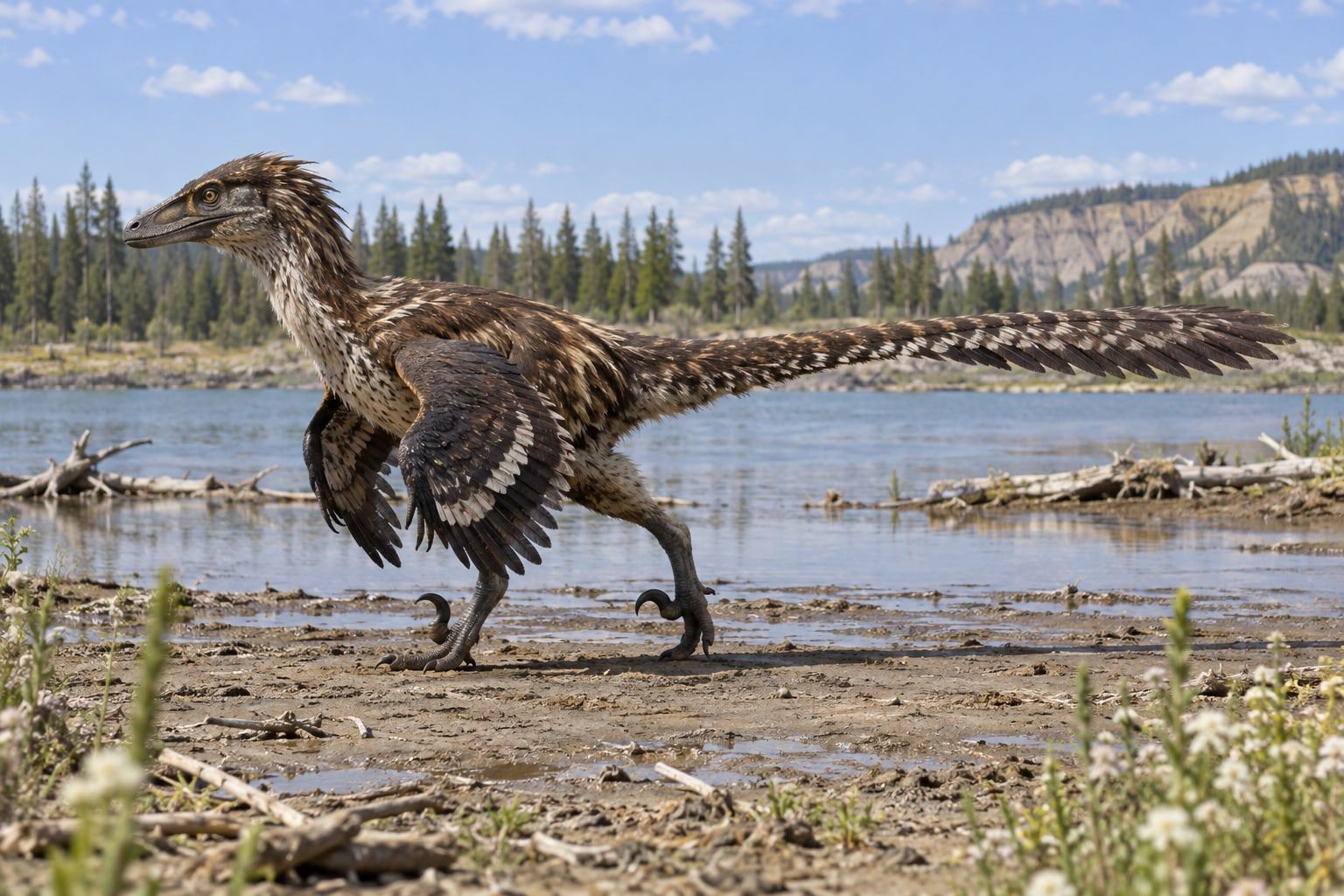
Kuru was a raptor, a feathered hunter with a sickle claw on each foot. It is known from part of a skull and skeleton.
Its world
It lived in the Late Cretaceous in what is now Mongolia. Its bones come from the Baruungoyot Formation, where it shared the land with the armored Saichania and Tarchia.
How it was found
Napoli and colleagues named Kuru in 2021, from a single find. The skeleton had been known for years under a nickname before it was formally described. Its name comes from a goddess of an old religious tradition.
Lived alongside
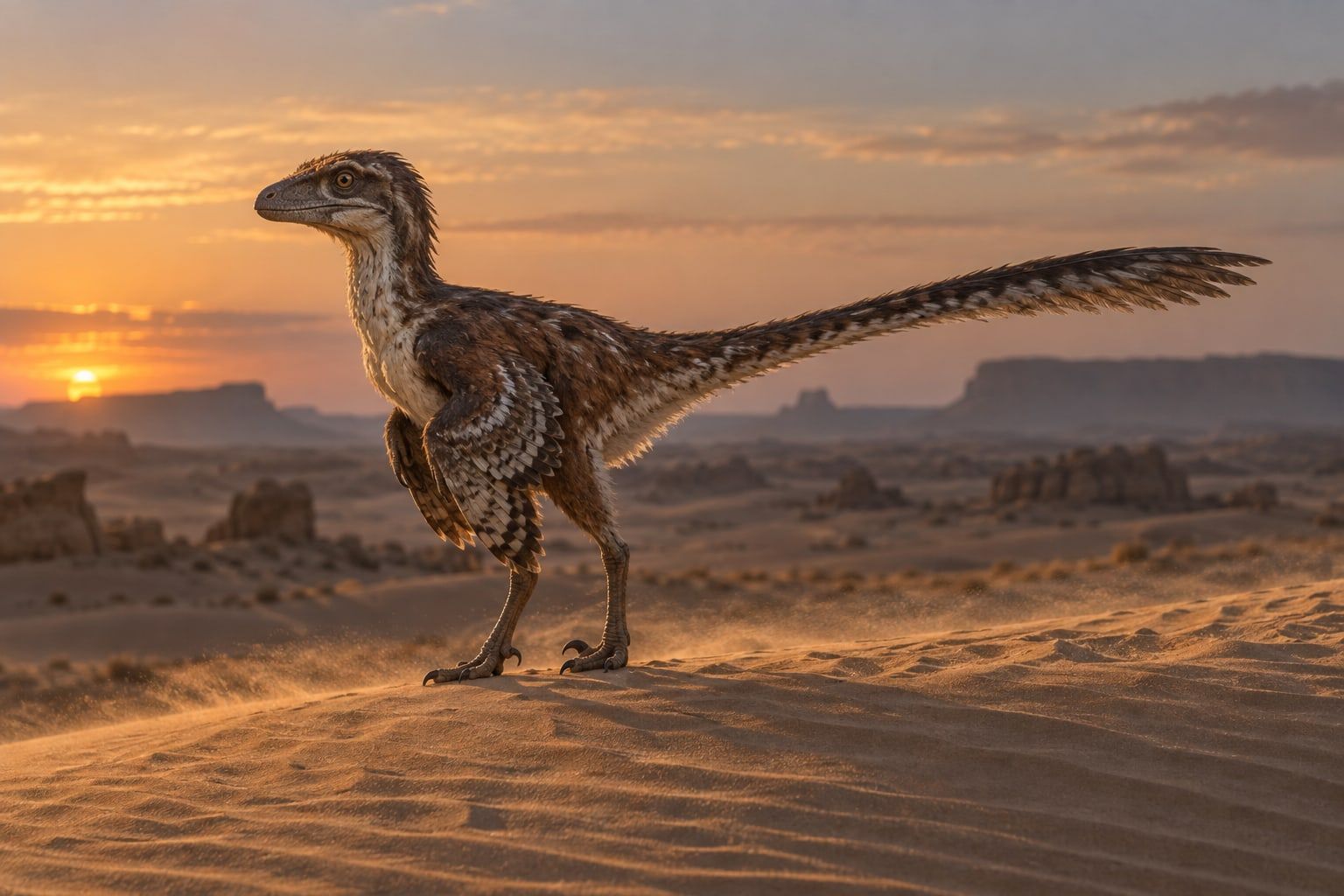
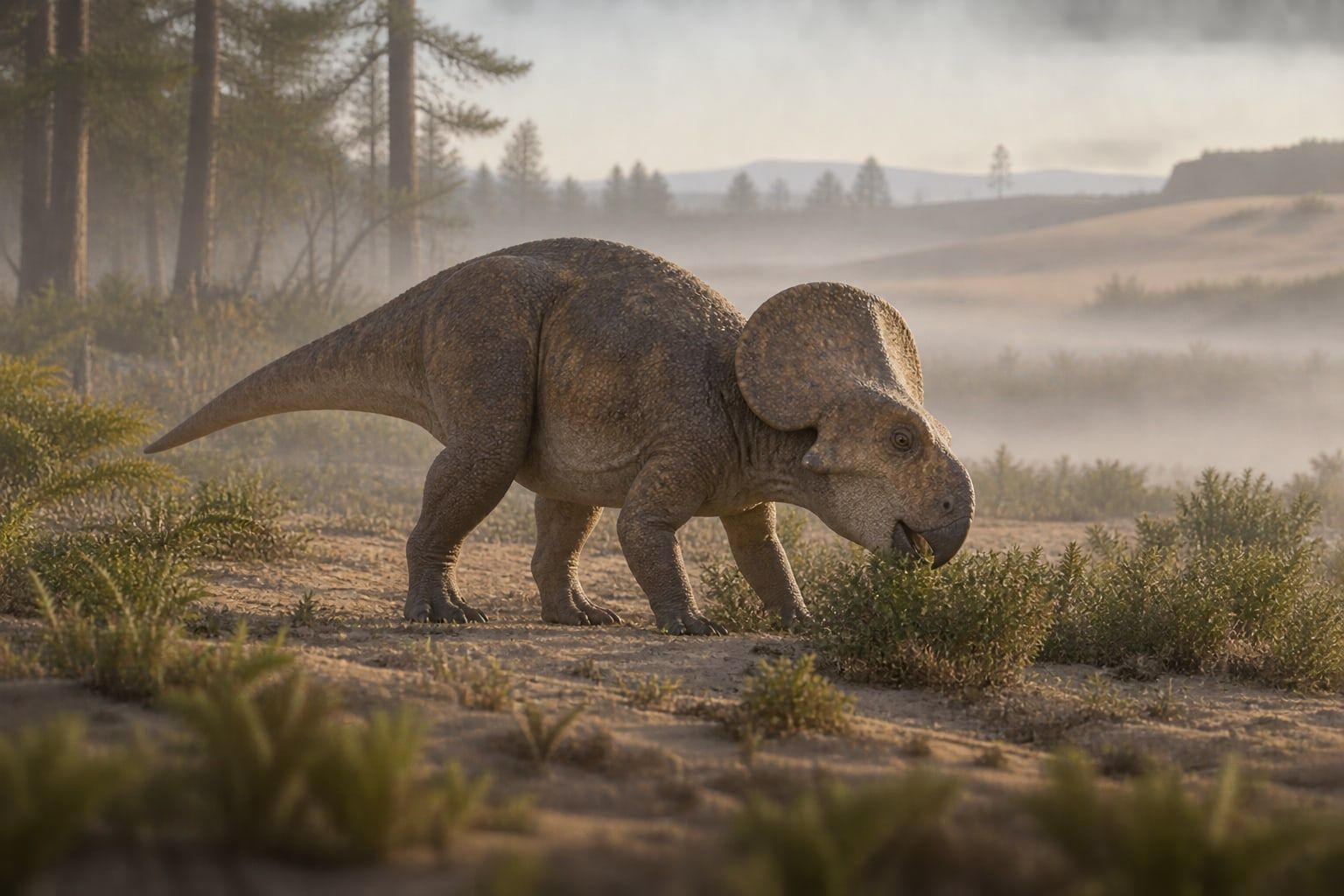
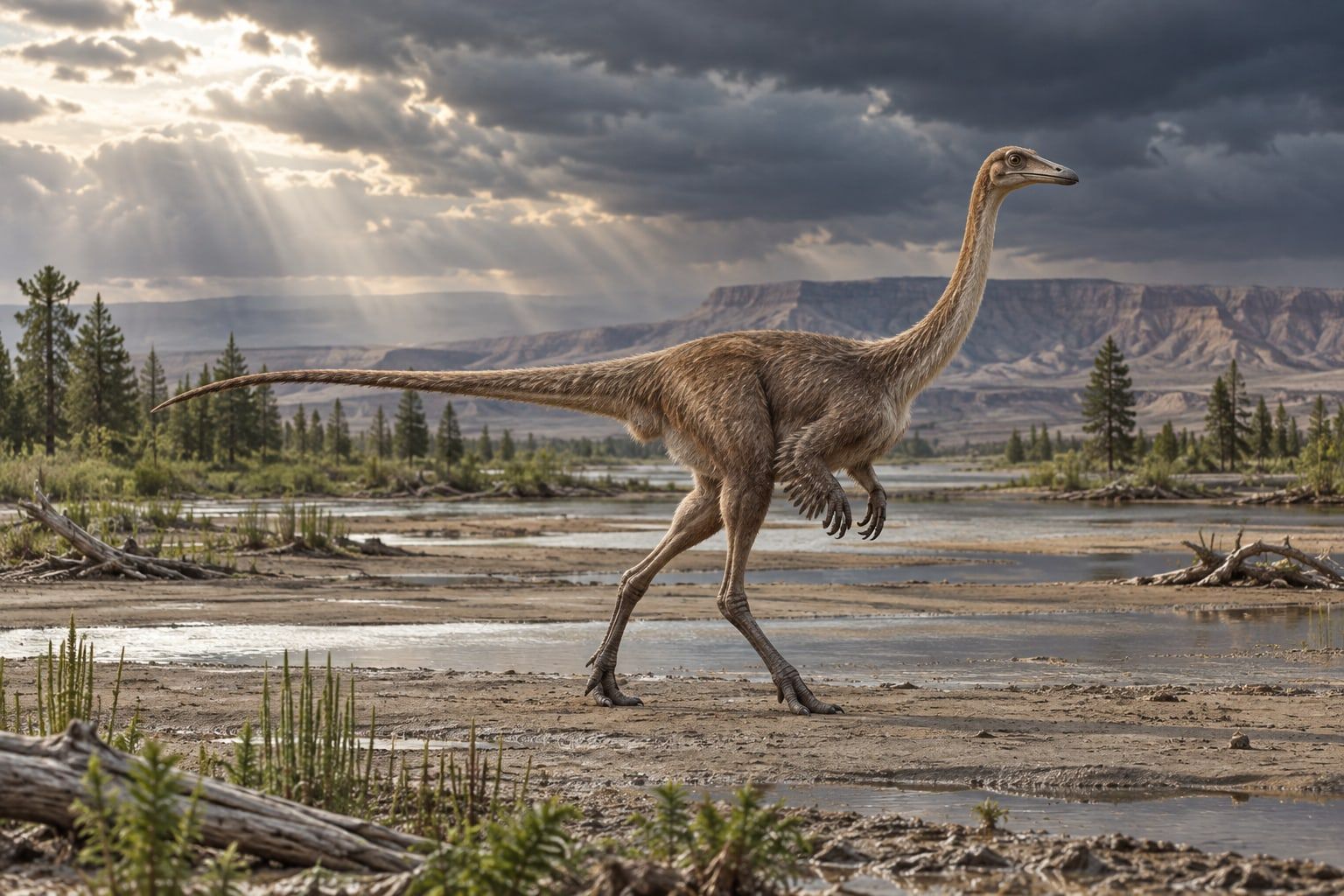
Found in the same rock formations
Close relatives
Other members of Dromaeosauridae
Sources: WikidataNamed in: J. G. Napoli, A. A. Ruebenstahl, and B. A. S. Bhullar, A. H. Turner, M. A. Norell. 2021. A New Dromaeosaurid (Dinosauria: Coelurosauria) from Khulsan, Central Mongolia. American Museum Novitates 3982:1-47