Baryonyx
BARE-ee-ON-iks
"heavy claw"
Type species Baryonyx walkeri
- Lived
- 137 to 121 million years ago, Early Cretaceous
- Diet
- Carnivore
- Length
- about 9 m (30 ft)
- Group
- Theropods, Spinosauridae
- Found in
- United Kingdom, Spain and Portugal
- Named by
- Charig and Milner 1986
Size comparison
To scale
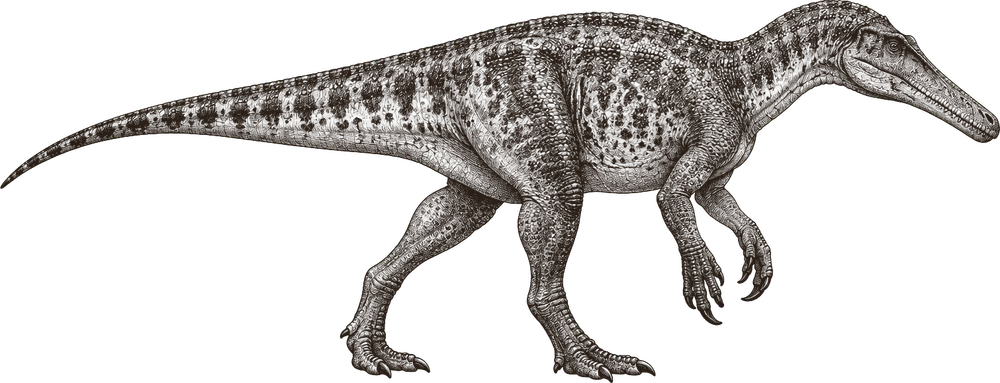

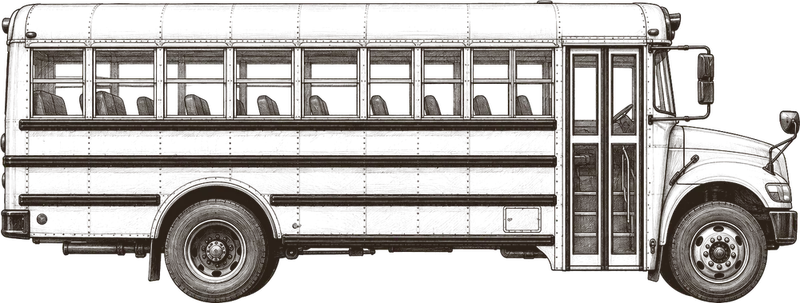
Scale in meters
Where its fossils were found
The evidence
Today

130 million years ago
Habitat
Rivers and shallow lakes on a wide, low plain. Pollen and spores from the same clay pit come mostly from ferns, clubmosses, mosses and conifers.
Field notes
About Baryonyx
What it was like
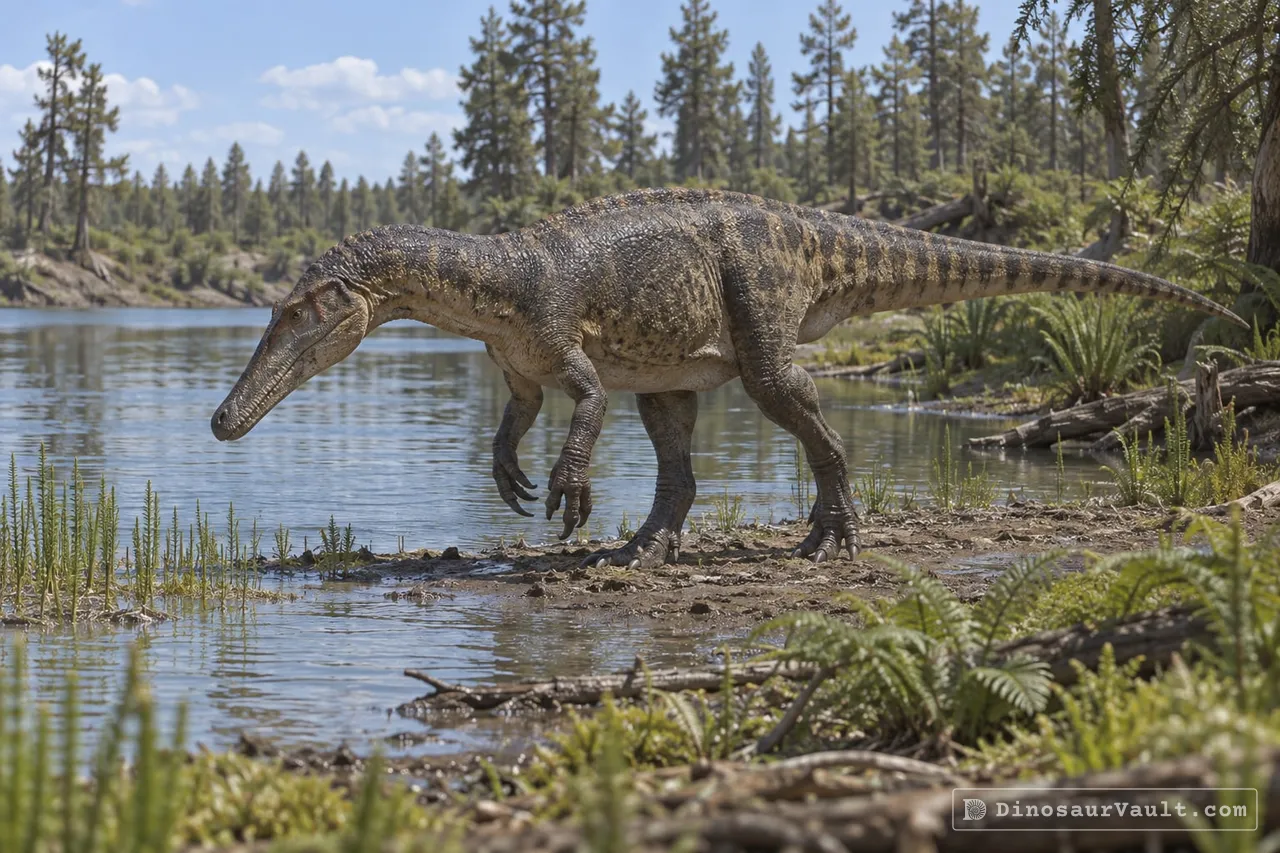
Baryonyx had a long, narrow snout that looked much like a crocodile's, lined with many cone-shaped teeth. It grew to roughly 9 meters (30 feet) long. Its most striking feature was a huge curved claw on each hand, which gives the genus its name.
Baryonyx probably waded in rivers and used its claws and jaws to catch fish, though it may also have fed on other prey or scavenged when the chance arose. Its neck curved into an S shape, and a low ridge likely ran along part of its back.
Its world
Baryonyx lived from about 137 to 121 million years ago, during the Early Cretaceous. Its fossils come from formations such as Weald Clay and Wessex in the United Kingdom, as well as Papo Seco in Portugal and Pinilla de los Moros in Spain.
It shared its habitat with plant eaters such as Iguanodon and Polacanthus, and with other predators including Megalosaurus and Neovenator. Rivers, lagoons, and coastal plains across the region supported a wide range of fish and other animals.
How it was found
Charig and Milner named Baryonyx in 1986, based on a skeleton found in the United Kingdom. Around 6 finds are now known across three countries, making Baryonyx one of the better known spinosaurids. Its closest relatives include Spinosaurus, Suchomimus, and Irritator, all sharing the same crocodile-like skull shape.
Field gallery
More views of Baryonyx
Scenes reconstructed from the available fossil evidence.
1 of 7
Lived alongside
Found in the same rock formations
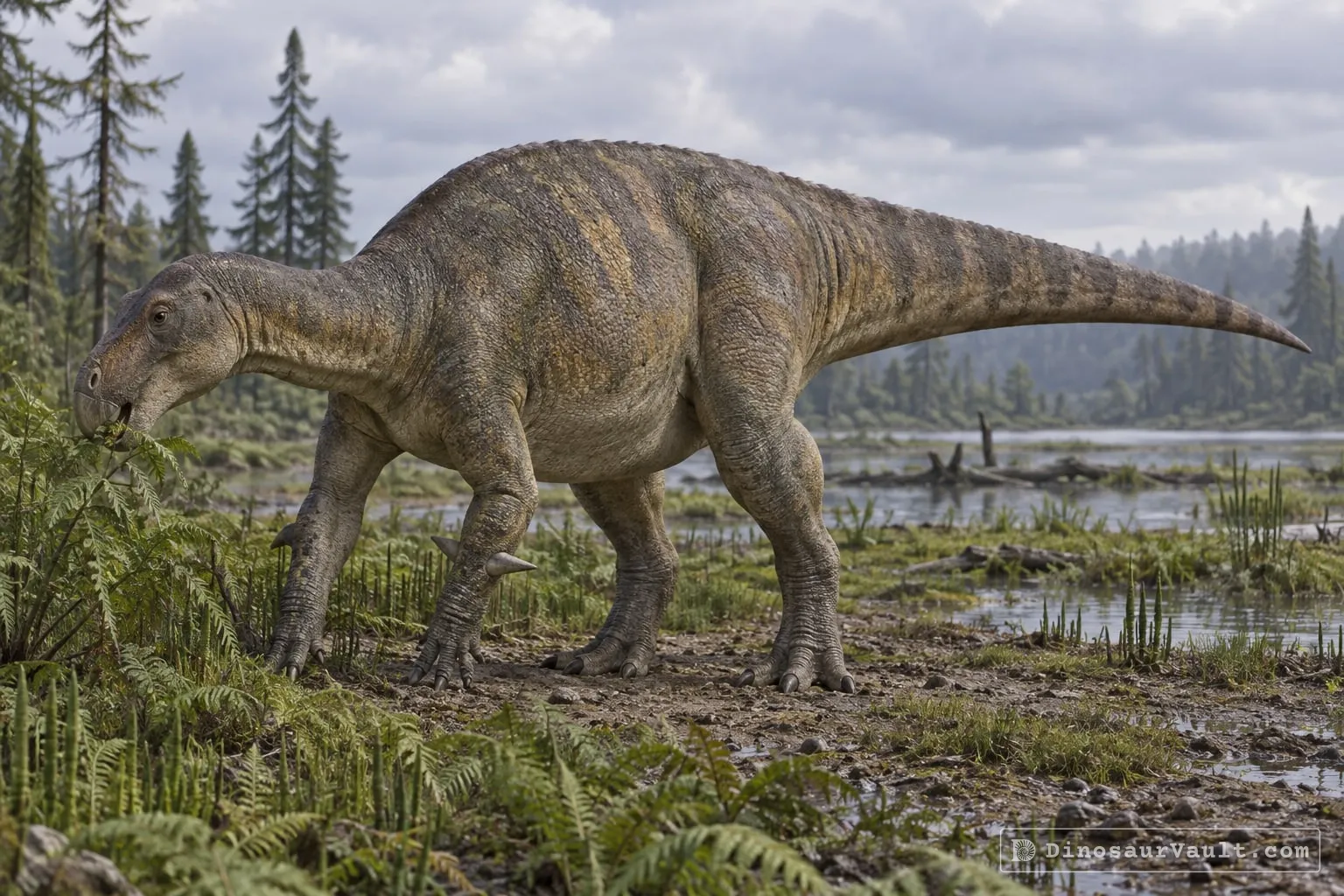
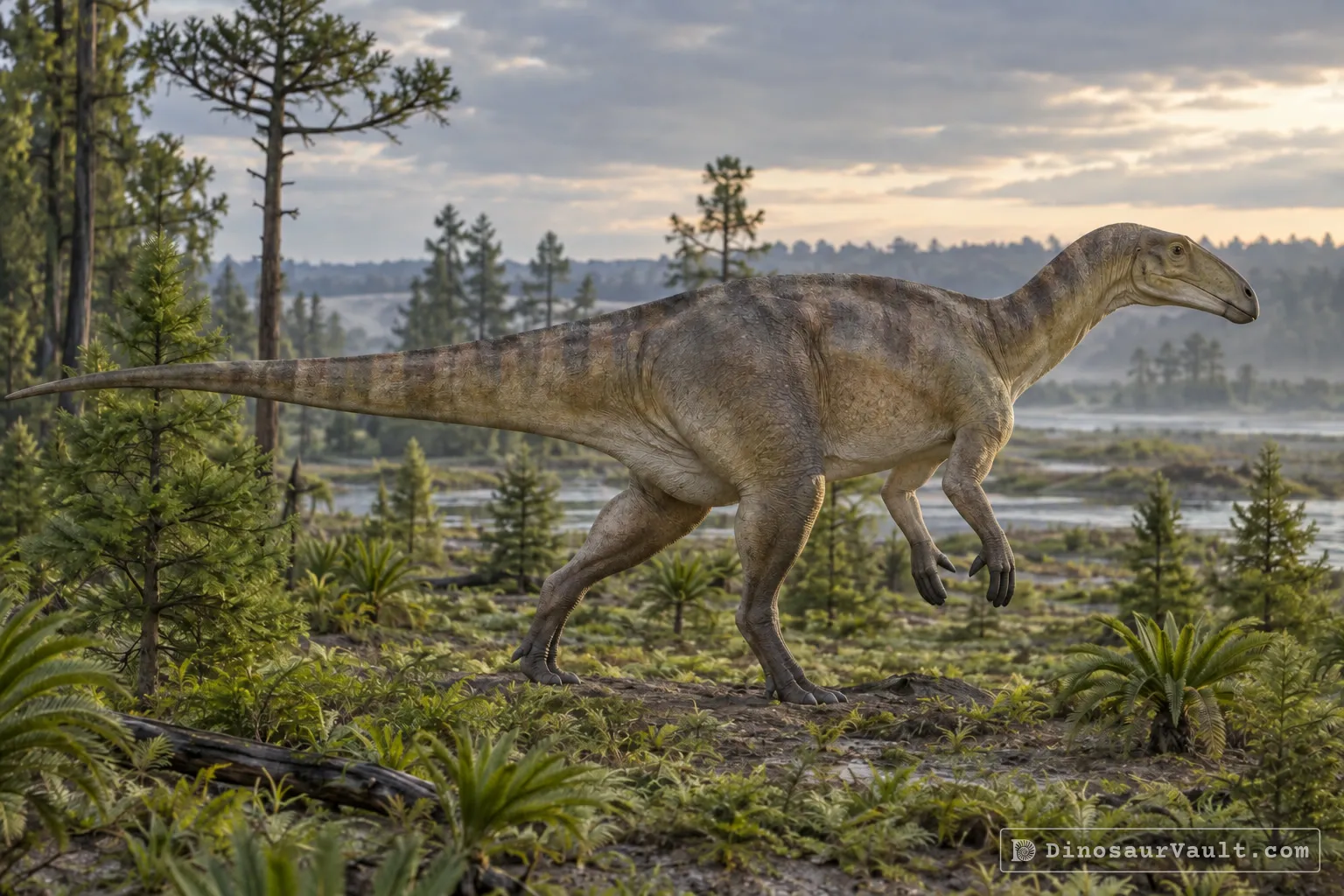
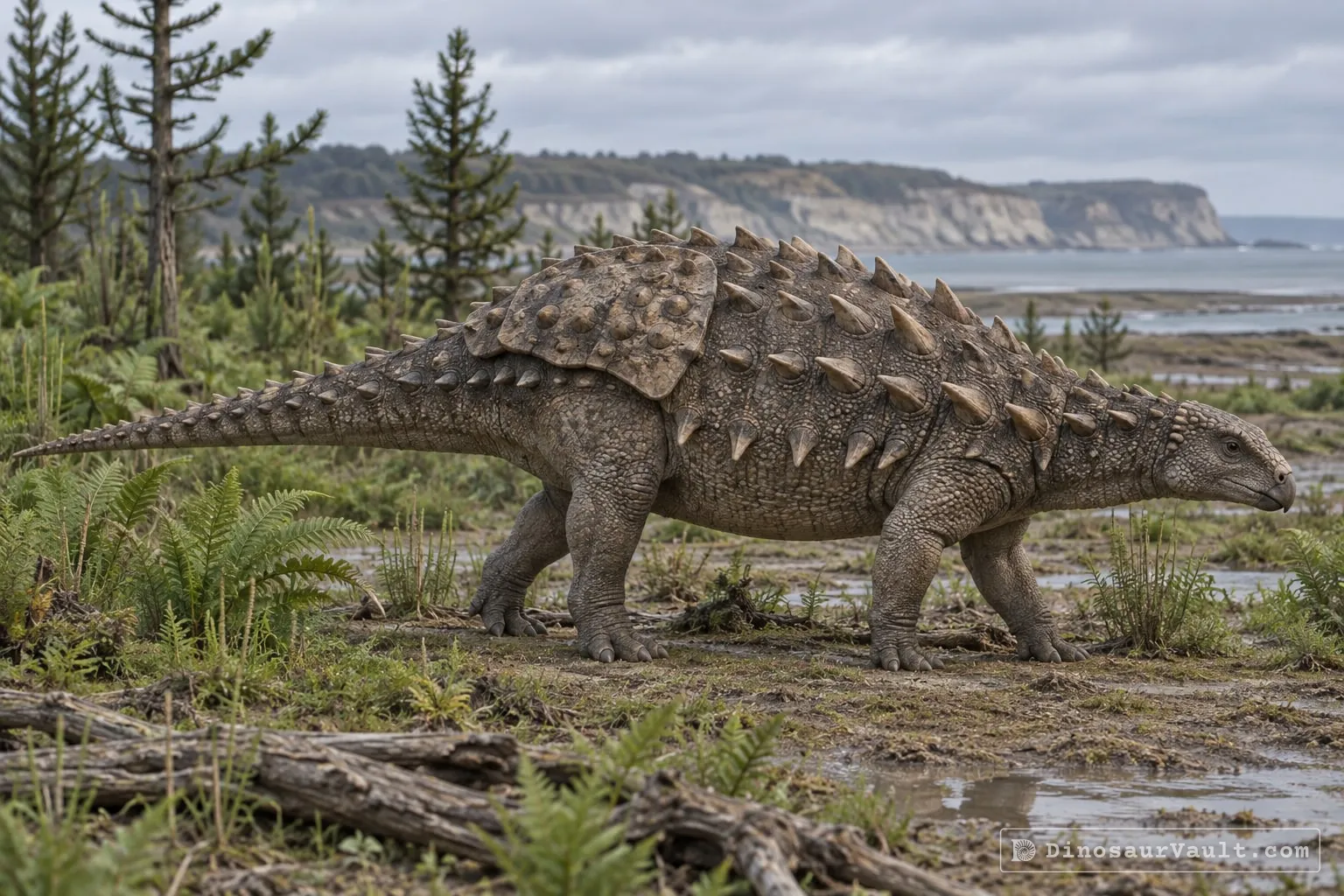
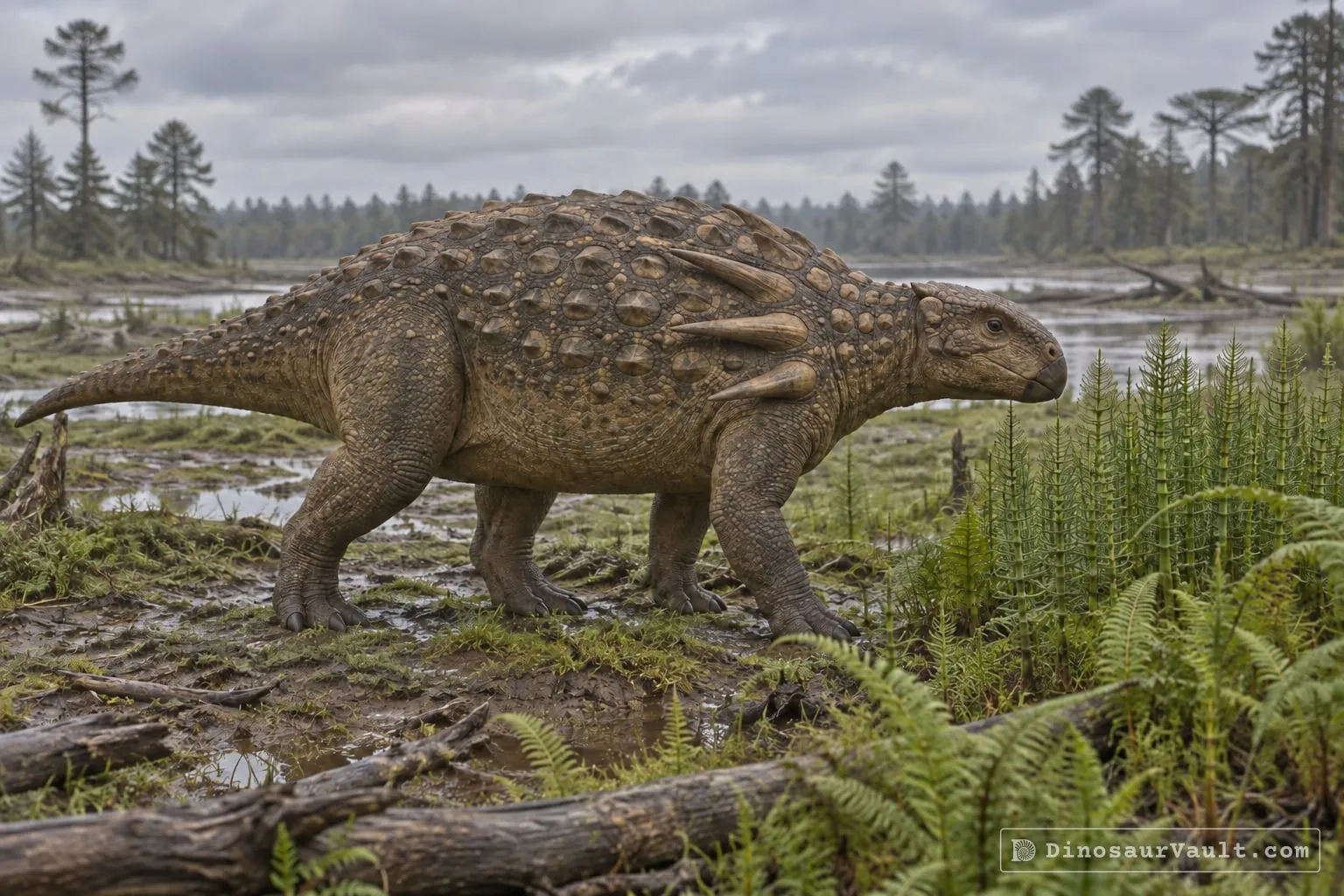
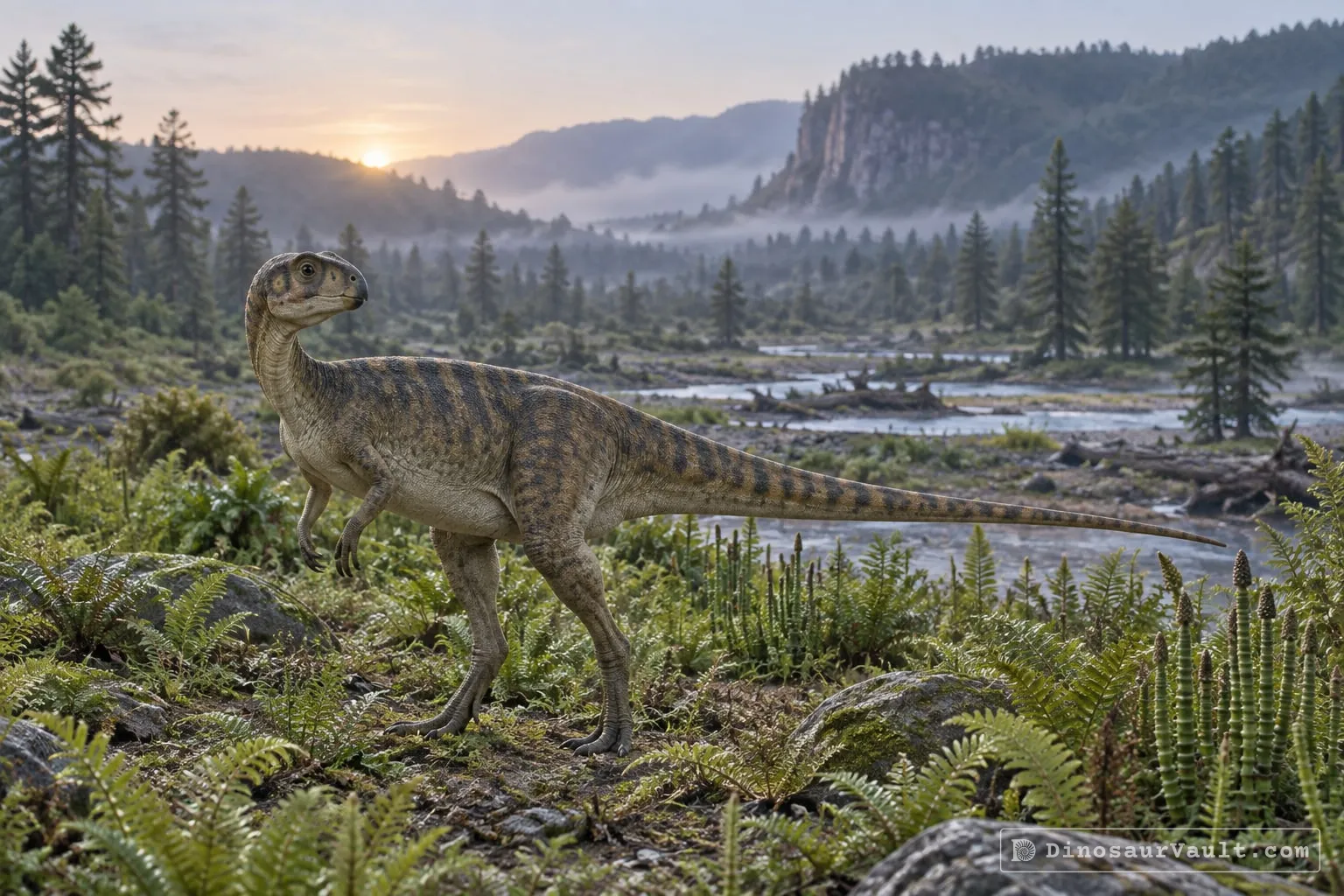
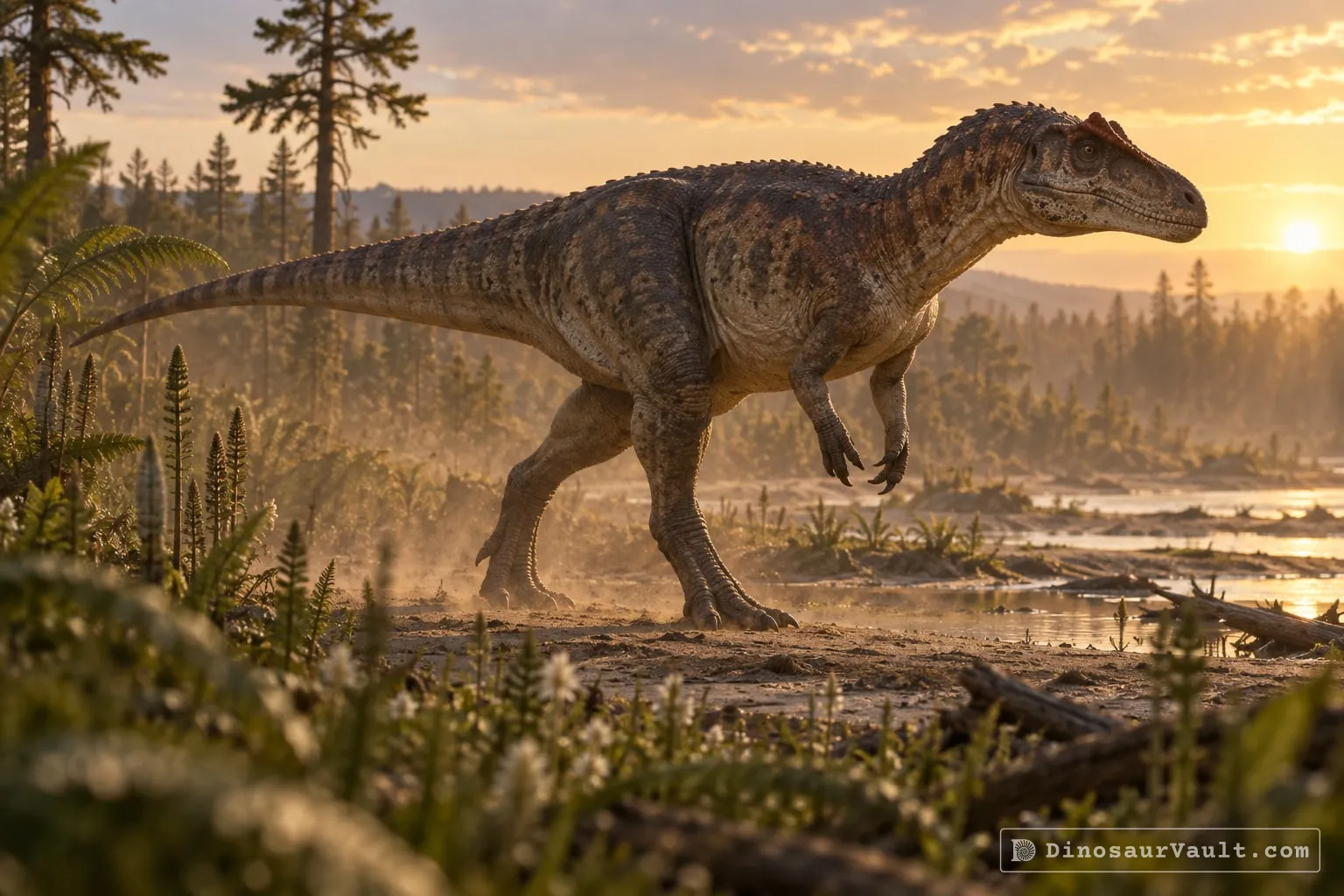
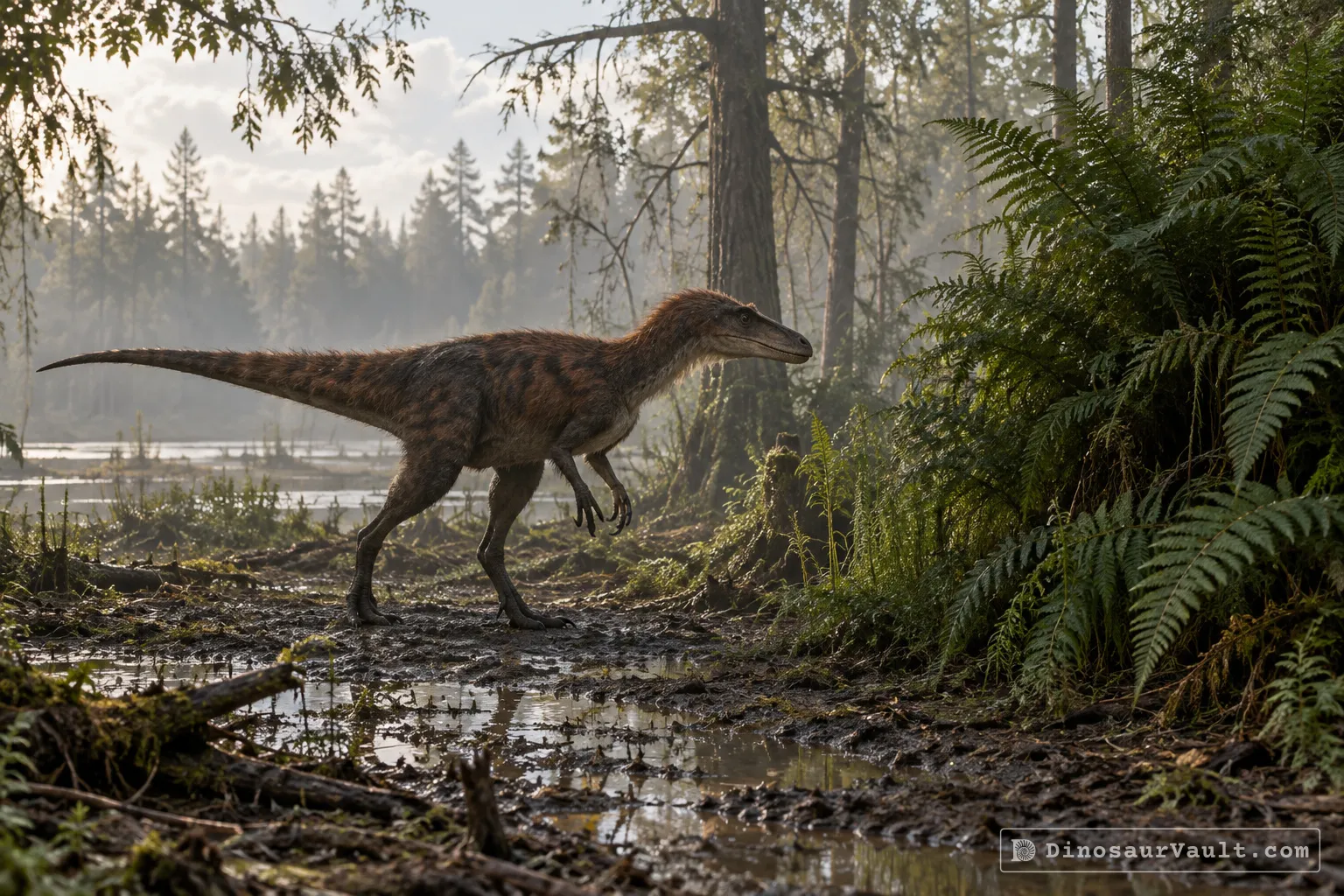
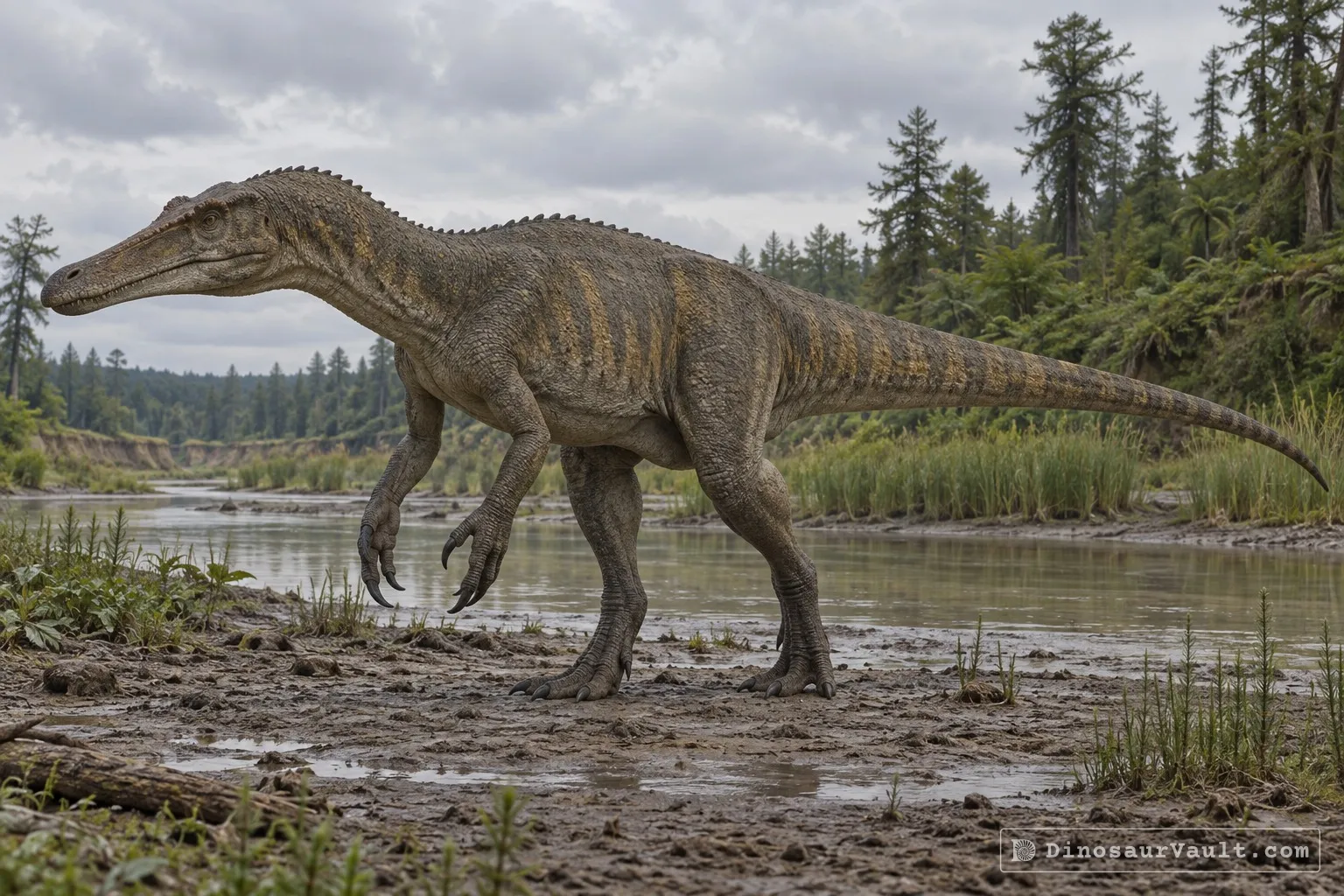


A rock formation can hold fossils laid down millions of years apart, so not every animal here met Baryonyx.
The evidence
The science behind Baryonyx
Which parts of the picture come from its own bones, and which come from its relatives.
From its own fossils
- Much of one skeleton: the long, narrow jaws, many teeth, the strong arms and the huge thumb claw.
- Nostrils set far back on the snout, and a jaw tip that widens into a rosette of teeth.
- Fish scales and the bones of a young plant eater where its stomach had been, so it ate both.
Borrowed from relatives
- Lips over the teeth and scaly skin follow other large theropods. No Baryonyx skin has been found.
- The shape of the back and tail is restored from other spinosaurids.
Still unknown
- What a young Baryonyx looked like.
- Its color.
- Which plant eaters found in the same clay pit really lived alongside it.
Often drawn wrong
- It is often given a tall sail like Spinosaurus. Its backbone shows nothing of the kind.
- Its palms faced inward, as in all big theropods. They could not turn to face the ground.
- A shaggy mane or a paddle-shaped tail fin has no fossil support.
Discovery timeline
- 1986Named itCharig & Milner
- 1997Full descriptionCharig & Milner
- 2007How it fedRayfield et al.
- 2011New findMateus et al.
- 2021Close relativesBarker et al.
Key papers
The research behind what we know of Baryonyx
Named it
Announced a new meat eater from a skeleton dug out of a clay pit in England, and named it for the huge claw found with it.
Baryonyx, a remarkable new theropod dinosaur. Nature 324: 359-361
Read the paper : Baryonyx, a remarkable new theropod dinosaur (opens in a new tab)Full description
The full account of the skeleton: a long, narrow snout like a crocodile's, an enlarged first claw on each hand, and fish scales where its stomach had been.
Baryonyx walkeri, a fish-eating dinosaur from the Wealden of Surrey. Bulletin of the Natural History Museum, Geology Series 53: 11-70
Read the paper : Baryonyx walkeri, a fish-eating dinosaur from the Wealden of Surrey (opens in a new tab)How it fed
Tested spinosaur skulls in computer models against crocodiles. The Baryonyx snout handled stress much like a gharial's, a fish-catching design.
Functional morphology of spinosaur 'crocodile-mimic' dinosaurs. Journal of Vertebrate Paleontology 27: 892-901
Read the paper : Functional morphology of spinosaur 'crocodile-mimic' dinosaurs (opens in a new tab)New find
Described Baryonyx bones from Portugal and looked at whether Suchosaurus, a name based on old teeth, could be the same animal.
A new specimen of the theropod dinosaur Baryonyx from the early Cretaceous of Portugal and taxonomic validity of Suchosaurus. Zootaxa 2827: 54-68
Read the paper : A new specimen of the theropod dinosaur Baryonyx from the early Cretaceous of Portugal and taxonomic validity of Suchosaurus (opens in a new tab)Close relatives
Named two new spinosaurids from the Wessex Formation, where Baryonyx is also found, and argued that the family first arose in Europe.
New spinosaurids from the Wessex Formation (Early Cretaceous, UK) and the European origins of Spinosauridae. Scientific Reports 11
Read the paper : New spinosaurids from the Wessex Formation (Early Cretaceous, UK) and the European origins of Spinosauridae (opens in a new tab)
Close relatives
Other members of Spinosauridae


Sources: Wikidata