Neovenator
NEE-oh-veh-NAY-tor
"new hunter"
Type species Neovenator salerii
- Lived
- 126 to 121 million years ago, Early Cretaceous
- Diet
- Carnivore
- Length
- about 7.4 m (24 ft)
- Group
- Theropods, Neovenatoridae
- Found in
- United Kingdom
- Named by
- Hutt et al. 1996
Size comparison
To scale
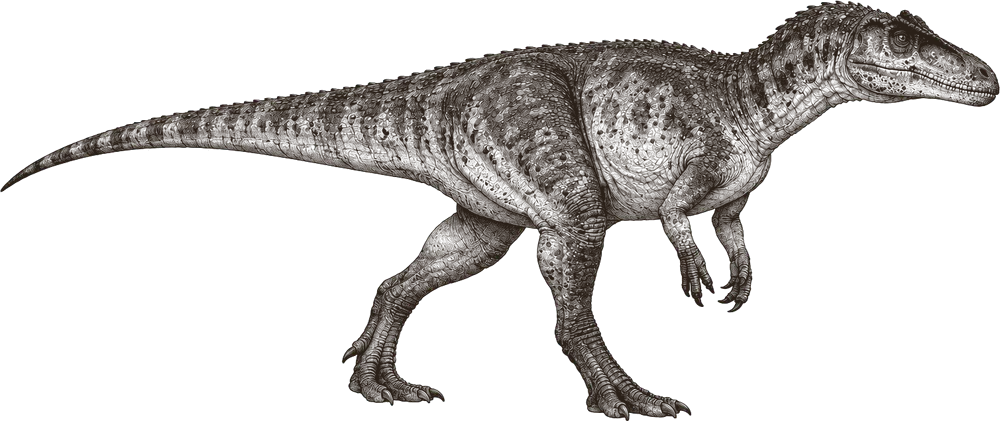


Scale in meters
Where its fossils were found
The evidence
Today

125 million years ago
Habitat
It lived on river floodplains in England, recorded in the mudstones of the Wessex Formation. Regional neighbors included Iguanodon, Hypsilophodon and Polacanthus.
Field notes
About Neovenator
What it was like
Neovenator was a mid-sized predator that ran on two legs, with a long skull and blade-like teeth for tearing flesh. It grew to about 7.4 meters (24 feet) long. Its snout was covered in rough, pitted bone, a feature also seen in some of its larger relatives, though scientists still debate exactly what it was for.
Its world
Neovenator lived in what is now the United Kingdom during the Early Cretaceous, between about 126 and 121 million years ago. Its remains, from a single find, come from the Wessex Formation.
It shared its world with the plant eaters Iguanodon, Hypsilophodon, and the armored Polacanthus, as well as other predators including Baryonyx, Megalosaurus, and Eotyrannus.
How it was found
Hutt and colleagues named Neovenator in 1996, giving it the type species Neovenator salerii. It is the namesake of Neovenatoridae, a family related to Fukuiraptor and Chilantaisaurus. A large portion of its skeleton is known, unusually complete for a theropod of its age, though where exactly it fits among the large predatory dinosaurs has shifted as new studies have come out.
Field gallery
More views of Neovenator
Scenes reconstructed from the available fossil evidence.
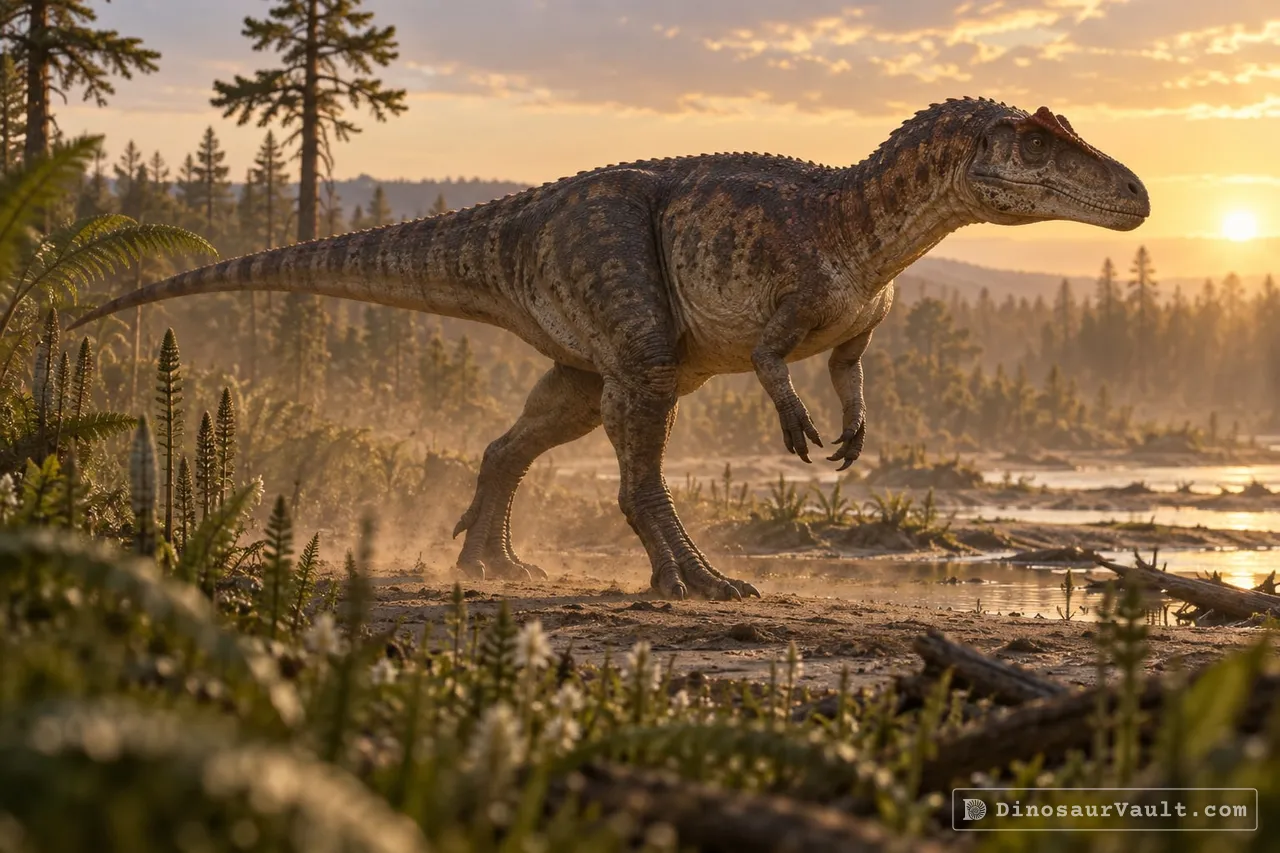
1 of 7
Lived alongside
Found in the same rock formations
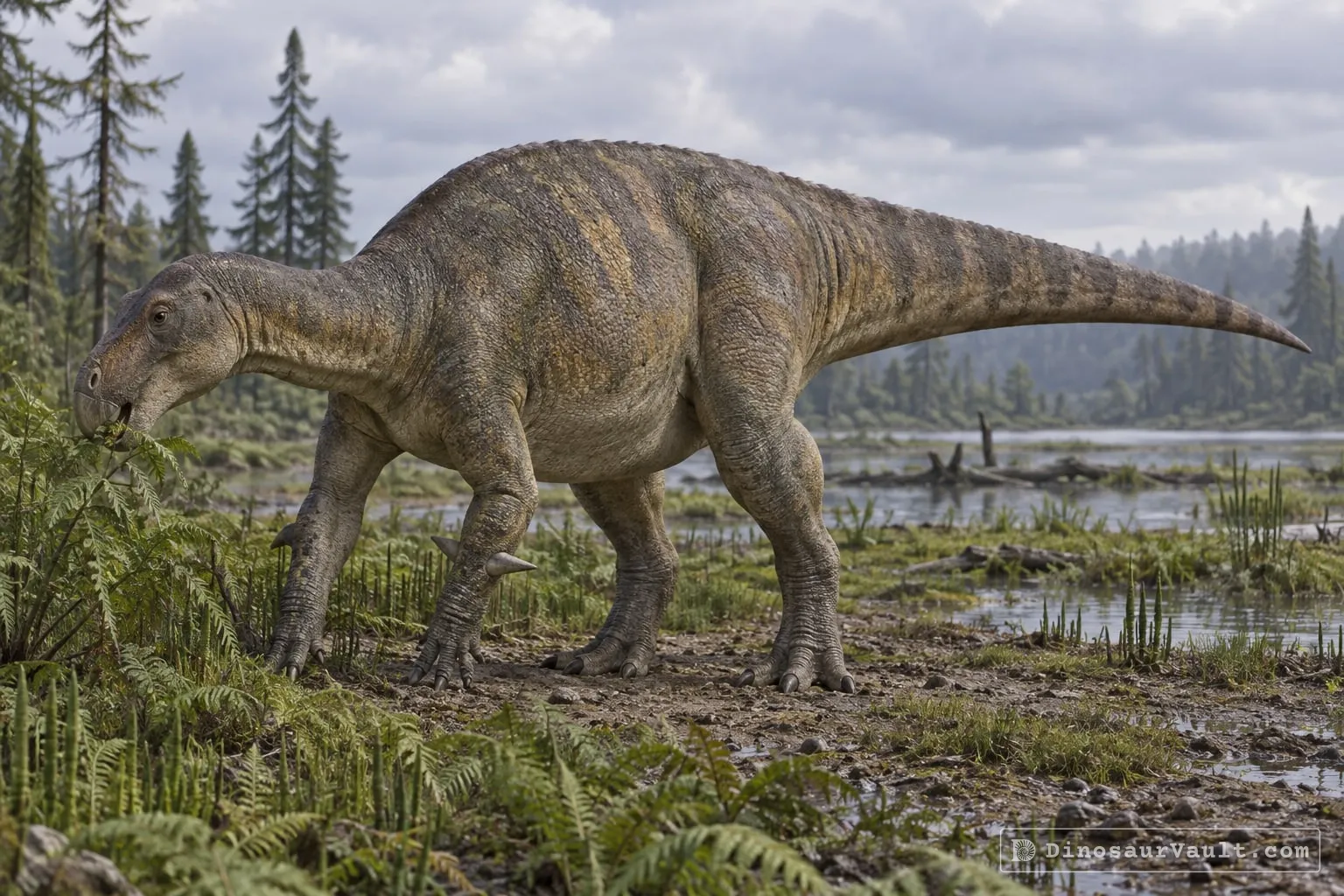
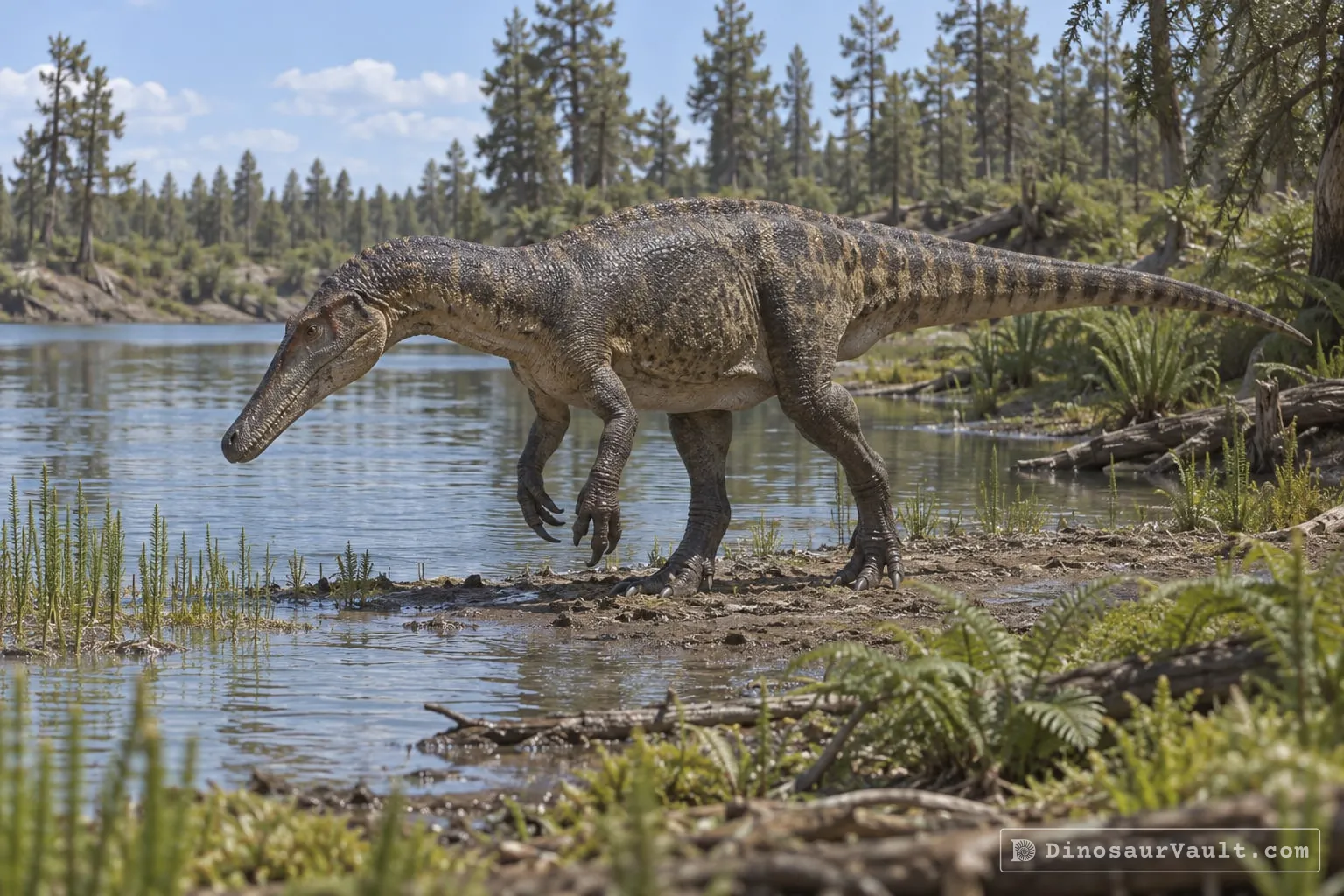
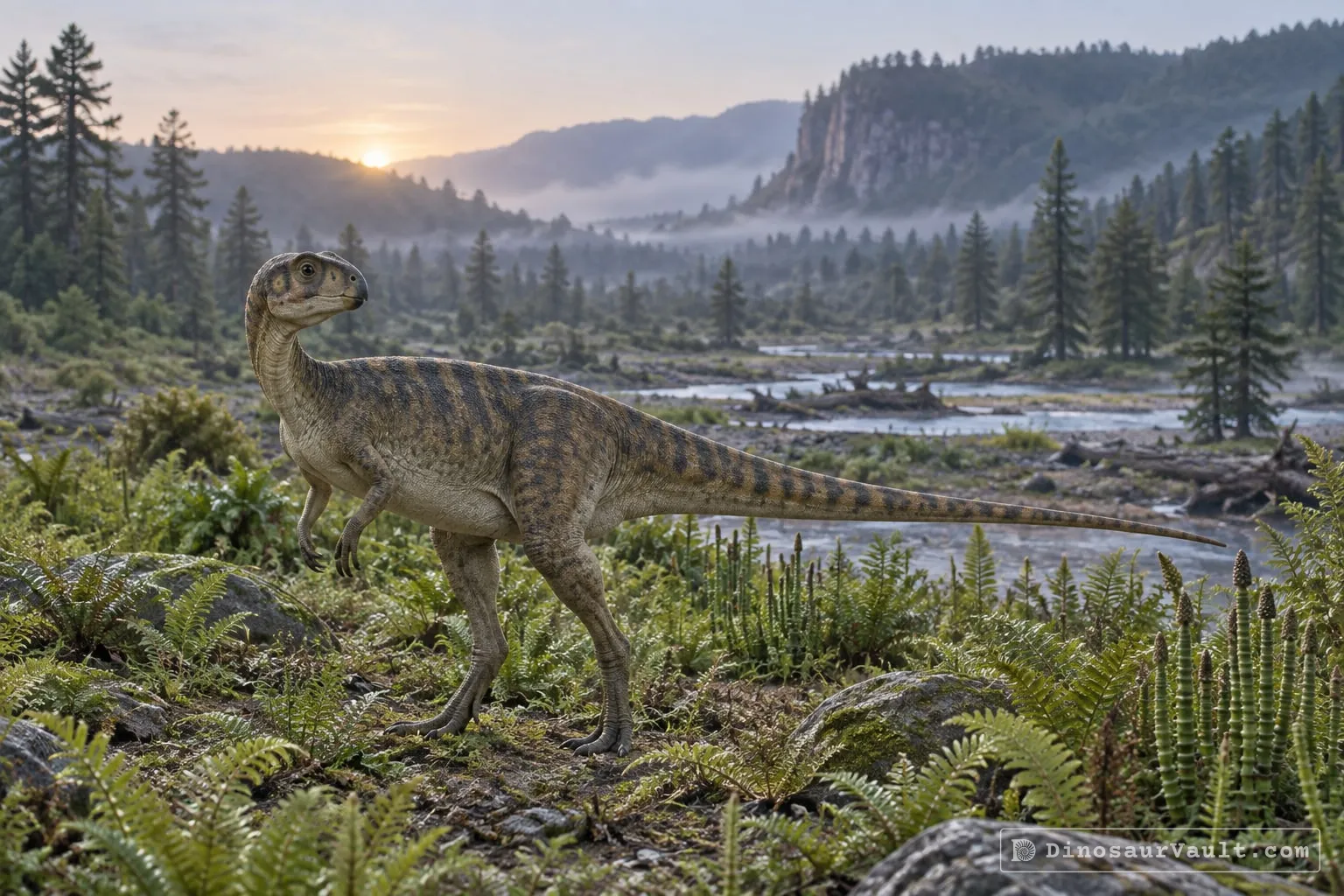
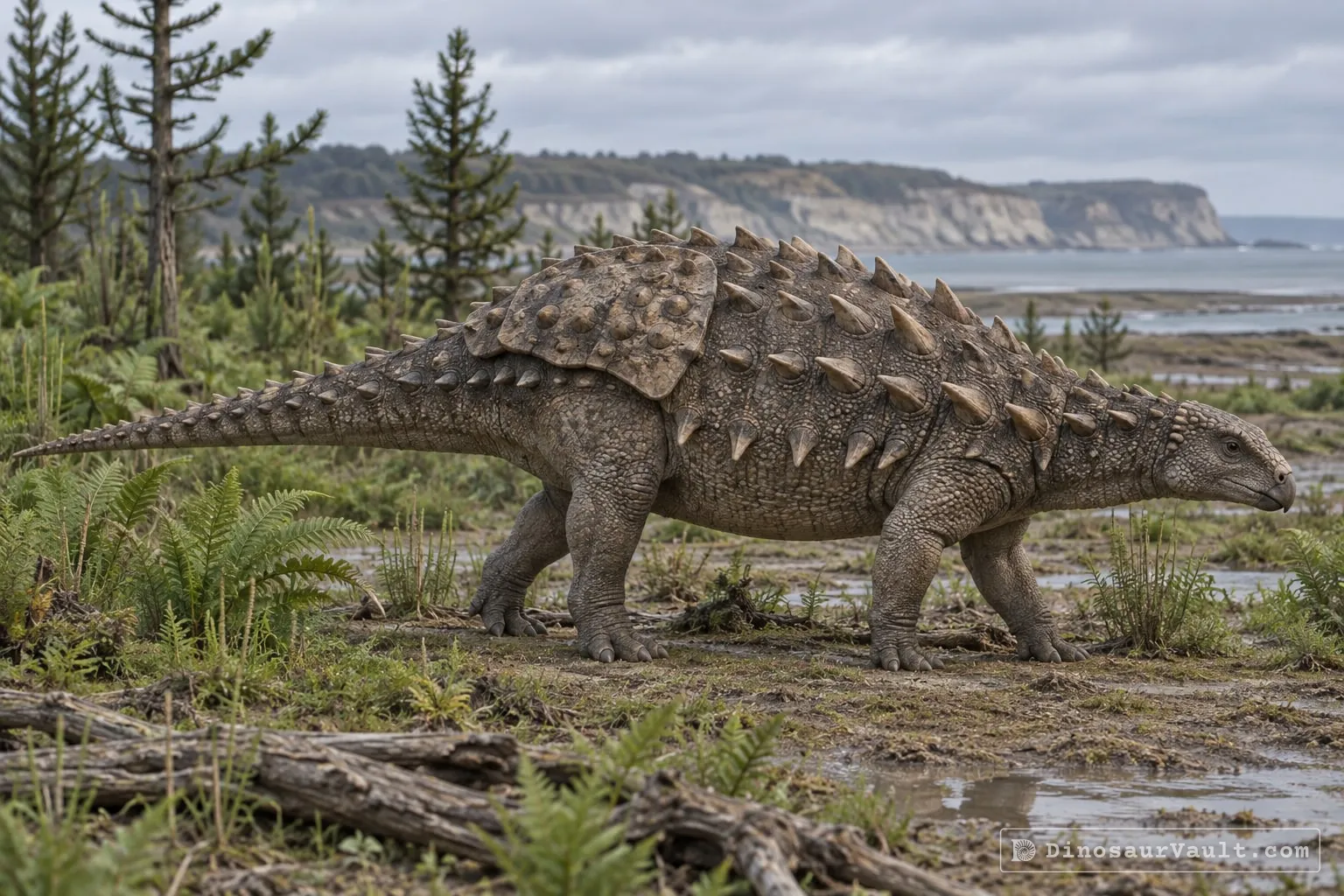
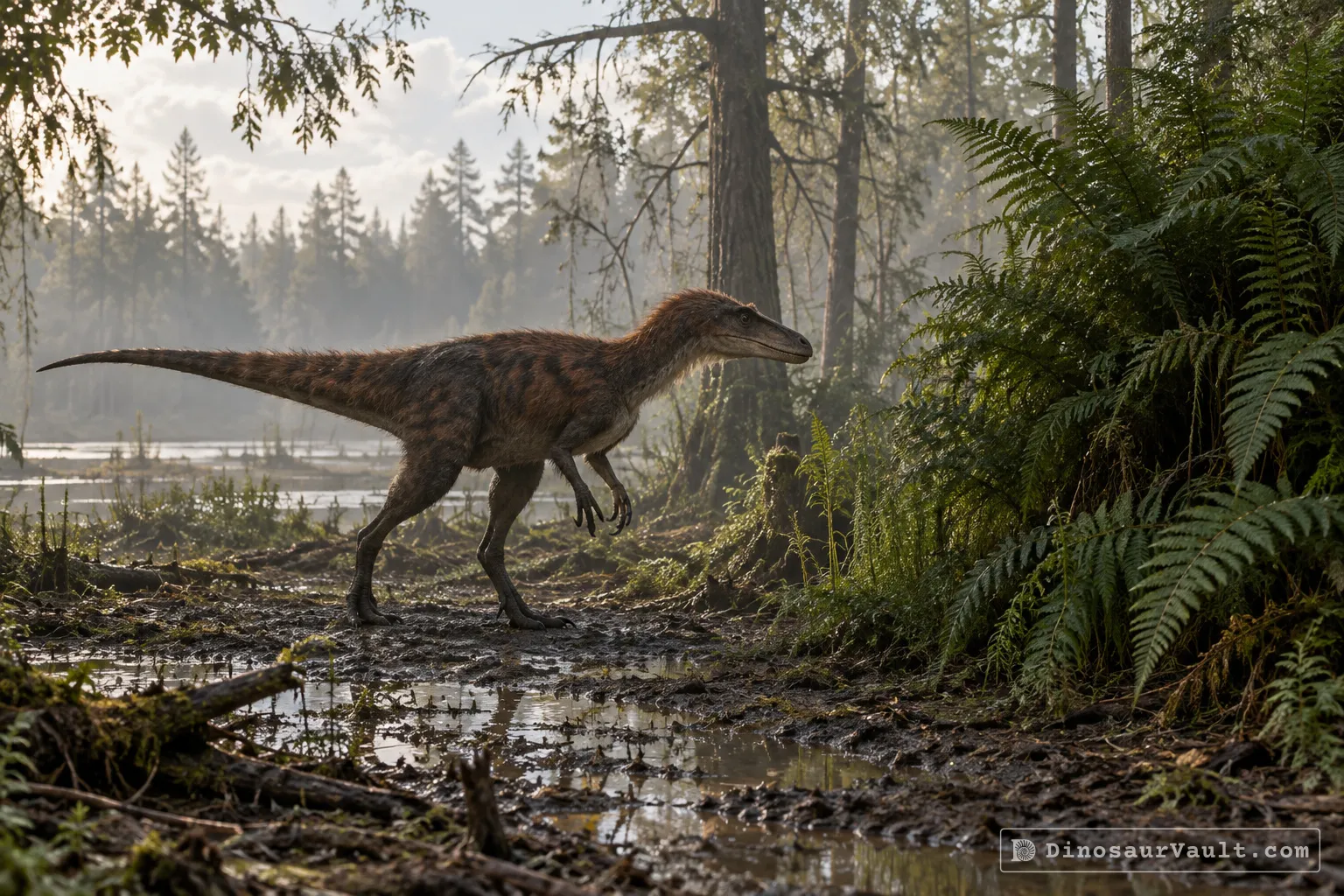
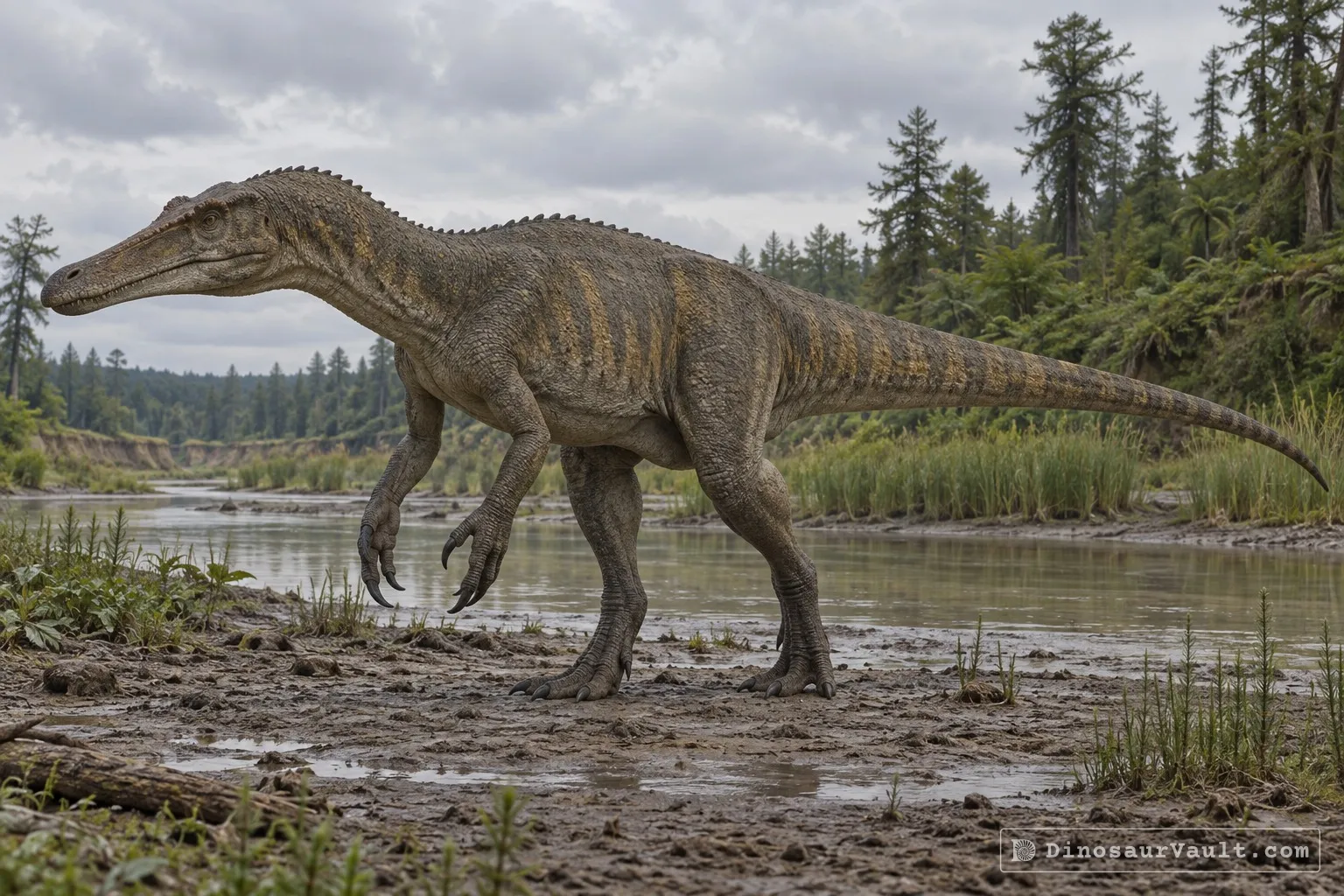
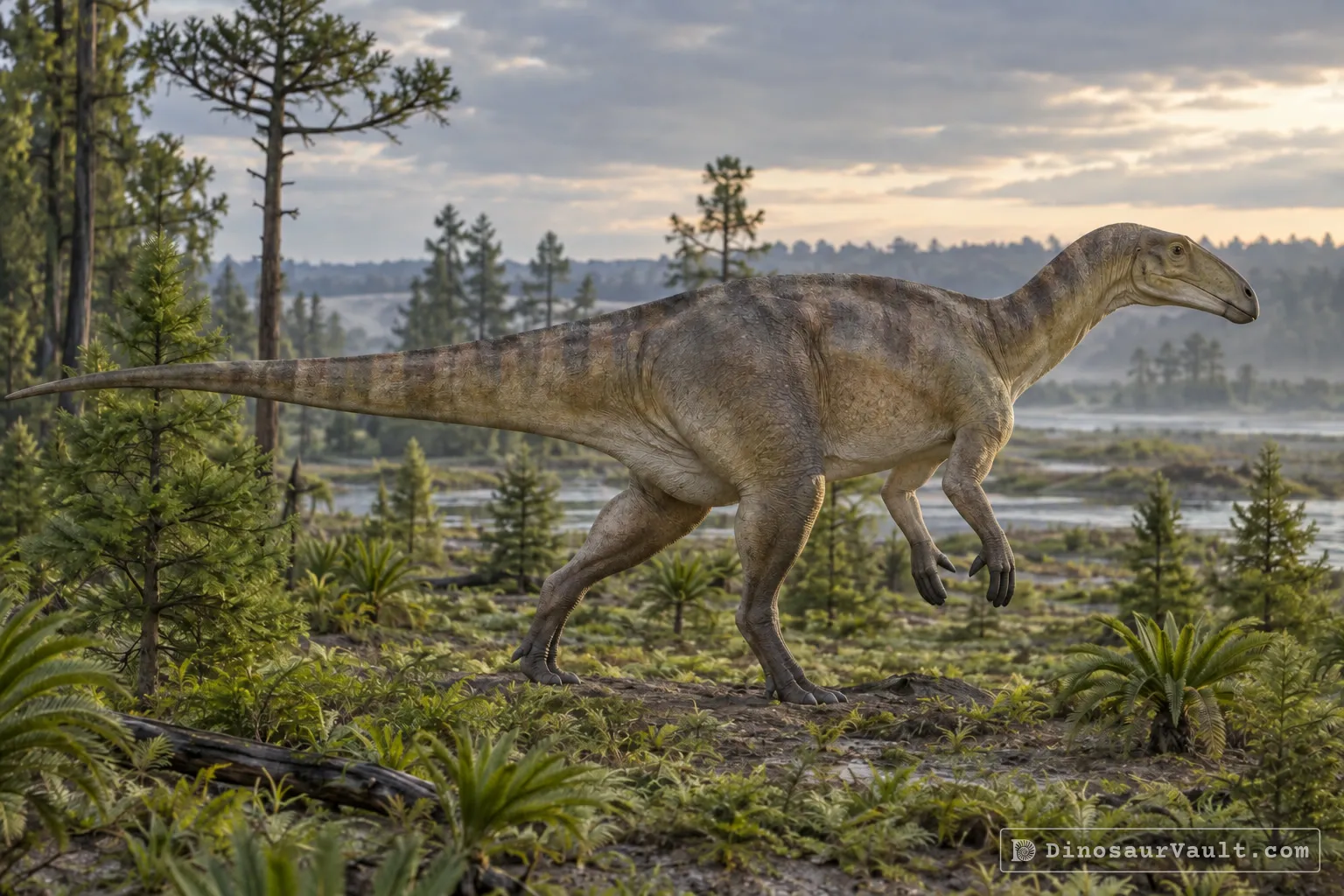
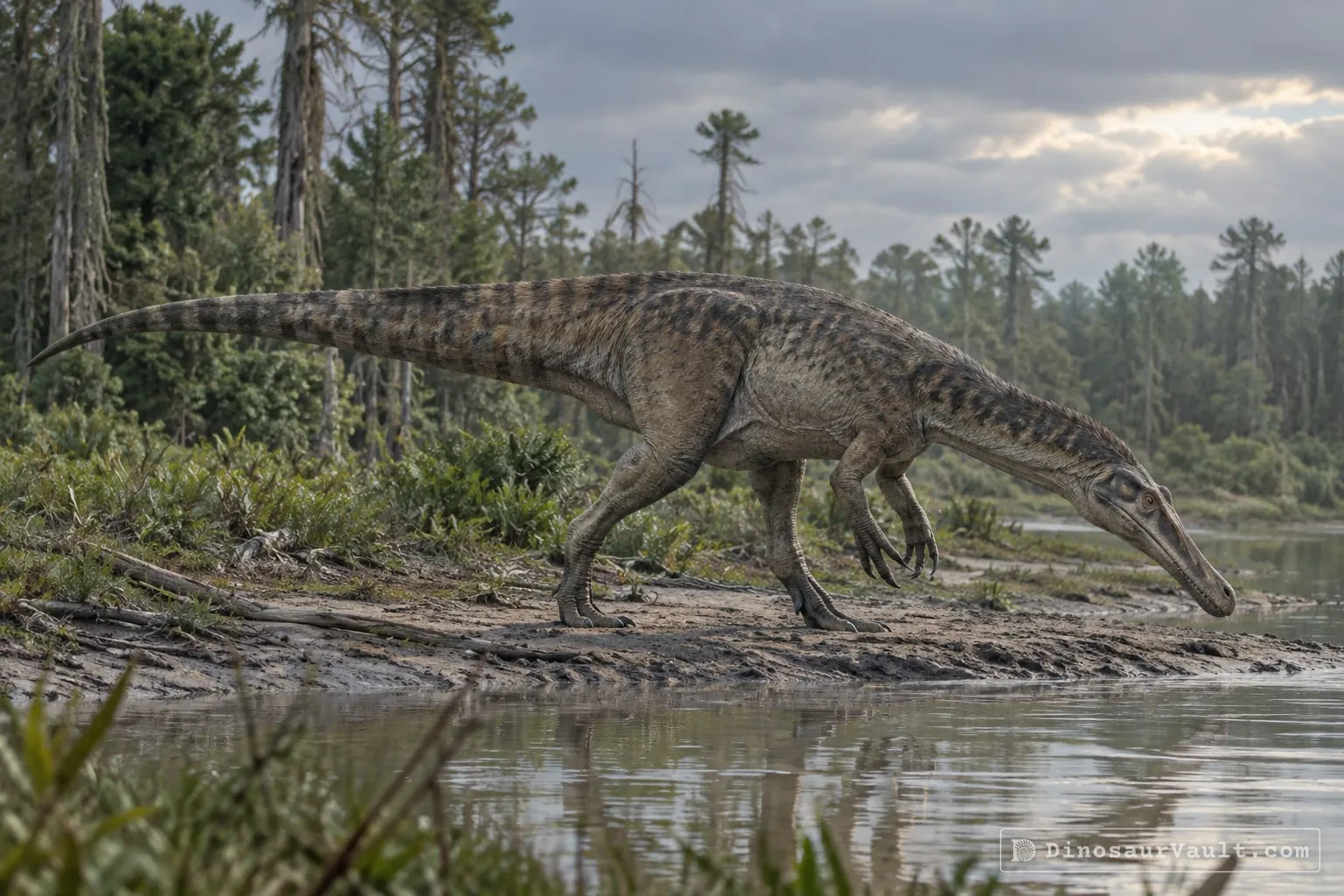


A rock formation can hold fossils laid down millions of years apart, so not every animal here met Neovenator.
The evidence
The science behind Neovenator
Which parts of the picture come from its own bones, and which come from its relatives.
From its own fossils
- Much of the skeleton preserves a lightly built predator with long hindlegs, a long tail and clawed hands.
- Its skull had a long, low snout and blade-like teeth.
- Scans reveal a branching network of canals for nerves and blood vessels inside the snout.
Borrowed from relatives
- Much of its body is known from its own skeleton; Allosaurus helps fill gaps in missing bones.
- Lips covering the teeth and scaly skin are inferred from other large theropods.
Still unknown
- What its skin looked like and what color it was.
- How sensitive its snout was, and how it used that sensitivity.
- How its appearance changed as it grew.
Often drawn wrong
- Its hands had three fingers, rather than Tyrannosaurus's two.
- Its palms faced inward and its tail stayed clear of the ground.
- A giant nasal horn gives it an ornament absent from its skull.
Discovery timeline
- 1996Named itHutt, Martill & Barker
- 2008Full descriptionBrusatte, Benson & Hutt
- 2017SkullBarker et al.
Key papers
The research behind what we know of Neovenator
Named it
Named a large predatory dinosaur from England and identified its relationship to allosauroids.
The first European allosaurid dinosaur (Lower Cretaceous, Wealden Group, England). Neues Jahrbuch für Geologie und Paläontologie - Monatshefte 1996: 635-644
Read the paper : The first European allosaurid dinosaur (Lower Cretaceous, Wealden Group, England) (opens in a new tab)Full description
Described the skull and skeleton in detail, establishing the anatomy of this unusually complete large predator.
The Osteology of Neovenator Salerii (Dinosauria: Theropoda) From the Wealden Group (Barremian) of the Isle of Wight. Monographs of the Palaeontographical Society 162: 1-75
Read the paper : The Osteology of Neovenator Salerii (Dinosauria: Theropoda) From the Wealden Group (Barremian) of the Isle of Wight (opens in a new tab)Skull
Mapped branching nerve and blood-vessel canals inside the snout and proposed that its face was sensitive to touch.
Complex neuroanatomy in the rostrum of the Isle of Wight theropod Neovenator salerii. Scientific Reports 7
Read the paper : Complex neuroanatomy in the rostrum of the Isle of Wight theropod Neovenator salerii (opens in a new tab)
Close relatives
Other members of Neovenatoridae


Sources: Wikidata